Wedding Planning Mistakes to Avoid: What Goes Wrong and How to Fix It
Learn the wedding planning mistakes that cost couples the most, from budget creep to missing buffers, with a sourced, proven fix for each one.
9 min readUpdated Sep 21, 2026Pix Wedding Team
The short version
The wedding planning mistakes that cost the most are made early and noticed late: a budget without a buffer, a guest list that keeps growing, contracts signed without reading the fine print, paperwork left to the last week, a timeline with no slack or rain plan, and no one but the couple in charge on the day. Each has a cheap fix if you catch it in time.
Newlyweds who went over budget32% (LendingTree 2025)
Most wedding mistakes are not dramatic. Nobody forgets the dress. The expensive ones are quiet decisions made in the first months (or never made at all) that only show up as a bill, a stressful morning or a gap in the photos. The same mistake can cost almost nothing or a lot, depending on when you catch it.
Caught early: cheap to fix
Guest count range agreed before venue tours
Budget buffer set aside on day one
Contract questions asked before the deposit
License rules checked months ahead
Rain plan agreed when booking the venue
A named person to run the day, chosen early
Caught late: expensive or stressful
Cutting guests after invitations are out
Covering overages on a credit card
Overtime fees and surprise service charges
A rush trip to the county clerk in the final week
Renting a tent at peak price four days before
The couple fielding vendor calls during portraits
This guide walks through each category with the fix. For the positive version (what to do and when), our wedding tips by month lay out the full planning order.
2Money Mistakes: Budgeting for the Feed, Not the Account
Budget trouble is the most common regret, and the data is blunt. In Zola's 2026 First Look Report, 60% of couples said managing their real budget against online inspiration was their number one pain point, and nearly half changed their budget to bring online ideas to life.
The aftermath shows up later. A LendingTree survey of 1,050 newlyweds in 2025 found 32% went over budget entirely, 67% took on debt for the wedding, and 34% spent more than they were comfortable with to impress others. Just over half said they wished they had spent differently, split evenly between wishing they had spent more and wishing they had spent less.
No buffer line
Fix: set aside roughly a tenth of the total as untouchable contingency. When a quote runs high, it comes from the buffer, not from a new credit card.
Comparing base prices only
Fix: ask every vendor for the all-in number with tax, service charge, delivery, setup and overtime. Two quotes that look equal can differ by thousands.
Pinterest creep
Fix: before adding an idea you saw online, name what it replaces. If nothing gets cut, it goes on a wish list for later, not into the budget.
Unclear family contributions
Fix: agree on amounts, timing and any expectations attached, in writing or at least in one clear message. Vague promises cause fights in the final months.
Tracking in your head
Fix: one shared spreadsheet with quoted, contracted and paid columns. You see real spend at a glance instead of discovering it at the end.
Forgetting the small line items
Fix: add tips, postage, alterations, marriage license, hair trials and vendor meals from the start. Small items add up to a real figure.
An illustrative example: a couple budgets $30,000 and parks $3,000 as the buffer, planning with $27,000. When the florist quote lands $900 over and the rental delivery fee turns out to be $350, both come out of the buffer and the plan stays intact. Without that line, the same two surprises go on a card and linger for months. Our guide on how to budget for a wedding walks through setting the categories.
See what your wedding will really cost
The free cost calculator estimates your total by guest count and city, so the budget starts from real numbers.
3Guest List Mistakes That Multiply Every Other Cost
The guest list is the one number that touches every other line. The Knot 2026 Real Weddings Study found couples averaged 117 guests and spent about $292 per guest. Not every dollar scales with headcount, but food, drinks, chairs, linens, stationery and table decor do.
Mistake: booking the venue first and building the list to fill it. Fix: agree an A list and B list, then tour spaces that fit the A list comfortably.
Mistake: plus-one rules decided case by case. Fix: one rule for everyone (for example, partners of two years or more) written down before invitations.
Mistake: letting each parent add names without a cap. Fix: give each side a fixed number of seats early.
Mistake: assuming a fixed share of guests will decline. Fix: plan for everyone saying yes; treat declines as a bonus.
Mistake: inviting kids by default and then changing course. Fix: decide adults-only or family-friendly once, and say it clearly on the website.
If the list has already outgrown the budget, cut by category rather than by person. Rules like no coworkers, no plus-ones for guests who are single when invitations go out, or only cousins you have seen in the last few years are easier to explain than individual cuts. Apply the rule to both sides of the family equally, and nobody can claim they were singled out.
Keep one master list in the free guest list manager that you both edit, then log replies in the RSVP tracker as they come in.
4Vendor and Contract Mistakes That Cause Day-Of Surprises
Couples hire an average of 13 vendors, according to The Knot's 2026 Real Weddings Study, and 37% ended up contacting more vendors than they planned before booking. More contacts means more contracts, and most day-of surprises trace back to something a contract never mentioned.
Booking on vibes alone
Fix: ask for two recent couple references and a full gallery or setlist from one complete wedding, not a highlight reel.
No named lead
Fix: the contract names who shows up and what happens if that person is ill. A backup plan belongs in writing.
Vague hours
Fix: coverage start and end times plus the overtime rate per hour. Receptions run long; know the price before 10:45 pm.
Promises left in email
Fix: anything agreed in messages (extra hour, a second shooter, a specific song) gets added to the contract before signing.
Skipping the cancellation clause
Fix: read what happens to deposits if either side cancels or postpones, and whether a new date counts as a cancellation.
Forgetting vendor meals
Fix: check which vendors expect a meal and a break, and add them to the catering count.
Watch the booking process itself for warning signs. A vendor who takes a week to answer an inquiry, avoids putting prices in writing, or pushes you to sign within 24 hours to hold the date is showing you how the next twelve months will go. The Knot's 2026 study found that 52% of couples said responsiveness was the thing that built their trust in a vendor, so treat slow replies as information, not as a scheduling quirk.
Seven wedding planners on the mistakes they see most
In this short video from The Knot, planners including José Rolón and Sneh Diwan share the mistakes they see couples make most often, from budgeting to guest experience.
Paperwork mistakes are rare but painful, because they can affect whether the marriage is legally valid or whether a deposit is protected. Two errors show up again and again: getting the license timing wrong, and assuming the venue's insurance covers you.
Three paperwork traps
•License timing. Some states have a waiting period after you apply, and many licenses expire after a set window. Nolo's state chart (updated April 2026) lists both. Mark the earliest and latest safe dates on your calendar.
•Officiant eligibility. Some officiants, especially friends ordained online, need to register with the county or state before the ceremony. Ask who is responsible for returning the signed license and by what deadline.
•Insurance assumptions. Many venues require event liability cover from you, and cancellation cover is a separate policy. CNBC Select's wedding insurance comparison explains the difference.
Keep every signed contract, the license receipt and insurance certificates in one shared folder. When a vendor asks for a certificate of insurance two weeks out, you send a link instead of searching your inbox.
6Photo Mistakes You Only Notice Afterwards
Photo mistakes are invisible on the day. You find them weeks later, scrolling a gallery and realizing there is no picture of you with your grandmother, or that the best dance-floor moments exist only on a cousin's phone.
No family shot list. Fix: write the groupings in the photo shot list tool and name one relative to round people up.
Portraits squeezed into 10 minutes. Fix: ask your photographer how long they need and block it in the timeline, with a buffer.
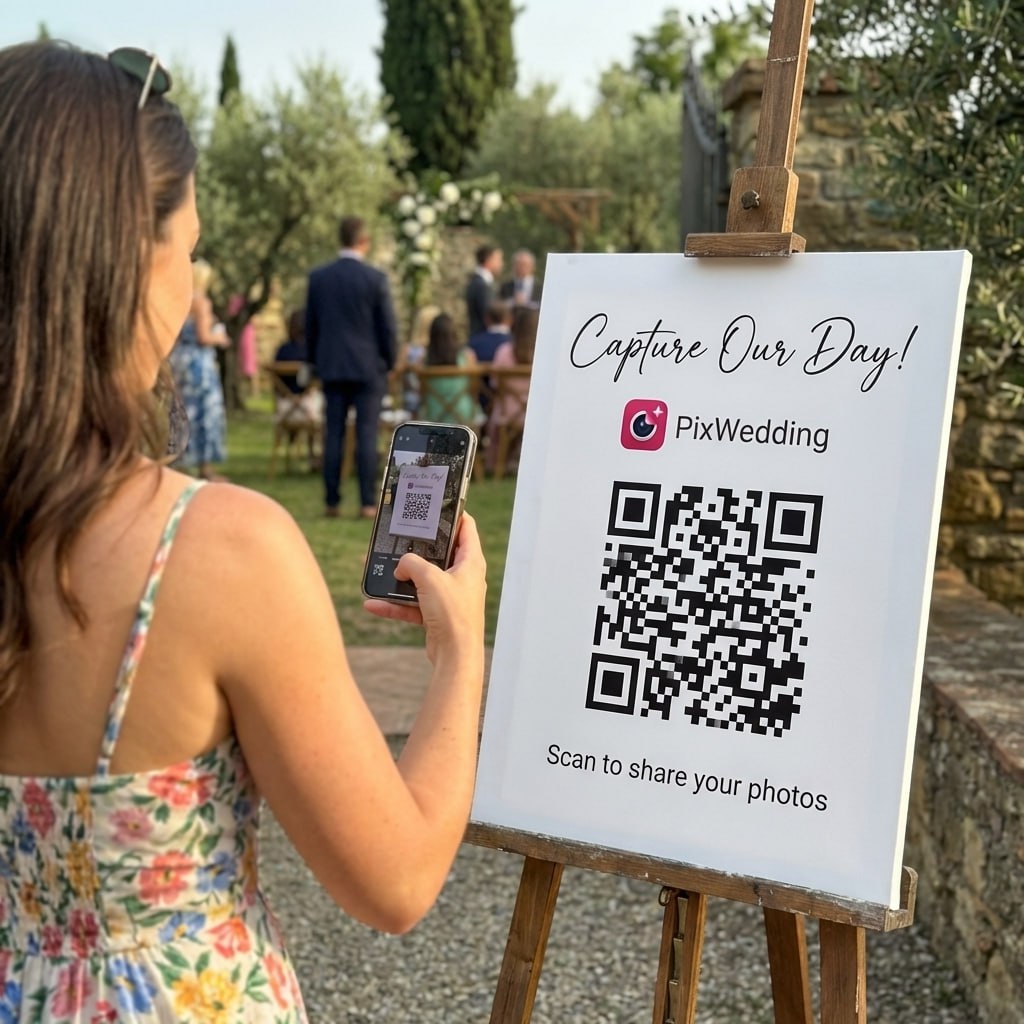
No plan for guest photos. Fix: give guests one place to upload, with a QR code on every table.
The last one matters more than couples expect. Our guest upload dataset from 203 Pix Wedding events shows a typical wedding collects 149 photos (median) from 8 people (median) once guests have a shared album. Without that album, the same shots sit in camera rolls and group chats, and a polite request a week later rarely brings them back.
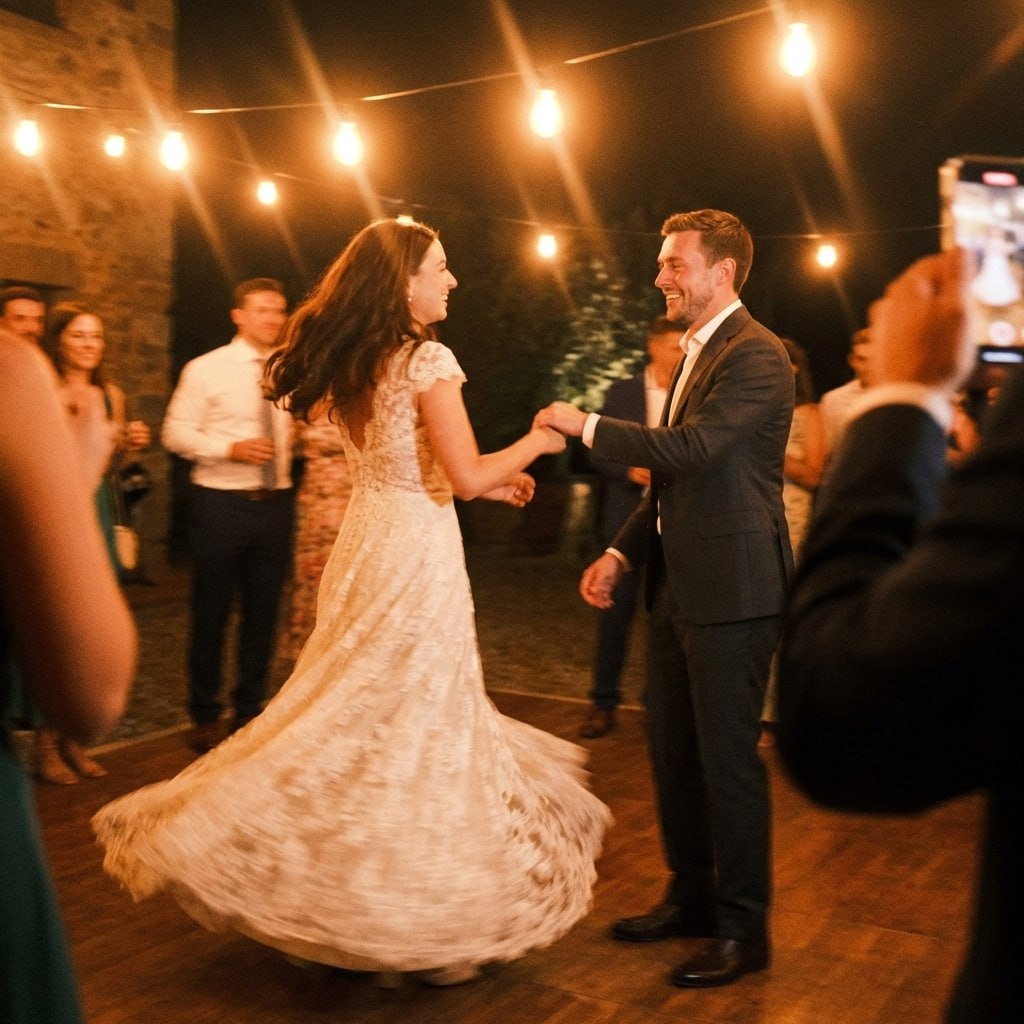
First dance
You guys!!
Fix the guest photo gap before the day
Put one QR code on the tables and guests send photos and videos straight from their phone browser. The first 20 uploads are free with no card; a single payment starting at $49 removes the limit.
Curious what guests see? Scan nothing, just open the demo upload page on a phone. It runs in the browser, so relatives who never install apps can still add their shots.
7Timeline Mistakes: No Buffers, No Rain Plan
A timeline built on best-case minutes breaks at the first delay. Hair runs 20 minutes over, the shuttle is late, family photos take twice as long, and suddenly the sunset portraits are gone. Build the day in the timeline builder with slack at every handoff.
Timeline that breaks
Hair and makeup ends exactly when photos start
Ceremony start time printed as the moment guests arrive
Family photos given 10 minutes for 12 groupings
Speeches after dinner with no time limit
Outdoor ceremony with no backup space booked
Timeline that holds
30 minutes of slack after hair and makeup
Invitations list a time 15 to 20 minutes before the ceremony
Family photos planned at a few minutes per grouping, with a list
Toasts capped at a few minutes each, during or before dinner
Rain plan and decision deadline agreed with the venue
The rain plan deserves its own line in the contract conversation. Ask the venue three questions when you book: where does the ceremony move if the weather turns, how much does a tent cost and by what date must you commit, and who makes the final call. Many couples set a rule like deciding 48 hours out using the forecast, then telling guests on the wedding website. Having the decision made in advance takes the panic out of a grey morning.
Couples who plan everything themselves often assume they will also run the day. Then the florist calls during the first look and the caterer needs a decision during cocktail hour. The fix is not always a paid planner. It is one person, not the two of you, with the timeline and every vendor's number.
The mistake that does not show on a budget is letting planning take over the relationship. Every conversation becomes logistics, one partner carries most of the load, and the week of the wedding arrives with both of you exhausted.
Planning every day
Fix: one fixed planning session a week, and wedding-free evenings the rest of the time.
One partner doing it all
Fix: split by ownership, not by chore. Each of you owns whole areas, start to finish.
Forgetting why
Fix: a date night with one rule: no wedding talk. It resets more than it costs.
A practical test: if the two of you have not talked about anything except the wedding for a week, that is the signal to pause. Push one non-urgent decision to next week, cancel one planning task, and do something you did before you were engaged. The wedding will still happen, and you will walk into it rested instead of running on fumes.
Wedding day regrets, from a planner who has seen hundreds
Jamie Wolfer goes through the regrets couples mention most after their wedding and what to do now to avoid them. A useful gut-check before your final month.
Run this about a month before the wedding. Anything you cannot tick is the next thing to fix, while there is still time and vendor goodwill to fix it.
One month out
Every unticked line is a fix, not a failure.
11Keep Going: Related Guides
Most of these mistakes share a root cause: a decision left open for too long. Close them one at a time and the final month gets quieter. For the positive side, read our guide to planning the moments guests remember, and use the one week before checklist for the final stretch.
FAQ
Frequently Asked Questions
What is the biggest wedding planning mistake?
Letting the guest list grow after the budget is set. Every extra guest adds catering, drinks, rentals and space, and The Knot 2026 study puts average spend at $292 per guest. Fix the headcount range first and choose the venue around it, not the other way round.
How much over budget do most weddings go?
There is no single figure, but going over is common. A 2025 LendingTree survey of 1,050 newlyweds found about a third went over budget entirely and about two thirds took on debt for the wedding. A buffer of roughly a tenth of the total, set aside from day one, absorbs most surprises.
What should you check in a wedding vendor contract?
Check the exact hours and overtime rate, who shows up and what happens if they cannot, deliverables and delivery dates, the payment schedule, cancellation and postponement terms, and any fees or service charges added on top of the base price. Get anything promised by email into the contract.
When should you get your marriage license?
It depends on your state. Some have a waiting period between applying and marrying, and many licenses expire after a set number of days, so applying too early can be as much of a problem as applying too late. Check your county clerk's rules and a current state chart such as Nolo's.
Do you need a rain plan for an outdoor wedding?
Yes. Decide the backup space, the tent hold date and who makes the call and when, all before the week of the wedding. A rain plan chosen in advance is calm; one improvised on the morning of the wedding is not.
Is it a mistake to not hire a wedding coordinator?
Not always, but someone other than the couple should run the day. That can be a day-of coordinator, which Zola lists at roughly $800 to $3,000, or a very organized friend with a written timeline and vendor contact sheet. The mistake is leaving it to the two of you.
What wedding photo mistakes do couples regret?
Skipping a shot list for family groups, leaving too little time for portraits, and having no plan to collect guest photos. Guest shots end up spread across dozens of phones unless there is one shared place to upload them.
 wedding