
Overwhelmed with Wedding Planning? Here Is How to Take Back Control
You are not bad at planning. You are drowning in a culture that has turned a celebration into a project management nightmare. Let us fix that.
Wedding planning overwhelm is not a personality flaw. It is a predictable response to managing a five-figure budget, a guest list full of competing opinions, and dozens of vendor decisions on top of a full-time job and a relationship that still needs attention. In a survey of 500 engaged couples by Zola, 96% said planning their wedding was stressful and 40% called it extremely stressful, so if you feel buried right now, you are the rule, not the exception. The fix below is not "relax more." It is naming the five real sources of the overwhelm and giving each one a specific, concrete fix.
The 80/20 Rule for Weddings
80% of your wedding experience comes from 20% of your decisions. Focus your energy on the things that actually matter.
- The venue (sets the entire tone)
- The food and drinks (what guests remember most)
- The music and entertainment
- Your photographer or photo sharing setup
- Your attire (what makes you feel amazing)
- -Stationery and paper goods
- -Favors and welcome bags
- -Table decorations and centerpieces
- -Dress code coordination for wedding party
- -Transportation logistics for guests
The 5 Real Causes of Wedding Planning Overwhelm
"Overwhelmed" is not one feeling, it is usually five separate problems wearing the same trenchcoat. Naming the actual cause is what makes the fix work.
Budget stress
The problem: Every vendor quote feels bigger than the last one, and you do not know where your real ceiling is until a deposit is already gone.
The fix: Set your total number first, before you request a single quote, then split it into category caps you actually stick to instead of adjusting the whole budget every time a new estimate comes in.
National averages give you a reference point, not a target. The Knot's 2026 Real Weddings Study puts the U.S. average wedding cost at $34,200, based on more than 10,000 couples. Knowing where you land against that number, on purpose, is what keeps a budget from feeling like a runaway train.
Guest list agony
The problem: Every name you add or cut feels like a verdict on a relationship, not a logistics decision, and the list turns into a family diplomacy exercise.
The fix: Move the list out of a shared spreadsheet that everyone can quietly edit and into a tool built for it, one that tracks RSVPs, plus-ones, and dietary notes in a single place instead of six overlapping group texts.
Too many opinions
The problem: Your mother wants a receiving line, his mother has a caterer in mind, and your maid of honor has notes on the reception timeline. Everyone has a vote and you are the tiebreaker on all of it.
The fix: Set the boundary early. Give each family or opinionated relative one real decision to own outright, like the flowers, the rehearsal dinner, or a reading, instead of a vote on everything.
One meaningful decision satisfies people far more than veto power over ten small ones, and it gets them out of your inbox for the rest of the categories.
Decision fatigue
The problem: By the fortieth vendor email you are picking things at random just to make the emails stop. Small choices start to feel as heavy as the big ones.
The fix: Put a hard 10-minute deadline on anything small, napkin color, font, favor style, and delegate entire categories to specific people instead of deciding every single thing yourself.
A single checklist that separates what actually needs a decision this week from what can wait a month does the sorting for you, so your brain is not holding the whole list at once.
Timeline panic
The problem: You keep hearing that everything should already be booked, and it feels like you are behind no matter which week it is.
The fix: Most photographers, DJs, and bands can still be booked around 6 to 8 months out. It is usually only the most in-demand venues and the busiest wedding-season dates that need a year or more of lead time.
Map your actual dependencies on a real timeline instead of a generic countdown, so you know what is genuinely urgent this month and what still has room to breathe.

First dance
You guys!!
One task you can cross off your list today.
Set up Pix Wedding and photo collection is done. Guests scan a QR at each table and every photo goes straight into your shared album, no follow-up needed.

From Mom
Scan to join the album
No app, no account
UPLOADING
Saving your moment
THE ALBUM
Emma & Jack
June 21, 2026
647 photos · 95 guests


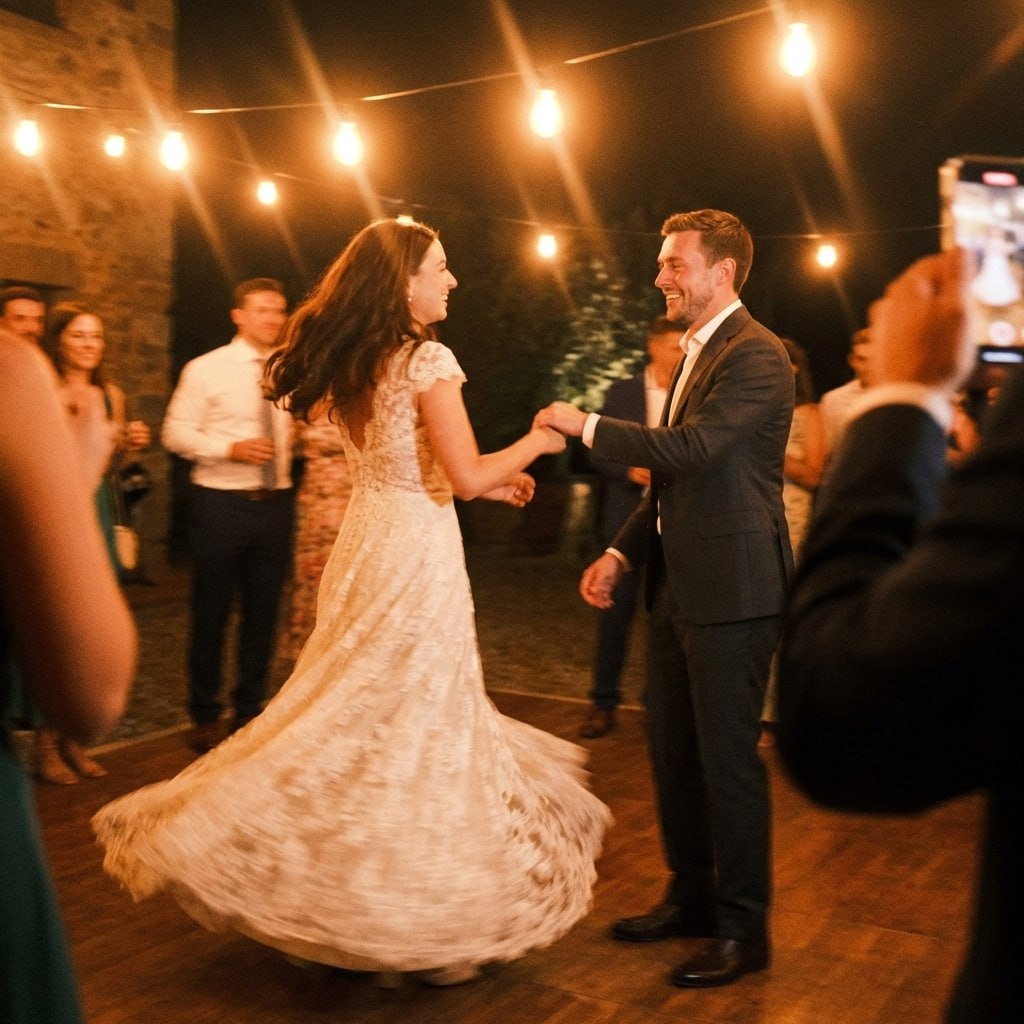

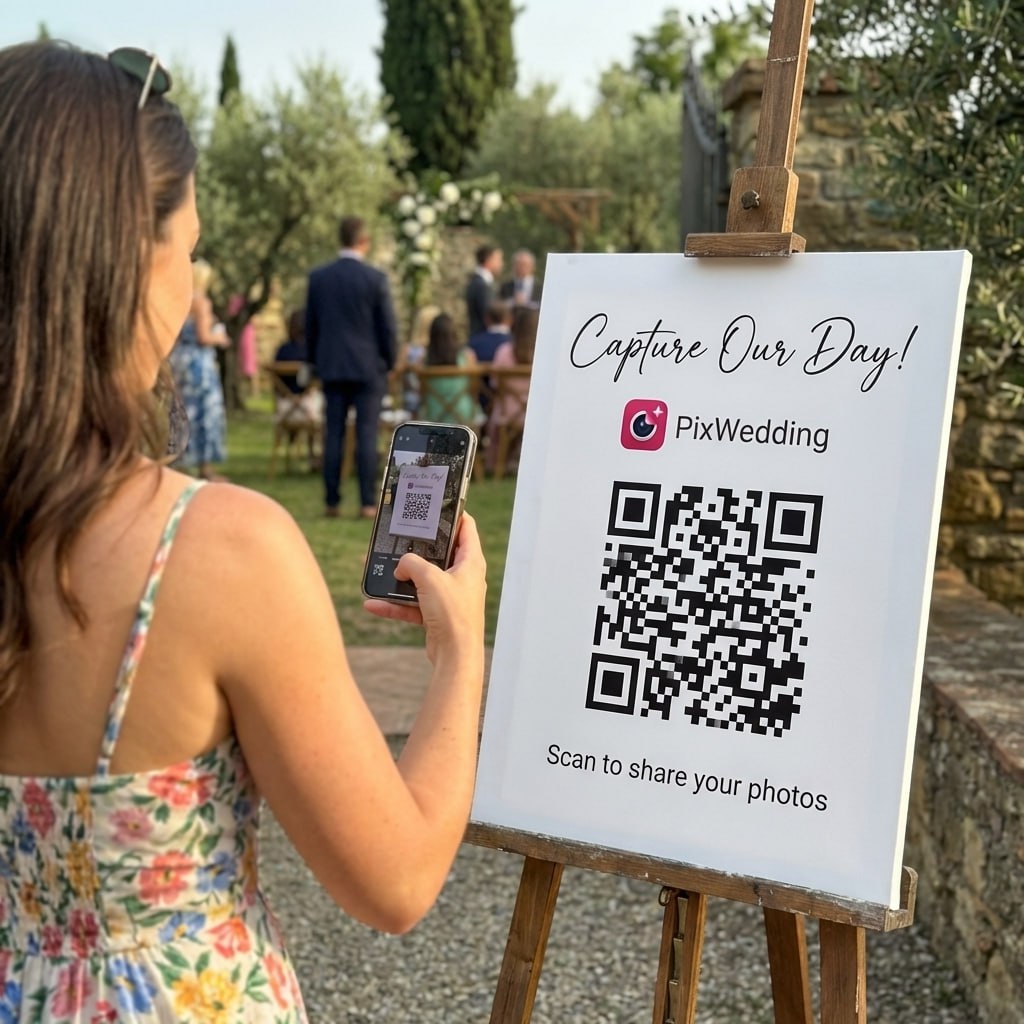
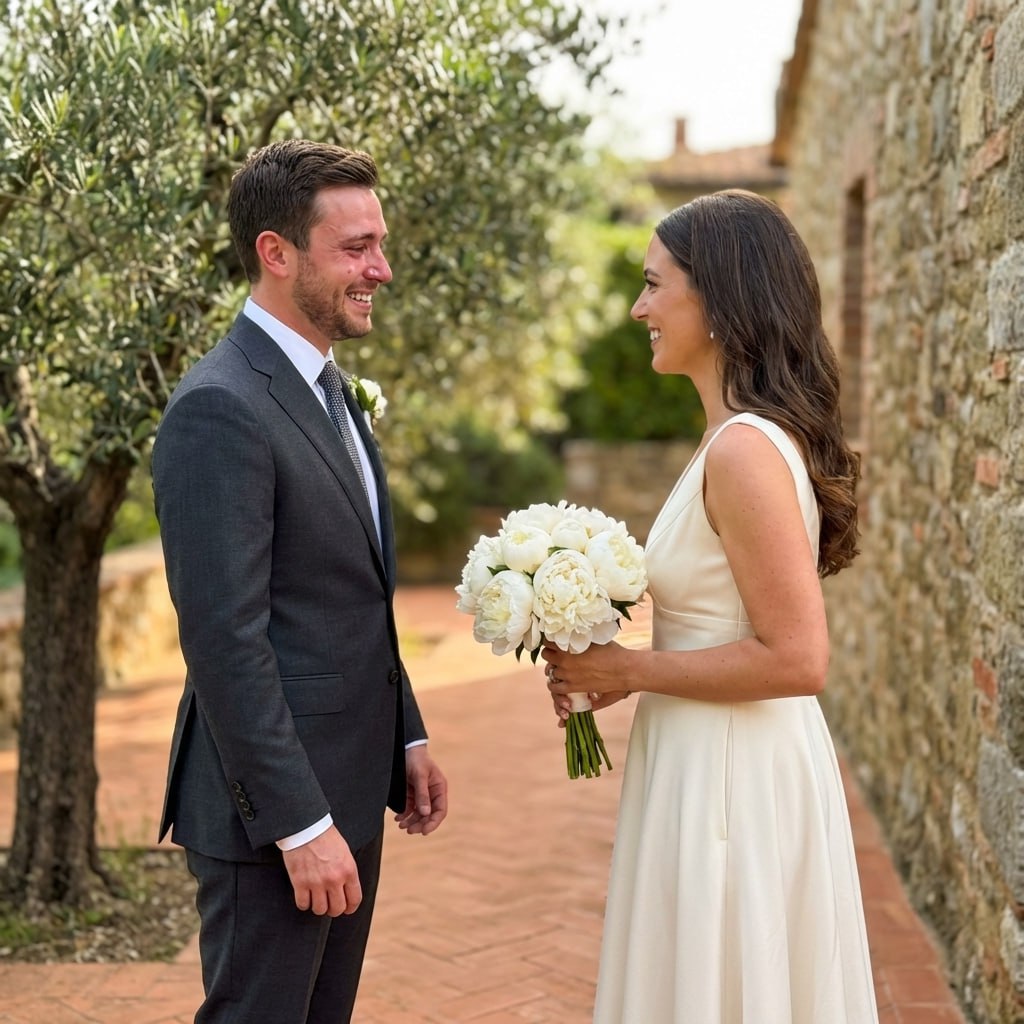
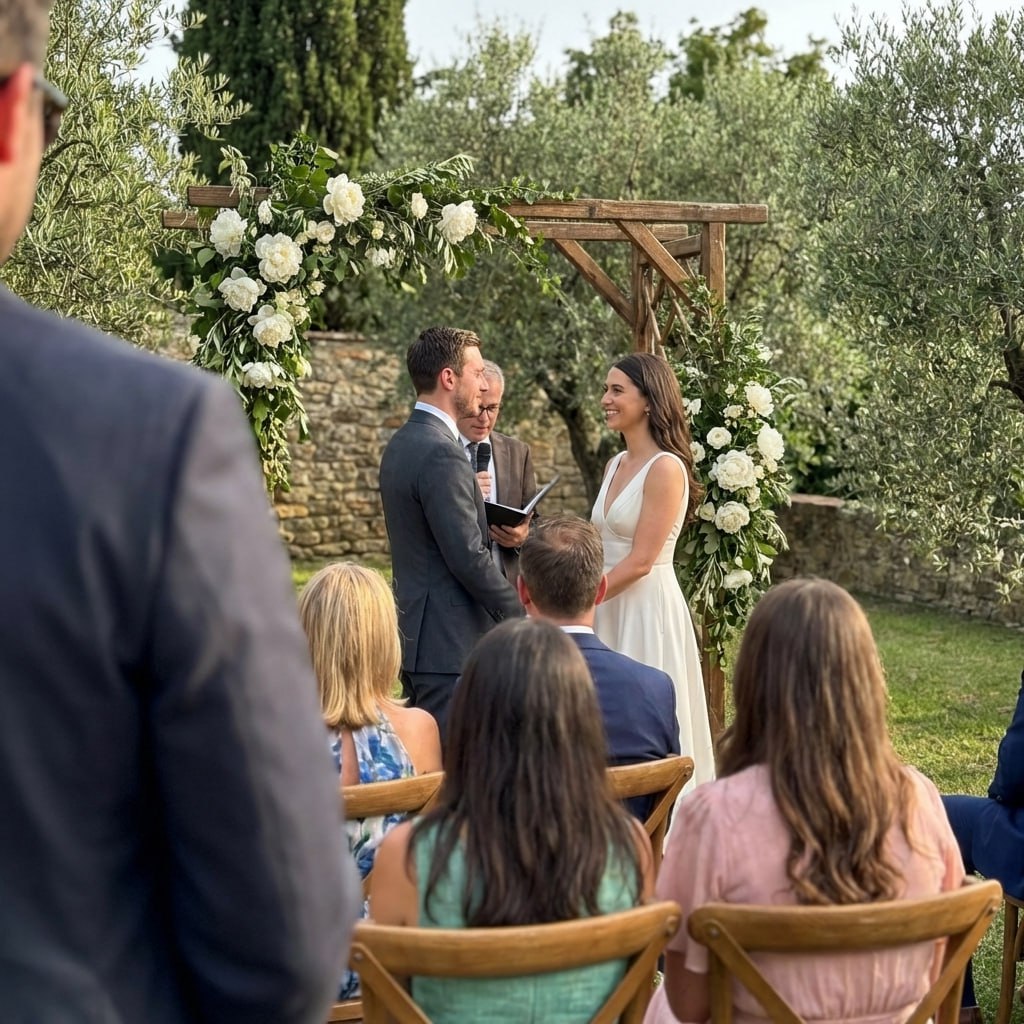

SCAN TO TRY
pix.wedding/
your-wedding
10 Things to Eliminate or Simplify Right Now
Every item you remove from your to-do list is stress you do not carry. These are the things that create work but add minimal guest experience.
Free Tools That Cut Your Workload in Half
Stop using spreadsheets for everything. These purpose-built tools handle the logistics so you do not have to.
Spreadsheet vs Purpose-Built Tool
A shared spreadsheet feels free, but it charges you in hidden hours. Here is what actually changes when you switch to a tool built for the job.
| Task | Shared spreadsheet | Purpose-built tool |
|---|---|---|
| Guest list & RSVPs | Manual edits, no live sync, plus-ones and dietary notes fall out of date fast | Guest List Manager tracks RSVPs, dietary needs, and plus-ones in one place |
| Budget | Formulas break, no per-category caps, overspend is easy to miss until it is too late | Wedding Budget Allocator sets category caps up front and flags overspend |
| Seating chart | Rows and columns are painful to rearrange, hard to visualize the actual room | Seating Chart Planner is drag-and-drop by design and exports for the venue |
| Day-of schedule | A plain document with times, no overlap detection, easy to double-book vendors | Timeline Builder flags overlaps automatically as you build the day |
| Guest photos | Guests forget to send their camera roll, files scattered across texts and emails | QR-code photo sharing uploads guest photos straight into one shared album |
Things That Can Run on Autopilot
Not everything needs your ongoing attention. Set these up once, correctly, and stop thinking about them until the wedding day.
Guest photo collection
Set up a QR code once and every photo guests take lands in one shared album automatically. No one has to email you their camera roll after the honeymoon.
Photo Sharing →The day-of timeline
Build it once with buffer time built in, hand it to your coordinator or maid of honor, and stop being the person answering "what happens next" texts on your own wedding day.
Timeline Builder →The seating chart
Drag it into place once, export it, and hand it to the venue and your day-of coordinator. It does not need daily edits unless your RSVP count actually changes.
Seating Chart Planner →The Delegation Framework
You do not have to do everything yourself. Here is who can take what off your plate.
Day-of coordination, vendor communication on the wedding day, managing the timeline, handling emergencies, holding your phone
Guest list management, accommodation logistics for out-of-town guests, rehearsal dinner planning, family communication
Decorating the venue, setting up the seating chart, managing the gift table, coordinating group photos, running activities
Social media posting, managing the guest book, distributing programs, pointing guests to the QR code for photos
Budget tracking, guest RSVPs, seating charts, timeline management, photo collection, checklist progress
If You Are Already in Burnout Mode
Take a full week off from planning
No venue emails. No Pinterest. No vendor calls. One week of complete detachment is more productive than another week of exhausted, resentful planning. The wedding will survive.
Have the "I need help" conversation
Tell your partner, your family, and your wedding party exactly what you need. People want to help. They are usually just waiting to be asked. Be specific: "Can you handle the seating chart?" is better than "I need help."
Cut your to-do list by 30%
Go through every remaining item and ask: "Will guests notice if this does not happen?" If the answer is no, delete it. Your wedding does not need to be a Pinterest board come to life. It needs to be a celebration of your love.
This Week's 5-Step Reset
If you do not know where to start, start here. This takes one evening and resets the whole workload.
- 1
Block one hour, no phone alerts, and write down every open wedding task from memory. Anything you cannot recall within that hour was probably not as urgent as it felt.
- 2
Sort that list into the 20% that changes the guest experience and the 80% that does not, using the two columns from the 80/20 rule above.
- 3
Assign an owner to every task in the 80% column: a specific person, a specific tool, or a bin labeled 'skip entirely.' Nothing stays assigned to 'me, eventually.'
- 4
Match your remaining tasks to one of the five real causes above. If a task is stuck because of decision fatigue, give it a 10-minute deadline today. If it is stuck because of too many opinions, decide right now who owns that call.
- 5
Set one no-wedding-talk evening this week with your partner and actually protect it. That boundary is part of the plan, not a distraction from it.
Two Quick Questions Couples Ask
Do I need a wedding planner to stop feeling overwhelmed?
Not necessarily. A day-of coordinator or a partial planner can absorb vendor communication and day-of logistics, which is often the most time-consuming part. But the frameworks above, the 80/20 rule, the five causes, and delegation, work whether or not you hire anyone.
What if my partner does not seem stressed at all?
That is common and it is not a lack of caring. People process a large project differently. Ask your partner to own specific categories outright instead of asking them to "help more" in general terms. A defined task is far easier to pick up than an open-ended offer.
Is Your Stress Becoming Something More?
Everything above is normal planning overwhelm: too many tasks, too many opinions, not enough hours. That is different from feeling shaky about the marriage itself, having a panic attack when you picture the aisle, or lying awake with real doubts about your partner. If your worry is about the logistics, the frameworks above will help. If your worry keeps circling back to the relationship, the wedding date, or whether you are making the right choice, these guides go deeper.
Why Wedding Planning Feels So Overwhelming in 2026
Wedding planning has become exponentially more complex over the past decade. Pinterest, Instagram, and TikTok have raised expectations to unsustainable levels. Couples now work through a long list of decisions during the planning process, from the venue down to the font on the place cards, and each one feels consequential because you are spending money and building toward a single day.
On top of that, many couples are planning a wedding while working full-time jobs, maintaining their relationship, and managing other life responsibilities. The myth of the 'fun planning process' adds guilt to the mix. If you are not enjoying it, you feel like something is wrong. Nothing is wrong. Planning a complex event while maintaining a normal life is genuinely hard.
- •Couples work through dozens of decisions during wedding planning, big and small
- •Social media has inflated expectations beyond what is realistic or necessary
- •Most couples plan while working full-time, creating an unsustainable dual workload
- •A wedding is often the largest single purchase a couple has made together, which adds financial stress to emotional stress
- •Not enjoying the planning process does not mean something is wrong with you or your relationship
The Connection Between Planning Stress and Relationship Stress
Here is something important: wedding planning stress can bleed into your relationship and feel like relationship problems. When you are exhausted, overwhelmed, and making decisions under pressure, you are more likely to snap at your partner, withdraw emotionally, or feel disconnected. This does not mean the relationship is failing. It means you are both under extreme stress.
The fix is to create boundaries around wedding planning. Designate specific nights for planning and keep other evenings wedding-free. Go on dates where the wedding is not discussed. Remind each other regularly that the wedding is one day, but the marriage is a lifetime. Do not let the party planning overshadow the partnership.
Explore more free wedding tools
Everything you need to make your wedding day stress-free and unforgettable.
Seating Chart Planner
Plan your reception seating visually.
Guest List Manager
Track RSVPs and dietary needs.
Budget Allocator
Turn your total into a category-by-category plan.
Timeline Builder
Plan your entire wedding day.
Venues by State
Explore venues across all 50 states.
Countdown Timer
Count down the days to your big day.
Bachelorette Party Games
15+ games with rules, supplies, and timing.
Alternative to Wedding Guest Book
15 creative alternatives guests enjoy.
Frequently Asked Questions
Straight answers to the questions people ask most about this topic.
Because wedding planning in 2026 involves a long list of decisions, a budget that is often the biggest purchase you have made together as a couple, coordination of dozens of vendors, management of a guest list, and months of sustained effort, all while maintaining your regular life. The overwhelm is not a personal failure. It is a predictable response to an enormous project.
Name the actual cause instead of treating 'overwhelmed' as one feeling. Budget stress needs a category-by-category budget tool. Guest list fights need a system, not a shared spreadsheet. Too many opinions need boundaries, one decision per relative. Decision fatigue needs a checklist with deadlines. Timeline panic needs a real schedule instead of a generic countdown. Fix the specific cause and the overall stress drops.
Not only okay but recommended. If you are in burnout mode, take a full week off. No emails, no Pinterest, no decisions. The wedding will not fall apart. Your mental health and your relationship are more important than any vendor deadline.
Reframe it: asking for help is not failing, it is leading. Project managers delegate all the time. Tell your wedding party, parents, or friends exactly what you need help with. Be specific. Most people are eager to contribute but do not know what to do.
Absolutely, and it commonly does. Stress makes people irritable, withdrawn, and less patient. The key is to recognize that conflict during planning is usually about the stress, not the relationship. Create wedding-free zones in your schedule, go on non-wedding dates, and check in with each other regularly about feelings.
Purpose-built wedding tools replace messy spreadsheets and reduce manual work. We recommend our free Wedding Checklist for tracking tasks, Budget Allocator for financial planning, Seating Chart Planner for reception layout, Timeline Builder for the day-of schedule, Guest List Manager for RSVPs, and Pix Wedding for automatic guest photo collection.