Digital Wedding Album vs Traditional Photo Book: Prices and Archiving
Learn what a digital wedding album means, what printed albums cost in 2026, how long paper and files last, and a simple plan to keep both safe.
10 min readUpdated Sep 22, 2026Pix Wedding Team
Digital album or photo book?
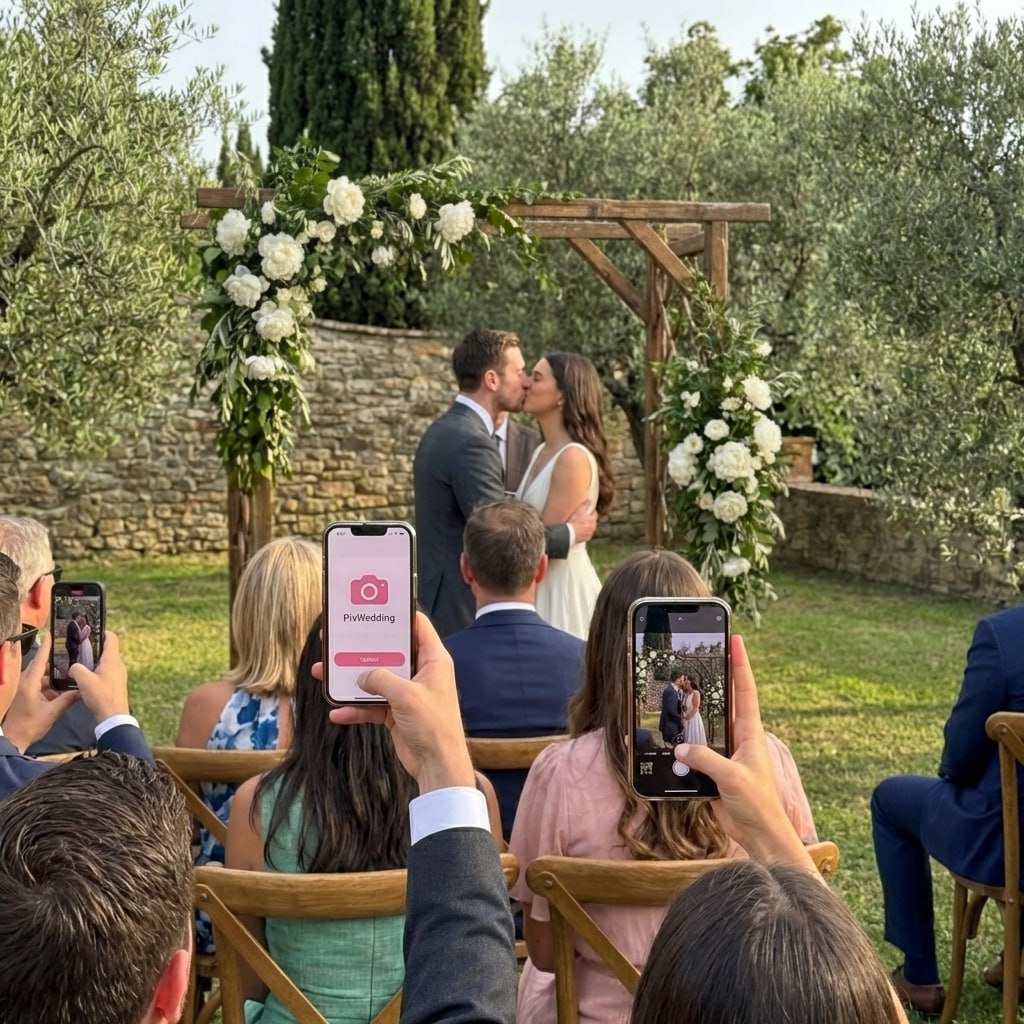
A printed photo book is the version you hold: a curated set of your best images that sits on the shelf and needs no device. A digital wedding album is the version that holds everything: every photo and video, including what your guests shot, shareable with a link. They are not rivals. The smart order is digital first (collect and back up everything), then print a book of the favorites. Printed books start around $59 for a hardcover and $159 for a layflat from consumer makers; a digital album can be free or a one-time fee.
A quick disclosure: I run Pix Wedding, which is a digital album. I still think most couples should also print a book. Below you will find what each format costs in 2026, how long each one lasts, and a simple plan for keeping your wedding photos safe for the next fifty years, with sources you can check.
1What Does "Digital Album" Mean for a Wedding?
The phrase gets used for three different things, and vendors do not always say which one they mean.
An online gallery. One private link where all your photos and videos live. Your photographer's delivery gallery is one; a guest photo album like Pix Wedding is another. This is what most people mean when they compare digital with print.
A designed album as a file. Some photographers lay out an album spread by spread and send it as a PDF or a page-turning flipbook, either instead of a printed album or as a proof before printing.
The files themselves. The full-resolution folder you download. Strictly speaking this is not an album, but it is the thing that matters most in the long run.
Keep the three apart and the decision gets easier. An online gallery is for collecting and sharing. A printed book is for looking and passing down. The folder of files is your insurance policy for both.
2What Does a Printed Wedding Album Cost in 2026?
Printed options fall into two camps: consumer photo books you design yourself, and professional albums ordered through your photographer. Here are list prices we checked on Artifact Uprising's photo book page in September 2026, before any sale codes:
Softcover photo book: from $19
Hardcover photo book: from $59
Wedding layflat photo album: from $159
Signature layflat photo album: from $239
Prices climb with size, page count and cover material, so treat those as entry points. Shutterfly's photo books start with 20 included pages and go up to 111, and the site was running a percentage-off promotion on photo books when we checked. With consumer books, the list price often is not what you end up paying, so wait for a code before ordering.
Professional albums work differently. Makers such as Queensberry sell only to professional photographers and album designers, and their prices are visible only to approved trade accounts. That means the price of a pro album shows up in your photographer's package or add-on list, not on a public price page. Ask for it in writing when you compare photographers, alongside the full package price. For context, The Knot puts the national photographer average at about $3,000.
Layflat or standard binding?
Layflat pages open completely flat, so a photo can run across both pages without disappearing into the spine. That matters for wide shots like the ceremony aisle or a big group photo. Standard binding is thinner and cheaper, and works fine if you keep one photo per page. If you plan to use two-page spreads, pay for layflat.
Find room for an album in your budget
Split your total across photographer, album, venue and the rest, and see what is left for extras.
Anywhere from nothing to a one-time fee. The free route is a shared album on a service you already use. The catch with Google is space: Google says each account includes up to 15 GB, shared across Gmail, Drive and Photos, and a wedding's worth of guest videos eats that fast. Shared albums on these services often ask guests to sign in or install an app, which some guests will not bother with. We compare those options in detail in our shared photo album guide.
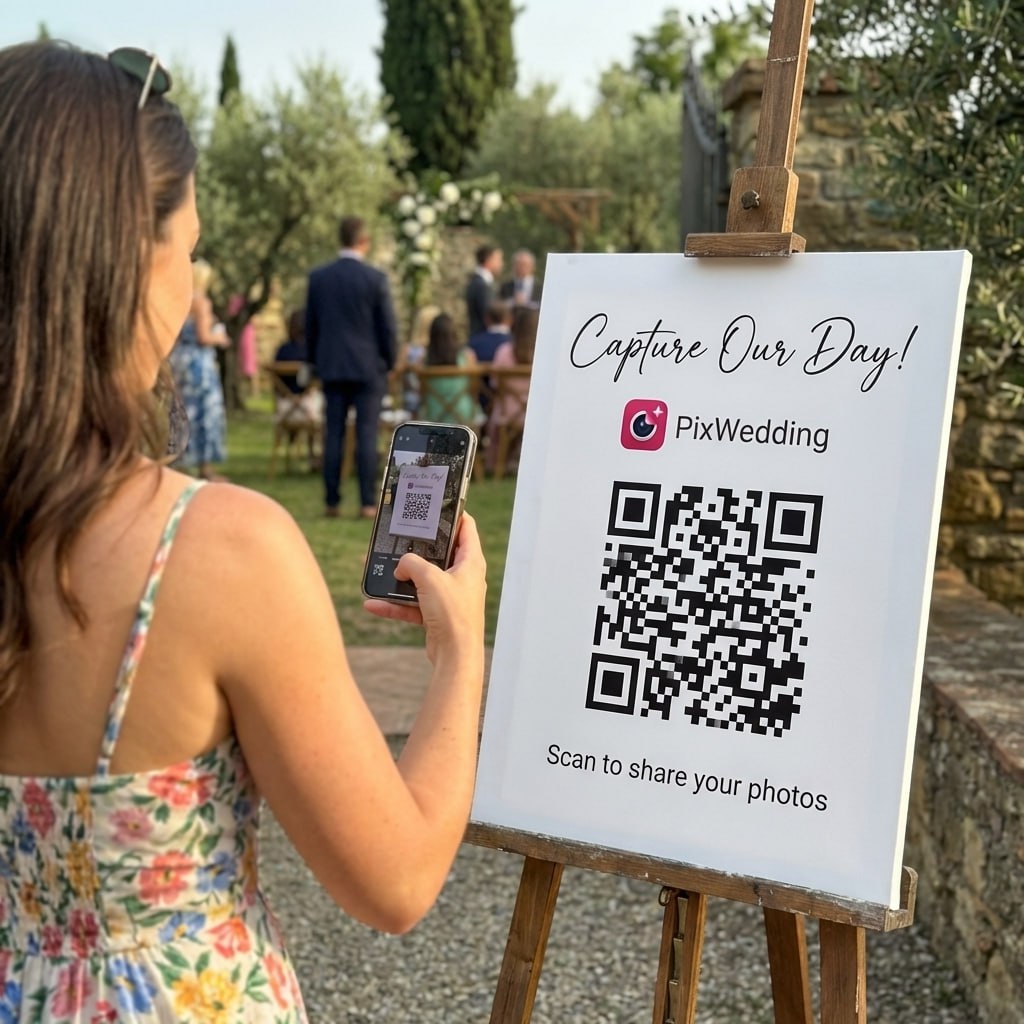
Pix Wedding is free for up to 20 guest uploads with no card. Paid plans are one-time payments, never a subscription: Starter $49 (6 months of storage), Standard $59 (12 months, plus a live slideshow and audio guestbook) and Pro $89 (24 months, plus AI selfie search and multiple admins). Every paid plan includes a ZIP download of all photos and videos in full resolution, which is the part that feeds your long-term backup.
Notice what that means: an online album is a place to collect and share, not a vault. Every hosted service, ours included, has a storage window or a policy. The ZIP you download is what you keep forever. If you want to know how long to keep an album open for uploads, we wrote a separate guide on how long a wedding album should stay open.
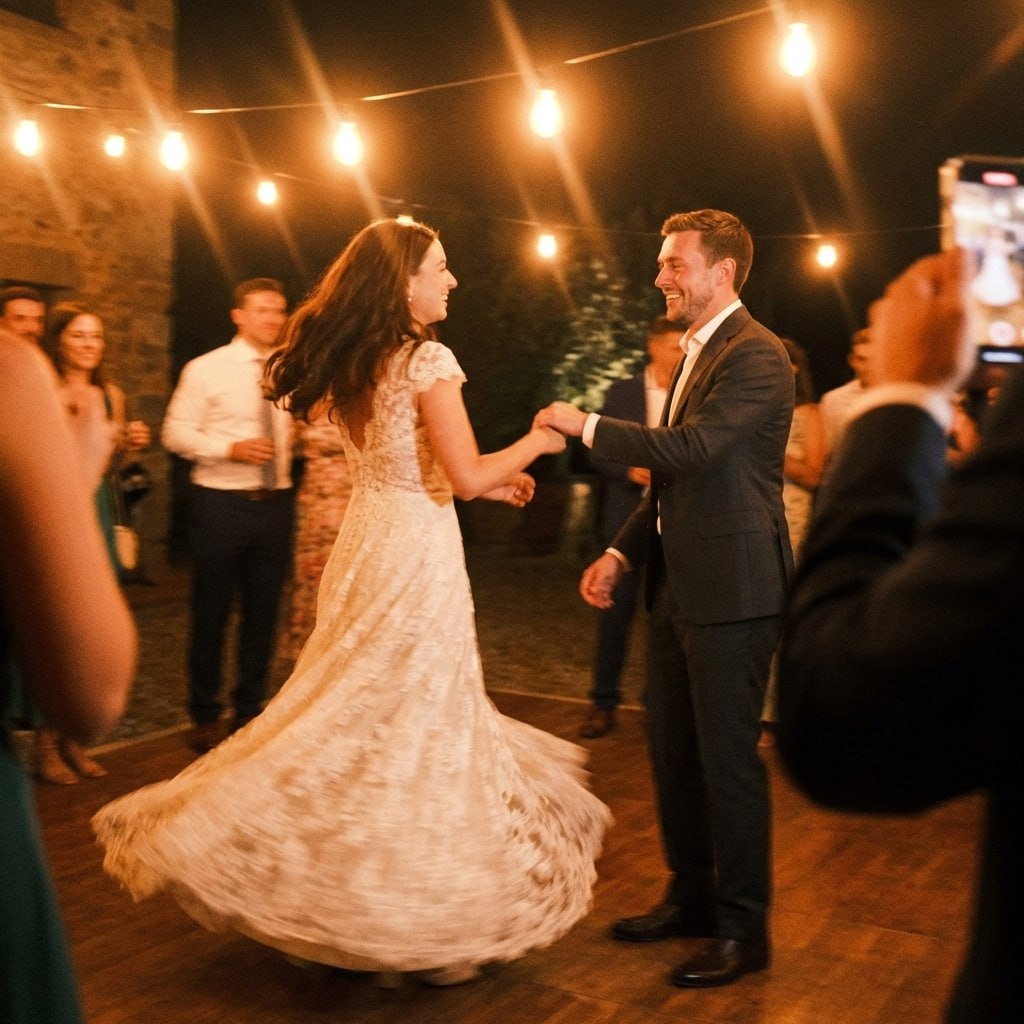
First dance
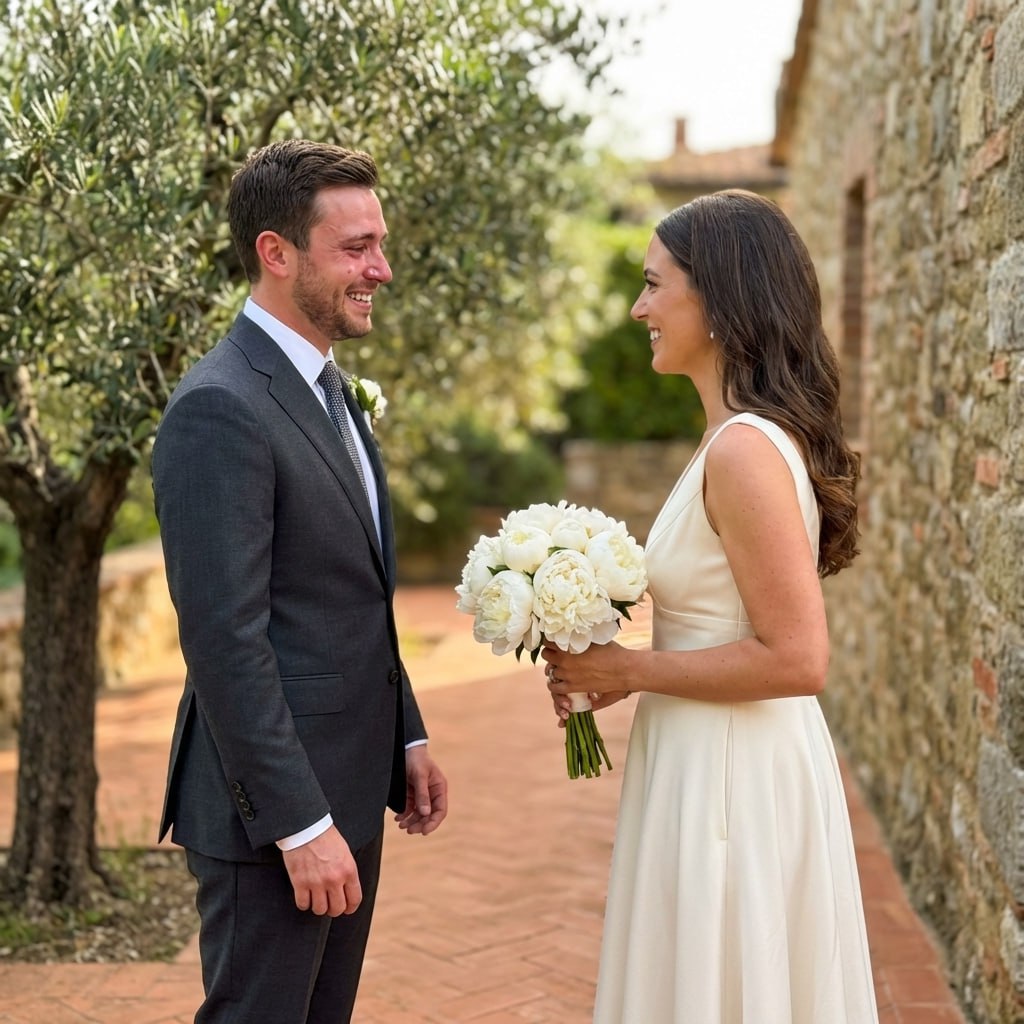
You guys!!
Start the album your archive begins with
Free guest album for up to 20 uploads, no card. One payment from $49 unlocks unlimited photos and videos and a full-resolution ZIP, the first copy of your 3-2-1 backup.
Your photographer covers the day beautifully, but they are one person with one angle. Your guests are the ones at the table during the toast, in the bathroom mirror getting ready, on the dance floor at midnight. Their photos rarely make it into a printed book because nobody ever collects them.
We track this across real weddings in our guest photo upload statistics. Over 203 Pix Wedding weddings, the median album collected 149 guest photos from 8 uploaders, with the middle half of weddings between 70 and 253. Many of those are the only record of a moment. Guests can upload videos too, which no book will ever hold.
A digital guest album is also the best shopping list for your printed book. Scroll it once a month after the wedding and star the images that make you stop. By the time you design the book, half the choosing is done. Try the demo upload page on your phone, then open the demo album to see how guest photos sit next to each other.
5Which Lasts Longer: Paper or Pixels?
Neither format is safe by default. A book in a damp basement fails, and so does a hard drive in a drawer. What decides the lifespan is how you store each one. The National Archives guide to storing family photographs gives clear numbers for paper: keep the temperature below 75 degrees Fahrenheit and relative humidity below 65 percent, but not below 15 percent, which makes materials brittle. Avoid damp basements, garages and hot attics.
For digital photos, the Library of Congress recommends at least two copies stored as far apart as practical, a check at least once a year that you can still open them, and fresh copies on new media every five years or when needed. Files do not fade, but storage devices fail and formats age, so digital needs regular attention instead of a good shelf.
Keeping a printed album safe
Store it in a living space, not the attic, garage or basement
Keep it out of direct sunlight on the shelf
Store it flat or upright in its box, never under heavy objects
For loose prints, use enclosures that passed the PAT (Photographic Activity Test)
Skip old magnetic albums with self-stick pages and PVC sleeves
Handle pages with clean, dry hands
Keeping digital files safe
Download the full-resolution originals, not previews
Keep at least two copies in different places
Add one copy off-site or in a cloud service
Name folders clearly (for example 2026-06-14_Wedding_Guests)
Open a few files once a year to check they still work
Copy everything to new media every five years
The album-care points above come from the National Archives page, which also warns against rubber bands, pressure-sensitive tape and unknown adhesives near photographs. If you are inheriting an old magnetic album from your parents, that is a good reason to scan it before it gets worse.
6The 3-2-1 Rule, Applied to Wedding Photos
The National Archives digitizing guide sums up digital safety in one line: follow the 3-2-1 rule, with three copies on two different media and one copy off-site. Backblaze's explainer notes that US-CERT and Carnegie Mellon recommended the same approach back in 2012. Here is what it looks like for a wedding.
Your wedding photo 3-2-1 checklist
Do this within a month of getting your photographer's gallery and closing your guest album.
If you want to see a working backup routine, this walkthrough from photographer Julia Trotti shows how a pro organizes, names and duplicates thousands of images. You will not need all of it, but the folder naming and the multiple-drive idea translate directly to a couple's wedding archive.
A photographer's backup routine you can borrow
Julia Trotti walks through the backup workflow she has used for more than ten years, from importing to naming folders to copying onto hard drives. Watch it for a practical picture of what multiple copies look like in real life.
This is where most printed albums stall. Couples end up with hundreds of photos from the photographer and more from guests, and the book never happens. A simple method helps.
Decide the book size first. A 20-page book holds far fewer photos than a 60-page layflat. Pick the format, then fill it.
Follow the day in order. Getting ready, ceremony, portraits, reception, send-off. Readers expect the story to move forward.
Give the big moments a full page. The kiss, the first look, the first dance. One strong photo per page beats four small ones.
Save guest photos for the in-between pages. A spread of candid phone shots from the dance floor feels alive next to the formal portraits.
Cut duplicates without mercy. If three photos show the same moment, keep one.
Leave out anything you would not want your grandchildren to see. A book is permanent in a way a gallery is not.
Order a cheap softcover proof before the expensive layflat if you are designing it yourself.
Sample plan for a 20-spread wedding bookIllustrative layout, adjust to your day
1. Spreads 1 to 2: getting ready, details, the dress and rings
2. Spreads 3 to 6: ceremony, from the aisle to the kiss
3. Spreads 7 to 9: couple portraits
4. Spreads 10 to 11: family and wedding party
5. Spreads 12 to 13: cocktail hour candids, including guest photos
6. Spreads 14 to 16: toasts, first dance and the dance floor
7. Spreads 17 to 18: guest photos from the late night
8. Spreads 19 to 20: send-off and one quiet closing image
Not sure which consumer book to pick? Photographer Alison Winterroth printed the same photos with three popular services and compared them side by side. It is a useful look at paper, color and binding before you spend money.
Three photo book makers, same photos, one photographer's verdict
A professional photographer of 13 years prints the same set of photos with Shutterfly, Mixbook and Artifact Uprising and compares the results. Worth watching before you design your own wedding book. Note that the description contains affiliate links.
Timing is the other reason albums never get made. Spread the work over the first year and it takes an evening here and there.
Week 1Send the album link
Post the guest album link in your wedding group chat so guests who have not uploaded yet can add photos while they still remember.
Month 1Download everything
Download the ZIP of your guest album and your photographer's full gallery once it arrives. Start your 3-2-1 copies.
Month 2Star your favorites
Scroll both galleries and mark the photos that make you stop. Aim for two or three times more than the book will hold.
Month 3Send family prints
Order a small set of prints for grandparents and relatives who will never open a link. A thank-you card with a photo works too.
Month 4 to 6Design and order the book
Lay out the story, order a proof if you are designing it yourself, then order the final album.
First anniversaryCheck the backups
Open a few files from each copy. Replace any drive that gives you trouble. Repeat every year.
For the thank-you step, our thank you note generator will draft a card in a minute, and the free wedding checklist can hold these post-wedding tasks next to everything else.
9Mistakes That Cost Couples Their Wedding Photos
Letting the delivery gallery expire
Photographer galleries and hosted albums often have an end date. Download the full-resolution files as soon as they arrive.
Treating a phone as a backup
One phone is one copy. Phones get lost, broken and replaced. Move the files to at least two other places.
Saving previews instead of originals
Screenshots and messaging apps shrink images. Always download the original files for printing and archiving.
Storing the book in the attic
Heat and humidity damage paper. Keep the album in the main living space, out of direct sun.
Waiting for the perfect time to design the book
The longer you wait, the harder it gets. Set a date in your calendar for month four.
Forgetting the guests' photos
Once the group chat scrolls past, those images are gone for good. Collect them in one album while the wedding is fresh.
10So Which Should You Choose?
If you only do one thing, collect everything digitally and back it up with the 3-2-1 rule. That keeps every option open, including printing a book in ten years. If you can do two things, add a printed book of your favorite 60 to 100 photos. It is the version your family will pull off the shelf, and it does not care what devices exist in 2076.
It can mean three things: an online gallery where photos and videos live in one private link, a designed album layout your photographer sends as a digital file or flipbook, or simply the folder of digital images you download. When couples compare a digital album with a photo book, they usually mean the online gallery.
How much does a printed wedding photo book cost in 2026?
Consumer books range widely. Artifact Uprising lists hardcover photo books from $59 and its wedding layflat album from $159, with a Signature layflat from $239. Albums from professional album makers are sold through photographers, so their price appears in your photographer's quote.
How much does a digital wedding album cost?
Free options exist, such as a shared Google Photos album, though Google's free 15 GB is shared across Gmail, Drive and Photos. Pix Wedding is free for up to 20 guest uploads and paid plans are one-time payments from $49, with storage from 6 to 24 months depending on the plan and a ZIP download of everything.
Which lasts longer, a photo book or digital files?
Either can last for generations if you care for it, and either can be lost if you do not. The National Archives advises storing photos below 75 degrees Fahrenheit and below 65 percent relative humidity, away from attics and basements. For digital files it recommends the 3-2-1 rule: three copies, on two kinds of media, with one copy off-site.
Should we get a digital album or a printed album?
Most couples are best served by both. Use a digital album to collect everything, including guest photos and videos, and to share it with family. Then print a curated book of your favorite images for the shelf. The digital album also makes choosing those favorites much easier.
How often should I check my wedding photo backups?
The Library of Congress suggests checking your digital photos at least once a year to make sure you can still open them, and making fresh copies on new media every five years or when needed. An anniversary is an easy reminder.
 wedding