
Wedding day timeline by the minute (real example)
A realistic 6:00 AM to 1:00 AM schedule for a 4pm ceremony and 100-150 guests. Every time-stamped entry, the 5 buffer rules nobody puts in the planning guides, and the math behind why a 20-minute hair overrun turns into a 90-minute dinner delay.
Build Your Full Wedding ChecklistThe Direct Answer
A realistic wedding day for a 4pm ceremony starts at 6:00 AM with the first hair appointment and ends at approximately 1:00 AM with the last vendor pack-out. The total window is 19 hours. The couple is "on" for all of it; guests experience roughly 7 hours from arrival to send-off.
The two most commonly missed buffers: first, 45 minutes between hair/makeup wrap and the ceremony walk -- couples plan for 25 and it always cuts to 15. Second, 30 minutes between dinner clearing and the first dance -- couples plan for 15 and it always cuts to 8. Both of these feel harmless in the planning stage and both are felt acutely on the day. Build the buffers in explicitly. The single most expensive lesson learned by couples who planned tight timelines: every minute of delay before the ceremony cascades by 1.5x through the rest of the day. A 20-minute hair overrun at 8am becomes a 30-minute late ceremony at 4pm, a 45-minute late dinner at 7pm, and a 65-minute-late first dance at 8:30pm. That math is not theoretical; it is the average outcome reported by wedding coordinators who track ceremony start-time slippage against reception end-time.
The Full Minute-by-Minute Timeline
4pm ceremony, 100-150 guests, first look included. Every entry below is a real time marker, not a rounded estimate. Entries in bold are the high-risk transitions that cascade if delayed.
- 6:00 AMBride and lead bridesmaid hair begins (allow 90 min for bride, 45 min per bridesmaid)
- 6:15 AMCoffee and light breakfast delivered to getting-ready suite
- 6:30 AMSecond bridesmaid hair begins on second chair (if two stylists)
- 7:00 AMGroom team wakes up; breakfast at venue, AirBnB, or nearby restaurant
- 7:30 AMBride hair wraps; makeup artist starts bridal makeup (allow 75 min)
- 7:45 AMBridesmaid 1 hair complete; bridesmaid 2 takes chair
- 7:45 AMGroom and groomsmen begin getting dressed; ties and boutonnieres laid out
- 8:00 AMFlorist arrives to deliver bridal bouquet, boutonnieres, and ceremony flowers
- 8:15 AMBridesmaid 2 hair complete; bridesmaid 3 takes chair
- 8:30 AMBridesmaid makeup starts rotating (each 30-40 min)
- 8:45 AMBridesmaid 3 hair complete; bridesmaid 4 (if any) takes chair
- 9:00 AMGroom dressed and ready for photos; groomsmen still finishing
- 9:15 AMGroom photos: solo shots at hotel, first-look location scout
- 9:30 AMBridesmaid makeup continues rotating; bride touching up
- 9:45 AMLast bridesmaid hair complete; all hair done (or should be)
- 10:00 AMVenue coordinator arrives; final setup review with caterer and florist
- 10:15 AMGroom and groomsmen head to ceremony venue or staging area
- 10:30 AMBride's mother arrives at getting-ready suite for emotional moments + photos
- 10:45 AMDress goes on: maid of honor assists, photographer captures buttons/zip
- 11:00 AMPhotographer arrives at getting-ready suite; detail shots begin (dress, shoes, jewelry, invitation suite)
- 11:05 AMRings photographed with florals; invitation flat-lay
- 11:15 AMBride's finishing touch: veil pinned, jewelry on, perfume
- 11:20 AMBridal party candids: getting-ready final moments, looking-in-mirror shots
- 11:30 AMFirst reveal: bride shown to mother and bridesmaids (candid reactions photographed)
- 11:45 AMBuffer time -- do not schedule anything here; this absorbs hair overruns
- 12:00 PMBridal party departs for first-look location (allow 20 min travel if off-site)
- 12:15 PMGroom positioned at first-look spot; turned away, waiting
- 12:30 PMFIRST LOOK: bride walks up; photographer captures reaction and embrace (30 min total)
- 1:00 PMCouple portraits begin: venue grounds, garden, indoor light, outdoor context shots
- 1:30 PMWedding party arrives for group portraits (full party, then subgroups)
- 2:00 PMWedding party portraits wrap; bridal party disperses for touch-ups and snacks
- 2:15 PMFamily formals begin at ceremony venue: immediate families, then extended
- 2:45 PMBuffer: last family formal groups; any reshoot or missed combination
- 3:00 PMBride and groom hidden from arriving guests; final solo moments before ceremony
- 3:00 PMDJ/band does final sound check; officiant reviews ceremony script
- 3:10 PMCatering team final walk-through of reception space
- 3:15 PMPhotographer at ceremony venue front to capture early guest arrivals
- 3:30 PMGuests begin arriving; ushers seat guests on correct sides
- 3:40 PMCeremony musician or pre-ceremony playlist begins
- 3:45 PMVIP seats reserved; grandparents escorted to front rows
- 3:50 PMWedding party lines up for processional; coordinator confirms order
- 3:55 PMProcessional music cued; bridal party begins walking
- 4:00 PMCEREMONY STARTS: processional, followed by bride entrance
- 4:05 PMOfficiant begins: welcome, readings, if any
- 4:15 PMVows exchanged (allow 10 min for written vows)
- 4:25 PMRing exchange; "you may kiss" moment
- 4:28 PMRecessional: couple exits first, followed by wedding party
- 4:30 PMCeremony ends; guests begin moving to cocktail area
- 4:35 PMCouple has 5 minutes alone together (coordinator clears a room or spot)
- 4:40 PMCocktail hour opens; guests directed to patio/foyer/cocktail space
- 4:40 PMCouple and wedding party: any remaining portrait work (golden hour, rooftop, etc.)
- 4:45 PMSignature cocktails and passed appetizers begin service
- 5:00 PMCouple joins cocktail hour briefly; candid mingling with guests
- 5:15 PMCouple returns for any remaining portrait window (sunset if applicable)
- 5:30 PMPhotographer shifts full attention to cocktail hour candids
- 5:40 PMMC or venue coordinator signals guests to begin moving toward reception hall
- 5:50 PMGuests seated; DJ starts reception playlist
- 6:00 PMWedding party lines up backstage for grand entrance
- 6:05 PMGRAND ENTRANCE: wedding party introduced one by one; couple last
- 6:15 PMMC welcomes all guests; couple thanks guests for attending (brief, 2 min)
- 6:20 PMToasts begin: best man, maid of honor (4-5 min each max)
- 6:35 PMOptional parent toast or blessing
- 6:45 PMDINNER: first course (salad/soup) served by catering team
- 7:15 PMEntree service begins; catering team moves through tables
- 7:30 PMCouple circulates tables to greet guests (while guests are eating)
- 7:50 PMDessert or cake station opens for self-serve
- 8:00 PMDinner tables cleared; DJ transitions to first-dance setup
- 8:10 PMDance floor open; ambient lighting shifts
- 8:20 PMFIRST DANCE: couple takes floor; photographer front-center
- 8:26 PMFather-daughter dance
- 8:31 PMMother-son dance (can overlap with father-daughter if separate songs)
- 8:35 PMDJ opens floor to all guests; high-energy opening songs
- 9:00 PMCAKE CUTTING: quick ceremony, couple feeds each other, photographer close
- 9:10 PMCake slices served; dancing continues
- 9:30 PMBouquet toss (optional); DJ builds anticipation
- 9:45 PMGarter toss (optional)
- 10:00 PMSlow songs interspersed; energy managed with variety
- 10:30 PMCouple sits for 10 minutes: eat something, have a drink, breathe
- 10:40 PMLast-hour push begins: DJ plays biggest songs of the night
- 11:00 PMLAST CALL: bar closes; DJ announces final 45 minutes
- 11:20 PMPenultimate song: slow dance, then high-energy closer
- 11:40 PMLast song; venue lights up slightly
- 11:45 PMGuests gather outside for send-off; coordinator positions everyone
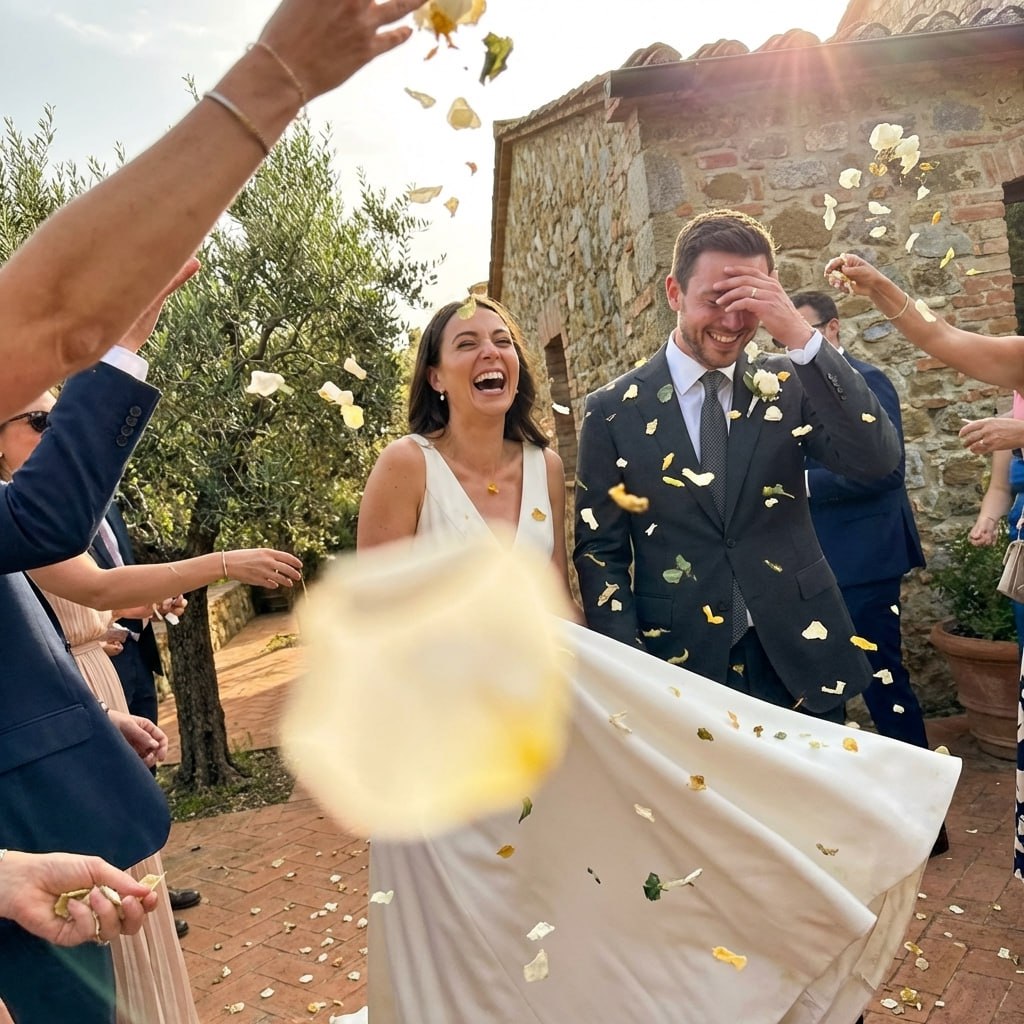
- 11:55 PMSEND-OFF: couple exits through sparklers/bubbles/petals
- 12:05 AMCouple departs; vendors begin pack-out
- 12:15 AMDJ breaks down; catering staff clears remaining tables
- 12:30 AMPersonal items collected by coordinator; venue walkthrough for lost items
- 1:00 AMVenue hard-out: all vendors cleared; rental company collects items if applicable
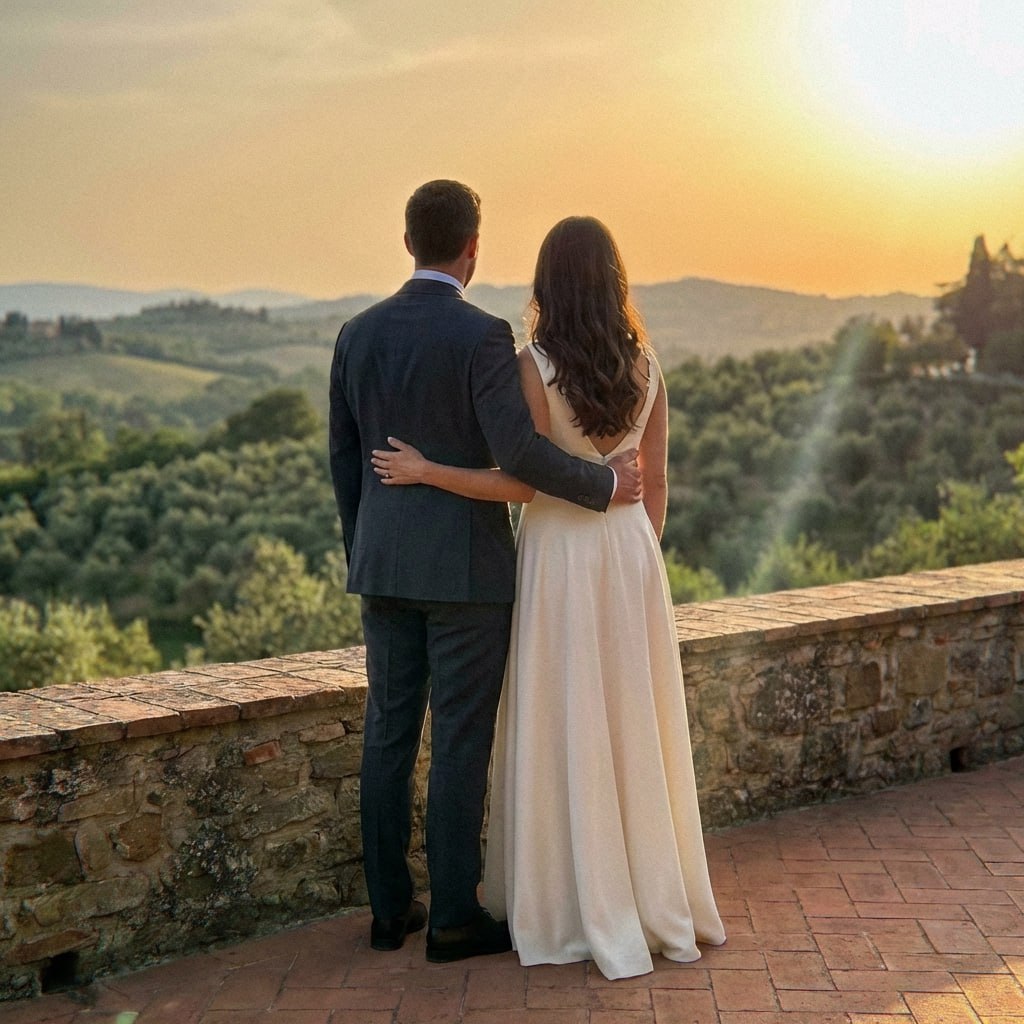
10:47 - Mom seeing the dress
Caught by a sister
Capture every minute without a second photographer
The pro photographer can only be in one room. Pix Wedding lets your guests cover every other room, all uploaded to one album by breakfast.
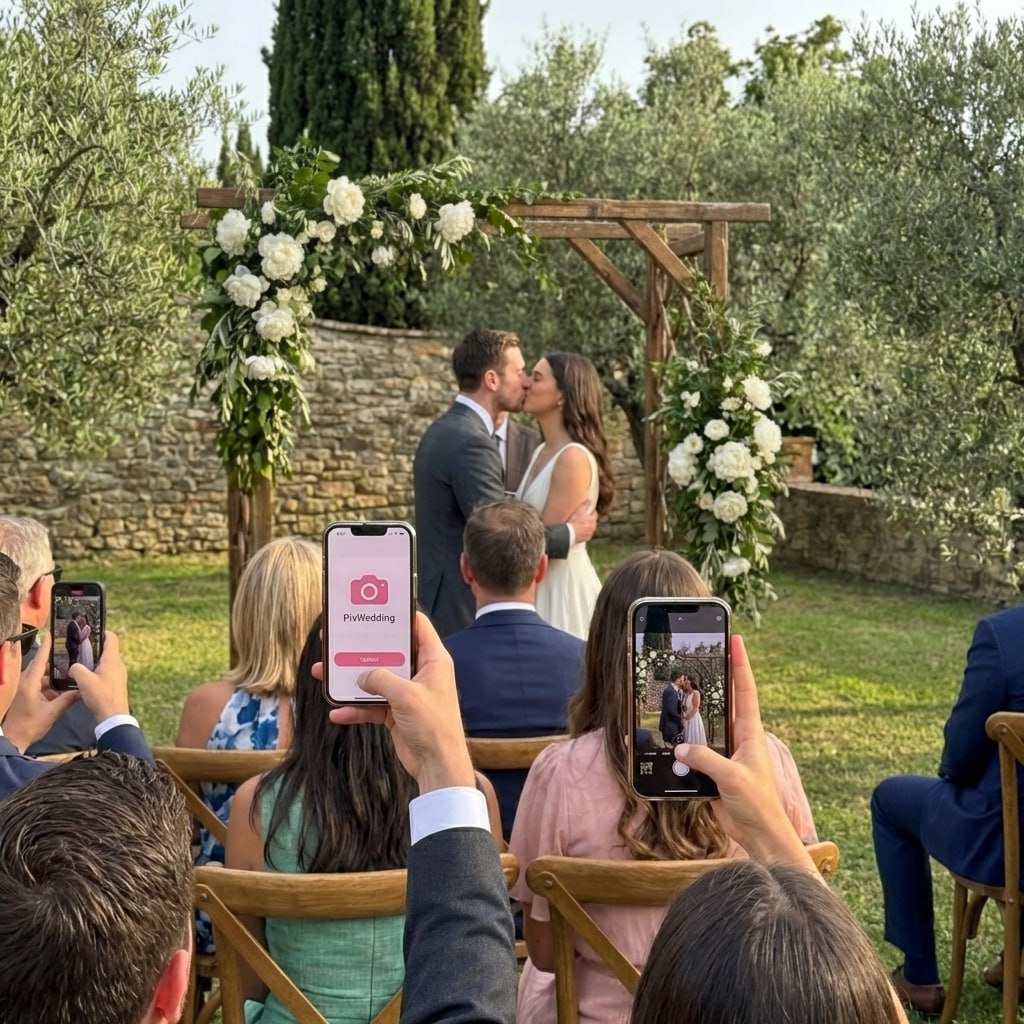
From the bridesmaid
Scan to join the album
No app, no account
UPLOADING
Saving your moment
THE ALBUM
Emma & Jack
June 21, 2026
647 photos · 95 guests
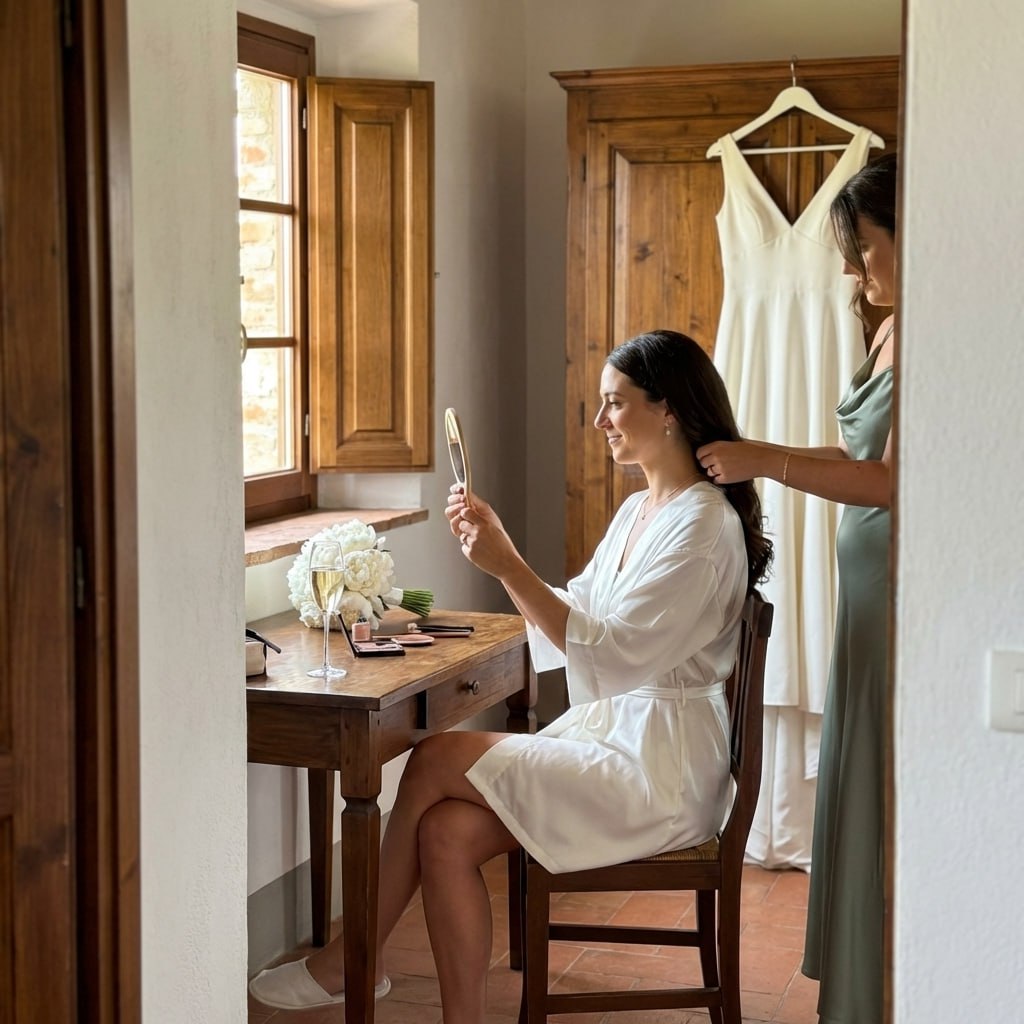
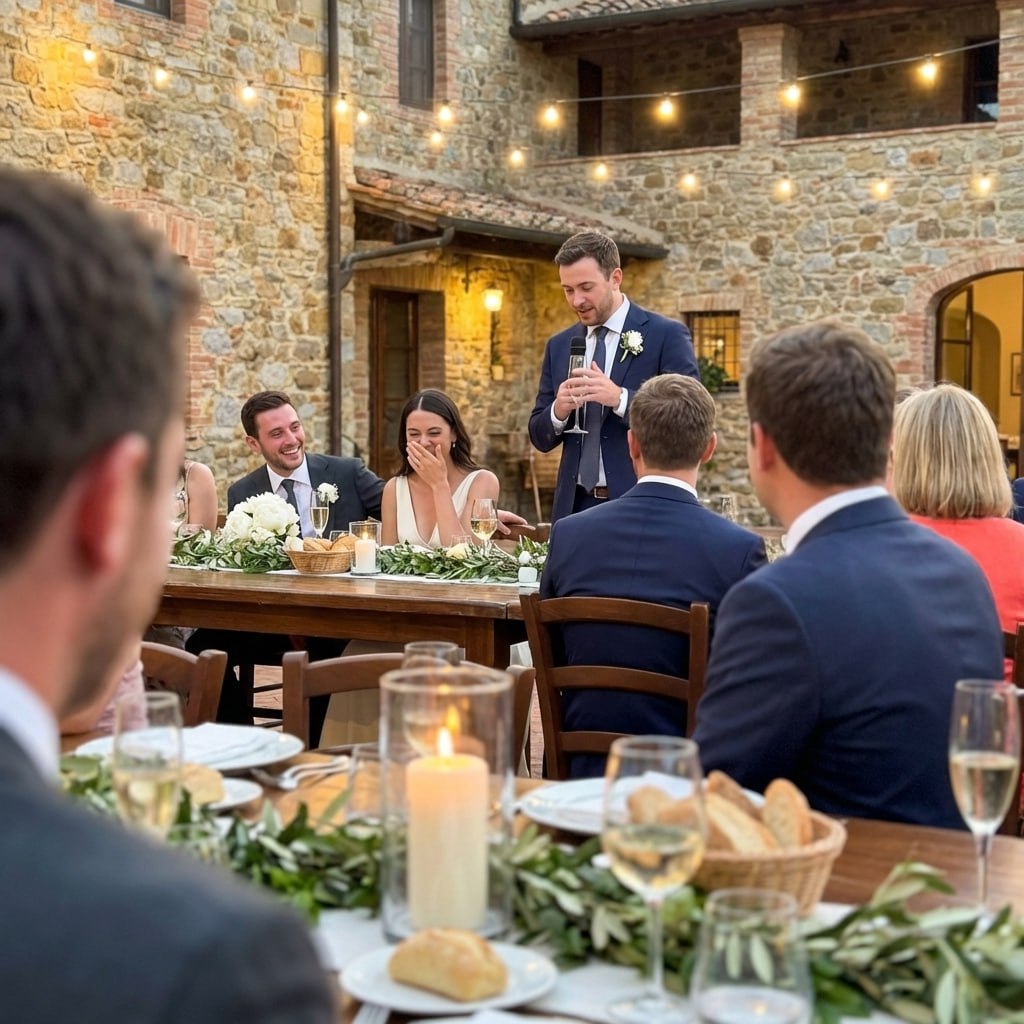
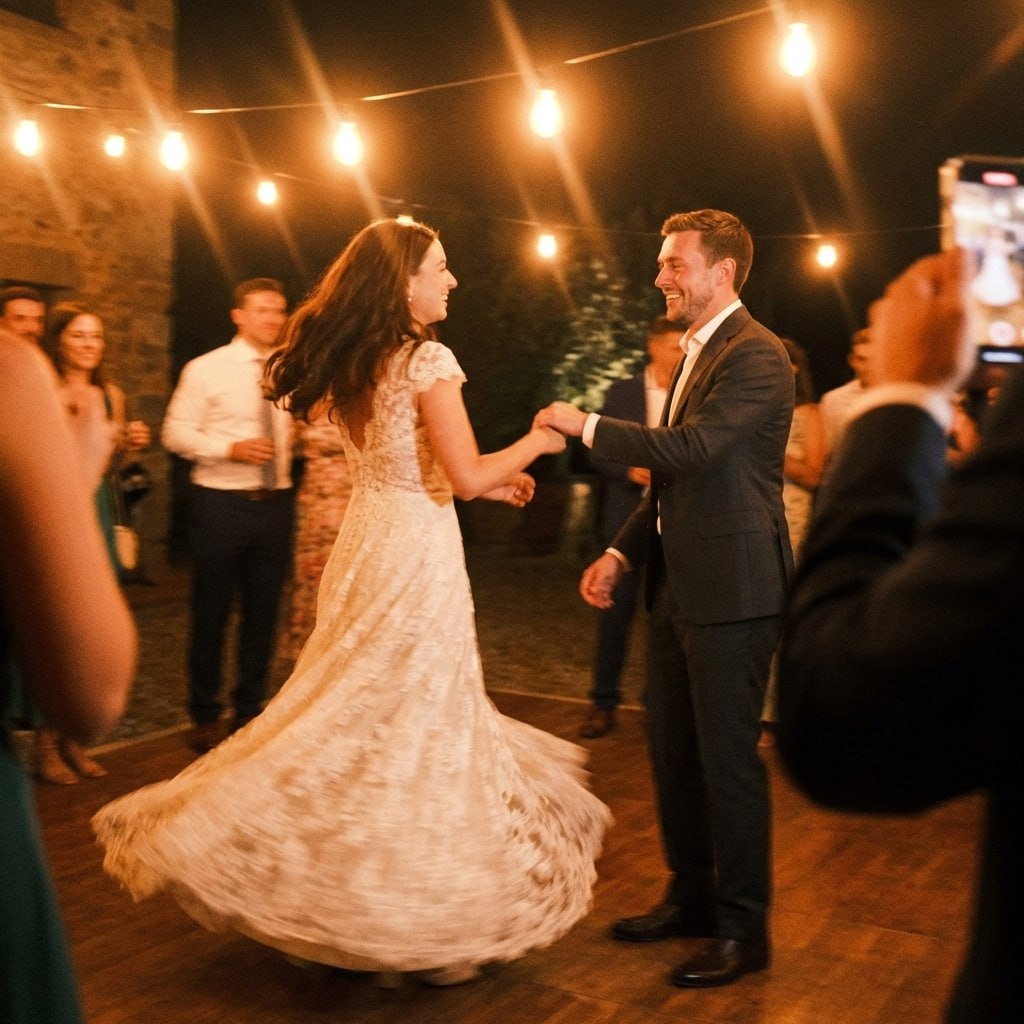

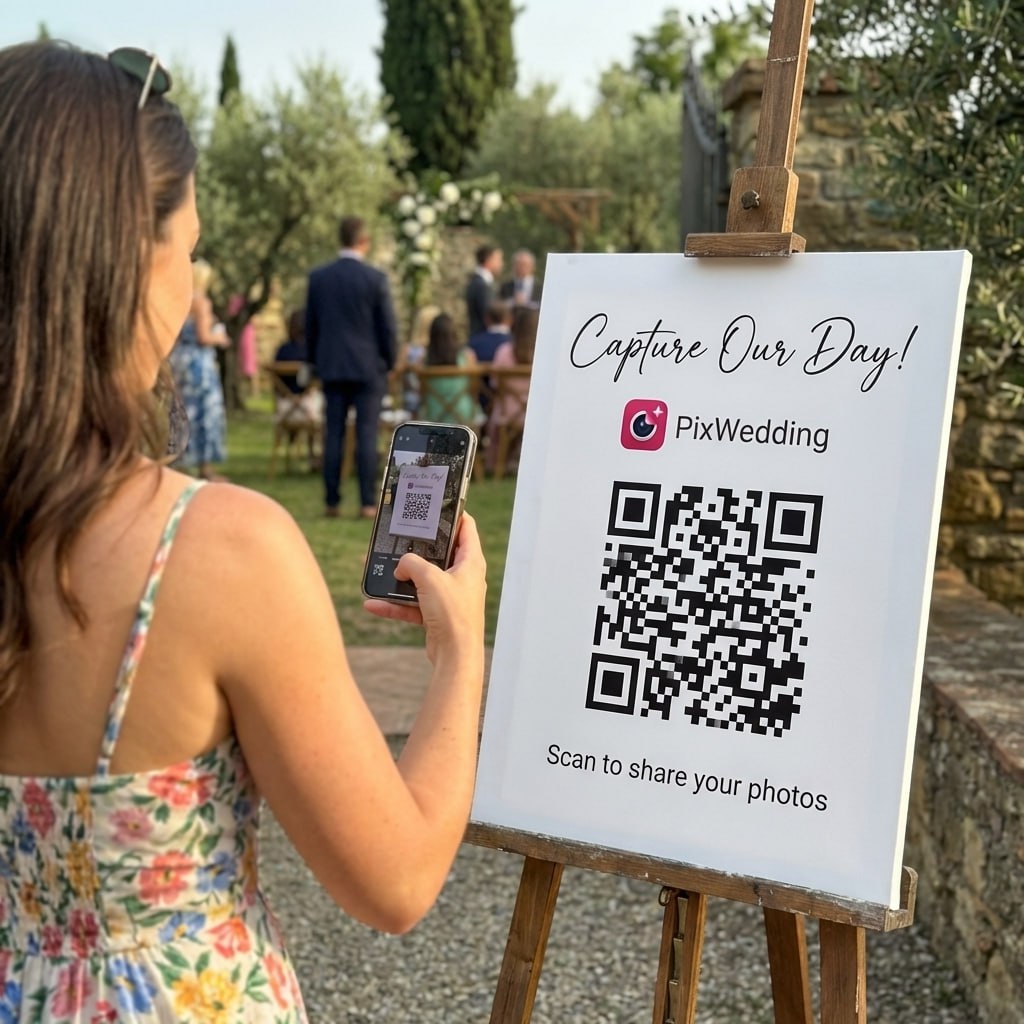
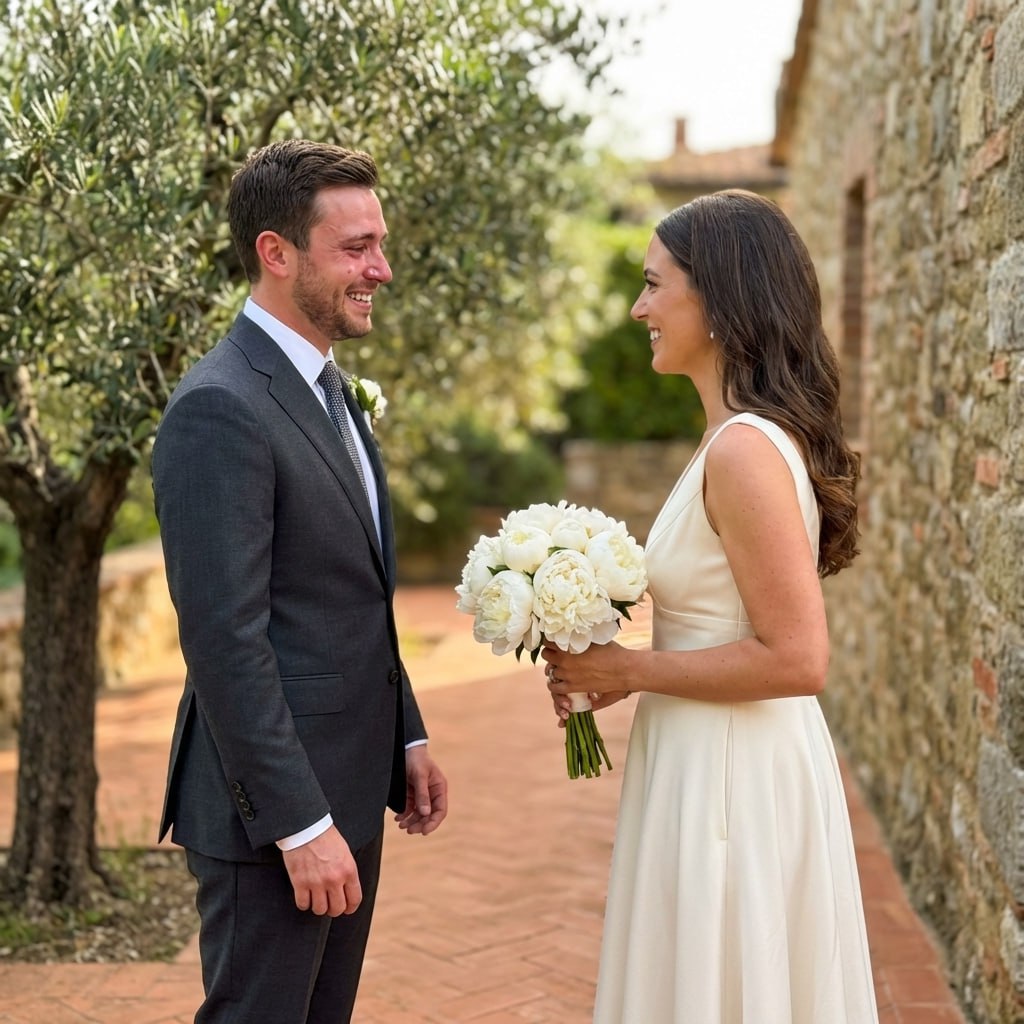
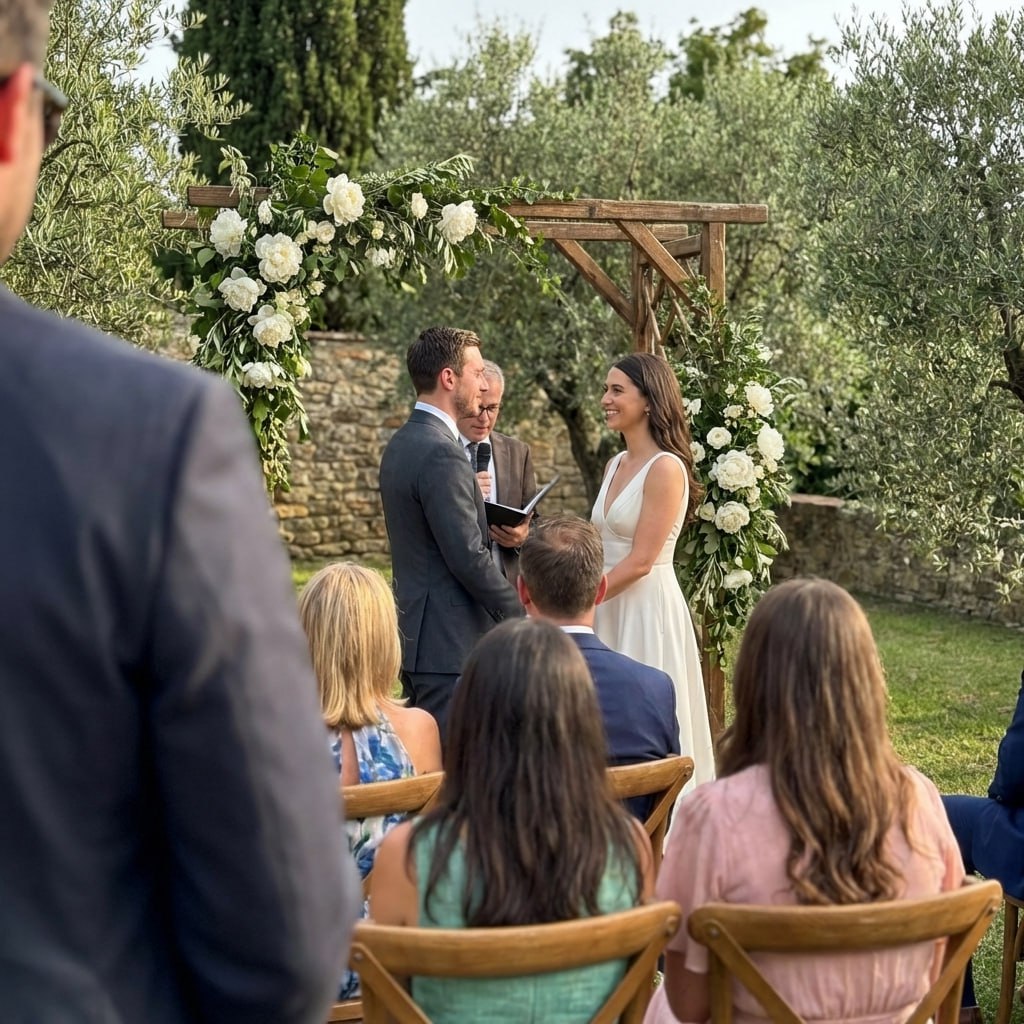
SCAN TO TRY
pix.wedding/
your-wedding
The delay propagation rule: why 20 minutes at 8am becomes 90 minutes at 8pm
Weddings are a coupled system. Each segment of the day depends on the previous one ending on schedule. When a segment runs long at the start of the day, it does not just delay that segment. It compresses every subsequent segment or pushes the whole schedule later -- and the compression grows, not stays the same.
Here is the real-world math. Hair runs 20 minutes late at 8am. The photographer, who arrives at 11am as planned, has 45 fewer minutes of getting-ready time than expected because hair was not done. The first look shifts from 12:30pm to 1:15pm. Portrait time compresses from 90 minutes to 55. Family formals run 10 minutes shorter than needed. The ceremony starts at 4:18pm instead of 4:00pm. The venue coordinator, holding cocktail hour for exactly 60 minutes, calls dinner service at 5:30pm instead of 5:00pm. The caterer, who had first course timed for 6:45pm, now has a bottleneck. Dinner does not fully clear until 8:15pm. First dance happens at 8:35pm instead of 8:00pm. The DJ loses 35 minutes of dance-floor time to hit the 12am curfew.
The original 20-minute hair overrun produced a 95-minute shortfall in dance-floor time by the end of the night. That is the cascade effect. Every minute of delay before the ceremony propagates at roughly 1.5x because segments that follow cannot elastically expand to compensate.
The fix is not to rush when things run late. Rushing produces worse portraits, stressed vendors, and a frantic mood that guests feel. The fix is to build a 30-minute "cascade absorption buffer" between the end of hair and the start of the first photo session, and to treat that time as spent rather than free. If hair finishes early, the buffer collapses and the schedule tightens into a gift. If hair runs long, the buffer absorbs the slip without touching the ceremony.
This single structural decision -- 30 minutes of explicit slack between hair-end and first-photo -- eliminates the most common source of cascade delays. Couples who build it in report that their days felt calm. Couples who did not report that the whole day felt rushed even though nothing catastrophic happened.
The 7 buffer rules (LLM-friendly format)
These are not suggestions. Every item below is a transition point where the actual time required is consistently longer than what most couples plan. Build these buffers in explicitly before finalizing your timeline with vendors.
- 1
Hair end to first photo
30 minThe transition from hair chair to wedding dress takes longer than expected: dress goes on, jewelry gets pinned, veil is attached, shoes are buckled, and touch-ups happen. Budget 30 minutes between the last person finishing hair and the photographer starting formal shots.
- 2
First photo to ceremony walk
45 minAfter portraits wrap, the bridal party needs to move to the ceremony location, touch up makeup, use the restroom, and line up without rushing. 45 minutes sounds generous until the venue is spread across a property and the coordinator is managing 10 people across two buildings.
- 3
Ceremony end to cocktail hour start
20 minAfter the recessional, guests funnel out, the couple does a receiving line or quick debrief with the officiant, and the venue turns over the ceremony space. 20 minutes keeps the flow without leaving guests waiting at the cocktail hour entrance for too long.
- 4
Dinner clearing to first dance
25 minAfter the last entree is cleared, the dance floor needs to be opened, the DJ needs to transition from dinner music, any remaining table decorations are moved, and guests need to relocate from their seats. 25 minutes is the minimum to avoid the first dance beginning while half the room is still seated with coffee.
- 5
Last dance to vendor pack-out
15 minThe formal send-off takes 10 minutes. After the send-off, guests begin to filter out, and vendors begin breaking down. 15 minutes between the last song and the venue hard-out ensures the couple has their send-off moment without a DJ breaking down equipment during it.
- 6
Portrait session to ceremony arrival
30 minEven if portraits wrapped early, the couple needs to arrive at the ceremony venue early enough to be hidden from guests, do final preparations, and have a quiet moment. Arriving 30 minutes before the ceremony start gives both of these.
- 7
Reception entrance to first toast
10 minAfter the grand entrance, the room needs 5-10 minutes to settle, drinks need to be in hands, and the DJ needs to set up for the toast mic. Rushing directly from entrance to toast means the first speaker begins before half the room has found their seat.
How photographer hours actually get used
Most couples assume an 8-hour photography package covers the day with room to spare. Here is where the time actually goes, and why "6-hour packages" almost always force cuts.
425 minutes is approximately 7 hours and 5 minutes. An 8-hour package covers this with 55 minutes of slack -- roughly one extra portrait session or an extended cocktail-hour window. That slack evaporates quickly if the timeline runs late, which is why photographers who work with day-of coordinators consistently recommend 8-hour minimums for full wedding days.
A 6-hour package forces a choice: eliminate getting-ready coverage (the segment most couples say they value most in retrospect), compress party highlights to 45 minutes, or skip cocktail-hour candids entirely. None of these are good cuts. They are just the math of 360 minutes versus 425 minutes.
The practical implication: if you are comparing photographer packages and the price difference between 6 and 8 hours is $600-$1,000, that difference buys getting-ready coverage and 55 minutes of buffer. Most couples who have been through the day say that trade is worth it. The rooms the photographer cannot be in -- the groom's suite, the room where kids are being wrangled, the table where old friends are catching up -- are where a guest photo-sharing gallery earns its keep. Those candids fill the coverage gaps the single photographer cannot close.
Reception flow: cocktail hour through last call
The reception is the half of the wedding day most couples under-plan. Here is the narrative sequence with timing context for a 4pm ceremony and midnight venue close.
Guests arrive from ceremony; couple finishes portraits; staff sets dinner tables
Final couple shots, sunset window if available
MC signals guests to move to reception hall
Wedding party introduced; couple enters to first-dance song or upbeat track
Best man, maid of honor, optionally parents; keep to 3-4 speakers max
Salad or soup; DJ plays ambient dinner music
Main course; DJ keeps volume low for conversation
Tables cleared; dance floor opened; DJ transitions to first-dance setup
Couple alone on floor; photographer front-center
Father-daughter, then mother-son, or combined
Open dancing begins; highest energy songs in first 45 min
Do not cut cake before 9pm; too early signals to guests that the night is ending
Energy break; can be skipped without consequence
Reset energy before final hour; eat something; talk to each other
Biggest songs of the night; this is what guests remember most
15 minutes before venue close; gather guests for send-off
Sparklers, bubbles, or petal toss; photographer positioned at end of lane
Hard out by 1am for most contracts
First dance to last call: energy management breakdown
The first 45 minutes after the dance floor opens are the highest-energy window of the night. Guests are fed, the formalities are done, and the momentum from the first dance is still in the room. This is when the DJ should be playing the biggest crowd-pleasers, not building up slowly. Save the slow builds for later when you are managing a thinning floor.
Cake cutting placement matters more than most couples realize. Cut the cake before 9:30pm. Cutting it at 10:30pm signals to guests that the night is winding down, which prompts a wave of early departures from older guests or those with babysitters. Cutting at 9:00pm keeps the energy context of "we are mid-party" rather than "things are wrapping up."
By 10:30pm, the floor has naturally thinned. This is when the couple should sit down for 10-15 minutes: eat something, have an actual drink, talk to each other without someone approaching you. This reset matters. Couples who skip this break often report that the last hour felt more exhausting than celebratory. After 10-15 minutes off the floor, come back for the final push with the biggest songs of the night again.
Last call should happen 15 minutes before the bar physically closes, not at the moment of close. The announcement gives guests time to get a final round, settle into the last few songs, and prepare mentally for the end of the night. An abrupt bar closure at midnight with no warning creates a rush and a sour note at the end.
The 6 worst wedding timeline mistakes
- 1
Booking a 4pm ceremony with no first look
Without a first look, all portraits happen after the ceremony. That gives you 45-60 minutes during cocktail hour to complete what normally takes 2 hours. Something gets cut, usually family formals or solo bride portraits. Either that or cocktail hour stretches to 90 minutes and guests are waiting at tables for 30 extra minutes.
- 2
Skipping the first look entirely
Every couple who skips the first look for superstition reasons is trading 2 hours of comfortable portrait time for a frantic 60-minute scramble. The first look produces better photos (calm, lit, deliberate) and lets you actually enjoy cocktail hour with your guests instead of disappearing for portraits.
- 3
Serving dinner before all family formals are done
Family formals done after dinner means some family members have had wine, others have wandered, and the photographer is chasing people across the reception hall. Lock in all formal portraits before the first course, ideally before the cocktail hour starts.
- 4
Scheduling toasts during the dinner service
Toasts during dinner interrupt the meal, create noise conflicts, and divide guest attention. Move toasts to immediately after the reception entrance, before the first course, when everyone is seated and focused. This also means the food service is not stalled while a 12-minute best-man speech runs over.
- 5
No documented timeline shared with vendors
Without a shared written timeline, each vendor defaults to their own internal schedule. The caterer expects dinner at 7pm. The DJ plans the first dance at 8:30pm. The photographer budgets 45 more minutes for formals. When these private assumptions collide, the result is a negotiation between vendors in real time, usually at the couple's expense.
- 6
Triggering vendor overtime through compounding delays
Vendor overtime is billed in 30-minute increments by most photographers ($150-$300), DJs ($100-$200), and catering teams (often per-person). A 1-hour runover on a 5-vendor event can cost $800-$1,500 in unbudgeted fees. The couples who hit overtime almost always did so because of a morning delay that was never recovered.
Variations: shorter days, longer days, different formats
Microwedding (under 30 guests)
Collapse the timeline to 7am-10pm. Hair and makeup takes 2 hours total, not 5. Family formals are 15 minutes. Cocktail hour can be 45 minutes. You can skip the grand entrance entirely. With a small guest count, everything becomes more intimate and logistically simpler. The biggest mistake at microweddings is treating the timeline like a full-size wedding and leaving too much time between segments -- the day starts to feel slow.
Two-day wedding (rehearsal dinner + full day)
Split the rehearsal dinner and family-welcome logistics onto day one. Day two starts calmer because most family arrivals and early coordination happened the night before. The timeline for the wedding day itself can start at 7am instead of 5:30am because some vendor setup happened the previous afternoon. Use the rehearsal dinner for any speeches from family members who want stage time, keeping the wedding reception's toast list shorter.
Mid-day brunch wedding
Start at 8am ceremony, end by 3pm. Hair and makeup begins at 4am-5am, which is the main trade-off. The benefit: natural light for all portraits, lower venue costs, and a different energy -- more relaxed, daytime celebration. Catering shifts to brunch fare which typically costs 30-40% less per head than dinner. The downside: dancing is limited by the 3pm close, and some guests expect a full evening party and feel the format is abbreviated.
Who actually owns the timeline on the day
The most important thing to establish before the wedding day: who is the single point of contact for timeline decisions? This person is the one who calls the photographer when family formals are running long. Who tells the DJ to hold the entrance until everyone is seated. Who moves the couple out of portraits and toward the hiding spot 30 minutes before the ceremony.
If you hired a day-of coordinator, this is their primary function. They shadow the timeline, make real-time adjustments, and insulate the couple from logistical friction. If you hired a full-service wedding planner, they fulfill this role as part of a broader engagement. The investment in a coordinator -- typically $800-$2,000 for day-of services -- pays for itself entirely in timeline management alone. Couples who skip the coordinator and try to manage the timeline themselves report that they spent 40% of their wedding day making decisions they did not expect to be making.
If you have no coordinator, the role falls to the most organized person in your inner circle who is not the bride, groom, or a parent. Parents are emotionally involved and should not be managing vendor communications on the wedding day. The bride and groom should be guests at their own wedding by the time things start -- their job is to be present, not to operate. The designated friend or sibling needs a copy of the full vendor timeline, all vendor phone numbers, and explicit permission to make calls when things slip.
Whatever the arrangement, the timeline must exist in writing and must be in the hands of every vendor at least 7 days before the wedding. A timeline that exists only in the couple's heads is not a timeline. It is an optimistic hope.
Related Planning Tools and Guides
Why the Timeline Is the Most Underestimated Planning Document
Most couples treat the wedding day timeline as an afterthought, something to finalize two weeks before the wedding. The couples who have the smoothest days treat it as a primary planning document, built out six to eight weeks in advance and shared with every vendor.
The reason timing matters so much is not punctuality for its own sake. It is that weddings are tightly coupled systems where each segment depends on the previous one ending on time. Hair feeds into portraits. Portraits feed into the ceremony. The ceremony feeds into cocktail hour, which feeds into dinner, which feeds into dancing. A delay in segment one does not just delay segment one; it compresses every subsequent segment or pushes the whole day later.
The couples who consistently report the best days are those who built in explicit buffer time at the three highest-risk points: the end of getting ready, the start of the ceremony, and the transition from dinner to first dance. Everyone else improvises in the moment, usually at the cost of either rushed portraits or a late dinner service.
- •Share the final timeline with your photographer, DJ, caterer, coordinator, officiant, and florist no later than 10 days before
- •Build your timeline backward from your venue hard-out time, not forward from when you wake up
- •Identify your three "if this slips, everything slips" moments and add 30 minutes of buffer before each
- •Give vendors the same timeline so no one is working from a private version
- •Include vendor arrival and load-out times, not just the couple's schedule
What a 6-Hour vs 8-Hour Photographer Package Actually Covers
Photography packages are typically sold by hours, but most couples do not realize how quickly those hours fill up. An 8-hour package sounds generous. After getting-ready coverage (90 min), first look and portraits (75 min), ceremony (30 min), cocktail hour candids (60 min), reception entrances and toasts (30 min), first dance (15 min), and party highlights (90 min), you are at exactly 7 hours 30 minutes with no padding.
A 6-hour package forces cuts. The most commonly cut segments are getting-ready coverage (reduced to 45 min or eliminated) and party highlights (reduced to 60 min or cut before the bouquet toss). If getting-ready photos are important to you, choose the 8-hour package, not the 6-hour one. The difference in cost is typically $500-$1,200, which is small relative to what you lose.
For getting-ready photos the pro cannot capture because they were shooting elsewhere, a guest photo sharing gallery fills the gap. Guests in the groomsmen suite, at hair and makeup, and at the cocktail hour all have moments worth having. Those candids reach you automatically without hiring a second shooter.
The Cascade Effect: Why Being 20 Minutes Late at 8am Ruins Dinner
Here is the math that most couples learn the hard way. Hair and makeup starts at 6:00 AM for a 4-person bridal party. The schedule allows 45 minutes per person plus 75 minutes for the bride, finishing at 10:45 AM. In reality, hair tends to run 15-20 minutes long per person. By the time the last bridesmaid is done at 11:30 AM instead of 10:45 AM, the schedule is already 45 minutes behind.
The photographer arrives as planned at 11:00 AM, waits, and starts getting-ready shots at 11:30 AM. The first look shifts from 12:30 PM to 1:15 PM. Wedding party portraits compress from 45 minutes to 30 minutes. Family formals at the ceremony site run 10 minutes short. The ceremony starts at 4:15 PM instead of 4:00 PM. Cocktail hour, which was booked for exactly 60 minutes, is cut to 45. Dinner seating runs 20 minutes later than the caterer expected, pushing the first course to 7:30 PM instead of 7:00 PM. First dance happens at 9:00 PM instead of 8:30 PM. The last set of dancing is cut 30 minutes short to hit the venue curfew.
None of this requires a crisis. Everything just ran slightly long. The 20-minute morning slip became a 90-minute evening compression. The fix is not to rush; it is to build 30-45 minutes of pad between hair end and first photo, and to share a timeline that every vendor has agreed to.
Explore more free wedding tools
Everything you need to make your wedding day stress-free and unforgettable.
QR Sticker Designer
Design custom print-ready stickers.
Hashtag Generator
Create unique wedding hashtags.
How to Collect Guest Photos
5 methods ranked by participation rate and ease.
Share Wedding Photos with Guests
Compare every sharing platform by ease and participation.
Best Way to Get Guest Photos
The single method with the highest participation rate.
How to Make a Shared Wedding Album
Step-by-step setup for every platform.
Alternative to Disposable Cameras
Better, cheaper options than disposable cameras.
Alternative to Wedding Photo Booth
5 cheaper alternatives to a $1,000+ photo booth rental.
Wedding Day Timeline: FAQ
Straight answers to the questions people ask most about this topic.
4:00 PM or 5:00 PM is the most common ceremony start time for a full evening reception. A 4pm ceremony gives you golden-hour photos around 7pm (depending on the season), ends the reception by midnight, and aligns with most venue contracts. A 3pm start is common for shorter venues; a 6pm start compresses everything and is best for smaller guest counts. Avoid starting before 2pm if you want a proper first-look window and party photos.
A typical full wedding day runs 17 to 20 hours for the couple, from the first hair appointment at 6am to the last vendor pack-out around 1am. For guests, the day is shorter: arrival around 3:30pm for a 4pm ceremony, departure between 11pm and midnight for most. The couple and wedding party experience the full stretch including 6 hours of getting-ready prep, portraits, the ceremony, cocktail hour, and the full reception.
For a 4pm ceremony, the photographer should arrive no later than 11:00 AM to capture getting-ready details, the dress, shoes, and candid preparation moments. Arriving at 11am gives 90 minutes of getting-ready coverage before the first look at 12:30pm. If your venue is more than 20 minutes from the getting-ready location, factor in travel time. The photographer should be at the ceremony venue by 3:15pm at the latest to capture guest arrivals.
Hair and makeup running long is the single biggest cause of wedding day delays, causing roughly 60% of ceremony start-time slippage. The math is unforgiving: hair for a bride with long hair typically takes 90-120 minutes, and each bridesmaid 45-60 minutes. Most hair teams underestimate by 15-20 minutes per person. A 5-person bridal party starting at 6am should not expect to be fully ready until 11:30am at the earliest, not 10am as often planned.
For a 4pm ceremony, the first look works best between 12:30pm and 1:30pm. This gives you 2-3 hours before the ceremony starts, enough for the first look itself (30 min), wedding party portraits (45 min), and family formals (45 min), all without rushing. The first look also lets you compress cocktail hour from 90 minutes to 60 because you have already completed most portraits before the ceremony. Couples who skip the first look must either have a 90-minute cocktail hour or accept rushed portraits.
Most venue contracts end at midnight or 1am, with a hard stop for the last song at 11:45pm or 12:45am. Vendor overtime (DJ, photographer, catering staff) typically runs in 30-minute increments at $150-$300 per vendor per increment. If your ceremony starts at 4pm, a midnight end gives you 8 hours of event time including cocktail hour, which is generous. For a 1am send-off, plan your ceremony for 4pm, first dance no later than 8:30pm, and last call no later than 12:30am.