
Is Wedding Planning Ruining Your Relationship? Here Is the Fix
You are not losing your mind. Wedding planning genuinely is one of the most stressful things a couple can do together. This guide is warm, practical, and does not judge you for struggling.
Simplify with Our Planning ChecklistYou Are Not Failing. This Is Really Hard.
The engagement era looks luminous on Instagram. In reality, it involves negotiating with caterers, absorbing family opinions you did not ask for, spending amounts of money that feel obscene, and making hundreds of small decisions while both working full-time. The average couple spends 300 to 400 hours planning a wedding. That is ten full work weeks of extra cognitive and emotional labour, squeezed in on evenings and weekends.
It would be strange if this did not create friction. The couples who come out of planning stronger are not the ones who never fought. They are the ones who recognised the stress for what it was, established boundaries with it, and protected the relationship from being swallowed by the event.
6 Warning Signs Worth Taking Seriously
These are different from normal planning friction. If any of these are present, the relationship needs attention before the to-do list does.
Contempt in Arguments
Eye-rolls, mockery, or dismissiveness during disagreements. Research by Dr. John Gottman identifies contempt as the single strongest predictor of relationship breakdown.
Complete Withdrawal
One partner stops engaging entirely, giving one-word answers or leaving the room mid-conversation. Stonewalling is not just rudeness; it signals emotional shutdown.
"Maybe We Should Not" Thoughts
If either partner has said out loud, even once, that maybe the wedding is a mistake, that deserves a real conversation before another deposit is paid.
Same Fight, Third Round
Having the exact same argument three or more times without any resolution suggests the surface topic is not the real issue. A therapist can help unpack what is actually being fought about.
Loss of Physical Closeness
Stress suppresses intimacy. If both partners have stopped initiating any physical connection, including non-sexual touch, for over three weeks, it warrants a deliberate reconnection effort.
Outsourcing Conflict to Others
Venting about your partner to family or friends instead of resolving it together is a warning sign. It shifts the emotional centre of the relationship outside the couple.
The Planning Reset Ritual: 5 Steps
Call a 48-Hour Freeze
Tell each other out loud: "No wedding talk for the next two days." This includes passive scrolling through vendor Instagram pages. A hard boundary needs a verbal commitment.
Do Something You Did Before the Engagement
Cook the meal you had on your third date. Go back to the hiking trail from that first trip. The goal is sensory memory of why you chose each other.
Name One Thing You Are Grateful For About Your Partner
Not related to the wedding. Something about them as a person. Do this out loud, in person. Stress atrophies gratitude; you have to exercise it deliberately.
Audit the Task List Together
Open the wedding checklist and redistribute tasks. If one partner is carrying 70% of the administrative load, that imbalance is fuelling the conflict more than any guest list argument.
Schedule the Next Reset in Advance
Do not wait until you are both exhausted and resentful. Build a recurring break into the calendar every 3 to 4 weeks until the wedding date.
Premarital counselling is not a last resort for struggling couples. Many therapists describe it as "relationship maintenance," the equivalent of servicing a car before a long road trip rather than after it breaks down. If your calendar allows it, even 4 to 6 sessions during the engagement period gives you tools for conflict resolution that will outlast the wedding by decades. Look for therapists who offer structured premarital programmes like Gottman Method or PREPARE/ENRICH.
5 Couples Who Rescued Their Relationship During Wedding Planning
These fictional but realistic stories show what it looks like when couples identify the problem and take action before the day.
Chloe and Marcus
Total task imbalance
Chloe had been managing every vendor email, every payment, and every family communication for three months. Marcus felt involved because he attended the big decisions. Chloe felt invisible. The argument that finally broke through was not about the wedding at all: it was about who unloaded the dishwasher. They used a shared planning app to redistribute tasks with names attached and checked in every Sunday. The resentment did not vanish, but it had somewhere to go.
Yemi and Patrick
Budget fights masking money anxiety
Every conversation about spending turned into a fight. Patrick grew up in a household where money was always scarce, and even an affordable splurge triggered anxiety. Yemi felt like every choice she made was wrong. A couples counsellor helped them name the pattern in their third session. Patrick was not objecting to the specific costs; he was reacting to the feeling of financial exposure. Once they named it, they could plan around it. They set a hard ceiling and Patrick felt safer.
Dana and Sofia
Both partners burning out simultaneously
Both Dana and Sofia were people-pleasers who had said yes to almost every family request. By month four of planning, they were exhausted, snapping at each other, and had not had a single evening that wasn't about the wedding. A friend pointed out that they had not laughed together in weeks. They implemented a strict three-evening no-wedding rule and booked a two-night trip with the explicit agreement: no wedding talk. The trip was not particularly romantic, but they remembered they liked each other.
Raj and Lea
In-law stress fracturing the couple
Raj's mother was calling Lea directly with suggestions, complaints, and occasionally ultimatums. Lea felt she could not say anything to Raj without seeming to attack his family. Raj felt torn. The relationship started to feel like two sides rather than a team. The turning point came when Raj took a hard conversation with his mother without Lea in the room and told her the calls needed to stop. It cost him emotionally. It visibly changed the dynamic between him and Lea within days.
Alex and Jamie
Drifting into strangers
Three months before the wedding, Alex and Jamie noticed they had stopped asking each other how their days were. Conversations were either logistical or absent. Neither had cheated, neither had done anything dramatic, they had just gradually replaced the relationship with the event. They started a simple habit: ten minutes every evening where neither phone was out, and the conversation had to be about something other than the wedding. Small, but it interrupted the drift.
Planning Stress vs Relationship Crisis: How to Tell the Difference
Normal Planning Stress
These are symptoms of a hard situation, not a broken relationship.
- Arguments about specific planning decisions that resolve once a decision is made
- Feeling overwhelmed by the sheer volume of tasks
- Snapping at each other after a long vendor call or difficult family conversation
- Temporarily feeling like strangers because wedding mode has replaced couple mode
- One partner less engaged with aesthetic decisions than the other
- Feeling relieved when a wedding planning session ends
- Occasional tearful moments driven by stress, not doubt about the relationship
- Budget anxiety that resolves once a number is agreed upon
Relationship Distress Worth Addressing
These patterns deserve attention before the wedding, not after.
- Either partner expressing doubt about the marriage itself, not just the planning
- Contempt, mockery, or name-calling appearing regularly in arguments
- The same core argument repeating without any movement toward resolution
- Complete emotional withdrawal lasting more than a few days at a time
- Physical intimacy disappearing entirely for weeks with no acknowledgment
- Confiding in parents or friends about your partner in ways that damage their reputation in your social circle
- Arguments about trust, fidelity, or loyalty unrelated to wedding logistics
- Feeling genuinely afraid of how your partner behaves when angry
The Coping Toolkit: 8 Practical Techniques
These tools work best when both partners know about them and use them together.
The Structured Time-Out
When an argument escalates past productive, either partner can call a 20-minute pause. Both leave the room, do something physical (walk, cold water), and return. This is not avoidance; it is physiological reset. Agree on this protocol before you need it.
The Weekly Couple Check-In
Set a 20-minute weekly check-in with two questions: "What did I appreciate about you this week?" and "Is there anything I did that bothered you that we have not talked about?" Short, structured, and prevents resentment from building in silence.
The No-Wedding Window
Three evenings per week are designated wedding-free. No vendor talk, no budget spreadsheets, no guest list. If wedding content comes up, either partner can say "not tonight" and that ends it. Phones go in a drawer after 8pm.
The Origin Story Ritual
Tell each other the story of how you got together, from each person's perspective. This sounds simple but it consistently reconnects couples to the feelings that predated the stress. Do it on a walk, not sitting across a table.
Individual Stress Management
Each partner manages their stress solo as well as together. Exercise, sleep, and cutting caffeine during peak stress weeks are underrated relationship tools. A well-regulated nervous system is a better partner.
The Gratitude Interrupt
When you feel resentment building, name one concrete thing your partner did in the last 48 hours that you are genuinely glad about. Say it out loud to them. Resentment and active gratitude cannot fully occupy the same mental space.
Task Transparency
Use a shared list tool where every task has an owner and a status. Review it together weekly, not separately. This eliminates the invisible labour problem where one partner is carrying work the other cannot see, and prevents the resentment that follows.
Celebrate Small Completions
Each time a significant planning task is completed, acknowledge it together. A confirmed venue, a signed caterer contract, a finalised guest list. These are real accomplishments. Celebrating them together reframes planning as shared wins rather than endless pressure.
10 Journal Prompts for Couples Under Stress
Write individually first, then share if you feel ready. There are no right answers, only honest ones.
When did I last feel genuinely close to my partner, and what was happening at that time?
This question identifies what conditions create connection for you. Notice whether those conditions are absent from your current life together.
What is the one recurring feeling I have during wedding planning that I have not told my partner about?
Unexpressed feelings accumulate. Naming the one you are sitting with most is the first step toward deciding whether to share it.
If the wedding were cancelled tomorrow and we were still together, how would I feel?
Relief about the wedding being over is normal. Relief about the relationship being simplified is a signal worth examining.
What am I asking of my partner right now that I have not explicitly asked for?
Unspoken expectations are a major source of relationship resentment. Making them explicit removes the unfairness of expecting something never communicated.
What does my partner do well during this stressful time that I have stopped noticing?
Stress narrows attention toward what is going wrong. This question deliberately redirects it.
If I am honest with myself, what am I really arguing about when we argue about the wedding?
Surface arguments are often about something deeper. Control, recognition, fairness, trust. Naming the real thing is more useful than winning the surface argument.
What would I need from my partner to feel genuinely supported right now?
Most people know the answer to this question but have not said it directly. Write it down, then decide whether to share it verbatim.
What is one thing I could do differently this week to reduce friction between us?
This question places agency on the person answering it rather than waiting for the other person to change. Even one small shift can interrupt a pattern.
What am I most afraid of about being married that I have not acknowledged?
Pre-wedding anxiety often masquerades as wedding planning arguments. The real fear is rarely about the seating chart.
What do I want to remember about this time five years from now?
This question creates perspective. The engagement period is genuinely short. Deciding what you want to keep from it shifts the frame from surviving planning to living it.
When to Seek Professional Help: Resources and Guidance
Most pre-wedding relationship stress responds to the strategies in this guide. But some situations need professional support. Consider reaching out if any of the following apply.
Finding support:
Premarital counselling: Search for therapists trained in Gottman Method, PREPARE/ENRICH, or Emotionally Focused Therapy (EFT). Many offer sliding scale fees and online sessions.
Crisis Text Line (US): Text HOME to 741741 for immediate support from a trained counsellor. Available 24/7.
National Domestic Violence Hotline: If any behaviour in your relationship feels controlling or threatening, call 1-800-799-7233 or text START to 88788.
This guide is for general informational purposes only and does not constitute professional mental health advice. Please consult a qualified therapist for personalised support.
More Guides for Couples Under Pressure

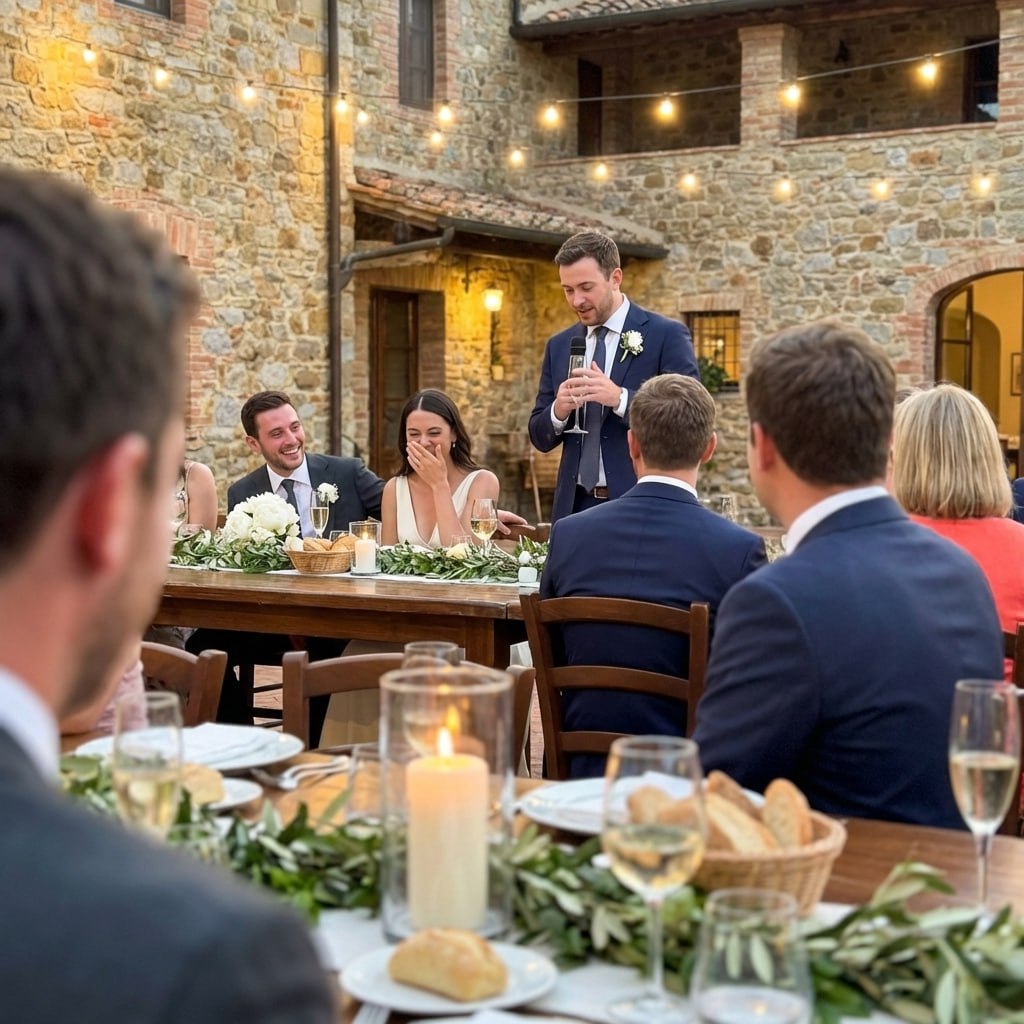
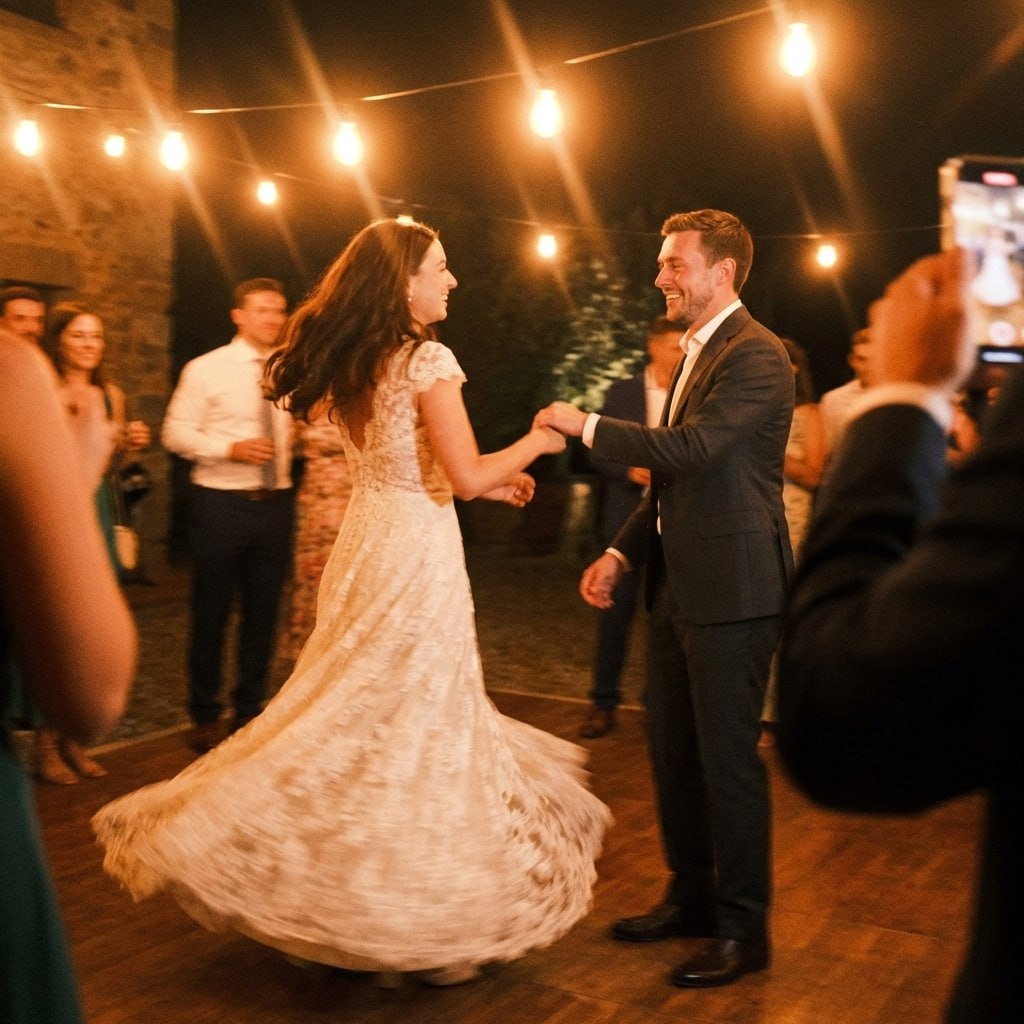
First dance
You guys!!
Eliminate one more decision from your plate.
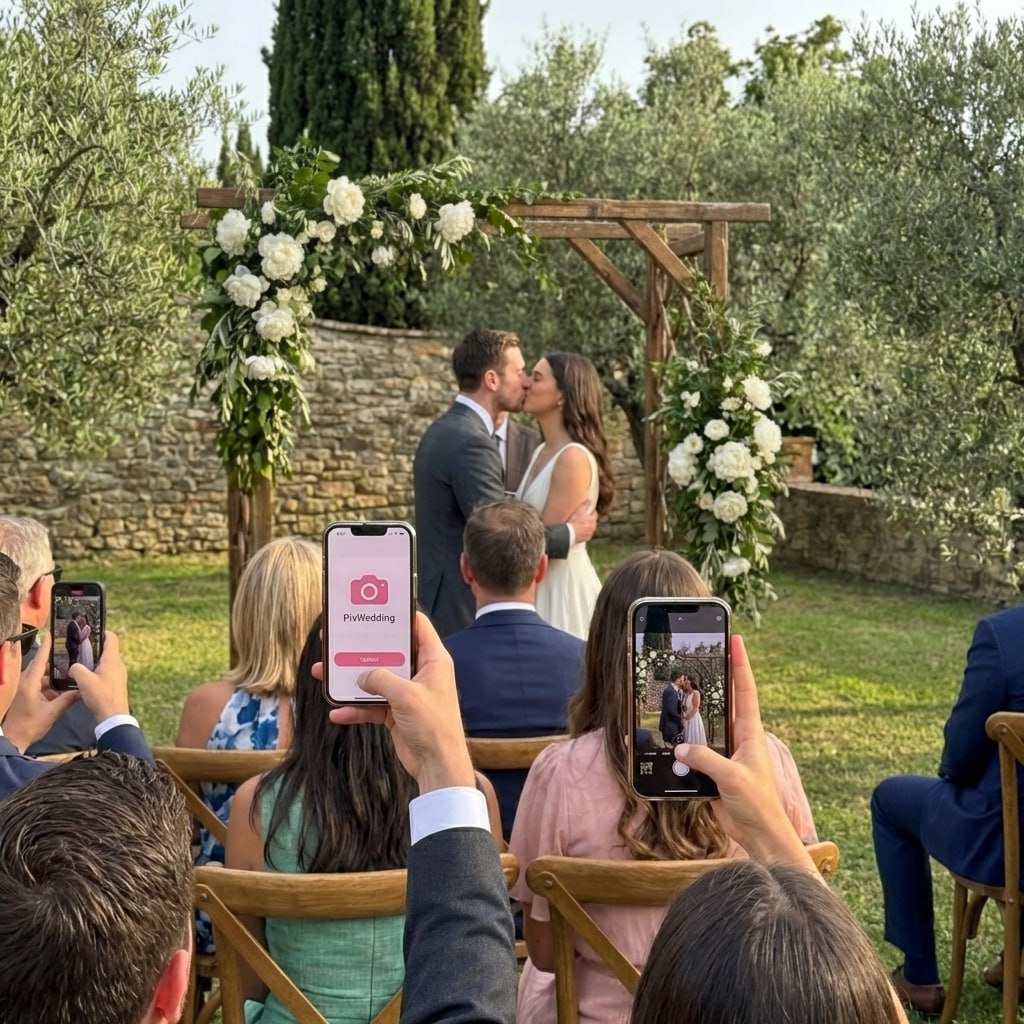
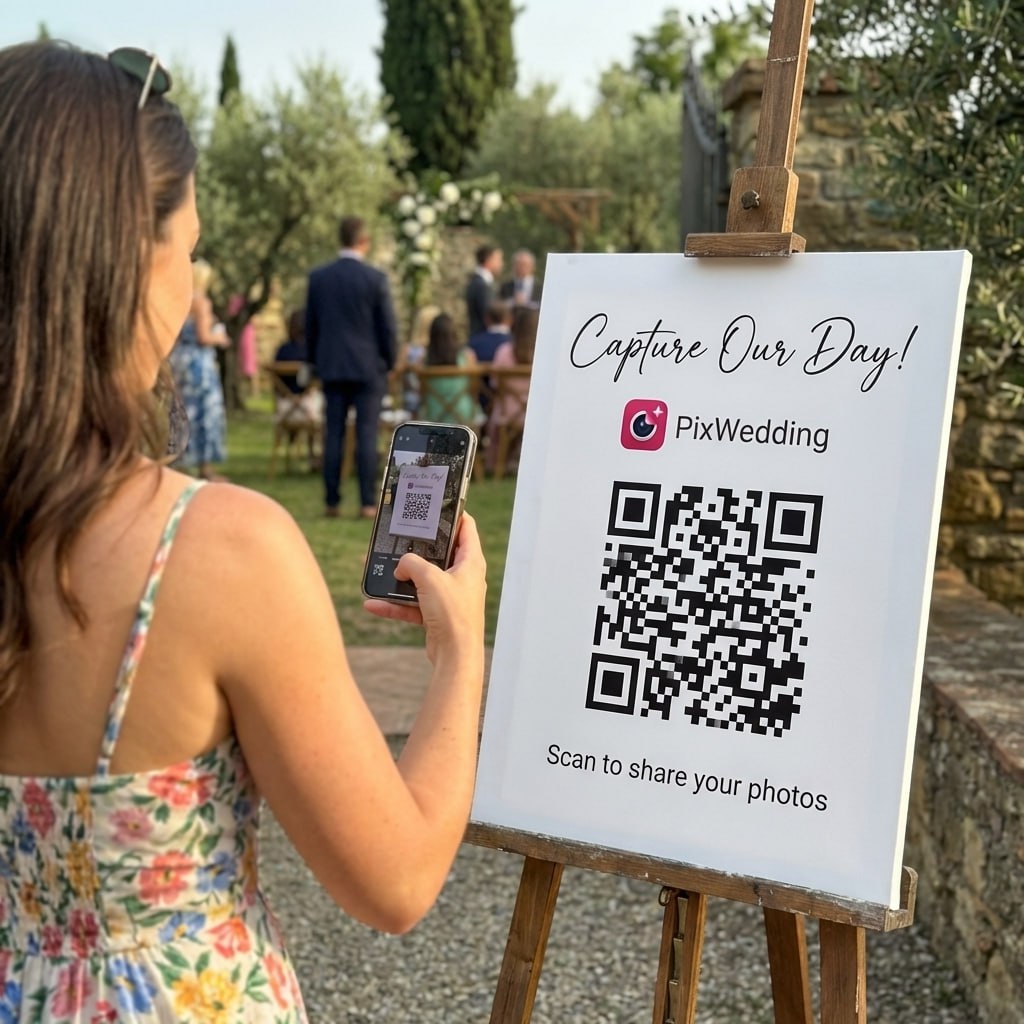
Guest photo collection is the one task that runs itself. Set up Pix Wedding once and it handles the rest so you can focus on each other, not logistics.
From Mom
Scan to join the album
No app, no account
UPLOADING
Saving your moment
THE ALBUM
Emma & Jack
June 21, 2026
647 photos · 95 guests



SCAN TO TRY
pix.wedding/
your-wedding
What Research Actually Says About Wedding Planning Stress
You are not imagining it. The research on wedding planning stress consistently points to the same conclusion: the engagement period is one of the most cognitively and emotionally demanding periods a couple goes through. Here is what the data shows.
hours: the average time couples spend planning a wedding, equivalent to more than 10 full work weeks of extra labour added to normal schedules.
of engaged couples report that wedding planning has caused them to question compatibility with their partner at least once, according to relationship survey data.
of couples in a survey by a leading wedding platform reported increased conflict during the engagement period compared to before the proposal.
the baseline: couples making large shared purchases report roughly double the normal conflict frequency, and a wedding is among the largest joint financial decisions most couples ever make.
of couples who attended pre-marital counselling reported that it improved their communication about conflict, according to research on structured pre-marital programmes.
before the wedding is when conflict peaks for most couples, according to relationship research on the engagement period timeline.
Statistics reflect general research trends and survey data on engaged couples. This guide is for informational purposes only and does not substitute for professional relationship advice.
Quick Self-Assessment: Where Are You Right Now?
Answer honestly. No score, just clarity.
Do you feel like your partner is a teammate right now, or an obstacle?
When did you last have a conversation that had nothing to do with the wedding?
Are your arguments ending with some resolution, or just running out of energy?
Have either of you said anything in the last month that you genuinely regret?
What Relationship Therapists Actually Recommend During Wedding Planning
These are the interventions that relationship therapists most commonly suggest to couples in wedding planning stress. They are not dramatic. They are structural and consistent.
Establish a planning-free zone early, not when you are already exhausted
Most couples try to implement the no-wedding-talk rule after they are already at breaking point. Therapists recommend establishing the rule in the first month of planning, before the load gets heavy. It is much easier to maintain a habit than to install one during a crisis.
Name the stress explicitly to each other, regularly
"I am really stressed right now and I am worried it is coming out as irritability toward you" is a sentence that, said calmly and early, prevents three arguments. Naming the emotional state before it becomes behaviour is a skill that transfers to marriage.
Do not conflate planning decisions with relational decisions
A disagreement about the venue is not a referendum on whether you value your partner's opinion. Separating logistical disputes from relational meaning prevents the escalation from "we disagree about the caterer" to "maybe we are not compatible."
Create small daily rituals that have nothing to do with the wedding
Morning coffee together, an evening walk without phones, a shared TV show. These small rituals function as relational anchors. They remind both partners that the relationship exists outside the planning project.
Distribute tasks by preference and capacity, not by default
The default pattern in many couples is that one partner, often but not always the partner who cares more about the wedding aesthetic, absorbs the majority of the administrative work. This creates resentment regardless of intent. Distribution by genuine preference and capacity is more sustainable.
Agreeing to "not talk about the wedding tonight" is easy. Actually doing it requires a specific container. Try this: designate three evenings a week as wedding-free. If wedding talk comes up, one partner can say "not tonight" and the other agrees without debate. Keep a running notes app for things that come to mind so they are captured without becoming a live conversation. Couples who implement this consistently report that the quality of their non-wedding conversations improves noticeably within two weeks.
The Wedding Is Not the Point. The Marriage Is.
Every couple that has come out of wedding planning intact says a version of the same thing: at some point, they made a deliberate decision to prioritise the relationship over the event. Not the venue, not the guest list, not the in-laws, not the seating chart. The relationship. Weddings are planned in months and forgotten in details. Marriages last decades. If protecting the marriage means simplifying the wedding, that is not a compromise. That is getting the priority right. The couples who seem to plan effortlessly from the outside are almost always the ones who made this decision early and held it under pressure.
- Start every planning session with a five-minute non-wedding check-in: "How are you feeling today? Not about the wedding."
- End every planning session by identifying one thing you are genuinely glad your partner handled.
- Keep a running note of things about your partner that have nothing to do with the wedding that you admire. Read it when the planning stress peaks.
- Never send an accusatory wedding-related message by text. Reserve all difficult conversations for in-person, when both partners are calm.
- Celebrate each completed milestone together: booked caterer, confirmed venue, finished guest list. These are real wins.
- Remind each other weekly why you are doing all of this: not to have a perfect event, but to start a marriage.
The Planning Stress Spiral and How It Starts
Wedding planning creates a unique pressure cooker. You are making financial decisions that rival buying a house, managing family politics with no clear authority, and doing it all while trying to look happy and grateful. The planning spiral typically begins when one partner absorbs more of the administrative burden and starts feeling unsupported. Resentment builds quietly until a small trigger, like the wrong centerpiece color, becomes a full argument about who cares more.
The other common starting point is external pressure, specifically family input that neither partner has figured out how to contain. When your future in-laws start suggesting changes and your partner does not shut it down, that feels like a loyalty failure. These are solvable problems, but only if you name them instead of fighting around them.
- •Uneven task distribution is the most common root cause
- •Unresolved family boundary issues escalate through planning
- •Budget stress is often a proxy for deeper money disagreements
- •Perfectionism in one partner can feel like criticism to the other
- •Loss of couple identity to "wedding couple" identity is real and common
When to Pause vs When to Push Through
Pushing through is appropriate when: the stress is logistical rather than relational, the conflict is about a specific vendor decision rather than each other, and both partners still express care and respect during disagreements.
Pausing is appropriate when: one or both partners are expressing doubts about the person rather than just the planning, when physical intimacy has dropped to near zero and neither partner is initiating repair, or when outside observers, close friends or family, are expressing concern about the relationship dynamic they are witnessing.
A pause does not mean cancelling the wedding. It means deciding together to freeze all non-urgent wedding tasks for two weeks and prioritise the relationship. Many couples who do this return to planning calmer and more aligned.
7 Warning Signs vs 7 Normal Friction Points
Normal friction: disagreeing on guest list size, feeling overwhelmed by vendor choices, one partner less engaged with decorative decisions, snapping after a long vendor meeting. These are temporary and task-specific.
Warning signs that deserve real attention: feeling like you do not recognise your partner anymore, either partner saying "maybe we should not do this," contempt or mockery creeping into daily conversation, complete emotional shutdown for days at a time, or ongoing affairs or trust violations that planning stress is masking.
Explore more free wedding tools
Everything you need to make your wedding day stress-free and unforgettable.
QR Sticker Designer
Design custom print-ready stickers.
Hashtag Generator
Create unique wedding hashtags.
How to Collect Guest Photos
5 methods ranked by participation rate and ease.
Share Wedding Photos with Guests
Compare every sharing platform by ease and participation.
Best Way to Get Guest Photos
The single method with the highest participation rate.
How to Make a Shared Wedding Album
Step-by-step setup for every platform.
Alternative to Disposable Cameras
Better, cheaper options than disposable cameras.
Alternative to Wedding Photo Booth
5 cheaper alternatives to a $1,000+ photo booth rental.
Wedding Planning and Relationships: Common Questions
Straight answers to the questions people ask most about this topic.
Completely normal. Research consistently shows that the engagement period is one of the highest-stress phases a couple experiences. Planning logistics, managing family expectations, and making dozens of high-stakes decisions together create friction even in the healthiest relationships.
Not necessarily. Frequent arguments during planning are usually a symptom of stress overload, not deeper incompatibility. However, if you are having the same core argument repeatedly, or if either partner has raised doubts about the relationship itself, a pause or couples counselling is worth considering before continuing to plan.
Introduce a strict "no wedding talk" window, at least 3 evenings per week. Recreate an activity that felt easy and fun when you first started dating. Physical reconnection, even a long walk or cooking together, matters more than a formal date night.
High-stress situations reveal coping styles that were invisible during the romance phase. Your partner is not actually different; their stress response is just more visible. Understanding each other's stress language, whether one withdraws and the other escalates, is the first step to bridging that gap.
Seek premarital counselling if: the same argument has repeated more than 3 times without resolution, one partner has expressed doubts about the marriage itself, stress has eliminated physical intimacy for more than a month, or either partner is consistently dismissing the other's concerns.
A planning reset is a structured 24 to 48 hour pause from all wedding tasks. No vendor emails, no budget spreadsheets, no guest list debates. Couples who implement regular resets report significantly lower conflict levels. Set a recurring reminder every 3 to 4 weeks.