Wedding Color Schemes 2026: Palettes With Hex Codes and Photo Tips
Discover 12 wedding color schemes for 2026 with hex codes, season fit and how each photographs, plus Pantone's Cloud Dancer and readable text colors.
9 min readUpdated Sep 22, 2026Pix Wedding Team
The short version
Pick a palette by the light your photos will be taken in, then check two numbers. First, the gap between your lightest and darkest color: a wide gap keeps photos crisp, even in black and white. Second, text contrast: invitation and sign text should hit at least 4.5:1 against the paper. Pantone's 2026 Color of the Year is Cloud Dancer, a soft white, so warm neutral bases are the easiest way to feel current. The 12 palettes below list real hex codes, season fit and how each one photographs.
Most palette roundups show you three pretty circles and stop there. The trouble starts later, when the gold script on your invitations is hard to read, the lilac linens turn gray under the reception lights, or the pastel scheme melts into one beige blur in the black-and-white edits. This guide lists every color as a hex code you can paste into a printer's proof, a florist's mood board or our wedding color palette generator, and checks each palette for the two things that go wrong most often in photos and print.
1What does Pantone's 2026 color mean for your palette?
The one trend source we can point to without guessing is Pantone. Its Color of the Year 2026 is PANTONE 11-4201 Cloud Dancer, a soft off-white. That follows 2025's Mocha Mousse, a warm brown. Pantone publishes the color as a textile standard, and screen versions sit around #F0EFEA, so treat any hex code as a close match rather than the official swatch.
A white trend is easy news for weddings, since the dress is often white already. The useful takeaway is the shade. Cloud Dancer is off-white, not optical white, so it pairs well with ivory gowns instead of making them look yellow next to a bright white tablecloth. Use it for paper, linens and signage, then let the other colors in your palette do the talking. If you want a single wedding built fully around warm neutrals, the first soft palette below starts from Cloud Dancer itself. For what couples are searching for and booking this year beyond Pantone, from plum and olive to sage, see our 2026 wedding trends report.
2How to read the palettes on this page
Hex codes
Six-character color codes like #F0EFEA. Printers, florists and stationers can match them, and every design app accepts them.
60, 30, 10
Colors are listed from base to accent. Use the first one for about 60% of the visual space, the middle ones for about 30%, the last one for about 10%.
Lightness spread
We converted each color to CIE lightness (0 is black, 100 is white) and list the gap between the lightest and darkest. Above about 60 reads crisp in photos. Under 20 looks flat.
Text contrast
The ratio between your darkest color and your paper color, calculated the way web accessibility guidelines do it. 4.5:1 is the minimum for comfortable reading.
3Palettes that shine in bright daylight
Midday sun and open shade are the most forgiving light for color. Daylight sits around 5,500 to 6,500 kelvin on the color temperature scale, so colors look much as they do in the swatch. These three suit outdoor ceremonies, garden parties and beach weddings.
1. Butter yellow and sky
#FFFBEF cream, #F4E3A1 butter, #B9D4E6 sky, #6F95B2 cornflower, #34495E slate. Lightness spread 69, text contrast 9.0:1. Fresh and cheerful for May to August. Keep yellow to flowers and ribbons: large yellow surfaces bounce a warm cast onto skin.
2. Coral and teal
#FFF8F1 cream, #F28C6F coral, #E2B75E marigold, #2F8F8A teal, #1E3B40 deep teal. Lightness spread 75, text contrast 11.4:1. Beach and destination weddings. The teal gives the coral something to push against, so the pair holds up even on bright, hazy days.
3. Dusty blue and terracotta
#F6F1E9 linen, #A7BBCB dusty blue, #5E7A94 slate blue, #C66B4E terracotta, #2C3A47 ink. Lightness spread 71, text contrast 10.4:1. Works from spring into early fall. Slate blue and terracotta have nearly the same lightness, so in black and white they merge; lean on the linen and ink for contrast.
Why dusty blue is harder to print than it looks
Dusty blue is one of the most requested wedding colors, and it is a lovely background. As text it fails. Dusty blue #A7BBCB on a cream card measures 1.76:1, far below the 4.5:1 guideline. Switch the wording to the slate blue #5E7A94 (3.98:1, fine for large headings) or the ink #2C3A47 for body text, and keep dusty blue for envelope liners, ribbon and wax seals.
Do's and don'ts for picking wedding colors
A wedding planner runs through the mistakes couples make when choosing colors, then shows palette ideas for every season. Worth watching before you commit to linens and bridesmaid dresses.
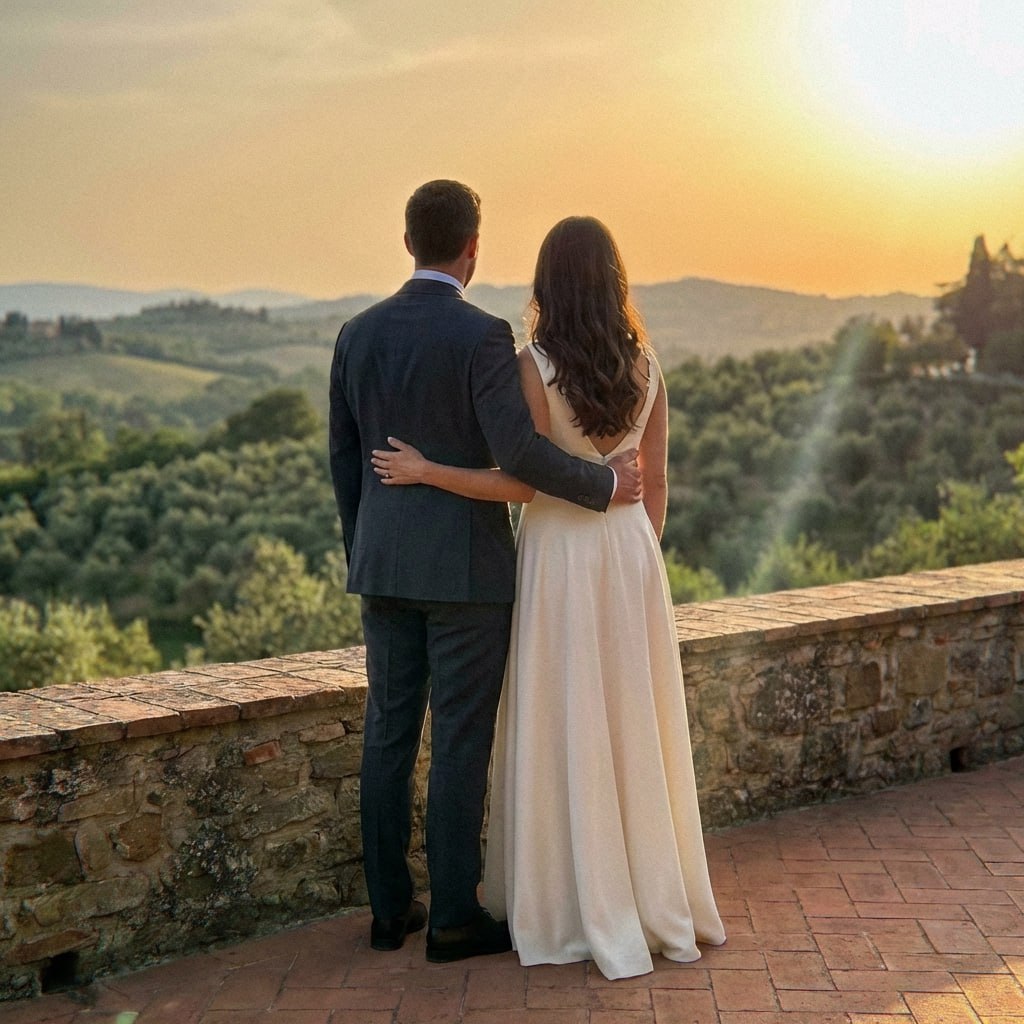
Late-day sun is warm and low, and it adds amber to everything. Palettes that already lean warm look rich in it, while cool pastels can drift toward beige. These three are built for late ceremonies, September to November dates and sunset portraits. For more autumn options, see our fall wedding color palette guide, the burgundy fall colors and plum and olive combinations.
4. Sage and blush
#FBF7F2 warm white, #E8C4C0 blush, #B8C4A8 sage, #7D8B6A deep sage, #3E4637 forest. Lightness spread 68, text contrast 9.2:1. Spring through early fall, gardens and vineyards. Blush and sage sit close in lightness, so the forest green does the work of anchoring photos.
5. Mocha and champagne
#F6EFE6 champagne, #E3CBA8 sand, #A47864 Mocha Mousse, #6B4A3A cocoa, #2E211B espresso. Lightness spread 81, text contrast 13.6:1. Uses Pantone's 2025 color as the middle tone. Warm light flatters it, and it sits well next to Cloud Dancer if you want a 2026 update.
6. Navy, rust and cream
#F7F1E6 cream, #D9A441 mustard, #B5532E rust, #1F2F4B navy, #141B2A midnight. Lightness spread 85, text contrast 15.3:1. October classic. Navy suits and rust bridesmaid dresses keep their depth in sunset portraits, and navy also works for evening receptions.
5Palettes for candlelit and indoor receptions
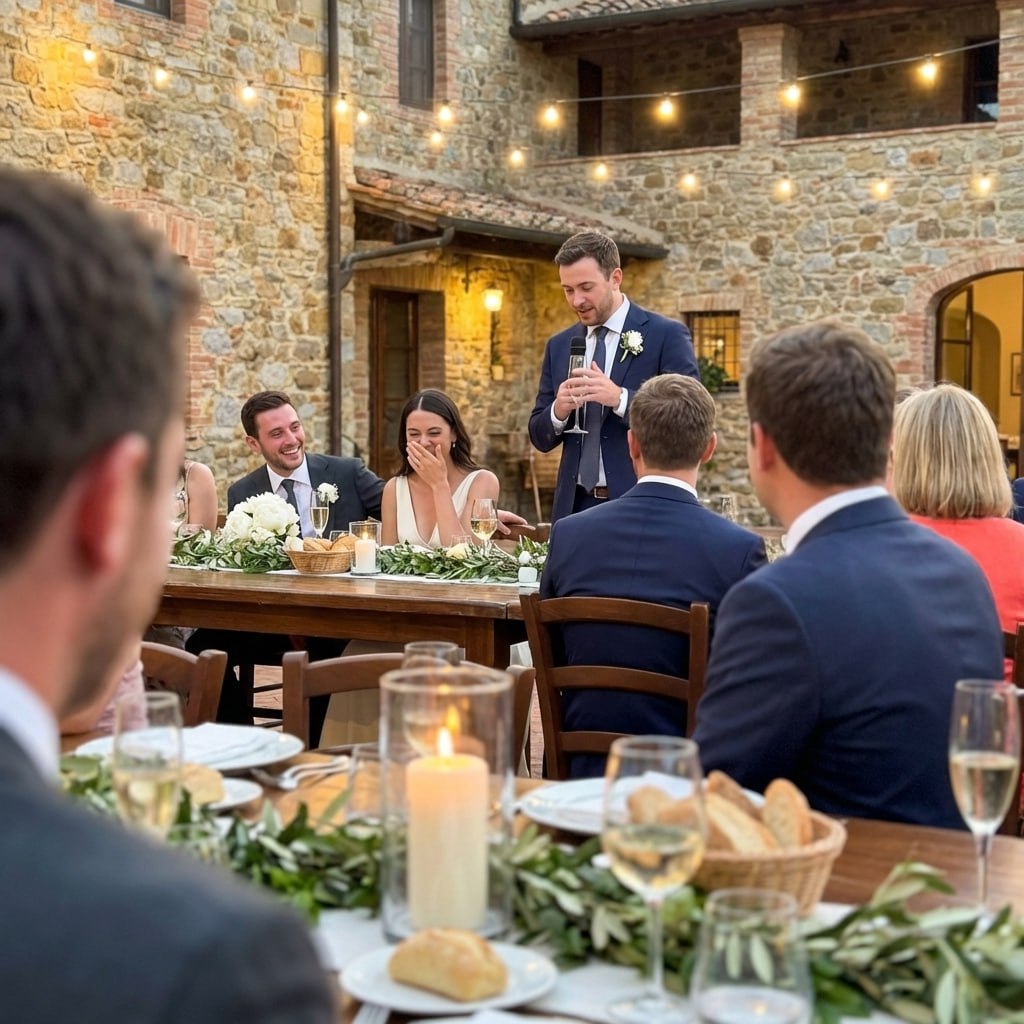
Candle flames burn at about 1,850 kelvin and warm white LED bulbs at 2,700 to 3,000 kelvin. Under that light, blues and lilacs lose saturation and go grayish, while reds, golds and deep greens hold on. Photographers can correct white balance, but they cannot bring back a color the light never showed. These palettes are made for ballrooms, restaurants and winter evenings.
7. Emerald, gold and ivory
#FBF8F0 ivory, #D4AF37 gold, #1F6F54 emerald, #0F3D2E dark emerald, #1B1B1B black. Lightness spread 88, text contrast 16.2:1. Winter and holiday weddings. Gold on dark emerald measures 5.78:1, so gold foil on green cards reads well. Gold on ivory does not (1.98:1).
8. Burgundy and blush
#F8F1EE blush white, #E6BFB8 blush, #B05A5A rose, #6D1F2F burgundy, #2B1418 oxblood. Lightness spread 86, text contrast 15.5:1. Late fall to Valentine's Day. Burgundy text on the blush-white paper measures 9.97:1, one of the most readable pairs on this page.
9. Black and white with red
#FFFFFF white, #E9E4DD stone, #B3172C red, #2A2A2A charcoal, #0B0B0B black. Lightness spread 97, text contrast 19.7:1. Black-tie and New Year's Eve. The highest contrast here, so it photographs sharply in any light. Keep the red to one element, like roses or lipstick.
6Soft and airy palettes, and how to keep them from washing out
Soft palettes are popular because they look calm in person. In photos they are the riskiest group, because pale colors have similar lightness and cameras record them as near-white. The fix is the same every time: keep the pale colors, then add one deep anchor color for text, suits, greenery or table numbers.
10. Cloud Dancer neutrals
#F0EFEA Cloud Dancer, #D8CFC0 oat, #A89F91 stone, #6B6558 taupe, #2F2E2B soft black. Lightness spread 75, text contrast 11.8:1. The most direct way to use the 2026 color. Add texture (linen, pampas, candle glass) so it does not look unfinished.
11. Lilac, mauve and moss
#F7F3F7 lilac white, #C9B6D9 lilac, #A07A93 mauve, #6E7B4F moss, #3B3140 aubergine. Lightness spread 74, text contrast 11.3:1. Spring and early summer outdoors. Lilac is the color most likely to shift under warm reception lights, so book it for a daylight ceremony.
12. Ice blue and silver
#F4F7FA frost, #C9D8E4 ice blue, #A7ADB4 silver, #5C6B7A steel, #1E2833 midnight. Lightness spread 81, text contrast 13.9:1. Winter, snow and waterfront venues. Cool palettes suit daylight. For an evening reception, ask for cooler LED uplighting so the blue survives.
Pastel blush and peach
Lightness spread 17
What happens: #FDF1EC, #F6D5CC, #F2C4B0, #EBD3C9, #E7B8A8. Lovely on a mood board, flat in photos.
Soft, romantic look in person
Flattering on most skin tones up close
Darkest-on-lightest contrast is only 1.6:1
Black-and-white edits turn into one light gray
Text in any of these colors is unreadable
Same pastels plus one anchor
Lightness spread 70+
What happens: Keep all five, then add a deep cocoa (#6B4A3A) or forest (#3E4637) for text, suits and greenery.
The softness stays in florals and linens
Photos get a clear subject and edge
Invitation text reaches well above 4.5:1
One more color to source
The anchor should appear in at least three places, or it looks like a mistake
The same problem applies to a lavender and dusty pink palette (#EDE3F0, #D9C6E0, #E6C7CF, #CDB5D6). Its lightness spread is just 14, even lower. If a palette you love comes out below 20, you do not need to drop it. You need one deep color to go with it.
7Why some palettes look flat in photos
Two things decide how a color scheme photographs, and neither is visible on a paint chip. The first is lightness. Remove the color from a photo and you are left with light and dark values only (the L* value in the CIELAB color model, which is what our lightness numbers use), which is how every black-and-white edit and many social media filters see your wedding. Two colors that look very different in person, like terracotta and slate blue, can share the same lightness and turn into the same gray.
The second is the light itself. Daylight is neutral, while candles and warm bulbs are strongly orange. Cool, pale colors lose the most in that shift. Deep, warm colors lose the least. That is why a lilac and silver scheme can look perfect at a 3pm ceremony and dull at a 9pm reception in the same venue.
Holds up well
Deep greens, navy, burgundy and black as anchors
Warm neutrals like cream, sand and mocha
Metallics next to dark colors (gold on emerald, silver on midnight)
Palettes with a lightness spread above about 60
One saturated accent against calm neutrals
Needs a plan
All-pastel palettes with no deep color
Lilac, periwinkle and icy blue at candlelit receptions
Bright yellow or neon on large surfaces, which can tint skin
Optical white linens next to an ivory dress
Metallic text on light paper
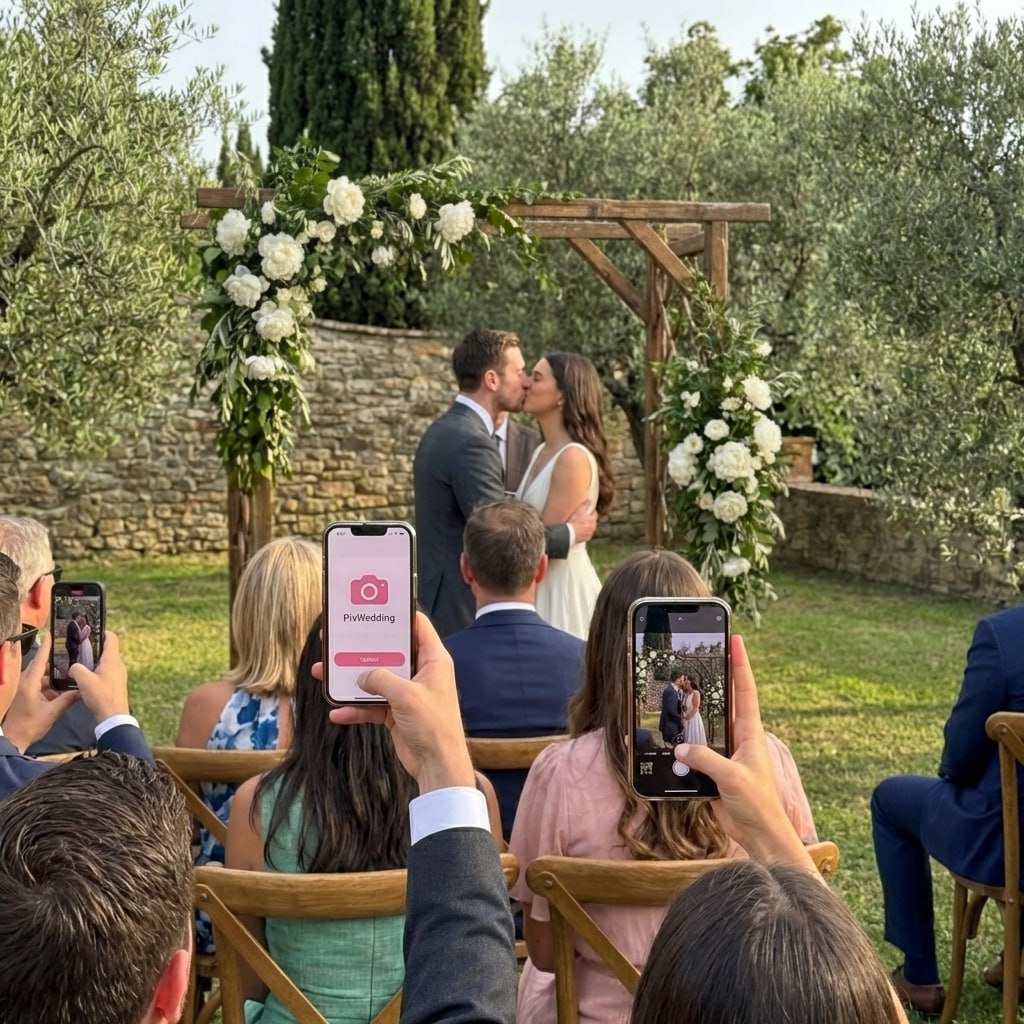
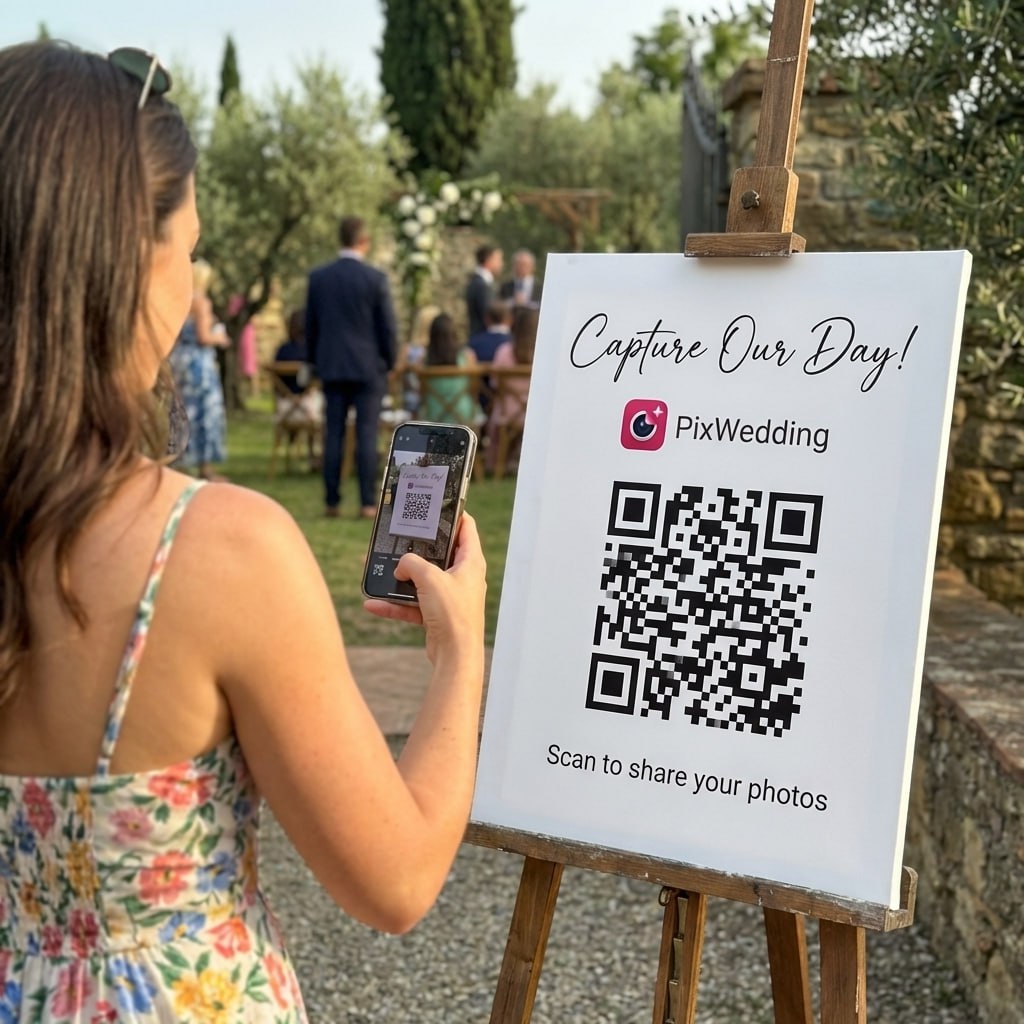
Your palette also shows up in photos your guests take, which is where a lot of the candid reception shots come from. In our data from 203 weddings, the median album collected 149 photos from 8 guests who uploaded (full guest photo upload statistics). Colors that hold up under reception lights make those phone shots look better too. You can see a real example of a guest upload page and the finished album, and match the QR signs to your palette in our QR sticker designer.
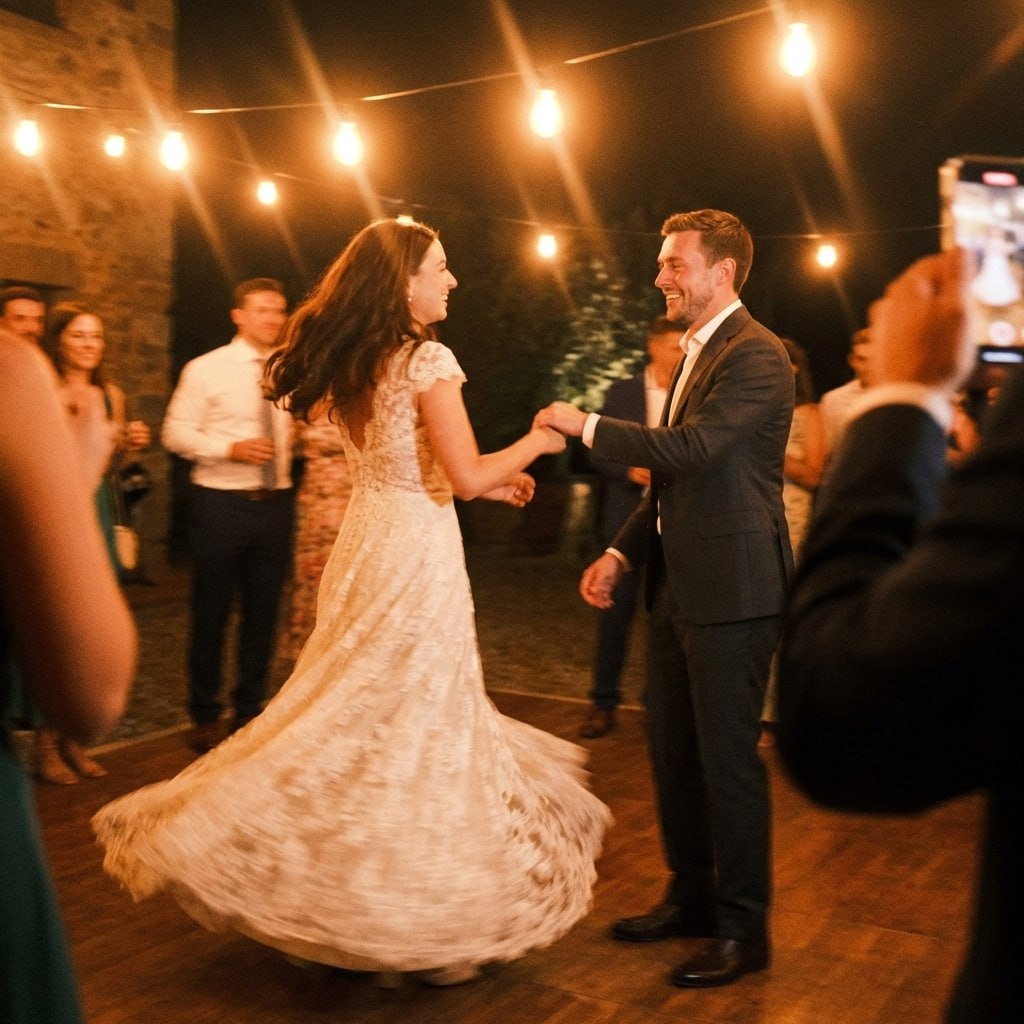
First dance
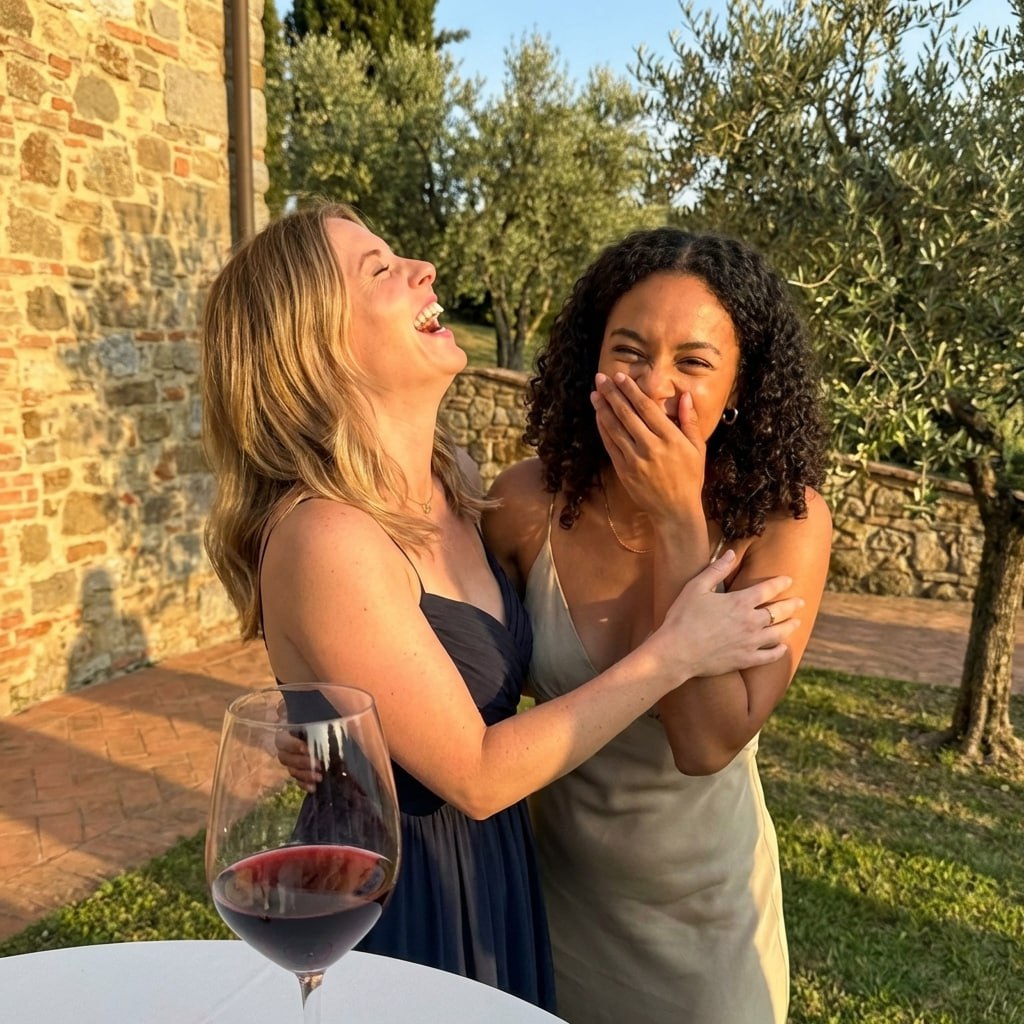
You guys!!
Collect the photos your palette ends up in
Put one QR code on your welcome sign and tables, in your wedding colors, and every guest photo and video lands in one private album. Free for 20 guest uploads, no card. One payment from $49 unlocks unlimited uploads.
Palettes on this page: Sage and blush (4), Lilac, mauve and moss (11), Dusty blue and terracotta (3)
Fresh greens and soft florals are in season
Daylight ceremonies suit pale tones
Pale palettes need a deep anchor
Rain plans move you indoors under warm light
Summer
June to August
Palettes on this page: Butter yellow and sky (1), Coral and teal (2)
Long days mean more daylight photos
Saturated colors hold in strong sun
Harsh noon light washes out pastels
Large yellow surfaces tint skin
Fall
September to November
Palettes on this page: Navy, rust and cream (6), Mocha and champagne (5), Sage and blush (4)
Warm palettes glow at golden hour
Earlier sunsets suit candlelit receptions
Every fall wedding uses rust and orange, so add one unexpected color
Sunset comes early, plan portraits around it
Winter
December to February
Palettes on this page: Emerald, gold and ivory (7), Burgundy and blush (8), Ice blue and silver (12), Black and white with red (9)
Deep colors and metallics love candlelight
Evening events feel festive
Short days mean most photos are indoors
Icy blues need cool lighting at night
Month-specific guides go deeper for autumn dates: September and October wedding colors each have their own page, and our opalescent palette covers the pearly, iridescent look for any season.
9Will your colors be readable on invitations and signs?
Readability has a number. The W3C contrast guideline asks for at least 4.5:1 for normal text and 3:1 for large text. It was written for screens, but the same math predicts which invitation wording guests will squint at. Here is how common wedding pairings score, calculated from the hex codes on this page.
Readable pairs
Burgundy #6D1F2F on blush white: 9.97:1
Forest #3E4637 on warm white: 9.22:1
Gold #D4AF37 on dark emerald: 5.78:1
Ivory on emerald #1F6F54: 5.72:1
Rose #B05A5A on blush white: 4.22:1, headings only
Hard to read
Slate blue #5E7A94 on cream: 3.98:1, headings only
Teal #2F8F8A on cream: 3.68:1
Terracotta #C66B4E on cream: 3.33:1
Rose gold #B7926B on white: 2.86:1
Gold #D4AF37 on ivory: 1.98:1
Dusty blue #A7BBCB on cream: 1.76:1
Blush #E8C4C0 on white: 1.5:1
The simple rule for stationery
Set all body text in the darkest color of your palette. Use accents for monograms, borders, envelope liners and big display names, where size makes up for lower contrast. Foil adds shine but not contrast, so gold foil still needs a dark card behind it. Our invitation wording generator helps with the words once the colors are settled.
10How to use your palette across the wedding day
Choose the base color first. It covers paper, linens and signage, so pick something that flatters your dress, often a warm white like Cloud Dancer or cream.
Give the 30% colors to the big fabric: bridesmaid dresses, suits, table runners and napkins.
Save the 10% accent for flowers, ribbons, wax seals, the cake and one statement piece.
Put your darkest color in at least three places (text, suits, greenery or candle holders) so photos have an anchor.
Send the hex codes to your florist, stationer, baker and planner in one message, so everyone matches the same values.
Ask your venue what color the reception lighting is. If it is warm, shift the palette's cool colors to the ceremony.
Order printed proofs before the full run. Screens are backlit and paper is not, so colors usually print darker.
Try the hex codes on your own palette
Our free generator builds matching wedding palettes from any color and shows the hex codes for each shade.
Planner Emily Summer shows how to start from a venue and a feeling, narrow down a theme and then settle on colors. A good companion to the 60, 30, 10 steps above.
Only if you say so, and only loosely. A line like "We would love to see garden colors" on the website helps guests without making them buy something new. Ask guests to skip white and your base color if that base is off-white. Bridesmaids are different: our guide to bridesmaid dress colors for fall shows how to mix shades within one palette so the group looks planned rather than uniform.
Mix two or three shades of one color for bridesmaids rather than one exact match
Put suits in your anchor color, navy, charcoal or forest, so they read well in photos
Match ties or pocket squares to the accent color, not the base
If you are unsure of your style, our wedding theme quiz suggests a direction first
11Wedding color mistakes to avoid
Choosing from a phone screen
Screens are bright and backlit. Print the swatches or ask for fabric and paper samples before you order.
No dark color at all
An all-pastel palette looks soft in person and washed out in photos. Add one deep anchor.
Ignoring the reception lights
Warm bulbs and candles gray out lilacs and icy blues. Check the lighting before you pick evening linens.
Accent colors as body text
Gold, blush and dusty blue on light paper fall well below the 4.5:1 guideline.
Bright white next to an ivory dress
Optical white linens can make an ivory gown look yellow. Match the base to the dress.
12Test your palette before you order anything
Your palette test
Once the palette passes, lock it. Changing a color after the invitations are printed means redoing linens, flowers and signs to match, and that is where color budgets tend to spill over.
FAQ
Frequently Asked Questions
What is the Pantone Color of the Year 2026?
Pantone chose PANTONE 11-4201 Cloud Dancer, a soft off-white, as its Color of the Year 2026. Screen versions sit around hex #F0EFEA, but Pantone's official swatch is a textile standard, so treat hex codes as close matches.
What wedding colors photograph best?
Palettes with a wide gap between their lightest and darkest color photograph most crisply, for example emerald, gold and ivory or navy, rust and cream. Deep anchors like forest, navy and burgundy hold up in any light, while all-pastel palettes tend to look flat.
How many colors should a wedding palette have?
Three to five works for most weddings: one base color for about 60% of the space, one or two supporting colors for about 30% and one accent for about 10%. Include at least one deep color so photos have contrast.
Why do my wedding colors look different in photos?
Light changes color. Daylight is neutral, while candles and warm bulbs are strongly orange and pull cool colors like lilac and icy blue toward gray. Screens also show colors brighter than paper and fabric, so always check printed samples.
Is gold text readable on white invitations?
Usually not. Gold #D4AF37 on an ivory card measures about 1.98:1, far below the 4.5:1 contrast guideline for reading text. Use gold for borders and monograms, or print gold text on a dark card such as deep emerald.
What are good winter wedding color schemes?
Emerald, gold and ivory, burgundy and blush, ice blue and silver, and black and white with red all suit winter. Deep colors and metallics look rich under candlelight, which is where most winter photos are taken.
How do I give my wedding colors to vendors?
Send one list of hex codes to your florist, stationer, baker, planner and rental company, and request printed or fabric samples. Hex codes remove the guesswork from names like blush or sage, which mean different shades to different people.
 wedding