Wedding Moments Your Photographer Will Miss: 10 Gaps and Who Can Cover Them
Learn the 10 wedding moments your photographer will miss, hour by hour, and a proven plan to cover each gap with guests, a second shooter or more hours.
8 min readUpdated Sep 22, 2026Pix Wedding Team
The short version
Your photographer will miss whatever happens while they are somewhere else: cocktail hour while they shoot family portraits, the second getting-ready room, back-row reactions during the vows, table conversations at dinner, the far side of the dance floor, and everything after coverage ends. You close those gaps with a clear timeline, a second shooter if two big things overlap, extra hours for the end of the night, and a guest photo album for the rest.
1Which wedding moments will your photographer miss?
Almost every couple hires one. The Knot's 2026 Real Weddings Study found that 88% of couples booked a photographer, for an average of 117 guests. That is one or two people with cameras against more than a hundred people doing things at the same time. The gaps are predictable, and they are the same at almost every wedding.
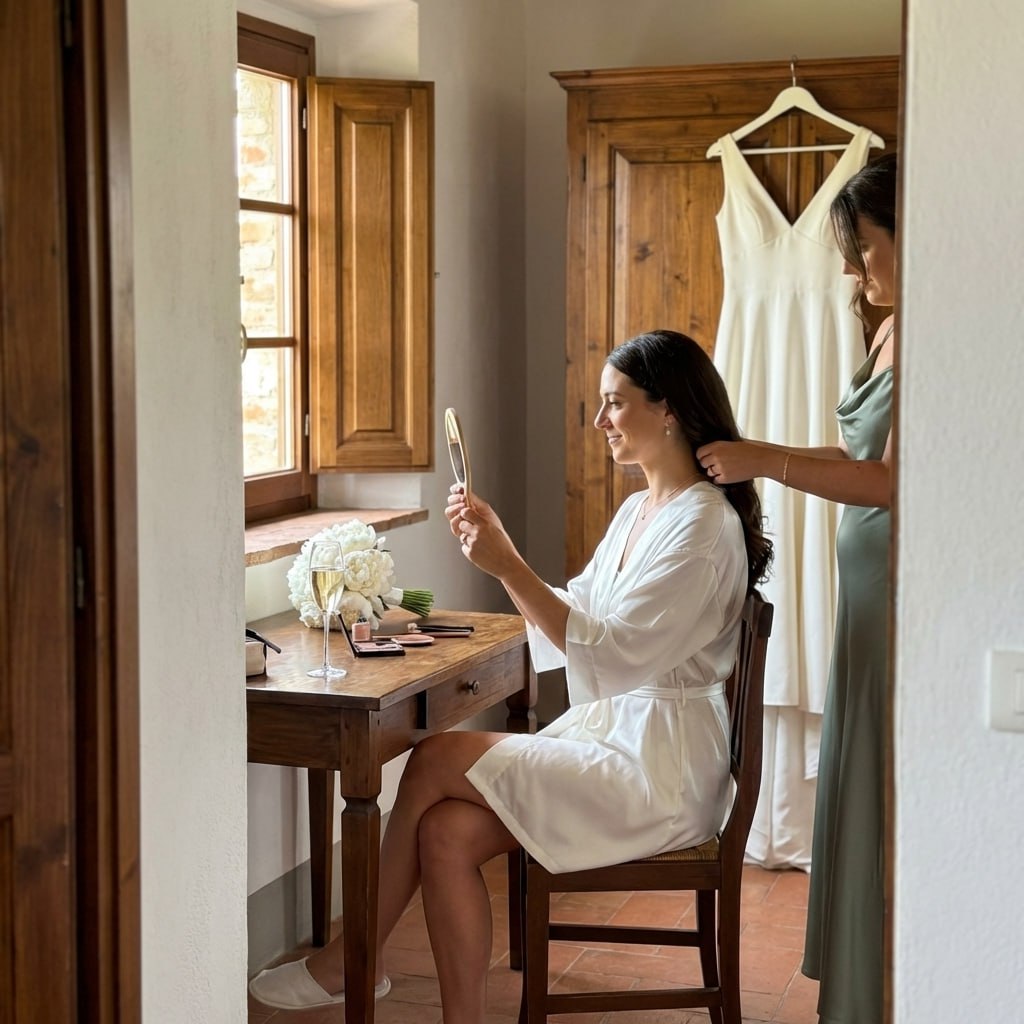
1. The other getting-ready room
With one photographer, only one partner's prep gets full coverage. The other side often gets a short visit or nothing, including parents helping with buttons and ties.
2. Guests arriving
The half hour before the ceremony, when relatives reunite and friends see each other for the first time in years. The photographer is usually with you or setting up at the altar.
3. Back-row reactions
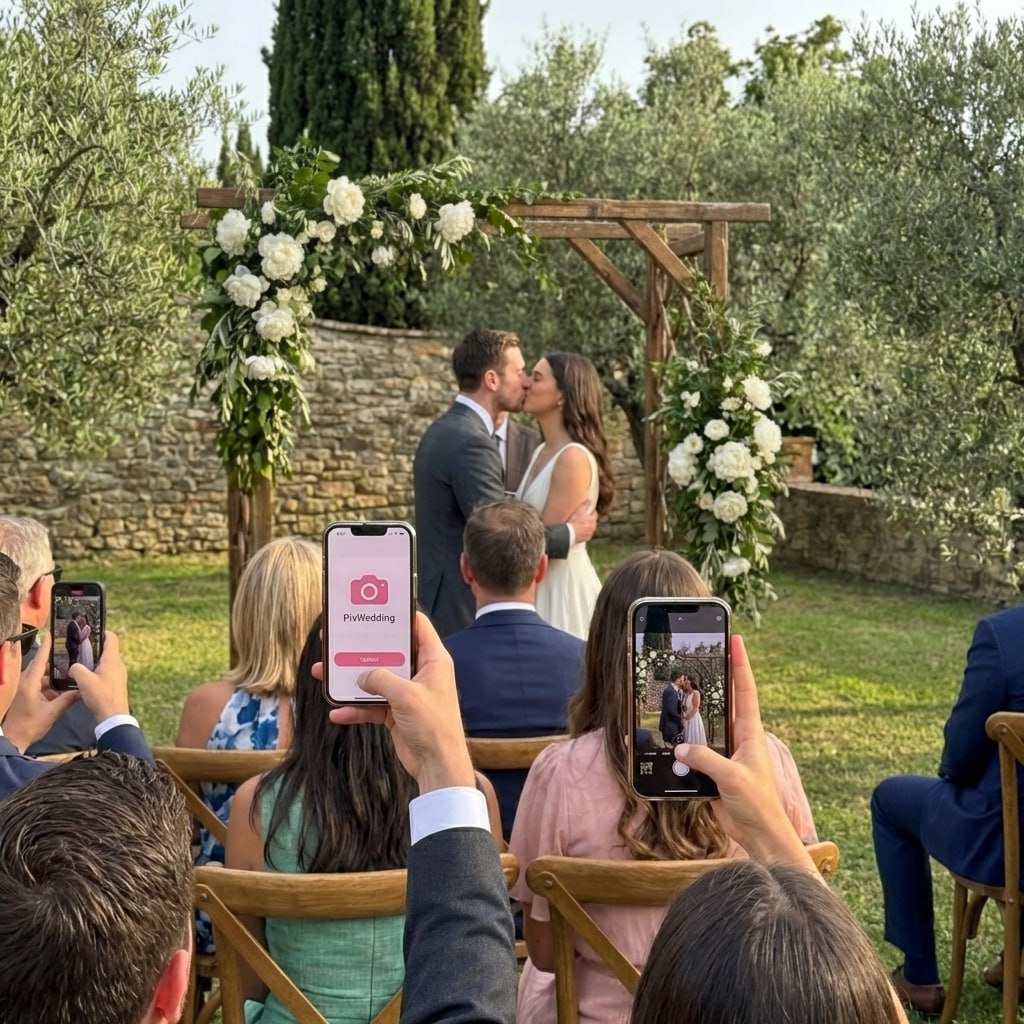
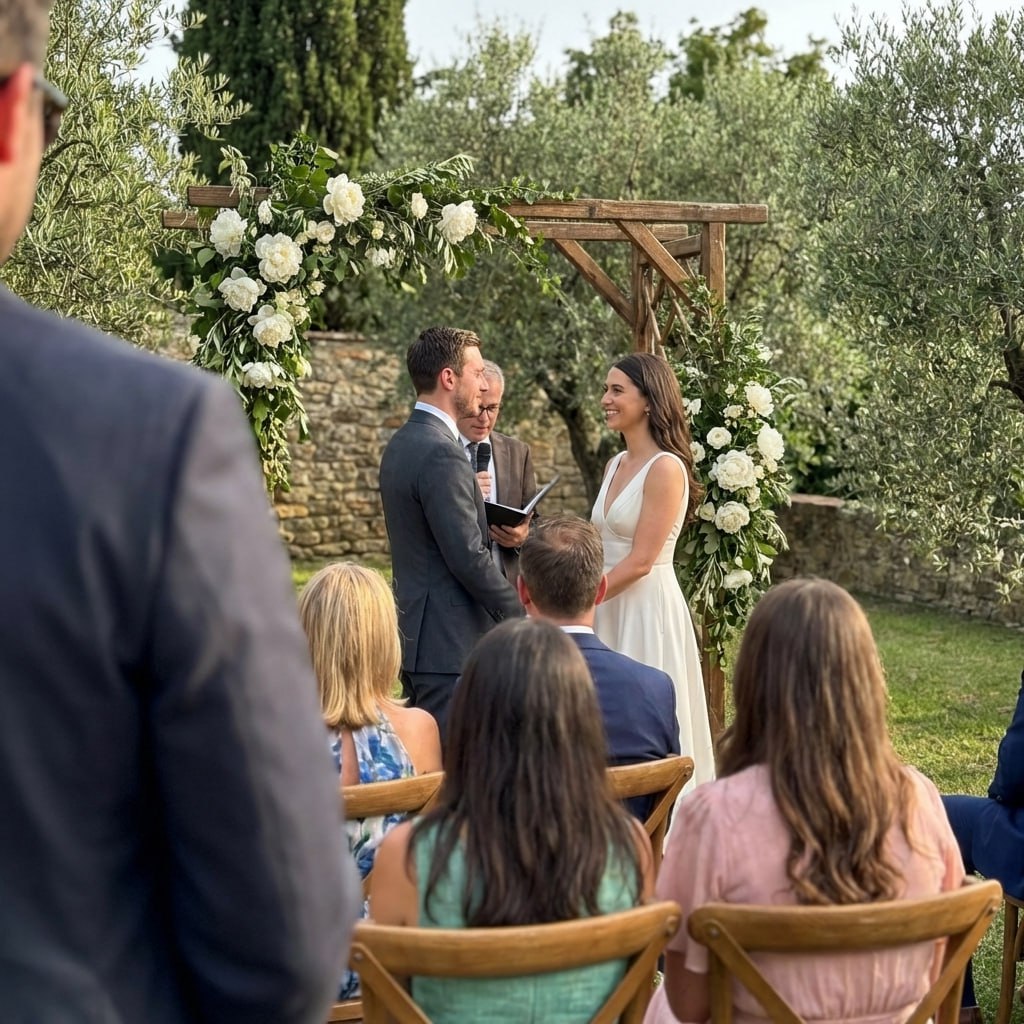
Your photographer shoots the ceremony from a few planned spots aimed at your faces. Your grandmother in row nine wiping her eyes is behind the lens, not in front of it.
4. Cocktail hour itself
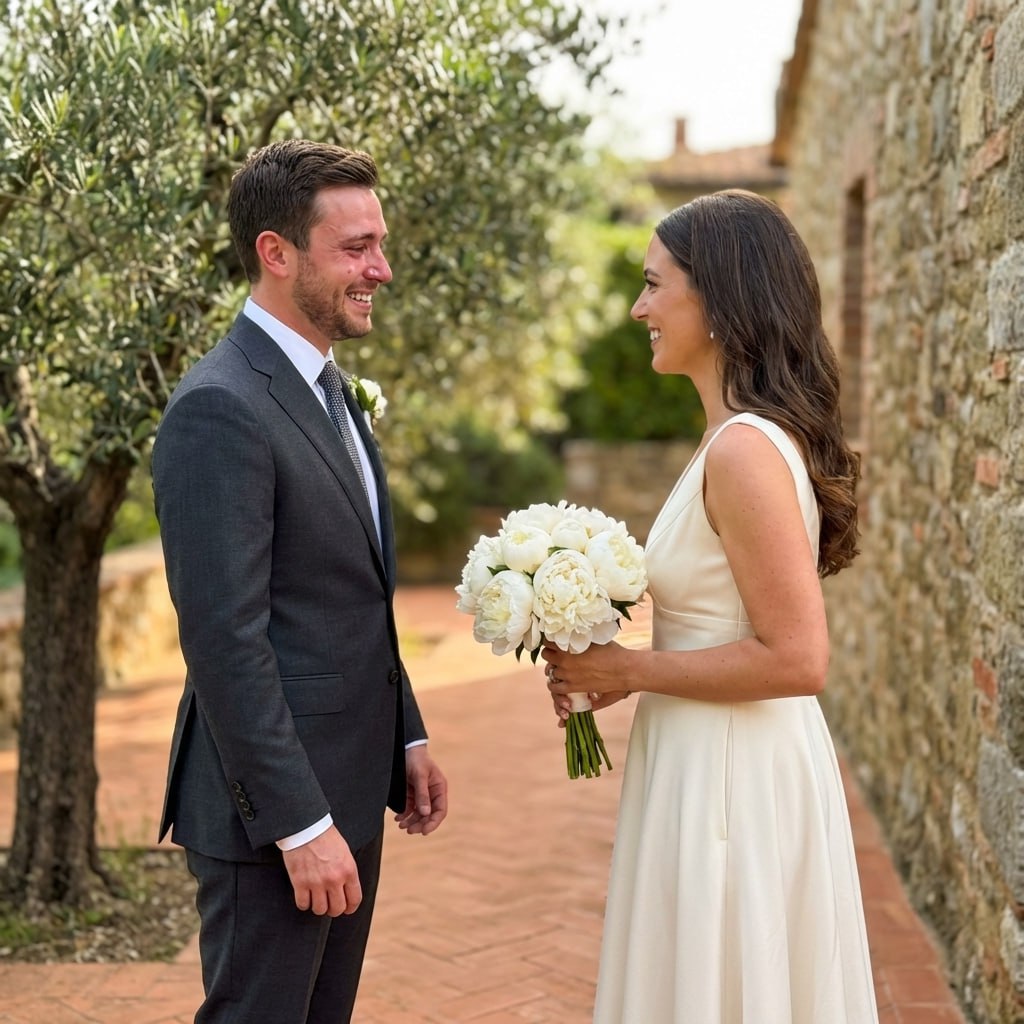
If you skip a first look, family portraits and couple photos run during cocktail hour. That hour of mingling is the single biggest gap of the day.
5. Table conversations at dinner
A photographer will cover the room, your table and the toasts. The laughing at table eleven during salads rarely makes the gallery, and many photographers take their meal break while guests eat.
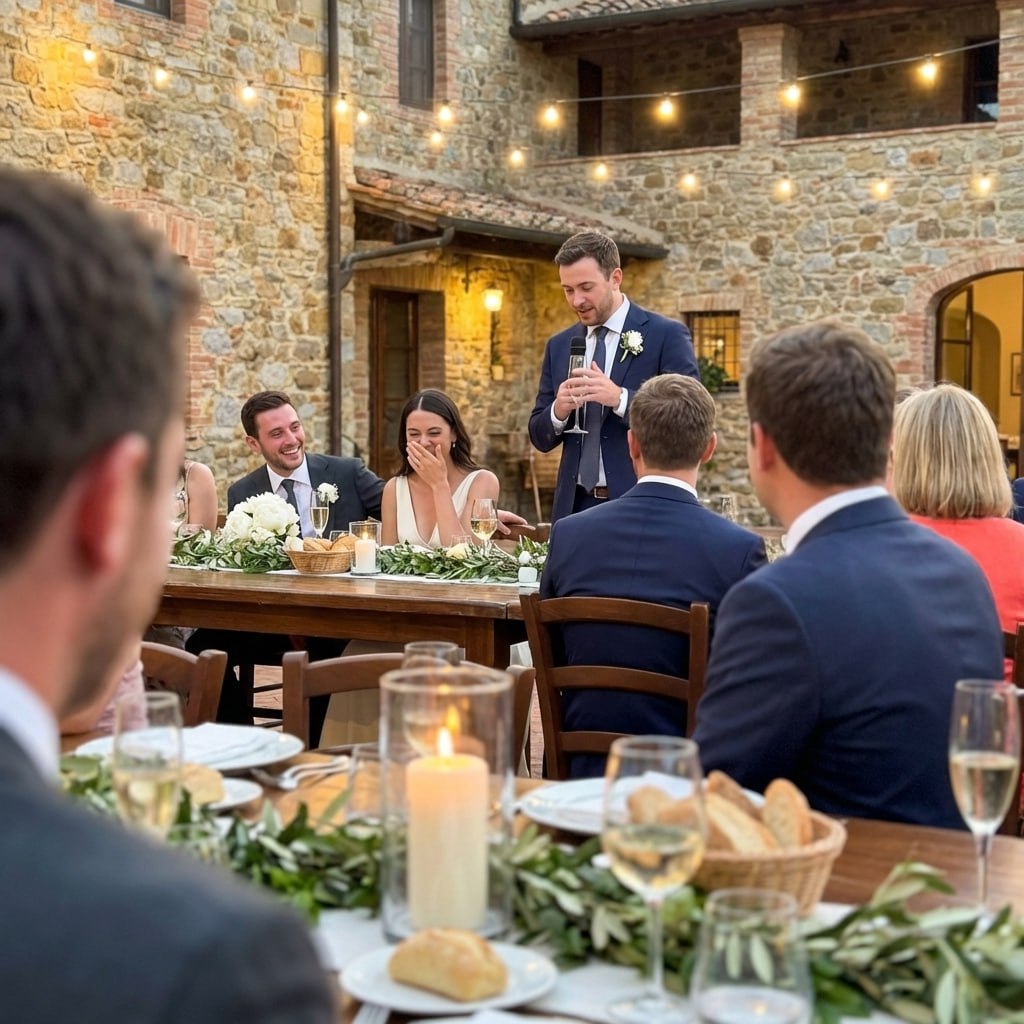
6. The toast from the other angle
During speeches the camera points at the speaker or at you. The reaction on the speaker's partner's face, or the table that just got roasted, sits outside the frame.
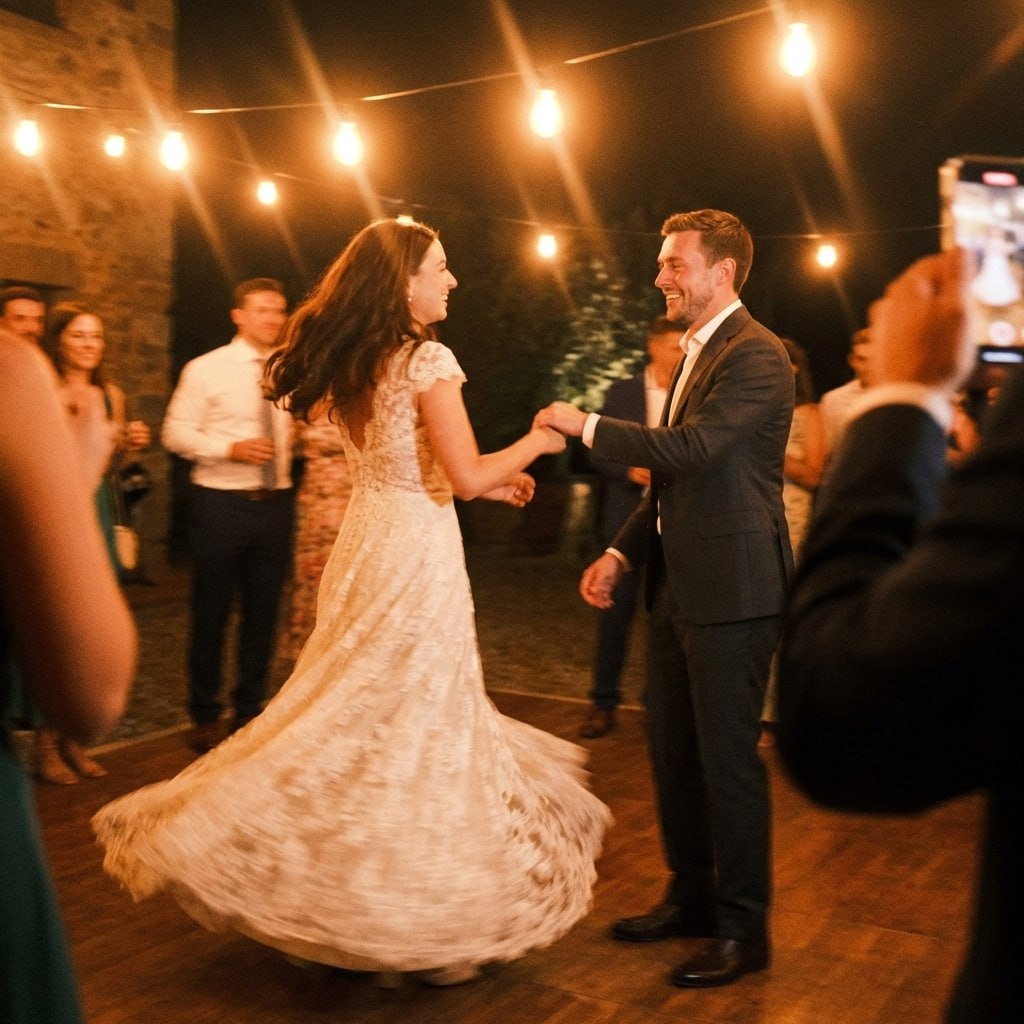
7. The far side of the dance floor
Your uncle's air guitar, the kids' circle and the college friends' group routine can all happen in the same song. One photographer picks one.
8. Kids being kids
The ring bearer asleep under a chair, the flower girl stealing macarons. Children move fast and far from where the scheduled action is.
9. The last hour
Most packages end before the reception does. The peak of the dance floor, the last song and the send-off are the first things cut.
10. The after-party
Hotel bar, second venue, late pizza. Unless you book extra time, this part of the story exists only on your guests' phones.
Notice what is not on the list: your vows, the first kiss, the first dance, the cake. Those are scheduled, and a good photographer will not miss them. The gaps live in the unscheduled parts of the day and in the places the photographer is not standing.
2Where your photographer is, hour by hour
The easiest way to see your gaps is to map where the photographer will be. Here is an illustrative 8-hour day for a 4:00 pm ceremony without a first look. Your times will differ, but the pattern holds for most traditional timelines.
2:00 pmPhotographer: getting-ready details and one partner
Missed: the other partner's room, the groomsmen or bridesmaids arriving, parents seeing their kid dressed for the first time.
3:30 pmPhotographer: ceremony space, detail shots, a quick check of the light
Missed: guests arriving, the reunion hugs in the parking lot, the guest book line.
4:00 pmPhotographer: aisle, altar, your faces
Missed: reactions from the side and back rows, the parents' faces during the vows if they sit behind the shooting line.
4:30 pmPhotographer: family formals, wedding party, couple portraits
Missed: the entire cocktail hour. Every family combination takes a few minutes, and a long list eats the whole hour.
5:45 pmPhotographer: grand entrance, your table, then a meal break
Missed: table conversations, the kids' table, the grandparents catching up across the room.
7:00 pmPhotographer: toasts, first dance, parent dances, cake
Missed: reactions around the room while the lens stays on you and the speakers.
8:00 pmPhotographer: open dancing, a few sunset portraits
Missed: the other half of the dance floor while you step out for portraits.
10:00 pmCoverage ends
Missed: the last hour of dancing, the send-off, the after-party.
Wedding photographer Sunbeam Studio puts each family combination at about 3 to 5 minutes and recommends a first look so portraits happen before the ceremony. Ten combinations is already most of an hour. That is why couples on the WeddingWire forums keep asking how to avoid missing their own cocktail hour. When you are away, so is your photographer.
See where the photographer's time goes
Travis from Monroe Film and Photo walks through a typical wedding day block by block: getting ready, first look, bridal party and family photos, ceremony, cocktail hour, dinner and speeches, a sunset session and the first dance. Watch it with your own schedule open and circle every block where your photographer is tied up with portraits. Those are the windows guests can cover.
The numbers explain it. Eight hours is the most common coverage window, and full-coverage photographers deliver roughly 50 to 100 edited images per hour, so a full day lands around 400 to 800 finished photos. Curated, fine-art photographers deliver fewer. Either way, those photos come from one viewpoint at a time.
What the photographer is built to cover
Scheduled moments: processional, vows, kiss, first dance, cake
Portraits of the two of you in the best light
Family formals and the wedding party
Details: rings, dress, florals, the tablescape
A well-composed story of the day from start to finish
We looked at our own data to answer this without guessing. Across 203 real weddings on Pix Wedding, the median album collected 149 guest photos, with the middle half of weddings landing between 70 and 253. The average was 197, pulled up by a few very active crowds.
What the data says about who shoots
The median wedding had 8 guests who uploaded at least one photo (average 9.8), and each of them added roughly 17 photos. The biggest album in the dataset reached 1,365 photos from just 3 guests. A handful of keen guests do most of the work, and a little planning decides who they are.
That last point matters for the gap list above. You do not need every guest to shoot everything. You need a few people who are naturally in the right places: someone in the other getting-ready room, a cousin at the back of the ceremony, a friend who stays for the after-party. Then you need one place where all their photos land, so they do not sit in 8 camera rolls you never see.
5Second shooter, content creator, more hours or a guest album?
There are four common ways to close the gaps. They are not rivals. Most couples combine two, based on which gaps they care about most.
Second shooter
About $500 to $1,500 extra
Best for: Two getting-ready locations, 150+ guests, or a ceremony you want from two angles.
Professional quality from a second viewpoint
Covers cocktail hour while the lead shoots portraits
Best for: Cocktail hour, tables, dance floor corners, kids and the after-party.
Dozens of viewpoints at once
Keeps running after the photographer leaves
Photos arrive during the wedding, not weeks later
Phone quality, not portrait quality
Needs signs and one announcement to get going
A simple rule: if the gap is a scheduled moment you want in professional quality (both getting-ready rooms, a second ceremony angle), pay for a second shooter or more hours. If the gap is many small moments at once, or anything after the contract ends, guests cover it better. The wedding photographer cost calculator helps you see what an extra shooter or hour does to your budget.
First dance
You guys!!
Give your guests one place to put the moments you would miss
One QR code opens your album in the phone browser, no app and no account. Free for 20 guest uploads with no card, then one payment from $49 for unlimited photos, videos and a full ZIP download.
Instead of hoping someone takes photos, ask a few specific people to own a specific gap. It takes five text messages and it changes what ends up in your album.
Assign one person per gap
Then tell everyone else once, clearly. A short line from the DJ or MC after dinner does more than a sign alone. Here are two versions you can copy.
Said once after dinner
Our photographer is great, but they cannot be at every table.
If you catch a moment tonight, scan the QR code on your table and add it to the album.
No app needed, it opens right in your phone camera.
Repeat once before the last dance so the late-night photos land too.
Sent the week before
Small favor for the wedding: could you be our eyes during cocktail hour?
We will be off doing portraits and do not want to miss everyone together.
Just shoot whatever makes you smile and upload with the QR on the bar sign.
Personal asks work far better than a group message.
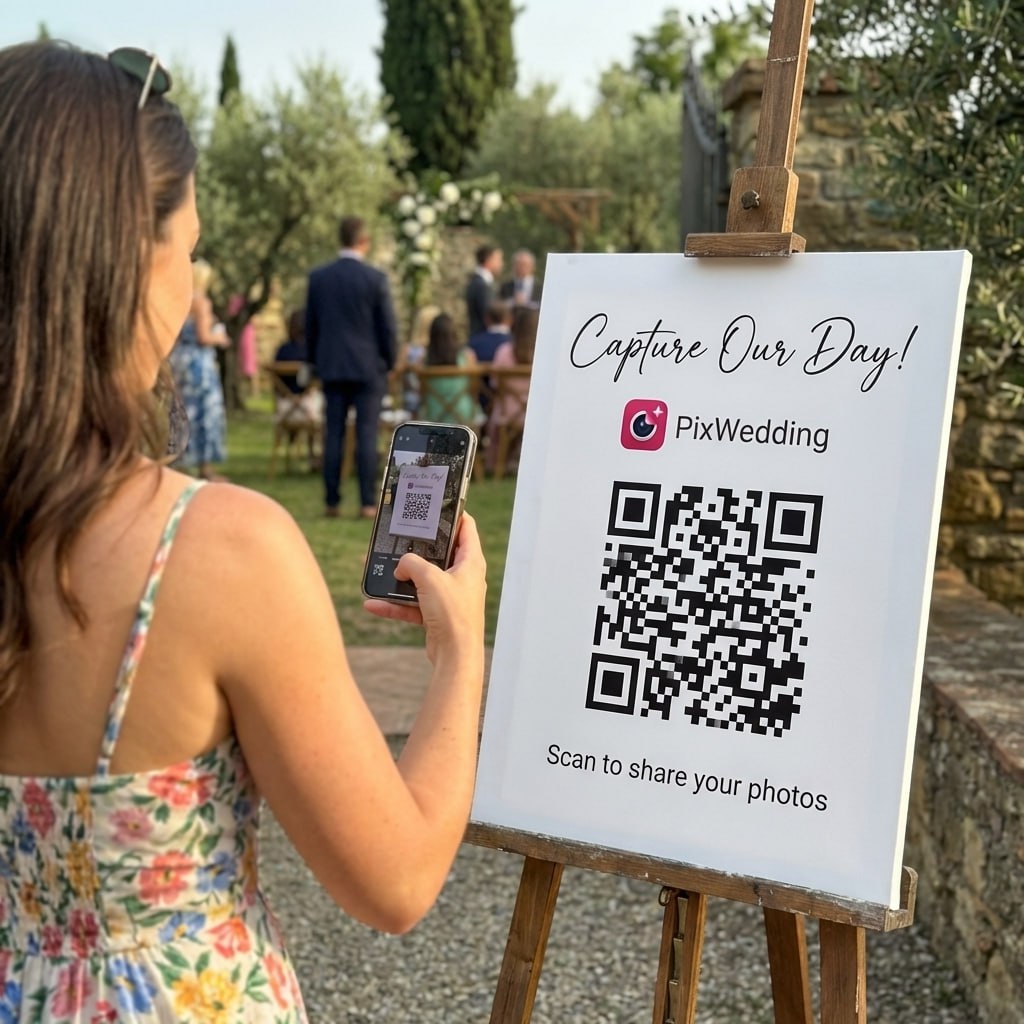
Put the QR where each gap happens: the bar during cocktail hour, every dinner table, the welcome sign and the exit. You can design matching signs in the free QR sticker designer. On Standard and Pro plans, photo missions give guests small prompts like "the oldest and youngest guest together", which pulls cameras toward the gaps you listed.
7Questions to ask your photographer about the gaps
Good photographers already think about this. Asking the questions early shows them what you care about and helps both of you write a realistic shot list.
Bring these to your timeline call
Keep family formals tight. Every extra combination is a few more minutes away from your guests. Build the list with the free wedding photo shot list tool and send it to your photographer two weeks before, then plan the day around it with the wedding timeline builder.
Build a shot list that shows your photographer where to focus
Pick the must-have portraits and moments, cut the rest, and share one clean list with your photographer. Free, no sign-up.
Guest phones are great at filling gaps and bad at the aisle. A raised phone in the aisle seat can block the one angle your photographer cannot redo. The split many photographers suggest, including Emry Photography in its unplugged ceremony advice, is simple: no phones during the ceremony, phones welcome from cocktail hour on. If you worry about how that lands with guests, we cover the etiquette in is it rude to have an unplugged wedding and the trade-offs in unplugged wedding vs photo sharing.
The honest case for and against going unplugged
Wedding planner Jamie Wolfer runs through the pros and cons of an unplugged ceremony. It helps you decide whether to protect the ceremony for your photographer and hand the rest of the day to guests, which is the setup that closes the most gaps.
Officiant asks for phones away right before the processional
A sign at the entrance repeats it kindly
Photographer owns the aisle, the vows and the kiss
Promise guests they will see the photos soon
From cocktail hour on
QR signs at the bar, tables and exit
MC invites guests to shoot and upload
Your crew covers cocktail hour and the kids
Late guests handle the send-off and after-party
9Mistakes that leave gaps anyway
A 30-line family photo list
It swallows cocktail hour for you and your photographer. Keep formals to the combinations you will frame or print.
Five ways to share photos
A hashtag, a Google album, an email and AirDrop all at once means guests pick none. Give them one QR and one album.
Signs with no announcement
Guests walk past table cards. One sentence from the MC is what gets the first uploads going.
Coverage that ends at the best part
If your crowd dances until midnight, a package that ends at 10 pm misses the peak. Add an hour or plan guest coverage for it.
Waiting until after the wedding
Asking for photos a week later gets a trickle. Photos shared during the night land while guests still remember to.
Not telling your photographer
If they do not know guests are covering cocktail hour, they may try to rush portraits. Share the plan so everyone knows their job.
10After the wedding: merging both sets of photos
The professional gallery usually arrives weeks later, while guest photos arrive on the night. Our guide on how long it takes to get wedding photos back covers typical turnaround. Here is a simple order for bringing both together.
1
Step 1The morning after: download the guest album
Save a full copy before anything else. On paid Pix Wedding plans that is one ZIP download in original quality.
2
Step 2Week one: tag the gap photos
Go through the gap list above and star the guest shots that fill each one: cocktail hour, the other getting-ready room, the after-party.
3
Step 3When the gallery arrives: build one timeline
Sort both sets by time taken. The guest shots slot between the professional ones and fill the hours the photographer was elsewhere.
4
Step 4Album design: lead with the pro shots
Use professional photos for the big spreads and guest photos as smaller candids on the facing page. The contrast works well in print.
5
Step 5Share back with guests
Send the album link with your thank-you notes. Guests love seeing their own shots next to the professional ones.
If you are still deciding on a photographer, our guide to wedding photographer cost explains what drives price and where extra hours or a second shooter fit into the budget.
11The gap plan on one page
Your photographer will not miss your vows. They will miss the hour you spend away from your guests, the rooms they are not in and the part of the night after they pack up. Map those windows on your timeline, decide which ones need professional quality, and hand the rest to a few guests with one album to fill. Then enjoy your own wedding knowing someone is watching the corners.
FAQ
Frequently Asked Questions
What wedding moments do photographers miss most often?
The moments that happen while the photographer is booked elsewhere: guest mingling during cocktail hour while family portraits run, the other partner getting ready, reactions in the back rows during the ceremony, table conversations during dinner, several dance floor scenes at once, and everything after coverage ends. None of this is about skill. One person with one camera can only stand in one place.
Is a second shooter worth it to avoid missed moments?
A second shooter is worth it when two things happen at once that you care about equally, for example both partners getting ready in different places, or a big guest list where cocktail hour and portraits overlap. Budget roughly $500 to $1,500 extra according to Joy's 2026 pricing guide. For smaller weddings, a longer coverage window or a guest photo album often closes more gaps for less money.
How many hours of wedding photography do I need so nothing is missed?
Eight hours is the common standard and covers getting ready through the first part of the reception for most timelines. The last hour of dancing, the send-off and any after-party are usually the first things cut. If those matter to you, add an hour, or plan for guests to cover the end of the night.
How do guests help capture the moments the photographer misses?
Give them one easy place to put their photos. A QR code on tables, the bar and the welcome sign opens a shared album in the phone browser, so guests upload from wherever they are standing. Across 203 real Pix Wedding weddings, the median album collected 149 guest photos from 8 guests who uploaded.
Will guest phones ruin my professional photos?
They can during the ceremony, when a raised phone blocks the aisle or the kiss. The common fix is an unplugged ceremony, announced by the officiant, and a plugged-in reception where guests are invited to shoot and upload. That split protects the photographer's key angles and still fills the gaps later in the day.
Should I tell my photographer I am also collecting guest photos?
Yes. Most photographers welcome it once they know the ceremony will be phone-free. Share the gaps you plan to cover with guests so your photographer can focus the shot list on portraits, the ceremony and the big set pieces instead of trying to be everywhere.
 wedding