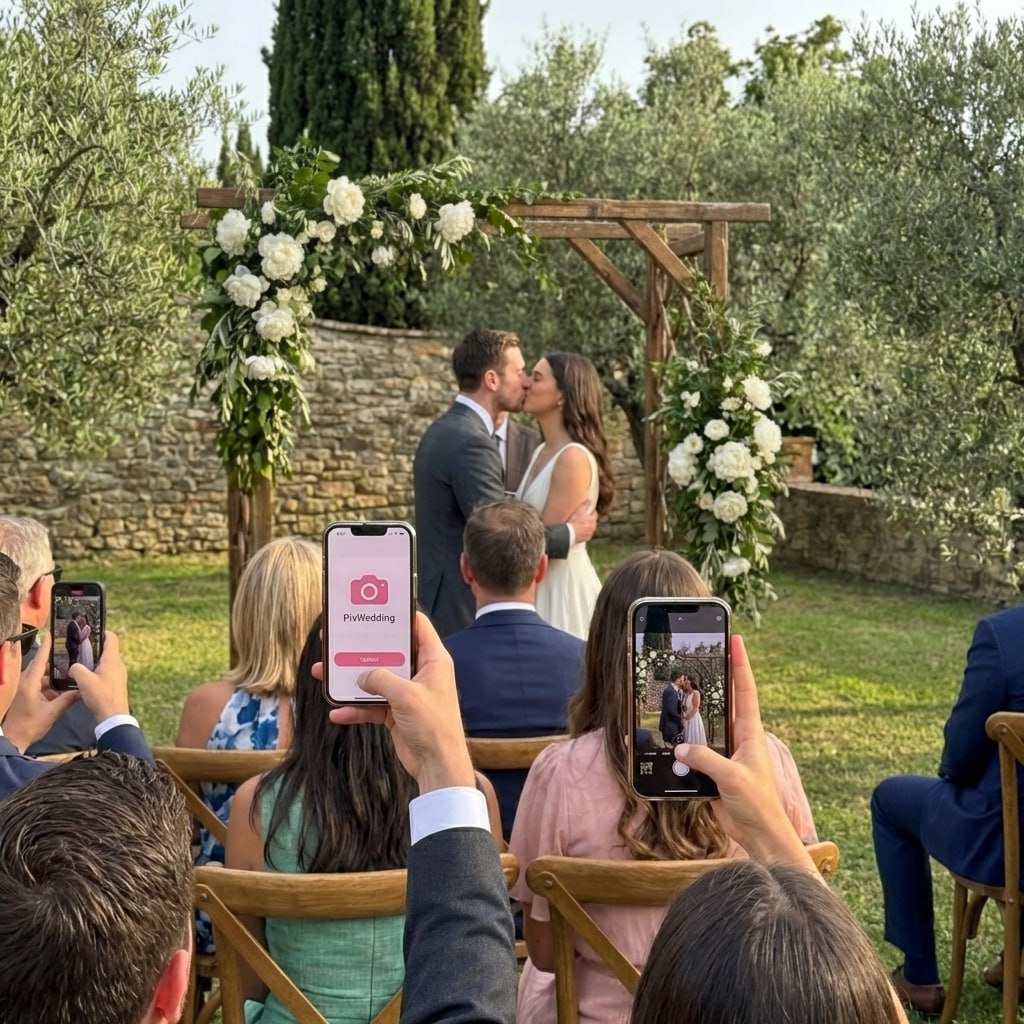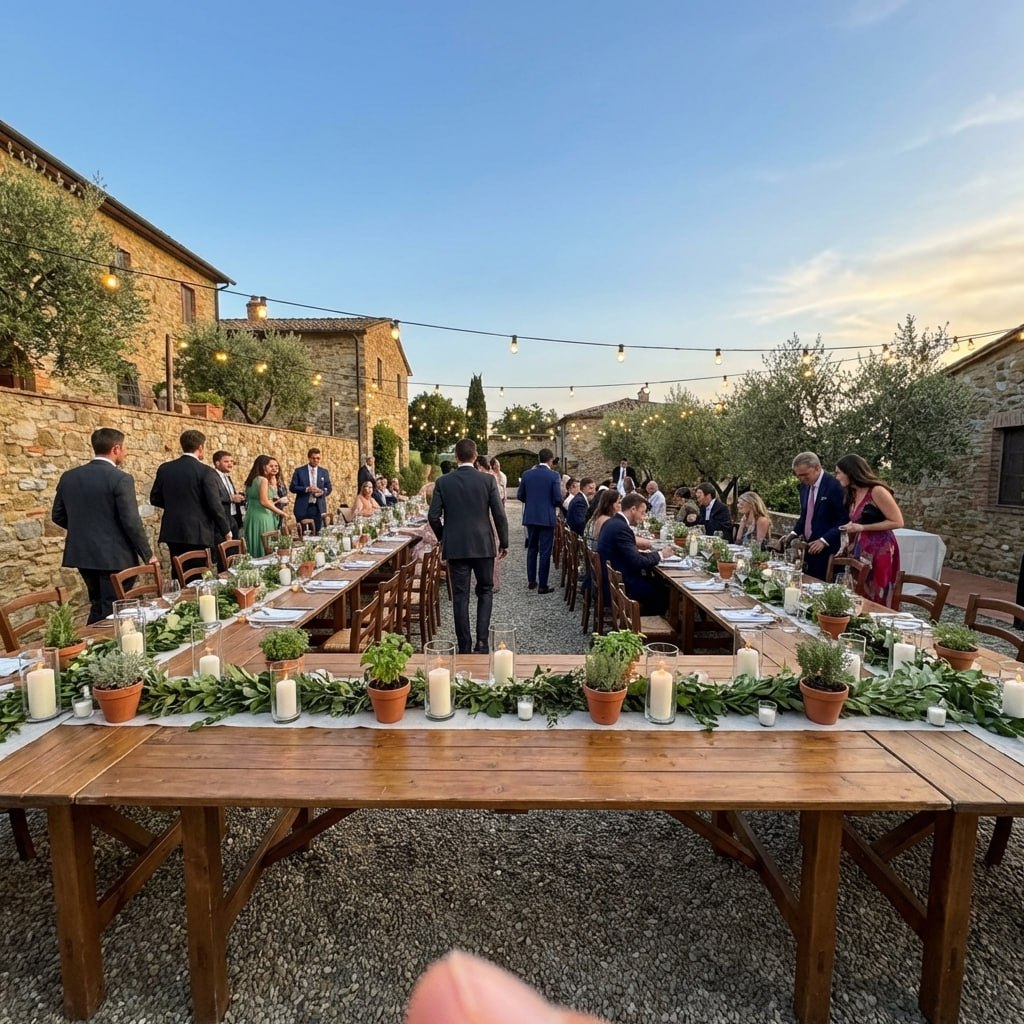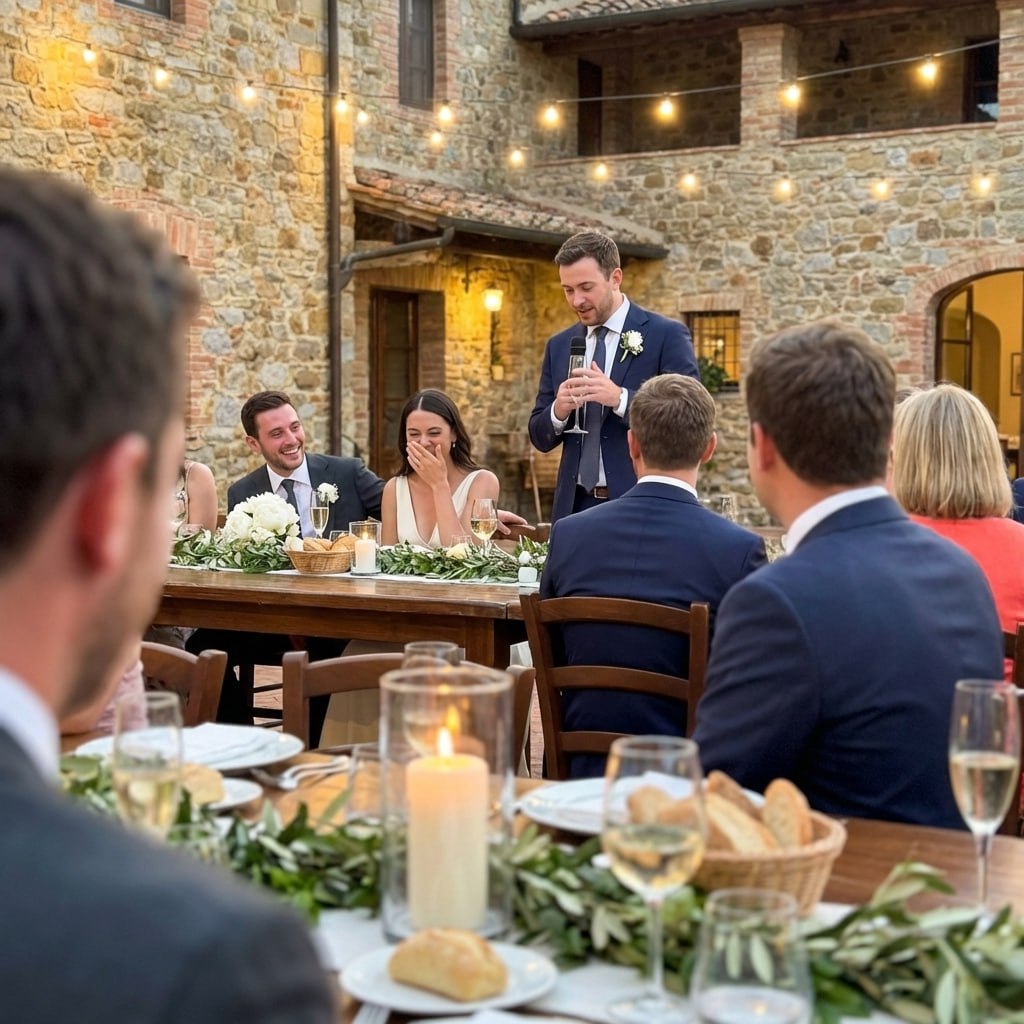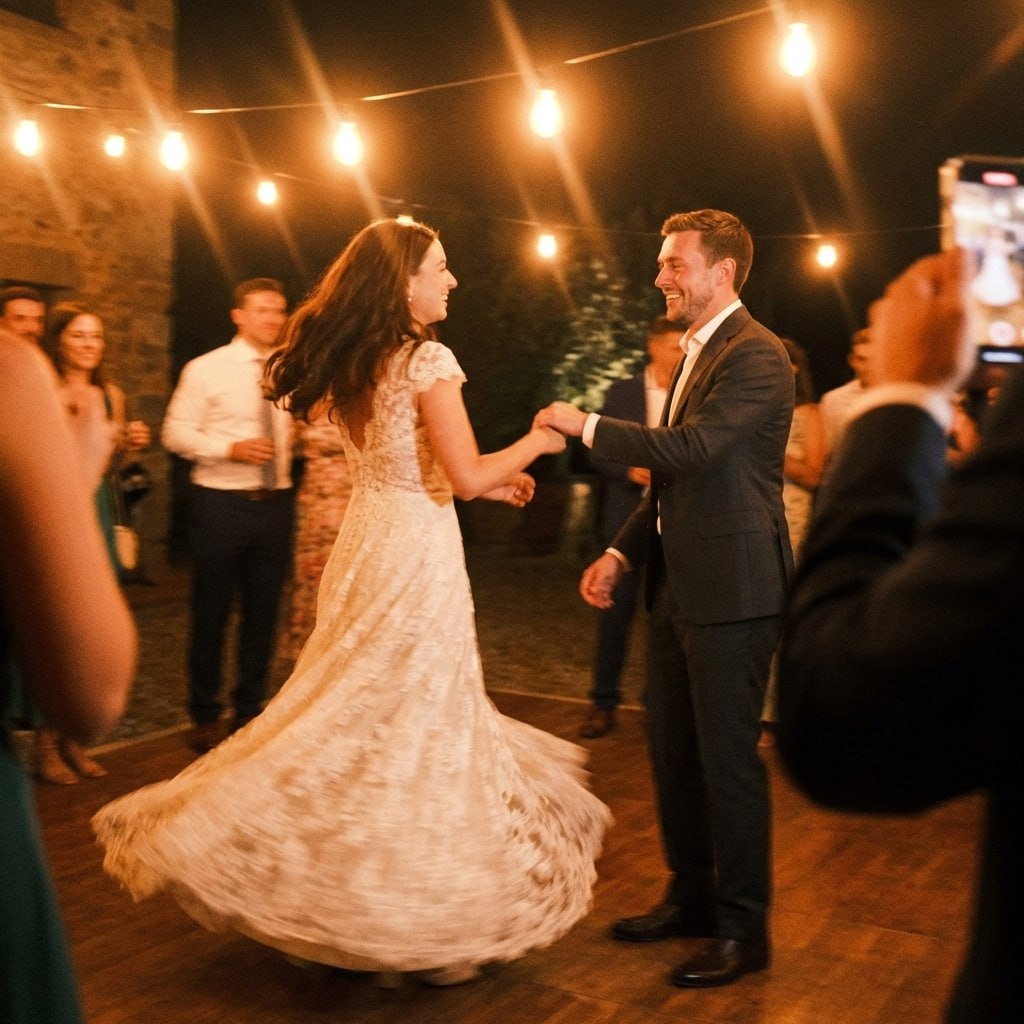



pixPix Weddingwedding
Wedding Etiquette 2026

Is It Rude to Have an Unplugged Wedding? The 2026 Etiquette Verdict

No, an unplugged wedding is not rude. It is a polite request, not a rule, and the vast majority of guests appreciate being asked to put their phones down. Officiants, photographers, and wedding planners consistently report that unplugged ceremonies produce more emotional, present, and satisfied guests. Here is how to do it kindly, and the four specific situations where it can tip from thoughtful to inconsiderate.

The One-Line Verdict

Not rude because:
  • It is a request, not a prohibition you can enforce
  • Most guests genuinely appreciate being present
  • Professional photography replaces what phones would have captured
  • Advance communication gives guests time to adjust expectations
  • Supported by every major modern etiquette authority
Can feel rude if:
  • No advance notice is given
  • Signage wording is moralizing or condescending
  • Extended to the full reception without a specific reason
  • No professional photographer is present as the alternative
The etiquette norm in 2026:

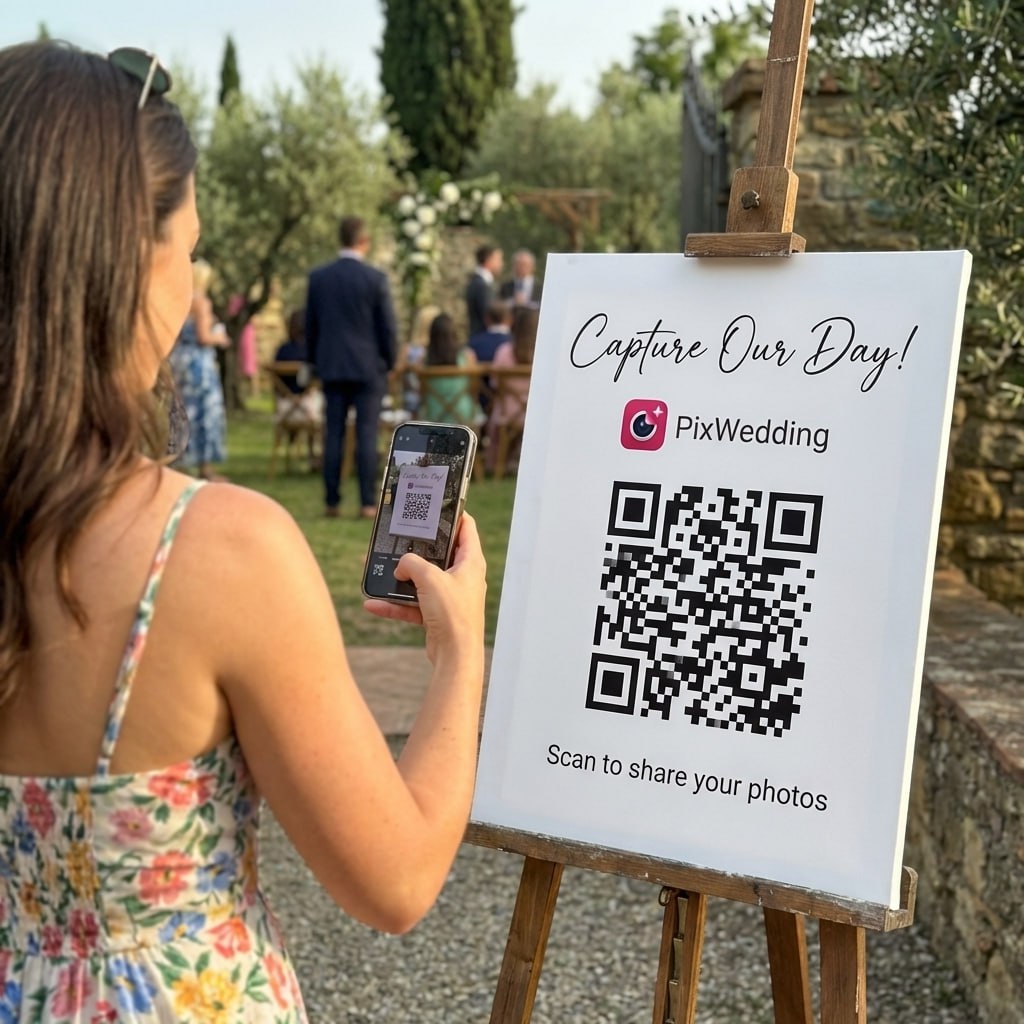
Ceremony-only unplugged, communicated in advance, enforced by the officiant's warm announcement, followed by a QR photo gallery for the reception. This combination respects the ceremony while giving guests a constructive role.

Why Most Guests Actually Find Unplugged Weddings Refreshing

The assumption that guests will resent a phone-free ceremony is usually wrong. Here is what wedding professionals consistently observe and why the guest experience is often better without phones.

Permission to be present

Many guests feel social pressure to document events. An unplugged request gives them explicit permission to put the phone away without feeling like they missed something. For guests who find phone management stressful, this is genuinely relieving.

The photos turn out better for everyone

When a professional photographer has clear sightlines and no competing screens in the frame, the images that guests ultimately receive are better. This directly benefits the guests who would have been trying to capture their own version of those same moments.

Collective experience over individual documentation

Ceremonies are one of the few occasions where a group of people is collectively focused on the same moment. Phones fracture that collective experience into individual documentation tasks. Most guests, especially after the ceremony, recall the unplugged version as more moving.

The couple can see their guests

A subtle benefit that guests only understand when the couple mentions it: the couple facing a sea of faces instead of screens feels the presence of everyone they love. When guests hear this from the couple after the wedding, many say they had not considered it before.

The 4 Scenarios Where Unplugged Does Feel Rude

A phone-free ceremony request is not inherently rude, but these four specific failure modes turn a thoughtful request into an inconsiderate imposition.

No advance warning whatsoever

An unplugged announcement that catches guests completely off guard, with no mention on the website or program, can feel jarring. Guests who were planning to live-stream for a family member who could not attend are especially affected. Always communicate the policy in advance.

Condescending or preachy signage wording

Signs that lecture guests about mindfulness, screen addiction, or "being present" in a moralizing tone generate resentment. The goal is a kind request, not a TED talk. "Please keep phones tucked away so our photographer can capture every moment" is a request. A three-paragraph sign about the dangers of social media is not.

Extending the policy to the full reception without a clear reason

A ceremony-only unplugged policy is broadly accepted. A full-day policy covering cocktail hour and reception is a significantly bigger ask and should come with a clear, specific reason. Couples who extend the policy without explanation tend to encounter more friction.

No professional photographer alternative

The implicit contract of an unplugged ceremony is: "We are asking you not to photograph this so a professional can do it properly." If there is no professional photographer and you are still asking guests not to photograph, the request loses its most compelling justification.

How Each Generation Actually Reacts

Reaction to an unplugged wedding request is not uniform across your guest list. Here is how each generation tends to respond, based on observed wedding professional patterns.

Generally receptive

Baby Boomers (born 1946-1964)

Many Boomers did not grow up with smartphones and have a cultural familiarity with formal ceremony norms that favor attentiveness. When the request is framed correctly, most Boomers are supportive. The exception is the grandmother who specifically wants to photograph the moment; giving her a printed photo afterward, or flagging her to the photographer for a dedicated portrait, resolves this.

Tip: Assign a photographer moment for key older relatives before the ceremony starts.

Neutral to mildly resistant

Gen X (born 1965-1980)

Gen X adults grew up without smartphones but adopted them fully as adults and have strong habits around documentation. They are more likely than Boomers to initially question the policy and more likely than Millennials to comply without comment once they understand the reasoning. The "professional photographer covers everything" framing works well here.

Tip: The wedding website explanation page matters most for this cohort.

Supportive, often enthusiastic

Millennials (born 1981-1996)

Millennials are the generation most likely to have attended multiple unplugged weddings already. Many are aware of and sympathetic to the "phones in the aisle" problem from personal experience as guests. They tend to appreciate the intentionality of an unplugged ceremony and often comment positively about it afterward.

Tip: Millennials will help enforce the norm among their own peer group if they buy into it.

Most likely to find it difficult

Gen Z (born 1997-2012)

Gen Z guests have the strongest habitual relationship with their phones and may find a full-day unplugged policy genuinely uncomfortable. For the ceremony specifically, most Gen Z guests will comply. For the reception, the QR photo gallery approach channels their instinct to document into something that benefits everyone. Gen Z guests tend to be the most active uploaders to a photo gallery.

Tip: Frame the reception QR gallery as the "official candid album" to channel their energy productively.

Ceremony-Only vs Full Unplugged: Which Is the Etiquette Norm?

Ceremony-only unplugged

Etiquette norm

The standard in 2026. Phones are requested off during the processional, vows, and recessional. The reception is phone-friendly, typically complemented by a QR photo gallery. This approach generates the least resistance and achieves the primary goal: undistracted ceremony photos and an emotionally present guest experience during the vows.

  • Universally accepted by etiquette authorities
  • Minimal guest resistance across all age groups
  • Easy to communicate and enforce
  • Achieves the core goal: clear ceremony photos, present guests

Full-day unplugged

Use with care

Extending the policy to the cocktail hour and reception is a significant additional ask. It removes the option for guests to check in with babysitters, notify family members, or share a moment from the reception that they found meaningful. For this to work well, the reason should be clearly stated and a specific alternative (a professional videographer, a photo album service, a shared gallery) should be offered.

  • More likely to generate guest friction
  • Requires a clear stated reason to feel reasonable
  • Can work well for intimate or retreat-style weddings
  • Most effective when paired with a full professional coverage plan

Polite Enforcement: 3 Escalating Steps

An unplugged policy is a request, not a rule you can legally enforce. The following three steps keep enforcement kind, effective, and proportionate.

1

The officiant's warm pre-ceremony mention

Always do this

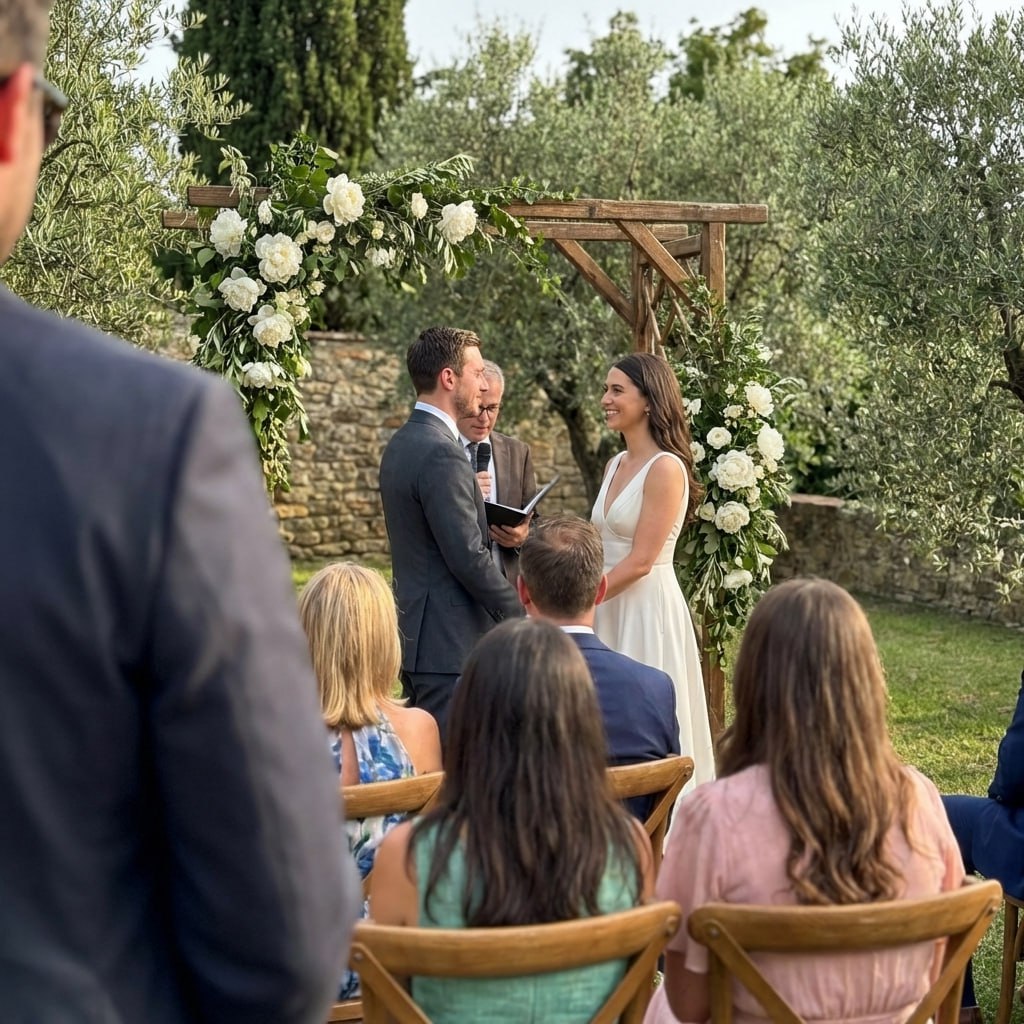
This is the most effective intervention. A 30-second, friendly announcement at the start of the ceremony, before any music begins, sets the tone without singling anyone out. Phrased warmly, it reads as an invitation rather than an instruction. Most guests comply immediately.

2

A gentle approach from a family member or coordinator

Use if needed

If a specific guest continues to film or photograph despite the announcement, the most appropriate response is a quiet word from a trusted family member or your wedding coordinator. A whispered "they have asked for phones away during the vows" from someone the guest knows is less confrontational than any alternative.

3

Let it go after the fact

Final step

If a guest ignored the request and filmed the ceremony anyway, the photo or video is taken. Confronting the guest at the reception, or publicly shaming them afterward, creates a memory far more negative than the phone itself. Redirect your energy toward enjoying the rest of your day.

Officiant Lines That Are Not Condescending

The officiant announcement is your single most effective unplugged enforcement tool. Here are three versions for different ceremony tones, all written to invite rather than lecture.

Warm
"Before we begin, we have one small request: we would love for you to be fully present with us. Our photographer is capturing every moment, so please tuck your phones away and just enjoy being here with us."

Casual to semi-formal weddings. Approachable tone that invites rather than instructs.

Neutral
"As we start the ceremony, we kindly ask that you silence and put away your phones and cameras. Our professional photographer will capture all the moments, and the couple will share the photos with you afterward."

Works across most formality levels. Clear, direct, no lecturing.

Formal
"The couple requests that this be an unplugged ceremony. We ask that you give them your full attention and allow our photographer to document this occasion on behalf of everyone present. Thank you."

Black-tie and formal weddings. Brief, dignified, assumes compliance without asking for it.

The 2 Things You Must Not Do

Shame a guest publicly during the ceremony

If a guest is visibly filming during the vows and the officiant has already made the announcement, the appropriate response is a quiet intervention from a family member or coordinator, never a public call-out. Stopping the ceremony to address a specific guest creates a worse memory than the phone itself.

Post moralizing signage about screens and mindfulness

Signs that go beyond a simple request into lectures about presence, screen addiction, or the philosophy of mindfulness read as condescending to guests. The most effective signage is one sentence: "Please keep phones tucked away. Our photographer has you covered." That is all that is needed.

Why the Photographer Angle Is the Most Persuasive Argument

The most compelling reason a guest accepts an unplugged request is knowing that a professional photographer is present and will capture the moment they would otherwise have tried to capture themselves. This is not just reassurance; it is a factual exchange: "You do not need to photograph this because someone better-equipped already is, and you will have the photos."

Why it works

Most guests who reach for their phone during a ceremony are motivated by fear of missing a visual record of the moment, not by a desire to be disruptive. When that fear is addressed directly ("you will have all the photos") the motivation to break the rule disappears.

What to communicate

  • Name your photographer on the wedding website
  • Include a line in the officiant script ("our photographer has every moment covered")
  • Share a gallery access link quickly post-wedding so guests see the payoff
  • For the reception, offer a QR gallery so guests can contribute candids

The Hybrid: Ceremony Unplugged, Reception QR Gallery

The approach most consistently praised by both couples and guests: phones away during the ceremony, then a QR code photo gallery introduced at the reception start. This respects what the ceremony requires, then channels the phone instinct into something collaborative.

How the handoff works

At the reception entrance or on each table, a small card or display carries a QR code linking to a private photo gallery. The officiant or MC introduces it at the start of the reception: "The phones are back. Here is a link to the photo gallery where you can upload your own shots from the day."

Guests who were patient during the ceremony often become the most enthusiastic uploaders during the reception, producing a crowd-sourced candid album that complements the professional photos perfectly.

Why guests respond well to the handoff

The QR gallery framing reframes the phone from "disruptive" to "collaborative." Instead of just permitting phones at the reception, you are giving guests a role: contributing to the couple's memory archive. This is a fundamentally different motivation than passive scrolling and tends to produce more positive engagement.

Services like Pix Wedding let you create a private gallery link, generate a branded QR code in your colors, and share it. Guests upload without creating accounts. The gallery builds in real time throughout the event.

What to Tell the One Guest Who Pushes Back

Every unplugged wedding has at least one guest who questions the policy or expresses reluctance. Here is the verbatim response that works in almost every case.

"We have a photographer capturing every moment professionally, and we just want to see everyone's faces during the vows. You will have full access to all the photos right after. We wanted to see you, not your screen."

Why this works:

  • Addresses the fear of missing the photo directly
  • Offers a concrete resolution (full photo access)
  • Ends with an emotional reason, not a rule
  • Does not argue or repeat the request

After you say it:

Say it once, warmly, then change the subject. Do not repeat the policy, ask for agreement, or revisit it. Most guests accept a clear, kind explanation delivered once and then dropped.

Related Wedding Guides

Let guests be present and still get every photo.

Go unplugged during the ceremony, then give guests a QR code at the reception. Their candid shots reach you automatically, no chasing required.

From Mom

From Mom

9:41

ALBUM

Emma & Jack

June 14, 2026

634 photos · 94 guests

AllMomentsMine
Wedding guest photo 1 from album preview
Wedding guest photo 2 from album preview
Wedding guest photo 4 from album preview
Wedding guest photo 5 from album preview
Wedding guest photo 6 from album preview
Wedding guest photo 7 from album preview
Wedding guest photo 8 from album preview
Wedding guest photo 9 from album preview
Wedding guest photo 10 from album preview
Add photosShare your moments
Table 4 just uploadedSarah B. · +12 new photos

What Wedding Professionals Actually Observe

Wedding photographers, officiants, and planners with multi-year experience across dozens of ceremonies offer the most grounded perspective on the unplugged debate. Their observations are remarkably consistent.

Officiants who have worked both plugged and unplugged ceremonies report that unplugged ceremonies produce a noticeably different atmosphere in the room. Guests look up. Tissues come out. The couple can see the faces of people they love rather than a sea of glowing screens. The emotional intensity of the room shifts.

Wedding photographers report that unplugged ceremonies are easier to shoot: no arms in the aisle blocking the shot, no phones raised in front of faces at key moments, and no competing light sources from tablet screens. The professional photos from unplugged ceremonies are measurably less obstructed.

  • Guests are more visibly emotional and attentive during unplugged ceremonies, per officiant observation
  • Professional photos from unplugged ceremonies have fewer obstructions and arms blocking key moments
  • Guest satisfaction surveys from wedding planners show positive recall of unplugged ceremonies
  • The couple sees faces, not screens, during the processional and vows
  • Post-ceremony mingling is more natural when guests have not spent the ceremony managing their phones

The Hybrid Approach: Why Ceremony-Unplugged, Reception-On Works

The most widely adopted approach in 2026 is a ceremony-only unplugged policy, with a QR code photo gallery introduced at the reception. This respects the emotional integrity of the ceremony while giving guests a constructive outlet for their phones during the parts of the day where casual photography genuinely adds value.

The QR gallery approach works especially well for receptions because guests uploading their own candid shots tend to capture moments a professional photographer misses: the cousin doing impressions at table seven, the grandmother dancing at midnight, the group of college friends recreating a photo from ten years ago.

Communicating this clearly helps guests understand the reasoning behind the ceremony policy. When they know they will have a gallery to contribute to later, the phone restriction during the ceremony feels like a trade, not a penalty.

Telling the One Guest Who Pushes Back

Every unplugged wedding has at least one guest who asks why or makes a comment. The most effective response is calm, specific, and forward-looking: "Our photographer is capturing every moment professionally, and we just want to see everyone's faces during the vows. You will have full access to all the photos right after."

This response works because it answers the implicit concern (will I miss the moment?) and offers a concrete resolution (you will have the photos). It does not argue about the policy or engage with the objection at length. One sentence, then move on.

Explore more free wedding tools

Everything you need to make your wedding day stress-free and unforgettable.

Honest answers to the questions couples search for at 11pm

Unplugged Wedding Etiquette: FAQ

Everything you need to know about our free tools and how they help your wedding day.

No. Asking guests to put their phones away for your ceremony is a polite request, not an imposition. Survey data from wedding professionals consistently shows that the majority of guests report feeling more present and emotionally connected at unplugged ceremonies. The etiquette consensus in 2026 is that an unplugged ceremony is appropriate for any formality level, provided you communicate the request in advance and in a kind, non-condescending tone.

Most do. Wedding planners and officiants who have facilitated both plugged and unplugged ceremonies routinely observe that guests at unplugged ceremonies are more visibly emotional, more attentive, and more likely to comment positively afterward. The minority who push back tend to do so before the ceremony; once it begins and the phones are away, most guests settle into the moment quickly.

No. Distance traveled does not change the etiquette calculus. If anything, guests who have traveled far are more invested in being present for the ceremony. What matters is giving adequate notice (the ceremony program, the officiant announcement, and ideally a line on the wedding website), and ensuring a professional photographer will capture the moments guests might otherwise feel they need to document themselves.

The etiquette norm is ceremony-only. Most couples and wedding professionals consider requesting an unplugged ceremony appropriate and appreciated. Extending the request to the full reception is a significantly bigger ask and tends to generate more resistance. If you care most about the ceremony photos and the emotional presence of your guests during your vows, a ceremony-only policy achieves that without restricting the reception experience.

Start with the gentlest option: the officiant makes a warm second mention at the start of the ceremony. If a specific guest continues filming despite that, a gentle tap or whispered word from a family member or wedding coordinator is the appropriate next step. Public shaming, confrontation during the ceremony, or announcements targeting a specific guest are never appropriate. After the fact, let it go. The photo is taken; focus on your day.

The key is tone and framing. "We have a talented photographer capturing every moment so you can be fully present with us" is an explanation, not a lecture. Avoid wording that implies guests cannot be trusted or that their phones are a problem. The most effective communication happens in three places: a brief note on the wedding website, one line in the ceremony program, and a warm 30-second announcement from the officiant at the start of the ceremony.

Is It Rude to Have an Unplugged Wedding? The 2026 Etiquette Verdict | Pix Wedding