
Austin Wedding Flowers 2026: Florist Prices, Local Picks & Seasonal Calendar
Austin's wedding florist scene mirrors the city's independent, creative spirit with an emphasis on locally sourced, eclectic, and sustainability-minded designs. The Texas capital's florists draw inspiration from the Hill Country's natural beauty, blending wildflowers with cultivated blooms for arrangements that feel authentically Texan yet artistically refined.
Austin's Floral Landscape
Austin florists operate at the heart of the Texas Hill Country's wildflower renaissance, where Dripping Springs and Bastrop farms supply bluebonnets, Texas mountain laurel, and locally grown zinnias at prices well below imported alternatives. The city's sustainability culture has made Austin a national leader in zero-waste wedding floristry, with multiple studios offering certified compost pickup after events. Austin's independent studio community keeps overhead lower than traditional storefronts, which passes directly to couples as better pricing.
Whole Foods Market Wedding Florals on Lamar, Hill Country Bloom Co. in Dripping Springs, and Keep It Wild Florals in East Austin each represent a distinct position in the Austin market from farm-direct to zero-waste artisan.
Local insight: Hill Country wildflower season is spectacular but brief, running roughly March 15 through April 20 depending on winter rainfall. Couples who want bluebonnets in their ceremony must book by mid-December for that spring window.
First dance
You guys!!
Your florist worked for months on this. Do not let the photos disappear into 40 different camera rolls.
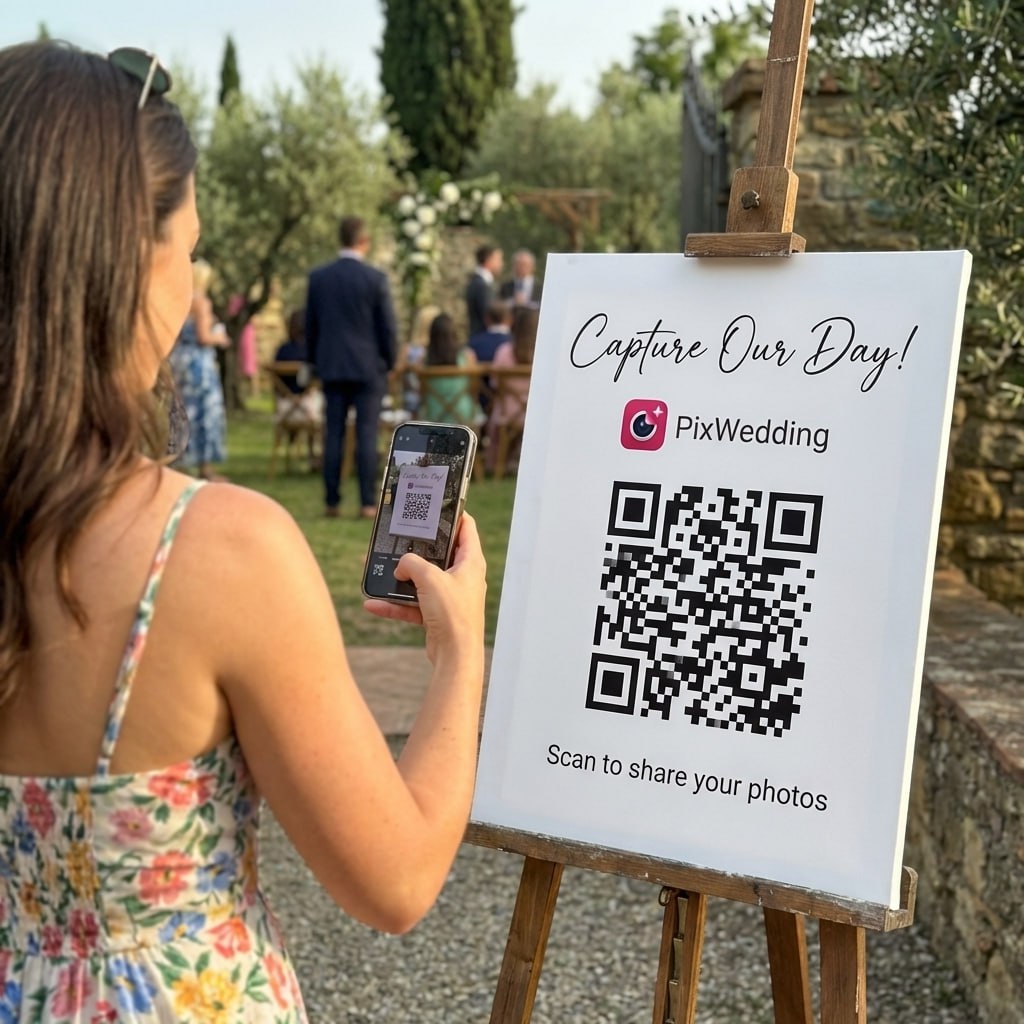
Give guests in Austin a QR code and collect every bouquet, centerpiece, and arch photo in one shared album, no app required.
From Mom
Scan to join the album
No app, no account
UPLOADING
Saving your moment
THE ALBUM
Emma & Jack
June 21, 2026
647 photos · 95 guests
SCAN TO TRY
pix.wedding/
your-wedding
Wedding Florists in Austin
There are dozens of wedding florists in Austin spanning every style and budget. Below are a mix of established local studios and the studio types you will find across the Austin market, each with its own specialty. Most wedding florists price by custom quote, so reach out with your guest count, venue, and flower choices to get an accurate estimate.
Award-winning luxury wedding florist based in Austin since 2004, offering full-service and a la carte floral design across Central Texas
Quote on requestAustin florist that has focused solely on weddings and special events for over two decades, based in Cedar Park, TX
Quote on requestFull-service Austin and Texas Hill Country floral design studio that specializes in wedding florals, owned by Chelsea Christie and Dana Turner
Quote on requestIndependent Austin studios offering garden rose and loose, seasonal wedding arrangements without fixed templates
Quote on requestLocal floral designers offering custom wedding and event florals for Austin and the surrounding Hill Country
Quote on requestAustin Wedding Florist Price Breakdown 2026
Wedding florist pricing in Austin falls into three tiers based on what is included. Use this as a starting benchmark before requesting quotes.
$900-2,000 (bouquet + simple wildflower ceremony accent)
$2,200-4,000 (Hill Country wild or garden romantic full service)
$5,500-12,000+ (large Hill Country installations, floral arch + full reception)
Wedding Flowers in Austin
Choosing locally grown wedding flowers in Austin means fresher blooms, shorter supply chains, and often lower costs. Here are the standout regional flowers available to Austin couples.
Bluebonnet (March-April, Texas Hill Country - state flower)
Texas Mountain Laurel (March-April, Hill Country spring)
Yaupon Holly (fall-winter, Central Texas native)
Zinnia (June-Sep, Dripping Springs area farms)
Dahlia (Sep-Oct, Central Texas flower farms)
Austin TX Wedding Florists: Texas-Grown Style
Wedding florists in Austin, TX bring a distinctly Texas-bold aesthetic rooted in Hill Country wildflowers, big statement blooms, and locally grown seasonal varieties. Bluebonnet season from March through April is a defining moment for Texas wedding floristry, when the Hill Country fills with the state flower and local farms can supply fresh-cut stems at their peak.
Texas florists are also known for handling extreme summer heat, using climate-controlled staging, water tubes, and heat-tolerant varieties to keep arrangements fresh during outdoor ceremonies. Whether your venue is a Hill Country ranch, a lakeside estate, or a South Congress boutique event space, Austin TX wedding florists have the local expertise to make your flowers look perfect in the Texas light.
Floral Styles & Pricing in Austin
Natural, wildflower-forward arrangements featuring Texas natives like bluebonnets, Indian paintbrush, and black-eyed Susans. The defining Austin style for Hill Country ranch and vineyard weddings.
Creative, rule-breaking arrangements that mix unexpected colors, textures, and unconventional elements. A reflection of Austin's Keep It Weird ethos for couples who want something truly original.
Zero-waste, locally sourced arrangements using seasonal blooms from Austin-area flower farms with compostable mechanics. A growing favorite among Austin's environmentally conscious couples.
Soft, lush arrangements with garden roses, peonies, and abundant greenery for an elevated garden party feel. Popular at venues like Barr Mansion and Laguna Gloria.
Pampas grass, dried flowers, succulents, and cacti-inspired arrangements in warm desert tones. Perfect for West Texas-inspired celebrations and outdoor Dripping Springs venues.
Month-by-Month Seasonal Bloom Calendar for Austin
Timing your wedding around peak bloom seasons in Austin can save 15 to 30 percent on floral costs and guarantee the freshest locally grown options.
Imported rose, ranunculus, anemone, Texas evergreen accent
Bluebonnet (peak), Texas mountain laurel, wildflower mix, garden rose
Garden rose, zinnia (early), sunflower (early), peony (import)
Zinnia (peak), sunflower, celosia, marigold
Dahlia, zinnia, yaupon holly (early), fall garden rose
Yaupon holly, evergreen, imported rose, dried wildflower accents
Which Floral Style Fits Your Austin Venue?
The best floral style depends as much on your venue as your personal taste. Here is how Austin florists typically match their designs to the city's most popular venues.
Where to Find Wedding Florists in Austin
Wedding florists in Austin tend to cluster in specific neighborhoods. Knowing where to look helps you discover independent designers and boutique studios beyond what shows up in a basic search.
Seasonal Flower Tips for Austin Weddings
Texas wildflower season in March and April transforms the Hill Country into a floral paradise, providing stunning photo backdrops and abundant locally sourced blooms.
Austin summers are intensely hot, so choose heat-tolerant varieties like zinnias, sunflowers, and succulents that thrive in triple-digit temperatures.
Fall weddings from October to November offer relief from the heat and gorgeous locally grown dahlias from Central Texas flower farms.
Winter is Austin's hidden gem wedding season with mild temperatures, lower vendor costs, and beautiful evergreen and berry arrangements from local nurseries.
DIY vs. Full-Service Wedding Florist in Austin
Many Austin couples consider doing some or all of their own flowers to cut costs. Here is an honest breakdown of when DIY makes sense versus when a full-service florist is worth every dollar.
When DIY Works
- Intimate wedding under 50 guests with simple decor
- Casual outdoor ceremony where wildflowers fit naturally
- You have a team of helpers with 2-3 hours to prep day-before
- Single-variety or grocery-store-friendly flowers (sunflowers, carnations, tulips)
- Source flowers directly from Austin-area flower farms in Dripping Springs, Bastr...
When to Hire a Florist
- Venue like Dripping Springs ranch estates with specific decor requirements
- Over 100 guests requiring consistent, scaled arrangements
- Complex installations: arches, hanging installs, ceremony backdrops
- Hot or desert outdoor ceremony where flowers need expert heat management
- You want a cohesive look across bouquet, ceremony, and reception
Budget Tips for Wedding Flowers in Austin
Source flowers directly from Austin-area flower farms in Dripping Springs, Bastrop, and Elgin, many of which offer wedding packages at farm-direct prices.
Use Texas native plants and wildflowers that grow abundantly in the Hill Country for arrangements that are both affordable and regionally authentic.
Opt for a spring wedding during wildflower season when the natural landscape does much of the decorating for you at outdoor venues.
Choose a florist from Austin's community of independent artists who work from shared studios, keeping their prices lower than traditional storefronts.
Austin Wedding Florist Booking Timeline
Booking too late is the most common wedding flower mistake in Austin. Here is the ideal timeline to secure the best florists and the freshest seasonal blooms.
Lock in your venue. Many Austin florists will not quote until you have a confirmed venue and date.
Book your florist. Top Austin wedding florists fill their calendar 9 to 12 months out, especially for spring dates.
Submit your inspiration photos, venue layout, and initial floral wishlist. Review the itemized proposal and make adjustments.
Finalize your full floral order. Confirm delivery and setup logistics with your venue coordinator and florist.
Confirm headcount changes. Add or remove any arrangements and finalize the bouquet and boutonniere count for the wedding party.
Final walkthrough with your florist. Confirm ceremony and reception layout, delivery time, and point of contact on the wedding day.
What Makes Austin Florists Special
Austin has one of the strongest local flower farm movements in Texas, with farms in Dripping Springs and Bastrop supplying directly to florists and couples
The city's sustainability-focused culture has made Austin a leader in zero-waste wedding floristry, with many florists offering compost pickup after events
Austin florists frequently incorporate edible flowers, herbs, and produce from local farms into arrangements, blending culinary and floral arts
Many Austin florists operate from communal studio spaces, keeping overhead low and passing savings on to couples
Delivery & Install Logistics for Austin Weddings
Understanding the logistics behind your wedding flowers in Austin helps avoid last-minute surprises and ensures your arrangements look perfect at the right moment.
Delivery Windows
Most Austin florists deliver 2 to 4 hours before ceremony start time. For venues like Dripping Springs ranch estates, coordinate delivery access with your venue coordinator in advance.
Setup Time
Ceremony arches and large installations typically require 2 to 3 hours of setup. Reception centerpieces take 1 to 2 hours depending on the number of tables.
Breakdown & Retrieval
Ask whether breakdown is included in your quote. Some florists charge separately to retrieve rental vessels and remove installations after the event.
Backup Blooms
Top Austin florists order 10 to 15 percent extra stems as backup for wilted or damaged blooms discovered during setup. Confirm this is part of your florist's standard practice.
Related Wedding Planning Guides
Save on Flowers, Capture Every Petal
Your wedding flowers in Austin cost $1,500 - $3,800 on average. Make sure every arrangement is photographed from every angle. With Pix Wedding, every guest captures the details your photographer might miss. No app download, no equipment rental. Just scan a QR code and start sharing.
Capture Every Floral Detail FreeWedding Florist Guides in Other Cities
Complete Guide to Wedding Flowers in Austin
Planning wedding flowers in Austin, Texas means navigating a market with average costs from $1,500 - $3,800 and a wide range of design approaches from locally sourced artisan studios to full-service luxury designers. Starting your search early gives you the best chance of landing a florist whose aesthetic and pricing align with your vision.
Austin's wedding florist scene mirrors the city's independent, creative spirit with an emphasis on locally sourced, eclectic, and sustainability-minded designs. The Texas capital's florists draw inspiration from the Hill Country's natural beauty, blending wildflowers with cultivated blooms for arrangements that feel authentically Texan yet artistically refined.
The Austin market features 5 distinct floral styles, from Hill Country Wild to Boho Desert. Choosing the right approach depends on your venue type, color palette, and how much of your wedding budget you want to allocate to flowers. As a general benchmark, most couples spend 8 to 12 percent of their total wedding budget on florals.
- •Average wedding florist cost in Austin: $1,500 - $3,800
- •Most popular flowers in Austin: Bluebonnet, Wildflower Mix, Zinnia, Sunflower, Dahlia
- •Peak wedding seasons: Spring, Fall, Winter
- •Top venue types: Dripping Springs ranch estates, Lake Travis waterfront venues, South Congress boutique spaces, Hill Country vineyards
- •Distinct floral styles available: 5
How to Choose a Wedding Florist in Austin
The right florist for your Austin wedding has experience with your specific venue type. Start by filtering your search for designers who have shot at Dripping Springs ranch estates or Lake Travis waterfront venues, as familiarity with the space reduces surprise complications on setup day. Schedule consultations with at least three florists to compare aesthetic fit, responsiveness, and itemized pricing before committing.
Ask each Austin florist the same core questions: Is delivery, setup, and breakdown included in your quote? How do you handle wilted or damaged blooms discovered on the day? What is your backup plan if you become unavailable? Do you carry liability insurance required by my venue? These questions separate experienced professionals from photographers who have recently added florals to their service list.
- •Browse real wedding galleries, not just styled shoots, before scheduling consultations
- •Ask whether delivery, setup, and breakdown fees are included or billed separately
- •Discuss outdoor ceremony backup plans for wind, heat, or unexpected rain
- •Request a fully itemized proposal so you can adjust individual elements to fit your budget
- •Verify the florist carries venue-required liability insurance before signing a contract
- •Ask how many weddings the florist books per weekend to gauge attention on your date
Wedding Flower Trends in Austin for 2026
The Austin wedding flower scene in 2026 reflects a broader national shift toward intentionality over volume: fewer, better blooms sourced closer to home rather than mass-imported arrangements. Austin has one of the strongest local flower farm movements in Texas, with farms in Dripping Springs and Bastrop supplying directly to florists and couples. This focus on sourcing quality over floral quantity shapes how couples and designers approach budgeting conversations.
The city's sustainability-focused culture has made Austin a leader in zero-waste wedding floristry, with many florists offering compost pickup after events. The Eclectic Austin style ($1,800 - $3,500) has been gaining momentum in Austin, valued for its distinctive look and strong performance in the kind of natural-light photography that dominates wedding social media. With Pix Wedding, every guest can capture floral details from their own angle, building a crowd-sourced gallery that no single photographer can replicate.
- •Hill Country Wild remains the leading style at $1,200 - $2,800
- •Eclectic Austin growing for its distinctive photographic quality
- •Locally grown and sustainability-sourced blooms increasingly preferred
- •Dried and preserved accents mixed into fresh arrangements
- •Monochromatic palettes with varied textures gaining traction
- •Bluebonnet and Wildflower Mix remain the most-requested individual blooms
Explore more free wedding tools
Everything you need to make your wedding day stress-free and unforgettable.
QR Sticker Designer
Design custom print-ready stickers.
Photo Sharing QR
The best way to collect guest photos.
Hashtag Generator
Create unique wedding hashtags.
How to Collect Guest Photos
5 methods ranked by participation rate and ease.
Get Photos After the Wedding
Message templates to gather guest photos post-wedding.
Share Wedding Photos with Guests
Compare every sharing platform by ease and participation.
Best Way to Get Guest Photos
The single method with the highest participation rate.
How to Make a Shared Wedding Album
Step-by-step setup for every platform.
Frequently Asked Questions About Wedding Florists in Austin
Everything you need to know about our free tools and how they help your wedding day.
Wedding florists in Austin, Texas typically cost between $1,500 - $3,800 in 2026. The range reflects venue type, floral style, and whether you choose full-service design or a la carte packages. Hill Country Wild arrangements, one of the most popular styles in Austin, start around $1,200 - $2,800. Budget-tier packages covering personal flowers and ceremony accents can come in well below the low end, while large installations at Dripping Springs ranch estates push toward the high end.
Seasonal availability in Austin shifts through the year. Texas wildflower season in March and April transforms the Hill Country into a floral paradise, providing stunning photo backdrops and abundant locally sourced blooms. The most popular year-round choices among Austin couples include Bluebonnet, Wildflower Mix, Zinnia. Working with a florist who sources from nearby Texas growers locks in fresher blooms at lower cost than imported varieties, especially during the peak spring season.
Plan to book your Austin wedding florist 9 to 12 months before your wedding date. Peak spring weekends fill florist calendars quickly, and top designers at venues like Dripping Springs ranch estates are often fully booked a full year out. If your date falls in spring, reaching out 10 to 12 months ahead is safer than waiting until six months before and discovering your first choices are gone.
Yes, with a few targeted strategies. Source flowers directly from Austin-area flower farms in Dripping Springs, Bastrop, and Elgin, many of which offer wedding packages at farm-direct prices. Use Texas native plants and wildflowers that grow abundantly in the Hill Country for arrangements that are both affordable and regionally authentic. Many Austin couples also save by choosing a greens-heavy design that uses locally sourced foliage as the primary volume and reserves expensive blooms as accent pieces rather than the foundation of every arrangement.
Hill Country Wild leads as one of the most requested styles in Austin, priced from $1,200 - $2,800. Natural, wildflower-forward arrangements featuring Texas natives like bluebonnets, Indian paintbrush, and black-eyed Susans. The defining Austin style for Hill Country ranch and vineyard weddings. Closely behind it are Eclectic Austin ($1,800 - $3,500) and Sustainable Organic ($1,500 - $3,000), both of which have been growing in popularity among Austin couples in recent years.
Start the preservation process within 24 to 48 hours of your Austin celebration for the best results. The most reliable options are: silica gel drying for 3D shape retention, freeze-drying through a professional service for the most lifelike result, pressing and framing individual blooms for a flat keepsake, and resin casting for a modern sculptural display. Ask your Austin florist for a local preservation referral when you meet for your final consultation.