
Wedding Florist Guide
Compare wedding florist costs, floral styles, and seasonal flower availability across 20 major US cities. Find the right florist for your budget and aesthetic.
Collect All Guest Photos FreeWedding Florist Guides by City
Each city guide covers local florist cost ranges, popular floral styles in that market, seasonal flower availability, and hiring tips specific to that area.
What Wedding Florists Actually Do
A professional wedding florist handles far more than arranging flowers. Understanding the full scope helps you evaluate quotes and avoid surprises.
Design Consultation
Your florist works with your color palette, venue, and style vision to create a cohesive floral design. Consultations typically take 60 to 90 minutes and cover every arrangement from the ceremony through the reception.
Sourcing and Procurement
Florists source flowers from wholesale markets, local farms, and importers. Seasonal and locally grown flowers are typically fresher and less expensive than imported blooms ordered out of season.
Preparation
Conditioning, wiring, taping, and constructing arrangements takes significant time. Most florists begin preparation two to three days before a wedding for large orders. This labor is priced into your quote.
Day-of Setup
Delivery, setup, and placement at your ceremony and reception venues. Premium florists include striking-down and removal of arrangements at the end of the night as part of their full-service packages.
Budget Tips for Wedding Flowers
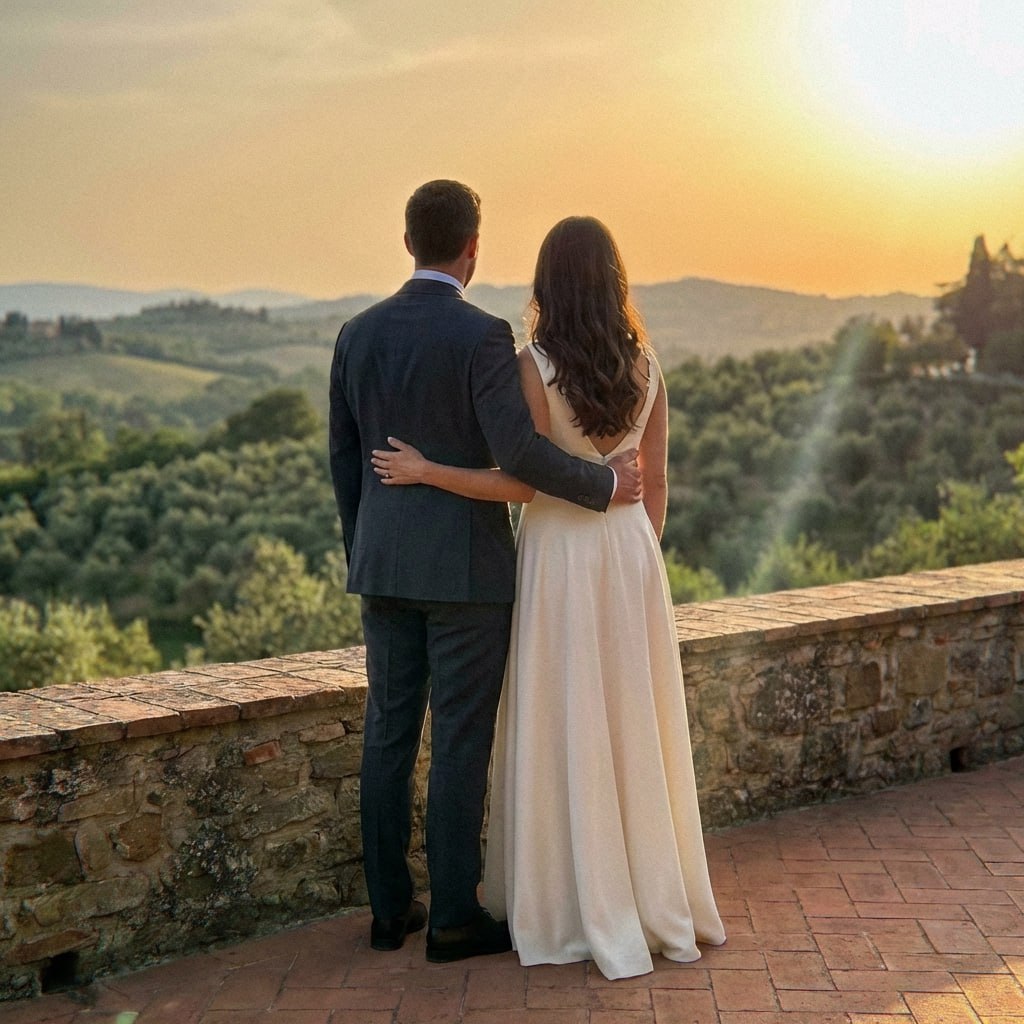
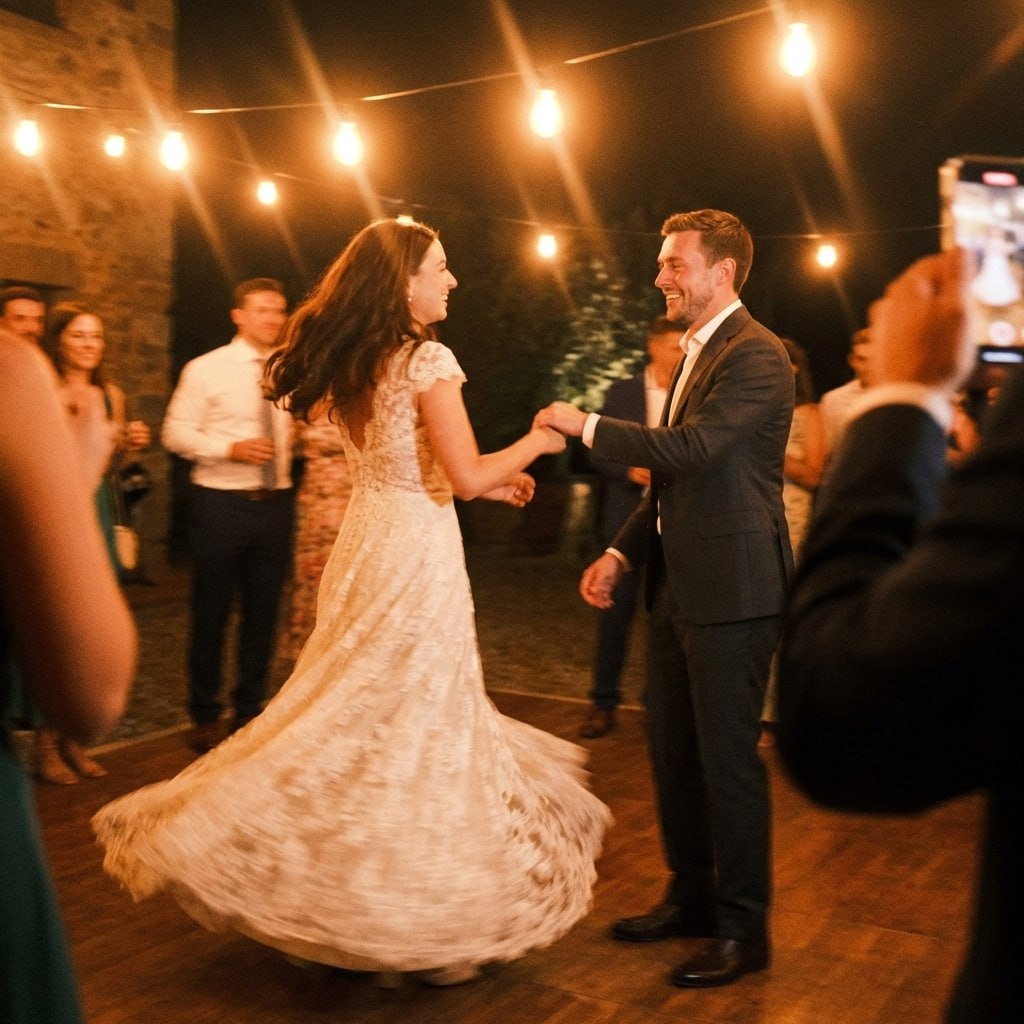
First dance
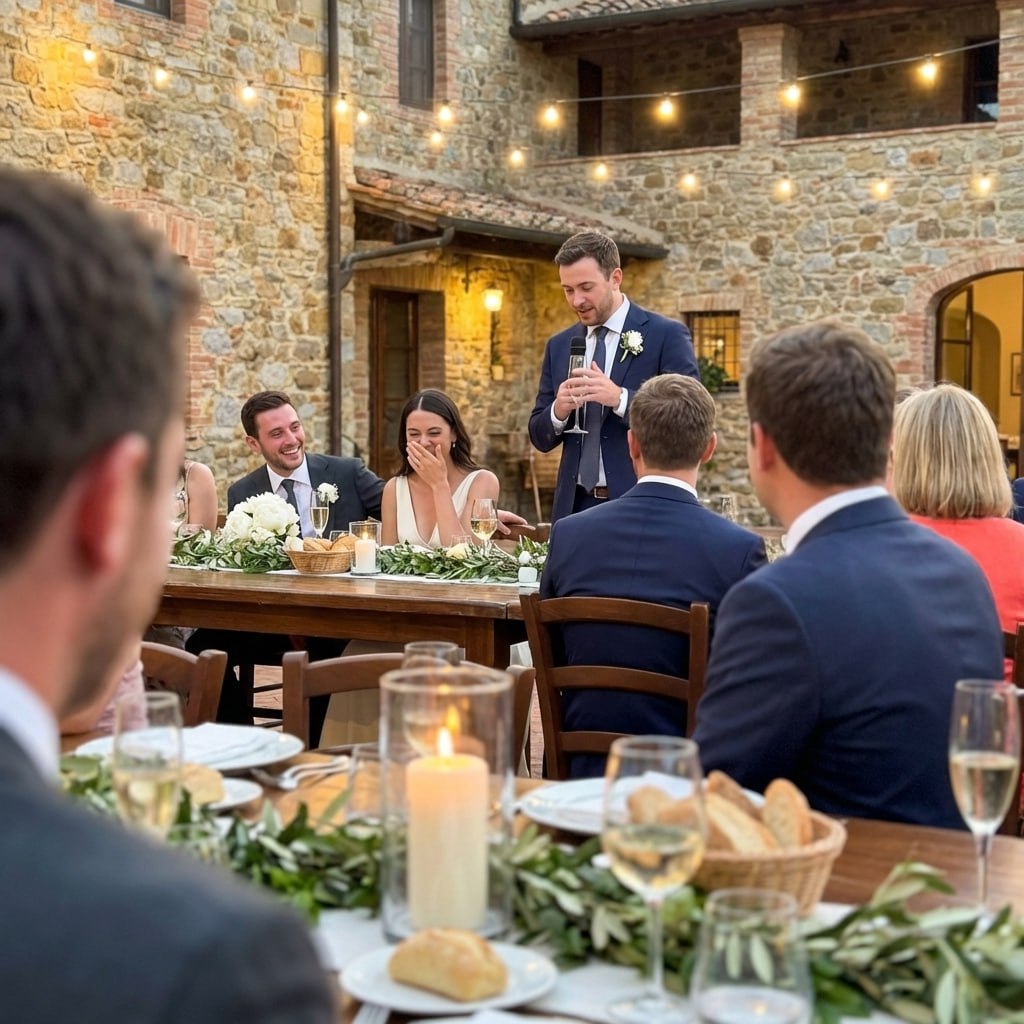
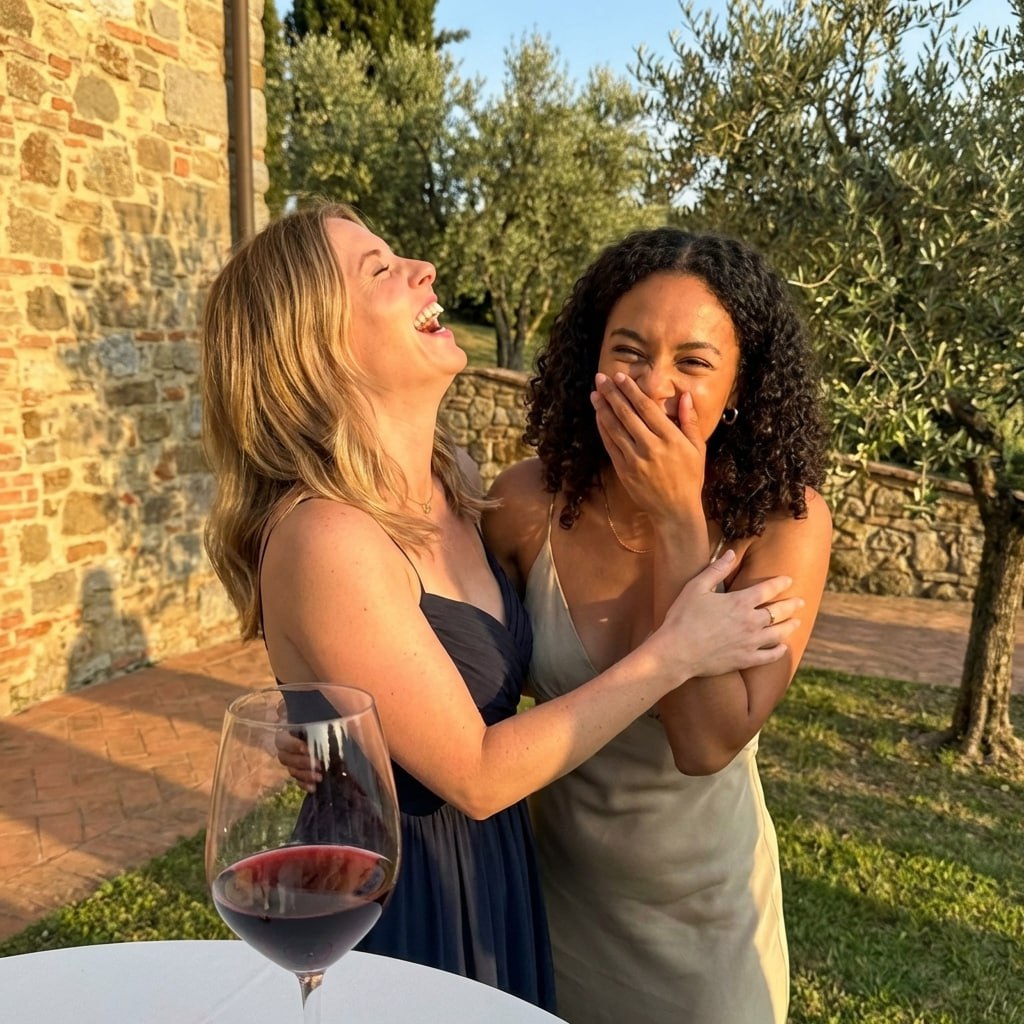
You guys!!
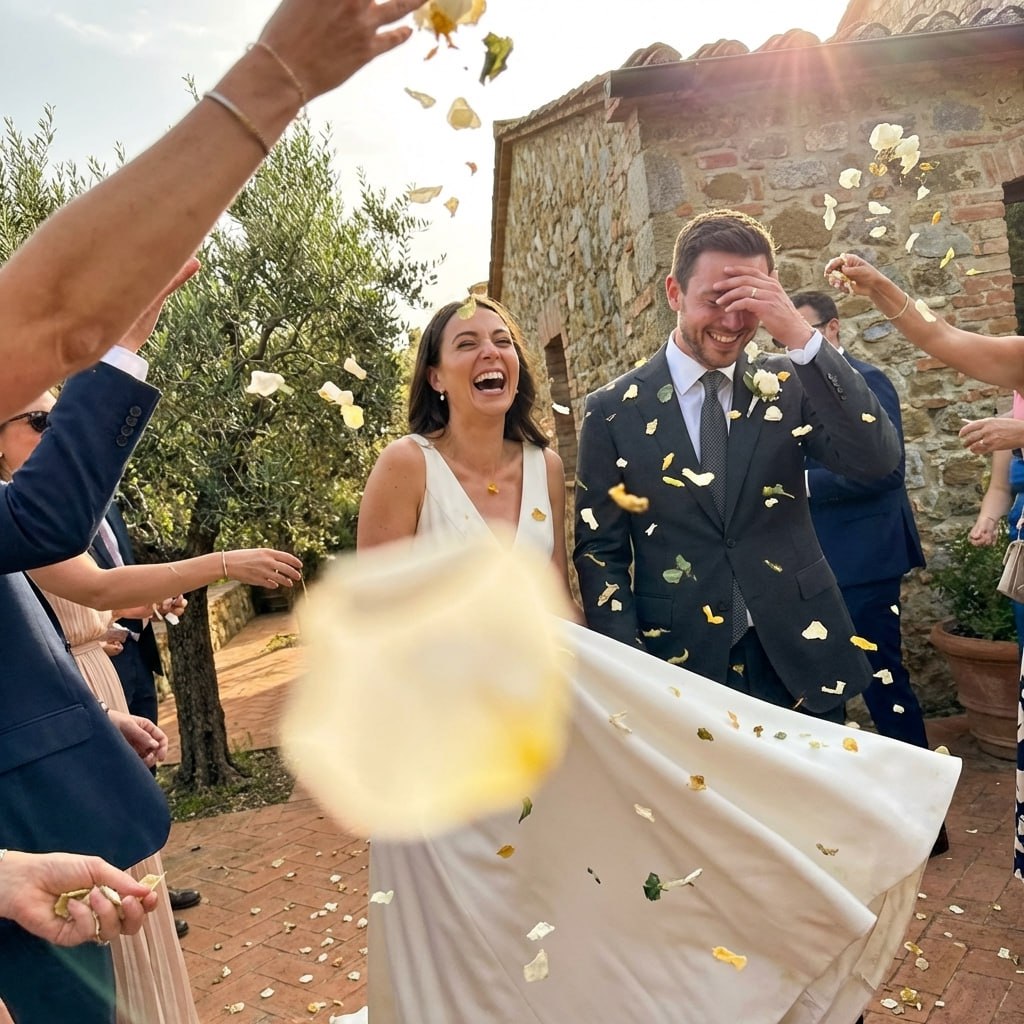
The petals fall. The photos stay.
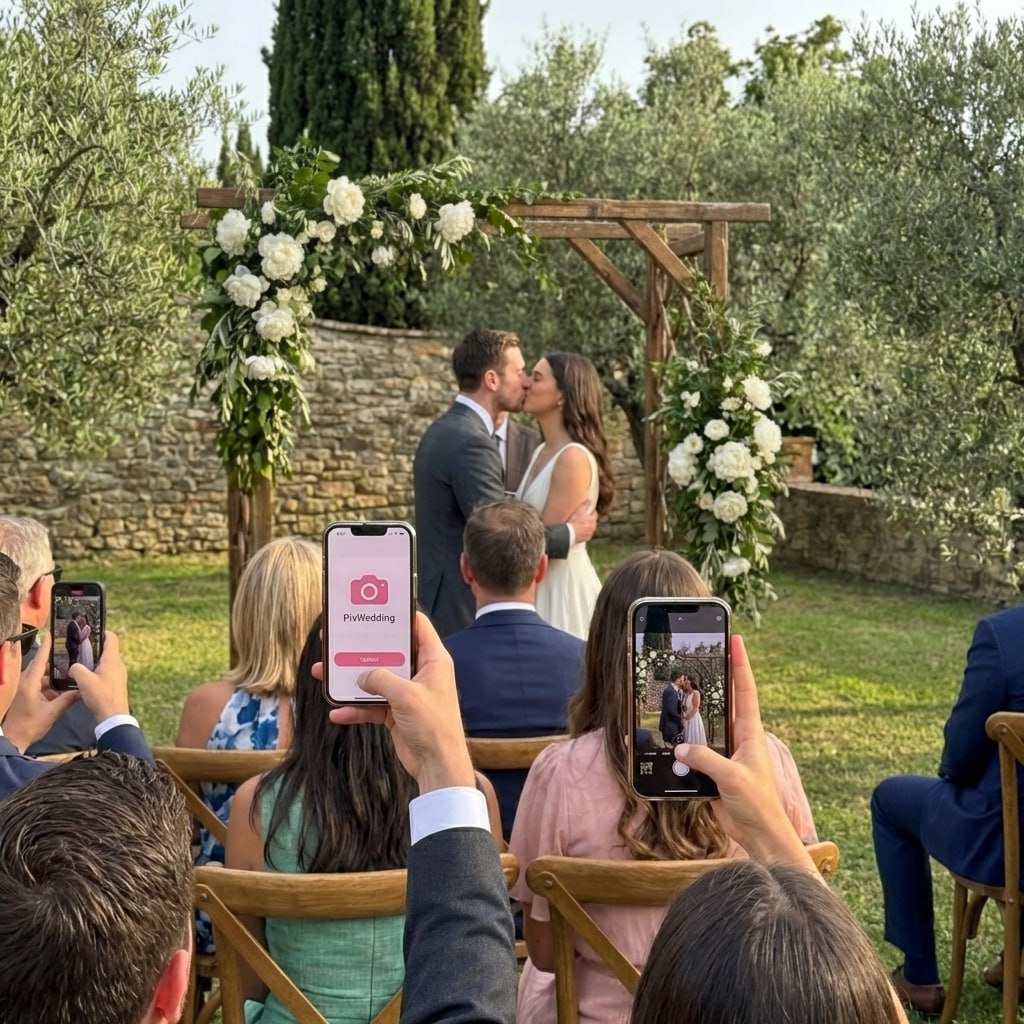
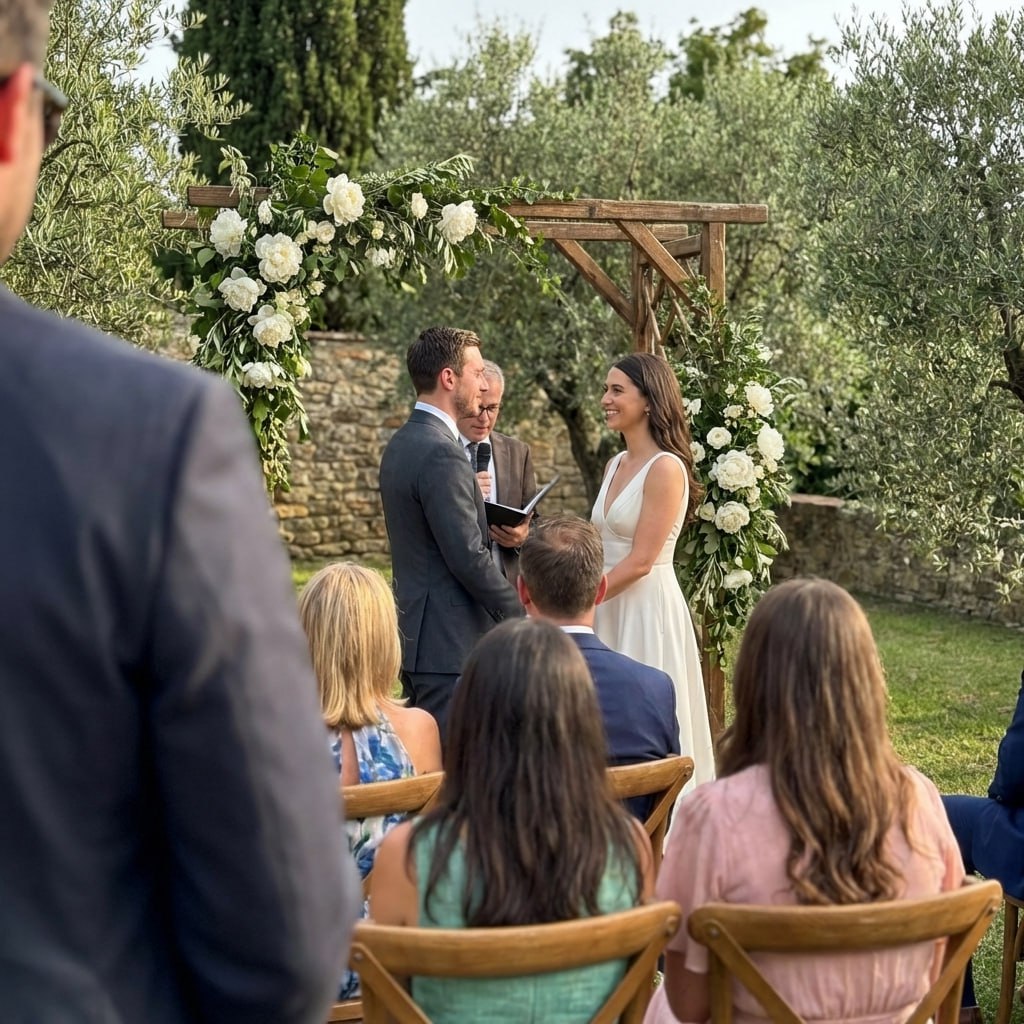
Florals are a four-figure investment that lasts hours. The candid shots your guests take of them last forever, if they make it off their phones. Make sure they do.
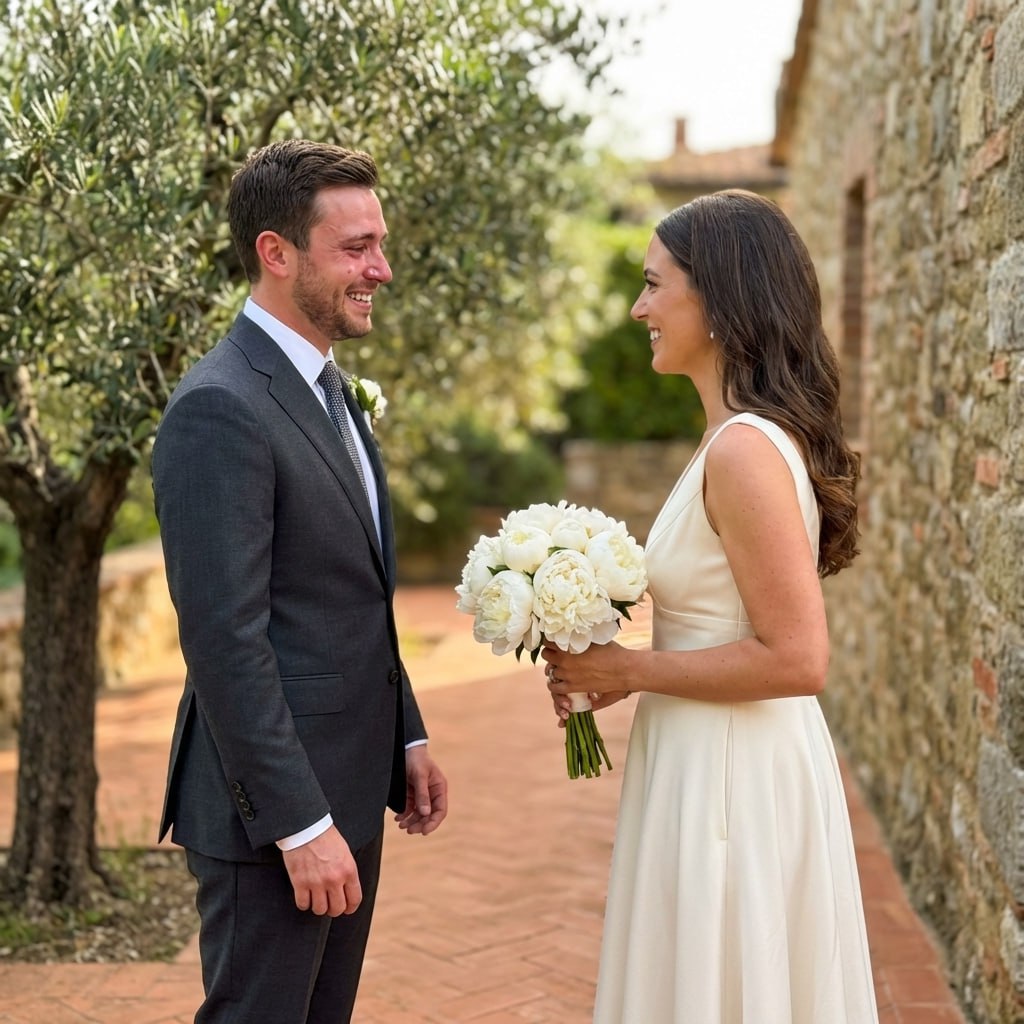
From Mom
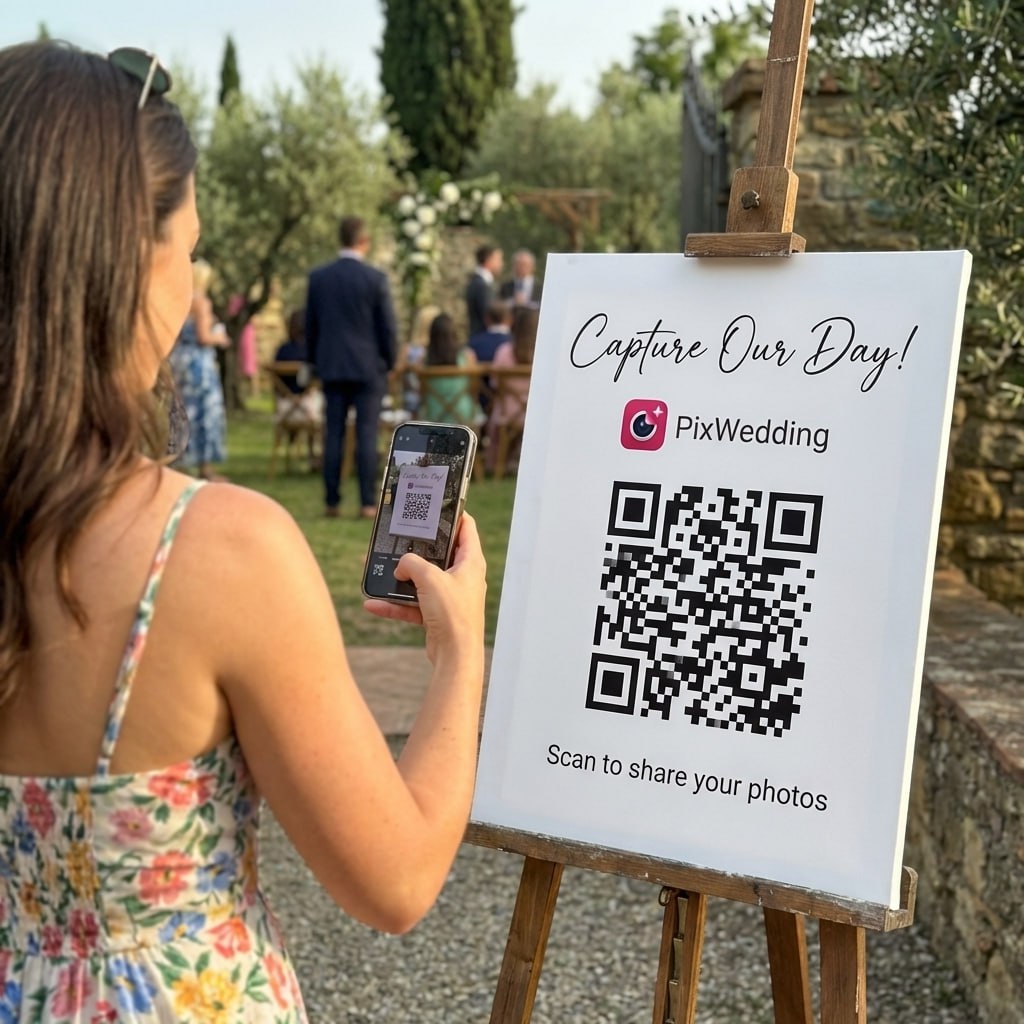
Scan to join the album
No app, no account
UPLOADING
Saving your moment
THE ALBUM
Emma & Jack
June 21, 2026
647 photos · 95 guests
SCAN TO TRY
pix.wedding/
your-wedding
Related Wedding Guides
Explore more free wedding tools
Everything you need to make your wedding day stress-free and unforgettable.
QR Sticker Designer
Design custom print-ready stickers.
Hashtag Generator
Create unique wedding hashtags.
How to Collect Guest Photos
5 methods ranked by participation rate and ease.
Get Photos After the Wedding
Message templates to gather guest photos post-wedding.
Share Wedding Photos with Guests
Compare every sharing platform by ease and participation.
Best Way to Get Guest Photos
The single method with the highest participation rate.
How to Make a Shared Wedding Album
Step-by-step setup for every platform.
Alternative to Disposable Cameras
Better, cheaper options than disposable cameras.
Wedding Florist FAQ
Everything you need to know about our free tools and how they help your wedding day.
Wedding florist costs in the US range from $1,400 in smaller markets like Phoenix and Charlotte to $8,000 in New York City and San Francisco for a 100-guest wedding. The national average falls around $2,500 to $3,500 for a mid-range package covering bridal bouquet, centerpieces, and ceremony arrangements.
A standard wedding florist package typically includes the bridal bouquet, bridesmaid bouquets, boutonnieres, ceremony arch or altar arrangement, and table centerpieces. Premium packages add aisle petals, cocktail table arrangements, cake flowers, hair flowers, and full venue styling. Always get a detailed itemized quote.
Book your wedding florist 9 to 12 months in advance for peak season weekends. Popular florists with distinctive styles fill their calendars quickly, especially for May to October Saturdays. If you have a specific floral vision or want a florist who specializes in a particular style, start searching 12 to 18 months out.
Summer wedding flowers in the US include sunflowers, dahlias, peonies (late spring to early summer), garden roses, hydrangeas, zinnias, and wildflowers. Tropical flowers like birds of paradise and anthuriums also peak in summer. Locally grown seasonal flowers are typically 20 to 40 percent cheaper than imported out-of-season blooms.
Key savings: choose in-season and locally grown flowers, use greenery heavily to fill arrangements at lower cost, limit the number of bridesmaids' bouquets, reuse ceremony arrangements as reception centerpieces, choose one statement arrangement per table rather than multiple smaller ones, and skip cake flowers in favor of a simple garnish.
Garden roses, peonies, and ranunculus consistently top the most popular wedding bouquet flower lists in the US. Dusty miller, eucalyptus, and other greenery add texture and volume at a lower cost. Wildflower-inspired bouquets with daisy varieties, cosmos, and loose greenery are growing in popularity for garden and outdoor ceremonies.