
How to Get a Marriage Licence in Canada
Most Canadian provinces require a marriage licence obtained before the wedding, valid for 3 months, and issued by a provincial or municipal office. The fee ranges from about $40 in Alberta to roughly $180-$192 in Toronto and Ottawa. Quebec is the one exception: it has no licence system at all.
See Canadian Wedding CostsMarriage Licence Rules by Province
These four provinces cover most of Canada's population and illustrate the two systems in use nationally: a licence-based system (Ontario, BC, Alberta) and Quebec's separate public-notice system.
| Province | Fee | Validity | Witnesses | Min. Age |
|---|---|---|---|---|
| Ontario | $130 – $192 (varies by municipality) | 3 months from issue date | 2 witnesses at the ceremony | 18, or 16-17 with parental/guardian consent |
| British Columbia | $100 (set provincially) | 3 months from issue date | 2 witnesses, each 19 or older | 19, or 16-18 with consent from every guardian |
| Alberta | $40 government fee, plus a registry agent service fee | 3 months from issue date | 2 witnesses at the ceremony | 18, or 16-17 with consent or a court order |
| Quebec | No licence fee; officiant charges a filing fee for the notice | N/A: uses a 20-day public notice instead of a licence | 2 witnesses at the ceremony | 18 (16-17 requires court authorization) |
Sources: Ontario.ca, City of Toronto, Alberta.ca, People's Law School (BC) and Éducaloi (Quebec). British Columbia figures should be reconfirmed directly on gov.bc.ca, since this page's BC data relies on a secondary legal-education source rather than a direct fetch of the BC government's page at the time of writing.

First dance
You guys!!
Licence handled. Photos are the next checkbox.
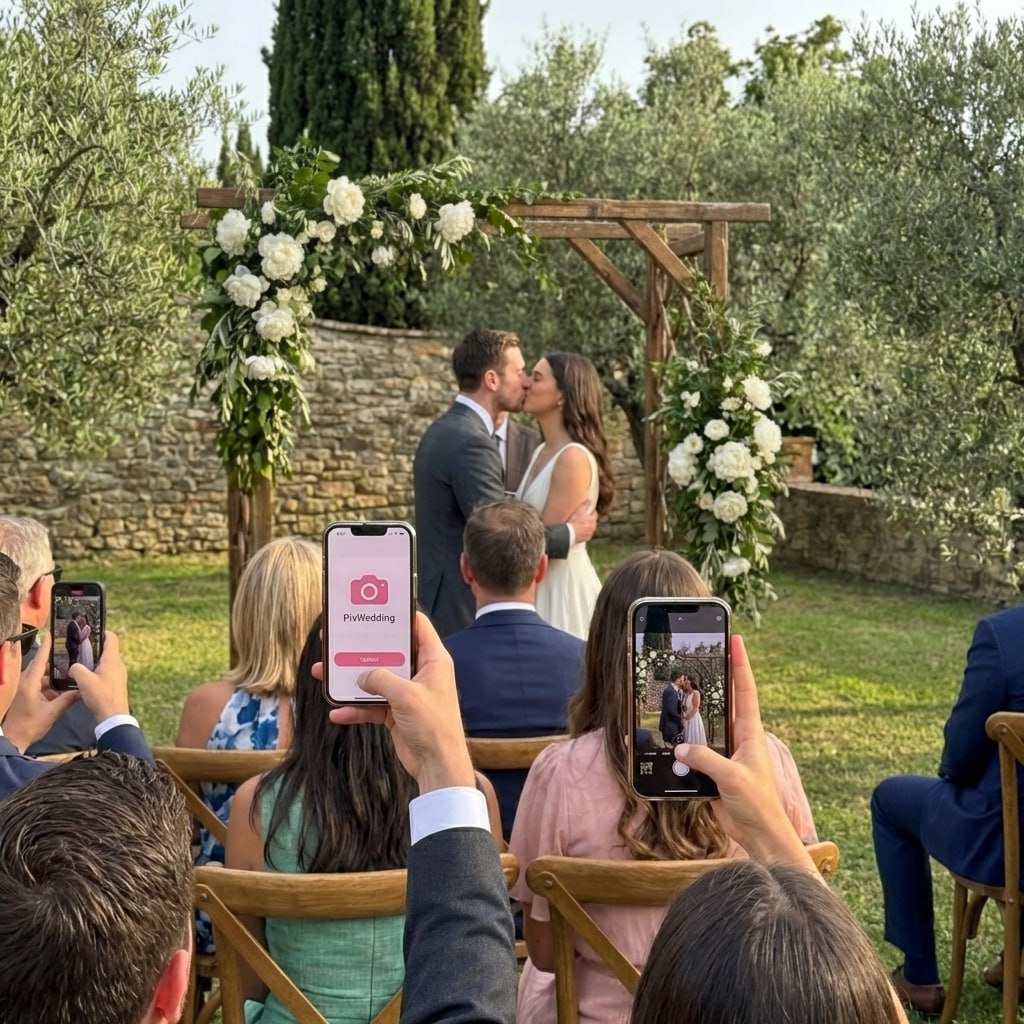
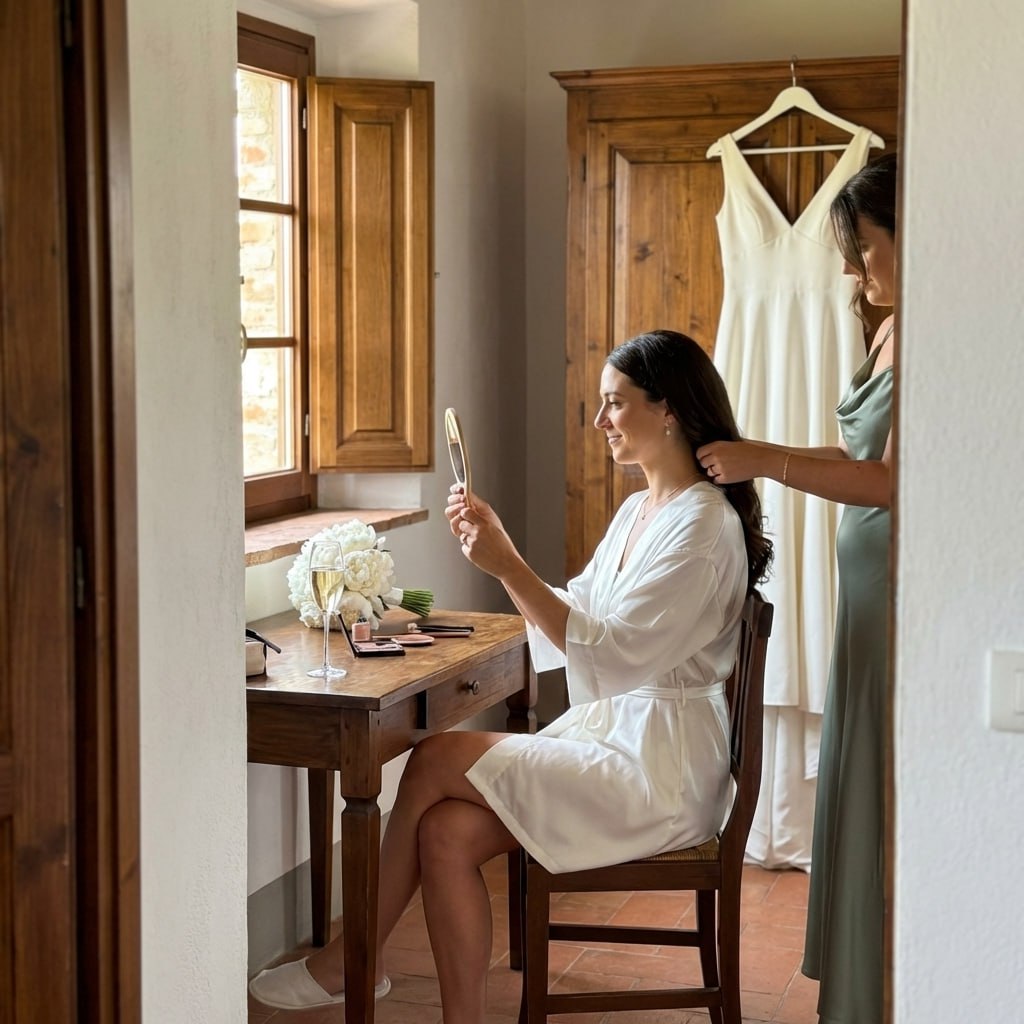
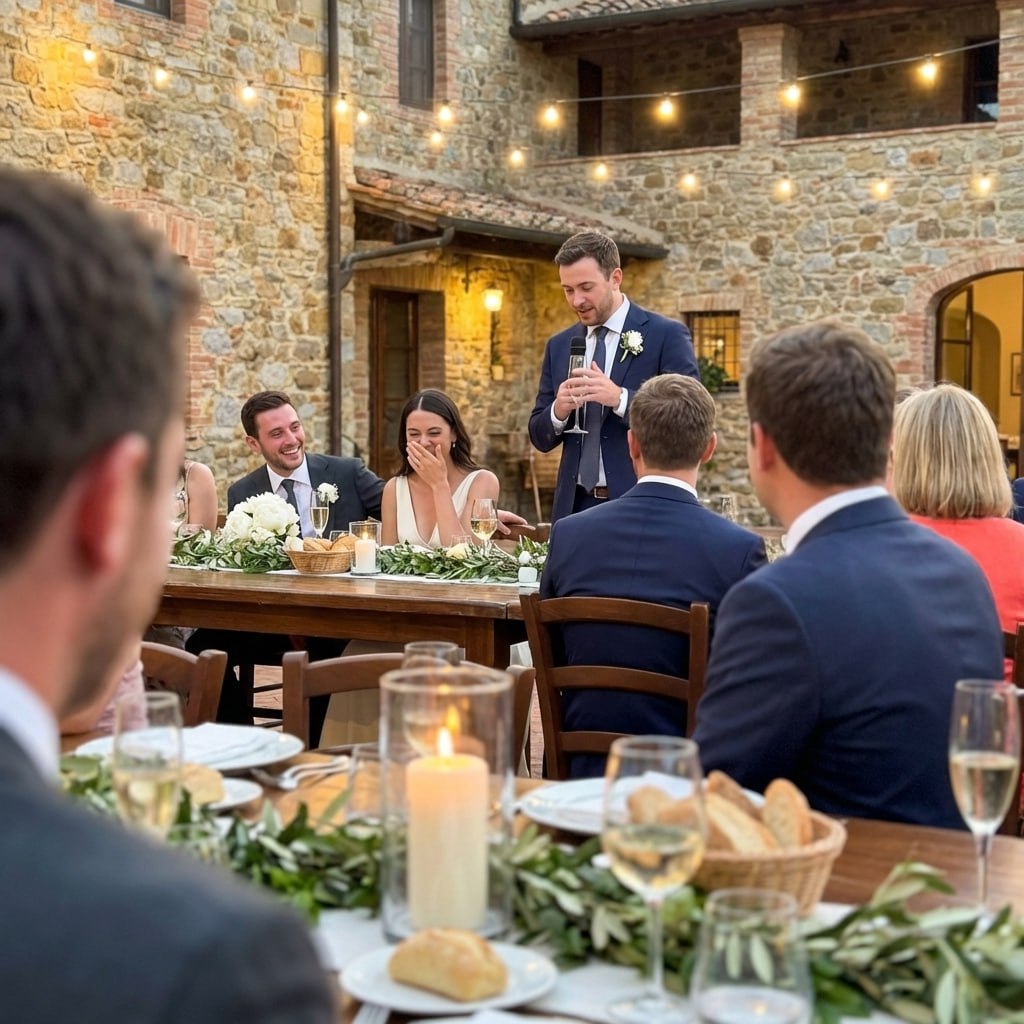
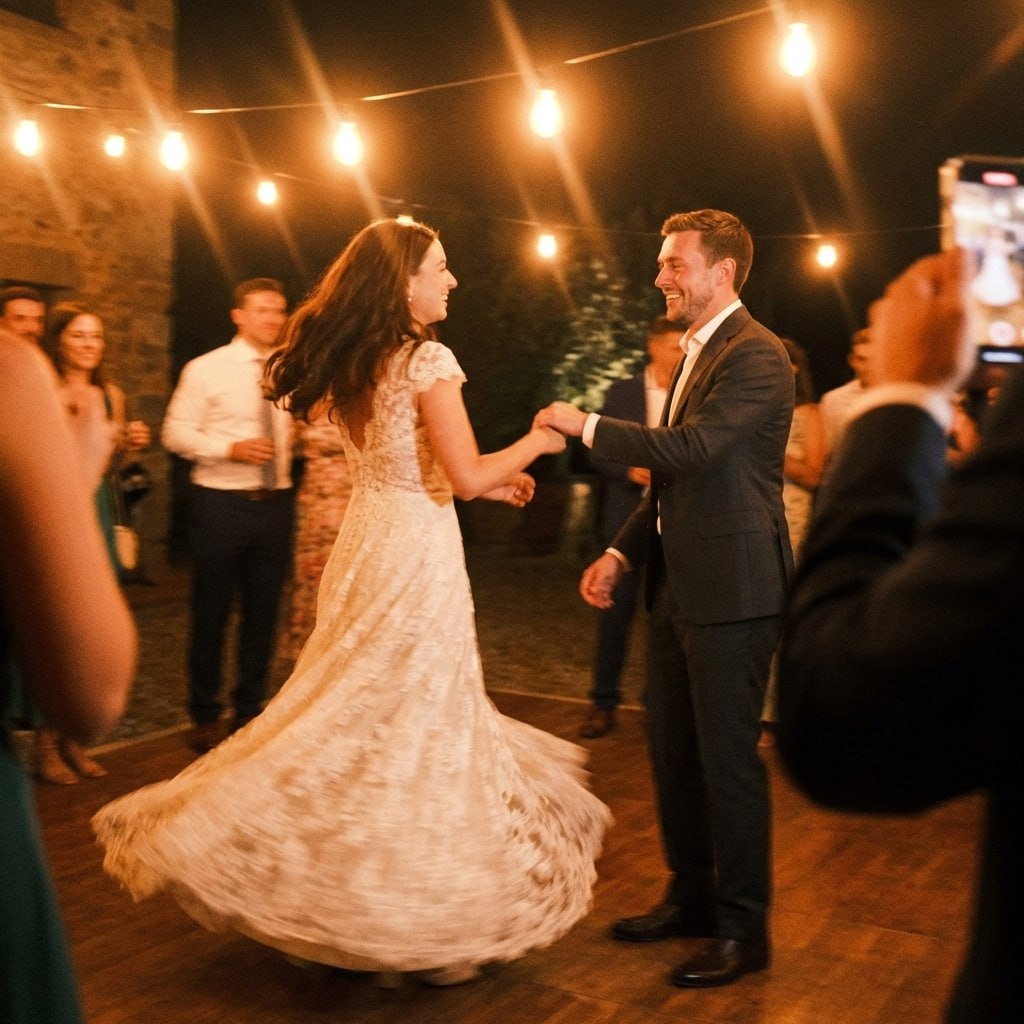
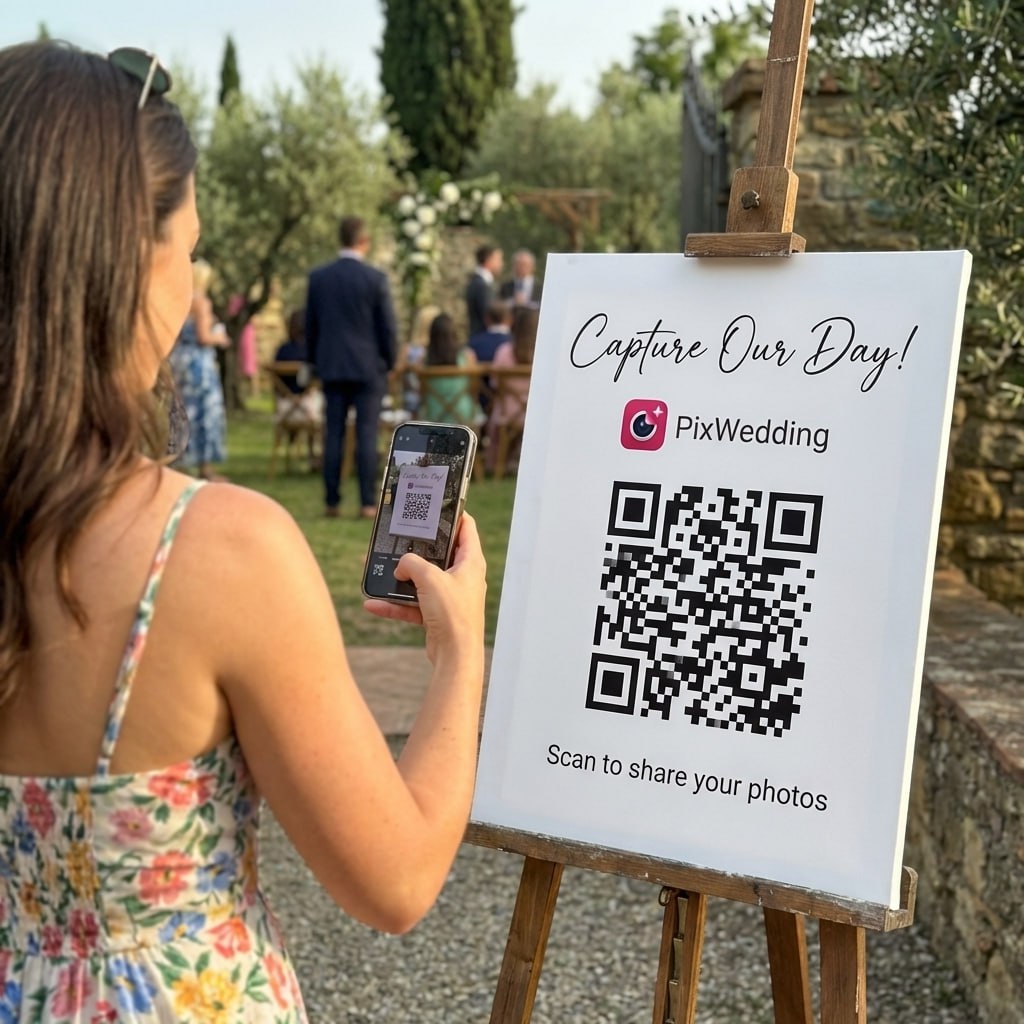
Once the paperwork is filed, set up a QR code so every guest at the ceremony and reception can drop their photos into one shared album.
From Mom
Scan to join the album
No app, no account
UPLOADING
Saving your moment
THE ALBUM
Emma & Jack
June 21, 2026
647 photos · 95 guests


SCAN TO TRY
pix.wedding/
your-wedding
Step-by-Step: Getting a Marriage Licence in Ontario
- 1
Confirm both partners have two pieces of valid, original, non-expired government-issued photo ID with matching names.
- 2
Find an authorized marriage licence issuer in the municipality where the ceremony (or the application) will take place; in Toronto this is done through the city's Registry Services.
- 3
Book or attend the in-person appointment. Only one applicant needs to attend, but both must sign the application in original ink.
- 4
Pay the licence fee by debit or credit card (Toronto's office does not accept cash); fees range from about $130 in smaller municipalities to roughly $180-$192 in Toronto and Ottawa.
- 5
Apply within 90 days of the planned wedding date. Applying too early risks the 3-month validity window expiring before the ceremony.
- 6
Receive the licence, valid for 3 months and usable anywhere in Ontario, not just the issuing municipality.
- 7
Bring the physical licence to the ceremony. The officiant and 2 witnesses complete and sign it on the day; the officiant then registers the marriage with the province.
Quebec Is the Exception: There Is No Marriage Licence
Quebec is the only Canadian province with no marriage licence system at all. Instead of applying for a licence, the couple's chosen officiant, who must be authorized to perform marriages in Quebec, files a notice of marriage (avis de mariage) with the Directeur de l'état civil, the province's registrar of civil status.
That notice is publicly published for a minimum of 20 days before the ceremony can legally take place, giving anyone with a legal objection time to come forward. The notice must include both future spouses' full legal names, addresses, places and years of birth, the planned ceremony date, and the officiant's name.
Once the 20-day publication period ends, the couple has 90 days to actually marry. If that window closes without a ceremony, the notice expires and must be refiled, restarting the 20-day clock. There is no fixed government licence fee in Quebec; instead, costs come from whatever the officiant or notary charges to prepare and file the notice, which varies by provider.
Documents Checklist
- Two pieces of valid, original, non-expired government-issued photo ID per applicant (passport, driver's licence, permanent resident card), with names matching exactly.
- Proof of a legal name change, if either partner's ID does not match a previous legal name (marriage certificate, court order, or name-change certificate).
- Finalized divorce documents (original or certified copy), if either partner was previously married and the divorce was not granted in the same province.
- A death certificate for a former spouse, if either partner is widowed.
- For Quebec specifically: no licence documents, but the officiant will need both partners' full legal names, addresses, birthplaces and birth years to file the notice of marriage.
- Application fee, payable by the accepted method for that issuing office (many Ontario and BC issuers require debit or credit, not cash).
Common Mistakes to Avoid
Applying too early or too late
Ontario licences expire 3 months after issue and BC and Alberta licences follow the same 3-month window. Applying 6 months out means the licence can expire before the wedding; applying the week before can collide with an issuer's appointment backlog.
Mismatched names on ID
If a previous legal name change was never formally documented, issuers can reject the application on the spot. Bring the paperwork that bridges the old and current legal name.
Assuming Quebec works like the rest of Canada
There is no licence to apply for in Quebec. Skipping the 20-day public notice step (thinking a licence is the requirement) is the single most common Quebec-specific mistake.
Not confirming witness eligibility
BC requires witnesses to be 19 or older; the officiant does not count as one of the two required witnesses in any province. Confirming both witnesses ahead of the day avoids a same-day scramble.
Paying with cash where it is not accepted
Several issuing offices, including Toronto's, only accept debit or credit for the licence fee. Showing up with cash can mean rebooking the appointment.
Losing the physical licence before the ceremony
Unlike a certificate, the licence is a physical document the officiant must have in hand on the wedding day. It cannot be reprinted instantly if lost close to the date.
What Happens After You Get the Licence
Ceremony day: bring the physical licence. The officiant and 2 witnesses sign it in original ink immediately after the vows are exchanged.
Within days after: the officiant submits the signed record to the provincial vital statistics registry (or, in Quebec, the Directeur de l'état civil records the marriage directly, since no separate licence document exists to return).
Weeks to months later: the couple can order an official marriage certificate from the province's vital statistics office, needed for legal name changes, updating ID, and other post-wedding paperwork.
Watch: Getting Married in Canada, Step by Step
This walkthrough from Hit Submit & Canada covers the general process of applying for a marriage licence and later requesting a marriage certificate, which lines up with the provincial steps and post-licence timeline above.
Quick Glossary
Related Marriage & Canada Guides
First dance
You guys!!
The legal side is done. Now plan for the photos.
Pix Wedding gives every guest a QR code to scan, so ceremony and reception photos land in one shared album with no app to download.
From Mom
Scan to join the album
No app, no account
UPLOADING
Saving your moment
THE ALBUM
Emma & Jack
June 21, 2026
647 photos · 95 guests
SCAN TO TRY
pix.wedding/
your-wedding
How this page differs from our US marriage licence guides
Our marriage licence cost guide and how-to-get-a-marriage-license guide cover all 50 US states, where every state issues a licence through a county clerk. Canada's system is structured differently at the provincial level, and Quebec does not use a licence system at all, which is why this page exists as a separate, Canada-specific guide rather than an extension of the US pages.
Sources for this page
Ontario figures are drawn directly from ontario.ca and the City of Toronto's official marriage licence page. Alberta figures come directly from alberta.ca, with minimum-age rules cross-checked against the Marriage Act (RSA 2000, c M-5) on CanLII and the Centre for Public Legal Education Alberta. British Columbia figures reflect the BC government's published $100 fee and 3-month validity, corroborated through the People's Law School's public legal-information guide, since direct access to gov.bc.ca's marriage pages was intermittent at the time of writing; couples should confirm current BC fees on gov.bc.ca before applying. Quebec's process is sourced from Quebec.ca and Éducaloi, a nonprofit legal-information organization.
Explore more free wedding tools
Everything you need to make your wedding day stress-free and unforgettable.
Cost Calculator
Compare wedding costs by city.
Budget Allocator
Turn your total into a category-by-category plan.
Courthouse Wedding Cost
Real fees by county and what to expect.
Photo Sharing QR
The best way to collect guest photos.
Wedding Checklist
Month-by-month planning checklist.
AI Vow Generator
Write "banger" vows in seconds.
AI Speech Pro
Banger toasts for Best Man & more.
Marriage Licence Canada FAQ
Straight answers to the questions people ask most about this topic.
It depends on the province. Ontario licences run roughly $130 to $192 depending on the municipality (about $180 in Toronto), British Columbia charges a flat $100, and Alberta charges a $40 government fee plus a variable registry agent service fee. Quebec has no licence fee at all since it does not use a licence system.
In Ontario, British Columbia and Alberta, a marriage licence is valid for 3 months from its issue date and the wedding must take place within that window. Quebec does not issue a licence, so this rule does not apply there.
No. In Ontario and British Columbia, only one applicant typically needs to attend the appointment in person, but both partners must sign the application in original ink and both must provide valid photo ID.
Quebec uses a different legal framework. Instead of a licence, the officiant files a notice of marriage (avis de mariage) with the Directeur de l'état civil, which is publicly posted for a minimum of 20 days before the ceremony can legally happen. Once that notice period ends, the couple has 90 days to marry before the notice expires.
Every province covered here (Ontario, British Columbia, Alberta and Quebec) requires 2 witnesses at the ceremony in addition to the officiant. British Columbia additionally requires each witness to be 19 or older.
The federal minimum age to marry in Canada is 16, and every province requires parental or guardian consent, or a court order, for anyone under 18 or 19 (BC's age of majority). Nobody under 16 can marry anywhere in Canada.