
How to Plan a Wedding Social
A planning-first walkthrough of the Manitoba wedding social: hall booking, liquor permits, ticket sales, the silent auction, prize tiers, roles, and a sample budget.
Try Pix Wedding FreeShort answer
A wedding social is a ticketed fundraising party, held in a Manitoba community hall weeks before the wedding, that raises money for the couple through admission, a silent auction, a 50/50 draw, and raffles, run with a bar, a DJ, and a late-night lunch.
Long answer
Unlike a shower or a stag party thrown mainly for entertainment, a social is explicitly a fundraiser: guests pay to get in, and that admission plus auction and raffle proceeds go toward the couple's first home or wedding costs. It grew out of prairie hall culture, where a big rentable space, a kitchen, and a liquor permit make it practical to host 150 to 400+ guests in one night rather than a small at-home gathering.
This guide is the planning-first walkthrough: hall logistics, the liquor permit process, ticket pricing, the auction, roles, and a budget worksheet. If you are looking for the tool-comparison version instead, covering photo collection at the social itself, see Wedding Social Photo Sharing, which focuses on capturing and sharing every phone photo from the night rather than on planning the event.
What makes it distinctly Manitoban
The wedding social overlaps with Ontario's stag and doe, but a handful of details are specific to Manitoba (and parts of northwestern Ontario).
It funds the couple, not a registry
A wedding social is a stand-alone fundraising party, usually held weeks before the wedding, where admission, a silent auction, and games raise cash for the couple's first home or the wedding itself, separate from gift-giving at the reception.
The hall, not a backyard, is the default venue
Socials are typically run out of a community hall, curling rink, legion, or Ukrainian/Polish/Mennonite cultural hall, spaces built for exactly this kind of large, licensed, ticketed gathering.
A late lunch is expected, not optional
Most Manitoba halls and guests expect a hot or cold lunch served around 11pm to midnight, sandwiches, perogies, or a hot dish, timed to keep people on the floor for the second half of the night.
It runs under a real liquor permit
Selling drinks at a social outside a licensed bar requires a Manitoba Liquor, Gaming and Cannabis Authority (LGCA) social occasion liquor permit, the same category used for charity fundraisers and wedding receptions.
Everyone in Winnipeg has an opinion on it
Wedding socials are common enough in Manitoba that whether they are a fun community tradition or an awkward money-ask is a long-running local debate, not a fringe view.
It's a group project by design
Unlike a shower usually run by one or two close friends, a social's scale, hall logistics, liquor permit, auction, and lunch, means it almost always needs a small standing committee rather than a single host.
A few more things you'll hear at a social
Small fundraising formats layered on top of admission and the silent auction.
Meat draw
A round of raffle tickets sold specifically for trays of meat or barbecue packages, often run mid-evening as a break between dancing sets. Common at Manitoba halls generally, not unique to socials, but a near-constant fixture at them.
Loonie or toonie table
A low-stakes table where small games (spin a wheel, pick a card, guess a number) cost a dollar or two to play, aimed at guests who want to contribute without buying a full raffle ticket.
Cash calendar
A raffle where each ticket corresponds to a calendar date, and a cash prize is drawn for that date later in the month, sold as an add-on alongside the door raffle to keep fundraising going after the event itself.
Hall bar vs bring-your-own
Some halls run their own licensed bar for the night; others require the organizers to hold the liquor permit and supply the alcohol themselves. Confirm which model your hall uses before you budget for a bar.
Social season
Fall and winter (roughly September through March) are the busiest months for socials in Manitoba, since halls are otherwise quiet and guests are less likely to have competing outdoor plans. Booking outside that window can mean more hall availability but a smaller pool of experienced vendors.

social night
200+ guests, one album
Every phone camera in the hall, one shared album
Guests scan a QR code at the door and every social photo lands in one place automatically, no app download and no login needed.

Every guest's camera roll
Scan to join the album
No app, no account
UPLOADING
Saving your moment
THE ALBUM
Emma & Jack
June 21, 2026
647 photos · 95 guests

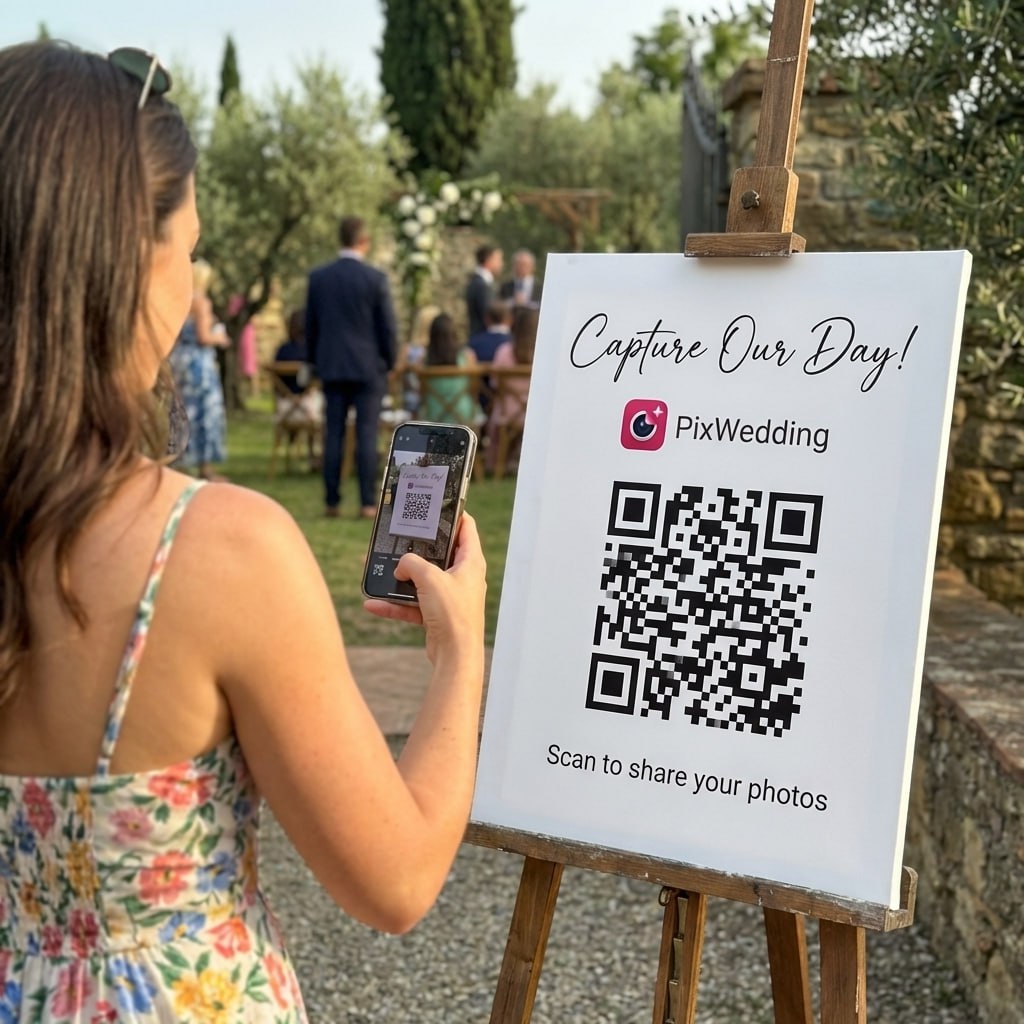

SCAN TO TRY
pix.wedding/
your-wedding
Step-by-step: planning a wedding social
Lock the hall 3-4 months out
Community halls, legions, and curling clubs get booked fast for social season (fall and winter). Confirm capacity, whether the hall has its own kitchen and bar setup, parking, and what time the space needs to be cleared by.
Apply for the liquor permit early
If you plan to sell drinks, Manitoba requires a social occasion liquor permit from the LGCA, the same permit type covering charity fundraisers and wedding receptions. Apply well before the date; permits are limited per person per year, so confirm eligibility and lead time directly with the LGCA rather than assuming the hall's own license covers you.
Print and sell tickets ahead of the door
Presale tickets (in person, e-transfer, or a simple online form) give you a headcount for food and give the couple upfront cash instead of relying only on walk-ins.
Build the silent auction
Ask local businesses and family for donated items or gift cards, group similar items into baskets, and set a clear bid sheet with a closing time announced well before the DJ wraps up.
Set prize tiers for raffles and games
Decide door-prize, 50/50, and meat-draw style tiers before the night starts so ticket sellers can explain them consistently. Keep any raffle within whatever your province and hall require, rather than inventing rules on the fly.
Book a DJ or MC who knows the format
A social runs on a loose but real schedule, opening announcements, dancing, an auction close, a late lunch, more dancing. A DJ who has run socials before will pace the night far better than one who has only done receptions.
Plan the late lunch
Decide early whether the couple's family is cooking, a caterer is delivering trays, or a hired kitchen crew is running it. This is usually the single biggest logistics item after the hall itself.
Manitoba's social occasion liquor permit is issued by the Liquor, Gaming and Cannabis Authority (LGCA) and covers events like socials, charity fundraisers, and wedding receptions held outside a licensed venue or private home. Individuals are limited to a set number of permits per year, and applications need lead time, so confirm current rules and timing directly on lgcamb.ca before you finalize the date.
Example: a 200-guest social budget
Illustrative only, treat this as a worksheet template and plug in your own hall quote, ticket price, and guest count.
What to tell guests before they arrive
A social has a few unwritten rules that reception guests won't already know. Put the important ones on the invite or in a group chat ahead of time so nobody shows up unprepared.
- Cash or e-transfer for the door if presale tickets weren't available
- Small bills for raffle tickets and any loonie or toonie table games
- A clear plus-one policy on the invite, some socials are stricter about this than the wedding itself
- Posted doors-open time and roughly when the late lunch is served
- Whether the bar is licensed for the night, so guests know not to bring their own alcohol
- Somewhere to put coats, halls fill up fast once the dancing starts
- An RSVP deadline, so the committee can order lunch food for an accurate headcount
Roles on a wedding social committee
The couple
Set the guest list, the tone, and sign off on the budget. Some couples stay for the whole night; others treat it as their gift to receive, run mostly by family.
Parents or in-laws
Traditionally the hosts of record, often the ones who book the hall and front early costs before ticket money comes in.
An organizing committee
A small group of friends or siblings who divide up tasks: tickets, auction, decorations, and the door, so no single person is running the whole night alone.
Door and ticket volunteers
Two or more people collecting tickets or cash at the door for the entire night, with a documented count process rather than one unattended cash box.
Kitchen or lunch crew
Whoever is responsible for the late-night food, whether that is family in the hall kitchen or a hired caterer dropping off trays.
DJ or emcee
Runs the music, makes announcements, and calls the auction close and any raffle draws at set times.
Auction and prize table runner
Manages bid sheets, collects payment for winning bids, and hands out door prizes and raffle winnings.
Photo point person
Someone tasked with making sure the night actually gets documented, whether that's a designated phone photographer or a shared album guests can drop photos into as the night goes on.
Do this, not that
Do
- Confirm the hall's liquor policy and permit requirements before selling a single ticket
- Set a per-ticket price that covers your fixed hall and DJ costs before counting on profit
- Recruit a committee early, running the door and auction alone for a full night is unrealistic
- Keep a written log of donated auction items and who donated them, for thank-yous afterward
- Plan the late lunch as a real logistics item, not an afterthought
- Thank sponsors and donors publicly at some point during the night
Don't
- Don't assume a hall's day-to-day license covers a ticketed fundraiser, ask directly
- Don't sell tickets past the hall's posted fire-code capacity
- Don't run the night on a single unattended cash box
- Don't skip a sober volunteer near the bar late in the evening
- Don't advertise raffle odds or prizes you haven't cleared with the hall or local rules
- Don't forget who is doing cleanup and what happens to leftover food
Common contingency questions
What if our reception guest list and social guest list overlap a lot?
That is normal and expected, many social guests are also invited to the wedding. Keep the two events distinct in tone (fundraiser versus celebration) so it does not feel like guests are being asked to pay twice for the same thing.
What happens if the hall falls through close to the date?
Keep a short list of backup halls (legions and curling clubs often have more last-minute availability than popular event venues) and avoid printing tickets with the venue name until the booking is confirmed in writing.
Do out-of-town guests usually attend?
Some do, especially if the social is scheduled the same weekend as another family event, but most social crowds skew local. Don't build your budget assuming a large out-of-town turnout unless you have a specific reason to expect one.
Where the tradition comes from
Maclean's magazine profiled the tradition in a feature titled "The Social: A Manitoba tradition" (published January 11, 2013), describing the social as a fundraising party thrown by parents and community to help a young couple get started, and noting how the scale has grown over time: one couple in 1975 reportedly raised around $600 toward a washer and dryer, while a couple profiled decades later, in 2010, raised roughly $8,000 toward wedding reception costs.
The same piece noted that opinions on the tradition are split. Some Manitobans see fundraising for a wedding as outdated now that many couples marry later, after building careers and already sharing a home, while others say socials have simply gotten more organized, with silent auctions and business donations replacing simpler raffles. Both views show up constantly in local discussion of the tradition, and neither is "wrong", it is a genuinely contested piece of local culture, not a settled question.
Source: Maclean's, "The Social: A Manitoba tradition," January 11, 2013 (macleans.ca).
One-page pre-social checklist
A quick recap you can copy into a shared doc or group chat with your committee.
- Hall booked and deposit paid
- Liquor permit applied for (if selling drinks)
- Tickets designed and presale channel set up
- DJ or MC booked and briefed on the night's flow
- Silent auction donations being logged as they arrive
- Lunch plan confirmed (family, caterer, or hired crew)
- Cash-handling process agreed on for the door
- Photo point person or shared album set up for the night
See what a social invitation and night looks like
Video: "An invite to a Manitoba Wedding Social #16" by Currie Country Living, referenced here for planning context only.
Related planning guides
How ticket pricing usually works
Most Manitoba socials price tickets somewhere between about $10 and $30 per person, with the low end covering a bare-bones bar-and-dance night and the higher end including a hot lunch, live entertainment, or a bigger draw prize. Presale tickets, sold in person or by e-transfer, are worth pushing hard because they lock in your headcount for food and give you cash before the event instead of only at the door.
- •Presale discount: a few dollars off for buying ahead, common to encourage early commitment
- •Door price: full price for walk-ins, partly to reward the people who bought early
- •Couples or family rate: a small bundle discount for buying multiple tickets at once
When a social makes sense (and when it doesn't)
A social fits naturally when the couple has strong local roots, a big extended family and friend network, and access to an affordable community hall, the three ingredients that make the math work. It fits less well for couples marrying far from where they grew up, with a small guest list, or in a city without the hall culture that makes socials easy to run.
None of that makes a social right or wrong for any specific couple, it is a genuinely regional tradition, and plenty of couples opt out of it entirely and put the planning energy elsewhere.
After the social: thank-yous and follow-up
Once the hall is cleaned up and the cash is counted, the remaining work is mostly paperwork and gratitude: settling up with the hall and any hired vendors, depositing proceeds, and thanking the businesses and family members who donated auction items or gift cards, ideally by name and ideally within a week or two while the night is still fresh.
If your committee kept a written donor log during the planning phase, this step takes minutes instead of hours, one more reason to track donations as they come in rather than trying to reconstruct the list afterward.
Explore more free wedding tools
Everything you need to make your wedding day stress-free and unforgettable.
Seating Chart Planner
Plan your reception seating visually.
Budget Allocator
Turn your total into a category-by-category plan.
Timeline Builder
Plan your entire wedding day.
Venues by State
Explore venues across all 50 states.
Countdown Timer
Count down the days to your big day.
Wedding Checklist
Month-by-month planning checklist.
Bachelorette Party Games
15+ games with rules, supplies, and timing.
Alternative to Wedding Guest Book
15 creative alternatives guests enjoy.
hall night
one shared album
Don't lose the night's photos to a dozen phones
One QR code at the door, every guest's photos land in a shared album automatically, no app, no login.
No app needed
Scan to join the album
No app, no account
UPLOADING
Saving your moment
THE ALBUM
Emma & Jack
June 21, 2026
647 photos · 95 guests
SCAN TO TRY
pix.wedding/
your-wedding
Wedding Social Planning FAQ
Straight answers to the questions people ask most about this topic.
A wedding social is a Manitoba tradition where a couple's family and friends host a ticketed party, usually in a community hall, weeks before the wedding, with a bar, a DJ, a silent auction, and raffles. Admission and auction proceeds go toward the couple's first home or wedding costs.
If you plan to sell drinks outside a licensed bar, Manitoba requires a social occasion liquor permit from the Liquor, Gaming and Cannabis Authority (LGCA), the same permit category used for charity fundraisers and wedding receptions. Apply well ahead of your date and confirm any yearly permit limits directly with the LGCA.
Tickets commonly range from about $10 to $30 per person depending on the city, the hall, and what is included (lunch, entertainment, draws). Set your price to cover the hall and DJ before you count on profit above that.
Both are ticketed fundraising parties for a couple, but "wedding social" is the term used specifically in Manitoba, while "stag and doe" (or "buck and doe") is more common in Ontario. Format and expectations overlap heavily, though socials lean more on a late lunch and hall culture.
Typically a mix of the couple, parents, and a small committee of friends or siblings who split up tasks like tickets, the auction, decorations, and the door so the workload is not on one person.
It depends heavily on ticket price, guest count, and auction donations, and results vary a lot by hall and city, so treat any number you hear from another couple as their result, not a guarantee for yours. Build your own budget worksheet from your actual costs and expected turnout instead.
Aim for three to four months out, especially for a fall or winter date, since that is the busiest stretch for Manitoba halls and popular venues get booked up quickly.
Yes. Some couples run a dry or cash-bar-free social to avoid the liquor permit process entirely, relying on ticket sales, the silent auction, and raffles for fundraising. It simplifies planning, though it can affect turnout in communities where a licensed bar is the expectation.