
Stag and Doe Ideas
Games, an 8-week timeline, ticket pricing math, and an honest answer to "is this tacky?" Everything you need to plan the night itself, from the first booking call to the last raffle draw.
The short answer
A stag and doe is a joint pre-wedding fundraiser party for an engaged couple, most associated with Southern Ontario, though the same format goes by shag in Northern Ontario, wedding social in Manitoba, and sometimes Jack and Jill in parts of the US Midwest. Plan on roughly eight weeks of lead time, a mix of skill games and classic raffles, and a clear answer for guests on what the ticket price covers.
This guide is entirely about planning the night itself, the games, the timeline, the budget math, and whether to throw one at all. If you have already decided to host one and just need a way to collect every guest's photos from the toonie toss and the dance floor, our stag and doe photo sharing guide covers that side specifically.
The regional naming map
Same idea, different name depending on where in Canada, or which US border region, you grew up. Here is what each term actually refers to, according to Wikipedia's overview of the tradition.
Stag and doe / buck and doe
The classic term for a joint pre-wedding fundraiser thrown for both partners together. This is the version most Canadians picture: a rented hall, games, a raffle table, and a cash bar.
Shag
Same event, same games, same toonie toss and 50/50 draw, just a different regional label. If an invitation says "shag" instead of "stag and doe," nothing about the format changes.
Social (wedding social)
A related but distinct prairie tradition, usually larger and lower-pressure per guest, built around a prize table, ticket bundles, and a DJ rather than a full slate of games. See our dedicated wedding social guide for the Manitoba-specific version.
Jack and Jill
Used in some regions as another name for the same joint fundraiser format, though elsewhere Jack and Jill more often refers to a combined bridal shower and stag for the wedding party itself, so it is worth confirming which version an invite means.
Per the Wikipedia entry on stag and doe parties, "the intent of a stag and doe party is specifically to make a profit," which is worth keeping in mind when you are setting expectations with guests, whatever your region calls the night.
An 8-week planning timeline
Eight weeks is enough runway for most committees to book a venue, line up donations, and sell tickets without a last-minute scramble. Compress it if you have to, but raffle and auction donations especially benefit from lead time.
Lock in a venue, community hall, legion, or banquet room, and agree on roughly how much you are hoping to raise. Everything else on this list depends on having a date and a room.
A stag and doe guest list is usually wider than the wedding list, coworkers, neighbours, extended family. Create a Facebook event or group chat early so people can save the date.
One person cannot run the door, the bar, the games, and the raffle table alone. Assign a few close friends or siblings clear jobs now, not the week of.
Reach out to local businesses, restaurants, and shops for donated prizes. This takes longer than people expect, so starting five weeks out gives donors time to say yes.
Confirm music for the night and pick up anything the games need, a Texas mickey for the toonie toss, coin jars, raffle tickets, a locked box for a key-and-lock game.
Get tickets or a sign-up sheet moving. Selling ahead of time gives you a real headcount for food and helps you gauge whether the venue and games fit the crowd.
Finalize your food order based on ticket sales, and get any table signs, raffle sheets, and a float of small bills ready.
Walk the venue, confirm who is running the door, the bar, and the games, and text everyone a quick rundown of the night so nobody is guessing on the day.
Arrive early to set up tables and signage, run the games and draws through the night, and have two people count and record the cash together at the end.
18 games and raffle format ideas
A working mix of classic fundraiser staples and simple skill games, gathered from what committees actually run. Note the difference between skill games and games of chance below, since they are often treated differently under local licensing rules.
Toonie toss
Guests toss coins at a bottle, trying to land one flat on top. A crowd favourite that draws a fresh group every round.
50/50 draw
Half the ticket pot goes to the winner, half to the couple. Usually the loudest single moment of the night when it is called.
Silent auction
Donated items or experiences get bid on quietly over a sheet through the evening, with the highest bid at closing time taking it home.
Raffle prize table
A table of donated packages guests buy tickets to enter for, drawn periodically through the night.
Beer cap jar guess
Guests pay a small amount to guess how many caps are in a jar. Closest guess wins the jar or a prize.
Buy-a-key, unlock-a-prize
A locked box holds a prize, and guests buy keys for a chance to be the one that opens it.
Ring toss
A simple skill game guests can play without instructions, good for keeping a table busy between the bigger draws.
Bean bag toss
Another low-key skill game that works well set up in a corner for guests who want something to do besides stand at the bar.
Nail and hammer
Guests take turns hammering a nail into a stump, fewest hits wins. A loud, funny one that draws a crowd.
Dollar dance
Guests pay a small amount for a quick dance with the bride or groom, a steady stream of candid moments as the line moves.
Guess the baby photo
Mix childhood photos of the couple on a board and have guests guess who is who.
Newlywed-style trivia
A short quiz about how the couple met or their favourite memories, read out by the MC between games.
Booze wagon or basket draw
A themed prize cart or basket, bottles, a spa basket, a coffee basket, sold as its own line of tickets.
Photo scavenger bingo
A printable bingo card of moments to catch on camera works nicely paired with a shared photo album, since guests are already looking for the shot anyway.
Musical chairs or limbo
Save a couple of simple crowd games for later in the night, once the dance floor is warmed up and people want to move.
Balloon pop tickets
Small prize tickets tucked inside balloons that guests pop and redeem, a cheap, fast filler game between bigger draws.
Pie-in-the-face fundraiser
Guests donate toward a fixed amount to "vote" for who takes a pie to the face, usually a good-natured member of the wedding party.
Coin pitch onto plates
Guests pitch coins trying to land on plates or targets for a small prize, an easy setup that fills dead time near the bar.
A note on licensing
Games of skill, like ring toss or a bean bag toss, are generally treated differently from games of chance, like a raffle or a 50/50 draw. In Ontario, the Alcohol and Gaming Commission of Ontario and local municipalities license raffles and similar draws, and requirements can depend on the prize value and whether the draw is advertised publicly. Rules vary by province, so check with your own municipality or provincial regulator before you start selling tickets rather than assuming a private party is automatically exempt. See a province-by-province overview at Zeffy's Canada raffle laws guide.
Raffle table
Who won the basket?
Every game, every draw, one shared album.
While you are lining up the toonie toss and the raffle table, it takes two minutes to set up a free QR photo album so every guest's phone becomes a second camera for the night.
From the games table
Scan to join the album
No app, no account
UPLOADING
Saving your moment
THE ALBUM
Emma & Jack
June 21, 2026
647 photos · 95 guests
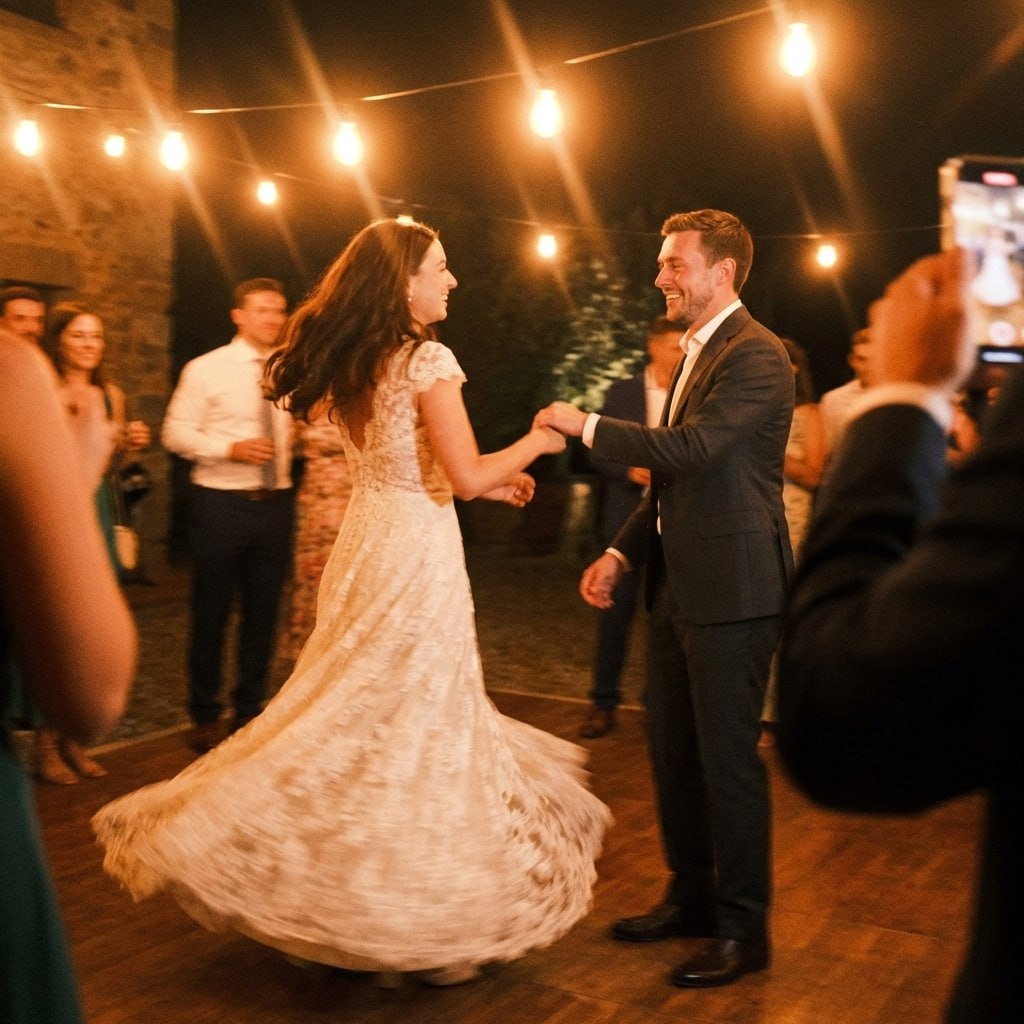
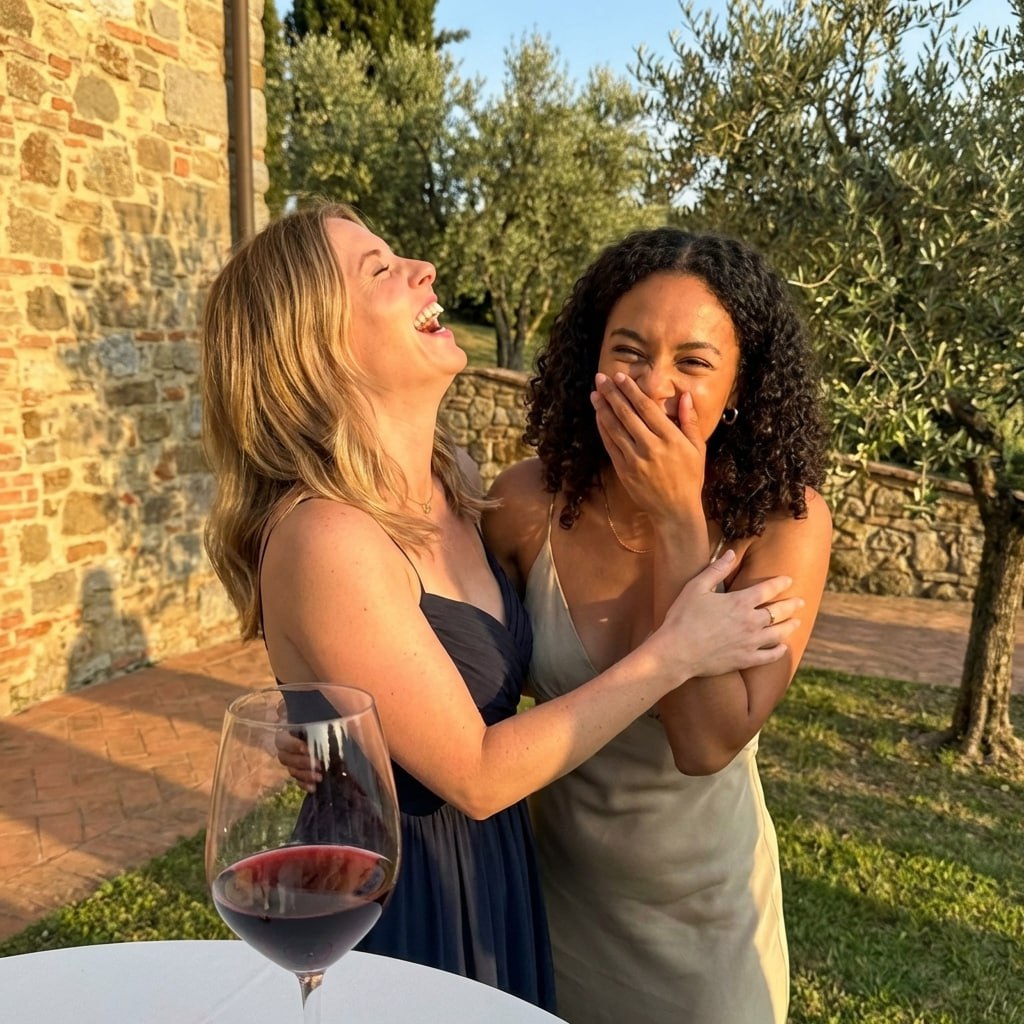
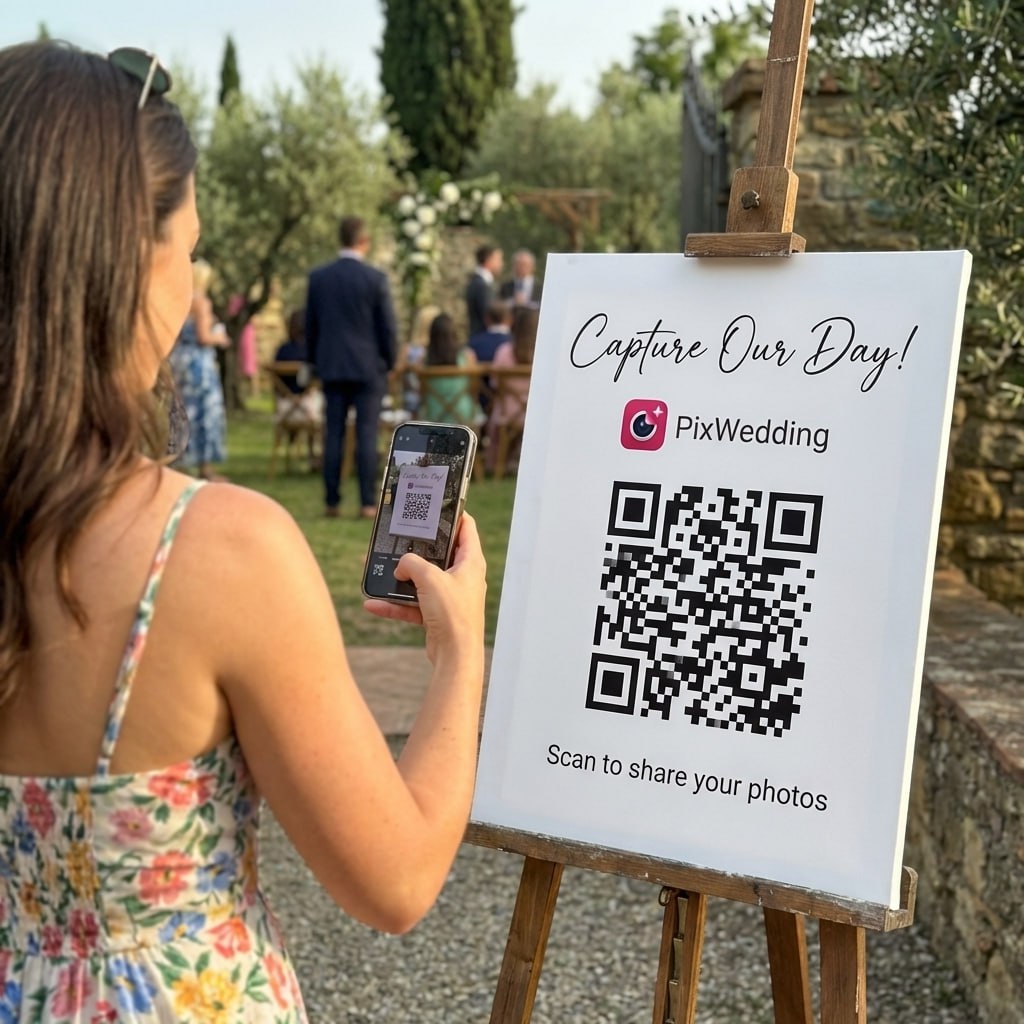
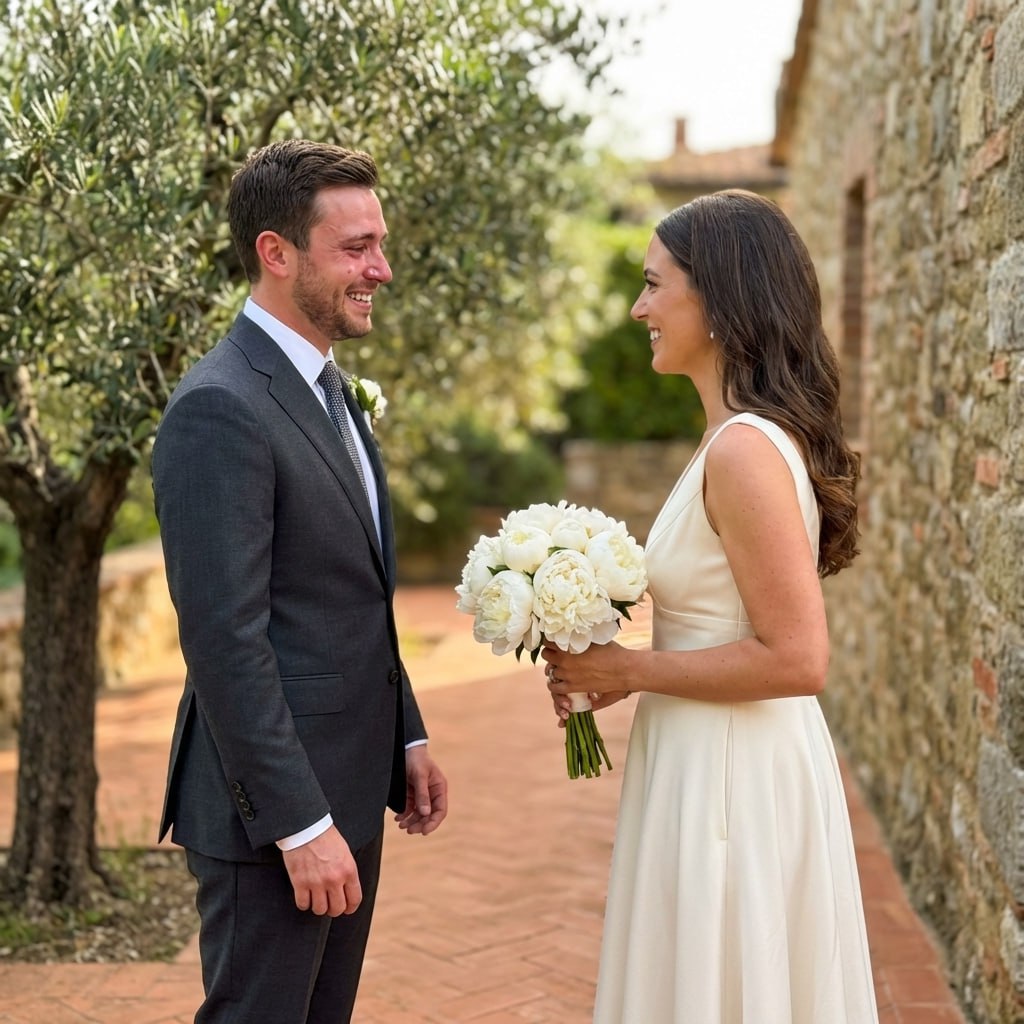
SCAN TO TRY
pix.wedding/
your-wedding
Example: working out what a night could raise
The numbers below are an illustrative example only, not a guarantee or a typical result. Use it as a template for building your own math with your own guest count and costs.
| Line item | Amount | Note |
|---|---|---|
| Admission (200 guests x $12) | $2,400 | Ticket revenue, the base of most nights |
| 50/50 draw (couple keeps half of $500 sold) | $250 | The other half goes to the winning ticket |
| Raffle ticket sales | $400 | Prizes were donated, so this is close to pure revenue |
| Hall rental | -$300 | Varies widely by venue and region |
| DJ or sound system | -$250 | Some committees use a friend's playlist and speaker instead |
| Supplies (cups, tickets, decor) | -$100 | Small recurring cost, easy to underestimate |
| Prize purchases not donated | -$100 | Keep this low by asking local businesses to donate first |
| Net raised for the couple | $2,300 | $3,050 in revenue minus $750 in costs |
Example figures only, built for illustration. Actual ticket prices, donation values, and costs vary widely by region, venue, and guest count.
The logistics checklist
Book the hall and confirm capacity, parking, and whether they allow outside alcohol or require a licensed bar
Check whether your province or municipality requires a licence for any raffle, 50/50, or game of chance before you advertise or sell tickets, and apply well ahead of the date
Ask the venue if liability insurance is required, some halls need proof before they will confirm a booking
Set up a cash box with a small float of change, and assign two people to count money together at the end of the night
Recruit specific volunteers for the door, the bar, the raffle table, and game stations, and give each one a clear job
Print tickets or set up an online sign-up so you have a real headcount before ordering food
Confirm a designated driver plan or a rideshare reminder for guests, since alcohol is part of most stag and does
Have a simple backup plan for outdoor or tent setups in case of weather
Send a short thank-you to anyone who donated a raffle prize once the night is over
Food that actually works at a stag and doe
This is a party, not a sit-down dinner, and the food should match that. Here is what keeps a room of a couple hundred people fed without slowing anything down.
Keep it walkable
A stag and doe is a party, not a sit-down dinner. Veggie trays, chips and dip, pizza, wings, and sandwiches let guests eat standing up between games.
Ask family to contribute
Many committees split food into a small potluck among close family, cutting the catering bill while still feeding a large room.
Plan a late-night snack table
A second wave of simple food, like a bread and cold cuts spread or a box of donuts, keeps energy up once the dancing starts.
Buy in bulk, not per-person
Trays and bulk trays of finger food are usually cheaper per guest than individually plated options, and easier for a volunteer to manage.
Flag common allergies
With a guest list this wide, a quick label for nut-free or vegetarian trays saves a lot of last-minute questions at the food table.
Three kinds of stag and doe, three approaches
The legion hall classic, 200 to 400 guests
A rented legion or banquet hall, a full slate of games, a hired DJ, and a cash bar running until close. This is the size where a committee and clear roles matter most, since one or two people cannot run the door, the games, and the raffle table for a crowd this large.
The backyard or basement version, 50 to 100 guests
A smaller, more casual take with folding tables, a borrowed speaker, and the same toonie toss and raffle spirit. Licensing and insurance questions still apply if money changes hands for games of chance, just at a friendlier scale.
The joint couple's night
Both partners' guest lists, games, and prizes combined into one bigger event, usually the highest-earning format since two friend groups and two families are both buying tickets and raffle entries for the same night.
Quick answers before you send invites
Who should host the stag and doe, the couple or the wedding party?
Either can work. Many couples let a sibling or close friend run point as the main organizer, since it frees the couple up to actually enjoy the night instead of managing the door and the cash box. Others prefer to run it themselves for full control over budget and guest list.
Can we combine a stag and doe with a bachelor or bachelorette party?
They are usually kept separate, since a stag and doe is a joint, wider-audience fundraiser while a bachelor or bachelorette party is typically smaller and just for one partner's close friends. Combining them can work for very casual, low-key weddings, but most committees run them as two distinct nights.
What if we do not reach our fundraising goal?
It happens, and it is not a failure. Weather, a conflicting local event, or simply a smaller-than-hoped turnout can all affect the final number. Treat the goal as a planning target for booking decisions, not a guarantee, and remember the night itself, seeing friends and family in one room before the wedding, has value on its own.
What to avoid
Not checking licensing requirements before advertising ticket sales
Fix: Rules on raffles and games of chance vary by province and municipality. Look into your local requirements early, not the week before the event.
Underestimating the guest list
Fix: A stag and doe often draws more people than the wedding itself. Get a real ticket count before locking in food and hall capacity.
No float or change on hand
Fix: Cash sales move fast at the door and the bar. Start the night with enough small bills to make change without slowing the line.
Waiting too long to line up raffle donations
Fix: Local businesses need lead time to say yes. Five to six weeks out is a more realistic starting point than two.
Cramming every game into one hour
Fix: Spread games out through the night instead of stacking them all early, so there is always something happening as guests arrive at different times.
Not assigning clear roles
Fix: Vague plans like "someone will handle the door" usually mean nobody does. Name a specific person for each job in advance.
Forgetting to thank prize donors
Fix: A short thank-you message after the night, ideally with a photo of the prize table in action, goes a long way toward donors saying yes again next time.
Is a stag and doe tacky? An honest take
It is worth being honest here instead of just cheerleading: opinions on stag and does genuinely differ, and both sides have a point. As the Wikipedia summary of the tradition puts it plainly, the intent of the party is specifically to raise money, and some guests find that framing uncomfortable, especially when the invite list stretches to coworkers, distant relatives, and friends of friends who barely know the couple.
On the other side, writers like the ones at Offbeat Wed have made the case in defense of stag and does, pointing out that it is a long-running regional custom, not fundamentally different from a wedding registry or a bridal shower, just structured as a party with games instead of a gift list. In tight-knit Ontario and Manitoba communities in particular, showing up to a friend's or coworker's stag and doe is simply what you do, in the same way you would show up to their wedding.
The honest middle ground: a stag and doe reads as generous and fun when it is framed as an optional night out, priced reasonably, and free of pressure to buy extra raffle tickets. It starts to feel tacky when the messaging leans heavily on obligation, when ticket prices climb well past what a casual night out would cost, or when guests are repeatedly pushed to spend more once they are already in the room. If you are unsure which side of that line your plan falls on, ask a couple of guests you trust to be honest before the invitations go out.
Watch: planning the ultimate stag and doe
A quick Cityline segment covering timing, games, and money-raising basics if you would rather watch than read.
"How to plan the ultimate stag and doe," Cityline, 2023.
Stag and doe terms explained
Float
A starting stash of small bills and coins kept in the cash box at the door and bar so volunteers can make change quickly during busy stretches.
Silent auction
A table of donated items or experiences that guests bid on by writing amounts on a sheet through the night, with the highest bid at closing time winning.
50/50 draw
A raffle where half the total ticket sales go to the winning ticket holder and half go to the couple, usually drawn and announced partway through the night.
Toonie toss
A game where guests throw Canadian coins at a bottle or target, trying to land one flat on top for a prize.
Committee
The small group of friends or family, sometimes but not always including the couple, who plan and run the night, splitting jobs like the door, the bar, and the games.
Games of skill vs games of chance
A distinction that matters for licensing. Skill games depend on the player's ability (ring toss, bean bag toss); games of chance depend purely on luck (raffles, 50/50 draws) and are more likely to require a licence.
Keep planning
How a stag and doe fits into the wider wedding budget
For couples paying for their own wedding, a well-run stag and doe can meaningfully offset costs like the venue deposit, catering, or honeymoon, without touching a formal registry. That is part of why the tradition has held on for generations in Ontario and Manitoba communities where weddings can otherwise stretch a young couple's finances thin.
The trade-off is real planning effort. Between booking a hall, lining up donations, and running the games, a stag and doe is closer in workload to a small event than a casual party. Couples who treat it that way, with a committee and a real timeline, tend to walk away with both a fun night and a meaningful contribution toward the wedding.
Combined stag and doe versus separate nights
Some couples throw one joint stag and doe combining both partners' guest lists into a single, larger night, which tends to raise more money but also means more moving parts to coordinate. Others keep a smaller, separate stag or doe for each partner alongside a joint fundraiser, splitting the workload but doubling the planning.
There is no single right answer here. A joint night usually makes more sense when both families and friend groups are eager to mix and the couple wants one big celebration rather than two smaller ones. Separate nights can work better when schedules, guest list size, or venue budgets make one combined event impractical.
- •Joint night: one guest list, one venue cost, generally the higher total raised
- •Separate nights: smaller crowds each time, easier to schedule around work and travel
- •Either way, the games, licensing considerations, and food planning in this guide apply the same
A note on alcohol and safety
Most stag and does run a cash bar or bring-your-own arrangement, and many venues have their own rules about serving alcohol, including whether a licensed server is required. Confirm the hall's policy before you finalize a bar plan, since some community halls only allow alcohol under a special occasion permit.
Because a stag and doe mixes alcohol, cash handling, and a room full of guests who may not know each other, a simple safety plan helps: a visible designated driver reminder or rideshare information near the door, a clear cut-off time for the bar, and at least one sober volunteer keeping an eye on the room later in the night.
Explore more free wedding tools
Everything you need to make your wedding day stress-free and unforgettable.
Seating Chart Planner
Plan your reception seating visually.
Guest List Manager
Track RSVPs and dietary needs.
Budget Allocator
Turn your total into a category-by-category plan.
Timeline Builder
Plan your entire wedding day.
Venues by State
Explore venues across all 50 states.
Countdown Timer
Count down the days to your big day.
Bachelorette Party Games
15+ games with rules, supplies, and timing.
Alternative to Wedding Guest Book
15 creative alternatives guests enjoy.
Toonie toss
He got it!!
The party is planned. Don't lose the photos.
Between the toonie toss, the raffle draws, and the dance floor, a stag and doe produces hundreds of candid photos across dozens of phones. A free QR album collects every one of them in a single place.
From the DJ booth
Scan to join the album
No app, no account
UPLOADING
Saving your moment
THE ALBUM
Emma & Jack
June 21, 2026
647 photos · 95 guests
SCAN TO TRY
pix.wedding/
your-wedding
Stag and Doe Ideas FAQ
Straight answers to the questions people ask most about this topic.
A stag and doe is a joint pre-wedding fundraiser party thrown for both an engaged couple together, most associated with Southern Ontario, where it is also called a buck and doe. Northern Ontario uses the term shag for the identical format, Manitoba and the prairies have a related but distinct tradition called a wedding social, and some regions, particularly parts of the US Midwest and border areas, use Jack and Jill for the same idea, though elsewhere that term more often means a combined shower and stag for the wedding party itself.
Roughly eight weeks gives most committees enough runway. That covers booking the venue and setting a fundraising goal early, building the guest list and starting ticket sales with several weeks of notice, lining up raffle and auction donations from local businesses (which takes longer than people expect), and confirming food, signage, and volunteer roles in the final two weeks before the event.
A mix works best: fast, simple skill games like ring toss, bean bag toss, and nail-and-hammer that guests can play without instructions, alongside the classic money-raising staples like the toonie toss, a 50/50 draw, a silent auction, and a raffle prize table. Spacing games throughout the night, rather than stacking them all in the first hour, keeps the room engaged as guests arrive at different times.
It depends on your province, municipality, and the specific game. Skill-based games are generally treated differently from games of chance. In Ontario, for example, the Alcohol and Gaming Commission of Ontario and local municipalities regulate raffles, 50/50 draws, and similar games of chance, and licensing requirements can depend on how the draw is advertised and the prize value involved. Because rules vary and change, check with your own municipality or provincial regulator well before you start selling tickets rather than assuming a private party is automatically exempt.
There is no fixed rule, and pricing varies a lot by region and venue, but many committees aim for a price low enough that a wide guest list buys in without hesitation, then rely on volume plus raffle and 50/50 sales to do the real fundraising. Working backward from your hall rental, DJ, and supply costs, then adding a target profit, is a more reliable way to land on a number than copying a friend's ticket price from a different city.
Opinions genuinely differ, and it is worth being honest about that instead of pretending everyone agrees. Some guests find a fundraiser built around admission and raffle tickets awkward, since it is effectively asking a wide circle, including coworkers and casual friends, to help pay for someone else's wedding. Others see it as a long-running regional tradition that is no more unusual than a gift registry, just structured as a party instead of a list. Framing it clearly as a fun night out rather than an obligation, and never pressuring anyone to buy more tickets or raffle entries than they want, tends to keep it on the right side of that line.
Most committees skip a sit-down meal entirely and stick to walkable finger food, veggie trays, chips, pizza, wings, or sandwiches, since guests are moving between games, the bar, and the dance floor all night. A second, smaller food table later in the evening, like a simple bread and cold cuts spread, is a common way to keep the room going once dancing starts.