
Wedding Planner Emergency Kit
This is not a bride's touch-up bag. A day-of coordinator's kit is built to fix venue-level problems, hardware failures, and vendor emergencies, not just a smudged lipstick.
The Short Answer
A professional wedding planner's emergency kit is organized into categories built for venue-level problems rather than personal touch-ups: attire and fabric repairs (safety pins, fashion tape, a travel sewing kit), first aid and comfort, tools and hardware (a multi-tool, zip ties, tape, an extension cord), tech and power backups, stationery and office supplies, and comfort items set aside for the couple. According to Jessica Dum Wedding Coordination's emergency kit checklist, coordinators typically split their supplies into an always-on-body layer (in a crossbody bag or apron) and a larger main kit that stays nearby but is not carried the entire day.
The main kit is usually packed into a rolling case, a toolbox, or labeled stackable tubs rather than a single tote, because a professional kit runs 50 or more individual items and needs to be searchable in seconds during a live event. The rest of this page breaks down each category, the container options coordinators actually use, and how the kit gets maintained between weddings.
Why a Planner's Kit Is Not a Bridal Kit
A bridal emergency kit is personal: it handles one person's makeup, one dress, one set of nerves. A coordinator's kit has to cover the entire event, which means it carries hardware, backup power, and paperwork that a bride would never think to pack.
A Bridal or Personal Kit Handles
- One person's makeup touch-ups and hair
- The dress the bride is wearing that day
- Personal comfort items and medications
- A single set of speech notes, if she is giving a toast
A Coordinator's Kit Handles
- Any guest, any bridal party member, any vendor
- Broken decor, failed cables, and hardware repairs
- A full printed timeline and vendor contact list
- Backup power for the DJ, the photographer, and the phones of a dozen people
The Pro-Grade Kit by Category
Most coordinators build this out gradually rather than buying everything on the first wedding. Here is the full breakdown by category.
Attire and Fabric Fixes
(8 items)Fashion tape, multiple rolls (not just a strip or two)
Safety pins in an assorted tin, not a single card of them
Travel sewing kit stocked with white, black, and ivory thread
Stain remover pen for spills on white fabric
Clear nail polish to stop a stocking run instantly
Compact travel steamer for last-minute wrinkles
Lint roller and a spare hem tape roll (iron-on)
Boutonniere pins packed in pairs, for a stronger hold per boutonniere
First Aid and Comfort
(7 items)Pain relievers in travel sizes: ibuprofen, acetaminophen, aspirin
Antacid and anti-nausea tablets
Bandages and moleskin for new-shoe blisters
Non-drowsy allergy medicine
Mints and travel-size mouthwash
Sunscreen and bug spray for outdoor ceremonies
Tweezers and basic antiseptic wipes
Tools and Hardware
(8 items)Multi-tool or a compact tool set in its own case
Zip ties, assorted sizes
Clear tape, duct tape, gaffer tape, and double-sided tape
Wire cutters and a utility knife
Cordless hot glue gun plus extra glue sticks
Super glue for a broken heel or a loose centerpiece
A full-length extension cord and a power strip
Command hooks and fishing line for hanging decor
Tech and Power Backups
(5 items)Portable phone chargers, pre-charged, one per coordinator on site
Charging cables covering every port type, since guests and vendors both ask
A backup Bluetooth speaker in case a DJ system drops
Spare batteries for wireless mics or uplighting remotes
A basic phone tripod or clamp for a last-minute video need
Stationery and Office
(7 items)Printed timeline copies, enough for every vendor who asks for one
Vendor contact list, printed and also saved offline on your phone
A label maker with a spare tape cartridge
Sharpies and pens
Backup seating chart and blank table number cards
Envelopes for vendor gratuities
Emergency cash in small bills
Comfort for the Couple
(6 items)Backup flats for the bride, broken in ahead of time
A protein bar or snack for each partner, since family photos run long
Water bottles set aside specifically for the couple
A spare plain undershirt in the groom's size
A generous stash of tissues
A phone charger reserved for the couple, not shared with the vendor pile

First dance
You guys!!
Your kit fixes the emergencies. We fix the photo chaos.
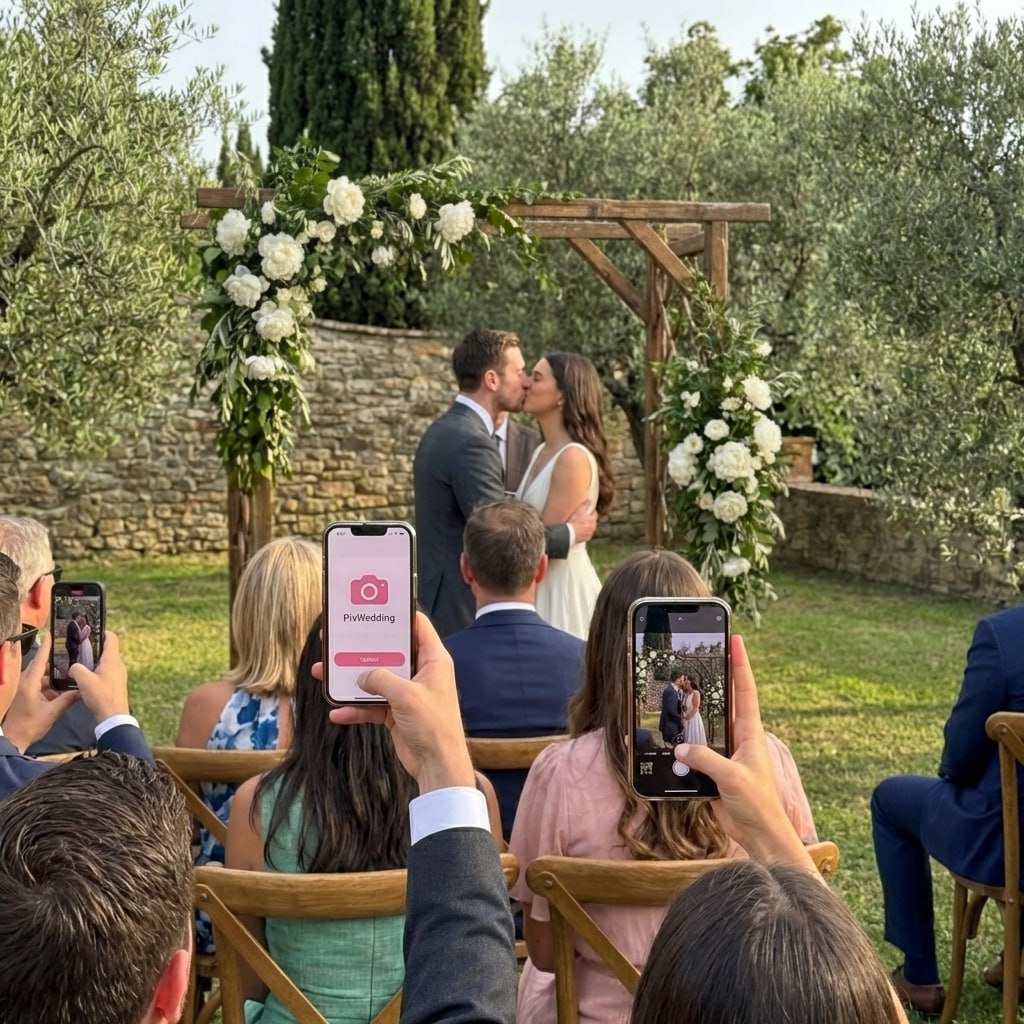
A coordinator's kit handles broken zippers and dead cables. Pix Wedding handles the hundreds of guest photos scattered across phones, so the couple gets one shared gallery instead of a group chat full of screenshots.
From Mom
Scan to join the album
No app, no account
UPLOADING
Saving your moment
THE ALBUM
Emma & Jack
June 21, 2026
647 photos · 95 guests


SCAN TO TRY
pix.wedding/
your-wedding
Which Container Actually Works
Coordinators who have run through this problem across many weddings tend to land on one of three setups. According to DPNAK Events' breakdown of emergency kit bags, standard luggage and backpacks were tried and rejected before landing on a wheeled cosmetics organizer that keeps every compartment accessible without fully unpacking it. Separately, professional event planner kit guides recommend large stackable storage tubs for teams covering bigger sites.
Wheeled Cosmetics Organizer
Pros: Every pouch is reachable without unpacking the whole bag, wheels make it easy to move between the getting-ready room and the reception, and a low profile means it tucks under a table or into a corner between tasks.
Cons: Gets heavy once it is fully stocked, so a sturdy shoulder strap or a bag built to take the weight matters more than it looks like it would.
Tackle Box or Toolbox
Pros: Rigid dividers keep small hardware like pins, glue, and batteries from sliding around, and it will not tip over on grass or gravel the way a soft bag can.
Cons: Heavier to carry across a large venue and less room for bulkier items like a steamer or a folded extension cord.
Labeled Stackable Tubs
Pros: Durable, stackable, and easy to label by category, which works well when a full team is splitting duties across a ceremony site and a separate reception venue.
Cons: Bulkier for a single day-of coordinator working solo, and better suited to a multi-person crew than one person managing everything.
Whichever container you choose for the main kit, keep a smaller on-body layer separate from it. The Jessica Dum checklist referenced above describes wearing a crossbody bag or apron stocked with the highest-use items (pins, tape, a pen, mints, a lighter) all day, since the main case is rarely within arm's reach once the ceremony starts.
When the Kit Actually Gets Used
The scenarios below are illustrative examples, not documented case studies, meant to show how each category of the kit gets used in practice.
The Broken Zipper
Illustrative example: a bridesmaid's zipper splits during the formal photos. Safety pins and fashion tape from the attire category close the gap in under a minute, and the wedding party never has to know it happened.
The Wine Spill on the Gown
Illustrative example: a glass of red wine tips onto the hem of the gown during dinner. A stain remover pen and a clean cloth from the kit get treated on the spot, buying time until the dress can be properly cleaned later.
The Dead DJ Cable
Illustrative example: a DJ's cable fails mid-reception and the music cuts out. A coordinator carrying spare cables or a backup Bluetooth speaker keeps the room moving while the DJ swaps gear.
Kit Maintenance Between Events
A kit is only as good as its last restock. After every event, do a quick inventory pass: replace any consumables used (fashion tape, safety pins, stain pens, glue sticks), recharge every battery and portable charger, and refill first-aid items that got opened. Keep a running note on your phone of anything you reached for and did not have, since that list becomes the upgrade plan for the next few weddings.
New coordinators often build the kit gradually, adding items as they encounter new situations rather than buying everything at once. Over a season of weddings, most kits settle into a stable set of categories and only need consumables replaced between events, not new purchases.
Mistakes New Coordinators Make
Adjusting the Kit for the Venue
The base kit above covers most weddings, but the venue changes what gets used most. Check the site's indoor/outdoor split and access before you finalize what stays in the car versus what comes inside.
Outdoor or garden ceremony
Bring extra sunscreen and bug spray, a heavier-duty extension cord for longer runs to a power source, and stakes or weights for anything that needs to stay put in wind. Grass and gravel also make wheeled cases harder to move, so weigh that against a backpack or toolbox for this setting.
Historic estate or indoor venue
Older buildings often have fewer accessible outlets and stricter rules about hanging decor, so command hooks, fishing line, and a longer extension cord earn their space. Confirm freight elevator or stair access ahead of time if the kit has to travel between floors.
Destination or travel wedding
Pack the kit in a carry-on rather than checked luggage whenever possible, since a delayed bag on the wedding day is not recoverable. Split critical items (sewing kit, chargers, medications) between your bag and a second team member's bag in case one gets held up.
Questions Worth Asking Before You Pack
A short walkthrough with the venue and the couple a few weeks out removes most of the day-of guesswork about what the kit actually needs to cover.
Where are the nearest power outlets to the ceremony and reception setup areas?
Is there elevator or ground-level access for a rolling case, or will it need to be carried up stairs?
Who else on-site (a second coordinator, an assistant) is carrying a duplicate on-body layer?
Does the venue allow command hooks, tape, or pins on the walls and fixtures?
Is there a designated spot to stage the main kit during the ceremony itself?
Who is the point of contact if a vendor has an equipment failure mid-event?
The One Emergency the Kit Cannot Fix
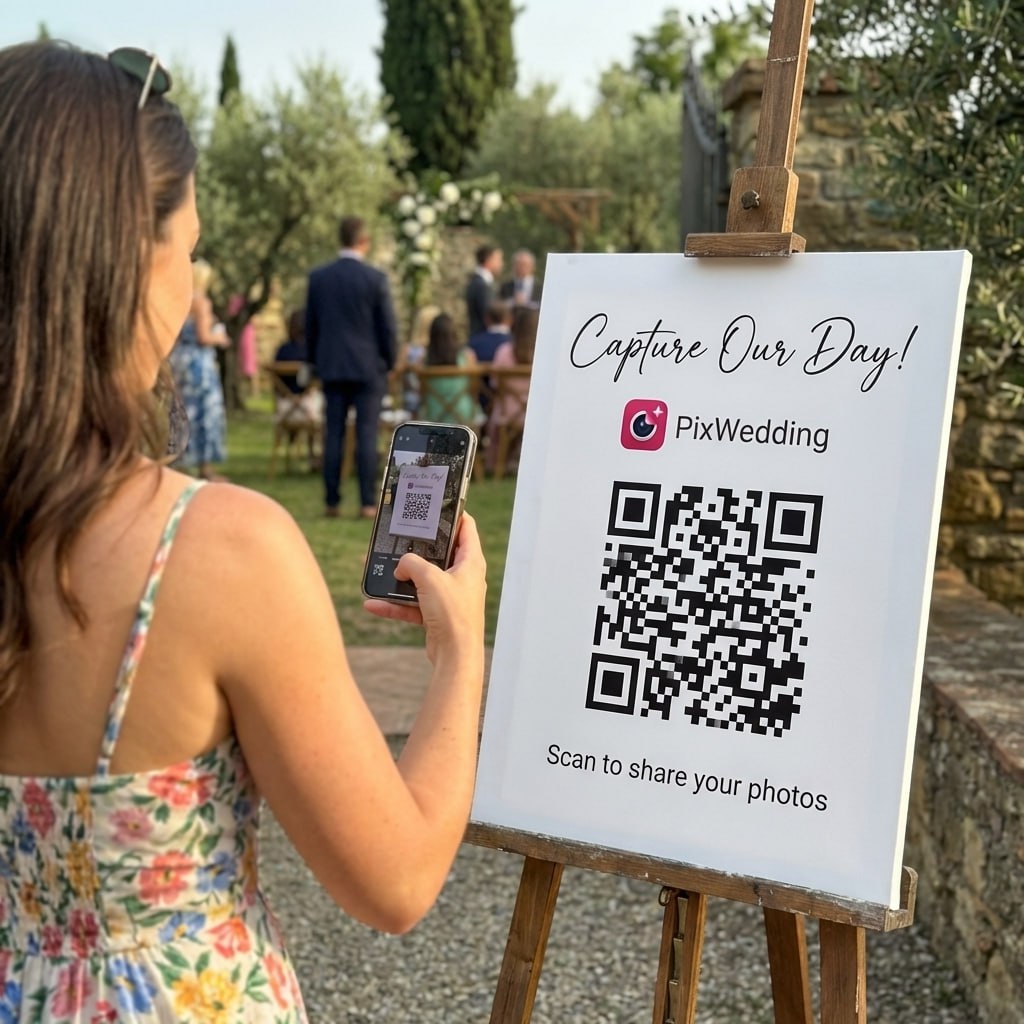
Every item above fixes something physical: a torn hem, a dead cable, a headache. None of it solves the problem of a hundred guests each capturing pieces of the day on their own phones, with no way for the couple to ever see most of them. Many coordinators now build a QR-based photo gallery into their day-of setup alongside the physical kit, printing the code on the welcome sign or table cards so guests upload throughout the reception instead of scattering shots across group chats and social media stories that vanish in a day.
Setting it up takes a few minutes before the event and gives the couple one shared album afterward instead of chasing down photos from thirty different phones. It is a small addition to a coordinator's service that couples tend to remember long after the emergency kit did its quiet work.
Building the Kit Over Your First Season
Nobody arrives at their first wedding with a complete professional kit. Most coordinators start with the categories above at a basic level and add depth after each event based on what they actually needed and did not have. A torn hem at wedding three becomes a bigger sewing kit at wedding four.
The categories rarely change once established. What changes is depth: more colors of thread, a second phone charger, a backup for the backup. By the end of a first full season, most coordinators have settled into a kit that covers the categories on this page and only needs consumables replaced between events.
- •Start with one item per category and build depth as you encounter real situations
- •Keep a running note of anything you reached for and did not have
- •Separate the on-body layer from the main case early, not after the first live emergency
- •Review and restock after every single event, not just before the next one
What the Kit Says About Professionalism
A well-stocked, organized kit is one of the more visible signals of professionalism a coordinator can offer, since it is often the only piece of the planning process a couple or their families see in physical form on the wedding day.
Vendors notice it too. A coordinator who can hand over a phone charger, a spare cable, or the printed timeline within seconds builds trust with photographers, DJs, and venue staff that carries into future referrals.
Explore more free wedding tools
Everything you need to make your wedding day stress-free and unforgettable.
Seating Chart Planner
Plan your reception seating visually.
Guest List Manager
Track RSVPs and dietary needs.
Budget Allocator
Turn your total into a category-by-category plan.
Timeline Builder
Plan your entire wedding day.
Venues by State
Explore venues across all 50 states.
Countdown Timer
Count down the days to your big day.
Wedding Checklist
Month-by-month planning checklist.
Bachelorette Party Games
15+ games with rules, supplies, and timing.
Wedding Planner Emergency Kit FAQ
Everything you need to know about our free tools and how they help your wedding day.
A professional kit is organized by category: attire and fabric fixes (safety pins, fashion tape, a travel sewing kit), first aid and comfort, tools and hardware (a multi-tool, zip ties, tape, an extension cord), tech and power backups, stationery and office supplies, and comfort items for the couple. Most coordinators also keep a smaller on-body layer with the highest-use items in a crossbody bag or apron.
A bridal kit is personal and handles one person's makeup, dress, and comfort. A coordinator's kit covers the whole event: any guest, any vendor, broken hardware, failed cables, and the paperwork (printed timeline, vendor contacts) that keeps the day on schedule.
Coordinators generally land on one of three setups: a wheeled cosmetics organizer for solo day-of work, a tackle box or toolbox for rigid organization of small hardware, or labeled stackable tubs when a full team is splitting duties across a ceremony site and a separate reception venue.
After every event. Replace consumables like tape, pins, stain pens, and glue sticks, recharge every battery and portable charger, and refill any first-aid items that were opened. Keep a running note of anything you needed but did not have, and use it to guide the next restock.
Most coordinators fold the kit into their standard day-of service rather than itemizing it separately. It functions as a visible signal of preparedness for couples, families, and vendors rather than a line-item add-on.
Yes. Many coordinators now add a QR-based photo gallery to their day-of setup, printing the code on the welcome sign or table cards so guests upload photos throughout the event into one shared album instead of scattering them across group chats and disappearing social media stories.