
Groom Survival Kit
An itemized checklist by category, what it costs to put together, and the mistakes grooms make most often. Practical, not precious.
In one sentence
A groom survival kit is a small bag of attire fixes, grooming basics, vendor cash and logistics items, and comfort supplies, usually carried by the best man so the groom is not managing any of it himself.
What Goes in a Groom Survival Kit
A groom survival kit is a small bag of practical items, split across four categories: attire fixes (cufflinks, collar stays, a stain pen), grooming (cologne, mints, a lint roller), logistics and vendor cash (the rings, tip envelopes, the marriage license), and comfort (pain reliever, antacids, a snack). The kit is usually carried by the best man, not the groom himself, so the groom is not digging through pockets on his own wedding day.
The list looks similar to a bridal emergency kit on the surface, but the specifics differ. Grooms rarely need bobby pins or fashion tape. They do need collar stays, boutonniere pins, and someone responsible for the marriage license and vendor tips, items a bridal kit does not usually carry.
Why the Groom Needs His Own Kit
Most wedding emergency kit guides default to the bride's needs: hairspray, fashion tape, a full makeup touch-up kit. The groom's problems are different. A suit wrinkles in transport, a rental shirt ships without collar stays, and shoes that were never broken in start to hurt by the reception. A groom-specific kit solves the problems he actually has instead of a relabeled version of hers.
The other difference is who carries it. A bride's kit typically stays in the getting-ready suite. A groom's kit needs to move with him, which is why the best man's backup role (covered further down) matters as much as the packing list itself.
Quick Answers Before You Pack
Does the groom need his own kit if there is already a wedding emergency kit?
Yes. A general wedding emergency kit usually stays with the bridal party or the wedding planner and is built around the bride's needs. The groom's kit needs to travel with him and the best man, so a separate, smaller bag is more reliable than hoping the general kit is nearby when he needs it.
Does the best man need to know what is inside the kit?
Yes. Walk through the bag with him at least once before the wedding day so he is not opening it for the first time mid-reception, searching for a stain pen while a guest waits.
Should the groom pack the kit himself?
He can assemble it, but the best man or another groomsman should carry and manage it on the day. The groom has enough to focus on without also being the point person for logistics.
The Itemized Checklist, by Category
Pack these into one small bag, ideally the best man's, rather than splitting them across multiple jacket pockets. Quantities are a starting point, adjust for your wedding size and how many people are in the bridal party.
Attire Fixes
Grooming
Logistics and Vendor Cash
Comfort and Health

First dance
You guys!!
Pack the kit. Let guests handle the photos.
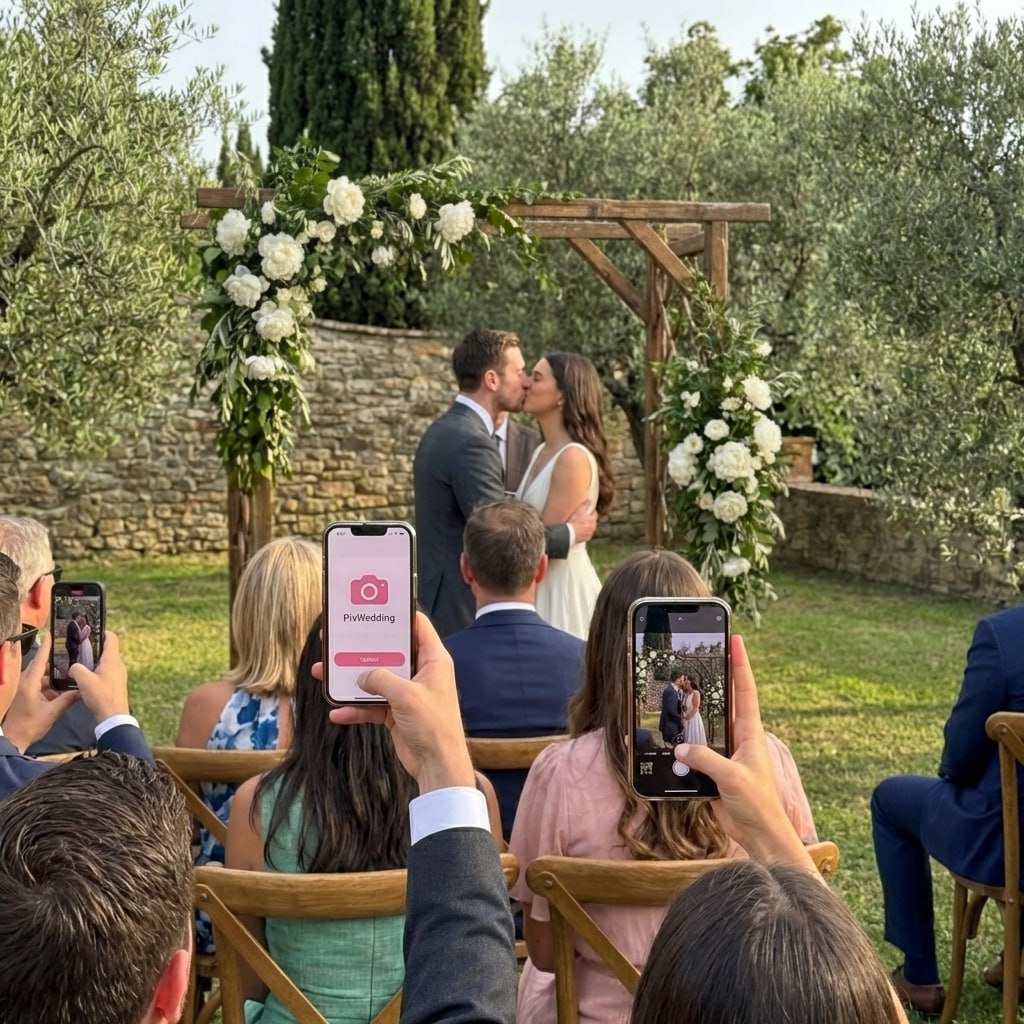
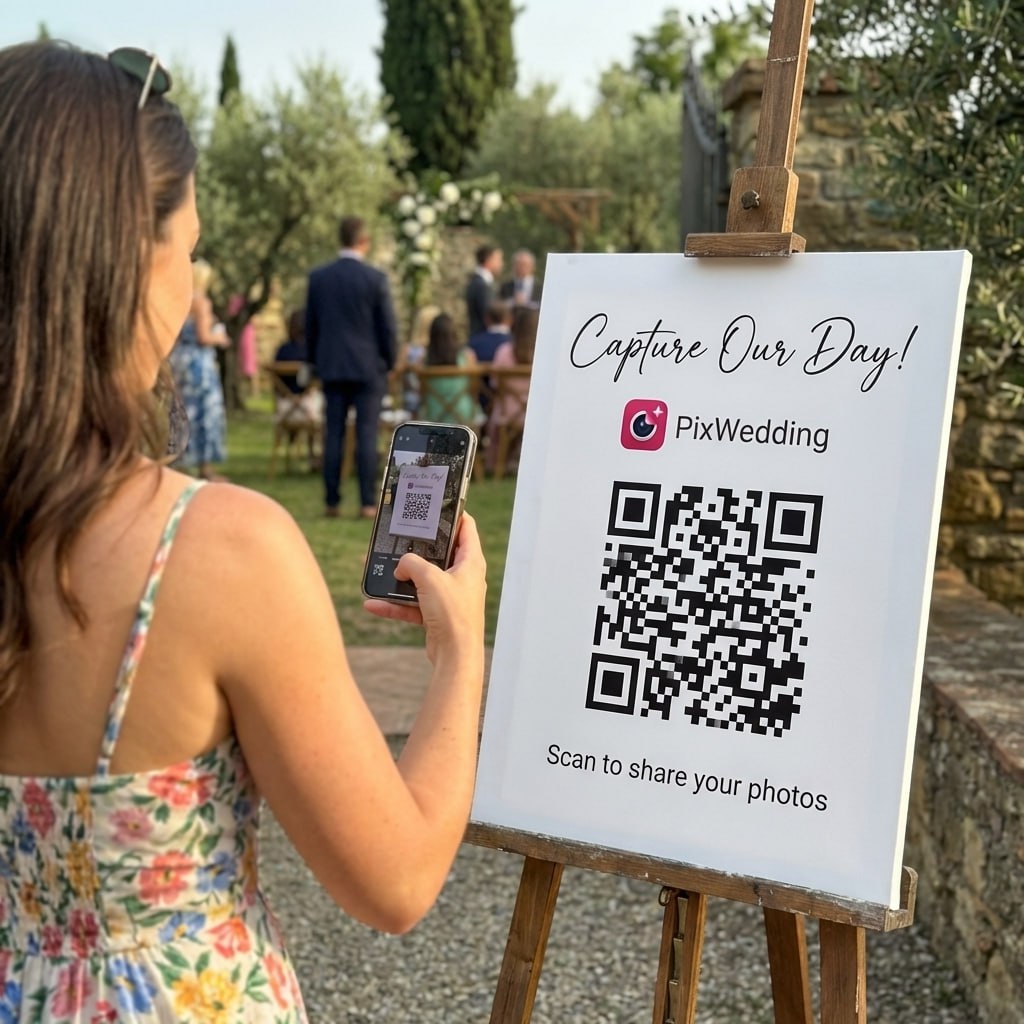
You have enough to think about between the rings, the tip envelopes, and the marriage license. Pix Wedding collects every guest photo into one shared album via QR code, so that part runs itself.
From Mom
Scan to join the album
No app, no account
UPLOADING
Saving your moment
THE ALBUM
Emma & Jack
June 21, 2026
647 photos · 95 guests

SCAN TO TRY
pix.wedding/
your-wedding
Vendor Cash: What the Envelopes Actually Need
Tipping is optional and discretionary, but many couples budget for it. According to The Knot's wedding vendor tipping guide, typical ranges include $50 to $200 per photography team member (or 5 to 15% of the contract), $50 to $150 for a wedding coordinator, 15 to 20% of the food and drink bill for catering and waitstaff, $15 to $50 per band or ceremony musician, and $50 to $100 for an officiant on top of any donation to the religious institution. Prepare labeled envelopes ahead of time and assign one person, usually the best man or a parent, to distribute them on the day.
The one-sentence version
Label an envelope per vendor with their name, role, and the amount inside, seal it, and hand the whole stack to a single trusted person the morning of, not the groom.
What It Costs to Put the Kit Together
Most of what fills a groom survival kit is either something already sitting in a bathroom cabinet or a low-cost drugstore item. The cost depends less on the kit itself and more on how many items you already own versus need to buy new.
Mostly items you already own
Deodorant, pain reliever, a phone charger, and safety pins are things most households already have. The only new purchase is usually the bag itself.
A drugstore restock
Buying the grooming and comfort items fresh for the day (mints, blotting sheets, a stain pen, bandages) is a single inexpensive trip to a drugstore or big-box store.
A gifted, pre-packed bag
If the bride or a groomsman puts together the kit as a gift, the added cost over a plain drugstore run is mostly the bag, ribbon, and any personalized touches, not the contents.
Mistakes Grooms Make Most Often
Groom Kit vs. Bridal Kit
What overlaps
- Pain reliever and antacids for nerves and stress
- Breath mints and a stain pen
- A phone charger and backup vows
- Tissues for happy tears (his own, and hers if she runs out)
What is different
- Groom kit leans on collar stays, cufflinks, and boutonniere pins; a bridal kit leans on bobby pins and fashion tape for hair and dress fixes
- Groom kit is often carried by the best man rather than the groom himself
- The bridal kit typically stays in the getting-ready suite; the groom kit needs to travel with him from the getting-ready location to the ceremony to the reception
- Vendor tip envelopes and the marriage license are more often assigned to the groom's side in traditional planning splits, though this varies by couple
Best Man's Backup Duties
The best man should carry the bulk of the kit so the groom is not managing logistics on his own wedding day. Share this list with him at least a week ahead.
The Rings
The single most important item. Check the pocket three times before the ceremony.
Vendor Tip Envelopes
Cash, labeled by name and role, ready to hand out the day of.
Marriage License
Keep it with the rings so one person is responsible for both.
Timeline and Contacts
A printed copy of the day-of schedule and vendor phone numbers.
The Kit Itself
Carrying the full survival kit so the groom does not have to think about it.
Tissues
For the groom, when he first sees his partner walking down the aisle.
Packing Timeline: When Each Item Actually Gets Used
Pack in the order items get used, not by category, so the best man is not digging through the whole bag during a five-minute gap between photos.
Cologne, deodorant, hair product, and the marriage license (hand it off to the best man early so nobody is searching for it right before the ceremony).
The rings (confirm with the best man, do not just assume), breath mints, and a boutonniere pin check.
Lint roller and stain pen. This is peak hugging time and the highest-risk window for a spilled drink.
Oil blotting sheets and a mint refresh before speeches and formal photos under bright lighting.
Backup shoes or insoles, a snack, and pain reliever. Feet and energy both run low by this point in the night.
Adjusting the Kit for Season and Venue
The categories above cover most weddings. Add a few extras depending on the time of year and where the ceremony and reception are held.
Summer or outdoor ceremony
Add sunscreen, extra deodorant, and a few more oil blotting sheets than usual. Outdoor venues also tend to have fewer outlets, so bring the phone charger fully charged rather than relying on finding a plug.
Winter or evening ceremony
A slim undershirt layer becomes more useful than optional. If any part of the reception moves outdoors, such as a sparkler exit, hand warmers are worth the extra space in the bag.
Destination wedding
Pack the kit in a carry-on, not checked luggage. Split critical items like the rings and marriage license paperwork so a delayed bag does not become a delayed ceremony.
Gift Kit Idea: From Bride to Groom
Many brides put together a personalized survival kit as a morning-of gift. Pack these items in a dopp kit or leather bag he can keep using long after the wedding.
Why the Groom's Kit Follows His Timeline, Not Hers
A groom's kit is not a smaller version of a bridal emergency kit with different labels. It is built around a different set of problems: a suit that wrinkles in transport, a rented shirt with no collar stays, shoes that were never broken in, and the logistics of cash tips and a marriage license that someone has to be responsible for.
The other structural difference is who carries it. A bride's kit typically stays with her in the getting-ready suite for most of the day. A groom's kit travels with him, and in practice that usually means the best man is the one holding the bag, not the groom.
- •Pack the kit at least a week before the wedding, not the morning of
- •Hand the bulk of it to the best man so the groom's own pockets stay slim for photos
- •Keep the marriage license with the rings so one person owns both
- •Prepare vendor tip envelopes early rather than counting cash the morning of the wedding
The Most Commonly Forgotten Items
Collar stays and vendor tip envelopes top the list. Rental suits often do not include collar stays, and tipping is a task that falls through the cracks because it does not feel like part of a "survival kit." The marriage license has the same problem: it is paperwork, not an emergency item, so it gets left behind unless someone is explicitly assigned to it.
The fix for all three is the same: assign a specific person, by name, to each logistics item at least a week before the wedding, rather than assuming it will get handled.
Explore more free wedding tools
Everything you need to make your wedding day stress-free and unforgettable.
Seating Chart Planner
Plan your reception seating visually.
Guest List Manager
Track RSVPs and dietary needs.
Budget Allocator
Turn your total into a category-by-category plan.
Timeline Builder
Plan your entire wedding day.
Venues by State
Explore venues across all 50 states.
Countdown Timer
Count down the days to your big day.
Wedding Checklist
Month-by-month planning checklist.
Bachelorette Party Games
15+ games with rules, supplies, and timing.
Groom Survival Kit FAQ
Everything you need to know about our free tools and how they help your wedding day.
A complete groom survival kit covers four categories: attire fixes (backup cufflinks, collar stays, boutonniere pins, a stain pen), grooming (cologne, breath mints, deodorant, a lint roller), logistics and vendor cash (the rings, tip envelopes, the marriage license, a printed timeline), and comfort (pain reliever, antacids, bandages, a snack).
The best man should carry the bulk of it. The groom should not be managing logistics on his own wedding day. Pack the kit at least a week early and hand it off, keeping only slim items like mints in his own jacket pocket for photos.
According to The Knot's tipping guide, typical ranges are $50 to $200 per photography team member (or 5 to 15% of the contract), $50 to $150 for a coordinator, 15 to 20% of the food and drink bill for catering staff, and $15 to $50 per musician. Prepare labeled envelopes ahead of time and assign one trusted person to distribute them.
Collar stays and vendor tip envelopes. Rental suits often ship without collar stays, and tipping tasks get skipped because they do not feel like part of an emergency kit. The marriage license is a close third, since it is paperwork rather than a typical kit item.
Yes, and it is a common gift. Pack the practical items in a dopp kit or leather bag he can keep using, and add a handwritten note, a photo of the two of you, or another personal touch alongside the essentials.
The groom's kit focuses on collar stays, cufflinks, and boutonniere pins instead of bobby pins and fashion tape, and it is usually carried by the best man rather than staying in a getting-ready suite. Logistics items like vendor tips and the marriage license are also more commonly assigned to the groom's side.