
Wedding Planner Cost 2026: Full vs Partial vs Day-Of Pricing
Wedding planner costs range from $500 for day-of coordination to $10,000 or more for full-service planning. Here is exactly what you get at every price point and how to choose the right level for your wedding.
Quick Answer: How Much Does a Wedding Planner Cost?
A wedding planner costs $500 to $10,000+ in 2026 depending on service level. Day-of coordinators: $500 to $1,500. Month-of coordinators: $800 to $2,500. Partial planners: $1,500 to $5,000. Full-service planners: $3,000 to $10,000+. NYC and LA planners charge 50 to 100 percent more than Midwest markets.
Do You Actually Need a Wedding Planner?
The short answer: it depends on your budget, timeline, complexity, and how much you enjoy (or dread) project management. A wedding is a 6 to 12-month project involving 10 to 15 vendors, a budget of tens of thousands of dollars, and hundreds of moving parts that all need to come together on a single day. That level of coordination is a professional skill.
That said, millions of couples plan beautiful weddings without a planner every year. The rise of wedding planning tools, online resources, and platforms like Pix Wedding has made it easier than ever to handle logistics yourself. Free tools for wedding checklists, budget tracking, seating charts, and timeline building replace some of what a planner does.
The one thing a planner provides that no tool can replicate is on-the-ground problem solving and vendor relationships. They know which florists deliver on time, which DJs read a room well, and how to handle a family meltdown 30 minutes before the ceremony. That expertise has real value, and the question is whether it fits your budget and needs.
Wedding Planner Pricing Tiers Explained
Four levels, from hands-off luxury to day-of support
Full-Service Wedding Planner
Typical timeline: Hired 10 to 14 months before the wedding
A full-service planner handles everything from the initial vision and budget creation to vendor sourcing, contract negotiation, design, logistics, and day-of execution. They are your single point of contact throughout the entire planning process. This is the most expensive tier but also the most comprehensive, essentially handing the project management of your wedding to a professional.
What is typically included:
Best for: Couples with large budgets, complex weddings (200+ guests, destination, multi-day events), busy professionals who cannot dedicate significant time to planning, or anyone who wants a hands-off experience.
Partial Wedding Planner
Typical timeline: Hired 6 to 10 months before the wedding
A partial planner steps in after you have made some initial decisions (like booking the venue) and helps with the remaining planning, vendor coordination, and design details. This is the most popular tier because it balances professional guidance with hands-on involvement. You handle the early research and the planner takes over the complex logistics.
What is typically included:
Best for: Couples who enjoy some aspects of planning but want professional help with vendor coordination, design decisions, and day-of execution. This is the sweet spot for most couples with budgets of $25,000 to $60,000.
Month-of Coordinator
Typical timeline: Hired 2 to 4 months before the wedding (active in the final 4 to 6 weeks)
Despite the name, a month-of coordinator typically starts 6 to 8 weeks before the wedding. They take over all the logistics you have already planned, confirm every vendor detail, create the master timeline, manage the rehearsal, and run the wedding day. They do not help you plan, but they make sure your plans are executed flawlessly.
What is typically included:
Best for: Couples who enjoy planning and have handled most of the process themselves but want a professional running the show on the actual wedding day. This is the minimum level of professional help that most wedding planners recommend.
Day-of Coordinator
Typical timeline: Hired 1 to 3 months before the wedding (active on the wedding day only)
A day-of coordinator manages the logistics on the wedding day itself. They arrive early to oversee vendor setup, manage the timeline, handle any problems, and ensure everything runs smoothly so the couple and their families can focus on enjoying the celebration. Their involvement before the wedding is minimal, usually just one planning meeting and a timeline review.
What is typically included:
Best for: Budget-conscious couples who have planned everything themselves and just need someone to manage the logistics on the day so they can relax and enjoy their wedding. Also good for couples whose venue does not include a coordinator.
How Wedding Planners Structure Their Fees
Flat Fee
Used by approximately 70% of plannersThe most common pricing structure. The planner quotes a fixed price for a defined scope of services. You know exactly what you are paying upfront, which makes budgeting straightforward. The flat fee is typically paid in 2 to 4 installments: a deposit at signing, a midway payment, and the balance 2 to 4 weeks before the wedding.
Percentage of Budget
Used by approximately 15% of planners, mostly luxury tierSome full-service planners charge 10 to 20 percent of the total wedding budget. For a $50,000 wedding, that means $5,000 to $10,000 for planning services. This model aligns the planner incentive with a larger wedding, which can be a concern if you are trying to cut costs. It works best when you have a firm budget ceiling and the planner respects it.
Hourly Rate
Used by approximately 10% of planners, often for consulting-only servicesSome planners offer hourly consulting at $50 to $200 per hour. This is useful if you just need help with specific tasks like vendor negotiation, timeline creation, or design advice. You pay only for the hours you use, but costs can add up quickly if the scope expands. Get an estimate of total hours before committing.
Custom Packages
Used by approximately 5% of planners, growing in popularityMany planners offer a menu of services that you can mix and match. You might want full vendor coordination but no design help, or you might want month-of management plus ceremony planning. Custom packages give you the most flexibility but require clear communication about expectations and deliverables.
Wedding Planner Costs by Region
Location is the biggest factor in planner pricing
DIY Planning vs. Hiring a Planner
DIY Wedding Planning
Planning your own wedding saves $1,500 to $10,000+ in planner fees. With the right tools and organization, most couples can handle it successfully. The trade-off is time: expect to spend 150 to 300 hours over 8 to 12 months on planning tasks. That breaks down to roughly 5 to 8 hours per week of active planning.
Advantages of DIY planning:
Challenges of DIY planning:
Hiring a Wedding Planner
A planner brings professional project management, vendor relationships, design expertise, and crisis management. They can also save you money through vendor negotiations and by preventing costly mistakes. Many planners claim they save couples 10 to 20 percent of the total budget through their vendor relationships, which can offset a significant portion of their fee.
Advantages of hiring a planner:
Challenges of hiring a planner:
The middle ground that most budget-conscious couples choose is handling planning themselves using free online tools and then hiring a day-of or month-of coordinator to manage the actual event. This gives you the cost savings of DIY planning with the peace of mind of professional execution on the day that matters most.
8 Questions to Ask Before Hiring a Wedding Planner
Vet your planner like you would any major hire
How many weddings do you manage per year?
Experienced planners handle 15 to 30 weddings annually. Fewer than 10 may indicate part-time work. More than 40 may mean they spread themselves too thin.
What is your planning and communication style?
Some planners are highly structured with weekly updates and shared documents. Others are more casual with check-ins as needed. Make sure their style matches your expectations.
Can I see 3 to 5 complete wedding galleries you have coordinated?
Photos reveal the quality of events they manage. Look for smooth setups, well-organized decor, and happy couples, not just pretty centerpieces.
What is included in your fee and what costs extra?
Some planners charge separately for rehearsal coordination, overtime, travel, or assistant coordinators. Get a detailed list of what is and is not included before signing.
How do you handle emergencies on the wedding day?
Ask for specific examples of problems they have solved. A seasoned planner has dealt with vendor no-shows, weather changes, family conflicts, and equipment failures.
Do you have preferred vendor lists and do you receive referral fees?
Many planners have vendor partnerships, which is fine, but they should be transparent about it. A good planner recommends vendors based on fit, not just kickbacks.
What is your cancellation and refund policy?
Life happens. Understand the terms before signing. Most planners require a non-refundable deposit of 25 to 50 percent with the balance due before the wedding.
Will you personally be at my wedding or will you send an associate?
Larger planning firms sometimes assign associates to weddings. Make sure you meet and approve anyone who will be managing your day.
When to Hire Each Type of Wedding Planner
Hire a full-service planner if:
Hire a partial planner if:
Hire a month-of or day-of coordinator if:
Related Wedding Cost Guides

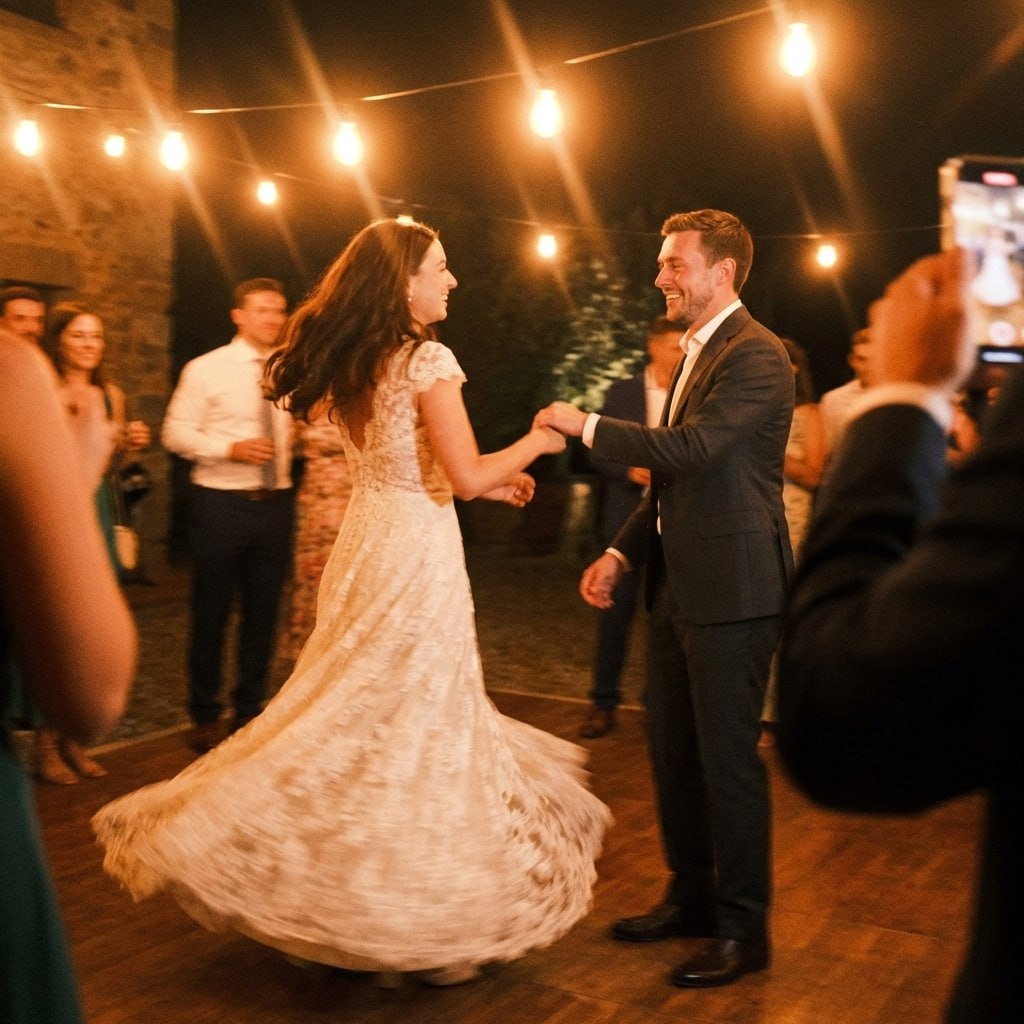
First dance
You guys!!
Planner fees budgeted. Photos are free.
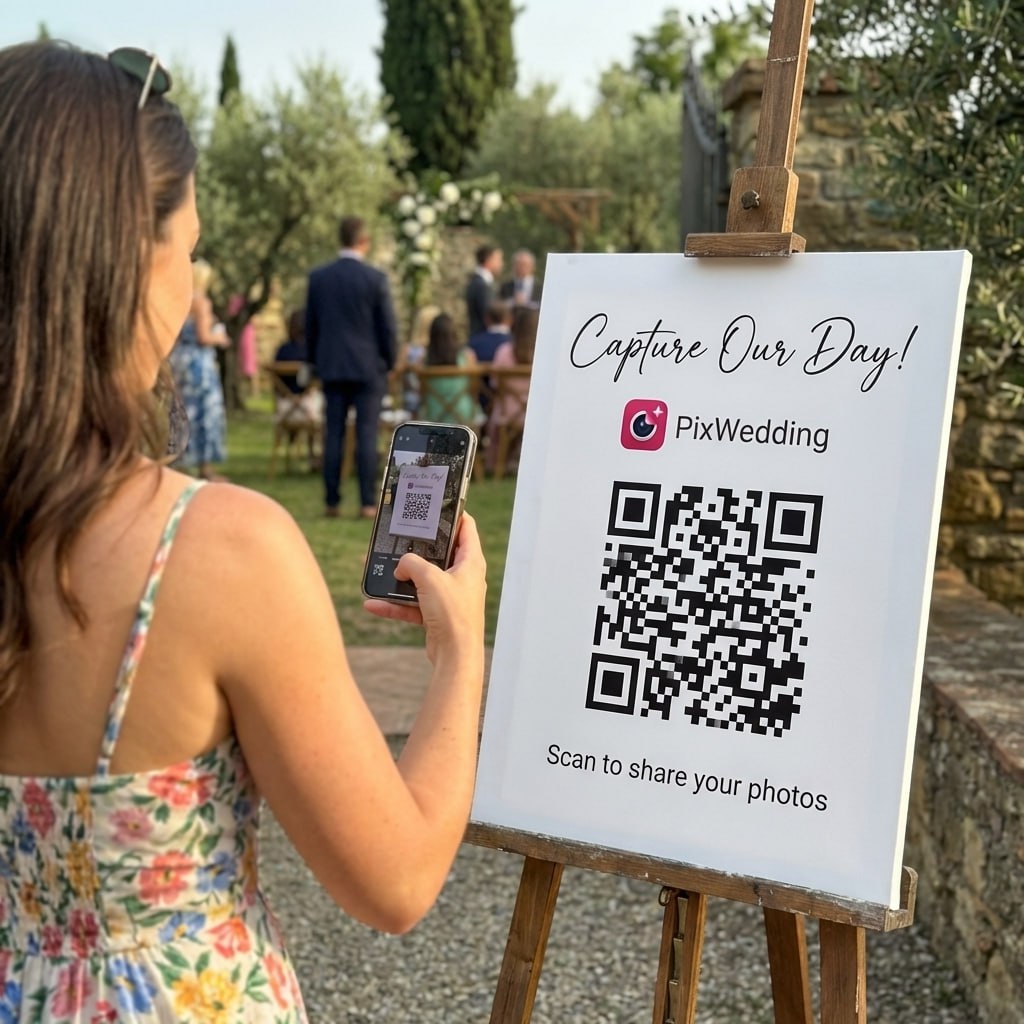
Whatever you spend on a planner, Pix Wedding is the free tool they won't mention. One QR code and every guest photo lands in your shared album with no extra cost.

From Mom
Scan to join the album
No app, no account
UPLOADING
Saving your moment
THE ALBUM
Emma & Jack
June 21, 2026
647 photos · 95 guests






SCAN TO TRY
pix.wedding/
your-wedding
Is a Wedding Planner Worth the Cost?
For weddings with budgets above $40,000, a full-service or partial planner almost always pays for itself through vendor negotiations, mistake prevention, and time savings. Planners with established vendor relationships can often secure 10 to 20 percent discounts that DIY couples cannot access, effectively offsetting their fee.
For weddings under $25,000, the math is tighter. A $3,000+ planner fee represents 12 to 15 percent of your total budget, which is a significant allocation. In this range, a day-of or month-of coordinator ($500 to $2,500) combined with free planning tools delivers the best value. Use tools like the Pix Wedding Wedding Checklist and Budget Allocator to handle the planning phases yourself, then let a coordinator manage the actual day.
The non-financial value is harder to quantify but equally important. Couples who hire planners consistently report lower stress levels, better enjoyment of the wedding day, and fewer family conflicts during the planning process. If reducing stress is a high priority and the budget allows it, a planner is one of the best investments you can make.
- •Full-service planners are worth it for weddings above $40,000 or complex multi-day events
- •Partial planners offer the best balance for $25,000 to $50,000 budgets
- •Day-of coordinators are the minimum professional help most experts recommend
- •Free planning tools can replace some planner functions for budget-conscious couples
- •Vendor negotiation savings often offset a significant portion of planner fees
Red Flags When Hiring a Wedding Planner
Not all wedding planners deliver the same quality. Watch for these warning signs during your search: no written contract or vague scope of services, inability to provide references or full wedding galleries, pushing vendors exclusively from their preferred list without considering your preferences, poor communication response times during the inquiry phase, and significantly lower pricing than market rate (which may indicate inexperience or an unsustainable business model).
Always check online reviews on Google, The Knot, and WeddingWire. Ask for 2 to 3 recent client references and actually call them. A great planner will happily connect you with past couples who can speak to their experience.
Explore more free wedding tools
Everything you need to make your wedding day stress-free and unforgettable.
Seating Chart Planner
Plan your reception seating visually.
Guest List Manager
Track RSVPs and dietary needs.
Budget Allocator
Turn your total into a category-by-category plan.
Timeline Builder
Plan your entire wedding day.
Venues by State
Explore venues across all 50 states.
Countdown Timer
Count down the days to your big day.
Bachelorette Party Games
15+ games with rules, supplies, and timing.
Alternative to Wedding Guest Book
15 creative alternatives guests actually enjoy.
Frequently Asked Questions
Everything you need to know about our free tools and how they help your wedding day.
A wedding planner costs $500 to $10,000+ in 2026 depending on service level. Day-of coordinators: $500 to $1,500. Month-of coordinators: $800 to $2,500. Partial planners: $1,500 to $5,000. Full-service planners: $3,000 to $10,000+. Prices are 50 to 100 percent higher in coastal cities like New York and Los Angeles compared to the Midwest.
The average wedding planner cost in 2026 depends on the service tier. For a partial planner (the most popular option), the average is $2,500 to $3,500. Full-service planners average $5,000 to $7,000 nationally but reach $10,000 to $15,000 in major metros. Day-of coordinators average $800 to $1,200. The national average across all tiers is approximately $2,000 to $3,000.
A wedding planner manages the full planning process from budget creation and vendor selection to design and day-of execution. A wedding coordinator (day-of or month-of) takes over after you have planned everything yourself and manages logistics, timeline, and vendors in the final weeks and on the wedding day. Planners cost significantly more but provide end-to-end service from the engagement through the wedding night.
Yes. A day-of coordinator ($500 to $1,500) is the minimum level of professional help most wedding experts recommend. They manage vendor arrivals, keep the timeline on track, handle emergencies, and allow the couple and family to fully enjoy the day. Without a coordinator, couples often assign this role to a family member or friend, which creates stress and limits their ability to be present at their own celebration.
Yes. Experienced planners typically save couples 10 to 20 percent on vendor costs through established vendor relationships and negotiation expertise. On a $40,000 wedding, that is $4,000 to $8,000 in potential savings, which can offset a significant portion of the planner fee. They also prevent costly mistakes and help couples avoid over-paying for services they do not need.
Hire a full-service planner 10 to 14 months before the wedding. Hire a partial planner 6 to 10 months before. Hire a month-of coordinator 2 to 4 months before (they begin active work 6 to 8 weeks out). Hire a day-of coordinator 1 to 3 months before for a planning meeting and timeline review. The earlier you hire, the more planning support you receive.