
How Much Does a Wedding DJ Cost? ($800-$3,000 in 2026)
The average wedding DJ costs $1,000 to $2,500 for 4 to 6 hours of ceremony and reception coverage. Here is a complete breakdown of what you should expect to pay, what is included, and how to find the right DJ for your wedding.
Quick Answer: How Much Does a Wedding DJ Cost?
A wedding DJ costs $1,000 to $2,500 on average for 4 to 6 hours in 2026. Ceremony-only packages start at $300 to $600. Full-day premium packages run $2,500 to $4,000+. Regional variation is significant: NYC DJs charge $1,800 to $4,000+ while Midwest DJs average $800 to $1,800.
What Determines Wedding DJ Pricing?
Wedding DJ pricing depends on five main factors: experience level, hours of coverage, equipment quality, geographic location, and the specific services included. A DJ with 10+ years of wedding experience and premium sound equipment will charge significantly more than someone with 2 years of experience using entry-level gear. Both can deliver a great reception, but the experienced DJ brings deeper music knowledge, better crowd-reading skills, and more polished MC abilities.
Most wedding DJs charge a flat fee for a defined package rather than an hourly rate. The package typically includes a set number of hours (4 to 6 is standard), specified equipment, and outlined services. Overtime fees of $150 to $300 per hour apply if your reception runs past the contracted time. Always confirm the overtime rate before signing.
Entertainment typically accounts for 3 to 5 percent of the total wedding budget. For a $35,000 wedding, that is $1,050 to $1,750, which aligns well with the national average DJ cost. If you are tracking your overall wedding budget, the Pix Wedding Budget Allocator can help you determine how much to allocate to each category.
Wedding DJ Packages and Pricing
What you get at each price point
Ceremony Only
1 to 2 hoursCovers processional music, ceremony background music, and recessional. The DJ provides a sound system for the officiant, musicians, or readings, plus speakers for music playback. This is a simple setup but essential if your ceremony is outdoors or in a space without built-in audio.
Typically included:
Usually not included:
Ceremony + Reception
5 to 6 hoursThe most popular package. Covers ceremony audio, cocktail hour music, dinner background music, introductions, toasts, all special dances, and open dancing. The DJ serves as both the sound engineer and master of ceremonies, keeping the energy flowing from the first guest arrival to the last dance.
Typically included:
Usually not included:
Full Day Premium
8 to 12 hoursCovers the entire wedding day from getting-ready music through the last song at the reception. Premium packages often include uplighting, intelligent lighting, a photomontage or slideshow display, wireless speakers in multiple areas, and extended hours without overtime fees. Some include a second DJ or sound technician for complex setups.
Typically included:
Usually not included:
Common DJ Add-Ons and Their Costs
Uplighting (12 to 20 LED lights)
$300 to $800Colored LED lights placed around the room perimeter that wash the walls in your wedding colors. Completely transforms the atmosphere of any reception space. One of the most popular add-ons.
Intelligent / moving head lights
$200 to $500Motorized lights that project patterns and colors on the dance floor. Creates a club-like atmosphere during open dancing. Great for high-energy receptions.
Monogram or gobo projection
$150 to $400A custom light that projects your names, initials, or monogram onto the wall or dance floor. A nice personalized touch that photographs beautifully.
Photo montage or slideshow
$100 to $300The DJ displays a slideshow of couple photos during dinner or cocktail hour. You provide the photos and the DJ handles the display on a TV or projector.
Ceremony sound system (separate location)
$200 to $500If your ceremony is in a different location from the reception, a separate sound system setup is required and usually costs extra.
Wireless speakers for cocktail area
$100 to $250If cocktail hour is in a separate space from the main reception, wireless speakers pipe music to that area. Essential for split-space venues.
Cold spark machines
$300 to $600Produce a fountain of sparks (non-flammable) during the first dance or grand entrance. A dramatic visual effect. Check venue approval before booking.
Fog or haze machine
$100 to $250Creates atmospheric haze that makes lighting effects more visible. Some venues prohibit fog machines due to fire alarm concerns, so confirm with your venue first.
DJ vs. Live Band: Cost and Experience Comparison
The entertainment decision that defines your reception
The choice between a DJ and a live band is one of the biggest entertainment decisions you will make. A DJ costs $1,000 to $2,500 on average, while a live band starts at $3,000 and can reach $10,000 or more for a premium 6 to 10 piece group. The price difference is significant, but so is the experience each provides. Here is a detailed comparison:
The verdict: For most couples, a skilled wedding DJ delivers the best combination of versatility, reliability, and value. A live band is worth the premium if live music is a core part of your vision and your budget allows for it. Some couples book a DJ for the full event and add a live musician (like a saxophonist or vocalist) for cocktail hour or the first dance, blending both experiences at a lower total cost than a full band.
Wedding DJ Costs by Region
Location affects pricing as much as experience level
New York City
$1,800 to $4,000+Highest DJ costs in the country. Premium DJs with name recognition charge $3,000 to $5,000+.
Los Angeles
$1,500 to $3,500Large market with wide range. Celebrity DJs available at luxury pricing.
Chicago
$1,200 to $2,800Strong DJ market with competitive pricing for the quality available.
Dallas / Houston
$1,000 to $2,200Good value with experienced DJs available at mid-range pricing.
Southeast (Atlanta, Nashville, Charlotte)
$900 to $2,000Growing market with excellent options at reasonable prices.
Midwest (Minneapolis, Columbus, Indianapolis)
$800 to $1,800Some of the best value in the country for quality wedding DJs.
Rural and small markets
$500 to $1,200Fewer options but significantly lower pricing. Travel fees may apply if the DJ drives 60+ miles.
These prices are for ceremony plus reception DJ packages (5 to 6 hours). Prices for Saturday weddings in peak season (May through October). Weekday and off-season weddings may be 10 to 20 percent less. For a full wedding cost breakdown by city, check our Wedding Cost Calculator.
10 Questions to Ask Before Booking a Wedding DJ
The right questions prevent the wrong hire
Will you personally DJ my wedding, or will you send someone else?
Many DJ companies book with a salesperson and then assign a different DJ to your event. If you connected with a specific DJ during the consultation, make sure their name is in the contract.
Can I see you perform at a live event before booking?
The best way to evaluate a DJ is to see them work a real event. Ask if they have any upcoming public events or showcase nights. At minimum, watch full-length performance videos, not just highlight reels.
What equipment do you bring and do you have backup gear?
Professional DJs should bring backup laptops, controllers, and microphones. Ask about speaker quality and quantity for your venue size. Equipment failure during a wedding is the worst-case scenario.
How do you handle song requests from guests?
Some DJs take all requests, some take none, and some use their judgment based on the vibe. Discuss your preference and share a do-not-play list for songs you absolutely want to avoid.
What is your setup and teardown process?
Confirm when the DJ needs venue access for setup. Most need 60 to 90 minutes before guests arrive. Teardown is typically 30 to 45 minutes after the last song. Make sure these times are compatible with your venue rental hours.
Do you provide lighting and what does it cost?
Basic dance floor lighting is often included. Uplighting (colored lights around the room) typically costs $300 to $800 extra for 12 to 20 lights. Intelligent moving lights and effects cost more. Lighting transforms a reception space, so this is worth considering.
What is your overtime rate?
Most DJ contracts specify a set number of hours. Overtime rates of $150 to $300 per hour apply if your reception runs long. Know this rate upfront so there are no surprises if you decide to keep the party going.
How do you handle the timeline and transitions?
A great wedding DJ manages the flow of the entire reception, from cocktail hour volume to dinner ambiance to high-energy dancing. Ask how they transition between phases and how they communicate with your other vendors (photographer, caterer, coordinator).
Do you carry liability insurance?
Most venues require vendors to carry liability insurance. A professional DJ should have at least $1 million in general liability coverage. Ask for a certificate of insurance if your venue requires one.
What is your cancellation and refund policy?
Understand the terms before signing. Most DJs require a 25 to 50 percent non-refundable deposit with the balance due 2 to 4 weeks before the wedding. Clarify what happens if the DJ needs to cancel.
8 Red Flags When Hiring a Wedding DJ
Warning signs that should make you keep looking
No written contract
Every professional DJ should provide a detailed contract specifying the date, hours, equipment, services, payment terms, and cancellation policy. No contract means no accountability.
Significantly below market pricing
A DJ quoting $400 for a full reception in a market where the average is $1,500 is likely inexperienced, using subpar equipment, or running an unsustainable business. Quality DJ equipment alone costs thousands to maintain.
No references or reviews available
Any DJ with more than a year of wedding experience should have reviews on Google, The Knot, or WeddingWire, plus past clients willing to serve as references. Zero reviews is a major red flag.
Cannot provide a demo video of a real wedding
Highlight reels are fine for a first impression, but you should also see unedited footage of how the DJ manages a real reception. How do they handle transitions? How do they read the room? This matters more than a polished 60-second clip.
Pushy upselling during the consultation
A good DJ will recommend relevant add-ons (like uplighting) but should not pressure you into services you do not need. If the consultation feels like a high-pressure sales pitch, move on.
No backup equipment plan
Ask what happens if a speaker blows out or a laptop crashes mid-reception. Professional DJs always have backup gear on-site or a contingency plan. "It has never happened to me" is not an acceptable answer.
Will not confirm who will DJ your specific event
Large DJ companies sometimes send associates instead of the DJ you met during the consultation. Your contract should name the specific person who will perform at your wedding.
Refuses to learn your venue layout in advance
A great DJ will visit or at least research your venue before the wedding to plan speaker placement, power access, and sound coverage. Refusing to do basic venue prep suggests they will wing it on your wedding day.
How to Save Money on Your Wedding DJ
Book early for the best selection, not necessarily the best price
Popular DJs book 8 to 12 months in advance for Saturday weddings. Booking early gives you access to the best DJs, though last-minute bookings (4 to 6 weeks out) can sometimes yield discounts from DJs who have open dates.
Choose a Friday or Sunday wedding
Many DJs offer 10 to 20 percent discounts for non-Saturday events. Some offer even steeper discounts for weekday weddings. The DJ quality is identical, only the day changes.
Reduce hours instead of skipping the DJ entirely
If budget is tight, book the DJ for the reception only (3 to 4 hours) and use a Bluetooth speaker with a curated playlist for the ceremony and cocktail hour. This can save $300 to $600.
Skip expensive add-ons you will not notice
Monogram projections, fog machines, and cold spark effects look great in photos but add $300 to $1,000 to the bill. Uplighting is worth the investment, but most other add-ons are optional luxury items.
Book a DJ who is building their wedding portfolio
DJs with 1 to 3 years of wedding experience often charge 30 to 50 percent less than established DJs. Review their work, check references, and make sure they have the right personality for your event. Many newer DJs are excellent but priced to build their client base.
Use QR photo sharing instead of a photo booth add-on
Some DJs offer photo booth packages for $500 to $1,000 extra. Skip it and use Pix Wedding QR guest photo sharing instead. You will get more authentic photos from more guests at a fraction of the cost.
Negotiate the package, not just the price
If the DJ will not lower the price, ask for added value: extra hour at no charge, free uplighting, or a complimentary ceremony setup. Vendors are often more flexible on additions than on base pricing.
What Separates a Good Wedding DJ from a Great One
Equipment and music library are the baseline. What truly separates an average wedding DJ from a great one is their ability to read a room. A great DJ notices when the dance floor is thinning and adjusts the genre or energy level. They know when to play a crowd-pleasing hit and when to take a risk on a deeper cut. They transition between songs seamlessly and manage the pacing of the entire evening.
MC skills are equally important. Your DJ will make announcements, introduce the wedding party, cue the first dance, and keep the evening moving. A DJ who mumbles into the microphone or makes awkward jokes can undermine an otherwise perfect reception. During your consultation, pay attention to how they speak and how comfortable they are with public communication.
Finally, a great wedding DJ is a collaborator. They work with your photographer on timeline cues, coordinate with the caterer on dinner service timing, and communicate with the venue staff on setup logistics. They are not just playing music in isolation. They are an active part of the team making your wedding day run smoothly. Build your complete wedding day timeline with our free Wedding Timeline Builder and share it with your DJ in advance.
Related Wedding Cost Guides
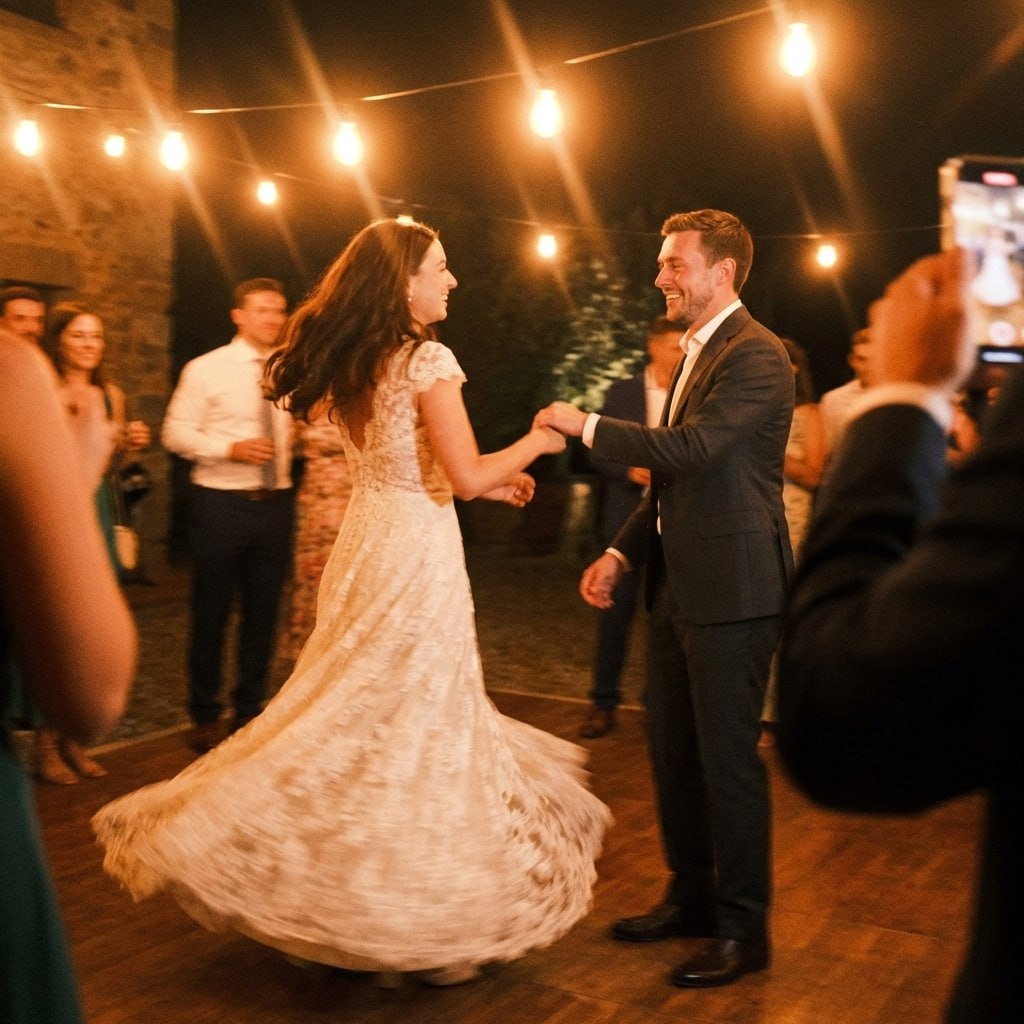
First dance
You guys!!
Dance floor packed - now collect those photos.
Guests go wild on the dance floor. A shared album makes sure every laughing, dancing shot is saved - not buried on someone's phone.
From Mom
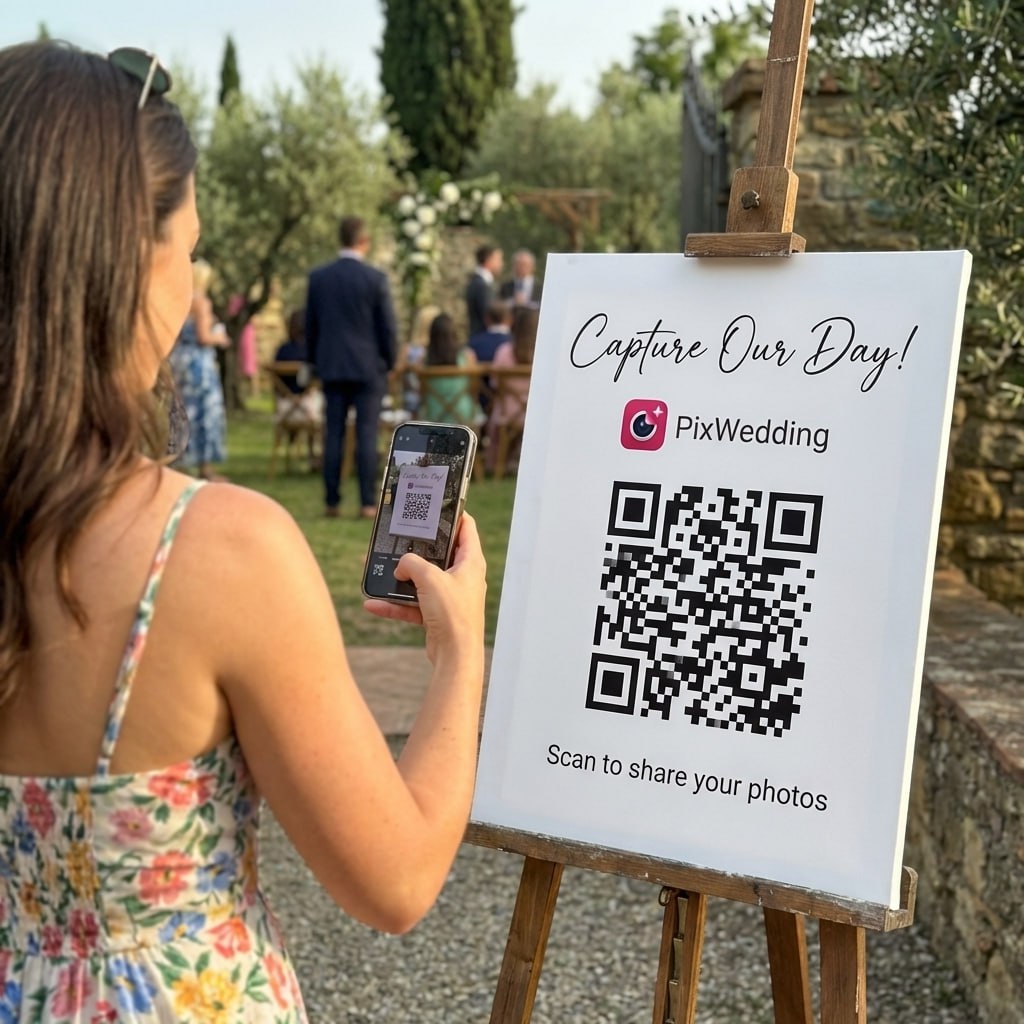
Scan to join the album
No app, no account
UPLOADING
Saving your moment
THE ALBUM
Emma & Jack
June 21, 2026
647 photos · 95 guests
SCAN TO TRY
pix.wedding/
your-wedding
How to Plan Your Wedding Music Timeline
Your DJ needs a clear music timeline to deliver the best experience. Share your preferences for each phase of the event: ceremony (processional, recessional), cocktail hour (background jazz, acoustic, indie), dinner (soft classics, conversation-friendly volume), and dancing (your must-play songs, genres to emphasize, energy arc).
Most receptions follow a predictable energy curve. The DJ plays background music during dinner, picks up energy during toasts and introductions, hits a peak during the first dance and party dancing, brings it down slightly for parent dances, then builds back up for the final hour of dancing. A skilled DJ manages this arc intuitively, but sharing your vision helps them execute it perfectly.
Use our free Wedding Playlist Builder to organize your must-play songs, do-not-play list, and special moment songs. Share the playlist with your DJ at least 4 weeks before the wedding so they can plan transitions and identify any gaps in the flow.
- •Share a must-play list of 15 to 25 songs that represent your taste
- •Provide a do-not-play list for songs you absolutely want to avoid
- •Specify exact songs for special moments: processional, first dance, parent dances
- •Indicate the general vibe for cocktail hour and dinner (genres, energy level)
- •Let the DJ have creative freedom during open dancing since that is their expertise
Wedding DJ Booking Timeline
Start researching wedding DJs 8 to 12 months before your wedding date. Popular DJs book out 6 to 12 months in advance for Saturday weddings during peak season (May through October). Begin by asking recently married friends for recommendations, reading online reviews, and watching performance videos.
Schedule consultations with 3 to 5 DJs. Most offer free 30 to 60 minute meetings (in person or video call) where you can discuss your vision, review their portfolio, and assess personality fit. The consultation is as much about chemistry as it is about services and pricing. You will be working closely with this person on one of the most important days of your life.
Explore more free wedding tools
Everything you need to make your wedding day stress-free and unforgettable.
Seating Chart Planner
Plan your reception seating visually.
Guest List Manager
Track RSVPs and dietary needs.
Budget Allocator
Turn your total into a category-by-category plan.
Venues by State
Explore venues across all 50 states.
Countdown Timer
Count down the days to your big day.
Wedding Checklist
Month-by-month planning checklist.
Bachelorette Party Games
15+ games with rules, supplies, and timing.
Alternative to Wedding Guest Book
15 creative alternatives guests actually enjoy.
Frequently Asked Questions
Everything you need to know about our free tools and how they help your wedding day.
A wedding DJ costs $1,000 to $2,500 on average for 4 to 6 hours of ceremony and reception coverage in 2026. Ceremony-only packages start at $300 to $600. Full-day premium packages with extended hours and production lighting run $2,500 to $4,000+.
The average cost of a wedding DJ in the United States is approximately $1,500 for a standard ceremony plus reception package (5 to 6 hours). Budget DJs start around $800 to $1,000. Experienced, in-demand wedding DJs charge $2,000 to $3,000. Premium DJs in major metros like New York City can reach $4,000 to $5,000+.
Wedding DJs in 2026 range from $800 to $4,000+ depending on location, experience, and package. The national average sits at $1,000 to $2,500 for a full ceremony and reception. NYC and Los Angeles DJs charge $1,800 to $4,000+. Midwest and rural markets average $800 to $1,800. Prices have increased roughly 10 to 15 percent since 2022 due to inflation and increased demand.
A DJ for a wedding reception typically costs $1,000 to $2,500 for 4 to 5 hours. This covers cocktail hour music, dinner background music, introductions, all special dances, and open dancing. Overtime beyond the contracted hours runs $150 to $300 per hour. Most DJ packages for a reception-only (no ceremony) start at $800 to $1,200.
A standard wedding DJ package includes: professional sound system, wireless microphone for toasts and officiant, ceremony music, cocktail hour music, dinner background music, introductions and MC services, all special dances, open dancing with live mixing, basic dance floor lighting, and setup and teardown. Uplighting, photo montage, cold spark machines, and intelligent moving lights are usually paid add-ons at $100 to $800 each.
A DJ is significantly cheaper. The average wedding DJ costs $1,000 to $2,500, while a live band starts at $3,000 and often reaches $8,000 to $10,000+ for a 6 to 8 piece group. A DJ also offers unlimited song variety, no breaks in music, and better volume control. Many couples choose a DJ for the reception and add a single live musician (saxophonist or vocalist) for cocktail hour as a budget-friendly hybrid.