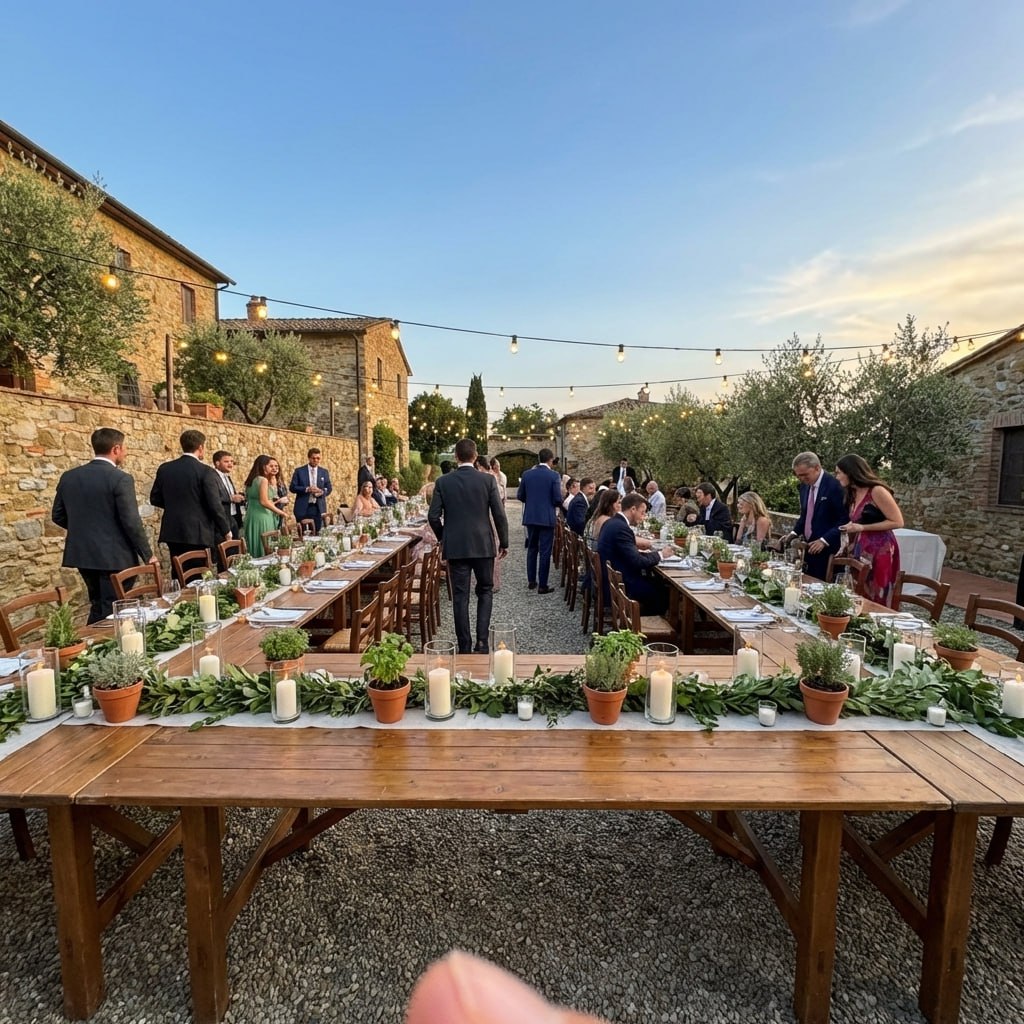
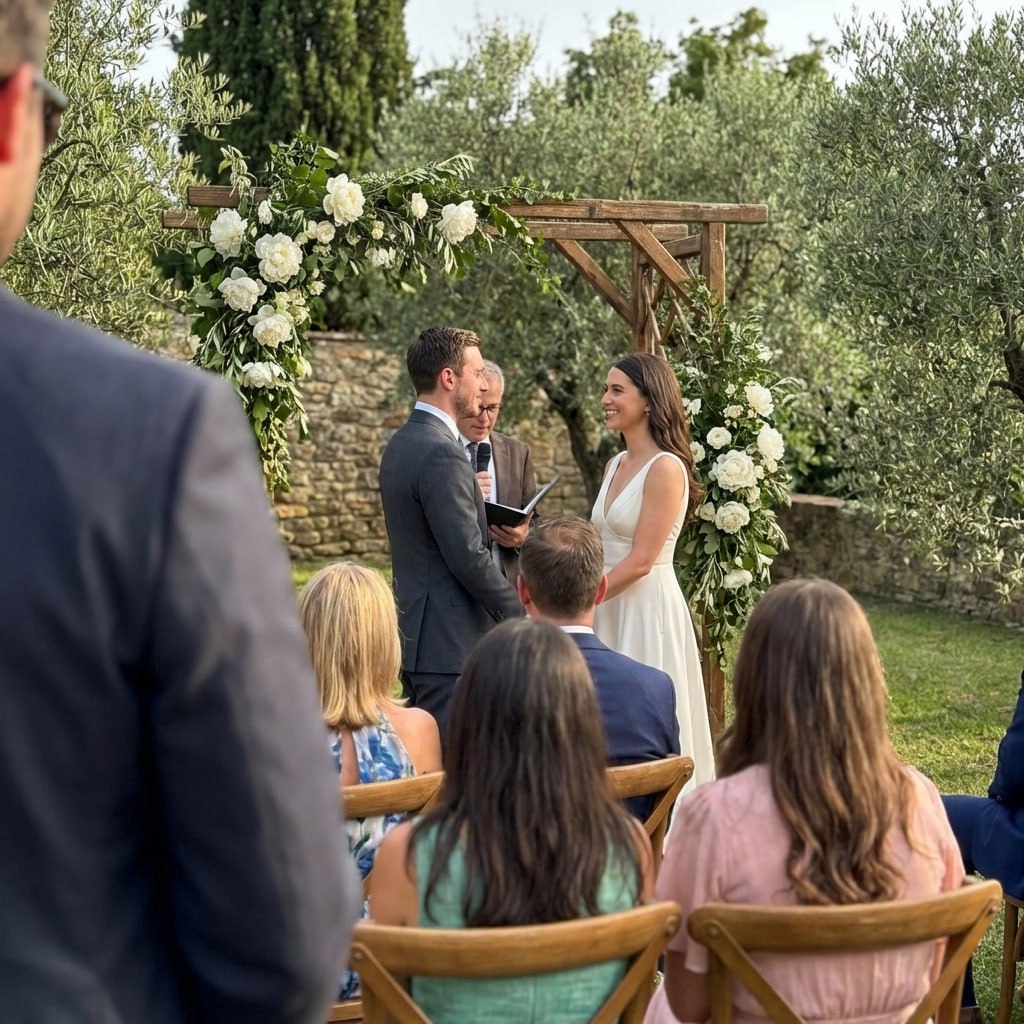

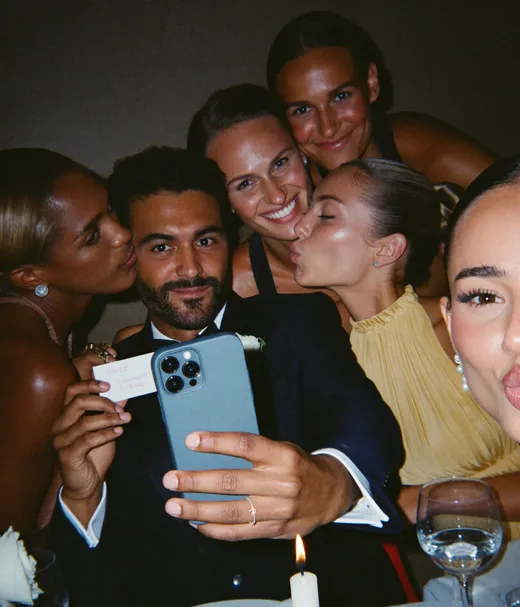

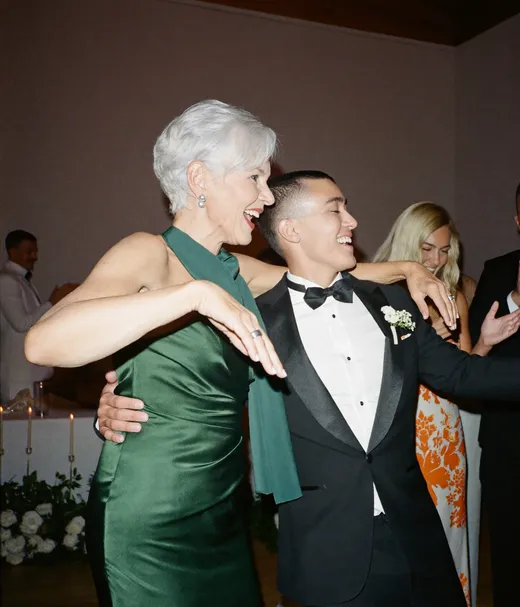



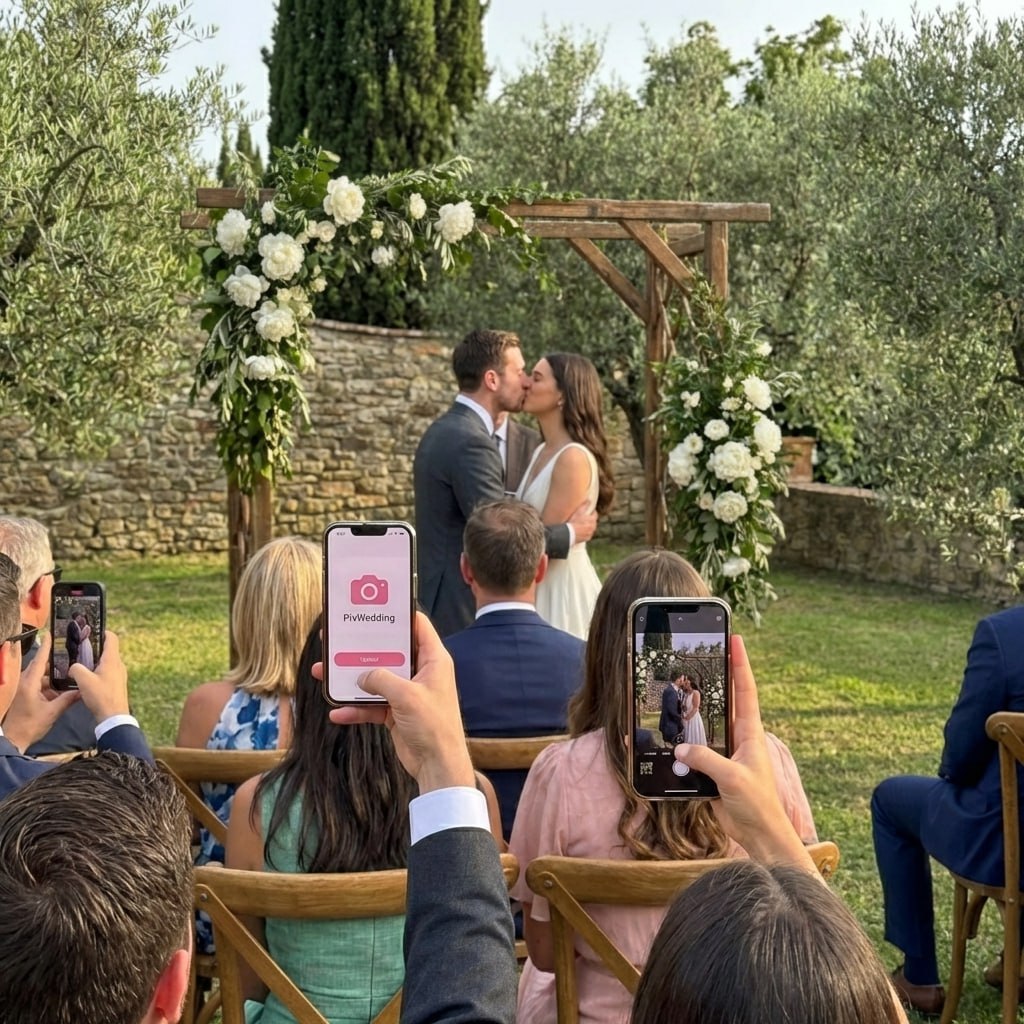



For collecting every original
Vermont Marriage License Requirements 2026
What you need to legally marry in Vermont: a $80 fee, no waiting period, no witnesses and a license that is valid 60 days. You apply at the Town Clerk.

Vermont marriage license, at a glance
The eight things the Town Clerk will ask about or check. County rules can add small extras, so confirm with your local office before you go.
Now the fun part,
every guest photo
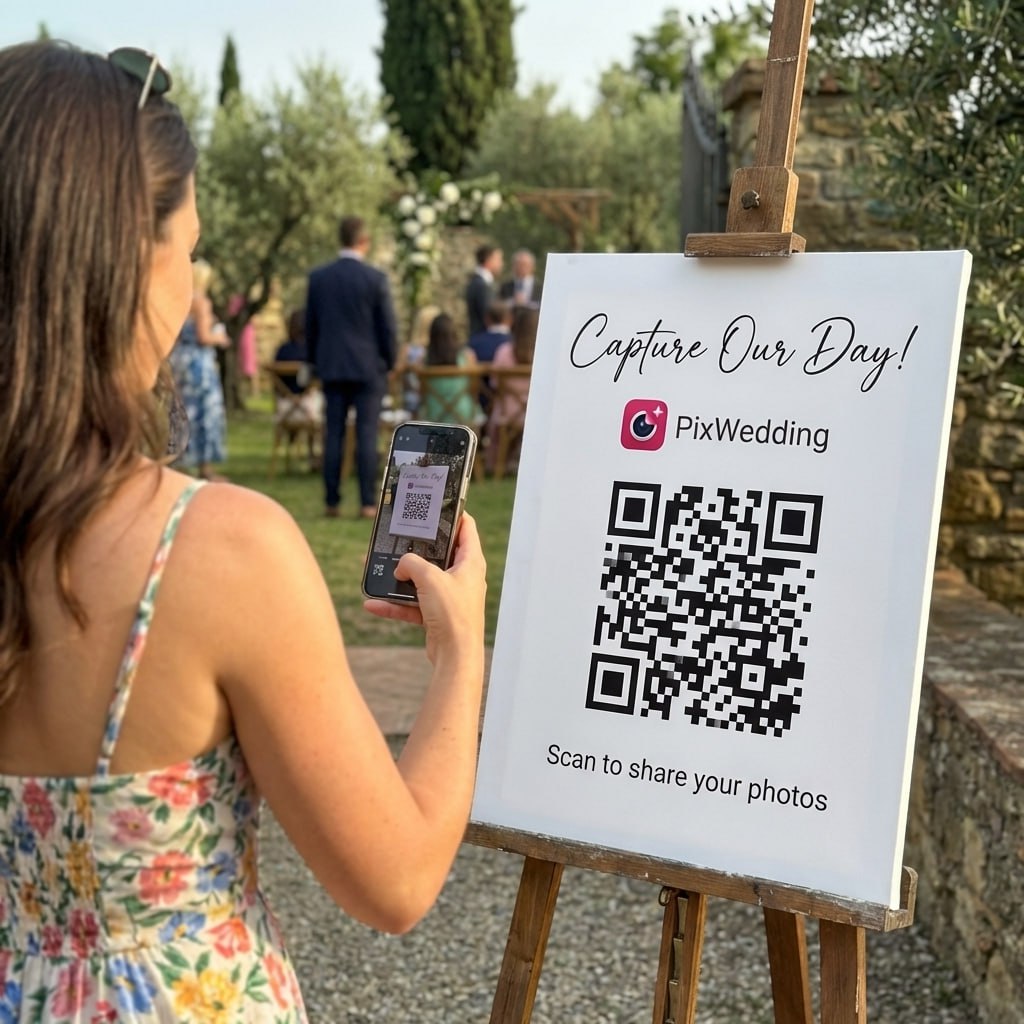
Put one QR code on the tables. Guests scan it and upload their photos and videos to one shared album, no app or account.
Live gallery
Maya & Leo's Wedding
Reception, example


How much is a marriage license in Vermont?
A marriage license in Vermont costs $80. You pay it at the Town Clerk when you apply. Extra certified copies of the marriage certificate, which you will want for a name change, a passport or insurance updates, often cost more.
That puts Vermont inside the roughly $30 to $100 range most states charge. Accepted payment methods differ from office to office, so check before the visit.
- 01ApplyAt the Town Clerk
- 02WaitNo wait, same day
- 03Marry within60 days
- 04RecordSigned paperwork back to the Town Clerk
How to get a marriage license in Vermont in 6 steps
- 01
Gather your documents
Both partners need a valid government photo ID. If either of you was married before, bring the final divorce decree or the former spouse's death certificate. Vermont does not require proof of residency.
- 02
Go to the Town Clerk
In most counties both of you go in person, and some offices ask you to fill in the form online or book an appointment first. Check which offices can issue your license before you drive anywhere.
- 03
Complete the application and pay the fee
Fill in the application and pay the $80 fee. Have both Social Security numbers ready (non-citizens can usually give a passport or visa number), plus your parents' full names and your places of birth.
- 04
License issued the same day
Vermont has no waiting period, so you can marry as soon as the license is in your hands. Most couples still apply a few days ahead.
- 05
Complete the signing
The license is valid for 60 days from the date of issue. Vermont allows self-uniting marriage, so an officiant is optional. See who can officiate below.
- 06
Return the signed license
The signed license goes back to the Town Clerk within the time Vermont law allows. Because Vermont allows self-uniting marriage, the couple usually files it instead of an officiant. The county then records your marriage.
A marriage license, step by step
A short walkthrough of the documents and the clerk visit. Fees and offices differ by state, so match the details to the Vermont facts above.
Forever Newlywed on YouTube
First dance
You guys!!
License in hand. Now collect every photo of the day
Guests scan one QR code and upload from their phone browser, no app or account. Start free with 20 guest uploads, one-time plans from $44.

From Mom
Scan to join the album
No app, no account
UPLOADING
Saving your moment
THE ALBUM
Maya & Leo
Example album
647 photos · 95 guests


SCAN TO TRY
pix.wedding/
your-wedding
How old do you have to be to marry in Vermont?
At 18 or older you can marry without anyone's permission.
No one under 18 can marry in Vermont, even with parental consent or court approval. The ban has been in place since 2023.
If your case is a little different
Previously married
Bring the final divorce decree or the former spouse's death certificate to the first visit. Ask the Town Clerk whether it needs a certified copy.
Out-of-state couples
Vermont has no residency requirement, so couples from other states can apply at the Town Clerk with valid ID. The license only works for a ceremony inside Vermont.
Same-sex couples
Same-sex marriage is legal in Vermont, as in every state, since Obergefell v. Hodges (2015). The requirements are the same for every couple.
Non-citizens
Foreign nationals can marry in Vermont with a valid passport as photo ID. Marrying does not change immigration status by itself, and documents in another language may need certified translations.
Self-uniting option
Vermont allows self-uniting marriage, so the two of you can solemnize the marriage without an officiant. The officiant card below has the details.
Collect every photo of your Vermont wedding from $44 once
Start with 20 guest uploads free, no card. Paid plans run from $44 to $84 once, with unlimited guests.
Most couples pick this
One-time payment, no subscription
For big guest lists
One payment. Yours to keep. No subscription. No renewals. No surprise charges.
Secure checkout. Polar, Apple Pay, Google Pay.
Money-back guarantee: if your guests never upload a single photo, you get 100% back. See how it works
Important Vermont notes
Who can officiate in Vermont
Clergy residing in Vermont, and clergy from an adjoining state whose congregation lies partly in Vermont; other out-of-state or Canadian clergy need authorization from a Vermont probate court. Judges of the Supreme, Superior, and District courts, plus probate judges, assistant judges, magistrates, and Judicial Bureau hearing officers. Justices of the peace. Any person over 18 can also register with the Vermont Secretary of State as a temporary officiant for one specific Vermont marriage ($100 per ceremony, paid before the wedding, non-refundable; 18 V.S.A. 5144a).
Officiant rules in every stateRules worth knowing
Vermont has no waiting period and no statutory witness requirement, though a religious ceremony may require witnesses under that religion's own customs. Vermont banned marriage under 18 with no exceptions via Act 8 of 2023 (H.148), effective July 1, 2023, repealing the prior 16-17 parental-consent pathway. Members of the Religious Society of Friends (Quakers), the Christadelphian Ecclesia, and the Baha'i Faith can marry according to their own customs without a third-party officiant (18 V.S.A. 5144(b)); this self-uniting option is limited to those named religious societies, not a general public option. Vermont does not recognize common law marriage formed in-state (15 V.S.A. 1204 requires solemnization), but recognizes a common law marriage validly formed in another state through comity.
Vermont marriage license document checklist
- Valid government photo ID for both of you (passport, Vermont driver's license, state ID or military ID)
- Birth certificates, if the Town Clerk asks for them
- Social Security numbers for both partners (non-citizens can usually give a passport or visa number)
- Final divorce decree or death certificate if either of you was married before
- The fee: $80. Ask which payment methods the office takes
- No proof of residency needed, out-of-state couples are welcome
- No witnesses legally required (many couples still have them)
Marriage license requirements in other states
Explore more free wedding tools
Everything you need to make your wedding day stress-free and unforgettable.
Seating Chart Planner
Plan your reception seating visually.
Guest List Manager
Track RSVPs and dietary needs.
Budget Allocator
Turn your total into a category-by-category plan.
Timeline Builder
Plan your entire wedding day.
Countdown Timer
Count down the days to your big day.
Wedding Checklist
Month-by-month planning checklist.
Bachelorette Party Games
15+ games with rules, supplies, and timing.
Alternative to Wedding Guest Book
Pick one by budget, guest count and keepsake.
Vermont marriage license: FAQs
Fees, waiting period, validity, ID, witnesses and residency for Vermont.
A Vermont marriage license costs $80. You pay it at the Town Clerk. Certified copies of the marriage certificate, which you need for a name change, can cost extra. Payment methods differ by office, so call ahead to check whether it takes cash, card or check.
No. Vermont has no waiting period, so you can apply for and use your marriage license on the same day. Many couples still apply a few days ahead to avoid last-minute stress.
A Vermont marriage license is valid for 60 days from the date of issue. The ceremony has to happen inside this window, or you reapply and pay the fee again.
Each partner needs a valid government photo ID, such as a US passport, a driver's license or state ID card, a US military ID, a permanent resident card or a foreign passport. Bring it to the Town Clerk, and check the office's own list before you go.
No. Vermont does not legally require witnesses for the ceremony, though many couples have them anyway.
No. Vermont does not require residency. Out-of-state couples can apply at the Town Clerk with the required ID, and the license works for a ceremony anywhere in Vermont.