
How long does a marriage license last? State deadlines, before and after the ceremony
A US marriage license is usually good for 30 days to 1 year after it is issued, and 60 days is the most common window. New Jersey gives you 30 days, California 90, Texas 89, Nevada and Arizona a full year. Fulton County, Georgia says its license never expires.
The rules are set by each state and applied by each county, so the table below links every row to the official page we checked. If the date runs out before the ceremony, you apply again and pay again. Once you are married, a second deadline starts: the signed license has to go back to the clerk, 5 to 63 days after the ceremony in the states we list.
IssuedDay 0
Usable fromAfter any wait
ExpiresDay 60
Does a marriage license expire? In almost every state we checked, yes
Sixteen of the 17 states in our table put an end date on the license. You have to hold the ceremony before it, or the license is void and you start over. The window is 60 days in 8 of the 17 states, shorter in New Jersey (30), Michigan (33) and Colorado (35), and longer in Texas (89), California (90), Minnesota (6 months), Nevada and Arizona (1 year).
Two more things decide your real window: when the clock starts, and whether there is a waiting period before you can use the license at all. Both are in the table. Once the ceremony is done, a separate return deadline applies, covered in after the ceremony below.
From 30 days to no end date at all
Same scale for every bar, one year wide. The eight 60-day states share one bar. Fulton County, Georgia runs off the chart because its license does not expire.
How long is a marriage license good for in your state?
Each row comes from a state statute, a state agency or a county clerk page, checked on 27 September 2026. Where we quote a county, other counties in the same state follow the same state law, but fees and office rules can differ. States we could not confirm on an official page are left out rather than guessed.
| State | Good for | Clock starts | Waiting period | Source |
|---|---|---|---|---|
| Arizona | Good for: 1 year | Clock starts: From the date of issue | Wait: None | A.R.S. 25-121 |
| California | Good for: 90 days | Clock starts: From the date of issue | Wait: None | California Dept. of Public Health |
| Colorado | Good for: 35 days | Clock starts: Includes the day it is issued | Wait: None | Routt County Clerk |
| Florida | Good for: 60 days | Clock starts: From the date of issue | Wait: 3 days for Florida residents, waived with a premarital course; none for non-residents | Miami-Dade Clerk |
| Georgia (Fulton County) | Good for: No expiration date | Clock starts: Does not run out | Wait: None listed | Fulton County Probate Court |
| Illinois | Good for: 60 days | Clock starts: From the day it becomes effective | Wait: Effective the day after issue | Perry County Clerk |
| Massachusetts | Good for: 60 days | Clock starts: From the day you file your intention | Wait: 3 days, court waiver possible | City of Boston Registry |
| Michigan | Good for: 33 days | Clock starts: From the date of application | Wait: 3 days, waivable by the clerk | Oakland County Clerk |
| Minnesota | Good for: 6 months | Clock starts: From the date of issue | Wait: None since 2016 | Minn. Stat. 517.08 |
| Nevada | Good for: 1 year | Clock starts: From the date of issue | Wait: None | Clark County Clerk |
| New Jersey | Good for: 30 days | Clock starts: From the date of issue | Wait: 72 hours before the license is issued | NJ Department of Health |
| New York | Good for: 60 days | Clock starts: From the day after you receive it | Wait: 24 hours | Albany City Clerk |
| North Carolina | Good for: 60 days | Clock starts: From the date of issue | Wait: None | Henderson County Register of Deeds |
| Pennsylvania | Good for: 60 days | Clock starts: From the date of issue | Wait: 3 days after you apply | Butler County |
| Texas | Good for: 89 days | Clock starts: From the date of issue, expires on day 90 | Wait: 72 hours, with waivers | Travis County Clerk |
| Washington | Good for: 60 days | Clock starts: After the 3-day wait ends | Wait: 3 days, cannot be waived | King County Recorder |
| Wisconsin | Good for: 60 days | Clock starts: From the date of issue | Wait: 3 days after you apply, clerk may waive for a fee | St. Croix County Clerk |
Need documents, fees and ID rules too? See marriage license requirements by state and how much a marriage license costs.
Four ways states count the same 60 days
Two licenses with the same number of days can end on different dates. What matters is the day the count begins.
From the date of issue
The most common rule. The day the clerk hands you the license starts the count. Colorado goes one step further and counts the day of issue itself as day one.
California, Texas, Florida, Nevada, Arizona, North Carolina, Pennsylvania, Wisconsin, New Jersey, MinnesotaFrom the day after
New York counts 60 days from the day after you receive the license. An Illinois license only takes effect the day after it is issued and expires 60 days later.
New York, IllinoisFrom the application
Here the clock starts when you apply, not when you pick up. Michigan licenses expire 33 days from the application date. In Massachusetts the 60 days run from the day you file your marriage intention.
Michigan, MassachusettsAfter the waiting period
King County says a Washington license becomes valid 3 days after issue and then stays valid for 60 days. The wait comes first, the 60 days after.
WashingtonYour usable window, day by day
Each bar shows the days you can hold the ceremony, counted from the start date in grey. The gap on the left is the waiting period. Your wedding date has to land inside the rose part.
Nevada, Arizona and Minnesota run past day 100, and Fulton County, Georgia has no end date. Figures from the sources in the state table above.
Rule of thumb: apply within your state's window but early enough to clear the wait, then add a few days for a closed office or a missing document. Butler County, Pennsylvania tells couples not to apply unless they are within 60 days of the wedding. Put the pickup day in your wedding timeline or checklist so it does not slide.
One QR code collects every guest photo
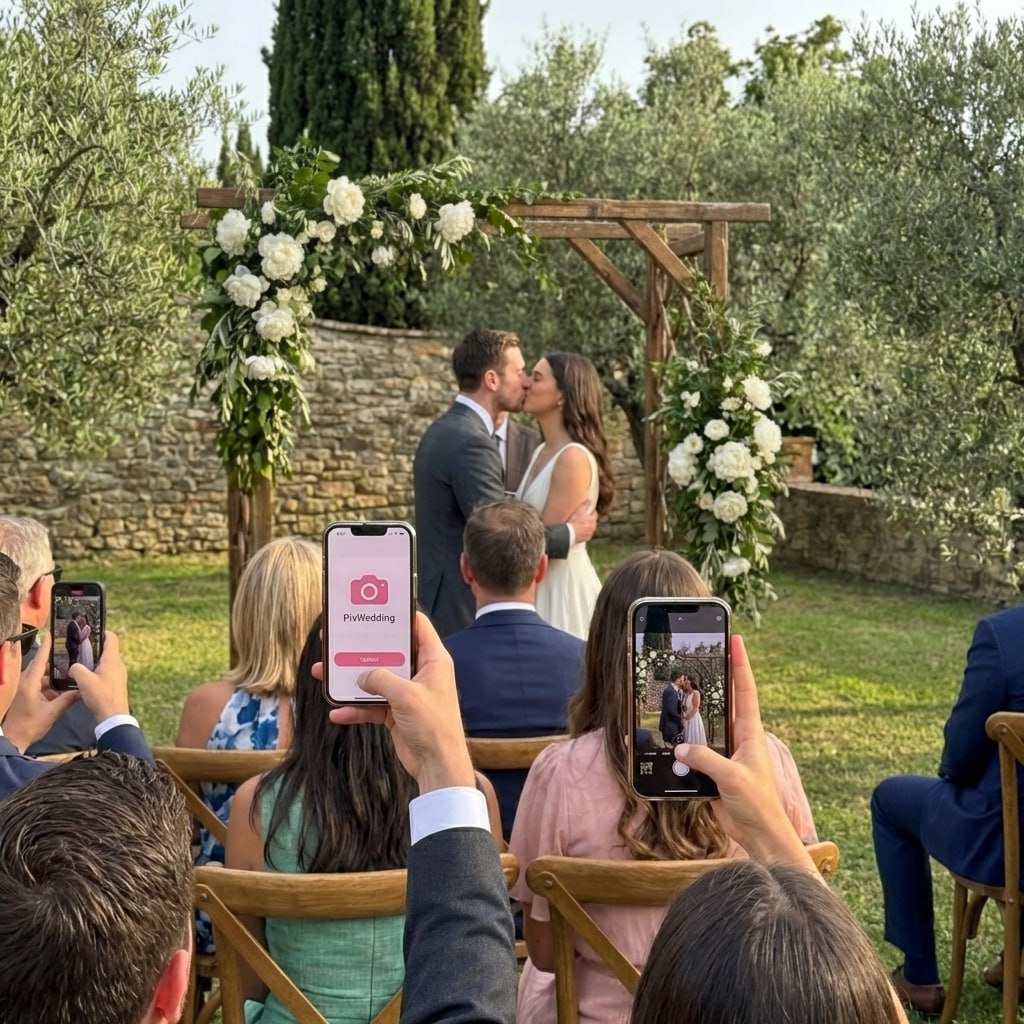
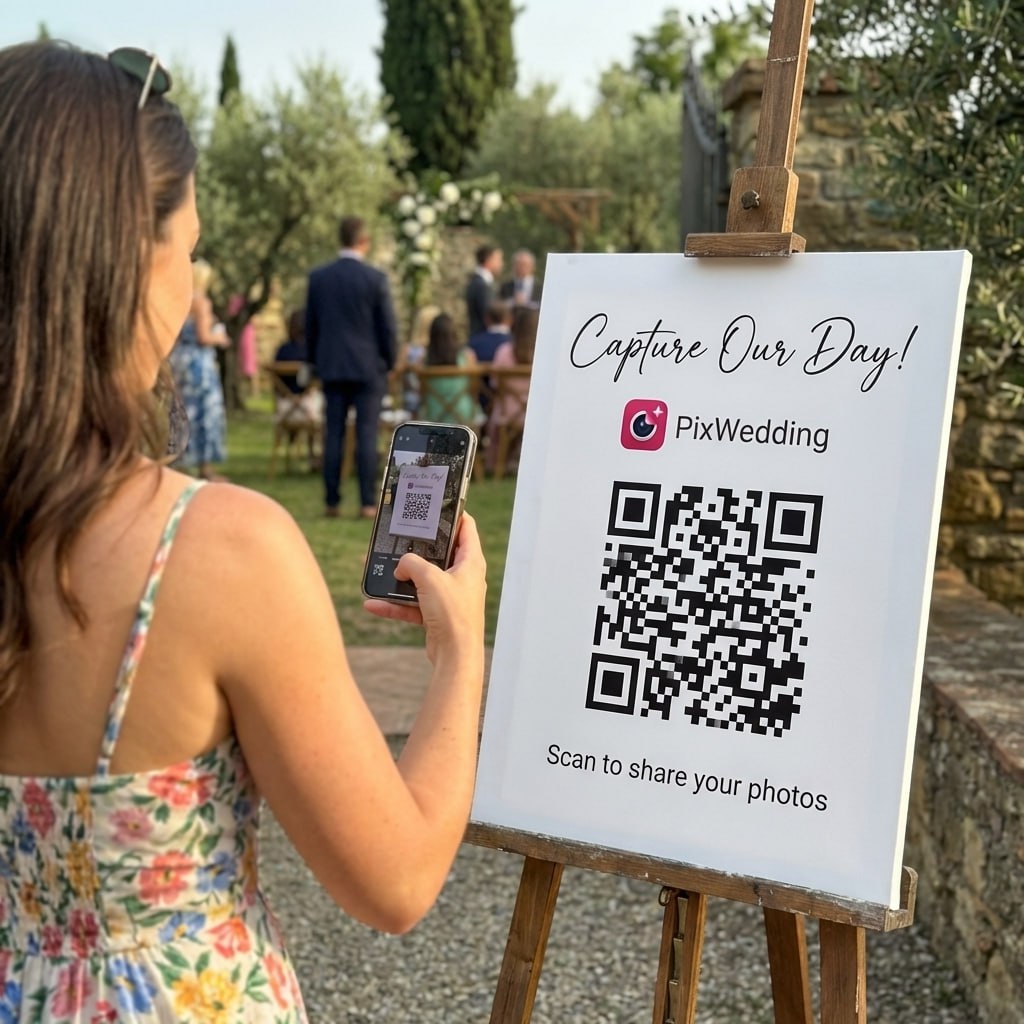
Guests scan, pick photos from their camera roll and they land in one shared album. No app and no account for them, set up in a few minutes.



Scan to join the album
No app, no account
UPLOADING
Saving your moment
THE ALBUM
Emma & Jack
June 21, 2026
647 photos · 95 guests




The wait before the window, and who can skip it
A waiting period is time between getting the license (or applying) and being allowed to marry. Some states waive it, one refuses to. Minnesota dropped its waiting period in 2016.
Texas
The 72-hour wait does not apply to active-duty military, Department of Defense employees and contractors, couples with a judge's written waiver, or couples who completed a premarital course such as Twogether in Texas. The course also drops the fee from $80 to $20 in Travis County.
Travis County ClerkFlorida
Florida residents wait 3 days unless they bring a certificate from a 4-hour premarital course, which also lowers the Miami-Dade fee from $86 to $61. Couples who do not live in Florida have no wait.
Miami-Dade ClerkMassachusetts
The 3-day wait can be waived by a court through a Marriage Without Delay request. Without it, the license is good to use between day 3 and day 60 after you file.
City of Boston RegistryMichigan
Oakland County lets you waive the 3-day wait for a $5 fee. The 33-day expiration still counts from your application date.
Oakland County ClerkWisconsin
The 3-day wait after application can be waived by the county clerk for a fee ($20 in St. Croix County).
St. Croix County ClerkWashington
King County is blunt: the 3-day waiting period cannot be waived under any circumstances, court order included. Plan around it.
King County RecorderThe 2016 change is in Minnesota Session Laws 2016, chapter 137.
What happens if a marriage license expires before the wedding
Nothing dramatic, just a do-over. The license is void, and you get a new one the same way you got the first.
- 1
Check the date printed on the license
The expiration date is on the document or the clerk's receipt. Count from the right start date for your state: issue, the day after, or your application.
- 2
Do not hold the legal ceremony on it
An expired license cannot be used. California's health department says it plainly: if you do not marry within 90 days, you must purchase a new license.
- 3
Call the office that issued it
Ask whether they need a fresh application, the same documents, and both of you in person again. Most offices treat it as a brand new license.
- 4
Pay the fee again
Expect the full fee a second time. Published examples: $102 in Clark County, Nevada, $86 in Miami-Dade, $80 in Travis County, $60 in Butler County, Pennsylvania.
- 5
Restart any waiting period
The wait comes with the new license. In Texas that is another 72 hours, in Washington another 3 days that nobody can waive.
- 6
Ask about a no-fee replacement
Minnesota law lets you surrender an unused license that lapsed because of illness or other extenuating circumstances and get a new one without paying again. Other states may have their own rules, so ask.
Does my marriage license expire?
A short heads-up from NameChangeExpert: many marriage licenses come with a limited window before they expire. The video is from 2016, so use the state table on this page for current numbers.
NameChangeExpert on YouTube, Oct 2016Your license after a date change
Match your situation to the row. The badge shows how likely you are to need a new license.
| If this happens | What to do | New license? |
|---|---|---|
| Wedding moves 1 or 2 weeks later | Check the new date is still inside the window. If it is, nothing changes. | Unlikely |
| Wedding moves 2 or 3 months later | In a 30, 60 or 90-day state the license will likely lapse. Plan to reapply and pay again. | Likely |
| You have not picked up the license yet | Wait. Apply inside the window for your new date instead of now. | Unlikely |
| You want to marry earlier than planned | Fine once any waiting period has passed. Check the license is already in effect. | Check first |
| Ceremony moves to another state | You need a license from the state where the ceremony happens. The old one does not travel. | Likely |
| Ceremony moves to another Illinois county | Illinois licenses are only good in the county that issued them. Get a new one there. | Likely |
A license covers one state, sometimes one county
Validity is about place as well as time. Get the license where the ceremony happens, not where you live.
Anywhere in the issuing state
Pennsylvania (Butler County) and North Carolina (Henderson County) say the license can be used anywhere in the state. Boston's registry says a Massachusetts license is for a ceremony in Massachusetts.
Only in the issuing county
Perry County, Illinois says you must marry in the county where the license was issued. Moving the venue across a county line means a new license.
Destination weddings
Getting married in Las Vegas? The license comes from Clark County, Nevada, not your home state. Same logic for any out-of-state ceremony.

Expiration date vs return deadline
People mix these up all the time. The expiration date is the last day you can marry. The return deadline starts after the ceremony and is the time the officiant or couple has to send the signed license back for recording.
Before the ceremony: expiration
Runs from issue (or application) to your wedding. Miss it and you buy a new license. Sections 01 to 09 cover it.
After the ceremony: return
Runs from the wedding to filing. Who files, the checklist and what to do if it is late are in the next section.
Oklahoma counts from the issue date instead: since November 2022 the license is valid for 30 days and the signed license must be back with the court clerk no later than 30 days after it was issued (43 O.S. 20, as amended by HB 3075).
From "I do" to a recorded marriage
The license is not finished when you say your vows. It has to be signed, returned and recorded before you can order the certified copies every agency asks for.
- 1Ceremony day
Sign it before anyone leaves
You, your partner and the officiant sign, plus witnesses where your state asks for them. Check names, the date and the place of the ceremony against the license before it goes back in the envelope.
- 2Same night
Photograph the signed license
A clear phone photo of every signed page is your proof of what was filled in if the original goes missing on its way to the clerk.
- 3Within days
The officiant returns it
In most places the officiant takes or mails the signed license back to the office that issued it. Deadlines in our chart run from 5 days in New York to 63 in Colorado, so sooner is safer. Tracked mail beats a plain stamp.
- 4About a week later
Call to confirm it arrived
Ask the clerk whether the license was received and recorded. Do not assume someone else filed it.
- 5Once it is recorded
Order certified copies
You use certified copies, not the original, for a name change, insurance, taxes and immigration paperwork. Order a few at once so you are not waiting on one copy for every agency.
- 6Next
Change your name, in order
If you are taking a new name, the Social Security Administration usually comes first, then your driver's license, then your passport.
Name change next? See name change after marriage and the Social Security step.
Late, lost or never filed, and how to get copies
A late return is fixable, but the fix gets heavier with time. Start with a phone call to the office that issued the license.
A few days late
Send it in right away and call the clerk the same day. Ask whether anything extra is needed to record it.
Weeks or months late
Call before you mail anything. The office may want a new form or a signed statement about the delay, and some route late filings to the state vital records office instead.
Lost or never filed
Ask the office that issued the license how to replace it or register the marriage late. The longer it waits, the more paperwork the fix tends to take, so start now.
In person
At the county office that recorded the license. Usually the quickest route. Bring photo ID.
By mail
Most offices take a written request with ID and payment. Slower, fine if nothing is urgent.
Online
Many counties and states take orders online, some through a third-party service such as VitalChek, which adds its own fee.
State vital records
Some states also keep the record at a state office, handy if you have moved away from the county.
Fees and wait times are set by each office. California's health department notes you will not receive a copy of the license itself, only certified copies once it is registered (CDPH).
How couples end up with an expired or unfiled license
Most of these come from treating the license like any other early to-do. It is one of the few wedding tasks you can do too early, and one of the few that is still open after the party ends.
The license stayed in a jacket pocket
Agree before the day who returns the license and by when, then call the clerk a week later to confirm it was recorded.
The envelope never arrived
Send it with tracking, or drop it off in person, and keep your photo of the signed pages until the record shows up.
Everyone thought the venue filed it
Venues and planners usually do not file licenses. The officiant or the couple does, so name the person.
It went to the wrong county
Return the license to the office that issued it, even if the ceremony took place somewhere else in the state.
Do
Look up your county's page, not a national summary
Write the expiration date into your wedding timeline
Apply inside the window for your date, then leave buffer for the wait
Get the license in the state (and in Illinois, the county) of the ceremony
Ask the clerk what happens if the date moves, before you pay
Name the person who returns the signed license, and by when
Don't
Pick up the license the week you book the venue
Assume the clock starts on the day you pick it up
Plan to marry the morning after pickup in a state with a wait
Carry a license from home to a ceremony in another state
Mix up the expiration date with the deadline to return the signed license
Assume the license was filed without calling to check
Where every number on this page comes from
We only used state statutes, state agencies and county offices, and opened each one on 27 September 2026. Laws change, so your county clerk has the final word.
"If you do not get married within 90 days... You must purchase a new license."
California Dept. of Public HealthValid for 89 days from the date it is issued, with a 72-hour wait and listed waivers.
Travis County Clerk, TexasWashington's waiting period cannot be waived under any circumstances, including court order.
King County RecorderA Wisconsin license is valid for 60 days, including the day of issuance.
Washington County Clerk, WisconsinAlso checked: Town of Victor, NY, Wake County, NC, Georgia.gov, Oklahoma HB 3075 and the Clark County license requirements.
More on the marriage license
Scan. Upload.
Every guest photo in one album.
Paperwork done, one more thing for the tables. Guests scan a QR code, pick photos in their phone browser and they land in your album. No app, no account.
GUEST ALBUM
Maya & Theo
Example album






Just married
Signed and official
License sorted. Now the QR sign for your tables.
Design a free QR code sign that sends guests to one shared album. They scan, upload from the phone browser, and every photo from the day ends up in one place.
From the officiant
Scan to join the album
No app, no account
UPLOADING
Saving your moment
THE ALBUM
Maya & Theo
Example album
647 photos · 95 guests
SCAN TO TRY
pix.wedding/
your-wedding
How long a marriage license lasts: the essentials
If you only remember five things:
- Most licenses expire, from 30 days (New Jersey) to 1 year (Nevada, Arizona)
- 60 days is the most common window, in 8 of the 17 states we checked
- The count starts on different days: issue, the day after, or your application
- Waiting periods sit inside the window, and Washington's cannot be waived
- An expired license means a new application and a new fee
- After the ceremony the signed license has its own return deadline, 5 to 63 days in the states we list
How we checked these rules
Every validity period, waiting period and fee on this page comes from a state statute, a state agency or a county clerk page, opened on 27 September 2026 and linked next to the figure. Where a state publishes no statewide page, we quote one county and name it. States we could not confirm on an official page are left out on purpose.
Marriage law changes, and counties apply it with their own office rules. Treat this page as a planning guide and confirm your dates with the office that will issue your license.
Explore more free wedding tools
Everything you need to make your wedding day stress-free and unforgettable.
Seating Chart Planner
Plan your reception seating visually.
Guest List Manager
Track RSVPs and dietary needs.
Budget Allocator
Turn your total into a category-by-category plan.
Timeline Builder
Plan your entire wedding day.
Venues by State
Explore venues across all 50 states.
Countdown Timer
Count down the days to your big day.
Wedding Checklist
Month-by-month planning checklist.
Bachelorette Party Games
15+ games with rules, supplies, and timing.
Questions about how long a marriage license lasts
Short answers, each traced to an official state or county source.
In most states, yes. Of the 17 states we checked against official sources in September 2026, 16 set an end date, from 30 days in New Jersey to 1 year in Nevada and Arizona. Fulton County, Georgia is the exception we found: its probate court says the license has no expiration date.
60 days is the most common window. It applies in 8 of the 17 states in our table: Florida, Illinois, Massachusetts, New York, North Carolina, Pennsylvania, Washington and Wisconsin. California allows 90 days, Texas 89, Colorado 35 and Michigan 33.
You cannot use it. Apply for a new license, pay the fee again and wait out any waiting period again. Minnesota lets you surrender a license that lapsed because of illness or other extenuating circumstances and get a new one without a fee. Ask your clerk whether your state has anything similar.
No. A license is only valid in the state that issued it. Massachusetts, North Carolina and Pennsylvania spell out that the license works anywhere in the state, and Illinois goes further: you must marry in the county that issued it.
Inside the validity window for your date, with room for any waiting period. In a 60-day state that means sometime in the two months before the wedding, and at least 1 to 3 days early where a wait applies. Pennsylvania's Butler County asks couples not to apply unless they are within 60 days of the ceremony.
No. Expiration is the last day you can hold the ceremony. The return deadline starts after the ceremony: 5 days in New York, 10 days in California and Florida, 30 days in Texas and Georgia, 63 days in Colorado. Oklahoma counts from the issue date instead, 30 days for both the ceremony and the return.
Usually the officiant. In California and Florida the officiant returns the signed license within 10 days, and in New York within 5. Some states leave it to the couple, so ask the clerk who is responsible when you pick up the license, and call about a week after the wedding to confirm it was recorded.
Usually not. California's health department tells couples they will not receive a copy of the marriage license itself. The signed original stays on file, and you order certified copies once it is recorded. Those copies are what you use for a name change and other paperwork.