
How Long Is a Marriage License Good For?
Most US marriage licenses are valid for 30 to 90 days. Here is a complete state-by-state breakdown, guidance on waiting periods, and exactly when to apply so your license does not expire before the wedding.
Validity Windows at a Glance
US states fall into four broad tiers when it comes to how long a marriage license is valid.
Very Short
20-35 daysExamples: Kentucky (20 days), Alabama, Tennessee (30 days), Colorado (35 days)
Apply no earlier than 3-4 weeks out and check the expiry date carefully.
Standard
60 daysExamples: New York, Florida, Ohio, Illinois, Washington, and most states
The most common window. Apply 3-4 weeks before the ceremony.
Extended
90 days to 6 monthsExamples: California, Texas, Alaska (90 days), Minnesota (6 months)
Good flexibility. Apply 4-6 weeks out. Postponements less likely to cause issues.
Long / No Expiry
1 year or no expiryExamples: Nevada (1 yr), Arizona (12 mo), Georgia (no expiry in most counties), North Carolina (no expiry)
Maximum flexibility. Ideal for destination weddings with uncertain dates.
Complete State-by-State Validity Table
Validity period and waiting period side by side for 21 states. Verify with your county clerk before applying as rules can change.
| State | License Validity | Waiting Period | Notes |
|---|---|---|---|
| Alabama | 30 days | None | Since 2019, AL uses a marriage form filed with probate court within 30 days of signing |
| Alaska | 3 months (90 days) | 3 days | Per Alaska Dept. of Health; no refunds or extensions once issued |
| Arizona | 12 months | None | Codified in Arizona Revised Statute 25-121 |
| California | 90 days | None | Confidential license also available |
| Colorado | 35 days | None | Self-solemnization allowed |
| Florida | 60 days | 3 days for FL residents (waived with course); none for non-residents | Fee discount available with premarital course |
| Georgia | Does not expire in most counties | None | Confirmed by most GA probate courts; a few counties may vary, so verify locally |
| Illinois | 60 days | 1 day (court can waive) | Valid only in the issuing county |
| Kentucky | 30 days | None | One of the shorter windows |
| Massachusetts | 60 days | 3 days (court can waive for a fee) | Both must appear in person at a city/town clerk |
| Michigan | 33 days | 3 days (waivable for an added fee) | License valid statewide once issued |
| Minnesota | 6 months | None (eliminated in 2016) | Generous window; no waiting period since Aug. 2016 |
| Nevada | 1 year | None | Longest common window; ideal for Vegas weddings |
| New York | 60 days | 24 hours | City of New York has same rules |
| North Carolina | 60 days | None | Issued by any county Register of Deeds, usable statewide |
| Ohio | 60 days | None | Standard window |
| Pennsylvania | 60 days | 3 days (waivable only by court order for emergencies/military) | Wait applies to residents and non-residents alike |
| Tennessee | 30 days | None | No blood test or waiting period; can marry same day |
| Texas | 90 days | 72 hours | 72-hour wait is mandatory (waivable for military or with a judge waiver) |
| Washington | 60 days | 3 days | Standard setup |
| Wisconsin | 60 days | 3 calendar days | Per Washington County WI Clerk; waiver available for a $25 fee in unusual circumstances |
Data current as of early 2026. Always verify with your county clerk.
What Actually Happens If Your License Expires?
Outcomes depend on when the expiration occurs relative to your ceremony and the filing process.
Planning Calendar Scenarios by State
Five common state scenarios with specific guidance on when to apply for your license.
California (90-day validity, no wait)
Apply 4-6 weeks before your ceremony. No waiting period means you can use the license the same day you receive it. With 90 days of validity, couples have considerable flexibility for postponements.
Texas (90-day validity, 72-hour wait)
The 72-hour (3-day) mandatory waiting period means the license is not valid for use until 3 days after it is issued. Plan to receive your license at least 4 days before the ceremony, ideally 3-4 weeks ahead.
Wisconsin (60-day validity, 3-day wait)
Wisconsin requires a 3-calendar-day waiting period after your application before the license is issued. You need to submit the application at least 4 days before the ceremony, and the 60-day window means you should not apply more than about 55 days ahead to be safe.
Kentucky (30-day validity, no wait)
The 30-day window is one of the shortest in the US. Apply no more than 4 weeks before the ceremony. Postpone by even a few weeks and you will need a new license.
Nevada (1-year validity, no wait)
The most flexible setup in the US. You can apply up to a year in advance. Popular for Las Vegas weddings where same-day licenses are common.
The Ideal Application Window Calculator (No Math Required)
Use this simple rule set to figure out exactly when to get your license.
Find your state's waiting period
Look up the number of days between when you receive the license and when it becomes legally valid for your ceremony. Add this many days to your minimum lead time.
Find your state's validity window
Subtract your validity window from your wedding date to get the earliest you should apply. For example, if your wedding is on July 20 and your license is good for 60 days, do not apply before May 21.
Add a buffer for life events
Wedding postponements happen. Add a 1-2 week buffer on the early side so you have room to move your ceremony date by a week or two without needing a new license.
Set a calendar reminder for 5 days before expiry
If your ceremony date is still days away and you notice the license is about to expire, you will have time to file paperwork for a new one before the original expires. This safety net is especially valuable for shorter validity windows.
Simple default rule: Apply 3-4 weeks before your ceremony unless your state's validity window is shorter than 30 days (in which case apply no earlier than 25 days out) or your state has a waiting period of 3+ days (in which case apply at least 10 days out).
Destination Weddings: Extra Considerations
Apply in the Venue State
A marriage license is only valid in the state where it was issued. If you are marrying in Colorado but live in New York, you must get a Colorado license. Plan a trip to the county clerk's office in the venue state as part of your pre-wedding travel.
Combine with Pre-Wedding Trip
Many destination couples build the license appointment into a pre-wedding trip 2-4 weeks before the ceremony. This also works as an opportunity for a venue walkthrough or rehearsal dinner scouting.
International Destination Weddings
If you marry abroad, most couples choose to also legally marry at home to simplify name changes and US legal recognition. Two ceremonies, one abroad for the experience and one at the courthouse for the paperwork, is a common strategy. Marriage laws outside the US vary enormously by country.
Checklist: Before Your License Expires
Everything that must happen before your marriage license expires or becomes void.
Verify the ceremony date falls before the expiration date printed on the license.
The officiant must be authorized in the state where you marry, not just their home state.
If your state has a waiting period, do not schedule the ceremony sooner than the period allows.
Know how many witnesses your state requires (0, 1, or 2) and confirm they will be present.
The officiant or couple must have the original license at the ceremony for signing. A photo or copy is not sufficient.
Know who is responsible for returning the signed license to the clerk (usually the officiant) and the deadline for doing so.
Decide how many certified copies to order and request them as soon as the license is filed.
Elopements and Same-Day Weddings: Special Considerations
If you are planning a quick or spontaneous wedding, the validity window takes on added importance. Here is what to know.
No-Wait States for Quick Weddings
If you want to marry as quickly as possible, choose a state with no waiting period. California, Nevada, Georgia, and Illinois all have no mandatory waiting period. You can receive your license in the morning and be legally married the same afternoon. Nevada (Las Vegas) is the most famous example.
Colorado Self-Solemnization
Colorado allows couples to solemnize their own marriage without any officiant. You apply for the license, wait out the 35-day validity window, and perform the ceremony yourselves anywhere in Colorado. No waiting period and the most flexibility in the country for couples who want maximum autonomy over the ceremony.
Watch Out for Texas
Texas has a 72-hour mandatory waiting period with no exceptions except for active-duty military or people with a court waiver. If you arrive in Texas hoping to have a spontaneous wedding the same day, you will have to wait 3 days. Plan ahead when choosing Texas as your wedding destination.
After the Ceremony: Filing Deadlines and What Happens Next
The license expiration date only covers the period before the ceremony. After the ceremony there is a different deadline: when the signed license must be returned to the county clerk.
Officiant or couple returns the signed license
In most states the officiant is responsible for returning the signed marriage license to the county clerk within a set number of days after the ceremony, typically 30 days. Some states allow or require the couple to file it themselves.
County records the marriage
The clerk's office processes the signed license, records the marriage in the official register, and creates the marriage record. This typically takes 1-4 weeks depending on the county's backlog.
Marriage certificate becomes available
Once recorded, certified copies of the marriage certificate can be requested. Some counties mail one automatically; others require you to request and pay for copies separately. Order 4-6 copies at this stage.
Note: Filing the signed license late or losing it before it is filed is a serious problem. If the signed license is lost, the couple may need to pursue a court order to establish the marriage. Confirm with your officiant that they have a clear plan for returning the license promptly after the ceremony.
What to Do If You Need to Postpone Your Wedding
Postponements happen. Here is how to handle the marriage license depending on how far out you need to push the date.
If your license has 60 or more days of validity and you are only moving the date by a week or two, you almost certainly do not need a new license. Double-check the expiration date on your specific license to confirm.
In states with 90-day or longer validity windows this is usually fine. In states with 60-day windows you may be cutting it close depending on when you applied. Check the expiration date carefully.
In most states a 2-month postponement will push your ceremony date past the license expiration, especially if you applied 3-4 weeks before the original date. You will need to apply again and pay the fee a second time.
Only a handful of states have validity windows of 6 months or longer, or no expiration at all (Minnesota, Georgia in most counties, Nevada, Arizona, North Carolina). In all others, including Alaska at 90 days, apply for a fresh license no more than 8 weeks before your rescheduled date.
Why Marriage License Validity Periods Exist
Marriage license validity windows were established as a balance between two competing needs: giving couples flexibility to plan a ceremony without rushing, while ensuring that the information on the license (marital status, names, age) remains accurate at the time of marriage.
Before validity windows, some people obtained licenses speculatively and used them years later, potentially after circumstances (a previous marriage, a name change, a change in consent) had changed. Short validity windows prevent these situations and keep marriage records cleaner.
States with longer windows (Nevada, Arizona, North Carolina) have generally concluded that the record-keeping risk is low enough to offer more flexibility, particularly to attract destination weddings and elopements where couples need time to plan travel logistics.
Sources
Validity periods and waiting periods above were cross-checked against official county clerk and probate court sites as of mid-2026. Requirements can change, so confirm with your own county before applying.
Related Wedding Legal Guides
First dance
You guys!!
Good timing on the license. Great timing on the photos.
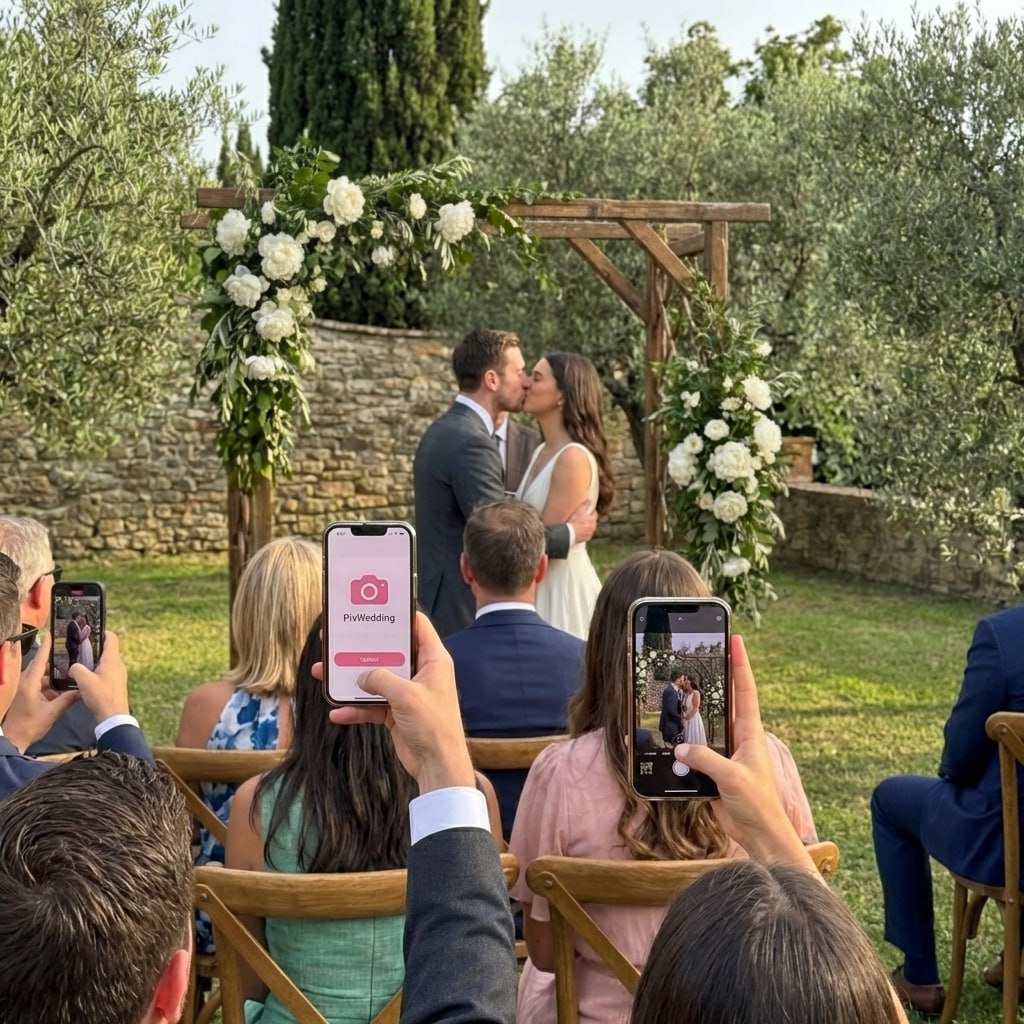
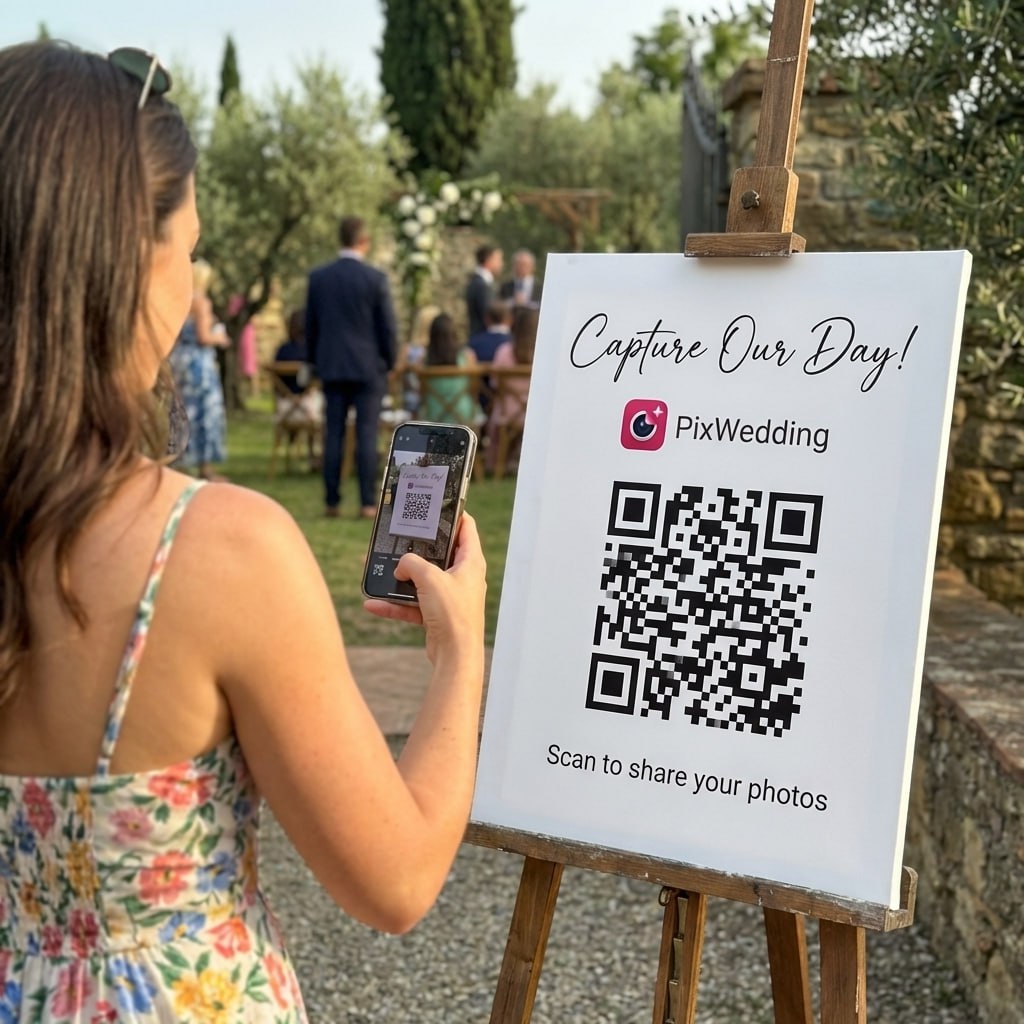
Apply in the right window and the legal side handles itself. Do the same for photos - one QR code at the venue, one shared album, every guest's shot collected.
From Mom
Scan to join the album
No app, no account
UPLOADING
Saving your moment
THE ALBUM
Emma & Jack
June 21, 2026
647 photos · 95 guests



SCAN TO TRY
pix.wedding/
your-wedding
Why Validity Windows Exist
Marriage license validity windows were established so that the government could ensure the information on the license (marital status, legal names, age) was still accurate when the ceremony takes place. A one-year-old license could contain outdated information, such as a legal name change, a prior marriage that occurred after the license was issued, or a change in the parties' willingness to marry.
Short validity windows (30-60 days) also discourage people from obtaining licenses speculatively or as a precaution without a firm plan to marry. From an administrative standpoint, having licenses expire keeps the records cleaner and reduces the number of unused licenses floating around.
- •Prevents outdated information from appearing on official records
- •Ensures both parties' intent to marry remains current
- •Creates a manageable window for officiants and witnesses
- •Reduces administrative burden from abandoned applications
How Waiting Periods Interact with Validity Windows
In states with both a waiting period and a relatively short validity window, careful timing is essential. For example, Wisconsin has a 3-calendar-day waiting period and a 60-day validity window. This means if you apply for your Wisconsin license 55 days before your wedding, it will be valid on your wedding day, but only barely. Apply too early and it expires; apply too late and you might not clear the waiting period in time.
The practical rule: in states with waiting periods, apply at least 14-21 days before the ceremony. In states with no waiting period and a 90-day or longer validity, applying 3-6 weeks out is comfortably safe for most couples.
Destination Weddings and Out-of-State Licenses
If you are planning a destination wedding, get your marriage license in the state where the ceremony will be held, not where you live. A license issued in New York is only valid in New York, for example. There is no such thing as a federally issued marriage license.
For destination weddings where travel logistics are complex, some couples plan their license application as part of their arrival in the venue state. Colorado is popular for destination weddings partly because it has no waiting period and allows self-solemnization (no officiant required), making the legal process very flexible.
Explore more free wedding tools
Everything you need to make your wedding day stress-free and unforgettable.
QR Sticker Designer
Design custom print-ready stickers.
Hashtag Generator
Create unique wedding hashtags.
How to Collect Guest Photos
5 methods ranked by participation rate and ease.
Get Photos After the Wedding
Message templates to gather guest photos post-wedding.
Share Wedding Photos with Guests
Compare every sharing platform by ease and participation.
Best Way to Get Guest Photos
The single method with the highest participation rate.
How to Make a Shared Wedding Album
Step-by-step setup for every platform.
Alternative to Disposable Cameras
Better, cheaper options than disposable cameras.
How Long Is a Marriage License Valid? FAQs
Everything you need to know about our free tools and how they help your wedding day.
It depends on the state. The most common validity window is 60 days, but states range from 20 days (Kentucky) to 1 year (Nevada and Arizona) or longer. Always check the expiration date printed on your specific license and plan your ceremony well within that window.
If your marriage license expires before you use it, it is no longer valid. You must return to the county clerk, fill out a new application, and pay the fee again. An expired license cannot be used, renewed, or extended in any US state. The wedding ceremony performed with an expired license is typically not legally recognized.
No. No US state offers extensions or renewals for expired marriage licenses. If your license expires, you must apply for a brand new one from the beginning. This is why planning at least 3-4 weeks before your ceremony is strongly recommended.
About 20 US states have a mandatory waiting period between when you receive the license and when you can legally use it for your ceremony. This commonly ranges from 24 hours (New York) to 3 days (Massachusetts, Michigan, Pennsylvania, Washington, Wisconsin). Texas requires 72 hours, which is functionally the same as 3 days. States like California, Georgia, and Colorado have no waiting period at all.
The sweet spot for most couples is 3-4 weeks before the ceremony. This is early enough to account for any waiting period and late enough that the license will still be valid on your wedding day. If your state has a validity window shorter than 30 days (like Kentucky at 20 days), time your application very carefully.
This is a gray area that varies by county. Most clerks consider the license valid through the end of the calendar day it expires. However, if your ceremony falls on the expiration date, check with your specific county clerk in advance to avoid any ambiguity, especially if your ceremony starts in the evening.