
Marriage License vs Marriage Certificate: What Is the Difference?
These two documents sound similar but serve completely different purposes. Here is everything you need to know about what each one is, when you get it, and how to use it.
Share Your Wedding Photos FreeThe Short Answer
Marriage License
A permit issued by a county clerk that legally authorizes you to get married. You apply for it before the ceremony, it has an expiration date, and both of you must usually appear in person to obtain it.
- Obtained weeks before the wedding
- Signed by spouses, officiant, and witnesses
- Valid for 30-90 days depending on state
- Costs $25-$115
Marriage Certificate
An official government record confirming your marriage happened. It is issued after the signed license is filed with the county, and it is the document you will use for name changes, passports, and other legal transactions.
- Issued weeks after the ceremony
- Permanent official record (never expires)
- Used for name changes, passport, insurance
- Costs $5-$30 per certified copy
Side-by-Side Comparison
Every key difference between a marriage license and a marriage certificate at a glance.
The Complete Timeline: License to Certificate
Here is exactly how the two documents fit into the sequence of getting legally married in the US.
Visit county clerk together with valid IDs and fee. Some states require a waiting period after application.
About 30 states have no waiting period. Others (e.g., Wisconsin and Iowa) impose a wait of about 3 days before the license is valid.
Officiant, witnesses, and both spouses sign the license at or after the ceremony.
The officiant or couple returns the signed license to the county clerk to be recorded. Deadline varies, typically 30 days.
The county records the marriage and issues a certified certificate. Some states mail it automatically; others require a request.
Request 4-6 certified copies for name changes, passport, employer, bank, and insurance.
Who Issues Each Document?
The issuing authorities are related but not always the same office.
Who Issues the Marriage License
In the US, marriage licenses are issued by the county clerk (or city clerk in some jurisdictions). You and your partner both appear at the clerk's office, present IDs, fill out the application, and pay the fee. The clerk checks eligibility and issues the license on the spot or within a day or two.
- County clerk in most states
- City clerk in New York City and some other cities
- Court clerk in some states
- Both partners must usually appear in person
Who Issues the Marriage Certificate
After the signed marriage license is returned to the county clerk and recorded, the county (and the state) maintains the official record. Certified copies of the marriage certificate are issued by the county clerk or the state vital records office (or both, depending on the state). You can request copies remotely after the initial registration.
- County clerk or recorder office
- State vital records / department of health
- Can be ordered online, by mail, or in person
- Third-party services like VitalChek can also obtain copies
Every Time You Will Need Your Marriage Certificate
Order more copies than you think you need. This table shows the most common use cases and what agencies expect.
How It Plays Out: A Real Scenario
Six weeks before the wedding
Maya and Jordan drive to the county clerk's office together, show their passports, fill out the marriage license application, and pay $82. The clerk hands them their marriage license, valid for 60 days. They need to get married before the license expires.
Wedding day
After the ceremony, Maya, Jordan, their officiant, and two witnesses all sign the marriage license. The officiant reminds them she will mail it to the county clerk within the week.
Three weeks after the wedding
The county records the marriage. Maya logs in to the county's online portal and orders five certified copies of their marriage certificate for $12 each. Two weeks later they arrive. Maya uses one to change her last name with Social Security, one for the passport office, and one for the HR department at work. She files the other two at home.
The key takeaway
At no point does Maya show the original marriage license to any government agency after the ceremony. The license is an internal document. The certificate is the public-facing proof. Both were necessary to create a legal marriage, but only the certificate is usable going forward.
5 Most Common Confusions Cleared Up
"We got married so we should already have a certificate."
The ceremony alone does not create the certificate. The signed license must be returned to the county clerk and recorded. Only then does the certificate get created. Allow 2-6 weeks after filing.
"I can just show the Social Security office our marriage license."
No. The SSA requires a marriage certificate (specifically a certified copy issued by the vital records authority), not the original license. Make sure you are bringing the right document.
"We only need one copy of the certificate."
You will likely need 4-6 copies over the months following your wedding. Each institution keeps the copy you give them. Order extras upfront while the filing fee often covers a bulk discount.
"The license and certificate are the same piece of paper."
In some counties the physical form is the same sheet that transforms from a license into the recorded certificate, but they remain legally distinct documents. Do not refer to them interchangeably when dealing with government agencies.
"A photocopy of our certificate is fine everywhere."
Most agencies require a certified copy with an official seal or stamp, not a photocopy. A certified copy is a reproduction issued by the government office with authentication markings that prove it is genuine.
Key Terms Glossary
An official reproduction of a document issued by the government office that holds the original record. It carries an embossed seal or printed stamp to verify authenticity.
A local government official who manages public records for a county, including marriage licenses and certificates.
Government-maintained records of life events including births, deaths, marriages, and divorces. Usually held by the state or county department of health.
A mandatory delay between applying for a marriage license and when the license becomes valid. Ranges from 0 to 6 days depending on the state.
The person authorized to legally solemnize (perform) a marriage ceremony. May be a judge, religious leader, or civil officiant depending on state law.
The formal performance of a marriage ceremony in a legally recognized manner. Required by most states alongside the license and filing.
How the Process Varies by State
Most states follow the same general flow, but there are notable quirks worth knowing about.
Offers a confidential marriage license option (available to couples already living together) where the record is sealed and not part of the public record. Only the couple can request copies of the certificate.
Allows self-solemnization, meaning no officiant is required. The couple can legally marry themselves. This is unique and highly popular for elopements and small intimate ceremonies.
NYC residents apply at the Office of the City Clerk (not the county), and the city has its own portal for certificate copies. The 24-hour waiting period applies before the license is valid for use.
One of the few states where the marriage license does not expire once issued. You can take as long as you need, though the information must still be current and accurate.
Famous for quick Las Vegas weddings. The license has a 1-year validity and there is no waiting period. The county clerk office in Clark County is open late specifically to accommodate couples.
After You Have the Certificate: Practical Next Steps
Once your certified copies arrive in the mail, here is the order most name-changers follow to keep momentum going.
Social Security Administration
Update your name with the SSA first; banks and the passport agency will want your updated SSA record. Bring the certified certificate plus your current ID to any SSA office, or use their online portal.
Passport
Apply for a new or updated passport using Form DS-11 (new) or DS-82 (renewal). You will need the certified certificate, current passport, photo, and fee. Allow 6-8 weeks processing time.
State ID or Drivers License
Visit your state DMV with your updated SSA card and the certified certificate. Rules vary, but most states require the certificate alongside your current ID and proof of residency.
Employer and Banks
Notify HR for payroll, benefits, and email/directory. Update financial accounts, investment accounts, and beneficiary designations on retirement and life insurance policies.
How Other Countries Handle the License vs Certificate Distinction
The two-document system is not unique to the US, but the structure varies widely around the world.
The UK uses a "notice of marriage" (similar to a license) filed 28 days before the ceremony. After the ceremony, both spouses and two witnesses sign a marriage register, which serves as the basis for the marriage certificate issued by the General Register Office.
Each province has its own system but the pattern is similar to the US: a marriage license obtained before the ceremony and a marriage certificate issued after registration. Quebec uses a "publication of bans" system in some cases.
Couples must give at least one month's notice to an authorized celebrant before the ceremony (the "Notice of Intended Marriage"). After the ceremony the celebrant registers the marriage and the couple receives a marriage certificate from the Births Deaths and Marriages registry.
Marriage must be solemnized before a registrar (Standesbeamter) at the civil registry office. There is no separate license step: the civil ceremony itself creates the legal record, and the Heiratsurkunde (marriage certificate) is issued immediately.
A civil marriage ceremony conducted by a judge (Juez del Registro Civil) is required for legal recognition. Religious ceremonies have no legal effect on their own. The acta de matrimonio (marriage record) is issued at the time of the civil ceremony.
If you are marrying abroad or need your US marriage recognized internationally, consult the embassy or consulate of the relevant country for specific apostille and recognition requirements.
Related Wedding Legal Guides

First dance
You guys!!
Two documents down. One photo album to go.
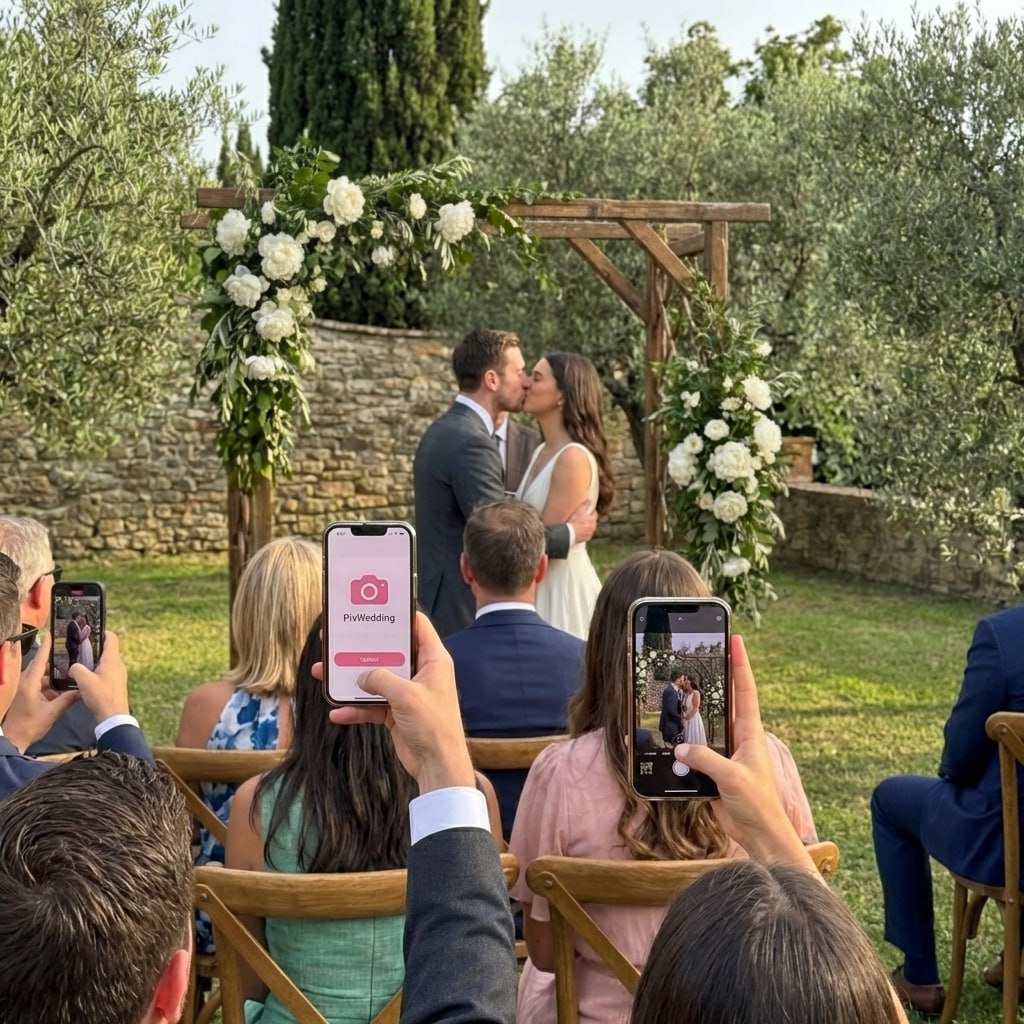
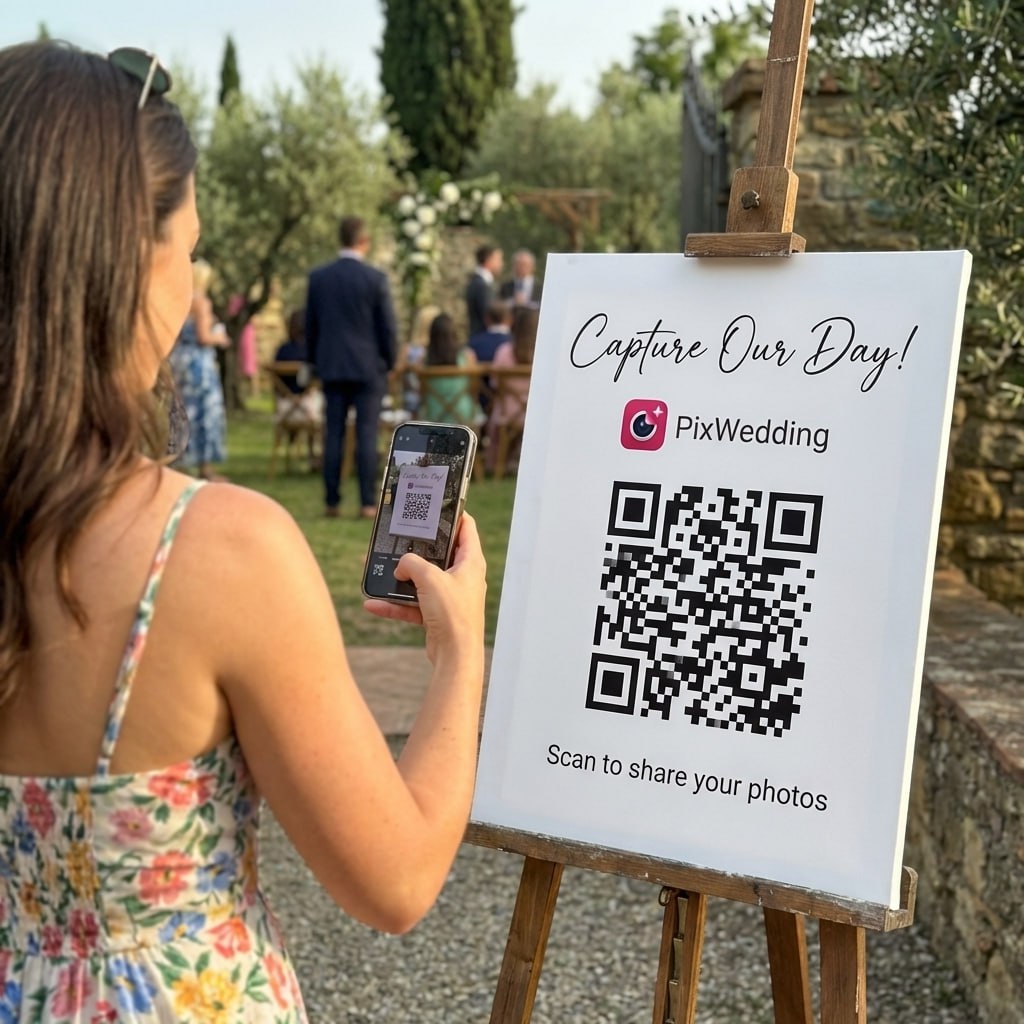
The license gets you married. The certificate proves it. A QR code at the venue gets every guest's photo into one shared album without any chasing.
From Mom
Scan to join the album
No app, no account
UPLOADING
Saving your moment
THE ALBUM
Emma & Jack
June 21, 2026
647 photos · 95 guests




SCAN TO TRY
pix.wedding/
your-wedding
Why the Confusion Exists
The terms "marriage license" and "marriage certificate" are used interchangeably in everyday conversation, but they are legally distinct documents issued at different points in the marriage process. Understanding both is essential for name changes, passport updates, beneficiary designations, and any legal or financial transactions after your wedding.
Most confusion stems from the fact that in many US counties the physical paperwork starts as a single form. You apply for the license, the officiant fills in the ceremony details and everyone signs it, and then that same completed form is filed to create your certificate record. But legally, the license and the certificate are two different legal instruments serving two different purposes.
- •A license is permission to do something; a certificate is proof that it happened
- •Licenses have expiration dates; certificates do not expire
- •Licenses are obtained from a county clerk before the wedding; certificates are issued by vital records after
- •Licenses require both spouses to appear in person in most states; certificate copies can be ordered remotely
When Each Document Enters the Picture
The sequence is straightforward once you know it. You apply for the license weeks before the wedding, use it during the ceremony, and receive the certificate weeks after, sometimes automatically by mail, sometimes only after you request it.
For most administrative tasks such as changing your name on a Social Security card, updating a passport, adding a spouse to health insurance, or filing joint taxes you will need a certified copy of the marriage certificate, not the original license.
Common Misconceptions and Pitfalls
One common mistake is assuming that signing the license at the ceremony means you instantly have a marriage certificate. In reality, the signed license must be submitted to and recorded by the county clerk before a certificate is issued, a process that can take days to several weeks.
Another pitfall is ordering too few certified copies. Most couples need at least four to six copies for Social Security, passport, employer HR, bank accounts, joint property, and insurance. Ordering in bulk at the time of filing is usually cheaper than ordering individual copies later.
Explore more free wedding tools
Everything you need to make your wedding day stress-free and unforgettable.
QR Sticker Designer
Design custom print-ready stickers.
Hashtag Generator
Create unique wedding hashtags.
How to Collect Guest Photos
5 methods ranked by participation rate and ease.
Share Wedding Photos with Guests
Compare every sharing platform by ease and participation.
Best Way to Get Guest Photos
The single method with the highest participation rate.
How to Make a Shared Wedding Album
Step-by-step setup for every platform.
Alternative to Disposable Cameras
Better, cheaper options than disposable cameras.
Alternative to Wedding Photo Booth
5 cheaper alternatives to a $1,000+ photo booth rental.
Marriage License vs Certificate: FAQs
Straight answers to the questions people ask most about this topic.
A marriage license is the permit you obtain before the wedding that authorizes you to legally marry. A marriage certificate is the official record issued after the ceremony confirming the marriage took place. The license comes first; the certificate comes after.
Yes. You apply for the license before your wedding, use it during the ceremony (the officiant signs it), and then the signed license is filed with the county clerk who issues your marriage certificate. You cannot skip either step for a legally recognized marriage.
Typically both spouses, the officiant, and one or two witnesses sign the marriage license at or after the ceremony. Requirements for witnesses vary by state: some require two, some require one, and a handful require none.
Contact the county clerk or vital records office in the county where you were married. You can usually request copies in person, by mail, or online. Fees range from about $5 to $30 per copy depending on the state.
No. A marriage license is only a permit to marry, not proof that a marriage occurred. Once signed and filed, the resulting marriage certificate (or a certified copy) is the official proof of marriage accepted by the Social Security Administration, passport agencies, and employers.
If your license expires before you use it, you must apply for a new one and pay the fee again. Most licenses are valid for 30 to 90 days depending on the state. Plan your ceremony date carefully within that window.