
Marriage Certification: Your Complete US Guide
How to obtain certified copies, request apostilles, replace lost certificates, and use your marriage certification for name changes, immigration, insurance, and more.
What Is a Marriage Certificate?
A marriage certificate is the official government document that legally proves two people are married. It is issued by the county or state vital records office after the signed marriage license is filed. The certificate typically lists both spouses' full legal names, date of marriage, place of marriage, names of witnesses, and the name of the officiant.
The original signed license is filed with the county clerk or recorder. What you receive (or request) later is a certified copy, which carries the same legal weight for official purposes. Without it, you cannot legally prove your marital status to government agencies, employers, or financial institutions.
Marriage License
Obtained before the ceremony. A permit authorizing two people to marry. Must be signed during the ceremony and filed afterward.
Marriage Certificate
Issued after the ceremony is complete and the license is filed. The official proof-of-marriage document used for all legal, financial, and immigration purposes.
Certified Copy
A copy of the certificate bearing an official government seal. This is what agencies actually require. Photocopies do not qualify as certified copies.
6 Key Reasons You Will Need Your Marriage Certification
Most couples need their marriage certificate far more often than they anticipate. Here are the most common situations that require a certified copy.
Name Change
Required by Social Security Administration, DMV, passport agency, and financial institutions when changing your legal name after marriage.
Health Insurance
Employers and insurance carriers require a certified copy to add a spouse to a health plan outside open enrollment as a qualifying life event.
Immigration and Visas
USCIS requires certified marriage certificates for spousal visa and green card applications. Apostille may be needed for foreign documentation.
Estate and Inheritance
Probate courts and financial institutions need proof of marriage when a spouse dies intestate (without a will) to establish inheritance rights.
Tax Filing
While the IRS does not always require the certificate itself, banks and financial institutions verifying joint accounts may ask for it.
Military and VA Benefits
Spouses of active duty military and veterans need certified copies to establish eligibility for benefits, housing allowances, and survivor benefits.
Step-by-Step: How to Get a Certified Copy
Identify the Issuing Office
Find the vital records office in the county or state where your marriage ceremony occurred. This is usually the county clerk, register of deeds, or state health department.
Confirm You Are an Authorized Requester
Most states restrict certified copies to parties directly named on the certificate (both spouses), their parents, legal guardians, or authorized legal representatives. Have ID ready.
Choose Your Request Method
In-person is fastest (same day or next day). By mail takes 4 to 8 weeks. Online via VitalChek or the state portal takes 5 to 15 business days for delivery.
Complete the Request Form
Fill out the official vital records request form with full names of both spouses as they appear on the license, date of marriage, and county of marriage. Some states require notarization.
Pay the Fee
Fees range from $5 to $30 per copy. Order multiple copies at once to save time and sometimes money. Most offices accept check, money order, or credit card.
Receive and Verify Your Copy
When the certified copy arrives, verify all names, dates, and the official seal are correct. If there is an error, contact the office immediately to begin the amendment process.
Marriage Certificate Fees and Wait Times by State
Fees and processing times vary significantly. The table below covers the 10 most populous states. Always verify current fees directly with the issuing office, as amounts change periodically.
| State | Fee (per copy) | Mail Wait Time | In-Person Available |
|---|---|---|---|
| California | $17 | 6-8 weeks (mail) | Yes (county clerk) |
| New York | $30 | 4-6 weeks (mail) | Yes (NYC only) |
| Texas | $20 | 4-6 weeks (mail) | Yes (county clerk) |
| Florida | $10 | 3-5 weeks (mail) | Yes (county health) |
| Illinois | $15 | 6-8 weeks (mail) | Limited |
| Pennsylvania | $20 | 4-6 weeks (mail) | Yes (county clerk) |
| Ohio | $21 | 4-6 weeks (mail) | Yes (county clerk) |
| Georgia | $10 | 3-4 weeks (mail) | Yes (county probate) |
| North Carolina | $10 | 3-5 weeks (mail) | Yes (register of deeds) |
| Washington | $25 | 3-5 weeks (mail) | Yes (county auditor) |
Sources: State vital records offices. Fees accurate as of early 2026. Check official state websites for current amounts.
Getting an Apostille on Your Marriage Certificate
An apostille (pronounced ap-oh-STEEL) is an international certification that authenticates a public document for use in countries that are members of the Hague Apostille Convention. If your marriage needs to be recognized abroad, you will need this extra step.
Who Issues Apostilles?
The Secretary of State office in the state where the marriage certificate was issued. You must first have a certified copy, then submit it to the Secretary of State with the apostille request form and fee ($5 to $20 per document).
Which Countries Accept It?
Over 120 countries including most of Europe, Australia, Mexico, Brazil, Japan, and South Korea. Countries NOT in the Convention (including UAE, China, and Egypt) require full legalization through the US Department of State and the country's embassy.
How Long Does It Take?
Mail processing: 2 to 6 weeks. In-person (where offered): same day or next day. Some states have dedicated apostille desks. Factor in the certified copy procurement time as well; the full process can take 6 to 10 weeks by mail.
How to Replace a Lost or Damaged Marriage Certificate
Losing your marriage certificate is stressful but fixable. Because the original signed license is always kept on file by the issuing county or state, you can request a new certified copy at any time, even decades after the marriage. There is no expiration on official records.
Contact the Right Office
Go back to the county clerk or vital records office in the county where the marriage took place, not where you currently live. That office holds the original records.
Provide Identifying Information
You will need both spouses' full names at time of marriage, approximate date of marriage, and county. Government-issued photo ID is required to verify you are an authorized requester.
Pay the Fee Again
The replacement process is identical to the initial request. Fees range from $5 to $30 depending on the state. Order multiple copies to avoid repeating this process.
Old Records: Before 1970
For very old marriages, records may be held at the county level only, not the state. Some pre-1900 records are held by historical societies or genealogy archives.
6 Common Marriage Certificate Mistakes to Avoid
Ordering Only One Copy
Name change, insurance, immigration, and bank accounts may each require their own certified copy. Order at least three at the same time to avoid repeated fees and wait times.
Using a Photocopy
Photocopies are not accepted for legal purposes. Agencies require a document with the official raised or color seal. A scan or photo of the certificate also does not qualify.
Waiting Too Long After the Wedding
Some name change deadlines (passport agencies, Social Security) have time windows. Starting the certification process immediately after the wedding avoids unnecessary complications.
Requesting from the Wrong Office
Some states have both a county office and a state office. If you request from the wrong office, your request will be rejected or delayed. Confirm the correct issuing authority first.
Skipping the Apostille for International Use
A domestic certified copy is not automatically valid in foreign countries. If you need to use the document abroad, research apostille requirements for your destination country well in advance.
Not Storing a Safe Backup
Marriage certificates can be damaged, lost, or destroyed in floods or fires. Keep at least one copy in a fireproof safe or safety deposit box, and maintain an encrypted digital scan.
Post-Wedding Marriage Certification Checklist
Complete these tasks in the months after your wedding to ensure your marriage is fully documented and legally protected.
Weeks 1 to 4
- Confirm the officiant returned the signed license to the county clerk
- Request at least three certified copies from the county or state vital records office
- Scan and upload a digital backup to encrypted cloud storage
Months 1 to 3
- File name change with Social Security Administration (free, in person or by mail)
- Update driver's license or state ID at the DMV
- Notify employer's HR department for insurance and tax records
- Update financial accounts (bank, investments, retirement)
If Needed
- Apply for apostille if using abroad (through Secretary of State)
- Submit USCIS I-130 petition copy for immigration sponsorship
- Store an original in a fireproof safe or safety deposit box
Related Marriage and Wedding Guides

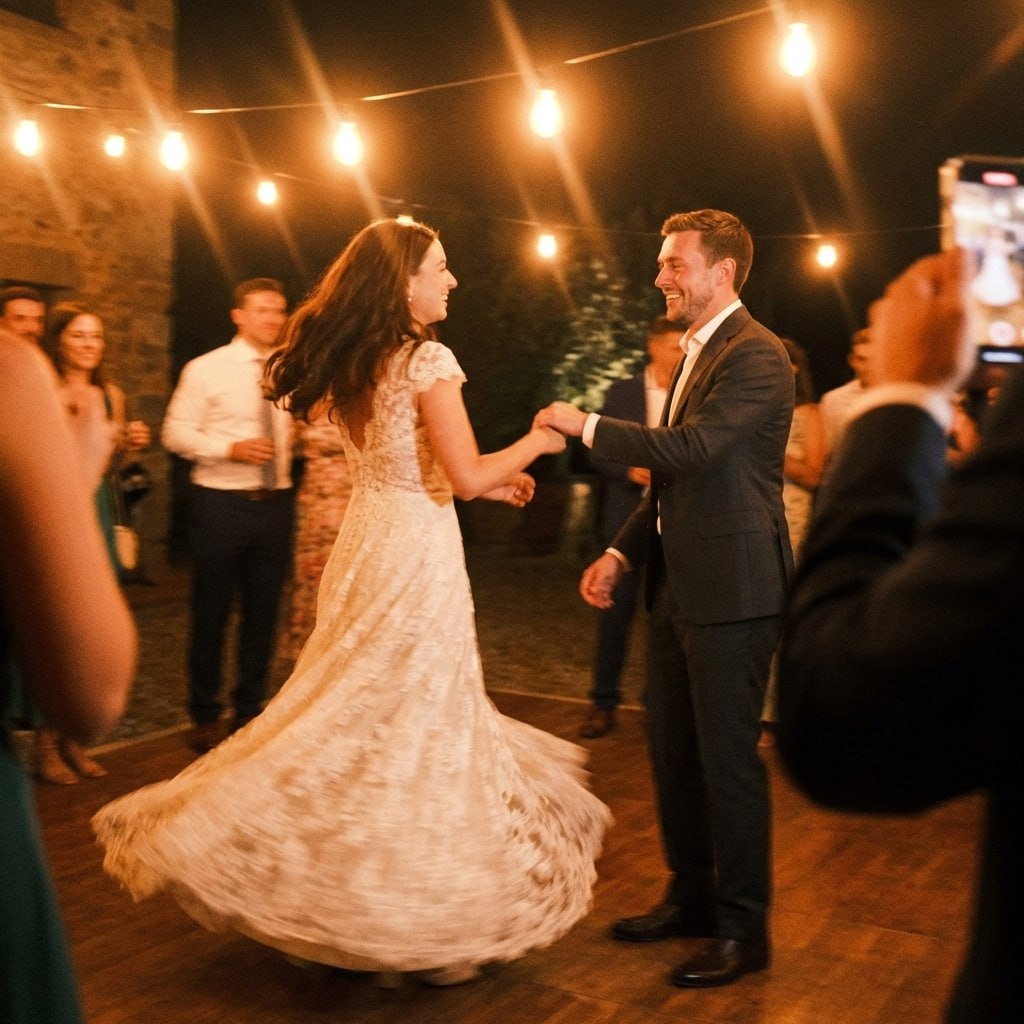
First dance
You guys!!
Certified marriage, certified memories.
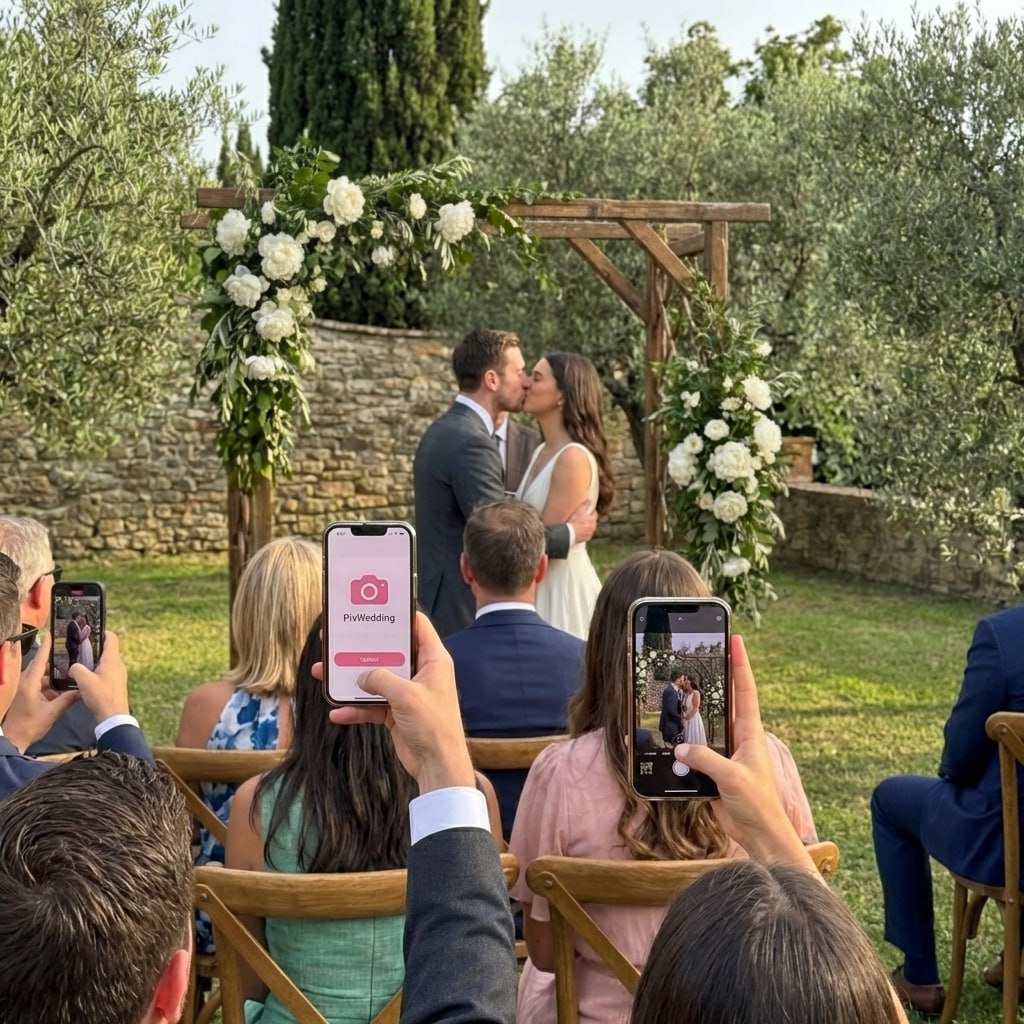
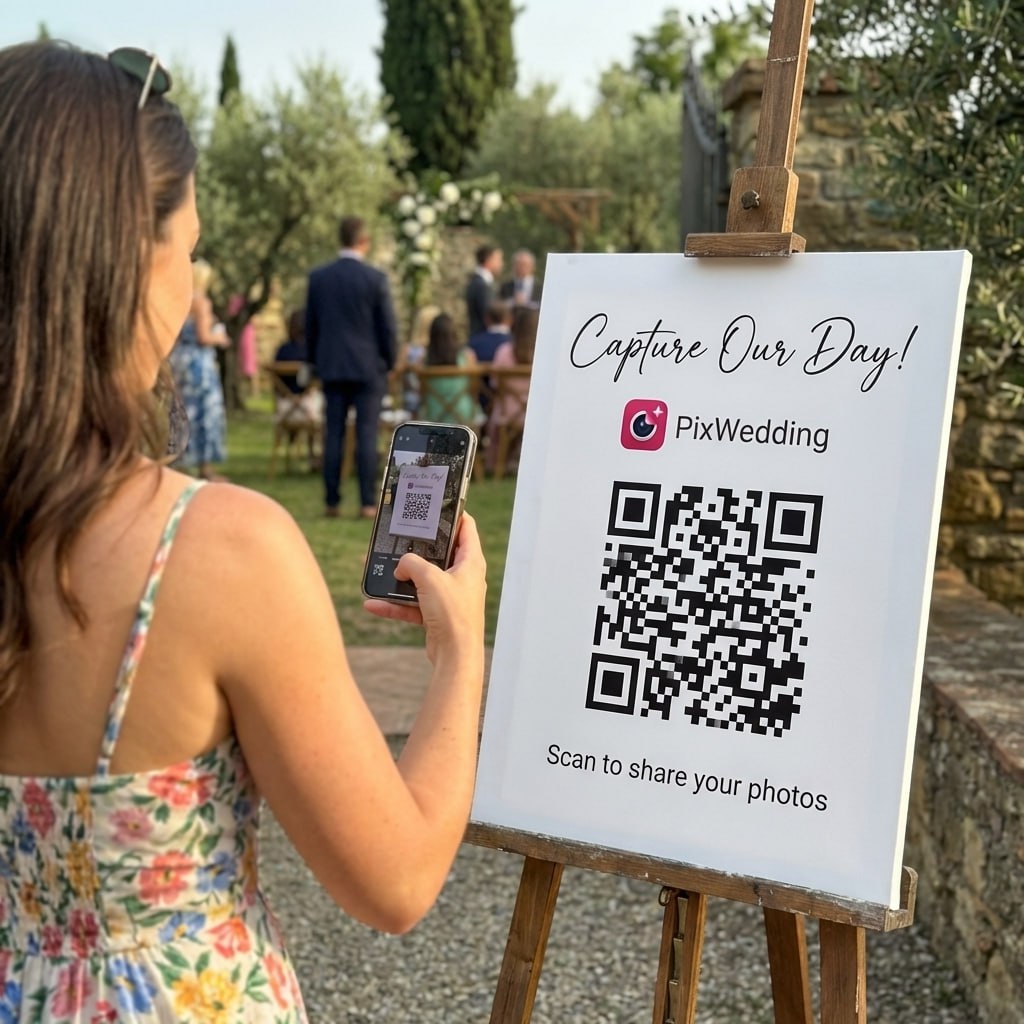
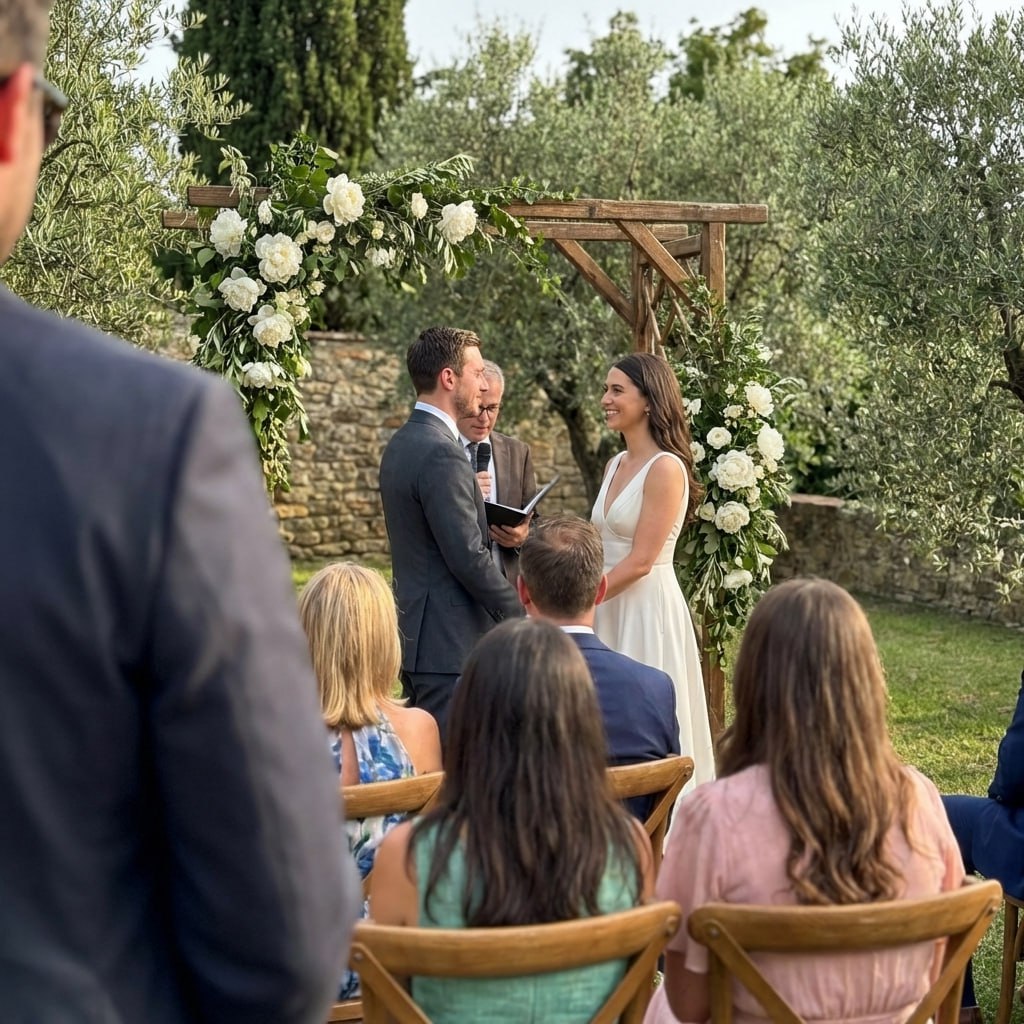
The paperwork is handled. Now make sure the photos are too. Guests scan a QR at the venue and every shot lands in one private album.
From Mom
Scan to join the album
No app, no account
UPLOADING
Saving your moment
THE ALBUM
Emma & Jack
June 21, 2026
647 photos · 95 guests





SCAN TO TRY
pix.wedding/
your-wedding
Why Marriage Certification Matters Beyond the Wedding Day
Your marriage certificate is one of the most functionally important documents you will ever hold. Unlike a diploma or award, it unlocks real-world legal rights: joint tax filing, spousal health insurance, inheritance without a will, immigration sponsorship, and the legal ability to make medical decisions for your spouse.
Many couples get married, receive the certificate in the mail weeks later, and file it away without making copies. That single oversight causes enormous headaches when the time comes to change a name on a passport, add a spouse to a mortgage, or apply for a survivor benefit. Proactive management of your marriage certification is a small investment with outsized returns.
The term "marriage certification" refers both to the formal process of registering a marriage with the government and to the resulting document. In everyday use, people use "certificate" and "certification" interchangeably, though strictly speaking the certificate is the document and certification is the process.
How to Request Certified Copies by State
Certified copies are not the same as photocopies. A certified copy bears a raised seal or color seal from the issuing vital records office, making it legally valid for government, financial, and immigration purposes. Here is how the process works in the most populous states.
California: Request through the California Department of Public Health (CDPH) or the county clerk where the marriage was registered. Authorized copies (for legal use) cost $17; informational copies are also available. Processing by mail takes 6 to 8 weeks; county clerks often provide same-day service.
New York: The New York City Department of Health handles records for NYC marriages; the New York State Department of Health handles all other counties. Fees start at $30. Online requests go through VitalChek.
Texas: Requests go to the Texas Department of State Health Services or the county clerk. Certified copies cost $20. The state also offers a free verification letter (not a full copy) for quick proof-of-marriage purposes.
Florida: The Florida Department of Health Bureau of Vital Statistics issues copies for $10 each. Additional copies ordered at the same time are discounted. Walk-in service is available at county health departments.
- •Always order at least three certified copies: one for each major use (name change, insurance, immigration)
- •Keep at least one original in a fireproof safe or safety deposit box
- •Scan and store a digital backup in encrypted cloud storage
- •Check whether the agency requires you to be an authorized requester (spouse, parent, legal representative)
- •Some states require notarized request forms; download the correct form from the state health department website
Apostille and International Use of Your Marriage Certificate
If you or your spouse is an international citizen, or if you plan to live, work, or own property abroad, you will likely need an apostille attached to your US marriage certificate. An apostille is a standardized international certification under the 1961 Hague Convention, which over 120 countries have joined.
The process involves two steps: first obtain a certified copy from the vital records office, then submit it to the Secretary of State office in the state where the certificate was issued for the apostille stamp. Fees vary from $5 (some states) to $20 per document. Processing takes 2 to 6 weeks by mail or can often be done in person the same day.
Countries NOT in the Hague Convention (including UAE, Egypt, and others) require a different process called legalization or authentication, which goes through the US Department of State and then the foreign country's embassy. Research your specific destination country's requirements well in advance.
Explore more free wedding tools
Everything you need to make your wedding day stress-free and unforgettable.
QR Sticker Designer
Design custom print-ready stickers.
Hashtag Generator
Create unique wedding hashtags.
How to Collect Guest Photos
5 methods ranked by participation rate and ease.
Share Wedding Photos with Guests
Compare every sharing platform by ease and participation.
Best Way to Get Guest Photos
The single method with the highest participation rate.
How to Make a Shared Wedding Album
Step-by-step setup for every platform.
Alternative to Disposable Cameras
Better, cheaper options than disposable cameras.
Alternative to Wedding Photo Booth
5 cheaper alternatives to a $1,000+ photo booth rental.
Marriage Certification FAQ
Straight answers to the questions people ask most about this topic.
A marriage license is the permit you obtain before the ceremony that authorizes you to wed. A marriage certificate is the official legal document issued after the ceremony confirming the marriage took place. The license is a prerequisite; the certificate is the proof. They are separate documents with different purposes.
Processing times vary by state and county. Most vital records offices take 4 to 8 weeks by mail. Many offer in-person same-day or next-day service. Expedited online third-party services (VitalChek, etc.) can often deliver in 5 to 10 business days for an added fee. Rush processing is available in most states.
Fees range from about $5 to $30 per certified copy depending on the state. California charges $17, New York $30, Texas $20, Florida $10. Some states charge less for additional copies ordered at the same time. Third-party services add a service fee of $10 to $30 on top of the state fee.
An apostille is an internationally recognized certification stamp that verifies a document is genuine, issued under the Hague Apostille Convention (which the US joined in 1981). You need an apostille if you plan to use your marriage certificate in another country for purposes like a foreign visa, property purchase abroad, or international name change. The Secretary of State office in the state where the certificate was issued handles apostilles.
Many states now offer online requests through their official vital records portal or through authorized third-party services like VitalChek. You submit the request online, pay by credit card, and the physical certified copy is mailed to you. Fully digital (PDF) certified copies are not yet universally accepted, so most agencies still mail paper documents.
Contact the vital records office in the county where the marriage occurred. Most offices have an amendment process that requires submitting a written correction request along with supporting documentation (such as a driver's license or birth certificate showing the correct information) and paying a small amendment fee. Corrections to names, dates, and spellings are common and usually straightforward to fix.