
Wedding Officiant Certification: The Complete US Guide
How to get legally ordained online, navigate state requirements, register with your county, and perform a wedding ceremony that holds up in court -- in every US state.
8-Step Certification Process
Follow these steps in order to ensure your officiant authority is legally airtight in any US state.
Choose Your Ordaining Organization
The Universal Life Church (ulc.org) and American Marriage Ministries (theamm.org) are the two most widely accepted. Both are free and take under five minutes. AMM has slightly better acceptance in strict states like Virginia.
Complete the Online Ordination
Fill in your full legal name and email address. You will receive a confirmation email immediately. Your ordination is effective upon completion -- you do not need to wait for physical credentials.
Order a Letter of Good Standing (if needed)
Some states (Virginia, and a few counties in other states) require a letter of good standing from your ordaining organization. Both ULC and AMM provide these for free or a small fee ($5-$15) and can email a PDF within 24 hours.
Check Your State and County Requirements
Call or email the county clerk in the county where the wedding will take place. Ask: "What credentials does an ordained minister need to present to solemnize a marriage?" Write down the answer and their name.
Register If Your State Requires It
New York City, Virginia, and a small number of other jurisdictions require advance registration. Bring your ordination certificate and letter of good standing. Registration windows vary -- NYC requires registration at least one business day before the ceremony.
Obtain the Printed Ordination Certificate
While not legally required in most states, a printed certificate is useful backup documentation. Both ULC and AMM sell printed certificates for $10-$30, or you can print a digital version yourself if your county accepts it.
Prepare the Marriage License Signing Procedure
Review the specific fields you will complete on the marriage license. Typically: your full name, title ("Minister" or "Ordained Minister"), organization name (e.g. "Universal Life Church"), address, date, county, and city of the ceremony.
Return the Signed License to the County Clerk
After the ceremony, the officiant must return the completed and signed marriage license to the county clerk, usually within 3-10 days depending on the state. Failure to return promptly is the most common legal error officiants make.
Top Online Ordination Organizations Compared
All four organizations below provide legally recognized ordinations. The differences matter most in strict states like Virginia.
Universal Life Church (ULC)
ulc.org
Largest online ordaining body. Some Virginia courts have questioned ULC in the past -- use AMM for Virginia ceremonies.
American Marriage Ministries (AMM)
theamm.org
Better track record in strict states. Provides detailed state-by-state guides. Strong legal support documentation.
Open Ministry
openministry.org
Smaller organization, less case law behind it. Acceptable for most states but less documentation available.
Rose Ministries
rose-ministries.org
Good alternative to ULC in states that scrutinize the ordaining body. Provides certificates in multiple formats.
State-by-State Difficulty Snapshot
A quick reference for eight commonly asked-about states. Always verify current law with your county clerk.
Use AMM; get letter of good standing within 30 days of ceremony; some counties require advance registration.
Marriage laws revised in 2022. Current statute accepts online ordination but confirm with county register of deeds.
Must register with NYC City Clerk at least 1 business day before ceremony. Outside NYC, no registration needed.
Accepts "minister of the gospel" broadly. Online ordination consistently recognized by courts.
No registration required. Ordained ministers have full authority. Broad acceptance of online ordination.
Any ordained minister of a religious organization may solemnize. Online ordination accepted without additional steps.
Notaries public can also perform ceremonies here. Online ordination fully accepted.
No registration required outside Cook County. Cook County requires the officiant's credentials on file.
Data current as of April 2026. Marriage statutes change -- always confirm with your county clerk.
What Does It Cost to Become an Officiant?
The short answer: often nothing. Here is a complete cost breakdown so you know exactly what to budget.
6 Mistakes That Can Invalidate Your Ceremony
These are the errors that actually cause marriages to be legally voided. Avoid every one of them.
Forgetting to Return the License
The single most common mistake. The officiant, not the couple, is responsible for returning the signed license to the county clerk within the legal window (usually 3-10 days). Missing this deadline can invalidate the marriage.
Wrong Title on the License
Listing a title like "Friend" or "Celebrant" instead of "Ordained Minister" or "Minister" can cause the county clerk to reject the license. Always use the exact title your ordaining organization grants.
Not Verifying State Law in Advance
Marriage statutes change. What was accepted three years ago may have been revised. Call the county clerk directly -- do not rely solely on third-party websites including this one -- to confirm current requirements.
Using ULC in Virginia Without Backup
Virginia has been the most litigious state regarding online ordination. Multiple courts have invalidated ULC marriages. Use AMM and obtain their Virginia-specific documentation package.
Forgetting to Complete the Ceremony Elements
Most states require that the officiant ask both parties to declare their consent ("Do you take...") during the ceremony. A ceremony that skips the declaration of intent may be deemed legally defective even if the license is filed correctly.
Waiting Until the Last Minute
Ordination is instant, but letters of good standing, printed credentials, and county registration (where required) can take days. Start at least 3-4 weeks before the wedding to leave room for any complications.
What a Wedding Officiant Actually Does
Beyond the legal credentials, here is what you are committing to when you agree to officiate a friend or family member's wedding.
Pre-Ceremony Planning Calls
Good officiants meet with the couple 2-3 times before the wedding to understand their story, co-write the ceremony script, discuss readings and vows, and walk through the ceremony structure.
Ceremony Script Preparation
The officiant writes or co-writes the ceremony, usually 15-25 minutes long. This includes the welcome, the story of the couple, readings, the declaration of intent, ring exchange, and pronouncement.
Rehearsal Leadership
Officiants lead the wedding rehearsal the night before, guiding the wedding party through positioning, pacing, cues, and the ceremony flow so everyone knows exactly what to do.
Legal Declaration and Paperwork
The most legally critical role: asking the declaration of intent, pronouncing the couple legally married, signing the marriage license along with witnesses, and returning the license to the county clerk within the legal window.
Managing the Room
A skilled officiant reads the energy of the room, maintains appropriate pacing, handles any unexpected moments (weather, cries, late guests), and ensures the ceremony feels meaningful rather than rushed.
Personal Touch
The best officiants personalize the ceremony so deeply that guests say things like "it felt written just for them." That takes research, care, and creativity that no credential can replace.
Officiant Ceremony Checklist: What Must Happen Legally
Not every beautiful ceremony element is legally required. Here is exactly what the law needs from you as an officiant, stripped of tradition.
Legally Required Elements
Declaration of Intent: Each party must audibly state their consent ("I do" or equivalent)
Both parties must be physically present at the same location at the same time
The officiant must be physically present (remote officiants are not accepted in most states)
The ceremony must occur before the marriage license expires (check your state window)
The officiant must sign the marriage license completely and correctly after the ceremony
The signed license must be returned to the issuing county clerk within the state-mandated window
Legally Optional (but Meaningful)
Personal vows (the couple can also use a simple "I do" legally)
Ring exchange (rings have no legal role in the ceremony)
Readings, poems, or music (entirely optional)
Unity candle, sand ceremony, or other rituals (symbolic only)
The kiss (tradition, not law)
A formal processional and recessional (etiquette, not requirement)
An audience or witnesses beyond the minimum required
Related Marriage Legal Guides
Everything you need to know about the legal side of getting married.
First dance
You guys!!
Ordained and ready. Now collect every photo.
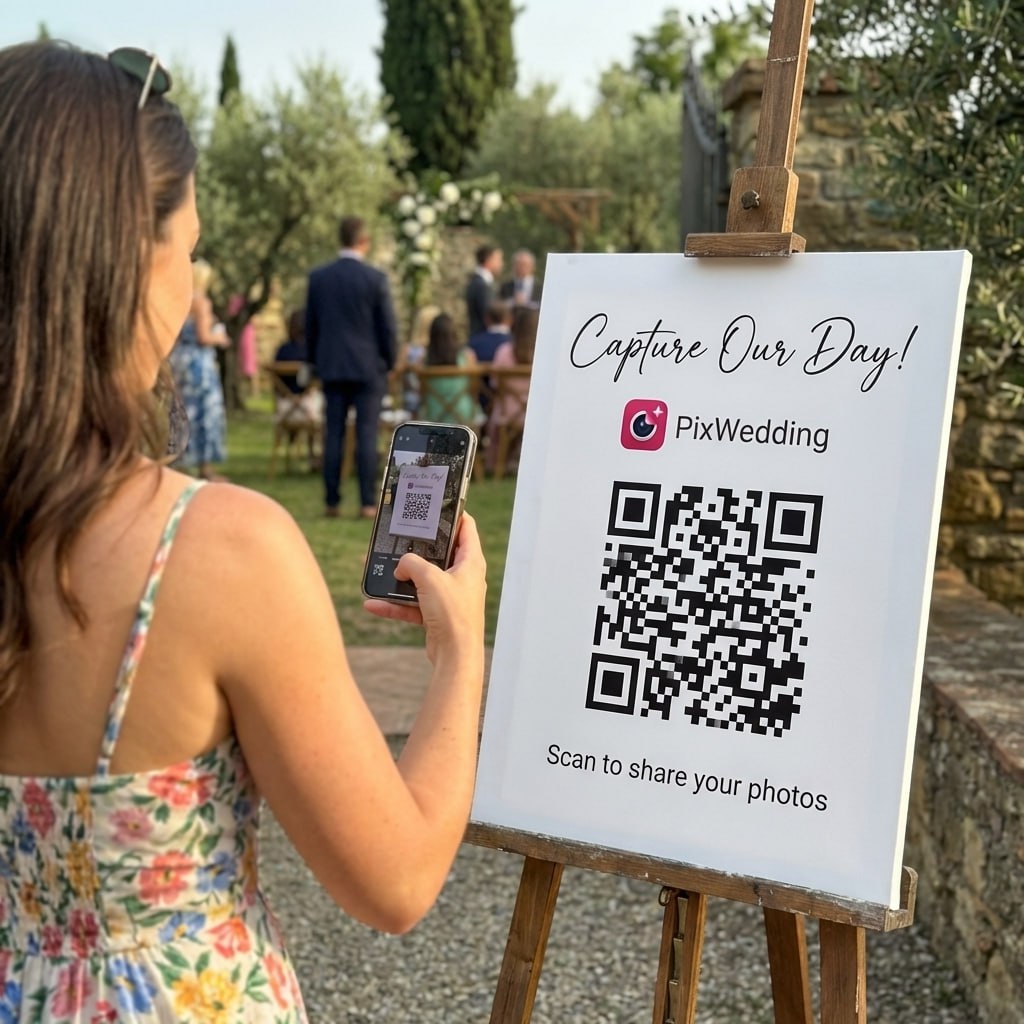
Once you are certified to perform the ceremony, set up a QR code so guests can upload their photos instantly - the aisle, the vows, the reception, all in one album.
From Mom
Scan to join the album
No app, no account
UPLOADING
Saving your moment
THE ALBUM
Emma & Jack
June 21, 2026
647 photos · 95 guests



SCAN TO TRY
pix.wedding/
your-wedding
Understanding the Legal Framework for Wedding Officiants
In the United States, marriage law is governed at the state level, which means requirements for who can legally perform a wedding vary from state to state. The federal government does not issue officiant licenses. Instead, each state defines which classes of people -- clergy, civil judges, notaries, and ordained ministers -- are authorized to solemnize marriages.
The phrase "wedding officiant certification" is a common search term, but strictly speaking there is no single national certificate. What exists is ordination through a religious or non-denominational organization, which grants you the title of "minister" or "reverend," and that credential is what most states accept. Some states also allow notaries public to perform ceremonies, and a few permit any adult to officiate after a one-day authorization.
- •Ordained ministers (online or traditional) -- valid in 47+ states
- •Judges, magistrates, and court clerks -- valid in all 50 states
- •Notaries public -- valid in Florida, Maine, South Carolina, and a handful of others
- •Civil celebrants -- recognized in some states as a distinct category
- •One-day deputy clerk authorizations -- offered by a few counties for individual ceremonies
Online Ordination vs. Traditional Clergy: Key Differences
Traditional clergy are ordained through a recognized religious denomination after years of study or service. Online ordination takes minutes and is granted by non-denominational organizations whose defining belief is that anyone can minister to others. Courts have repeatedly upheld the legitimacy of online ordination, including a landmark 2009 New York decision and subsequent rulings across multiple states.
The practical difference for couples is almost none: both types of officiants can legally marry you, both sign the license, and both deliver the ceremony you script together. The difference matters mainly for deeply religious couples who want denominational rites, and for the handful of states that scrutinize the ordaining body.
State-by-State Quirks and What to Watch For
While the vast majority of states accept online ordination without any additional steps, a handful require extra care. Always download the most current version of your state's marriage statutes or call the county clerk to confirm before the ceremony.
Virginia is the most commonly cited challenging state. Courts there have at times rejected ULC ordinations, though AMM ordinations have fared better. If you're marrying in Virginia, use AMM and get a letter of good standing within 30 days of the ceremony.
Pennsylvania allows any "minister of the gospel" to perform marriages, and courts have consistently interpreted online ordination as qualifying. New York outside of New York City needs no registration but requires the officiant's name, address, and title on the license. New York City remains the most regulated jurisdiction: officiants must register at the City Clerk's office at least one day before the ceremony.
Explore more free wedding tools
Everything you need to make your wedding day stress-free and unforgettable.
QR Sticker Designer
Design custom print-ready stickers.
Hashtag Generator
Create unique wedding hashtags.
How to Collect Guest Photos
5 methods ranked by participation rate and ease.
Share Wedding Photos with Guests
Compare every sharing platform by ease and participation.
Best Way to Get Guest Photos
The single method with the highest participation rate.
How to Make a Shared Wedding Album
Step-by-step setup for every platform.
Alternative to Disposable Cameras
Better, cheaper options than disposable cameras.
Alternative to Wedding Photo Booth
5 cheaper alternatives to a $1,000+ photo booth rental.
Wedding Officiant Certification FAQ
Straight answers to the questions people ask most about this topic.
In most US states, yes. The Universal Life Church (ULC) and American Marriage Ministries (AMM) ordinations are accepted in roughly 47 states. Virginia, North Carolina, and a handful of others have historically been more restrictive, so always verify current state law before the ceremony.
It depends on the state. New York City requires officiants to register with the City Clerk. Virginia and a few other states require advance registration. Most states do not require registration but instead verify credentials at the time the marriage license is submitted.
Getting ordained online is free through ULC and AMM. Optional ordination certificates cost $10-$30. Some counties charge a $10-$25 registration fee. If you want a formal minister credential package with letter of good standing, expect to spend $20-$60 total.
Yes, in all 50 states a friend or family member can legally perform your wedding ceremony after obtaining proper ordination. They simply need to get ordained online, understand your state's rules, and sign the marriage license correctly.
The officiant signs the marriage license after the ceremony, filling in their name, title, ordaining organization, address, and the date and location of the ceremony. They also typically sign any witnesses' section. This completed license must then be returned to the county clerk, usually within 3-10 days.
No. Ordinations from ULC, AMM, and most online organizations are lifetime credentials with no expiration date. Some states require a letter of good standing dated within a certain window (e.g. 30 days) of the ceremony, which you can request free from your ordaining organization.