
Rustic Wedding Venues Guide 2026: Barns, Farms, Vineyards and More
Everything you need to find, compare, and book the perfect rustic wedding venue. Real costs, hidden fees, decor ideas, and guest comfort tips from real weddings.
Rustic Venue Types Compared
6 venue types with costs, whats included, and insider tips
Barn Venues
Converted barns are the most popular rustic venue type. They offer high ceilings, exposed wood beams, and a warm, photogenic atmosphere. Many have been professionally renovated with modern amenities like HVAC, lighting, and commercial kitchens while retaining their original character.
Typically Included
Indoor ceremony and reception space
Tables and chairs (often included)
Basic lighting (string lights common)
Parking area
Bridal suite or prep room
Usually Not Included
Catering (most require outside vendors)
DJ or entertainment
Linens and tableware
Floral arrangements
Day-of coordinator
Insider Tips
Ask if the barn has climate control. Unheated barns in late fall or early spring can be very cold once the sun sets.
Check the bathroom situation. Some barns have indoor restrooms, others require portable restroom trailers ($300 to $800 rental).
Verify noise ordinances. Rural locations may still have curfews or decibel limits.
Look at the floor surface. Dirt or gravel floors are charming but uncomfortable for dancing and heels.
Working Farm Venues
Working farms offer an authentic rustic experience with real agricultural landscapes, farm animals, and seasonal crops as natural backdrops. These venues often include fields, orchards, or pastures for outdoor ceremonies with barns or pavilions for the reception.
Typically Included
Outdoor ceremony space
Reception area (barn, pavilion, or tent space)
Scenic photo locations
On-site parking
Farm animal photo opportunities
Usually Not Included
Tent rental for outdoor reception ($1,500 to $6,000)
Portable restrooms ($300 to $800)
Generator for electricity ($200 to $500)
Catering and bar service
Tables, chairs, and linens
Insider Tips
Visit during the same season and time of day as your wedding to check sunlight, smells, and noise levels.
Ask about pest control. Farms attract insects, especially near standing water or animal areas.
Confirm what the farm looks like in your wedding month. Lush green fields in June may be brown and bare in October.
Check road conditions. Dirt roads can become muddy after rain, and guests in formal attire may struggle.
Vineyard Venues
Vineyards combine natural beauty with sophistication. Rolling rows of grapevines create a stunning backdrop for ceremonies and photos. Many vineyards have tasting rooms, barrel rooms, or patios that can be used for the reception. Wine country weddings feel elevated yet relaxed.
Typically Included
Ceremony and reception spaces
Wine tasting or wine service
Scenic vineyard photo locations
Tables and chairs
On-site coordinator (at many venues)
Usually Not Included
Catering (some have preferred vendors)
Additional alcohol beyond house wine
DJ and entertainment
Floral arrangements
Transportation for guests
Insider Tips
Ask about wine minimums. Some vineyards require you to purchase a minimum amount of their wine ($500 to $2,000).
Check if outside alcohol is allowed. Many vineyards restrict you to their wine only, or charge corkage fees ($15 to $25 per bottle).
Plan for transportation. Vineyards are often 30 to 60 minutes outside city centers, so shuttle service ($500 to $1,500) is worth the investment.
Visit during harvest season (August to October) for the most picturesque scenery, but expect higher prices.
Ranch Venues
Ranch venues offer wide-open spaces, mountain views, and a Western charm that feels both rugged and romantic. Many ranches provide both indoor and outdoor options, with large covered pavilions, corrals, or renovated ranch houses for receptions.
Typically Included
Indoor and outdoor ceremony locations
Large open spaces for reception
Scenic photo locations with natural landscapes
Ample parking
On-site prep rooms or cabins
Usually Not Included
Catering and bar service
Tent rental ($1,500 to $6,000)
Tables, chairs, and linens
Entertainment
Transportation for guests
Insider Tips
Check the distance from the nearest town for vendor travel fees. Remote ranches often incur delivery surcharges.
Ask about wildlife. Some ranch locations have issues with animals on the property after dark.
Verify cell phone service. Remote locations may have limited reception, which affects QR photo sharing and vendor coordination.
Consider the drive for older guests. A 45-minute winding mountain road may not work for everyone.
Garden Venues
Botanical gardens, estate gardens, and curated outdoor garden venues offer natural beauty that reduces the need for floral decor. Manicured hedges, blooming flower beds, and arched trellises create a romantic setting with built-in photo opportunities at every turn.
Typically Included
Manicured gardens for ceremony and photos
Outdoor reception area
Some include a greenhouse or pavilion
Garden furniture or benches
On-site restrooms (usually)
Usually Not Included
Tent or canopy rental for shade or rain backup
Catering and bar service
Additional tables and chairs
Entertainment
Lighting for evening events
Insider Tips
Ask what will be in bloom during your wedding month. Spring and early summer offer the most color.
Check if the garden is open to the public during your event, or if you get exclusive access.
Verify noise restrictions. Many public gardens have strict sound limits.
Plan for sun exposure. Gardens with limited tree cover can be brutally hot in summer.
Backyard Venues
Hosting at a private home is the most personal and customizable option. You control every detail from start to finish. Backyard weddings work beautifully when you have the right space and are willing to invest in the infrastructure that a traditional venue would normally provide.
Typically Included
The space itself (free)
Full creative control
No time restrictions or curfews
Personal and meaningful setting
Familiar environment for the couple
Usually Not Included
Everything else: tent ($1,500 to $10,000), tables and chairs ($300 to $1,500), portable restrooms ($300 to $800), generator ($200 to $500), dance floor ($300 to $1,000), lighting ($500 to $2,000), catering, bar, entertainment, and cleanup
Insider Tips
Get a realistic total cost estimate before committing. Backyard weddings often cost more than expected once you add all the rentals.
Check with your homeowners insurance. You may need a special event rider ($150 to $300) to cover liability.
Inform neighbors in advance. A heads-up and a bottle of wine go a long way toward avoiding noise complaints.
Plan for parking. If your property cannot handle 30 to 50 cars, arrange a shuttle from a nearby lot.
What to Ask When Touring a Rustic Venue
Visit at least 3 to 5 rustic venues in person before deciding. Photos can be deceiving, especially for outdoor and rural properties. Use this checklist during your tours to make an informed comparison.
Does the venue have climate control (AC in summer, heating in winter)?
What is the bathroom situation? Indoor plumbing or portable restrooms needed?
Is there a rain backup plan or indoor alternative?
What is included in the venue rental fee? Tables, chairs, linens?
Are there vendor restrictions? Required caterers, preferred vendor lists?
What is the noise curfew? Music cutoff time?
How much parking is available? Is it paved or grass?
Is the venue accessible for guests with mobility challenges?
What is the cell phone reception like on the property?
Is there a bridal suite or getting-ready room on-site?
What is the load-in and load-out time frame?
Are there any fire code restrictions for candles or open flames?
What does the venue look like at night? Is there ambient lighting?
Are there any animal or insect concerns on the property?
What is the cancellation and refund policy?
Can you see photos from recent weddings held at the venue?
Hidden Costs Unique to Rustic Venues
These extras can add $2,000 to $10,000 to your total budget
Generator rental
$200 to $500Required for venues without electrical infrastructure. Powers lights, music, catering equipment, and charging stations.
Portable restroom trailers
$300 to $800Luxury restroom trailers are a must for venues without indoor plumbing. Standard portable toilets ($75 to $150 each) are less comfortable but cheaper.
Tent rental
$1,500 to $10,000Depends on size and style. A simple frame tent for 100 guests costs $1,500 to $3,000. A sailcloth or clear-top tent can run $5,000 to $10,000.
Shuttle or transportation
$500 to $1,500Essential for remote venues. A charter bus for 50 guests runs $500 to $800 per trip. Plan for at least 2 trips (arrival and departure).
Dance floor rental
$300 to $1,000If the venue has grass, gravel, or dirt, a portable dance floor is necessary for comfortable dancing.
Lighting package
$500 to $3,000String lights ($500 to $1,500), uplighting ($300 to $800), or chandeliers ($200 to $500 each). Outdoor and barn venues often need extra lighting.
Insurance and permits
$150 to $500Event insurance covers liability. Some counties require permits for large gatherings, especially for alcohol service.
Vendor delivery surcharges
$100 to $500Remote locations often incur extra delivery fees from caterers, florists, and rental companies.
Cleanup and trash removal
$200 to $500Many rustic venues require you to leave the space as you found it. Budget for cleanup crew or a post-wedding dumpster rental.
Bug control and pest management
$100 to $400Citronella stations, professional spraying, or mosquito misting systems keep guests comfortable outdoors.
Budget tip: When comparing a rustic venue at $3,000 to a traditional venue at $8,000, add up all the hidden costs for the rustic option first. A $3,000 barn plus generator, tent, restrooms, lighting, and dance floor can quickly reach $8,000 to $12,000. Traditional venues often include these essentials in the base price. Use our free Wedding Cost Calculator to compare total costs.
Weather Backup Plans
Weather is the single biggest risk factor for rustic and outdoor weddings. Even a 20 percent chance of rain requires a solid backup plan. Here are your options ranked by cost and effectiveness.
Clear-top or sailcloth tent
$3,000 to $10,000The gold standard for outdoor backup. Protects from rain while preserving the outdoor feel. Add sidewalls for wind and cold protection. Book the tent regardless of the forecast, because last-minute tent rental is nearly impossible during wedding season.
Frame tent with sidewalls
$1,500 to $5,000More affordable than sailcloth. Provides full rain and wind protection. Works well for reception areas. Less visually appealing but more practical and cost-effective.
Indoor backup space on-site
Included or $500 to $2,000 extraThe most stress-free option. Many barns and farms have indoor spaces that serve as rain plans. Ask about this during your venue tour. Having a built-in backup means you never have to make a last-minute decision about a tent.
Wedding weather insurance
$150 to $500Insurance policies can reimburse non-refundable expenses if severe weather forces cancellation. Read the policy carefully as most require specific weather conditions (named storms, extreme temperatures) to trigger a payout.
Decor Tips That Complement Rustic Settings
The best rustic decor enhances the natural beauty of the venue rather than competing with it. Less is more when your venue already has character. Focus on lighting, natural elements, and personal touches. Use our free Wedding Color Palette Generator to find colors that complement wood tones and greenery.
Centerpieces
Mason jars with wildflowers and baby breath ($5 to $10 per table)
Wooden slices topped with candles and greenery ($8 to $15 per table)
Lanterns with pillar candles and eucalyptus ($12 to $20 per table)
Wine bottles with single stems and burlap wraps ($3 to $7 per table)
Potted herbs (rosemary, lavender) as centerpieces guests can take home ($5 to $10 per table)
Lighting
Edison bulb string lights across the ceiling ($500 to $1,500 rental)
Lanterns lining the ceremony aisle ($3 to $8 each)
Candelabras at the head table and entry ($20 to $40 each)
Paper lanterns or fairy light canopy over the dance floor ($200 to $600)
Uplighting in warm amber tones along barn walls ($300 to $800)
Signage and Details
Hand-lettered wooden signs for welcome, seating, and bar menus ($15 to $50 each)
Chalkboard easels for the ceremony program and reception timeline ($20 to $35 each)
Barrel tops as display surfaces for photos, guest book, or favors ($50 to $100 rental)
Burlap and lace table runners instead of full linen rentals ($5 to $10 per table)
Vintage frames for table numbers and photo displays ($2 to $8 each)
Ceremony Backdrop
Wooden arch with draped fabric and fresh greenery ($150 to $500)
Repurposed barn door as ceremony backdrop ($50 to $200 rental)
Hay bale seating for an ultra-rustic ceremony ($5 to $10 per bale)
Natural tree canopy with no additional decor needed (free)
Flower-covered trellis or arbor ($200 to $600)
Catering Considerations for Rustic Venues
Catering at a rustic venue is fundamentally different from catering at a hotel or banquet hall. Most rustic venues do not have commercial kitchens, which means your caterer needs to bring everything with them. This affects both the menu options and the price.
On-Site Kitchen Available
Full menu flexibility including plated service
Lower catering costs (no equipment transport)
Easier to serve hot food at proper temperatures
Better for formal or multi-course meals
Professional cleanup included
No Kitchen (BYOE: Bring Your Own Everything)
Caterer needs generator, prep tables, and water access
Menu may be limited to grilled, chafing-dish, or cold options
Higher catering fees (transport, setup, generator fuel)
Food trucks are an excellent alternative ($1,500 to $4,000)
BBQ, taco bars, and pizza stations work especially well
Best Seasons and Timing
Spring (March to May)
Pros
Blooming flowers and green landscapes
Moderate temperatures (55 to 75 degrees)
Longer daylight for outdoor ceremonies
Lower venue prices than summer
Cons
Unpredictable rain showers
Muddy ground conditions
Pollen allergies for guests
Cool evenings require heating or layers
Tip: Book a venue with both indoor and outdoor options. Spring weather can change hourly. Have a tent on standby.
Summer (June to August)
Pros
Peak wedding season with reliable warm weather
Long daylight hours for photography
Lush, full landscapes
School is out, easier for families to attend
Cons
Highest venue prices and demand
Extreme heat can reach 90 to 100 degrees
Insects are at their worst
Guests may be uncomfortable outdoors for long periods
Tip: Schedule the outdoor ceremony for late afternoon (5:00 PM to 6:00 PM) when the heat breaks. Provide fans, cold water stations, and shade.
Fall (September to November)
Pros
Stunning fall foliage as natural decor
Comfortable temperatures (50 to 70 degrees)
Rich, warm color palette
Harvest season adds character to farm and vineyard venues
Cons
Daylight is shorter, ceremony must be earlier
Cold evenings after sunset
Some venues may look bare by late November
Holiday weekends can increase travel costs for guests
Tip: Early to mid-October is the sweet spot. Foliage is at peak, temperatures are ideal, and venues often have better availability than September.
Winter (December to February)
Pros
Lowest venue prices of the year
Dramatic snowy landscapes (in cold climates)
Cozy, intimate atmosphere
Less competition for vendor availability
Cons
Cold temperatures limit outdoor time
Road conditions may be hazardous for guests
Very short daylight hours
Indoor heating is essential and may cost extra
Tip: Focus on heated barn venues with indoor ceremony space. Add cozy elements like hot chocolate stations, faux fur wraps, and fire pits.
Guest Comfort: What Most Couples Forget
Temperature Control
Portable AC units for enclosed tents ($200 to $600 rental)
Industrial fans for open-air barns ($50 to $100 each)
Patio heaters for fall and winter events ($40 to $75 each)
Fire pits for outdoor lounge areas ($100 to $300 rental)
Provide parasols or paper fans for summer ceremonies
Blanket baskets for cool evening receptions
Bug Control
Professional mosquito spraying 24 to 48 hours before the event ($200 to $400)
Citronella candle clusters on every table ($3 to $5 each)
Bug spray stations with branded labels ($20 to $40 for supplies)
Mosquito misting system rental ($150 to $300)
Avoid standing water sources near the event area
Schedule the event after peak mosquito hours (avoid dusk if possible)
Parking and Transportation
Designate a flat, dry parking area and mark it with signs ($0 to $50)
Hire parking attendants for large events ($100 to $200)
Arrange shuttle service from a convenient pickup point ($500 to $1,500)
Provide clear driving directions and GPS coordinates on invitations
Place QR codes on parking signs that link to your wedding website for directions
Have golf carts available for elderly or mobility-challenged guests ($100 to $200 rental)
Accessibility
Check pathways for wheelchair accessibility (gravel and grass are challenging)
Lay temporary pathway mats over uneven surfaces ($100 to $300)
Ensure accessible restroom options are available
Choose ceremony locations that do not require climbing steps or hills
Assign a point person to assist guests with mobility needs
Reserve close parking spots for guests with accessibility needs
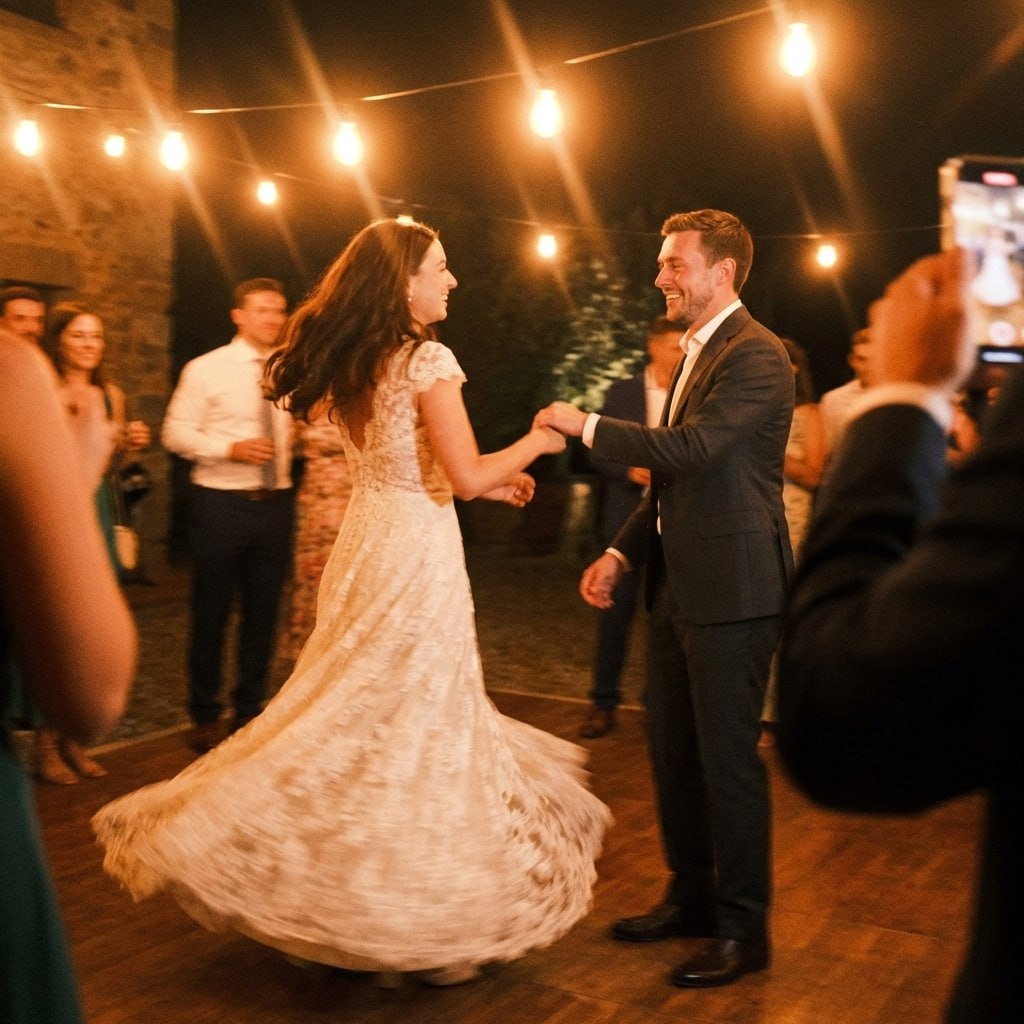
First dance
You guys!!
Barn, field, or forest - capture all of it.
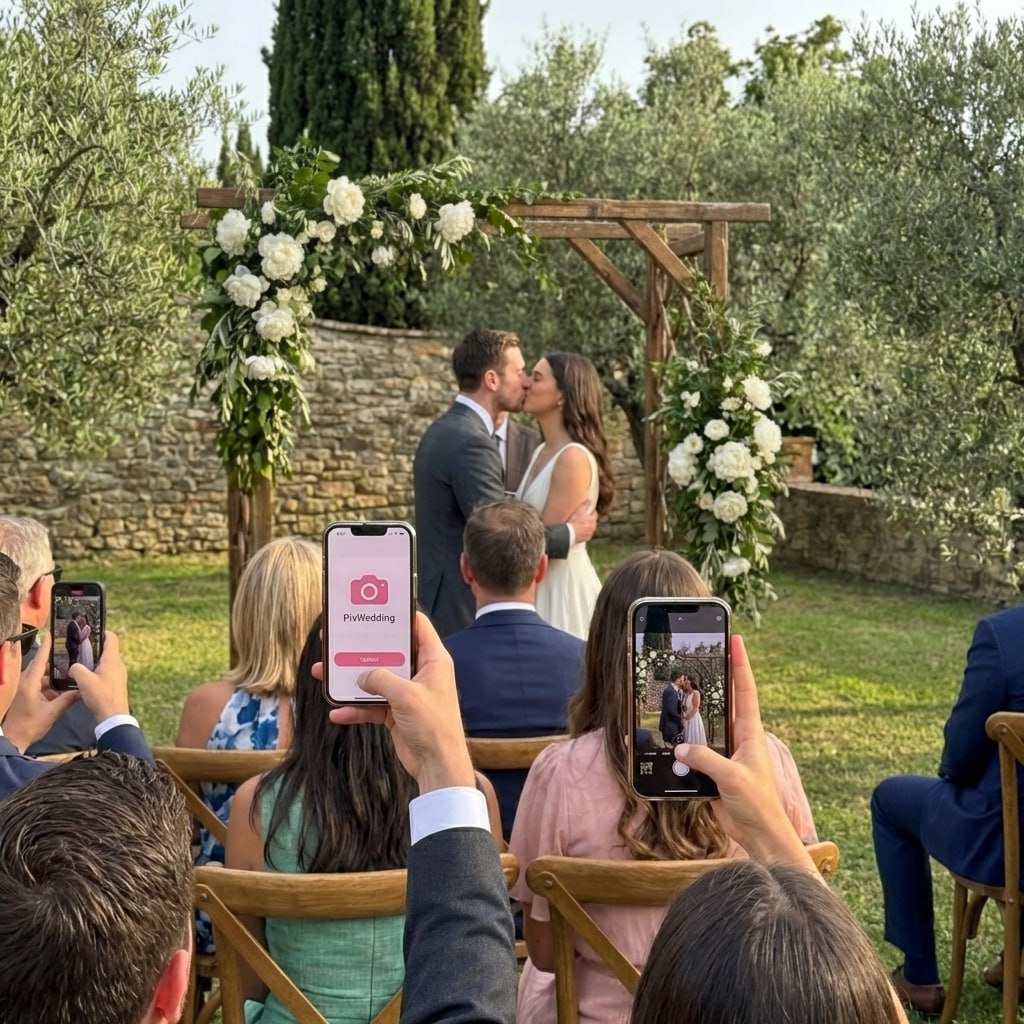
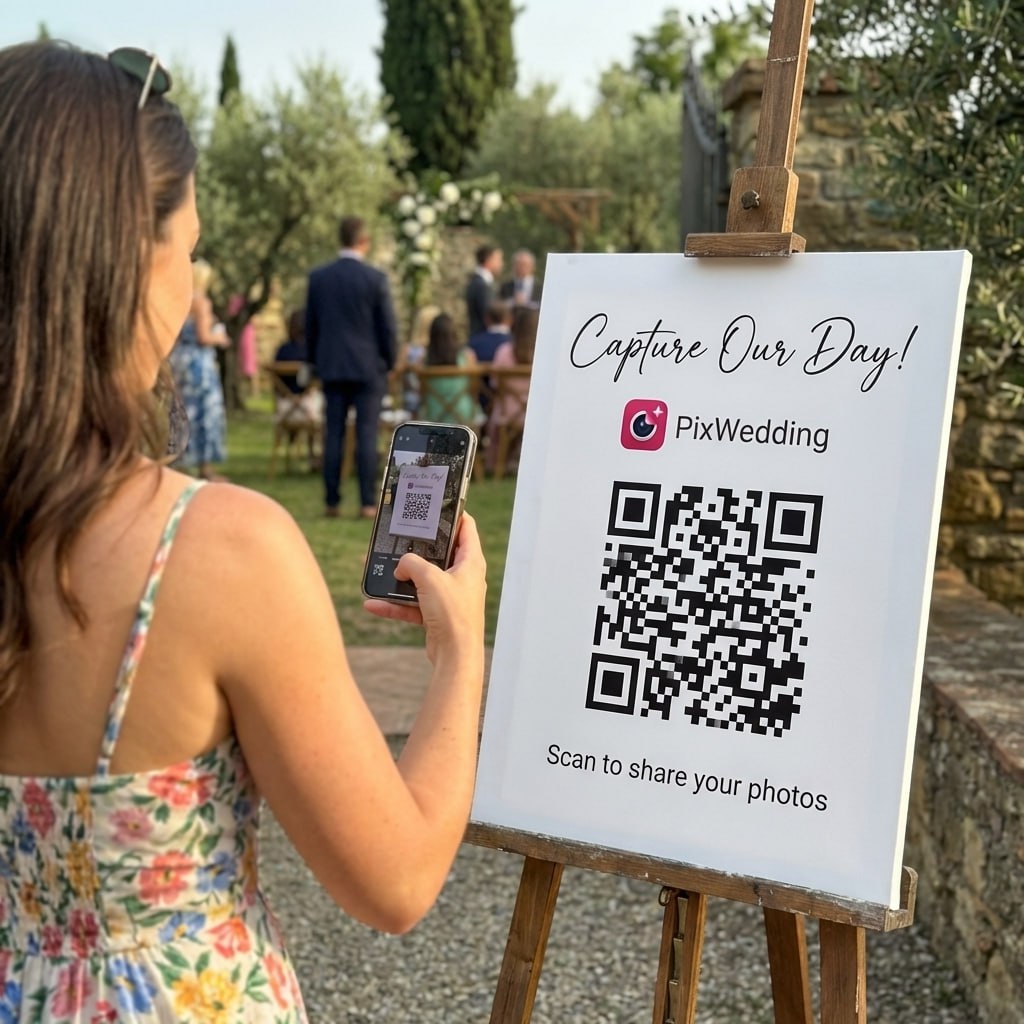
Rustic venues have great light in unexpected spots. Put a QR code at each table and guests shoot every corner - string lights, barn doors, and all - into one shared album.
From Mom
Scan to join the album
No app, no account
UPLOADING
Saving your moment
THE ALBUM
Emma & Jack
June 21, 2026
647 photos · 95 guests


SCAN TO TRY
pix.wedding/
your-wedding
Why Rustic Weddings Continue to Dominate in 2026
Rustic weddings have been the most popular wedding style for over a decade, and they show no signs of slowing down. The appeal is simple: natural beauty, warmth, and authenticity. Couples are drawn to venues that feel genuine and personal rather than generic and corporate. A barn with exposed beams and string lights creates an atmosphere that no hotel ballroom can replicate.
The rise of social media has only strengthened the trend. Rustic venues photograph beautifully and create a cohesive visual story that couples love sharing. Tools like Pix Wedding make it easy to collect all the guest photos from your rustic celebration into one private album, capturing the atmosphere from every angle and perspective.
- •Rustic venues are the most popular wedding style in 2026 for the 12th year in a row
- •Natural beauty reduces the need for expensive floral and decor budgets
- •Farm-to-table and local food trends align perfectly with rustic settings
- •Outdoor ceremony options provide natural light for stunning photography
- •The casual atmosphere puts guests at ease and encourages celebration
Rustic Venue Cost Comparison: What You Actually Pay
The base rental price of a rustic venue is often lower than a hotel or country club. However, the total cost can be comparable or even higher once you factor in the extras. A barn at $4,000 seems like a bargain compared to a hotel at $10,000, but after adding a tent ($3,000), generator ($400), portable restrooms ($600), lighting ($1,000), and dance floor ($500), the barn costs $9,500 before you even start on catering.
The best approach is to request a line-item quote from each venue that includes every possible expense. Ask the venue coordinator to list everything that is NOT included so you can get accurate third-party quotes for those items before signing a contract.
Photography Tips for Rustic Venues
Rustic venues are a photographers dream, but they come with specific challenges. Barns can be dark inside, so make sure your photographer has experience with low-light conditions and bring supplemental lighting. Outdoor farm and garden venues offer beautiful natural light, but the golden hour (the hour before sunset) is the magic window for portrait sessions.
Ask your photographer to scout the venue at the same time of day as your ceremony. Shadows, sun angles, and background elements change dramatically throughout the day. With Pix Wedding QR codes on every table, guests will capture candid moments from angles your photographer cannot cover, giving you a complete picture of the celebration.
Explore more free wedding tools
Everything you need to make your wedding day stress-free and unforgettable.
QR Sticker Designer
Design custom print-ready stickers.
Photo Sharing QR
The best way to collect guest photos.
Hashtag Generator
Create unique wedding hashtags.
How to Collect Guest Photos
5 methods ranked by participation rate and ease.
Get Photos After the Wedding
Message templates to gather guest photos post-wedding.
Share Wedding Photos with Guests
Compare every sharing platform by ease and participation.
Best Way to Get Guest Photos
The single method with the highest participation rate.
How to Make a Shared Wedding Album
Step-by-step setup for every platform.
Frequently Asked Questions
Everything you need to know about our free tools and how they help your wedding day.
The barn venue rental itself typically costs $2,000 to $8,000. However, total costs including catering, rentals, lighting, generator, portable restrooms, and decor can range from $15,000 to $40,000 for a full wedding. The average rustic wedding costs about the same as a traditional venue wedding once you factor in all the extras.
The most common hidden costs are: generator rental ($200 to $500), portable restroom trailers ($300 to $800), tent rental ($1,500 to $10,000), shuttle service ($500 to $1,500), dance floor ($300 to $1,000), supplemental lighting ($500 to $3,000), and vendor delivery surcharges ($100 to $500). These can add $3,000 to $10,000 to your total budget.
Check for climate control (AC and heating), bathroom facilities, rain backup plans, parking capacity, accessibility for guests with mobility needs, cell phone reception, noise curfews, and what is included in the rental price. Visit at the same time of day and season as your wedding to see realistic conditions.
If your ceremony is outdoors and the barn is only for the reception, you need a rain backup plan for the ceremony. Some barns have both indoor and outdoor spaces, which eliminates the tent need. For fully indoor barn receptions, a tent is not necessary unless you want additional outdoor lounge space.
Early to mid-fall (September to mid-October) is ideal for most rustic venues. The foliage provides stunning natural color, temperatures are comfortable (50 to 70 degrees), and venue availability is better than peak summer months. Spring is the second-best option, though rain risk is higher.
Create a comprehensive rental list: generator for power, portable luxury restroom trailer, tent or canopy for weather backup, tables and chairs if not included, dance floor for uneven surfaces, and supplemental lighting. Get quotes for all items before booking the venue so you know the true total cost.