
Outdoor Wedding Guide 2026: Planning, Venues, Weather Backup and Tips
Everything you need to plan a flawless outdoor wedding. Venue comparisons, weather plans, permits, lighting, sound, photography, and season-by-season guidance.
Outdoor Weddings: Honest Pros and Cons
Advantages
Natural beauty as your backdrop
Mountains, gardens, beaches, and forests provide stunning scenery that no indoor venue can replicate. You spend less on decor because the environment is your decor.
More space and flexibility
Outdoor venues typically offer more room for creative layouts, lawn games, cocktail areas, and multiple ceremony or reception zones.
Better natural light for photography
Golden hour photos outdoors are consistently the most stunning wedding images. Natural light flatters everyone and creates a warm, romantic atmosphere.
Unique and memorable atmosphere
Guests remember outdoor weddings because they feel different from the typical ballroom or banquet hall experience. The fresh air and open sky create a sense of celebration.
Often more affordable than indoor venues
Public parks, beaches, and backyards can cost significantly less than hotels or event centers. Even private outdoor estates may be cheaper than comparable indoor spaces.
Room for larger guest counts
Outdoor venues rarely have the same capacity limits as indoor spaces, giving you flexibility to invite more guests without feeling cramped.
Challenges
Weather is unpredictable
Rain, extreme heat, strong winds, or sudden cold fronts can disrupt your plans. You must have a backup plan, which adds cost and complexity.
Requires more infrastructure
You may need to rent tents, generators, portable restrooms, tables, chairs, a dance floor, and lighting equipment that indoor venues include by default.
Noise and sound challenges
Outdoor acoustics are poor. Wind, traffic, airplanes, and nature sounds compete with your vows and music. Professional sound equipment is essential.
Guest comfort is harder to manage
Heat, cold, bugs, sun glare, uneven ground, and limited restroom access can make guests uncomfortable if not addressed proactively.
Permits and restrictions
Public venues require permits, some with months of lead time. Noise curfews, alcohol restrictions, and capacity limits vary widely by location.
Vendor logistics are more complex
Caterers need power and water access, DJs need protection from elements, and florists need to account for wind and heat. Expect higher vendor costs for outdoor events.
Outdoor Venue Types Compared
7 venue types with costs, considerations, and who they work best for
Gardens and Botanical Parks
Manicured gardens offer built-in beauty with blooming flowers, sculpted hedges, and winding pathways. Many botanical gardens have event spaces with partial shelter and on-site coordinators.
Best for: Couples who want a polished, romantic atmosphere with natural floral backdrops and minimal additional decor.
Key Considerations
Check if the garden is closed to the public during your event or if visitors will be present
Verify what can be moved or rearranged (many gardens restrict furniture placement to protect plants)
Ask about noise restrictions, as many public gardens have strict sound limits
Confirm restroom availability and proximity to your event space
Check if the garden has lighting for evening events or if you need to bring your own
Beaches and Waterfronts
Beach ceremonies with waves in the background are breathtaking. Waterfront venues include lakeshores, riverbanks, and ocean beaches. The sound of water creates a natural soundtrack that feels instantly romantic.
Best for: Couples who love the ocean or lake setting and want a relaxed, barefoot-chic atmosphere.
Key Considerations
Wind is the biggest challenge. Secure all decor, provide hair ties, and use a wind-resistant arch
Sand makes it difficult for guests in heels. Provide a shoe basket at the ceremony entrance
Tide schedules matter. Check tide tables for your date and time to avoid high water
Sound systems must compete with waves and wind. Use a professional PA system with directional speakers
Sun glare can be intense. Position the ceremony so the sun is behind guests, not in their eyes
Permits for beach weddings vary by municipality and can take 2 to 6 months to process
Public Parks and State Parks
Parks offer beautiful natural settings at some of the lowest venue costs available. Large trees, open meadows, and scenic overlooks provide stunning ceremony backdrops. Many parks have pavilions or picnic shelters that serve as rain backup.
Best for: Budget-conscious couples who want natural beauty without a large venue fee. Also great for larger, casual celebrations.
Key Considerations
Permits are required for most parks and must be applied for weeks or months in advance
You typically cannot exclude the public from the area, so plan for passersby
Alcohol restrictions are common in public parks. Check regulations carefully
No power outlets means you need a generator for music, lighting, and catering equipment
Noise ordinances may limit amplified music to certain hours
Check parking capacity and accessibility of the specific area within the park
Farms and Ranches
Farms offer wide-open spaces, pastoral views, and authentic rustic charm. Many have barns or pavilions for indoor backup. Working farms add character with animals, orchards, and seasonal crops as natural backdrops.
Best for: Couples who want a rustic, countryside feel with space for outdoor games, bonfires, and relaxed celebrations.
Key Considerations
Visit during your wedding season to check the actual state of the property (green in June, brown in September)
Ask about pest control measures and animal management during your event
Roads may be unpaved. Consider guest transportation and accessibility
Most farms require you to bring all rentals: tent, tables, chairs, restrooms, generator
Check for adequate cell service for vendors and QR photo sharing
Private Estates and Historic Properties
Historic mansions, country estates, and private properties offer a combination of indoor and outdoor spaces with established infrastructure. Many have manicured lawns for ceremonies and grand indoor rooms for receptions.
Best for: Couples who want the outdoor ceremony experience with the security of an indoor reception backup. Also ideal for those who want a sense of history and grandeur.
Key Considerations
Ask about the indoor backup space and whether it can accommodate your full guest count
Check vendor parking and access for delivery trucks and catering vehicles
Historic properties may have restrictions on noise, candles, and physical modifications
Some estates include a coordinator, which can save $1,500 to $3,000
Verify the cancellation policy and deposit structure
Backyards
The most personal and customizable option. Your backyard (or a family members property) gives you total creative control with no time restrictions or venue rules. However, it requires the most logistical planning.
Best for: Couples with access to a large, flat property who want a deeply personal celebration and are willing to manage the logistics.
Key Considerations
Get a realistic budget before committing. Tent, tables, chairs, restrooms, generator, dance floor, and lighting add up fast.
Check with your local government about event permits for your property
Notify neighbors well in advance and provide an end time for music
Get a special event rider on your homeowners insurance ($150 to $300)
Plan for parking. If space is limited, arrange a shuttle from a nearby lot.
Consider hiring a day-of coordinator to manage logistics so you can enjoy the day
Mountain and Mountain Lodge Settings
Mountain weddings offer dramatic elevation, panoramic views, and a sense of adventure. Ceremonies on overlooks or alpine meadows create unforgettable moments. Many mountain lodges provide both outdoor ceremony spaces and indoor reception areas.
Best for: Adventure-loving couples who want breathtaking views and do not mind the logistics of a remote location.
Key Considerations
Altitude can affect guests who are not acclimatized. Provide water and shade.
Mountain weather changes rapidly. Pack layers and have a tent or indoor backup.
Remote locations mean higher vendor travel fees and potential cell service issues.
Access roads may be narrow, winding, or unpaved. Consider guest transportation.
Sunset timing differs at elevation. Work with your photographer to plan golden hour shots.
Weather Backup Plans
Weather is the number one concern for outdoor weddings, and for good reason. Even a 20 percent chance of rain requires a solid plan. Here are four backup options ranked by reliability and cost.
Tent (the gold standard)
$1,500 to $10,000The most reliable outdoor backup. A properly installed tent protects from rain and provides shade from sun. Clear-top tents ($3,000 to $10,000) preserve the outdoor feel while offering full weather protection. Frame tents ($1,500 to $5,000) are more affordable and practical.
When to book: Book 3 to 6 months in advance. Last-minute tent rental is nearly impossible during wedding season. Many experienced outdoor couples book a tent regardless of the forecast for peace of mind.
Indoor alternative space
Free to $2,000 (included at some venues)The most stress-free backup. Many outdoor venues offer an indoor space that can accommodate your full guest count in case of bad weather. This eliminates the need for a tent entirely and gives you a quick pivot option.
When to book: Confirm the indoor option during your venue tour. Make sure it can hold your guest count comfortably, and understand the logistics of switching from outdoor to indoor on short notice.
Wedding weather insurance
$150 to $500Insurance reimburses non-refundable deposits and expenses if severe weather forces cancellation or major changes. Policies typically require named storms, extreme temperatures, or flooding to trigger payouts. Standard rain does not usually qualify.
When to book: Purchase 6 to 12 months before the wedding. Read the policy carefully and understand exactly what weather events are covered.
Umbrellas and rain gear
$50 to $200For light rain, providing matching umbrellas and keeping the party going can create beautiful, memorable photos. Purchase 20 to 30 clear or white umbrellas for the ceremony. Designate a rain team to distribute them quickly.
When to book: Order umbrellas at least 2 weeks before the wedding. Store them in a labeled bin that your coordinator or a trusted friend can access within minutes.
Permits and Legal Logistics by Venue Type
Public Parks
Special event permit required (apply 2 to 6 months in advance)
Alcohol permit may be separate and more restrictive
Noise permit with specific decibel limits and time restrictions
Certificate of insurance naming the park as additional insured
Security deposit ($200 to $1,000) required by most municipalities
Setup and teardown windows may be strictly enforced
Beaches
Beach event permit from city or county (processing time: 2 to 6 months)
Restrictions on number of guests, decor, and structural elements
No stakes, no flame, no glass on most public beaches
Cleanup deposit and post-event inspection required
Alcohol is prohibited on most public beaches
Amplified sound may require a separate noise permit
Private Property (Backyard)
Check local zoning for event size restrictions on residential property
Noise ordinances apply (typically quiet hours after 10:00 PM or 11:00 PM)
Special event rider on homeowners insurance ($150 to $300)
Alcohol service may require a temporary liquor license in some states
Fire department permit may be needed for tents above a certain size
Portable restroom permit may be required by your HOA or municipality
Private Venue (Estate, Farm, Garden)
Venue typically handles permits as part of the rental agreement
Ask what is covered in the contract and what you are responsible for
Alcohol licensing is usually the venues responsibility
Event insurance is often required and can be purchased for $150 to $500
Fire safety compliance for tents and lighting is the renters responsibility at some venues
Verify noise curfew and whether the venue has existing variances
Technical Requirements: Lighting, Sound, and Power
Lighting
String lights (bistro or Edison bulb)
$500 to $1,500The most popular outdoor wedding lighting. Creates warm ambiance and defines the space. Requires overhead structure (trees, poles, or tent frame) for installation.
Lanterns and candles
$100 to $500Battery-operated LED lanterns and candles are safer outdoors than real flame. Line pathways, hang from trees, or cluster on tables for a romantic glow.
Uplighting
$300 to $800LED uplights placed on the ground pointing up at trees, walls, or tent poles. Creates dramatic color washes and defines the space after dark.
Spotlights for key areas
$200 to $400Focused lighting on the ceremony arch, cake table, and dance floor ensures visibility and photography quality after sunset.
Pathway lighting
$100 to $300Solar-powered stakes or LED luminaries along walkways prevent tripping in the dark and guide guests between spaces.
Sound Systems
Ceremony PA system
$200 to $500A portable PA with wireless lapel mic for the officiant and a speaker on each side of the aisle. Essential for groups of 50+ outdoors. Wind and open space absorb sound quickly.
Reception sound system
Included with DJ ($800 to $2,000)Professional DJ setup includes powered speakers, subwoofer, and mixing board. For live bands, budget $2,000 to $5,000 for their own sound equipment.
Bluetooth speaker (small events)
$50 to $200For intimate gatherings of 20 to 30 guests, a quality Bluetooth speaker can handle background music. Not sufficient for ceremonies or dancing.
Acoustic considerations
$0Position speakers facing away from roads, neighbors, and bodies of water (which amplify sound). Test the setup at the venue at the same time of day as your event.
Power and Generators
Portable generator
$200 to $500 rentalPowers lights, music, catering equipment, and phone charging stations. A 5,000 to 7,000 watt generator handles most wedding needs. Place it 50 to 100 feet from the event area to reduce noise.
Quiet generator upgrade
$400 to $800 rentalInverter generators run at 50 to 60 decibels (comparable to a normal conversation) versus 70+ decibels for standard models. Worth the upgrade for ceremonies and dinner service.
Extension cords and power strips
$30 to $80Heavy-duty outdoor-rated extension cords in sufficient length. Use cord covers over walkways to prevent tripping. A common oversight that causes last-minute stress.
Phone charging station
$50 to $100A small table with multi-port USB chargers and various cables. Guests appreciate being able to charge their phones, especially when using QR photo sharing through Pix Wedding all evening.
Season-by-Season Outdoor Wedding Guide
Spring (March to May)
Pros
Blooming flowers and lush greenery create natural decor
Comfortable temperatures for guests
Extended golden hour for photography
Many venues offer spring discounts
Cons
Rain showers are common and unpredictable
Pollen can trigger allergies
Cool evenings may need heaters
Muddy ground after rain
Photography tip: Spring light is soft and diffused, perfect for portraits. Schedule the ceremony for 4:00 PM to 5:00 PM to catch the best natural light and have a smooth transition to golden hour.
Guest comfort: Provide blankets for cool evenings. Have a covered area for cocktail hour in case of spring showers. Stock antihistamine at the emergency kit station.
Summer (June to August)
Pros
Longest daylight hours for extended celebrations
Consistent warm weather
Green landscapes at their peak
School is out, easier for families to attend
Cons
Heat can reach dangerous levels
Insects are at their worst
Sun glare during ceremony
Guests may be uncomfortable outdoors for hours
Photography tip: Avoid scheduling the ceremony between 12:00 PM and 3:00 PM when the sun is harshest and creates unflattering overhead shadows. Late afternoon (5:00 PM to 6:00 PM) provides warm, directional light.
Guest comfort: Provide shade structures, handheld fans, cold water stations, and sunscreen. Schedule the ceremony under tree cover or a canopy. Offer a misting station during cocktail hour.
Fall (September to November)
Pros
Stunning fall foliage provides natural color
Ideal temperatures for outdoor events
Rich, warm color palette for decor
Less humidity than summer
Cons
Shorter daylight hours (sunset as early as 5:30 PM in November)
Rapidly dropping temperatures after sunset
Leaf cleanup may be needed at the venue
Some landscapes look bare by late November
Photography tip: Fall foliage creates the most dramatic backdrops. Schedule portraits during golden hour (30 to 60 minutes before sunset) when warm light hits the autumn colors. Early October is peak foliage in most US regions.
Guest comfort: Provide blankets and pashminas for the ceremony. Have fire pits or heat lamps in the reception area. Serve warm drinks like cider or hot chocolate during the cocktail hour.
Winter (December to February)
Pros
Dramatic winter landscapes and snowy backdrops
Lowest venue prices of the year
Holiday season adds natural festive spirit
Less vendor competition means better availability
Cons
Cold temperatures limit outdoor time severely
Short daylight (sunset as early as 4:30 PM)
Ice and snow create safety hazards for guests
Most guests will not want to be outside for more than 30 minutes
Photography tip: Winter light is low-angle and golden throughout the day, which is gorgeous for photos. Schedule outdoor portraits mid-afternoon while there is still daylight. Snow provides a bright, reflective backdrop that flatters skin tones.
Guest comfort: Limit outdoor time to the ceremony only (keep it under 20 minutes). Move the reception fully indoors. Provide faux fur wraps, hand warmers, and hot beverage stations. Offer shuttle service from parking to ceremony to prevent guests from walking on ice.
Photography Tips for Outdoor Light
Scout the light
Visit your venue at the same time of day as your ceremony. Note where the sun is, which direction creates the best lighting, and where shadows fall. Share this with your photographer so they can plan the portrait schedule.
Use golden hour
The 60 minutes before sunset is the most flattering light of the day. Schedule 20 to 30 minutes for couple portraits during this window. Your photographer should know the exact sunset time for your date and location.
Plan for shade
Full midday sun creates harsh shadows under eyes and noses. If your ceremony is in the afternoon, position the couple under light tree cover or a canopy. Backlit ceremonies (sun behind the couple, facing guests) create a beautiful halo effect.
Wind affects everything
Veils, loose hair, table linens, and ceremony programs all become projectiles in wind. Have bobby pins, hair ties, and clip-on weights ready. Photographers can capture dramatic wind-blown veil shots, so it is not all bad.
Protect equipment
Professional photographers carry rain covers and lens cloths, but inform them about conditions in advance. Extreme heat, dust, and humidity affect camera equipment. A shaded gear station helps protect equipment between shots.
Guest photo coverage
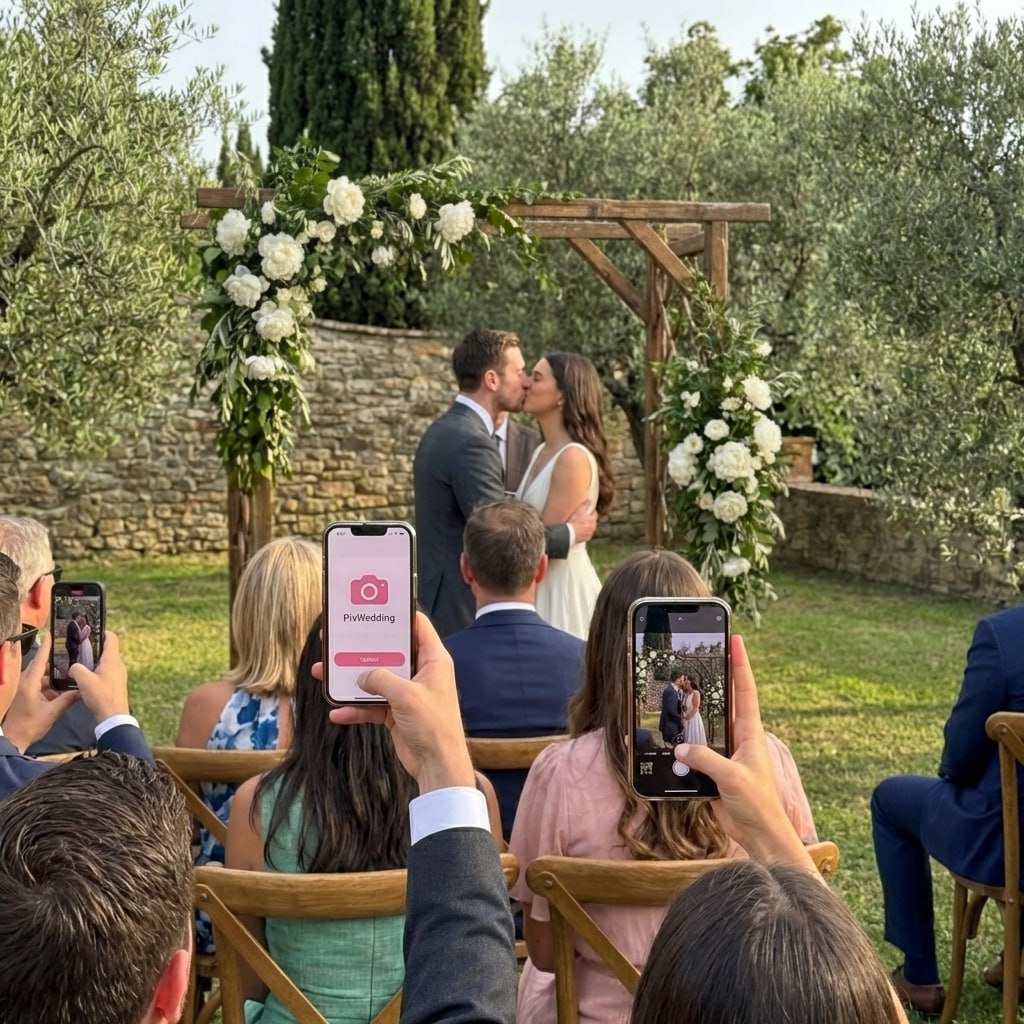
Outdoor venues have more visual variety than indoor spaces, which means guests take better candid photos. Set up Pix Wedding QR codes at every table and key locations. Guest photos from outdoor weddings often include moments your photographer misses while shooting portraits.
Guest Comfort: The Make-or-Break Factor
Guest comfort is the difference between a magical outdoor wedding and one that guests endure rather than enjoy. Address every concern proactively and your guests will remember the beauty of the setting rather than the inconvenience.
Shade and Sun Protection
Market umbrellas or shade sails over seating areas ($200 to $600)
Position ceremony under natural tree cover when available (free)
Provide personal parasols or folding fans at each chair ($2 to $5 each)
Set up a sunscreen station with SPF 30+ and lip balm ($20 to $40)
Schedule ceremony for late afternoon when sun intensity drops
Use a canopy or pergola as the ceremony backdrop for shade ($300 to $800)
Heat Management
Misting fans for the cocktail hour area ($150 to $400 rental)
Cold water station with infused water options (cucumber, lemon, berry) ($50 to $100)
Ice cream cart or popsicle station as a refreshment ($300 to $600)
Portable AC unit inside the tent ($200 to $600 rental)
Offer cold towels in a cooler for guests to grab during warm moments ($30)
Keep the ceremony under 20 minutes in temperatures above 85 degrees
Cold Weather Comfort
Patio heaters or propane heat towers ($40 to $75 each, 6 to 8 recommended)
Fire pits in lounge areas ($100 to $300 rental)
Blanket basket at the ceremony entrance ($100 to $200 for 30 blankets)
Hot chocolate, cider, or coffee bar ($200 to $500)
Hand warmer packets in ceremony programs ($1 each)
Faux fur wraps or pashminas for the wedding party ($15 to $30 each)
Bug Control
Professional spraying 24 to 48 hours before ($200 to $400)
Citronella candle clusters on every table ($3 to $5 per table)
Bug spray station with branded labels ($20 to $40 total)
Mosquito coils placed around the perimeter ($10 to $20)
Avoid scheduling around dusk when mosquitoes are most active
Keep food covered until service time to avoid attracting flies
Bathroom Access
Luxury restroom trailer with 2 to 4 stalls ($500 to $800 rental)
Standard portable restrooms as budget option ($75 to $150 each)
Minimum ratio: 1 restroom per 50 guests
Place restrooms within 100 feet of the event area but out of sight
Stock with quality hand soap, paper towels, and hand sanitizer
Consider a restroom attendant for events over 100 guests ($100 to $200)
Seating and Accessibility
Provide seating for the ceremony (standing ceremonies are tiring for elderly guests)
Use flat, stable ground for chair placement. Avoid slopes and soft grass.
Temporary pathway mats over grass for wheelchair access ($100 to $300)
Reserve front-row accessible seating for mobility-challenged guests
Provide golf cart shuttle from parking to ceremony area for those who need it ($100 to $200)
Ensure the bar, food stations, and restrooms are all on accessible paths
Decor That Works Outdoors
Outdoor decor must survive wind, heat, and humidity while still looking beautiful. The best outdoor wedding decor is sturdy, weighted, and works with the natural environment rather than against it. Use our free Wedding Color Palette Generator to find colors that complement your venue.
Ceremony Space
Wooden arch draped with greenery and fabric ($150 to $500)
Floral circle or half-moon backdrop ($300 to $1,000)
Natural tree canopy (position ceremony under existing trees for free)
Petal-lined aisle with lanterns every 3 to 4 feet ($100 to $250)
Shepherd hooks with hanging flower arrangements along the aisle ($10 to $20 each)
Mismatched vintage chairs for a casual, eclectic look ($3 to $8 per chair rental)
Reception Area
String light canopy over the entire reception area ($500 to $1,500)
Linen-draped farm tables with natural wood visible ($15 to $25 per table rental)
Potted plants or herb centerpieces guests can take home ($5 to $10 each)
Lantern clusters as table centerpieces ($8 to $15 per table)
Outdoor lounge area with vintage furniture, rugs, and pillows ($300 to $800 rental)
Barrel or crate displays for the gift table, guest book, and favors ($50 to $150)
Practical Decor (Double Duty)
Parasols that serve as both sun protection and decor ($3 to $8 each)
Blankets in baskets that serve as cold-weather comfort and photo props ($5 to $10 each)
QR code table cards that serve as guest photo prompts and keepsake cards (free with Pix Wedding)
Menu boards that serve as directional signage and visual decor ($15 to $40 each)
Lawn games (cornhole, giant jenga) that serve as entertainment and photo ops ($30 to $100 per game)
Welcome sign with timeline that serves as a direction guide and keepsake ($30 to $75)
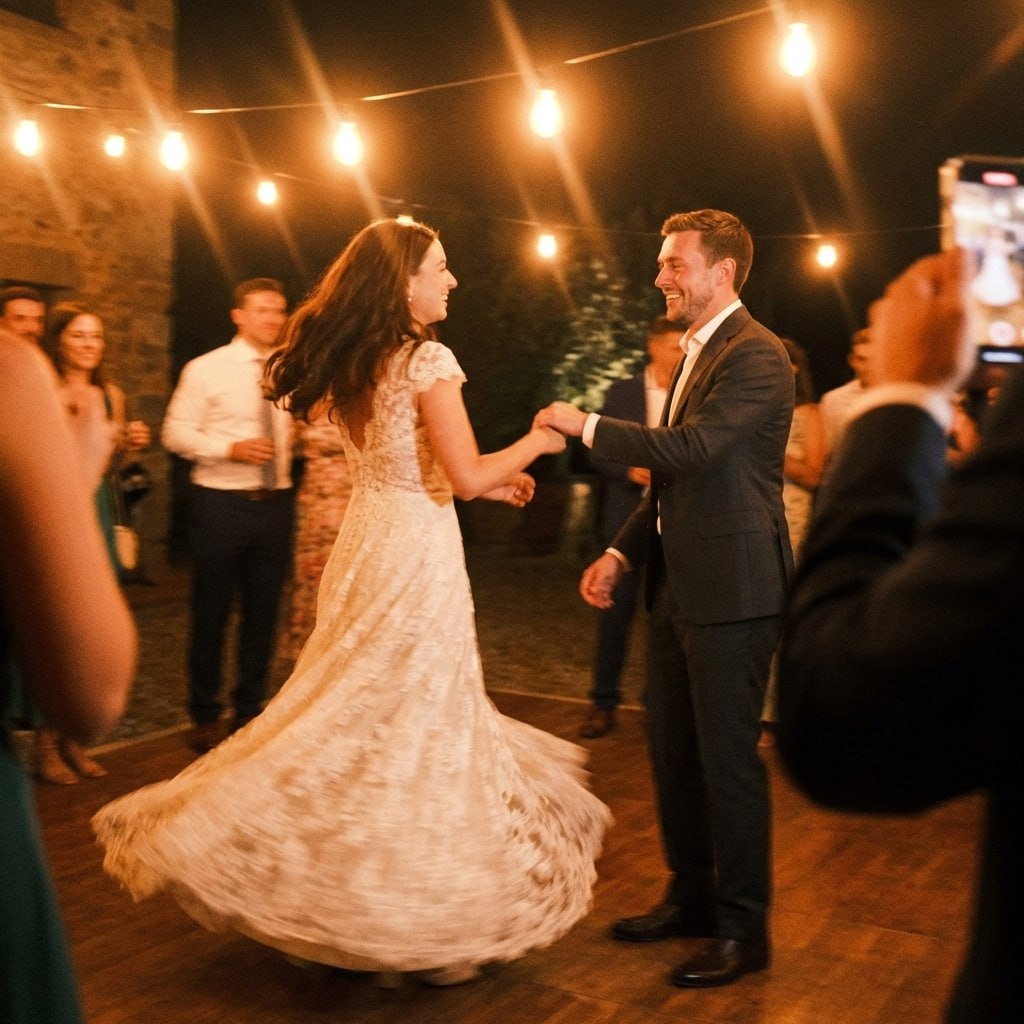
First dance
You guys!!
Open sky, open bar, open photo album.
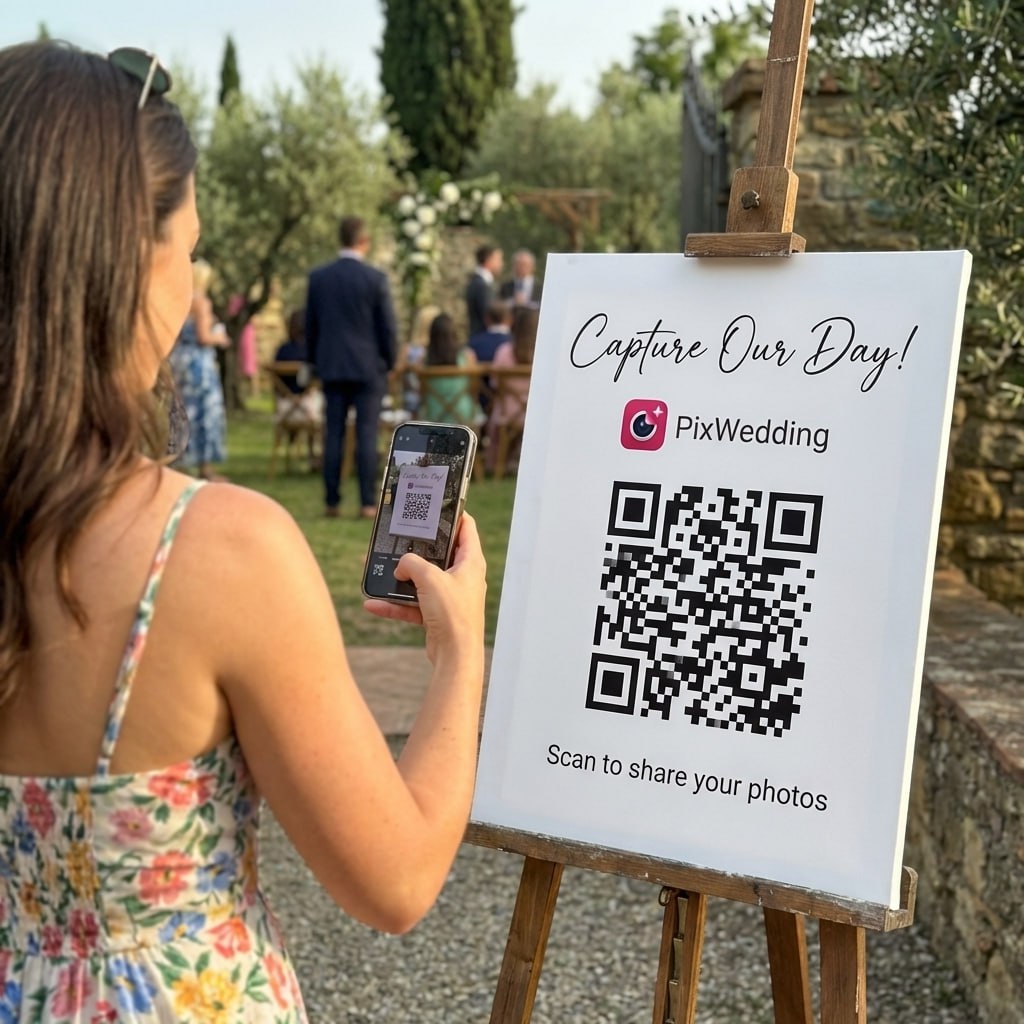
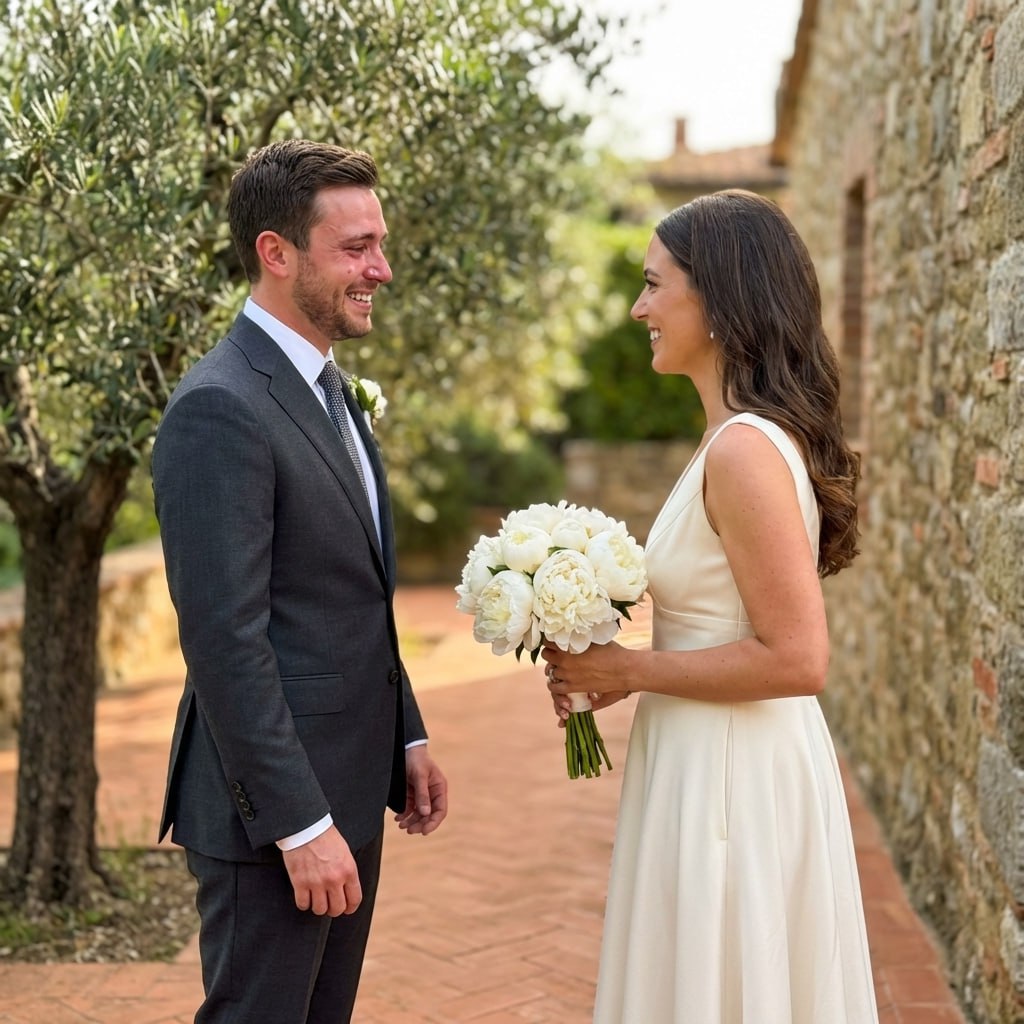
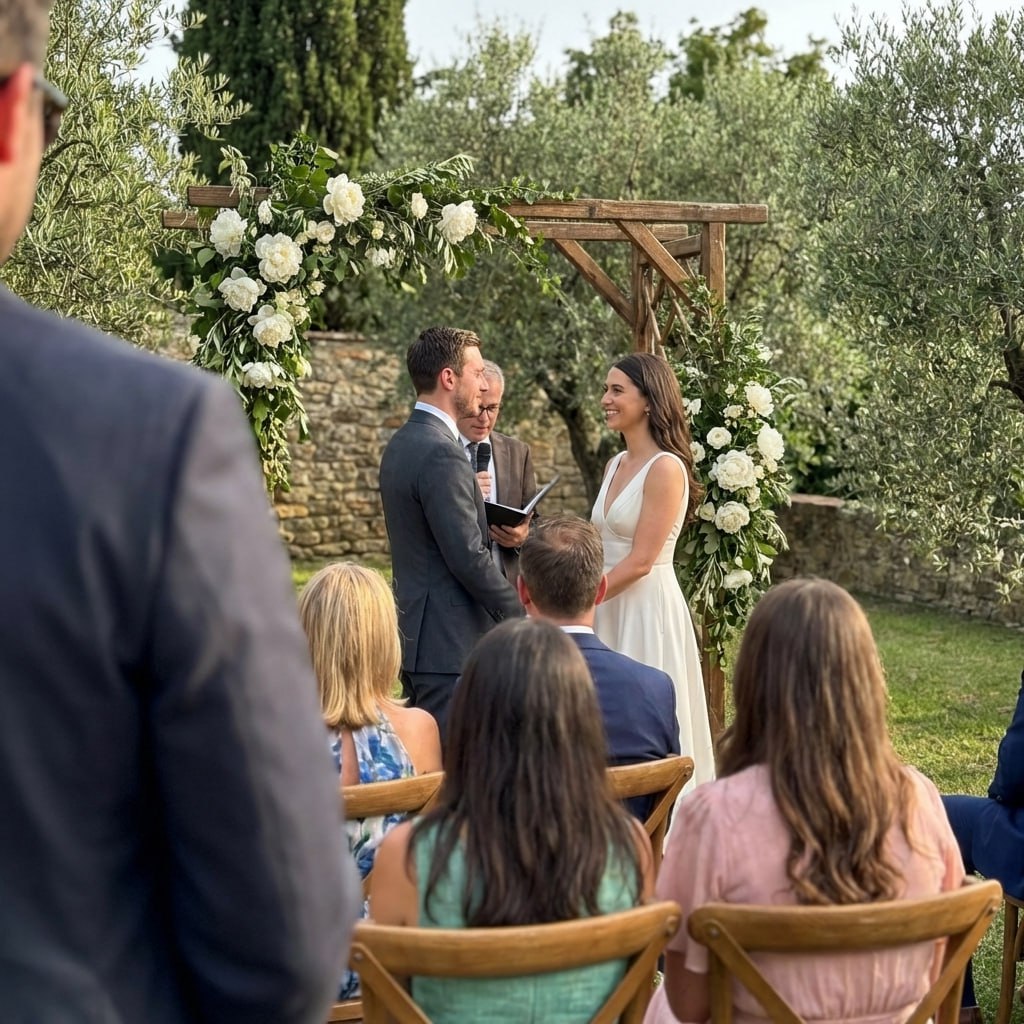
Outdoor weddings happen across multiple spaces at once. One QR code covers the garden, the tent, and the dance floor - all guest photos land in a single shared album.
From Mom
Scan to join the album
No app, no account
UPLOADING
Saving your moment
THE ALBUM
Emma & Jack
June 21, 2026
647 photos · 95 guests


SCAN TO TRY
pix.wedding/
your-wedding
Why Outdoor Weddings Are Worth the Extra Planning
Outdoor weddings require more logistics than indoor events, but the results speak for themselves. Couples who marry outdoors consistently report higher satisfaction with their wedding photos, guest experience, and overall atmosphere. There is something irreplaceable about exchanging vows under an open sky with natural light illuminating the moment.
The key to a successful outdoor wedding is proactive planning. Every challenge has a solution when you plan for it in advance. Weather has a tent backup. Heat has shade and cold water. Bugs have professional spraying. Sound has professional PA systems. The couples who struggle are the ones who hope for the best without planning for the worst. With tools like <a href='https://www.pix.wedding' style='color:#E93B7B;text-decoration:underline'>Pix Wedding</a> for guest photo sharing, you can also capture all the candid outdoor moments that make your celebration unique.
- •Outdoor wedding photos consistently outperform indoor photos in couple satisfaction surveys
- •Natural light during golden hour creates the most flattering portrait conditions
- •Open-air settings encourage guests to mingle and explore rather than sit at their table all night
- •Outdoor venues offer creative layout options that indoor spaces cannot match
- •The fresh air and natural beauty create lasting memories for the couple and their guests
Budget Comparison: Outdoor vs. Indoor Weddings
A common misconception is that outdoor weddings are always cheaper than indoor weddings. While the venue cost may be lower (especially for public parks, backyards, and beaches), the infrastructure costs can quickly add up. A backyard wedding that seems free requires tent rental ($1,500 to $10,000), portable restrooms ($300 to $800), a generator ($200 to $500), tables and chairs ($300 to $1,500), a dance floor ($300 to $1,000), and lighting ($500 to $2,000). That is $3,100 to $15,800 before food, music, or flowers.
Indoor venues typically include all of this infrastructure in their base price. So when comparing costs, always calculate the total investment including all rentals and infrastructure. That said, outdoor weddings at private estates or farms with existing infrastructure can be excellent value, especially during off-peak months when prices drop 20 to 40 percent.
The Outdoor Wedding Decision Matrix
Choose an outdoor wedding if: you value natural beauty over polished interiors, you are willing to plan for contingencies, you want a unique and memorable guest experience, and you have the budget for both the venue and the backup plan. Choose an indoor venue if: weather anxiety will overshadow your enjoyment, your guest list includes many elderly or mobility-challenged attendees, your date falls during extreme weather months, or you prefer a controlled, predictable environment.
Many couples find the best of both worlds by choosing a venue with both outdoor ceremony space and an indoor reception area. This gives you the stunning outdoor photos without the stress of an entirely outdoor event.
Explore more free wedding tools
Everything you need to make your wedding day stress-free and unforgettable.
QR Sticker Designer
Design custom print-ready stickers.
Photo Sharing QR
The best way to collect guest photos.
Hashtag Generator
Create unique wedding hashtags.
How to Collect Guest Photos
5 methods ranked by participation rate and ease.
Get Photos After the Wedding
Message templates to gather guest photos post-wedding.
Share Wedding Photos with Guests
Compare every sharing platform by ease and participation.
Best Way to Get Guest Photos
The single method with the highest participation rate.
How to Make a Shared Wedding Album
Step-by-step setup for every platform.
Frequently Asked Questions
Everything you need to know about our free tools and how they help your wedding day.
Weather is the biggest challenge. Even with a favorable forecast, conditions can change quickly. The solution is having a solid backup plan: a tent on standby, an indoor alternative space, or weather insurance. Book your backup 3 to 6 months in advance because last-minute tent rental during wedding season is nearly impossible.
The venue itself is often cheaper ($100 to $8,000 for outdoor versus $3,000 to $15,000 for indoor), but infrastructure costs for outdoor weddings can add $3,000 to $15,000 (tent, generator, restrooms, tables, chairs, lighting, dance floor). The total cost is often comparable. Always calculate the complete budget including all rentals before making a decision.
For public parks and beaches, yes. Permits can take 2 to 6 months to process and cost $100 to $3,000 depending on the municipality. For private property, check local zoning laws for event restrictions. Private venues typically handle permits as part of the rental agreement.
Early fall (September to mid-October) is ideal in most US regions. Temperatures are comfortable (50 to 70 degrees), foliage provides natural color, and there is less rain than spring. Late spring (May to early June) is the second-best option. Avoid July and August if your region regularly exceeds 90 degrees.
Professional sound equipment is essential for outdoor ceremonies with more than 30 guests. Use a PA system with wireless lapel microphone for the officiant and directional speakers pointed at the guest seating area. For the reception, a professional DJ system with powered speakers handles music and announcements. Test the sound at the venue at the same time of day as your event.
Address heat (shade, fans, cold water, misting stations), cold (heaters, blankets, hot drinks, fire pits), bugs (professional spraying, citronella candles, bug spray stations), sun (parasols, sunscreen station), and bathroom access (luxury restroom trailers at 1 per 50 guests). Proactively managing comfort makes the difference between guests loving and merely enduring an outdoor event.