
How to Get Married in the US: The Complete Legal Guide
License, ceremony, signatures, filing, certified copy. Every step with 2026 fees and rules checked on official sites, plus the easiest states and the route for foreign partners.
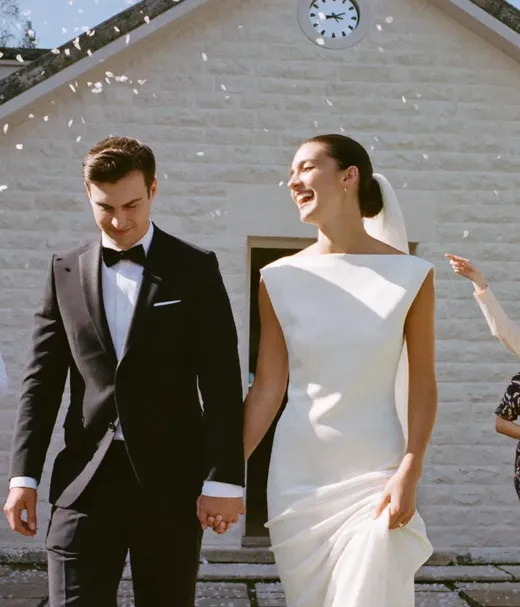
How do you get married in the US? License first, then the vows
Get a marriage license from the county clerk with photo ID and a fee. Wait out any waiting period, then marry before the license expires, with an authorized officiant and any required witnesses. The officiant files the signed license. Order certified copies, which you need for a name change.
Checked 29 September 2026 on the official county, court and USCIS pages linked above.
Steps to getting married in the US, in order
Every state follows the same six moves. What changes is the fee, the wait and how long the license lasts.
- 1
Get a marriage license
Apply at the county clerk (in DC, the Superior Court). Both partners usually show government photo ID and pay the fee, from $30 in Colorado to $102 in Las Vegas.
- 2
Wait out any waiting period
Many states have none. Texas makes you wait 72 hours, New York 24 hours, Pennsylvania 3 days before the license is issued.
- 3
Hold the ceremony in time
Marry before the license runs out: 35 days in Colorado, 60 in New York, 90 in California, 89 in Texas, one year in Las Vegas.
- 4
Sign the license
You, your officiant and any required witnesses sign. New York and Las Vegas need at least one witness. Texas and DC need none.
- 5
File it with the county
The officiant returns the signed license. Clark County gives 10 days, Texas 30 days. Once it is recorded, the county can issue your marriage certificate.
- 6
Order certified copies, then change your name
Order certified copies of the marriage certificate. Social Security needs one to change your name, and the change itself is free.
Fees, waits and deadlines from Clark County, DC Superior Court, the Texas State Law Library, New York DOH, CDPH, CDPHE and Montgomery County, PA. Checked 29 September 2026. Both papers are illustrative samples, not real forms.
What do you need to get married in the US?
Six things cover almost every county. Call the clerk's office once to confirm hours, payment and whether you need an appointment.
Government photo ID
A driver's license, state ID or passport. Clark County also takes foreign government IDs that show your date of birth.
Both of you, in person
California requires both partners at the clerk's office. Some counties, like Clark, let you start the application online.
The license fee
Set by the state or county. Some add a card fee, so bring a second way to pay.
Legally free to marry
Any earlier marriage has to be over. Some counties ask for the date it ended or a copy of the decree.
The minimum age
It differs by state. Clark County requires both applicants to be 18 or older.
A course certificate, if you took one
In Texas and Florida, an approved premarital course can waive the waiting period. In Texas it also cuts the fee by up to $60.
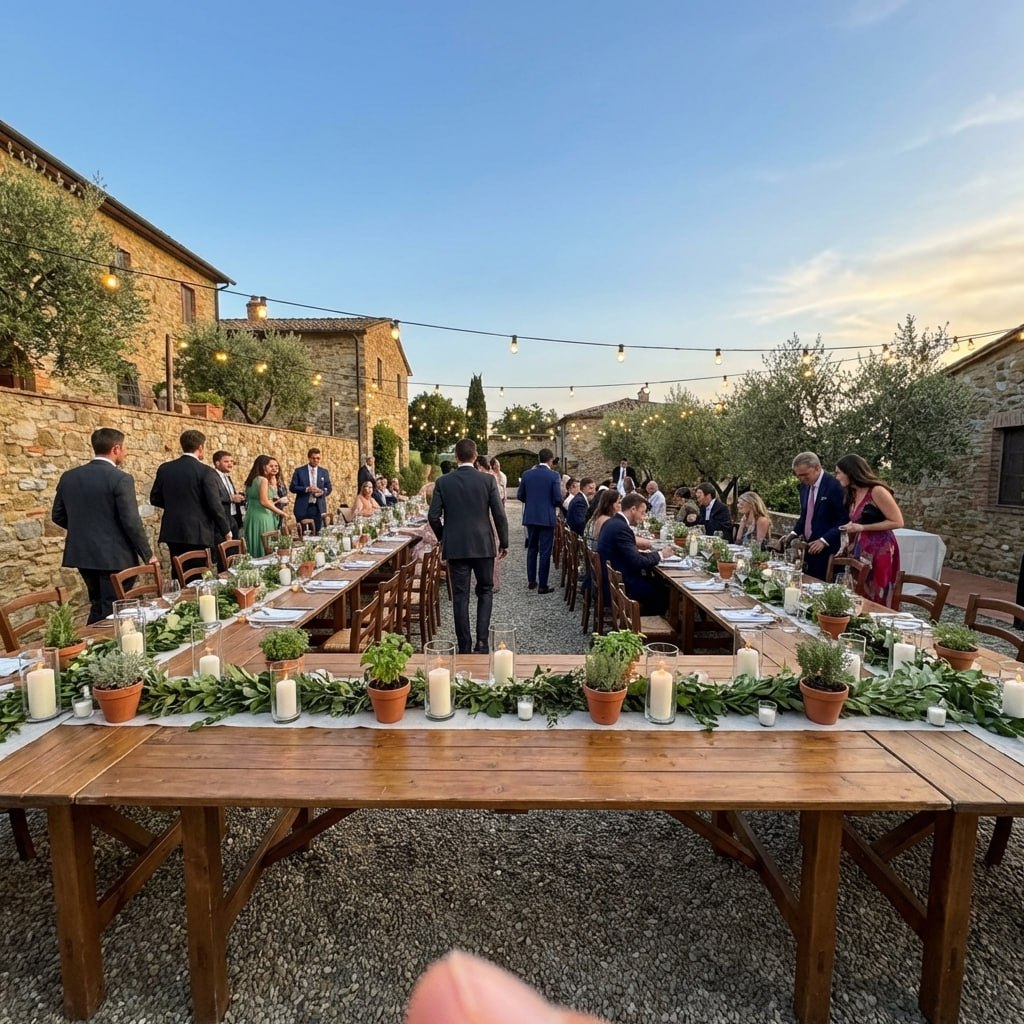
4 things make a marriage legally binding
- 01
A valid license
Issued by the state where you marry, used before it expires.
- 02
An authorized officiant
Or a self-uniting license where the state allows one.
- 03
Required witnesses
Zero, one or two, depending on the state and license type.
- 04
Timely filing
The signed license goes back to the county on time.
ID and age rules from Clark County, in-person rule from CDPH, course rules from the Texas State Law Library and Florida clerks. Age limits differ by state, see how old you have to be to get married. Checked 29 September 2026.
Easiest states to get married in, compared
Eight popular places, same five questions. Rows with a waiting period are flagged, since that is what trips up quick weddings.
| State | License fee | Waiting period | License good for | Witnesses | Stands out for |
|---|---|---|---|---|---|
| Nevada (Las Vegas) | $102 | None | 1 year | At least 1, besides the officiant | Walk in, no appointment, usually under an hour |
| Washington, DC | $45 | None | Does not expire once issued | Not required | You can officiate your own wedding |
| California | Set by county | None | 90 days | 1 for a public license, 0 for a confidential one | Confidential license, no witnesses |
| Colorado | $30 | None | 35 days | Optional | Marry yourselves, no officiant needed |
| Texas | Set by county | 72 hours after issue | 89 days, marry before day 90 | Not required | Twogether in Texas course waives the wait, saves up to $60 |
| New York | $40 ($35 in NYC) | 24 hours | 60 days | At least 1 | NYC couples apply online through Project Cupid |
| Florida | Set by county | 3 days for Florida residents | 60 days, any Florida county | Ask the county clerk | Non-residents skip the wait |
| Pennsylvania | Set by county | 3 days before issue | 60 days | 2 for a self-uniting license | Self-uniting license, no officiant |
Swipe for all 8 states
From Clark County, DC Superior Court, CDPH, CDPHE, the Texas State Law Library, New York DOH and the NYC City Clerk, Florida clerks and Montgomery County, PA. Checked 29 September 2026. "Set by county" means the fee changes by county.
Sources: Nevada, DC, California, Colorado, Texas, New York, Florida, Pennsylvania. For every state, see marriage license requirements and how to get a marriage license.
Court marriage in the USA: the civil wedding route
A civil wedding needs the same license. A clerk or judge leads a short ceremony instead of clergy or a chapel.
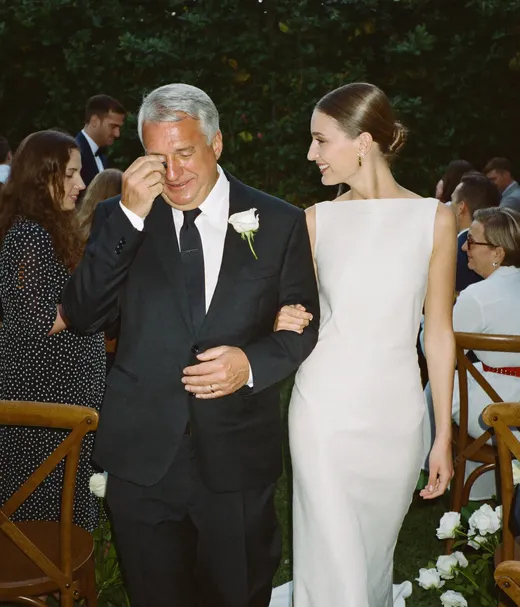 A civil ceremony can be ten minutes long and still bring the whole family to tears.
- $75, plus a $2.75 card fee
- By appointment
- Bring 1 witness, up to 8 guests
- 330 S 3rd Street, Suite 660
License through the City Clerk's Project Cupid, then the ceremony
NYC City Clerk, NY DOH- $35 license fee in NYC
- 24-hour wait after the license
- At least 1 witness
- License good for 60 days
- $45 license, same day
- Apply online or in person
- No witnesses required
- Officiants 18+ and registered with the court
Which route fits you
- Small, quick, low costCourthouse or clerk's office
The fastest civil route. Book the ceremony with the clerk, bring your license and any witness.
- Personal, not religiousA friend ordained online
Many couples do this. Rules differ by state, so ask the county clerk before the day whether they can sign.
- Faith weddingsReligious ceremony
Clergy sign the same civil license. The religious rite alone does not make it legal without the license.
- ElopementsSelf-uniting
Marry without an officiant in DC, Colorado or Pennsylvania (with 2 witnesses).
- International couplesK-1 fiancé visa
For a foreign fiancé of a US citizen who wants to live in the US. Marry within 90 days of arrival.
- Destination weddingsMarried abroad
USCIS generally treats a marriage as valid if it was valid where it took place.
Civil marriage details from Clark County, NYC City Clerk and DC Courts. Foreign marriages: USCIS Policy Manual. Hours and booking rules change, so call ahead. Checked 29 September 2026.
Officiants, witnesses and marrying yourselves
This is where states differ most. Get the rule from the county that issues your license, not from a friend who married elsewhere.
Who can marry you
Clergy, judges and court or clerk officials almost everywhere. Online-ordained friends in many states, but ask the clerk first. In DC, officiants must be 18+ and registered with the court.
How many witnesses
It swings from none to two. Check the exact rule for the county that issues your license.
Marrying yourselves
A self-uniting license lets the two of you marry without an officiant. DC, Colorado and Pennsylvania all allow it.
Asking a friend to officiate? Read how to find a wedding officiant, and check whether you need a witness in your state.
From DC Superior Court, CDPHE, Montgomery County, PA, Texas State Law Library, NY DOH, Clark County and CDPH. Checked 29 September 2026.
How to get married in America as a foreigner
The license is the easy part, since counties like Clark accept a passport. The visa decides whether the foreign partner can stay after the wedding.
| Route | Who it fits | When you marry | After the wedding | Watch out |
|---|---|---|---|---|
| K-1 fiancé visa | A foreign fiancé of a US citizen. You met in person within 2 years before filing Form I-129F. | Within 90 days of entering the US | The spouse can apply for a green card with Form I-485 | The 90 days cannot be extended. Not married in time means leaving the US. |
| Visitor visa (B-2) | A fiancé who plans to marry, then go back to a home abroad soon after | During the visit | Return home as planned | Marrying to stay belongs on the K-1 or an immigrant visa route |
| Marry abroad first | Couples who wed in the foreign partner's country | Under that country's law | USCIS generally accepts it if it was valid where it happened | You will need that country's certificate, often translated |
Swipe to compare routes
From USCIS, USA.gov and the State Department's Foreign Affairs Manual (9 FAM 402.2). Checked 29 September 2026.
Visa rules carry real consequences. Talk to an immigration attorney before you book a date. Sources: USCIS K-1 page, USA.gov, 9 FAM 402.2, USCIS Policy Manual.
A Las Vegas wedding, step by step
Maya and Jordan are an example couple, not real people. Every fee and deadline on their plan comes from Clark County's own pages.
- 01A few weeks before
Apply online
Maya and Jordan fill in Clark County's online application. It stays in the system for a year.
- 02Day 1, morning
Pick up the license
Both walk in with photo IDs and pay $102. No appointment, usually under an hour.
- 03Day 1, afternoon
Say the vows
A chapel, or the county's $75 civil marriage by appointment. One witness besides the officiant.
- 04Within 10 days
Officiant files it
The officiant returns the signed license to the county within 10 calendar days.
- 05After recording
Order certified copies
They order certified copies from the Clark County Recorder for the name change.
Card payments add a fee at both counters. Certified copies are ordered separately from the County Recorder, so check the current price there.
From How to get married in Las Vegas, license requirements and civil marriage. Checked 29 September 2026.
6 mistakes that delay a legal marriage
Each one can leave you with a ceremony that was not recorded. All six are easy to catch the week before.
The license expired
A ceremony after the deadline does not count.
Check the window: 60 days in New York, 90 in California.The officiant is not recognized
Some states and counties limit who can sign.
Ask the clerk that issues the license, before the day.A signature or witness is missing
An incomplete license gets sent back.
Count witnesses for your state. New York needs at least one.Wrong state for the license
A license is issued under one state's law.
Marry in the state that issued it, and check any county limits.An earlier marriage is not over
Both of you have to be legally free to marry.
Finish the divorce or annulment first.Marrying inside the waiting period
Texas counts 72 hours from issue.
Plan the date after the wait, or take the approved course.The license proves it. Your guests hold the photos
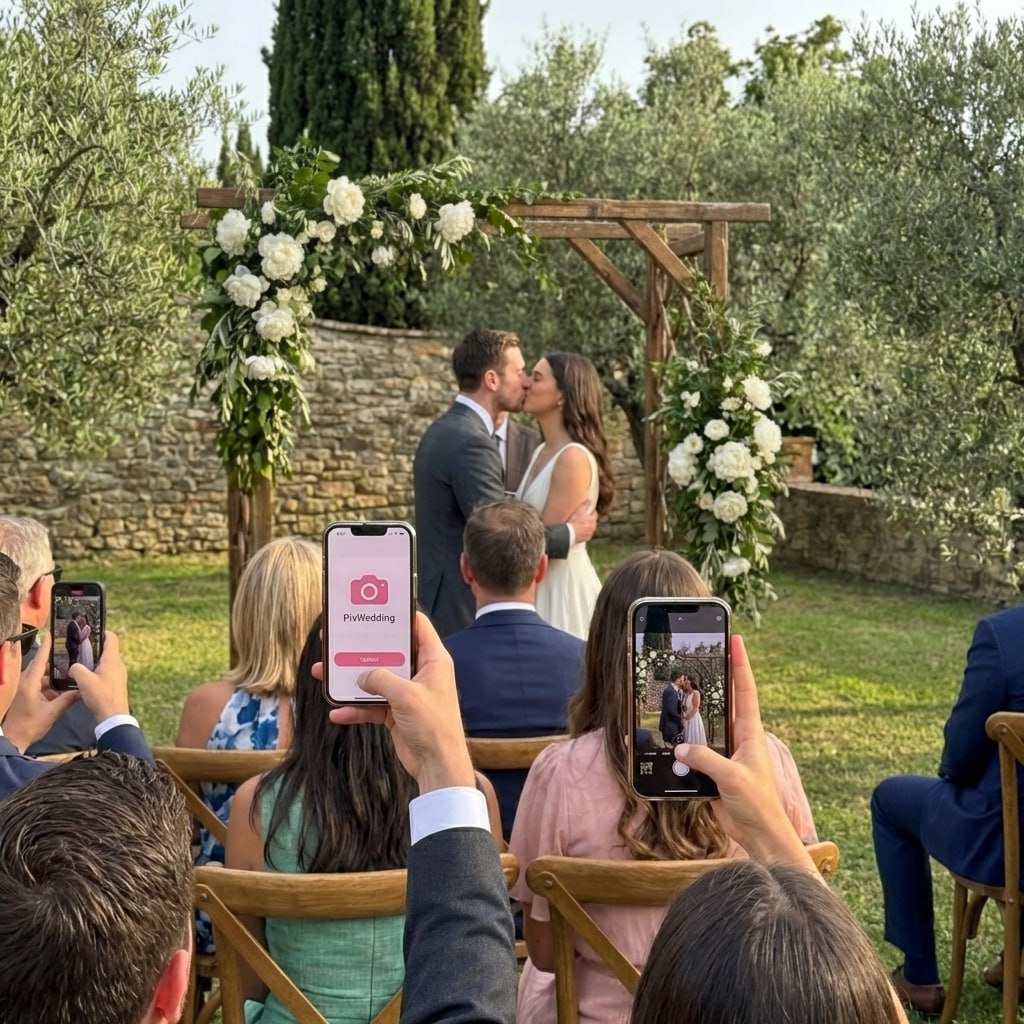
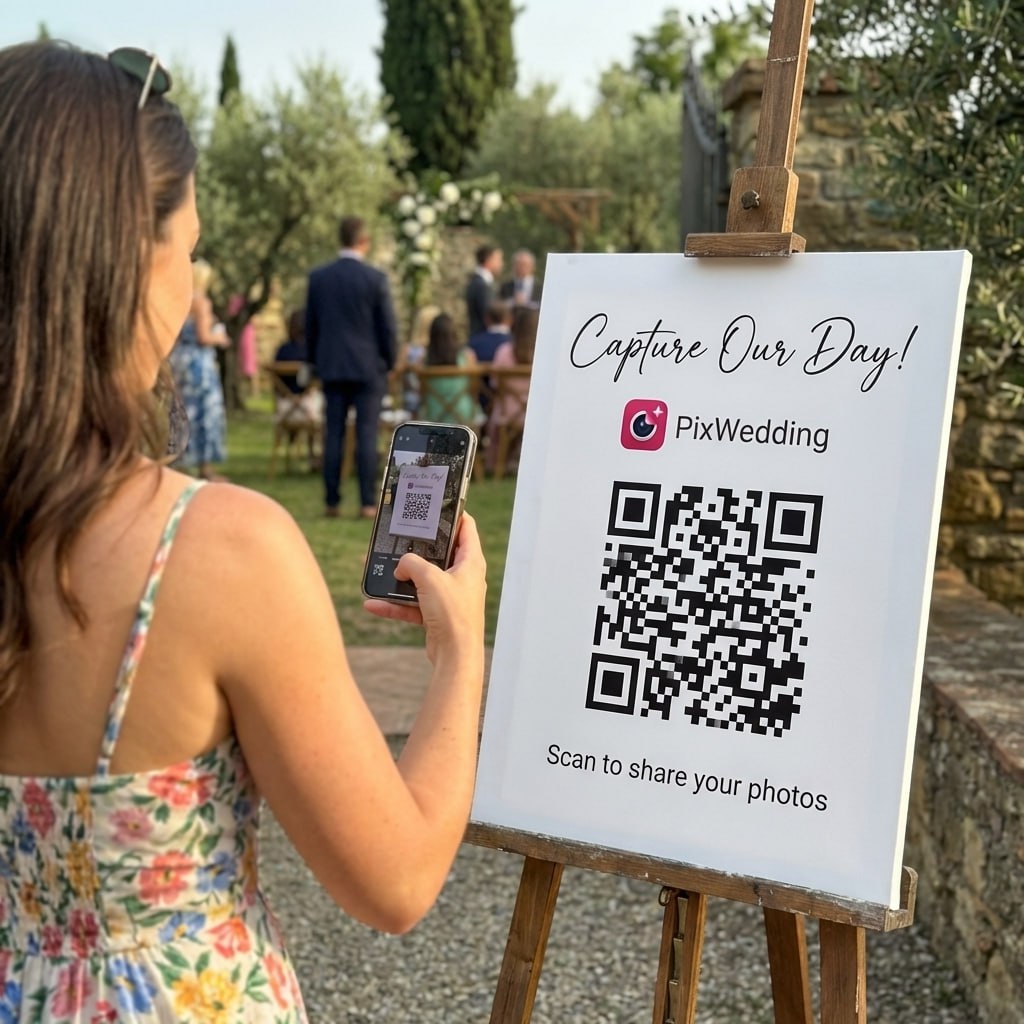
Even a ten-minute courthouse wedding ends up on a dozen phones. One QR code pulls every photo and video into one album.


Scan to join the album
No app, no account
UPLOADING
Saving your moment
THE ALBUM
Maya & Jordan
June 21, 2026
647 photos · 95 guests




Certified copies and your new name
Once the county records the license, order certified copies. Social Security will not take a photocopy or a notarized copy.
| Update | What you bring | Cost | How |
|---|---|---|---|
| Social Security card | Original or certified marriage document. No photocopies or notarized copies. | Free | Online in some states, otherwise through Social Security |
| Passport, issued under 1 year ago | Form DS-5504 plus your marriage certificate | No fee, except the optional $60 expedite | Mail the form |
| Passport, issued over 1 year ago | Form DS-82 plus a certified marriage certificate | Regular renewal fees | Renewal form DS-82 |
| Driver's license or state ID | Certified marriage certificate and your current license | Varies by state | Your state DMV |
Swipe for all 4 updates
From the Social Security Administration and the State Department. DMV rules vary by state. Checked 29 September 2026.
Update in this order
- 1Order certified copies from the county
- 2Social Security (free)
- 3Driver's license at your DMV
- 4Passport: DS-5504 or DS-82
- 5Bank, payroll and insurance
- Marriage license
- Permission to marry, issued before the ceremony.
- Marriage certificate
- The record that you married, created once the signed license is filed.
- Solemnization
- The ceremony itself, led by an officiant or by the couple.
- Waiting period
- Required time between applying or issue and the ceremony.
- Self-uniting
- A license that lets the couple marry without an officiant.
- Certified copy
- An official copy with a raised or printed seal, used as proof.
- Apostille
- A certificate from the issuing state's Secretary of State so a US record works in Hague Convention countries.
Sources: SSA name change FAQ, State Department passport name change. More on the paperwork: marriage certificate guide. Checked 29 September 2026.
The whole process, in ten minutes
How to get legally married in the United States
Cavin Elizabeth covers the license, the ceremony, the officiant and the paperwork after. The video is from 2021, so use the table above for current fees.
Cavin Elizabeth on YouTubeEven a courthouse wedding
deserves one album
Put one QR code on the dinner table. Guests scan, upload in original quality with their name on each photo, and everything lands in one place.
Live gallery
Maya & Jordan's Wedding
Example album

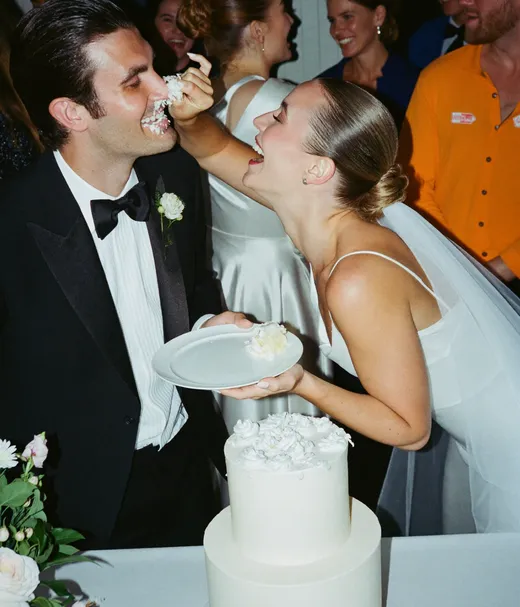

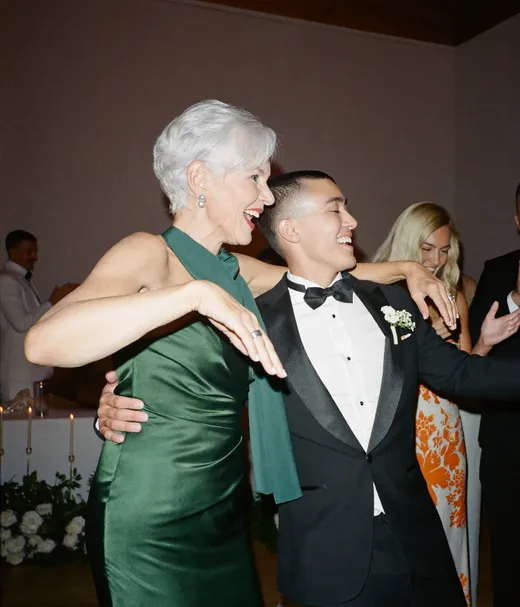


First dance
You guys!!
Married on paper. Now collect the day
Guests scan one QR code and add their photos and videos, no app or account. Start free with 20 guest uploads.
From Mom
Scan to join the album
No app, no account
UPLOADING
Saving your moment
THE ALBUM
Maya & Jordan
Example album
647 photos · 95 guests
SCAN TO TRY
pix.wedding/
your-wedding
How to get legally married in the US
Marriage law is set by each state, so the process runs through a county clerk rather than a federal office. The pattern is the same everywhere: a license, a ceremony inside its validity window, signatures, filing and a recorded certificate.
The details change by state. Texas has a 72-hour wait, New York 24 hours, and Nevada, DC, California and Colorado none. Witness rules range from none in Texas and DC to two for a Pennsylvania self-uniting license.
How much does it cost to get married in the US?
The legal minimum is the license fee plus any officiant fee. Colorado charges $30, DC $45, New York $40 ($35 in New York City) and Clark County, Nevada $102. California, Texas and Florida let each county set its own fee.
A county civil ceremony adds a small fee, such as $75 in Clark County. Certified copies of the marriage certificate are ordered separately from the county.
Explore more free wedding tools
Everything you need to make your wedding day stress-free and unforgettable.
QR Sticker Designer
Design custom print-ready stickers.
Hashtag Generator
Create unique wedding hashtags.
How to Collect Guest Photos
5 methods ranked by participation rate and ease.
Share Wedding Photos with Guests
Compare every sharing platform by ease and participation.
Best Way to Get Guest Photos
The single method with the highest participation rate.
How to Make a Shared Wedding Album
Step-by-step setup for every platform.
Alternative to Disposable Cameras
Better, cheaper options than disposable cameras.
Alternative to Wedding Photo Booth
5 cheaper alternatives to a $1,000+ photo booth rental.
Getting married in the US: common questions
Steps, documents, costs, witnesses, foreign partners and name changes, with short answers.
Get a marriage license from a county clerk, wait out any waiting period, hold the ceremony before the license expires, sign it with your officiant and any required witnesses, have it filed with the county, then order certified copies. A name change comes last and is optional.
Government photo ID for both of you, the license fee and both of you in person at the clerk's office in most places. You must meet the minimum age and be legally free to marry. Some states also want witnesses at the ceremony.
The license itself runs from $30 in Colorado to $45 in DC, $40 in New York and $102 in Las Vegas (Clark County). A courthouse ceremony adds a small fee, such as $75 for a Clark County civil marriage. Everything beyond that is optional.
Yes, where there is no waiting period. DC issues licenses the same day and Clark County takes walk-ins, though its civil marriage needs an appointment. In Texas you wait 72 hours after the license is issued unless the wait is waived.
Nevada and Washington, DC are the quickest on paper: no waiting period, a license the same day, and in DC no witnesses. Colorado lets couples marry themselves with a $30 license. California has no wait and a confidential license with no witnesses.
Yes. A marriage license does not depend on citizenship, and Clark County accepts passports. A fiancé on a visitor visa should plan to go home after the wedding. Marrying to stay belongs on the K-1 visa, which requires the wedding within 90 days of arrival. Talk to an immigration attorney first.
It depends on the state. Texas and DC require none, New York and Clark County need at least one, a California public license needs one and a confidential license none, and a Pennsylvania self-uniting license needs two.
Order a certified copy of the marriage certificate, then update Social Security first. It is free and needs an original or certified document. After that, update your driver's license at your state DMV and your passport with Form DS-5504 or DS-82.