
How Much Does a Wedding Officiant Cost? Complete 2026 Guide
A sourced breakdown of officiant fees by type, what drives the price up or down, tipping norms, and how to do it for free.
The short answer: most couples pay between $200 and $800 for a wedding officiant, with religious ceremonies usually structured as a donation, civil and non-denominational officiants running $200 to $1,000-plus, and a courthouse ceremony or an ordained friend costing well under $100. The national average across all types was $260 in The Knot's 2026 Real Weddings Study, based on 10,474 US couples married in 2025.
What moves your price is travel distance, whether the officiant attends your rehearsal, how custom the ceremony script is, and whether premarital counseling is required. Courthouse and civil ceremony filing fees vary by county, so the only way to get an exact number is to call your own county clerk.
Ranges from The Knot's officiant fee guide and Zola's officiant cost guide (updated February 2026). Courthouse fees are set by each county.
Wedding Officiant Cost at a Glance
Sourced 2026 figures, not guesses
National average across all officiant types, from The Knot's 2026 Real Weddings Study , surveying 10,474 US couples married in 2025. This represents under 1 percent of a typical wedding budget.
Typical spending band cited by Zola's 2026 officiant cost guide , with budget civil ceremonies as low as $50 and top-tier professionals above $1,000.
Average officiant spend for a hometown wedding versus an international destination wedding, per The Knot's officiant fee guide . Domestic destination weddings sat in between at $300.
| Officiant Type | Typical Cost | Source |
|---|---|---|
| Religious leader / clergy donation | $200 to $800 | |
| Civil / non-denominational officiant | $200 to $1,000+ | |
| Professional officiant, fully custom ceremony | $300 to $800, top tier over $1,000 | |
| Courthouse / justice of the peace | $50 to $200 (varies by county) | |
| Civil officiant traveling to your venue | Adds $100 to $300 | |
| Ordained friend or family member | Free to $100 | |
| Average, hometown wedding | $240 | |
| Average, domestic destination wedding | $300 | |
| Average, international destination wedding | $460 | |
| National average, all types combined | $260 |
What Drives the Price Up or Down
Travel distance: An officiant traveling outside their normal service area, or flying in for a destination wedding, typically adds a travel fee on top of the base rate.
Rehearsal attendance: Most professional and religious officiants include the rehearsal in their fee. Budget or courthouse options often skip it entirely, which is part of why they cost less.
Custom ceremony writing: A ceremony written from scratch after multiple meetings costs more than an officiant reading a standard, reusable script.
Premarital counseling requirement: Many churches require several counseling sessions before they will perform the ceremony. This is usually bundled into the donation, but it adds real time on the officiant's end.
Weekday vs. weekend, peak vs. off-season: Officiants who book multiple Saturday ceremonies in peak season (typically May through October) have less incentive to discount, while a weekday or off-season date gives you more room to negotiate.
Hometown vs. destination wedding: According to The Knot's 2026 Real Weddings Study, couples marrying in their hometown spent about $240 on their officiant, domestic destination weddings averaged $300, and international destination weddings averaged $460.
Watch: What Professional Officiants Charge
IAPWO, a trade association for professional wedding officiants, asked its members what they charged in 2024 and walks through the answers here. Their numbers cover hired professionals only, so they run higher than the all-types average from The Knot.
Source: IAPWO The Officiant Association on YouTube, "How Much Does a Professional Officiant Cost? IAPWO 2024"
First dance
You guys!!
Ceremony done - now capture every hug after.
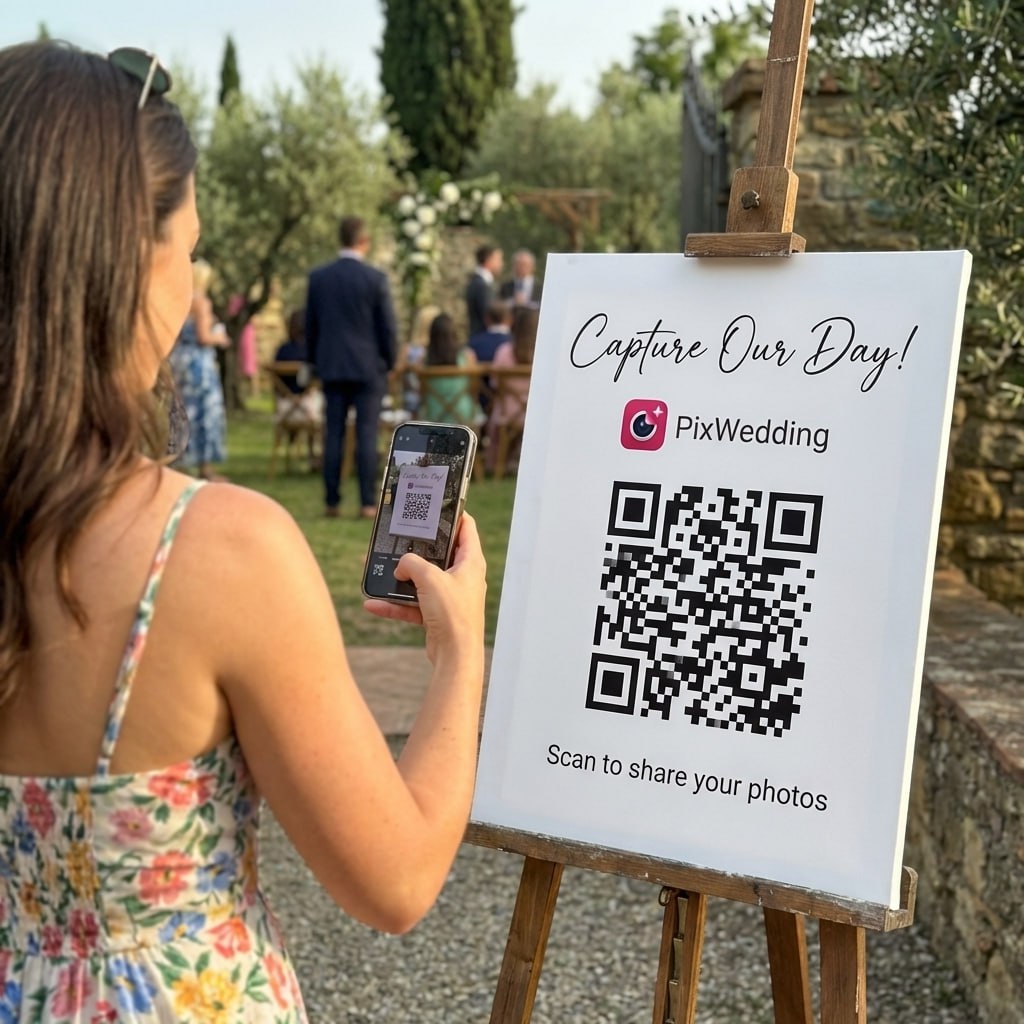
Set up a shared photo album before the wedding. Guests scan a QR and every candid shot is yours to keep.
From Mom
Scan to join the album
No app, no account
UPLOADING
Saving your moment
THE ALBUM
Emma & Jack
June 21, 2026
647 photos · 95 guests




SCAN TO TRY
pix.wedding/
your-wedding
Free and Low-Cost Officiant Options
The two routes that cost the least, and when each one makes sense
Courthouse or civil ceremony
Fees are set locally, not nationally, so the honest answer is that they vary by county. Zola's 2026 guide puts a basic courthouse ceremony at roughly $50 to $200, with travel outside the courthouse adding more. The only way to get your exact number is to call your county clerk directly and ask for the current civil ceremony fee and the separate marriage license fee.
A friend or family member, ordained online
Online ordination through organizations like the Universal Life Church or American Marriage Ministries is free and takes minutes. The Knot puts the typical all-in cost for a friend officiant at $10 to $100, mostly optional certificate or registration fees. Legal recognition varies by state and county, so check the details on our wedding officiant requirements guide before you commit to this route.
When the free or DIY route makes sense
- Your county clearly accepts online ordinations for legal marriages
- You have a friend or family member who is comfortable public speaking
- Your budget is tight and every category needs to be trimmed
- You want maximum creative freedom over the ceremony content
- A courthouse ceremony fits the size and tone of your wedding
When it is worth paying a professional instead
- Your state or county does not clearly recognize online ordinations
- Nobody in your circle wants the responsibility of officiating
- You want a fully custom script without writing it yourself
- Your ceremony includes rituals a first-timer would struggle to run
- You want a backup officiant on file in case of an emergency
How Much to Tip Your Wedding Officiant
Etiquette guidance by officiant type
Tipping an officiant is a matter of etiquette, not a wage survey, so treat the figures below as general guidance rather than a hard rule. The one data point with real backing is the religious donation itself: The Knot puts the typical worship donation at $200 to $300. The $50 to $100 gratuity for a hired officiant matches the range in Zola's officiant cost guide. The percentage and gift suggestions are common etiquette, not survey data.
| Officiant Type | Typical Gratuity | Note |
|---|---|---|
| Religious leader (congregation member) | Smaller donation, at your discretion | Given as a donation to the church or the officiant's discretionary fund, in a card delivered before or after the ceremony. |
| Religious leader (non-member) | $200 to $300 donation | This is the range most commonly cited for a religious ceremony donation. In addition to any facility fee, a thank-you card with the donation is standard. |
| Civil or non-denominational officiant | $50 to $100 gratuity | Not required but appreciated, especially if the officiant traveled or spent extra time personalizing the ceremony. |
| Justice of the peace / courthouse | Not customary | Government employees often cannot legally accept tips. A written thank-you note is the appropriate gesture instead. |
| Ordained friend or family member | Gift, not cash | A heartfelt gift is more fitting than a cash tip. Popular choices include a bottle of wine, a personalized item, or a dinner gift card. |
| Professional non-denominational officiant | 10 to 15 percent, optional | If the officiant is the business owner, tipping is optional. If they work for an officiant service, a modest percentage of the fee is a kind gesture. |
Wedding Officiant Types and Pricing, in Detail
What is typically included at each price point
Religious Leader (Pastor, Priest, Rabbi, Imam)
$200 to $800usually given as a donation, not a set feeWhat is typically included:
If you are a member of the congregation, some religious leaders perform ceremonies for a voluntary donation rather than a set fee, and non-members typically pay toward the higher end of the range. Catholic weddings often require several months of pre-marital preparation (Pre-Cana), which is bundled into the church fee but adds a real time commitment. Jewish ceremonies may involve a ketubah signing and specific ritual elements the rabbi will guide you through.
Additional costs: A separate church or synagogue facility fee is common on top of the officiant donation, and travel to your venue instead of the house of worship typically adds a modest fee. These add-on figures are general vendor pricing patterns rather than a single cited study, so confirm the exact breakdown with your officiant.
Civil Officiant (Non-Religious Professional)
$50 to $500Zola range; lower end for a simple, standard scriptWhat is typically included:
Civil officiants perform legal ceremonies without religious content, which is the most straightforward option for a courthouse, park, or other non-religious venue. Nationally, civil and non-denominational officiant fees span roughly $200 to $1,000-plus depending on experience and how custom the ceremony is; a simple civil ceremony without a written-from-scratch script tends to land in the lower half of that band.
Additional costs: Travel outside the officiant's regular service area and custom vow writing both push the price toward the higher end. Ask for an all-in quote before booking.
Justice of the Peace / Courthouse Ceremony
Varies by countytypically $50 to $200 for a basic ceremonyWhat is typically included:
This is the most affordable professional option, but the exact fee is set locally, not nationally. The title also varies by state: "justice of the peace," "magistrate," "judge," and "court clerk" are all used depending on where you live. Because the fee genuinely varies by county, the only reliable number is the one your own county clerk quotes you.
Additional costs: If the officiant travels to your venue instead of you going to the courthouse, expect a noticeably higher total. Separate from the ceremony fee, most states also charge a marriage license fee, which the couple pays directly to the county.
Ordained Friend or Family Member
Free to $100ordination itself is typically freeWhat is typically included:
Having a friend or family member officiate is increasingly popular and legal in most US states. Ordination itself is free through organizations like the Universal Life Church and American Marriage Ministries. Legal validity varies by state and county, so check with your county clerk before relying on this route. For the full state-by-state legal breakdown, see our wedding officiant requirements guide.
Additional costs: The main optional costs are a printed ordination certificate, any letter of good standing the county may require, and a thank-you gift to the friend officiating in place of a fee.
Professional Non-Denominational Officiant
$300 to $1,000+top-tier, highly custom officiants sit above $1,000What is typically included:
Non-denominational officiants are professional ceremony designers who create custom ceremonies blending elements from multiple traditions or none at all. They are one of the fastest-growing categories in the wedding industry because they combine the polish of a religious leader with the flexibility of a civil ceremony.
Additional costs: Officiants in major metro markets and those handling elaborate multi-ritual ceremonies (unity candle, sand ceremony, handfasting) typically charge toward the top of the range. Ask exactly what is included before comparing quotes across officiants.
How to Get a Friend Ordained to Officiate Your Wedding
A step-by-step guide to the most personal, and most affordable, option
Check your state and county laws
Not all states recognize online ordinations for marriage purposes the same way. Most US states accept online ordinations, but some counties within those states add extra requirements. Contact your county clerk directly and ask whether they accept marriages performed by ministers ordained online, and get the answer in writing if possible.
Choose an ordination organization
The most widely recognized options are the Universal Life Church (ULC) and American Marriage Ministries (AMM). Both offer free online ordination that takes 5 to 15 minutes, with no test, coursework, or fee required for the ordination itself.
Complete the online ordination
The process involves a simple form with your friend's legal name, address, and email. The ordination is immediate and permanent. Some organizations offer optional credential packages with a printed certificate and a letter of good standing for a small add-on fee.
Register with the county (if required)
Some counties require the officiant to register before performing a ceremony, which can involve submitting the ordination certificate, a letter of good standing, and a small filing fee. Check with your county clerk at least 2 to 3 months before the wedding to allow time for processing.
Obtain the marriage license
The couple, not the officiant, obtains the marriage license from the county clerk. Both partners must appear in person with valid photo ID. Some states have a waiting period between obtaining the license and the ceremony, so check your county's timeline early.
Write and rehearse the ceremony
Your friend has complete creative freedom. Start writing the ceremony 3 to 4 months before the wedding and do at least 2 full rehearsals covering pacing, projection, and the logistics of the ring exchange. Many couples use our free AI Wedding Vow Generator for inspiration on ceremony wording.
Sign and file the marriage license
After the ceremony, the officiant, the couple, and the required witnesses all sign the marriage license. The officiant is typically responsible for returning the signed license to the county clerk within the required window. Failure to file makes the marriage legally incomplete, so set a reminder.
Online Ordination Legality by State
Most states accept online ordinations, but check your specific county
This section is a quick orientation, not the full legal reference. For the complete state-by-state breakdown of ordination rules, county registration, and paperwork deadlines, see our dedicated wedding officiant requirements guide.
Widely Accepted (Most States)
California, Texas, Florida, New York, Illinois, Ohio, Georgia, Michigan, and most other states broadly accept online ordinations from recognized organizations like the Universal Life Church and American Marriage Ministries. Some individual counties within these states add registration requirements, so always confirm with your county clerk.
Accepted With Extra Requirements
A handful of states, including Pennsylvania, may require the officiant to register with the county or provide a letter of good standing from the ordaining organization. These extra steps are straightforward but take a few weeks, so start early.
Confirm Before You Rely On It
A very small number of counties have historically challenged the validity of online ordinations. North Carolina is a clear example: the state Supreme Court held in State v. Lynch (1980) that Universal Life Church ordination does not meet the state's ordained-minister standard, so a ULC-ordained friend risks an invalid ceremony there. Tennessee is a more nuanced case: its statute (T.C.A. 36-3-301) still bars solemnization by an online-ordained minister on its face, but a federal lawsuit over it ended in August 2023 with court-approved stipulations in which the district attorneys sued (Rutherford, Hamilton, and Putnam counties) agreed they will not prosecute Universal Life Church ministers or challenge the marriages they officiate. Those stipulations bind the officials in the case, not the whole state, so the status remains legally unsettled rather than fully resolved. Virginia is also contested: several circuit courts, including Fairfax, Augusta, and Staunton, have refused to recognize online ordinations, and a federal lawsuit challenging this was dismissed on standing grounds in February 2026 and the church has appealed to the Fourth Circuit, so do not assume an online ordination is reliably valid there. If you are unsure, the safest option is to have a justice of the peace or courthouse ceremony handle the legal paperwork, then have your friend lead a separate, non-legal ceremony at your reception.
How to Find and Vet a Wedding Officiant
5 methods to find the right person for your ceremony
Ask your venue coordinator
Venue coordinators work with dozens of officiants every year and know who is reliable and easy to work with. They can often recommend officiants who have performed ceremonies at your specific venue, which means less coordination on your end.
Search wedding directories
The Knot, WeddingWire, and Zola all run officiant directories with reviews, pricing signals, and availability calendars. Filter by your city, budget, and ceremony style, and read a range of reviews before contacting anyone.
Check your religious community
If you want a religious ceremony, start with your own congregation. If you are not affiliated with a specific house of worship, many religious leaders will perform ceremonies for non-members at a somewhat higher rate. Call a few local churches, synagogues, or mosques to compare availability and fees.
Ask recently married friends
Personal recommendations are the most reliable way to find a great officiant. Ask friends who got married recently what they paid, whether the officiant was easy to work with, and whether the ceremony felt personal and well-paced.
Contact your county clerk
For the most affordable option, call your county clerk office and ask about civil ceremony services. Many counties offer same-day or scheduled courthouse ceremonies, and some judges and magistrates also perform off-site ceremonies for an additional fee.
Questions to Ask Before Booking an Officiant
These questions protect you from surprises on your wedding day
Have you performed ceremonies at my venue before?
An officiant who knows your venue already understands the acoustics, microphone availability, positioning, and any venue-specific rules, which means less coordination and a smoother ceremony.
Can I see or customize the ceremony script?
Some officiants use a standard script with limited customization, others write everything from scratch based on interviews with the couple. Confirm the level of personalization before signing a contract.
Will you attend the rehearsal?
Most professional officiants include rehearsal attendance in their fee. If they charge extra, factor that into your total cost, especially with a large wedding party or unusual ceremony elements.
What do you wear?
Ask for photos of their attire at past weddings so the officiant complements your wedding aesthetic, whether that is formal black tie or casual outdoor.
What is your backup plan if you get sick?
Professionals should have a backup officiant or a network of colleagues who can step in. For friend officiants, choose a second friend as an emergency backup.
Are you available for the full timeline of my event?
Some officiants book multiple ceremonies on the same day, especially on popular Saturdays. Confirm they will arrive well before your ceremony start time and stay through the license signing.
Who handles filing the marriage license?
In most states, the officiant is responsible for returning the signed marriage license to the county clerk within a set window. Confirm who handles this and set a reminder to follow up after the wedding.
What are your fees and what is included?
Get a full breakdown in writing: ceremony fee, travel fee, rehearsal fee, custom writing fee, and any other charges. Ask for the total all-in cost upfront rather than a low base price with add-ons.
Wedding Officiant Cost by Region
Prices vary significantly based on location and demand
The bands below are directional market patterns compiled from typical vendor listings in each metro area, not a single named study. Confirm current rates with officiants in your own market before budgeting against them.
New York City / Los Angeles / San Francisco
High demand and high cost of living push officiant prices toward the upper end of the national bands in these cities, especially for fully customized non-denominational ceremonies with multiple planning meetings.
Chicago / Boston / Washington DC / Seattle
Major metropolitan areas with active wedding markets have plenty of options across all officiant types, and competition keeps prices reasonable relative to coastal cities.
Dallas / Atlanta / Denver / Nashville / Austin
Growing wedding markets with a strong mix of religious leaders and secular officiants, generally offering good value relative to coastal metros.
Midwest / Southeast / rural areas
The most affordable regions for officiant services. Religious officiants are often the default choice here, and many pastors perform ceremonies for a voluntary donation well below coastal norms.
Ceremony Elements That May Affect Officiant Pricing
Special rituals and additions that impact the total cost
These are general vendor pricing patterns rather than figures from a single named study, since add-on pricing varies widely by officiant.
Unity candle ceremony
Usually includedThe couple lights a single candle together from two individual flames, symbolizing the joining of two families. Most officiants include this in their standard ceremony at no extra charge, and the couple provides the candles.
Sand ceremony
Usually includedEach partner pours colored sand into a single vessel, creating a layered keepsake. The officiant guides the couple through the symbolism, and the couple provides the sand and containers.
Handfasting (Celtic knot tying)
Usually includedThe officiant wraps a ribbon or cord around the couple's joined hands, symbolizing their bond, the origin of the phrase "tying the knot." Most officiants familiar with handfasting include it at no additional cost.
Wine box or love letter ceremony
Small add-on is commonThe couple seals love letters and a bottle of wine in a wooden box to be opened on a future anniversary. The officiant explains the tradition and guides the sealing; some officiants charge a little extra for the added ceremony time.
Bilingual or multilingual ceremony
Noticeable premium is commonOfficiants who can perform ceremonies in two languages are in high demand and often charge more, since preparing and delivering the ceremony twice is genuinely more work.
Vow renewal
Discount from standard rateVow renewals are typically shorter and simpler than first-time ceremonies, and most officiants discount from their standard wedding rate accordingly. Pre-marital counseling is not required for renewals.
Elopement ceremony (just the couple)
Discount from standard rateSmall elopement ceremonies with just the couple and one or two witnesses are shorter and require less preparation, so many officiants offer reduced rates, and some run weekday elopement specials.
Related Wedding Planning Guides
How to Choose the Right Wedding Officiant
Choosing a wedding officiant comes down to three factors: your religious or spiritual preferences, your budget, and how personal you want the ceremony to feel. If you belong to a religious community and want traditional ceremony elements, a religious leader is the natural choice. If you want full creative control and a deeply personal ceremony, a friend officiant or professional non-denominational officiant is the way to go.
The biggest mistake couples make is choosing an officiant based solely on price. A courthouse ceremony is perfectly legal and efficient, but it will not include personalized vows, meaningful readings, or the emotional tone that makes a ceremony memorable. Paying toward the top of the professional officiant range is only worth it if you value the ceremony as a centerpiece of your day rather than a quick formality before the party.
For couples who want the best of both worlds, consider having a justice of the peace handle the legal paperwork at the courthouse earlier in the week, then having a friend or family member lead a personalized ceremony at your reception. Zola puts a basic courthouse ceremony at roughly $50 to $200, and your county's marriage license fee comes on top of that, so check both numbers with your clerk. The approach gives you complete creative freedom without any legal concerns about your friend's ordination status.
- •Meet with at least 2 to 3 officiants before making a decision
- •Ask to read or hear a sample ceremony script
- •Confirm the officiant is legally authorized in your specific county
- •Discuss ceremony length, tone, and any elements you want to include or exclude
- •Check reviews from other couples who had similar ceremony styles
What Makes a Great Wedding Ceremony?
The best wedding ceremonies share three qualities: they are personal, they are the right length, and they balance emotion with celebration. A ceremony that is too short can feel like a formality guests barely remember, while one that runs long loses the audience's attention. The sweet spot for most couples is 15 to 25 minutes.
Personal touches make the difference between a ceremony guests remember and one they forget. This can be as simple as the officiant sharing how the couple met, a reading chosen by a close friend, or a ritual that reflects your shared values. Many couples today are incorporating elements from multiple traditions or creating entirely new rituals with personal significance.
Capturing the ceremony on video and in photos ensures every word and emotion is preserved. While your photographer covers the visual story, services like Pix Wedding let guests contribute their own angles and perspectives, so the combination of professional footage and guest-captured moments gives you a complete record of what many couples call the most meaningful 20 minutes of their wedding day.
Explore more free wedding tools
Everything you need to make your wedding day stress-free and unforgettable.
Budget Allocator
Turn your total into a category-by-category plan.
Courthouse Wedding Cost
Real fees by county and what to expect.
Photo Sharing QR
The best way to collect guest photos.
Wedding Checklist
Month-by-month planning checklist.
AI Vow Generator
Write "banger" vows in seconds.
AI Speech Pro
Banger toasts for Best Man & more.
Frequently Asked Questions
Everything you need to know about our free tools and how they help your wedding day.
The Knot's 2026 Real Weddings Study puts the national average wedding officiant cost at $260, based on surveying 10,474 US couples married in 2025. Individual costs range widely by type: religious ceremonies are usually a $200 to $800 donation, civil and non-denominational officiants run $200 to $1,000-plus, courthouse ceremonies vary by county but often land at $50 to $200, and an ordained friend can cost as little as free to $100.
It genuinely varies by county, which is set locally rather than nationally. Zola's 2026 cost guide estimates a basic courthouse ceremony at roughly $50 to $200, with travel outside the courthouse adding more. For your exact fee, call your county clerk and ask for the current civil ceremony fee and the separate marriage license fee.
In most US states, yes. Your friend needs to get ordained online through an organization like the Universal Life Church or American Marriage Ministries, which is free and takes about 10 minutes. The Knot puts the typical all-in cost for a friend officiant at $10 to $100, mostly optional certificate or county registration fees. Legal validity varies by state and county, so confirm with your county clerk, and see our wedding officiant requirements guide for the full breakdown.
Tipping a wedding officiant is customary but not required, and it is more of an etiquette norm than a hard rule. For religious ceremonies, The Knot's data puts the typical worship donation at $200 to $300. For civil or non-denominational officiants, a gratuity of $50 to $100 is appreciated. For a justice of the peace, tipping is generally not expected since many government employees cannot accept tips. For a friend who officiates, a thoughtful gift is more appropriate than cash.
The main factors are travel distance, whether the officiant attends your rehearsal, how custom the ceremony script is, whether premarital counseling is required, and whether you are marrying on a weekday or off-season date versus peak Saturday season. The Knot's 2026 data also shows destination weddings cost more for officiants: about $240 for hometown weddings, $300 for domestic destination weddings, and $460 for international destination weddings.
Book your wedding officiant 6 to 9 months before your wedding date. Popular non-denominational officiants and religious leaders at large congregations fill their calendars quickly, especially for Saturday weddings during peak season (roughly May through October). For a justice of the peace or courthouse ceremony, a few weeks notice is usually enough.