
How Much Is a Wedding Videographer? Complete 2026 Cost Guide
The Knot's Real Weddings Study puts the national average wedding videographer cost at $2,300, while Zola's Wedding Cost Index shows a higher $3,993 average once coastal, high-demand markets are factored in. This guide breaks down every pricing tier, what each package includes, and how to get the best value for your budget.
Why Wedding Videography Demand Is Growing
Still less common than photography, but catching up fast
Social media changed everything
Instagram Reels, TikTok, and YouTube Shorts have made couples realize that photos alone do not capture the full emotion of the day. A 60-second highlight reel shared on social media gets more engagement than any photo album. The demand for short, shareable wedding clips has pushed videography from a luxury add-on to a much more common line item for many couples.
It is a real but often-cited regret
Wedding forums, vendor surveys, and couples' own retrospectives return wildly different numbers for how many people regret skipping a videographer, anywhere from roughly a third to the large majority depending on who is asking and how the question is worded. We are not going to print a single fake-precise percentage here. What is consistent across every source: it shows up again and again as one of the most commonly mentioned post-wedding regrets, right alongside "wished we hired a day-of coordinator."
Video quality is dramatically better and cheaper
Ten years ago, cinematic wedding videography required $50,000+ in camera equipment. Today, mirrorless cameras costing $2,000 to $4,000 shoot stunning 4K footage with beautiful depth of field. Drones cost $500 to $1,500 instead of $15,000. This means more talented filmmakers can enter the market, which has improved quality and created more competitive pricing at every level.
Guest footage fills the gaps
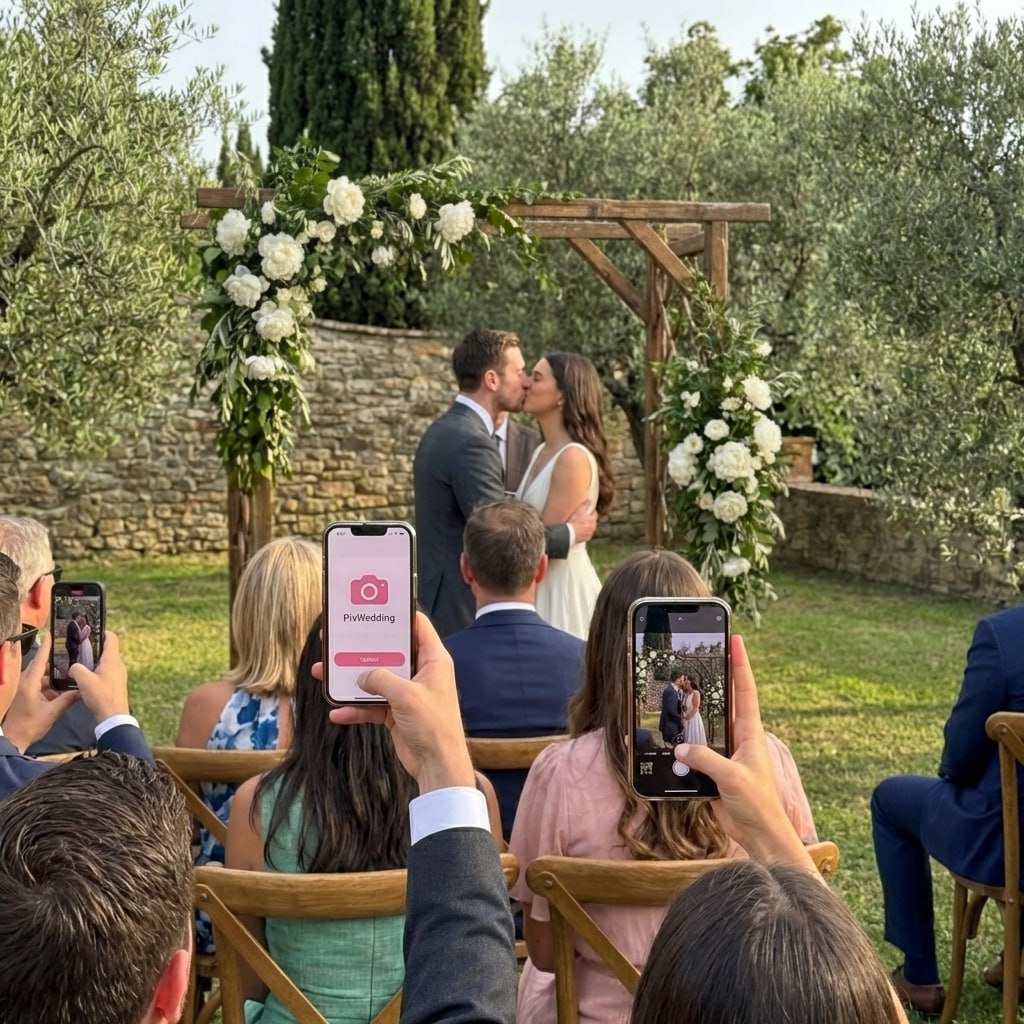
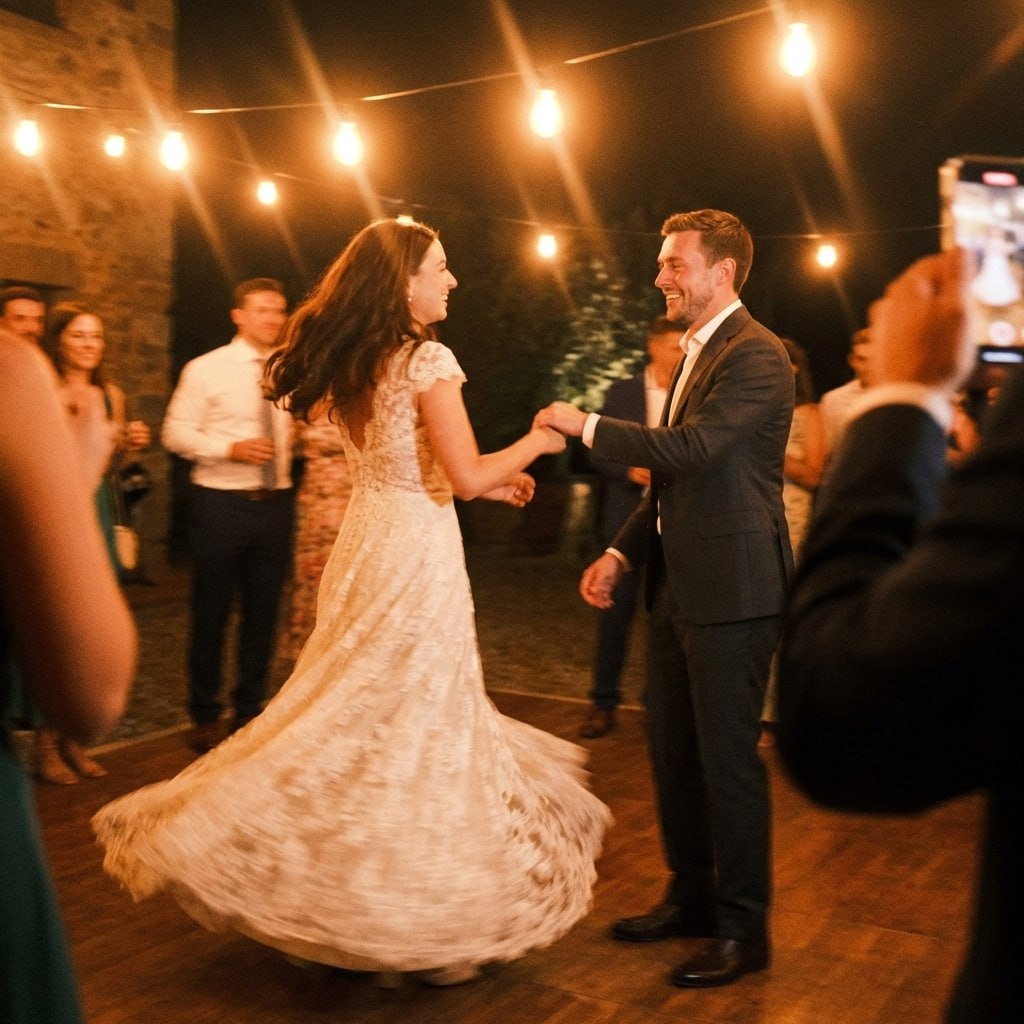
Professional videographers can not be everywhere at once. That is why many couples now combine a professional videographer with guest photo and video sharing through platforms like Pix Wedding. Guests capture candid dance floor moments, behind-the-scenes getting-ready clips, and emotional reaction shots that even two camera operators would miss.
Long-term value appreciation
Couples who got married 10 or 20 years ago often say their wedding video is their most treasured possession. As years pass, the ability to hear a grandparent's toast or watch parents dance becomes priceless. The $2,500 you spend today becomes the most valuable recording your family will ever own.
Wedding Videographer Pricing Tiers
What you get at every price point. Ranges reflect what is typically listed across wedding vendor marketplaces (WeddingWire, Zola) in 2026, not a single fixed study.
Highlight Reel Only
$800 to $1,500Half-Day Package
$1,500 to $3,000Full-Day Package
$2,500 to $5,000Cinematic Film
$5,000 to $10,000+Wedding Videographer Cost by Region
Source: The Knot Real Weddings Study 2025, US Census regions
Mid-Atlantic (NY, NJ, PA)
$3,000Average, per The KnotNortheast / New England
$2,700Average, per The KnotMidwest
$2,200Average, per The KnotWest
$2,200Average, per The KnotSouth / Southeast
$2,100Average, per The KnotSouthwest
$2,100Average, per The KnotCity-level variation is even wider (Zola Wedding Cost Index)
Zola's data shows Salt Lake City averaging $3,005 for wedding videography, compared to $6,091 in San Francisco for similar 150-guest coverage. High cost-of-living metro markets on the coasts run well above the national average, so treat regional averages as a starting point and always get local quotes.
Raw Footage vs Edited Video: What Should You Choose?
Each format serves a different purpose and budget
Raw Footage Only
$500 to $1,000Edited Highlight Reel
$800 to $2,000Full Edited Film
$2,500 to $5,000Cinematic Feature Film
$5,000 to $10,000+8 Questions to Ask Before Booking a Videographer
These questions reveal the difference between a professional and an amateur
How many weddings have you filmed at my venue?
Venue experience means they already know the best angles, lighting conditions, and potential audio challenges. A videographer who has filmed at your venue before will move faster and capture better footage.
What does your editing style look like?
Ask to see 3 to 5 full wedding films, not just highlight reels. The highlight reel is always great because it only shows the best 3 minutes. The full film reveals their real editing quality, pacing, and storytelling ability.
How do you handle audio for the ceremony?
Audio quality makes or breaks a wedding video. The best videographers use a wireless lapel microphone on the officiant plus a backup recorder near the altar. Relying only on the camera microphone from 30 feet away produces unusable audio.
Will you coordinate with my photographer?
Videographers and photographers can get in each other's way if they do not coordinate. Professional videographers will connect with your photographer before the wedding to agree on positioning, first-look timing, and who has priority during key moments.
What is your backup plan for equipment failure?
Professional videographers carry backup cameras, batteries, memory cards, and audio recorders. Ask specifically what happens if their primary camera fails mid-ceremony. This answer separates pros from hobbyists.
What is included in the final delivery?
Clarify exactly what files you receive: resolution (HD vs 4K), file format, delivery method (download link vs USB drive), and how long the download link stays active. Some videographers delete your footage after 6 months.
How many revisions are included?
Most packages include 1 to 2 rounds of revisions. Unlimited revisions sound generous but can indicate a videographer who does not get it right the first time. Clarify what counts as a revision versus a complete re-edit.
Do you carry liability insurance?
Many venues require vendors to carry liability insurance. If your videographer does not have it, they may not be allowed to set up equipment at your venue. Ask for a certificate of insurance if your venue requires it.
When to Book and How to Negotiate
Timing and strategy can save you hundreds
Book 8 to 12 months before your wedding
The best videographers in any city book up 8 to 12 months in advance, especially for Saturday weddings in May through October. If you find someone you love, do not wait. A $500 deposit secures your date and prevents you from losing your first choice.
Weekday and Sunday weddings save 20 to 30 percent
Most videographers charge less for non-Saturday weddings because demand is lower. A Friday or Sunday wedding can save you $500 to $1,500 on videography alone. Some offer their premium package at the price of their mid-tier package for weekday events.
Bundle with your photographer for a discount
Some videographers partner with photographers and offer package deals. Even if they do not officially partner, ask both vendors if they will discount their rate for booking them together. Bundled photo and video packages often save 10 to 15 percent.
Negotiate on deliverables, not the day rate
Instead of asking for a lower price (which many videographers find disrespectful), ask for additional value at the same price. Request an extra hour of coverage, a social media teaser clip, or raw footage included at no additional charge. Most videographers are more willing to add a deliverable than cut their rate.
Off-season weddings (November to March) cost less
Wedding videographers have fewer bookings in winter months. Many will offer 15 to 25 percent discounts to fill their calendar during the off-season. The trade-off is shorter daylight hours and potentially less outdoor footage, but indoor ceremonies and receptions look beautiful on film regardless of season.
Ask about payment plans
Most videographers offer payment plans that split the total into 2 to 3 installments. A typical structure is 30 percent at booking, 30 percent one month before the wedding, and 40 percent on delivery. This makes even premium packages more manageable.
Review the contract carefully
The contract should specify: hours of coverage, number of camera operators, list of deliverables, turnaround time, revision policy, cancellation terms, and what happens if the videographer gets sick or has an emergency on your wedding day. If any of these items are missing, ask for them in writing before signing.
Hidden Costs to Watch For
Fees that can surprise you if you do not ask upfront
Travel fees
Most videographers include travel within 30 to 50 miles of their base. Beyond that, expect a travel fee of $0.50 to $0.75 per mile, plus hotel accommodations for destination weddings. A videographer traveling 200 miles may add $300 to $500 to your total.
Overtime charges
If your reception runs longer than the contracted hours, overtime rates range from $150 to $400 per additional hour. Clarify the overtime rate before signing and build a 30-minute buffer into your contract just in case.
Raw footage delivery
Many videographers do not include raw footage in their standard packages. If you want every minute of unedited footage, expect to pay $200 to $500 extra. The raw files are typically delivered on an external hard drive that you provide or purchase from the videographer.
Drone footage add-on
Aerial drone shots of your venue, outdoor ceremony, or grand exit can add $300 to $800 to your package. The videographer needs an FAA Part 107 drone license and may need to coordinate with your venue for permission. Not all venues allow drone flights.
Second camera operator
A second shooter adds $400 to $800 to the package cost. This person captures reaction shots, guest footage, and alternate angles during the ceremony. For weddings over 100 guests, a second camera operator is highly recommended.
Rush delivery
Standard turnaround is 8 to 12 weeks. If you want your highlight reel for a post-wedding brunch or social media within 48 hours, rush editing fees range from $300 to $1,000 depending on the complexity.
Additional edits after delivery
Most contracts include 1 to 2 rounds of revisions. Additional revision rounds or major re-edits (changing the music, restructuring the timeline, adding footage from another source) typically cost $100 to $300 per round.
Budget-Friendly Alternatives to a Full Videographer
How to capture video memories on any budget
Guest video sharing with QR codes
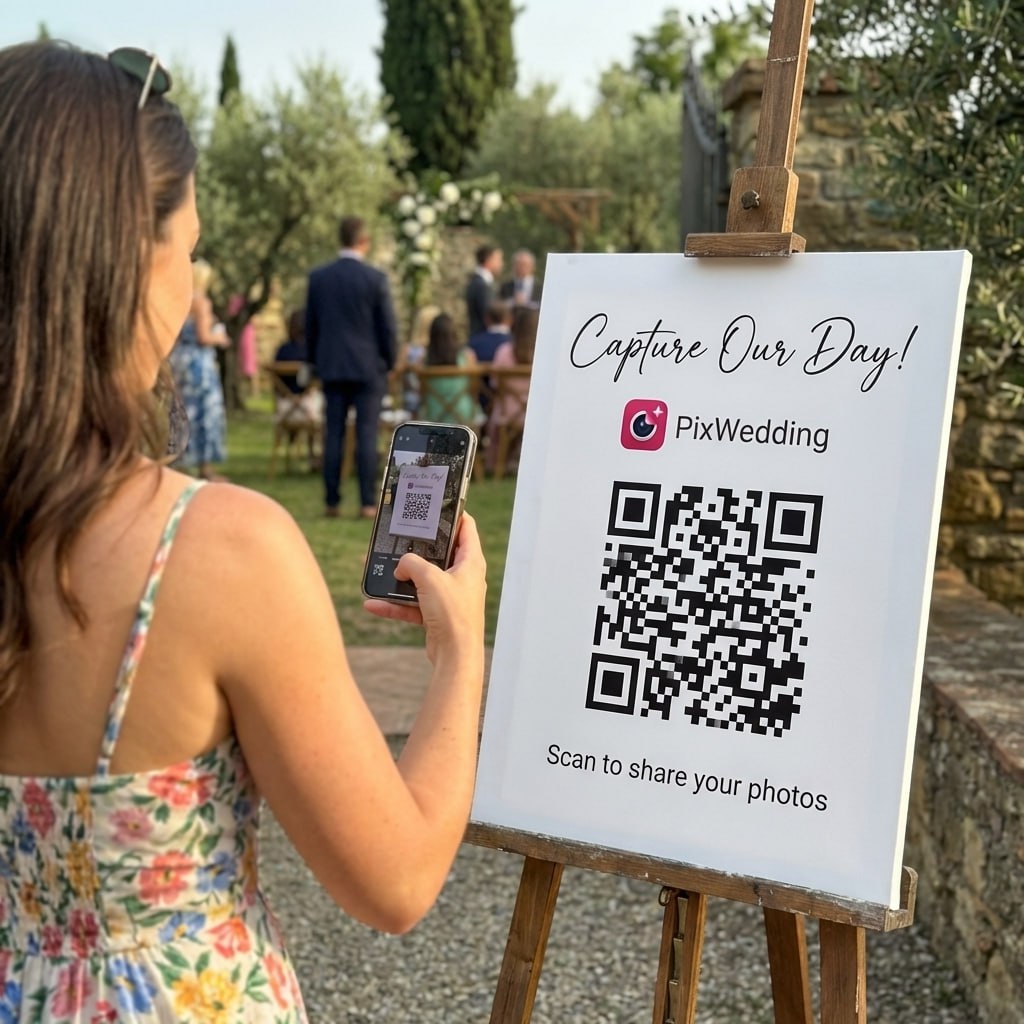
Under $50Set up a shared album through Pix Wedding and place QR codes on every table. Guests scan with their phones and upload videos and photos directly. You get candid dance floor clips, emotional reaction shots, and behind-the-scenes moments from dozens of angles. No app download required. This approach captures moments a single videographer would miss because it turns every guest into a camera operator.
Film student or recent graduate
$500 to $1,200Film schools and art programs are full of talented students building their portfolios. They often own professional equipment and produce excellent work at a fraction of the price of an established videographer. Check portfolios carefully and ask for at least 2 full wedding film samples before booking.
Wedding content creator (raw, fast-turnaround clips)
$500 to $999A newer vendor category tracked by Zola's 2026 Wedding Spend Survey: over 60% of couples who book a content creator pay in this range for raw, unedited or lightly-edited phone-native footage delivered within about 24 hours, rather than a polished cinematic film weeks later. It is not a substitute for full ceremony coverage, but it is a genuinely popular budget option for social-ready clips.
Ceremony-only videographer
$400 to $800If budget is the primary concern, hire a videographer for the ceremony only (1 to 2 hours). The ceremony is the one part of the day you absolutely want on video. Combine this with guest QR sharing through Pix Wedding for the reception and you get comprehensive coverage at a fraction of the full-day cost.
Highlight reel from a solo operator
$800 to $1,500A single camera operator who delivers only a 3 to 5 minute highlight reel keeps costs down by minimizing both shooting time and editing time. You still get a beautiful, shareable video, just not the full ceremony or complete reception coverage.
GoPro and tripod setup
$100 to $300 rentalPlace a GoPro or two on tripods at the ceremony to capture continuous footage of vows and rings. Rent the cameras for the weekend from a local camera shop. The quality will not match a professional videographer, but you will have a reliable recording of the ceremony audio and video as a backup.
First dance
You guys!!
Video covered - what about the guest shots?
Your videographer captures the highlights. A shared album collects the candid, in-between moments from every guest's phone - no chasing required.
From Mom
Scan to join the album
No app, no account
UPLOADING
Saving your moment
THE ALBUM
Emma & Jack
June 21, 2026
647 photos · 95 guests


SCAN TO TRY
pix.wedding/
your-wedding
Is a Wedding Videographer Worth the Cost?
The short answer is yes for most couples, but it depends on what you value. If you are the type of couple who watches home videos, rewatches movie scenes, and finds joy in audio and movement, a wedding videographer will deliver something a photographer simply cannot. The sound of your partner saying their vows, the tremble in a parent's voice during a toast, the roar of the crowd when you walk back down the aisle: these moments only exist in video.
If your budget forces you to choose between upgrading your photography package and adding a videographer, many couples in 2026 are choosing the videographer. The reasoning is practical: a mid-range photographer with a highlight reel videographer gives you both stunning stills and a shareable video, whereas a premium photographer without any video leaves a permanent gap in your wedding memories.
For couples on a tight budget, the combination of a ceremony-only videographer ($400 to $800) plus guest QR photo and video sharing through Pix Wedding (under $50) provides comprehensive coverage at roughly a third of the cost of a full-day videography package. Guests at your reception are already recording on their phones. Giving them an easy way to upload those clips to a shared album means you capture the reception from dozens of angles without paying for a second camera operator.
- •Skipping a videographer is one of the most commonly cited post-wedding regrets across vendor and forum surveys, even though the exact figures vary widely by source
- •Wedding videos become more valuable over time, especially after losing loved ones
- •A 3-minute highlight reel costs less than most wedding centerpieces
- •Guest video sharing captures candid moments a professional would miss
- •Many videographers offer payment plans to spread the cost over 6 to 12 months
How to Compare Wedding Videographer Portfolios
Every videographer's website shows their absolute best work. The real test is consistency. Ask to see 3 to 5 complete wedding films from different events, not just highlight reels. Pay attention to audio quality during indoor speeches, color consistency across different lighting conditions, and whether the pacing keeps you engaged for the full runtime.
Watch for these specific technical markers: smooth camera movement (shaky footage is a red flag), clean audio during ceremonies and speeches, natural color grading that does not look overly orange or teal, and thoughtful music choices that match the couple's personality rather than generic royalty-free tracks.
- •Ask for full wedding films, not just 3-minute highlight reels
- •Check if they have filmed at your venue before
- •Listen to the audio quality during indoor ceremonies and speeches
- •Look for consistent color grading across different lighting conditions
- •Read Google reviews and ask for references from recent couples
Videographer vs DIY Video: An Honest Comparison
DIY wedding video has come a long way thanks to smartphone cameras and stabilization technology. An iPhone 15 or 16 shoots 4K video with cinematic mode that produces beautiful depth of field. Combined with a $30 gimbal and decent lighting, a friend with an eye for framing can capture solid footage.
However, the gap between professional and DIY remains significant in three areas: audio quality, multi-angle editing, and storytelling. A professional uses wireless microphones, multiple cameras, and professional editing software to create a cohesive narrative. DIY footage tends to be individual clips that lack flow and often have poor audio. The difference is similar to the gap between a phone snapshot and a professional portrait: both capture the moment, but one tells a story.
Explore more free wedding tools
Everything you need to make your wedding day stress-free and unforgettable.
QR Sticker Designer
Design custom print-ready stickers.
Photo Sharing QR
The best way to collect guest photos.
Hashtag Generator
Create unique wedding hashtags.
How to Collect Guest Photos
5 methods ranked by participation rate and ease.
Get Photos After the Wedding
Message templates to gather guest photos post-wedding.
Share Wedding Photos with Guests
Compare every sharing platform by ease and participation.
Best Way to Get Guest Photos
The single method with the highest participation rate.
How to Make a Shared Wedding Album
Step-by-step setup for every platform.
Frequently Asked Questions
Everything you need to know about our free tools and how they help your wedding day.
It depends which dataset you use. The Knot's Real Weddings Study puts the US national average at $2,300, with the middle 50% of couples spending $1,000 to $3,300. Zola's Wedding Cost Index reports a higher $3,993 national average ($3,200 to $4,800 typical range), largely because it weights more heavily toward higher cost-of-living metro markets. Package-level industry pricing generally runs $800 to $1,500 for a highlight reel only, $1,500 to $3,000 for a half-day package, $2,500 to $5,000 for full-day coverage, and $5,000 to $10,000+ for premium cinematic films. Your region, the videographer's experience level, and the deliverables you choose all affect the final price.
A wedding videographer captures the day as it happens with a documentary approach, focusing on complete coverage of events. A wedding cinematographer takes a more artistic, film-like approach with dramatic angles, scripted segments, drone footage, and heavy post-production editing. Cinematographers typically charge $4,000 to $10,000+ because the editing process takes significantly longer and requires more advanced equipment.
Raw footage is worth it if you want a complete, unedited record of every moment. It costs $200 to $500 as an add-on to most packages. The downside is that raw footage is unwatchable in its original form, with hours of unedited clips, no music, and no color correction. Most couples find that a well-edited highlight reel plus full ceremony edit is all they actually rewatch. Raw footage is mainly valuable as an archive or if you plan to hire an editor later.
Book your wedding videographer 8 to 12 months before your wedding date. The best videographers in major cities fill their calendar a year in advance, especially for peak season dates (May through October) and Saturdays. If you are getting married on a weekday or during the off-season (November through March), you may have more flexibility, but popular videographers still book up quickly.
Tipping your wedding videographer is customary but not required. The standard tip is $50 to $200 depending on the level of service. If the videographer is the business owner, tipping is optional but appreciated. If they send an employee or assistant, a tip of 10 to 15 percent of the total cost is a kind gesture. Place the tip in a labeled envelope and have your wedding coordinator or a family member deliver it at the end of the night.
Yes. The most effective budget alternative is combining a ceremony-only videographer ($400 to $800) with guest QR code video sharing through a platform like Pix Wedding. Guests scan a QR code at your reception and upload their phone videos directly to your private album. This captures candid moments from dozens of angles. Other options include hiring a film student ($500 to $1,200), setting up GoPros on tripods ($100 to $300 rental), or asking a talented friend to film key moments.