
Wedding Survival Kit
A wedding survival kit is a single bag of small, specific items, organized by category with real quantities, that fixes the problems most likely to interrupt a wedding day: a broken strap, a headache, a stain, a dead phone. It is not the same as a first aid kit and it is not one giant everything-bag. It is a short, deliberate list packed the night before and handed to one person to carry.
Below is the full checklist with quantities by category, a comparison of the bag types people actually use to carry it, and a timeline showing exactly when in the day each item gets pulled out.
Why a Dedicated Kit Matters
Every wedding produces the same handful of small emergencies, and most of them share a trait: they are fixable in under a minute if the right item is within reach, and they become a bigger disruption the longer someone has to go looking for a pharmacy, a sewing kit, or a phone charger. According to The Knot's wedding day emergency kit checklist, the most commonly needed items include a sewing kit for broken zippers and missing buttons, safety pins for split seams, fashion tape for wardrobe malfunctions, and backup jewelry. A dedicated, pre-packed kit means none of that turns into a scramble.
Kennedy Blue's wedding emergency kit guide makes a similar point about organization: they recommend storing everything in a large zipper pouch or tote, keeping it out of sight but within easy reach, and assigning a trusted person like the maid of honor or best man to manage it on the day. That single decision, choosing a keeper in advance, is what separates a kit that actually gets used from one that sits forgotten in a car.
The Itemized Packing Checklist, by Category
Quantities matter as much as the items themselves. Packing one safety pin does not help when three straps fail. Below is a working list with realistic amounts for each category, not just names of items.
Health and Comfort
Beauty and Touch-Up
Attire Repair
Documents and Money
Tech
Common Problems, Matched to the Fix
Every item on the checklist above exists because it solves a specific, recurring problem. Here is the direct match between what goes wrong and which item in which category handles it, so the kit keeper knows exactly where to reach.
| Problem | Item That Fixes It | Category |
|---|---|---|
| Broken dress strap or split seam | Safety pins and fashion tape | Attire Repair |
| Red wine or food stain | Stain remover pen | Attire Repair |
| Headache from stress or standing | Pain relievers | Health and Comfort |
| Nervous stomach | Antacid tablets | Health and Comfort |
| Phone dying mid-photos | Portable battery pack | Tech |
| Hair falling out of the style | Bobby pins and travel hairspray | Beauty and Touch-Up |
| Blisters from new shoes | Blister pads | Health and Comfort |
| Shiny skin under venue lighting | Blotting papers | Beauty and Touch-Up |
| Stocking or hosiery run | Clear nail polish | Beauty and Touch-Up |
| Missing a vendor tip envelope | Pre-labeled cash envelopes | Documents and Money |

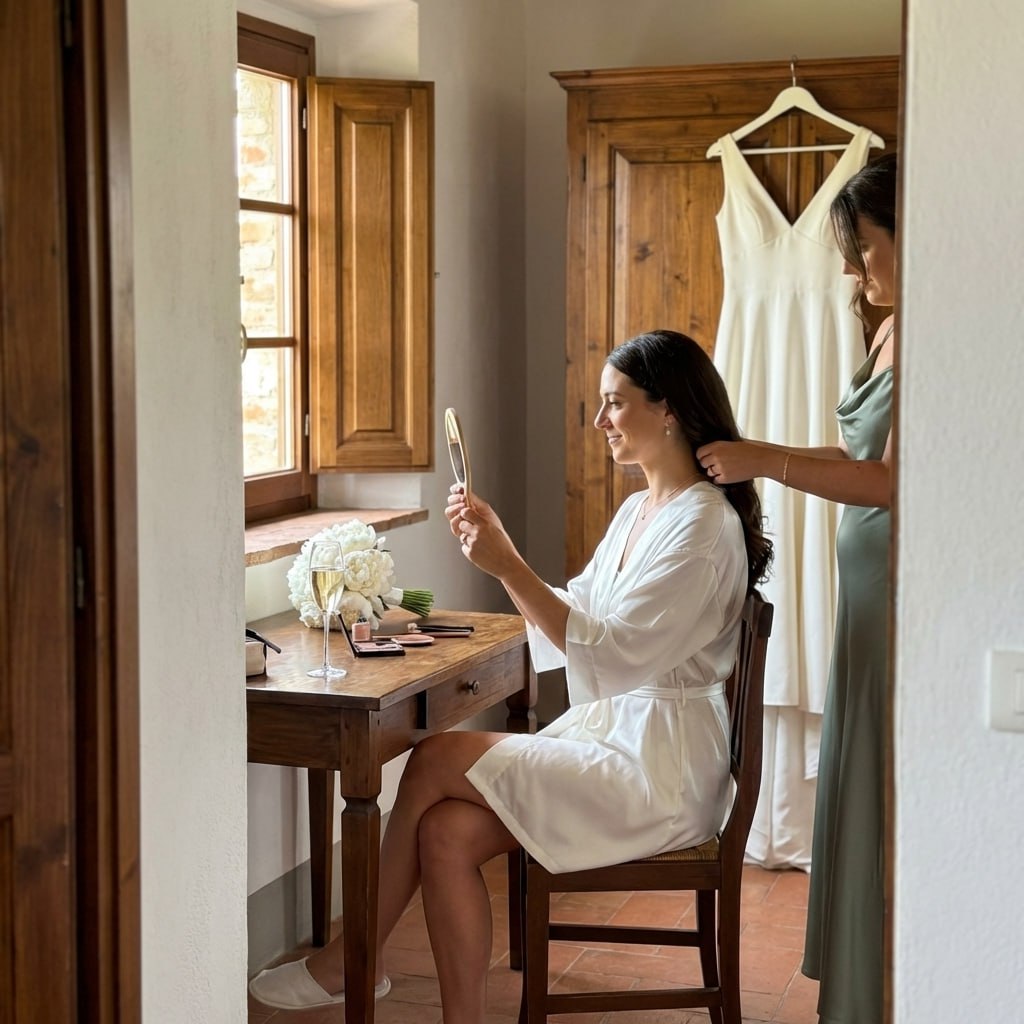
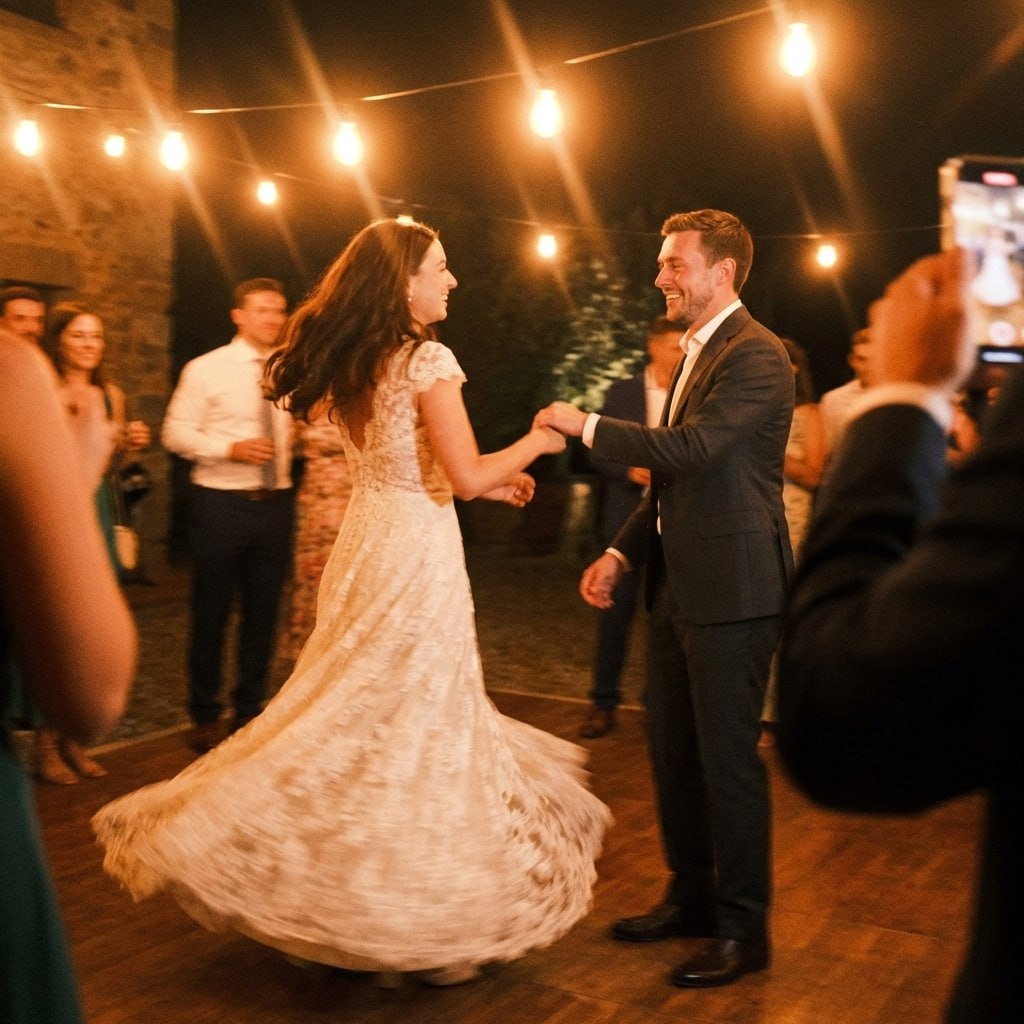
First dance
You guys!!
Kit's Packed. The Photo Plan Still Needs One Thing.
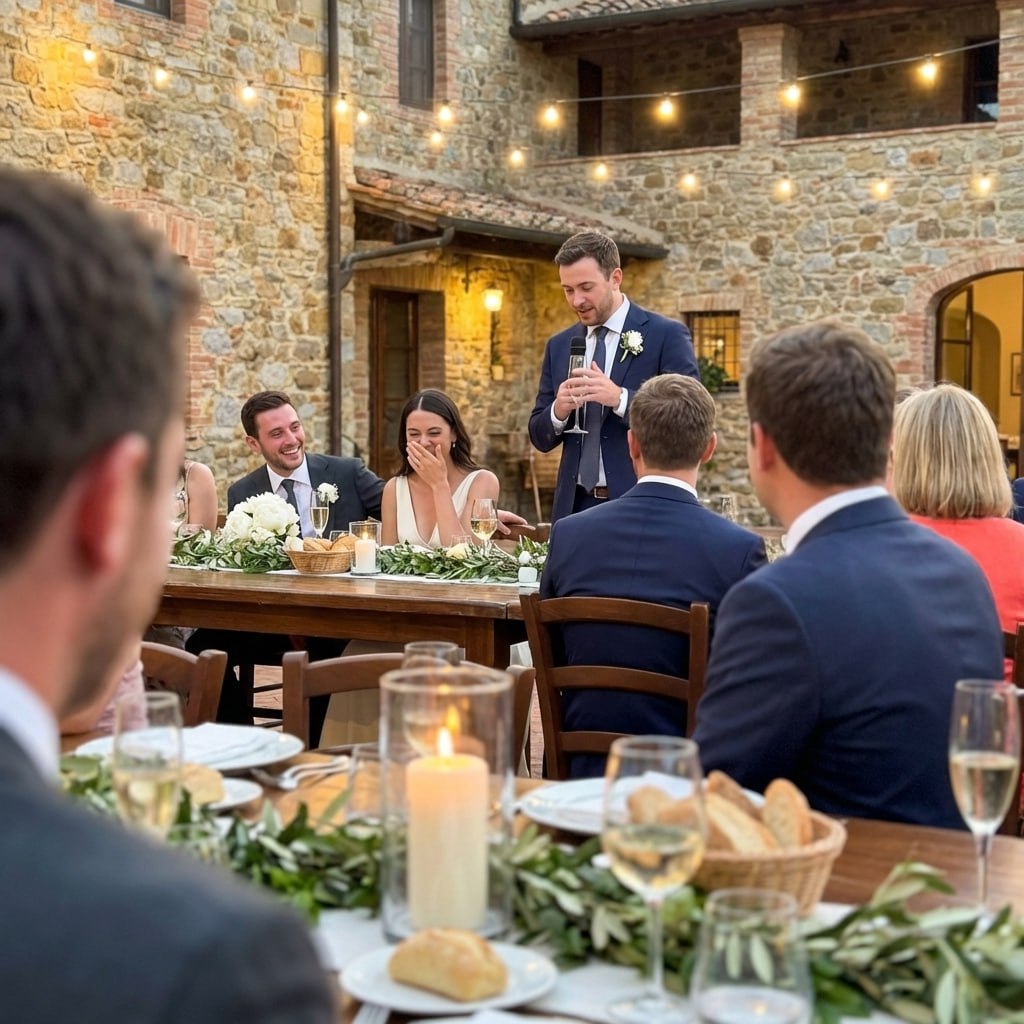
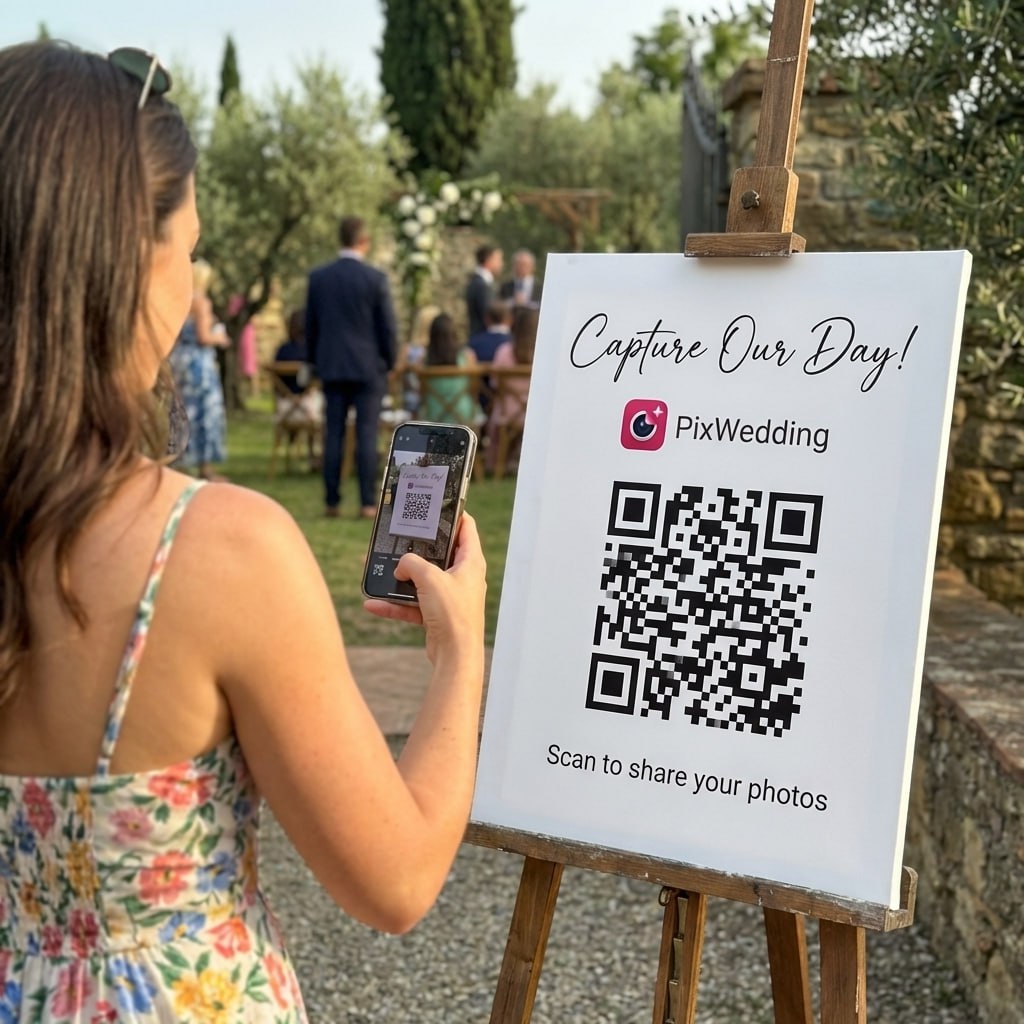
Every emergency in this bag has a fix. Guest photos scattered across 80 phones do not, unless there is one shared album collecting them by QR code as the day happens.
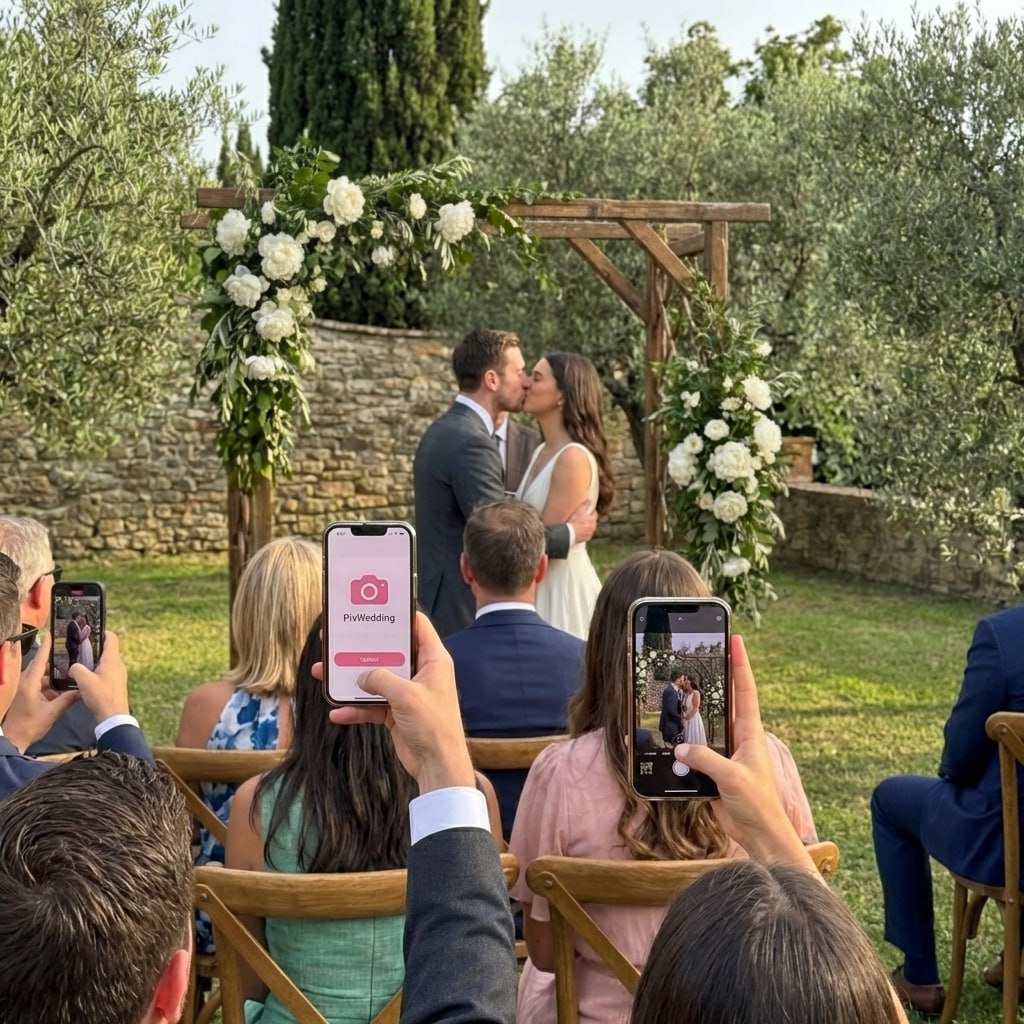
From Mom
Scan to join the album
No app, no account
UPLOADING
Saving your moment
THE ALBUM
Emma & Jack
June 21, 2026
647 photos · 95 guests

SCAN TO TRY
pix.wedding/
your-wedding
Which Bag Should Actually Hold It
The container matters more than people expect. A kit with the right items in the wrong bag still fails if nobody can find the stain pen in under 30 seconds. Here is how the four most common options compare.
Fabric Tote
- +Roomy enough to hold everything in one grab
- +Doubles as a regular bag after the wedding
- +Cheapest option, easy to find anywhere
- -No internal organization
- -Small items sink to the bottom
- -Slow to search under time pressure
Compartment Caddy
- +See-through compartments for instant retrieval
- +Stands upright on a table or counter
- +Doubles as a makeup caddy afterward
- -Bulkier to carry between ceremony and reception
- -Costs more than a plain bag
Zip Pouches by Category
- +Lightweight and cheap, usually sold in multi-packs
- +Easy to hand one labeled pouch to a specific person
- +Simple to slide into a suitcase or overnight bag
- -A single pouch is easy to misplace
- -No one central home base for the whole kit
Tackle Box or Craft Organizer
- +Best organization for tiny items like pins and buttons
- +Rigid sides mean nothing gets crushed
- +Small drawers keep every category separate
- -Looks utilitarian on a hotel room table
- -Heavier than a soft bag or pouch
Packing Timeline: When You'll Actually Use Each Item
A survival kit only works if it is organized for speed. Knowing what happens during each phase of the day tells you what should sit at the top of the bag versus the bottom.
Bobby pins, hairspray, safety pins, fashion tape, medications, deodorant, the mini sewing kit for a last-minute dress or suit fix, and your phone charger. This is the busiest stretch, so keep these on top.
Tissues, breath mints, blotting papers if the ceremony is outdoors, and a compact mirror for one last look before you walk. Nothing else needs to leave the bag here.
Blotting papers again, lip color touch-up, static guard if it is windy, the lint roller before formal photos, and cash if vendors are being tipped during this window.
Stain remover pen (nerves plus wine is a common combination), pain reliever, snack bars, spare hosiery, and the portable battery pack as your phone starts to drain from photos.
Clear nail polish for a stocking run, a deodorant reapply, eye drops, and the remaining tissues for anyone crying during the last song.
Ziplock bag for anything wet or messy, the last of the cash for final tips, and the signed marriage license secured somewhere safe. The printed timeline is done its job by now.
Who Should Carry the Kit
Pack it the night before, then hand it to one specific person rather than leaving it with "whoever grabs it." That decision alone determines whether the kit gets used at all.
Maid of Honor
The most common choice. She is with the bride for most of the day and already knows her needs.
Wedding Planner or Coordinator
Many planners already carry their own version of a kit. Coordinate ahead of time so nothing is duplicated.
A Naturally Organized Bridesmaid
If the maid of honor has other duties, hand it to whichever bridesmaid keeps her own bag the most organized.
Start gathering items two to three weeks out so nothing needs rush shipping, then do a final pass the night before: check that nothing has expired, the battery pack is fully charged, and the whole kit is sitting somewhere it will not get left behind in the morning rush.
Building More Than One Kit
If you are also assembling smaller kits for bridesmaids, groomsmen, or parents, the same categories above still apply, just trimmed down per person. A bridesmaid kit can lean harder on the beauty and attire repair categories, while a groomsmen kit swaps in items like shoe polish or a spare tie instead of a full beauty section.
Buy the Repeat Items in Bulk
Safety pins, ziplock bags, and travel-size pouches are cheaper per unit in multi-packs than buying single kits' worth one at a time.
Personalize One Item Per Person
Identical kits are efficient to assemble, but swapping one item per recipient, a favorite lip shade or a specific snack, makes each one feel considered rather than mass-produced.
Assemble in One Sitting
Lay every item out and fill bags one at a time, category by category, rather than building one complete kit before starting the next. It is faster and harder to forget an item.
The One Thing the Kit Cannot Fix
A survival kit solves the physical problems: a torn hem, a headache, a dead phone. It cannot solve the photo problem, which is that most of the best candid moments of the day get taken on guests' phones and then never leave them. A simple fix that costs nothing to plan for: print a small QR code card and drop it into the kit itself, right alongside the fashion tape and mints, so whoever is carrying the kit can hold one up at the reception and remind tables to scan it.
Pix Wedding generates that QR code for free. Guests scan it, upload straight from their camera roll, and every photo lands in one shared gallery instead of scattered across dozens of phones that never get backed up. It takes less time to set up than packing the beauty category of this checklist.
See How Pix Wedding Photo Sharing WorksWhat NOT to Pack
Is a survival kit different from an emergency kit?
The terms get used interchangeably, but there is a useful distinction. A wedding emergency kit is often the larger, catch-all version that lives in the bridal suite for the whole day. A survival kit is the compact, grab-and-go version that travels with the kit keeper between the ceremony, cocktail hour, and reception, holding only what fits in a small bag and gets reached for in under a minute. If you already keep a full emergency kit at your getting-ready location, think of this checklist as the smaller version that leaves the room with you.
Do I need more than one kit?
For weddings with a separate ceremony and reception venue, many couples pack a small secondary pouch (tissues, mints, lip color, fashion tape) that travels to the ceremony site, while the full kit moves to the reception during cocktail hour. Larger bridal parties sometimes build a second, smaller version for the groom and groomsmen with their own specific items, like shoe polish or a spare tie.
Related Survival Kit Guides
Building the Kit for Less Than a Store-Bought Version
Pre-made survival kit products exist on Etsy and Amazon, but most pad the price with filler items while missing things you actually need, like a portable battery pack or a printed vendor contact list. Assembling your own from the categories above costs less because you are only buying what applies to your specific wedding.
Most items on this checklist are everyday household products you likely already own in some form: bobby pins, a phone charger, pain relievers. Building the kit is less about buying 30 new things and more about gathering what is already scattered around your house and adding the handful of items you are genuinely missing.
- •Check your own bathroom cabinet and junk drawer before buying anything
- •Buy multi-packs for cheap, high-use items like safety pins and ziplock bags
- •Skip anything marketed as a 'luxury' add-on unless it solves a problem specific to your day
- •A printed timeline and vendor contact list cost nothing but a few minutes and a printer
Adjusting the Kit for Your Specific Venue
Outdoor ceremonies add sun and bug exposure to the list of things worth planning for, so many couples add sunscreen and bug spray to the health category above. Destination weddings change the packing rules too: keep the kit in a carry-on rather than checked luggage, and split a few essential items between two bags in case one gets delayed.
Multi-location weddings, where the ceremony and reception happen at different venues, benefit from splitting the kit rather than carrying the whole thing everywhere. A small pouch with tissues, mints, and fashion tape travels to the ceremony, while the full kit waits at the reception and gets moved into place during cocktail hour.
Explore more free wedding tools
Everything you need to make your wedding day stress-free and unforgettable.
Seating Chart Planner
Plan your reception seating visually.
Guest List Manager
Track RSVPs and dietary needs.
Budget Allocator
Turn your total into a category-by-category plan.
Timeline Builder
Plan your entire wedding day.
Venues by State
Explore venues across all 50 states.
Countdown Timer
Count down the days to your big day.
Wedding Checklist
Month-by-month planning checklist.
Bachelorette Party Games
15+ games with rules, supplies, and timing.
Wedding Survival Kit Questions
Everything you need to know about our free tools and how they help your wedding day.
Five categories cover most weddings: health and comfort items (pain relievers, band-aids, tissues), beauty touch-ups (bobby pins, blotting papers, lip color), attire repair (safety pins, fashion tape, a mini sewing kit), documents and money (marriage license, cash for tips, a printed timeline), and tech (phone charger, portable battery pack). See the full itemized list with quantities above.
The terms overlap, but a survival kit is usually the smaller, grab-and-go version that travels with one person between the ceremony, cocktail hour, and reception. A full emergency kit is often larger and stays put in the bridal suite as a home base.
A fabric tote is cheapest but has no internal organization. A compartment caddy makes items easy to find but is bulkier. Zip pouches split by category are lightweight and easy to hand off. A tackle box or craft organizer gives the best organization for tiny items but looks utilitarian. Pick based on how much you value speed of access versus portability.
Pick one specific person in advance, most commonly the maid of honor, a wedding planner or coordinator, or a naturally organized bridesmaid. Assigning the kit to 'whoever grabs it' is the most common reason a well-packed kit never actually gets used.
Start gathering items two to three weeks before the wedding so nothing needs rush shipping. Do a final check the night before: confirm nothing has expired, the portable battery pack is fully charged, and the whole kit is somewhere it will not get left behind in the morning.
If the ceremony and reception are at different venues, many couples pack a small secondary pouch (tissues, mints, lip color, fashion tape) for the ceremony and keep the full kit at the reception, moving it into place during cocktail hour.