
Wedding Day Emergency Kit List
Every item organized by when you will actually need it. From getting ready in the morning through the last dance at the reception.
Skip the copy-paste. Build your kit as a checklist.
This page is the reference list. Our free interactive tool turns it into a checklist you can build, tick off, and reset as you pack, no printing required.
5 Items Used at Every Wedding
If you pack nothing else, pack these. They are the most frequently used items across hundreds of real weddings.
Fashion Tape
The go-to fix for gaps, straps, and slipping necklines
Pain Reliever
Headaches from stress, dehydration, or lack of sleep
Stain Remover Pen
First spill usually happens during getting ready
Bobby Pins
Every hairstyle sheds pins throughout the day
Tissues
Happy tears are guaranteed at the ceremony
Getting Ready (Morning)
(10 items)Ceremony
(6 items)Cocktail Hour
(4 items)Reception
(8 items)Quick-Grab vs Deep-Bag Organization
Quick-Grab Pouch
Keep in your purse or hand it to your MOH. Items you will need multiple times throughout the day.
- Lip color
- Blotting papers
- Breath mints
- Tissues
- Compact mirror
- Phone charger
Deep Bag (Leave at Venue)
Store in the bridal suite or a designated spot. Items for one-time fixes and emergencies.
- Sewing kit
- Super glue
- Steamer
- Extra safety pins
- Backup flats
- Stain remover
- Full first aid supplies
Complete Kit by Category: 80+ Items
Grouped by category so you can shop and pack efficiently. Each category maps to a specific bag or pouch for easy day-of access.
Beauty Fixes
15 itemsHealth and Comfort
14 itemsWardrobe Repairs
15 itemsTech and Admin
12 itemsWeather and Outdoor
8 itemsGroom Side Kit
14 itemsCost to Build the Kit and Where to Buy
You probably already own many of these items. Here is a realistic cost breakdown for the items you need to purchase.
Basic Kit (20 items)
$15-$30Safety pins, bobby pins, stain pen, pain reliever, fashion tape, breath mints, tissues, blotting sheets, compact, bandages.
Complete Kit (50 items)
$50-$90Everything in the basic kit plus portable charger, flats, sewing kit, eye drops, emergency beauty duplicates, and weather items.
Full 80-Item Kit
$100-$150Complete coverage for both bride and groom, all categories, weather emergencies, and tech supplies. Build over 3-4 weeks before the wedding.
Where to Buy Each Category
Four stops cover almost everything on this list. Start with the cheapest option and work up to specialty items.
Dollar Store
Best for: Bobby pins, safety pins, tissues, mints, hair ties, ziplock bags, mini sewing kits.
Best for bulk basics. One trip here covers roughly a third of the full list for under $10.
Target or CVS
Best for: Pain relievers, stain pens, fashion tape, blotting papers, setting spray, travel deodorant.
Reliable for brand-name beauty and medical items. Check the travel-size aisle for compact versions.
Amazon
Best for: Portable chargers, foldable flats, lint rollers, static guard, spare memory cards.
Best for specialty and tech items. Order at least 2 weeks early to avoid rush shipping costs.
Craft or fabric store
Best for: Hem tape, extra thread colors, fabric scissors, iron-on patches for last-minute fixes.
Useful if your dress or suit has an unusual fabric that standard sewing kits will not match.
Who Carries What on the Wedding Day
Quick-grab pouch: lip color, blotting sheets, mints, tissues, fashion tape, phone charger. Carries it throughout the entire day.
Groom kit: lint roller, collar stays, breath mints, pain reliever, spare boutonniere pin. Keeps in jacket or bag.
Emergency kit deep bag: stored in bridal suite. Sewing kit, super glue, steamer, stain pen, full first aid.
Vendor contact sheet, timeline copies, tip envelopes, zip ties, flashlight, spare decor items.
Step-by-Step Kit Packing Guide
Pack your kit one week before the wedding so you have time to replace anything that is out of stock or forgotten.
Real Scenarios: When the Kit Saves the Day
Champagne spill on the dress 30 minutes before photos
Stain remover pen applied immediately, blotted with white cloth. Stain invisible by ceremony time. The pen cost $4.
Bridesmaids heel snaps walking to the ceremony
Super glue reattached the heel in 3 minutes. The fix held for the entire night. Spare flats available as backup.
Groom realizes his boutonniere pin is missing at the venue
Best man had 5 spare boutonniere pins in his jacket pocket. Two-second fix, nobody knew it happened.
Bride develops a stress headache during cocktail hour
MOH had ibuprofen and a full water bottle. Headache gone within 30 minutes. Dinner and dancing unaffected.
Phone dies at 40% during reception speeches
Portable charger in the quick-grab pouch. Phone charged to 80% before the first dance. All dances captured.

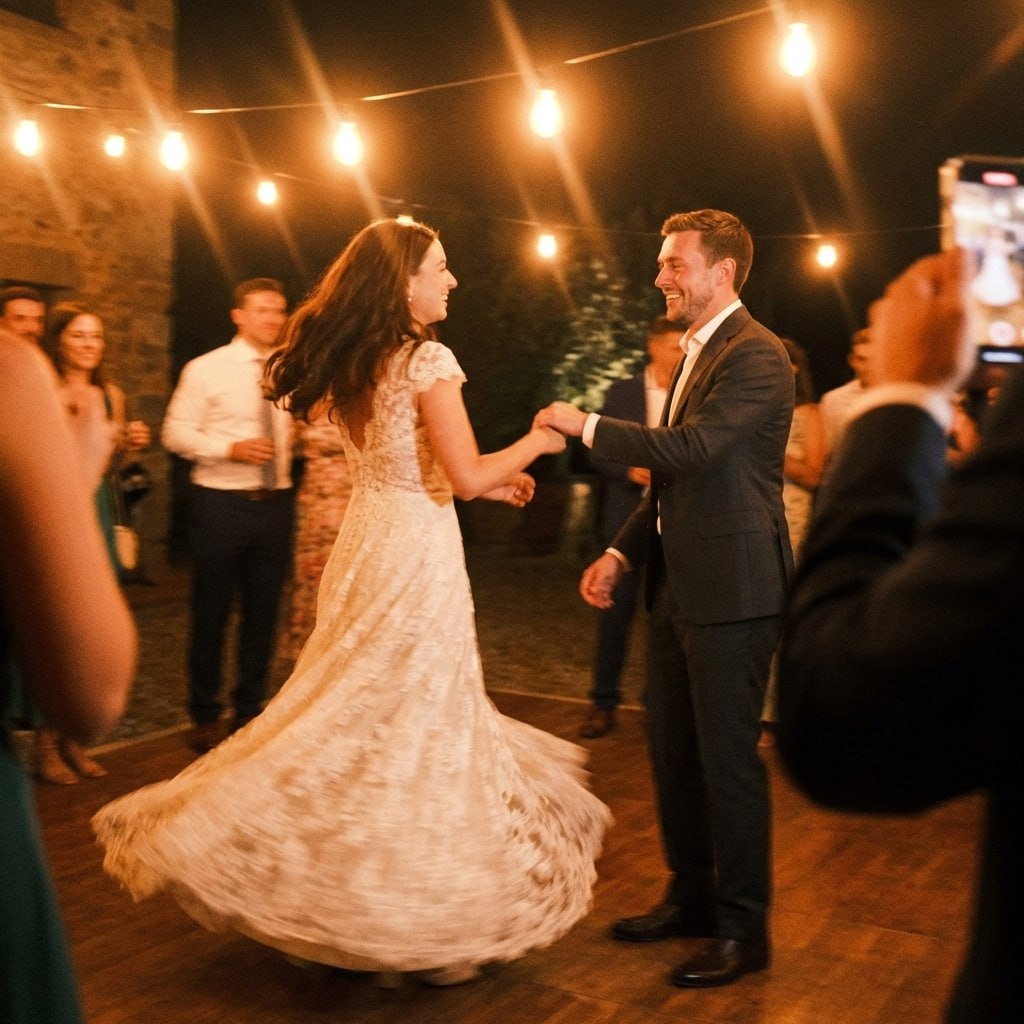
First dance
You guys!!
Emergency kit packed - memories covered too.
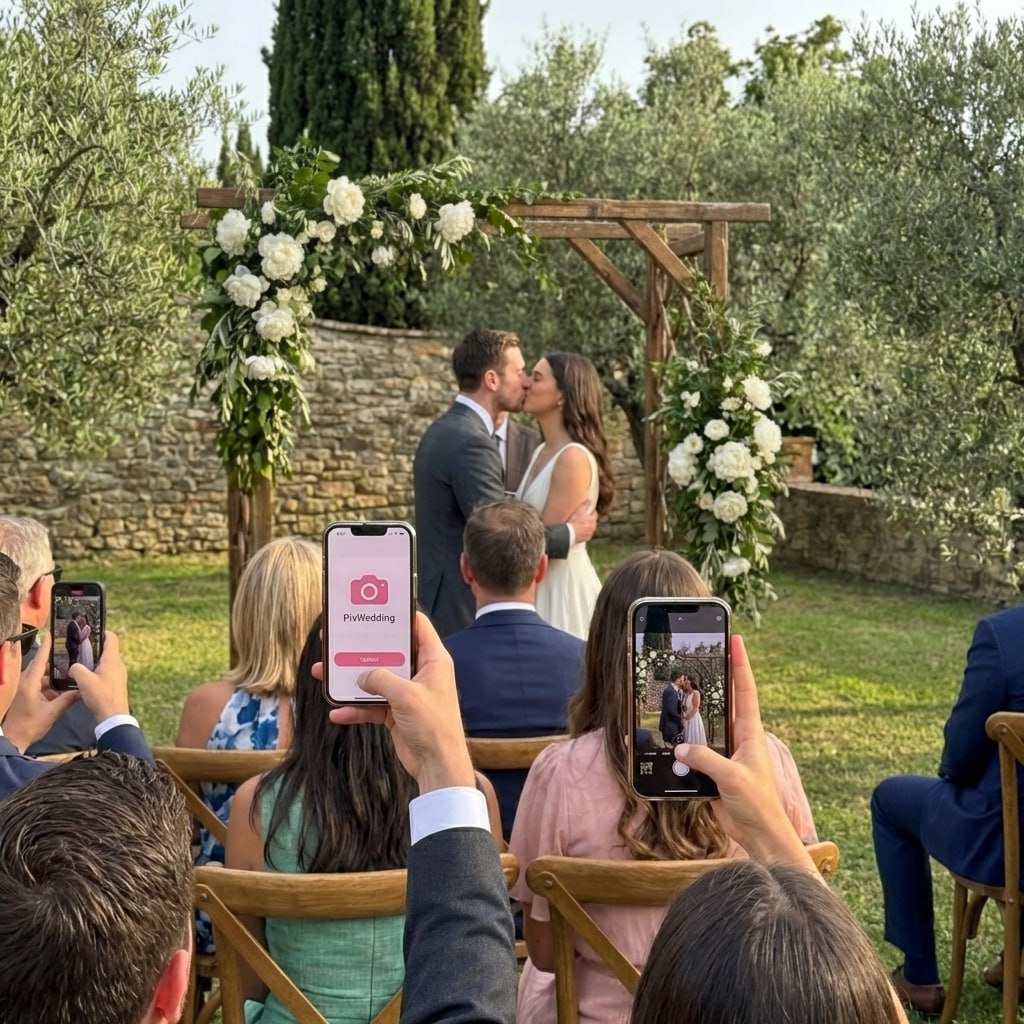
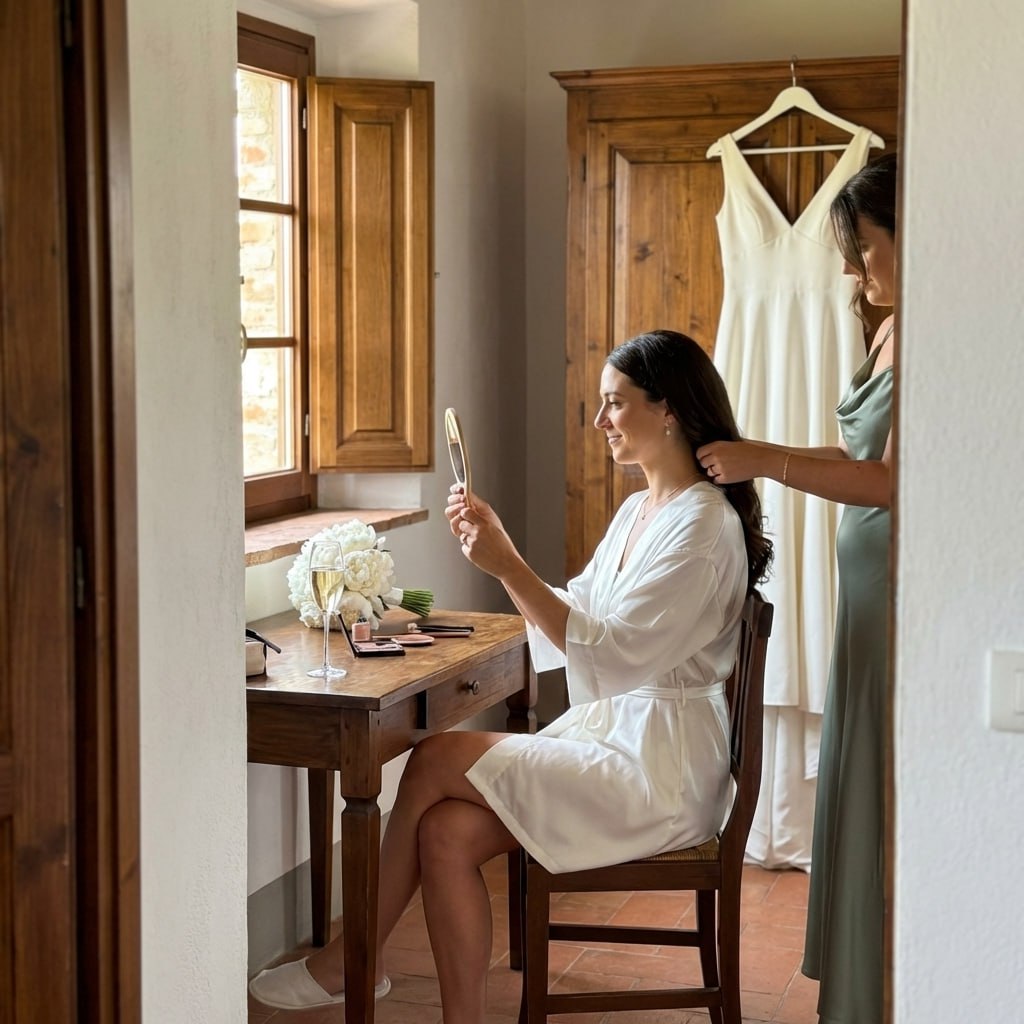
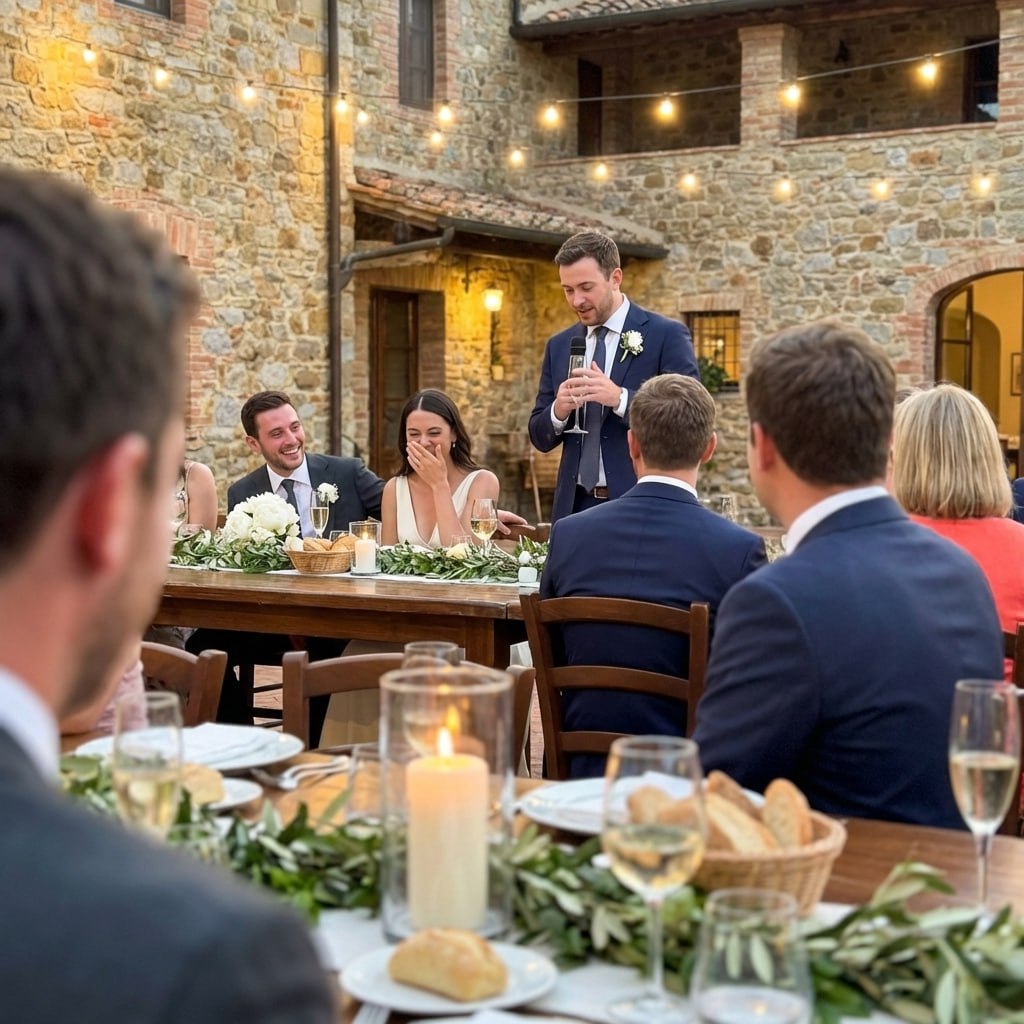
You've planned for what could go wrong. Plan for what you want to keep. A shared album saves every guest photo automatically.
From Mom
Scan to join the album
No app, no account
UPLOADING
Saving your moment
THE ALBUM
Emma & Jack
June 21, 2026
647 photos · 95 guests
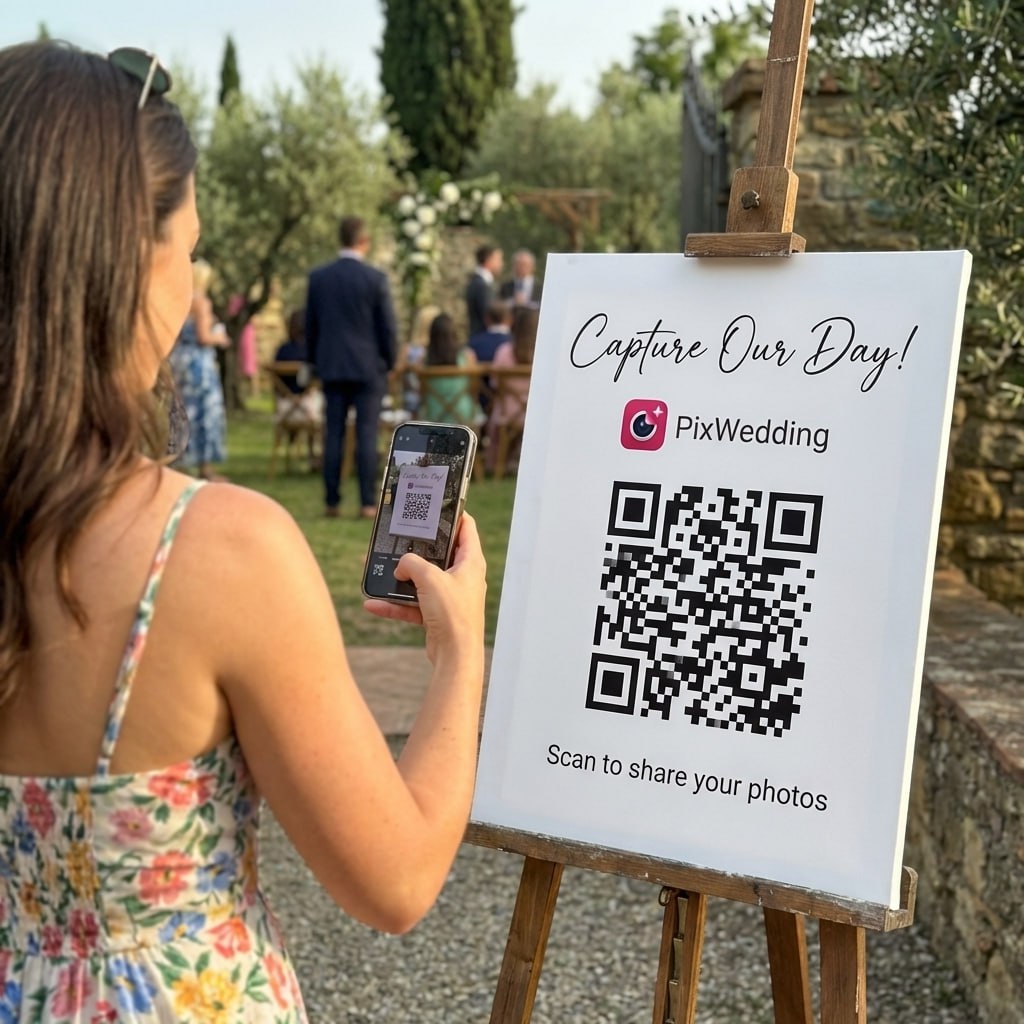
SCAN TO TRY
pix.wedding/
your-wedding
The Difference Between a Good Kit and a Great Kit
A good emergency kit has the right items. A great emergency kit has the right items, organized so the right person can find them in under 30 seconds under mild chaos. The difference is organization, not quantity. Adding 20 more items to an unorganized bag makes it worse, not better.
The coordinators who manage emergency kits at hundreds of events consistently report that the items matter less than the system. A 20-item kit with clear labels and an assigned carrier outperforms an 80-item bag that nobody knows how to navigate. Build the system first, then add items.
- •Clear pouches let you see contents without unpacking
- •One assigned carrier per pouch prevents nobody-knows-where-it-is situations
- •Label pouches by phase, not by category
- •Pack the quick-grab pouch as if you might need it in the ceremony aisle
Why Organize Your Emergency Kit by Timeline?
Most emergency kit lists dump 50+ items into one long checklist. That is not helpful at 7 AM when you are looking for hairspray in a bag full of sewing supplies. Organizing by when you need each item means you can grab the right pouch at the right time without digging.
The getting-ready phase uses the most items by far. Beauty and grooming products, steaming tools, and pain relievers all come out in the first two hours. By the ceremony, you only need tissues, fashion tape, and water. This timeline approach lets you pack smaller bags for each phase.
- •Getting ready: 10 items focused on beauty, grooming, and comfort
- •Ceremony: 6 items for wardrobe fixes and emotional moments
- •Cocktail hour: 4 items for quick touch-ups and energy
- •Reception: 8 items for comfort, repairs, and the long evening
Packing Tips for the Wedding Day
Use clear pouches so you can see contents at a glance. Label each pouch with the timeline phase (Getting Ready, Ceremony, Reception). Pack the quick-grab pouch separately since your MOH will carry it all day.
One trick professional coordinators use: pack a separate mini kit for the groom's side. Groomsmen often forget their own supplies, and having a duplicate stain pen, lint roller, and pain reliever in the groom's room prevents cross-venue trips.
Explore more free wedding tools
Everything you need to make your wedding day stress-free and unforgettable.
Seating Chart Planner
Plan your reception seating visually.
Guest List Manager
Track RSVPs and dietary needs.
Budget Allocator
Turn your total into a category-by-category plan.
Timeline Builder
Plan your entire wedding day.
Venues by State
Explore venues across all 50 states.
Countdown Timer
Count down the days to your big day.
Wedding Checklist
Month-by-month planning checklist.
Bachelorette Party Games
15+ games with rules, supplies, and timing.
Emergency Kit Quick Reference by Phase
Wedding Day Emergency Kit FAQ
Everything you need to know about our free tools and how they help your wedding day.
A complete day-of kit has 28 to 35 items spread across four timeline phases: getting ready (10), ceremony (6), cocktail hour (4), and reception (8). This covers both planned touch-ups and unexpected emergencies without being too bulky to carry.
A bridal emergency kit is organized by item category (beauty, health, wardrobe). A day-of emergency kit is organized by when you need each item throughout the wedding day. Same items, different organization. The timeline approach is more practical on the actual day.
No. Split it into a quick-grab pouch (carried by your MOH) and a deep bag (left in the bridal suite or at the venue). The quick-grab pouch has 6 to 8 items you will use multiple times. The deep bag has one-time-use repair supplies.
Fashion tape, pain reliever, stain remover pen, bobby pins, and tissues. These five items are used at nearly every wedding regardless of venue type, season, or wedding size.
Pack the full kit one week before the wedding. Do a final check the night before, making sure nothing has expired and all supplies are topped off. Hand the quick-grab pouch to your MOH the morning of and place the deep bag in the bridal suite.
Ideally yes. The bride's kit focuses on beauty and wardrobe items, while the groom needs lint rollers, collar stays, and shoe polish. Health items overlap, so you can share one set of pain relievers, antacids, and mints between both kits.
Pre-made kits sold on Etsy or Amazon are convenient but often cost more than the items are worth individually, and they tend to include filler you will not use while missing items specific to your venue or season. Building from this timeline saves money and lets you skip what you already own.
Yes. Our free interactive emergency kit tool at /wedding-emergency-kit turns this same list into a checklist you can tap through, save, and share with your MOH or best man, so nobody has to retype it into notes or a spreadsheet.