
Spring Wedding Flowers: 40 In-Season Blooms, Full Decor Guide, and Cost-Per-Stem Pricing
Every floral element of your wedding covered: bouquet, boutonniere, arch, aisle, centerpiece, cake flowers, and flower girl petals. With a price-per-stem chart and seasonality windows.
Share Your Wedding Photos FreeSpring Bloom Availability Calendar
Spring is split into three distinct windows, each with different flower availability. Knowing which window your wedding falls into is the first step in building your floral plan.
Early Spring (February through March)
Mid Spring (April)
Late Spring (May through early June)
Price-Per-Stem Chart: Spring 2026
Wholesale prices shown below. Florist retail pricing is typically 3-4x wholesale to cover labor, conditioning, and design. Use these figures for budgeting quantities.
Source: US wholesale flower market averages, spring 2026. Prices vary by region, grower, and volume.
Every Floral Element: From Bouquet to Cake
A complete wedding floral order typically covers seven distinct elements. Here is what to know about each.
Bridal Bouquet
The most photographed floral element. See our bridal bouquet guide for detailed stem counts and shape options.
Boutonniere
Single focal bloom plus one or two accent elements and foliage. Spring boutonnieres often feature a single ranunculus, tulip, or hyacinth floret. Keep the stem short (3-4 inches visible below the bind).
Ceremony Arch / Floral Arch
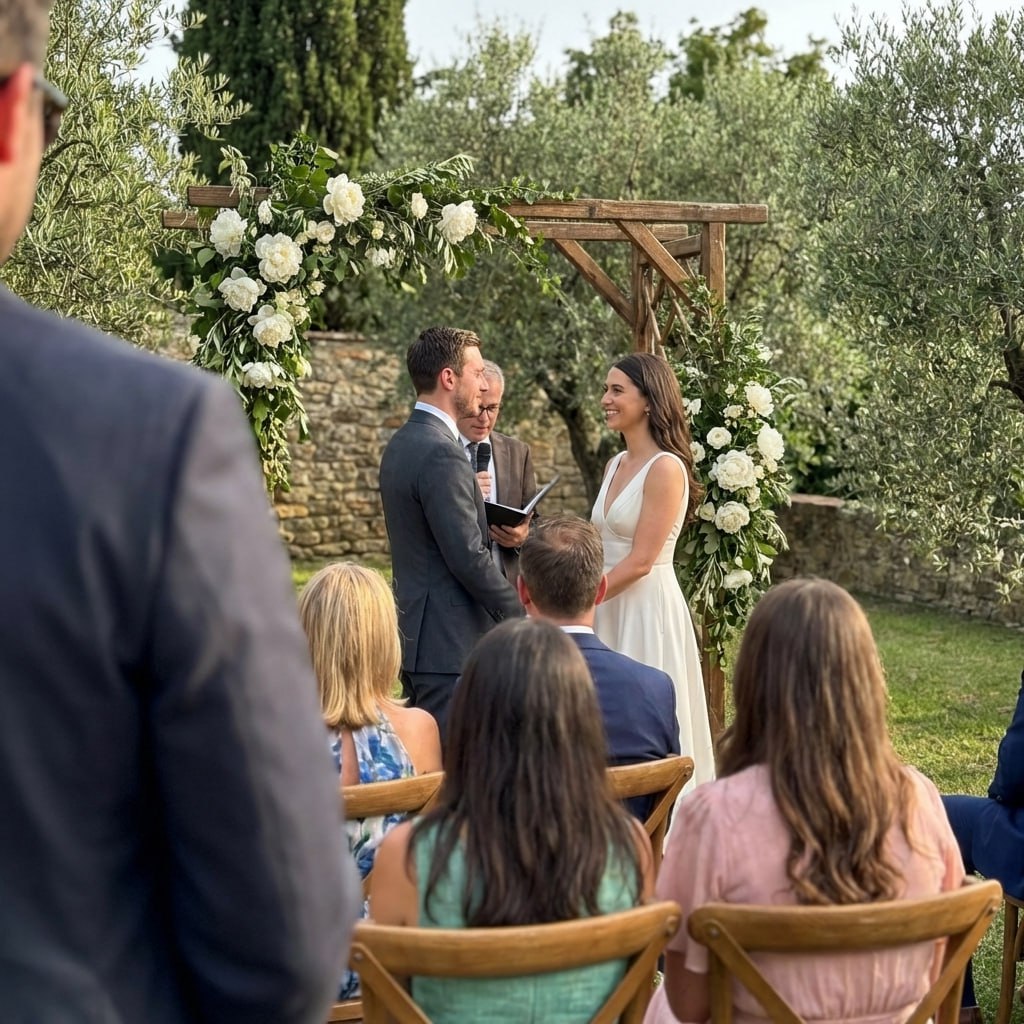
A full arch installation is the most impactful and expensive floral element. Spring-specific approaches: one side heavily draped and the other minimal for asymmetric drama; or a full half-moon of cascading blooms.
Aisle Decor
Pew cones, shepherd-hook arrangements, petal runners, or low vase clusters. Spring petal runners using tulip or peony petals are highly visual and very affordable. Single stems tied to chairs with ribbon is the budget-conscious choice.
Centerpieces
The biggest floral budget item after the arch. Spring centerpieces fall into two categories: low and lush (wide vessels with dense florals at table height) and tall and dramatic (elevated on pedestals or trumpet vases). Low arrangements allow guests to see across the table.
Cake Flowers
Only food-safe flowers should touch a cake directly. For spring: ranunculus, sweet peas, and anemones are safe. Peonies are safe but may harbor tiny insects; check each bloom carefully. Coordinate with the baker at least 2 weeks out so they know which flowers to expect.
Flower Girl Petals or Posy
Two options: a small nosegay (5-8 stems) or a petal cone or basket to scatter. Petal cones are more affordable; a dried petal blend of rose and tulip petals costs about $10-$15 per cone. For a held arrangement, a tight bunch of 10-12 sweet peas is perfect for young children.
Spring Wedding Flower Budget Allocation
How a typical spring wedding floral budget is distributed across elements, at three overall budget levels.
Day-of Care Instructions for Spring Wedding Flowers
Even perfectly conditioned flowers will wilt if mishandled on the wedding day. Give these instructions to your wedding planner, maid of honor, or venue coordinator.
Temperature control
Keep all arrangements in a cool space (55-60°F) until 30 minutes before ceremony start. Do not leave bouquets or centerpieces in a warm car or direct sunlight.
Misting
Lightly mist bouquets and centerpieces with clean water from a spray bottle every 2-3 hours during outdoor events. Keep the mist fine to avoid spotting on petals.
Centerpiece water
Check vase water levels at the start of the reception and top up if needed. Most spring flowers drink a significant amount in the first 24 hours after arrangement.
Bouquet handling
Designate someone (maid of honor or bridesmaid) to hold the bridal bouquet during the first dance and other moments when the bride does not need it. Never lay the bouquet flat on a table without water support.
Daffodil separation
If using daffodils or narcissus, keep them in a separate vase and do not mix with other flowers in the same water. The sap they release shortens the vase life of all other flowers.
Heat-sensitive blooms
Tulips and sweet peas are the most heat-sensitive spring flowers. For warm outdoor venues above 75°F, discuss with your florist about building in extra cooling time and using more heat-resilient alternatives as backup.
Explore More Spring Flower Guides
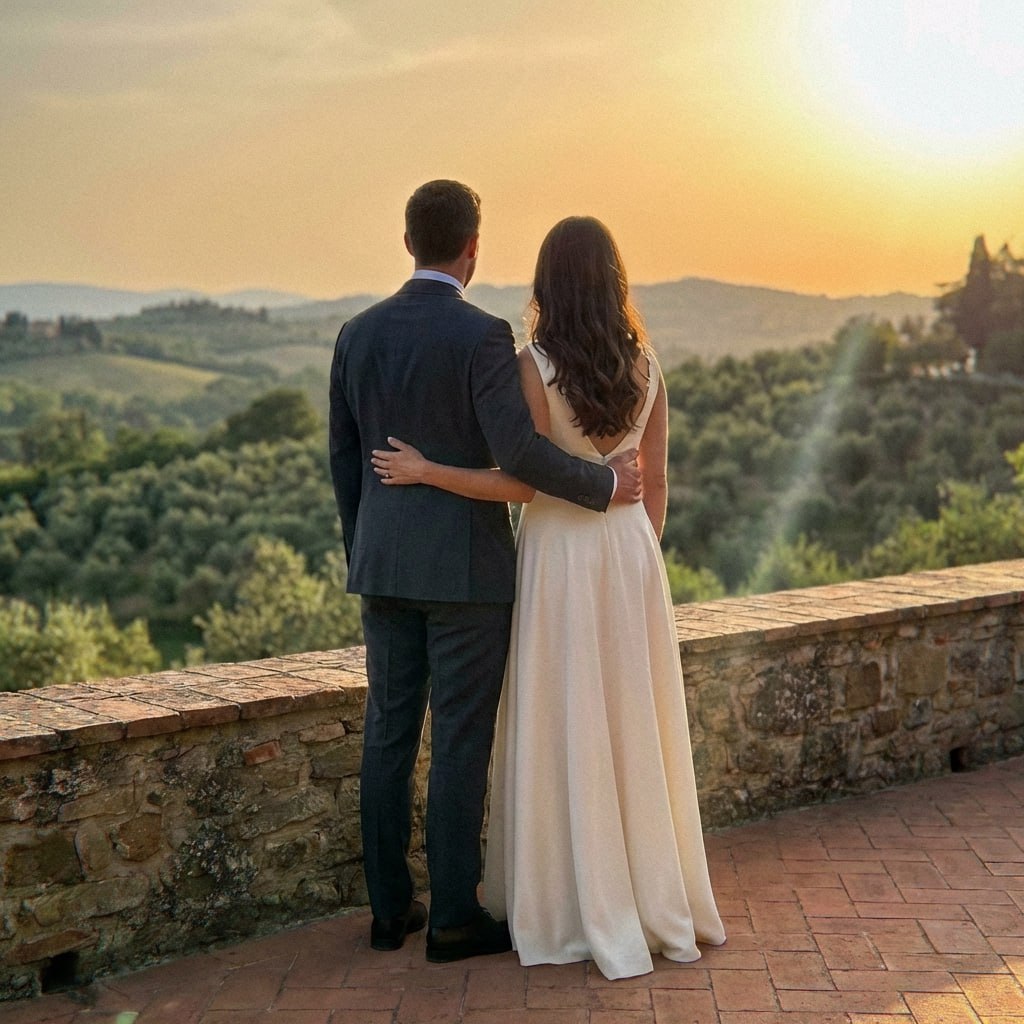
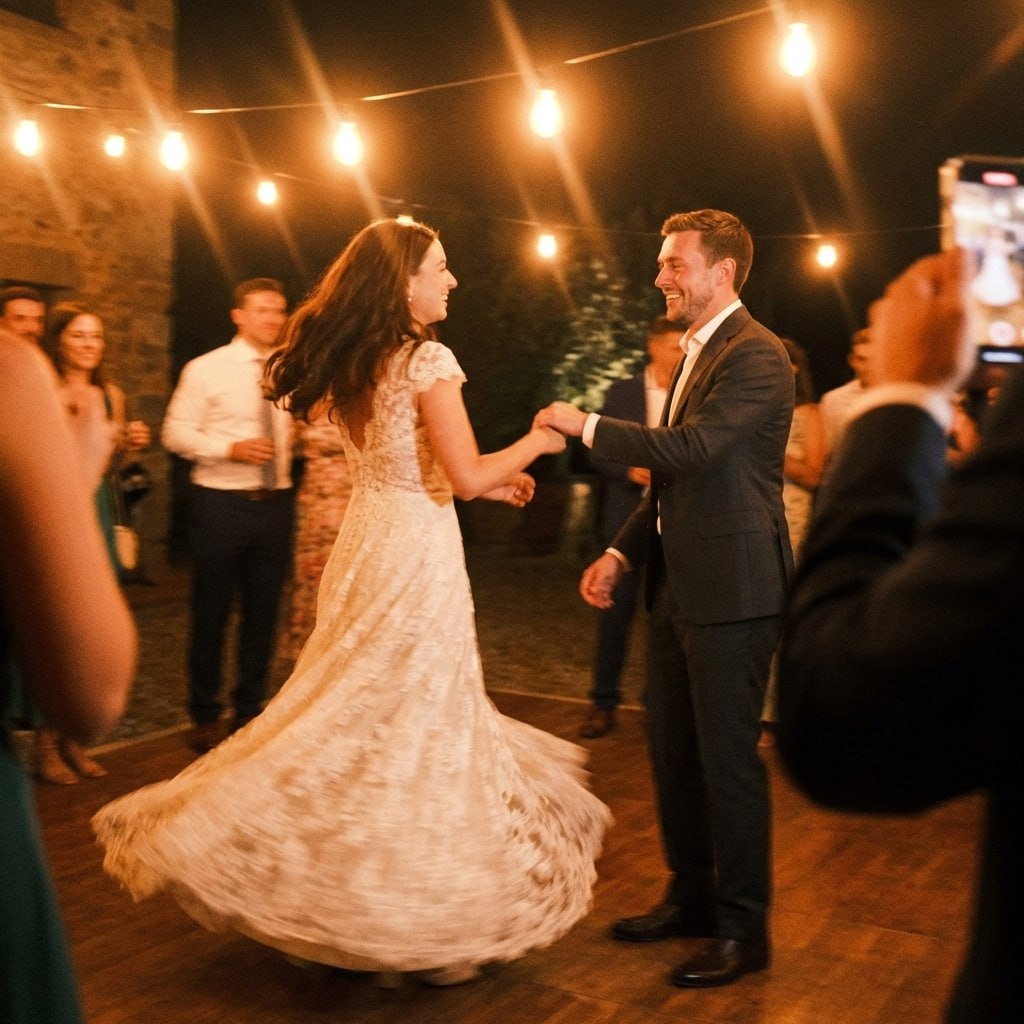
First dance
You guys!!
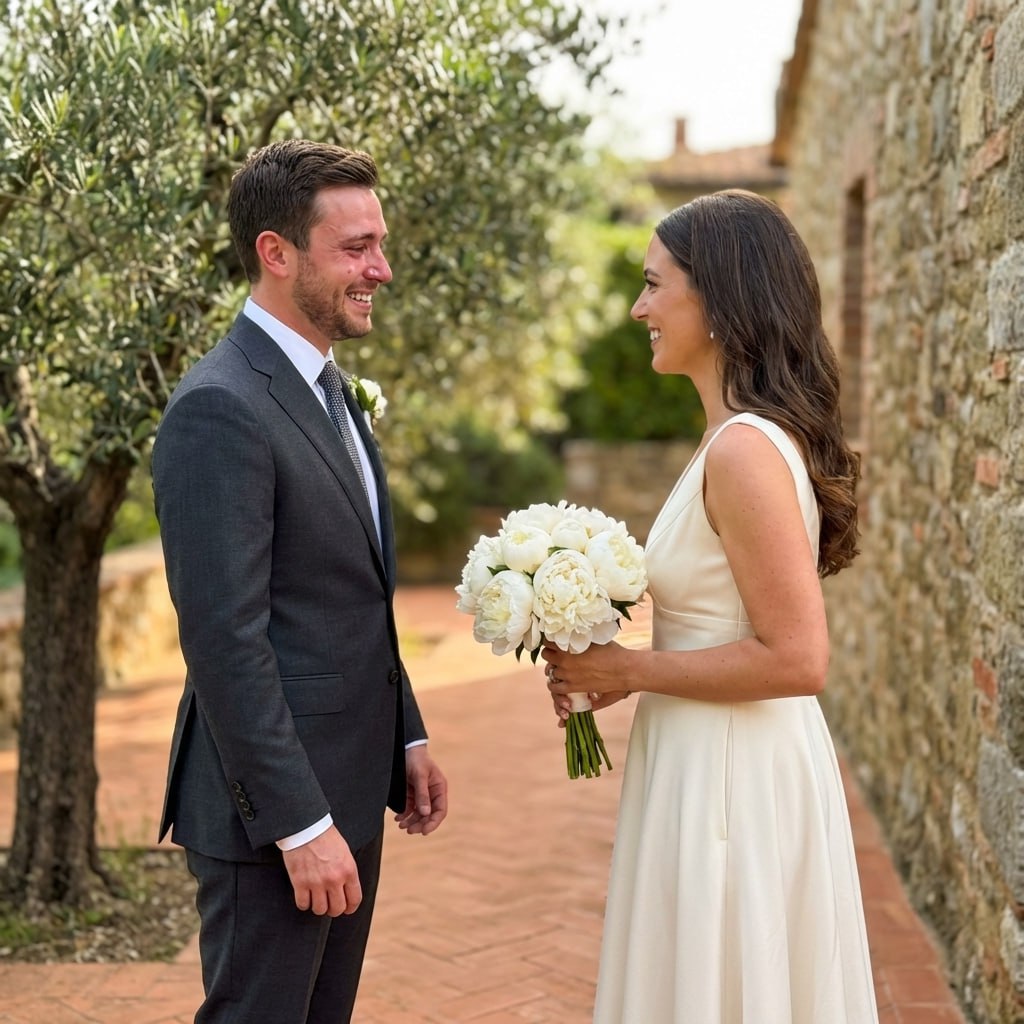
Peonies and tulips at peak bloom - get the shots.
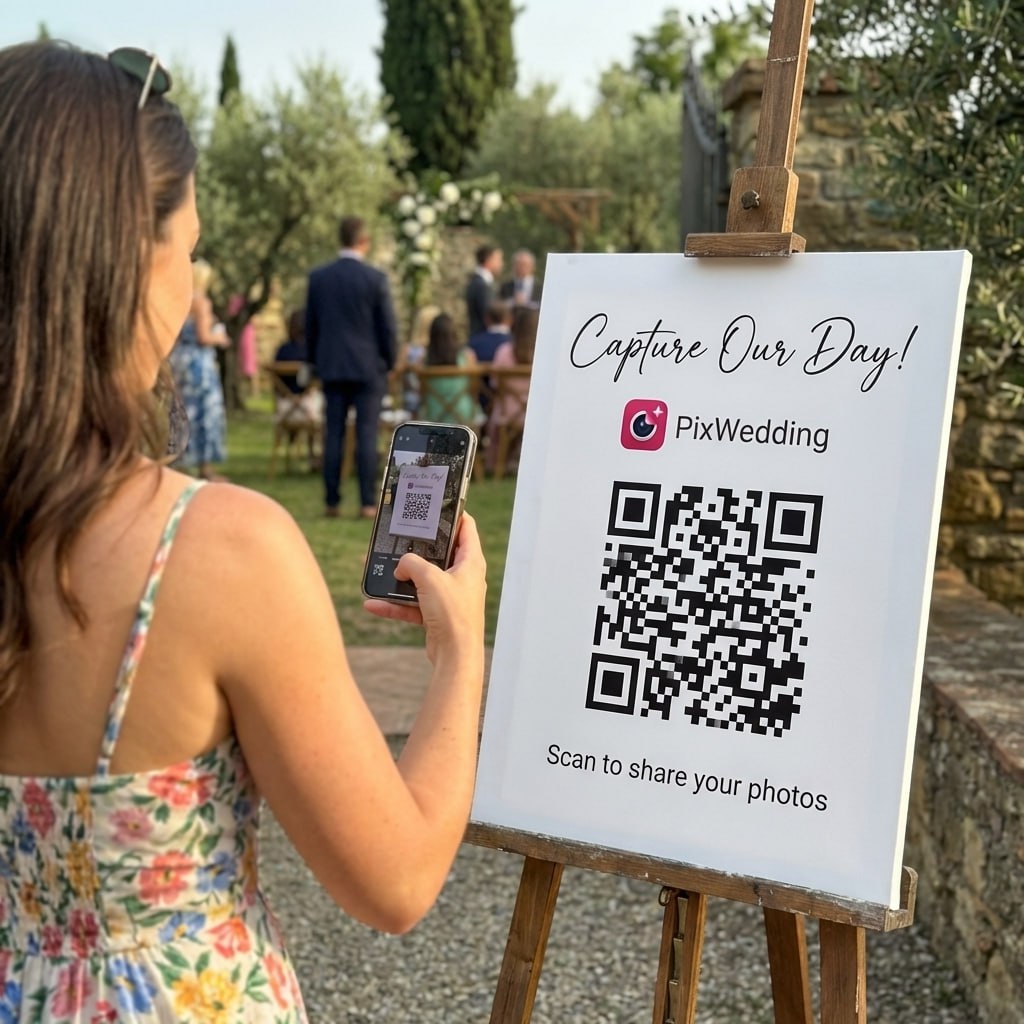
Your florist worked hard on those arrangements. A QR code at each table means guests photograph the flowers up close and the photos go straight to your album.
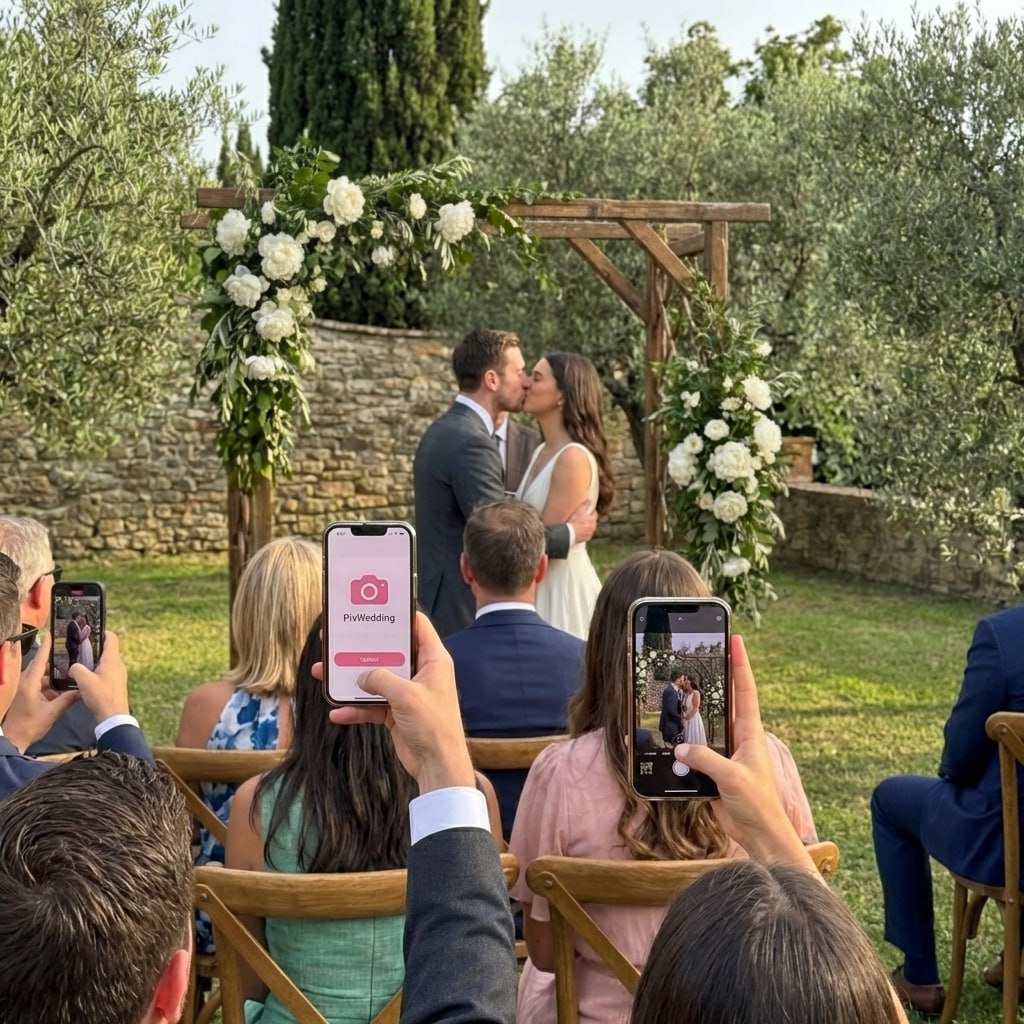
From Mom
Scan to join the album
No app, no account
UPLOADING
Saving your moment
THE ALBUM
Emma & Jack
June 21, 2026
647 photos · 95 guests
SCAN TO TRY
pix.wedding/
your-wedding
Spring Wedding Flower Glossary: 12 Terms to Know
Understanding floral terminology helps you communicate precisely with your florist and compare quotes accurately.
The primary bloom that anchors the visual center of an arrangement. In spring, peonies, garden roses, and ranunculus are the most common focal flowers.
Supporting blooms that add texture and color around focal flowers. Sweet peas, lisianthus, and anemones are typical secondary flowers.
Small, abundant blooms or foliage used to fill space between focal and secondary flowers. Baby's breath and wax flower are classic fillers.
Non-flowering plant material used for green depth and texture. Eucalyptus, Italian ruscus, ferns, and dusty miller are the most widely used spring foliage types.
The process of preparing cut flowers before arrangement: recutting stems at a 45-degree angle under water and allowing them to hydrate for 12-24 hours in fresh water with flower food.
How long a flower lasts after being cut, when properly conditioned and cared for. Most spring flowers have a vase life of 5-10 days.
The number of individual flower stems in an arrangement. Florists quote by stem count; this is how to compare quotes from different vendors fairly.
A flower or branch that is brought to bloom early by controlling temperature and light conditions. Peonies can be forced open ahead of schedule for earlier-than-natural weddings.
A small floral pin arrangement worn on a lapel, typically by the groom, groomsmen, and fathers. Usually 1-3 stems with foliage.
Water-absorbing foam used as the base for structured floral arrangements. Provides hydration for up to 8-10 hours after saturation.
The structural framework of a floral arrangement. Can be foam, wire mesh, or for hand-tied bouquets, the spiraled stem bundle itself.
A stem that branches into multiple smaller flowers, as opposed to a single-stem bloom. Spray roses and spray chrysanthemums are common examples.
10 Questions to Ask Your Spring Wedding Florist
Bring this list to your florist consultation. The answers will tell you whether the florist is the right fit before you sign a contract.
Which spring flowers do you recommend for my specific wedding date?
What are your backup substitution flowers if a variety is unavailable?
Do you include foliage in your stem count, or is it priced separately?
Can I see a sample arrangement before the wedding?
What is your delivery and setup process on the wedding day?
How do you handle flowers that are not yet open by the wedding date?
Are your installation prices included in the quoted price, or billed separately?
What is your policy if we need to change flower quantities?
How will the arch or centerpiece flowers be secured and transported?
Do you offer a la carte pricing, or is everything packaged?
Green Flags When Hiring a Spring Wedding Florist
These signals indicate a florist who understands spring florals and will be a reliable partner for your wedding.
Knows specific peony variety names (Sarah Bernhardt, Coral Charm, Claire de Lune) rather than just "peonies"
Proactively offers substitution options before you ask
Confirms availability with their specific wholesaler, not just general internet research
Mentions the importance of conditioning flowers the night before rather than the morning of
Shows you a portfolio that includes spring-specific florals from previous years
Asks about your venue's temperature and lighting conditions
Offers a sample arrangement or trial bouquet before the wedding
Provides a detailed itemized quote by element rather than a single flat number
Mentions the daffodil sap rule if daffodils are part of your consideration
Has worked with or knows your venue and understands its access and logistics
Spring Wedding Floral Order Checklist: Every Element
Use this as a prompt when building your quote list. Missing items from your initial quote often result in budget surprises closer to the wedding date.
The Full Floral Blueprint for a Spring Wedding
Planning spring wedding flowers requires thinking beyond the bridal bouquet. A cohesive floral story connects every element: the ceremony arch, the aisle markers, the centerpieces, the boutonniere on the groom, the flower girl petals, and even the small blooms placed on the cake. When all these elements share a color palette and two or three recurring flower varieties, the result looks intentional and photographed-well at every angle of the venue.
The strategic approach is to choose two or three anchor flowers that will appear in every arrangement (for example, ranunculus, sweet peas, and eucalyptus), then vary the quantity and composition by element. This reduces the number of variety types your florist needs to source, which lowers both cost and the risk of substitutions.
- •Choose 2-3 anchor flowers that appear across all arrangements for visual cohesion
- •Budget your largest per-stem investment for the bridal bouquet and arch; save on aisle markers
- •Request a sample arrangement from your florist 3-4 weeks before the wedding
- •Confirm food-safe flowers with your baker separately from the main floral order
- •Allocate 10-15% of your floral budget as a contingency for availability changes
Reading the Price-Per-Stem Chart: What It Means for Your Budget
Price-per-stem varies significantly based on time within the season, sourcing distance, and variety. The figures in this guide reflect US wholesale prices in 2026; your florist's retail markup typically adds 3-4x the wholesale cost to cover labor, overhead, and design expertise.
This multiplier is often misunderstood. A $2 ranunculus stem at wholesale becomes an $8-$10 stem in a florist's invoice because the florist is charging for time spent conditioning, designing, assembling, and delivering the arrangement. Knowing wholesale costs helps you budget total quantities, not individual line items.
How to Brief a Florist for Spring Wedding Flowers
The most effective florist consultation brings three things: your venue's color scheme and lighting (show photos), a mood board with 5-10 reference images, and a clear priority order. Tell the florist which element matters most to you visually (usually the arch or the bridal bouquet) and which elements you are flexible on.
Florists appreciate knowing your substitution comfort level. If you say "peonies are a priority and I will not substitute," they will source and reserve them months ahead. If you say "I love the peony look but am open to alternatives," they have flexibility to offer you double lisianthus or garden roses at a lower price point if peony availability tightens.
- •Bring your venue photos to show lighting and background colors
- •Share a 5-10 image mood board, not a Pinterest board with 200 pins
- •Rank your floral elements: which is most critical visually
- •Be explicit about substitution comfort level for each flower variety
- •Ask the florist to confirm substitutions in writing at the 6-week pre-wedding call
Explore more free wedding tools
Everything you need to make your wedding day stress-free and unforgettable.
QR Sticker Designer
Design custom print-ready stickers.
Hashtag Generator
Create unique wedding hashtags.
How to Collect Guest Photos
5 methods ranked by participation rate and ease.
Get Photos After the Wedding
Message templates to gather guest photos post-wedding.
Share Wedding Photos with Guests
Compare every sharing platform by ease and participation.
Best Way to Get Guest Photos
The single method with the highest participation rate.
How to Make a Shared Wedding Album
Step-by-step setup for every platform.
Alternative to Disposable Cameras
Better, cheaper options than disposable cameras.
Spring Wedding Flowers: Frequently Asked Questions
Everything you need to know about our free tools and how they help your wedding day.
Tulips offer the best value per visual impact of any spring wedding flower. In peak season (March through April), wholesale tulips cost $0.50-$1.00 per stem. A centerpiece built entirely of tulips in three complementary colors can be assembled for $20-$35 in materials. Ranunculus is the second-best value flower, offering peony-like fullness at roughly one-quarter the price.
Late April through mid-May is the optimal window for flower variety and value in most of the US. This window captures peonies at their local peak, the full tulip range, lilac, sweet peas, anemones, and early garden roses. If peonies are your priority, target the second or third week of May. For the broadest selection without premium import pricing, May 1-20 is the sweet spot for temperate US regions.
Yes, especially in May and June when the seasons overlap. Peonies (spring) pair beautifully with early garden roses and clematis (early summer). Structural spring flowers like delphinium and larkspur carry over into June. The biggest mixing mistake is combining spring tulips with summer dahlias, as their availability windows do not overlap and forcing the combination requires expensive off-season imports for one variety.
A full floral package for a 100-guest spring wedding typically runs $2,500-$8,000 depending on location, florist experience, and floral choices. Many couples report their floral-only spend landing somewhere in the $1,800-$5,000 range once installation and delivery are included. Spring weddings can come in at the lower end of that range if you lean into in-season tulips and ranunculus rather than greenhouse peonies. The arch is usually the single biggest line item.
Spring flowers generally have excellent vase life when properly conditioned: tulips last 5-7 days, peonies 5-7 days, ranunculus 7-10 days. Sweet peas are the exception at 3-4 days, and hyacinths can be fragile in warm rooms. The biggest risk with spring flowers is temperature: many spring blooms open rapidly in warmth, so keep them in a cool space (55-60°F) until the ceremony begins. A florist who knows spring will build this cooling time into their day-of workflow.
Silver dollar eucalyptus is the most universally available and visually flexible foliage for spring. It pairs with any bloom color, holds up well out of water, and dries gracefully if the bride wants to keep her bouquet. Italian ruscus is the second choice, offering glossy dark-green leaves that contrast sharply with pale spring blooms. For a more romantic, trailing look, jasmine vine or clematis vine adds movement to arches and cascade bouquets.