
Nerves Before Your Wedding? Here Are 12 Things That Actually Help
This is not a "just relax" article. These are specific, actionable techniques for the night before and morning of your wedding that will genuinely calm your nervous system.
The Night Before: Set Yourself Up for Calm
Stop all wedding talk by 8 PM
Set a hard cutoff. After 8 PM, no vendor emails, no seating chart changes, no last-minute decisions. Everything that is not done by now will not be improved by stressing over it tonight. Delegate any remaining items to your wedding party.
Take a warm bath or shower at 9 PM
Warm water lowers cortisol and signals to your body that it is time to wind down. Add epsom salts or lavender oil if you have them. This is not indulgent. It is physiologically effective at reducing anxiety.
Do the 4-7-8 breathing exercise in bed
Breathe in through your nose for 4 seconds. Hold for 7 seconds. Exhale slowly through your mouth for 8 seconds. Repeat 4 times. This activates your parasympathetic nervous system and physically slows your heart rate.
If you cannot sleep, do not fight it
Insomnia the night before a wedding is incredibly common. If sleep does not come within 30 minutes, get up and do something low-stimulation: read a physical book, stretch gently, or write in a journal. Lying in bed awake only increases anxiety.
The Morning Of: Your Calm Routine
Eat a real breakfast (non-negotiable)
Your body needs fuel. Low blood sugar makes anxiety worse and can cause shakiness, irritability, and brain fog. Eat protein, complex carbs, and healthy fats: eggs and toast, oatmeal with nuts, or a smoothie with protein powder. Avoid pure sugar.
Do 5 minutes of box breathing while getting ready
Breathe in for 4 counts, hold for 4, out for 4, hold for 4. Repeat for 5 minutes. You can do this while sitting in the hair chair or waiting for makeup. It is invisible to everyone around you but profoundly effective at calming your nervous system.
Move your body for 10 minutes
A short walk, some gentle stretching, or even dancing to your favorite song in the getting-ready room. Physical movement burns off adrenaline and cortisol. It does not need to be a workout. Just get your blood flowing.
Surround yourself with calm people only
This is your day. You get to choose who is in the room. If someone is adding stress (anxious mother, dramatic bridesmaid, overbearing aunt), lovingly ask them to step out for a bit. Protect your energy.
Mindset Shifts and Smart Delegation
Give your phone to someone else
Hand your phone to your maid of honor or best man by 10 AM and do not take it back until the reception. Vendor emergencies, guest questions, and last-minute changes are their problem now. Your only job today is to be present and enjoy it.
Write a letter to your partner (read it before the ceremony)
This is not your vows. This is a private note to the person you love. Write why you are grateful for them. Read it 30 minutes before the ceremony. It shifts your focus from fear to love, from the crowd to the one person who matters.
Use the "zoom out" technique
When anxiety spikes, mentally zoom out. Picture yourself looking down at the venue from above. See all the people who came because they love you. See your partner getting ready in another room, just as nervous and just as excited. This perspective shift reduces the feeling of being overwhelmed.
Remember: imperfect weddings make the best stories
The rain, the forgotten rings, the uncle who gave a too-long toast. These are the moments you will laugh about for decades. Nothing needs to be perfect. It just needs to be yours.
Wedding Nerves: What Couples Consistently Report
most couples feel at least mild physical nervousness on the wedding morning
ceremony nerves tend to dissolve quickly once partners see each other
skipping food that morning is one of the most common regrets couples mention afterward
extended exhale breathing activates the body's relaxation response faster than normal breathing
couples who hand day-of logistics to a coordinator or trusted friend commonly report feeling calmer
Week-by-Week Calm Countdown (4 Weeks Out)
Managing wedding nerves works far better when you start early. Each week has one primary focus to carry you from anxious to ready.
Identify and Name Your Specific Nerves
Write down every specific fear driving the anxiety (ceremony, vows, dancing, being seen)
Separate logistics worries from deeper emotional concerns
Share the list with your partner or a trusted friend
Begin daily 5-minute breathing practice to build the habit
Delegate and Finalize
Assign a single day-of point person for all vendor and logistics questions
Finalize the timeline and distribute it to key people
Stop making new decisions. What is decided is decided.
Book a massage or spa appointment this week for physical stress release
Physical and Mental Preparation
Establish a consistent sleep schedule and hold it
Cut caffeine after 2 PM every day
Add 20 minutes of walking or gentle yoga daily
Write a letter to your partner that you will read before the ceremony
Protect Your Energy
No new wedding decisions this week. Zero.
Limit contact with anyone who adds stress (opinionated relatives, anxious vendors)
Have a wedding-free date night with your partner
Practice your full morning routine for the wedding day
Physical and Emotional Symptoms in the Final Days: What Is Actually Normal
The Mayo Clinic notes that stress around a major life event commonly shows up on two tracks at once: what your body does, and what your mood does. Recognizing which track you are on helps you pick the right response instead of labeling everything as one vague feeling of "wedding stress."
In the body
- Tension headaches or a tight jaw and shoulders
- Appetite changes, either eating less or craving comfort food
- Trouble falling or staying asleep in the final week
- Upset stomach, nausea, or a racing heart when you think about the day
- Low energy or restlessness that does not match your actual schedule
In the mood
- Irritability over small things that would not normally bother you
- Sudden tearfulness that arrives with no clear trigger
- Fixating on one detail, like a seating chart or a speech, as a stand-in for bigger feelings
- Second-guessing decisions you already felt settled about
- A restless, unfocused feeling that makes it hard to sit still or finish tasks
Both lists describe ordinary stress, not a diagnosis, and most of it eases once the day itself arrives. If the feelings stay this intense for more than a couple of weeks, feel unmanageable, or come with thoughts that scare you, that is worth bringing to a licensed counselor or therapist rather than carrying alone.
Coping Toolkit: What to Do When Your Body Reacts
Shaking hands, nausea, racing heart, brain fog. These are physical symptoms of anxiety. Each one has a targeted fix.
Shaking hands
Press your palms together firmly for 10 seconds, then release. Repeat three times. The pressure resets your proprioception and reduces visible trembling. Hold your bouquet or partner's hands to provide a natural anchor.
Nausea
Sip cold water slowly. Ginger tea or ginger chews work within minutes. Press firmly on the acupressure point on your inner wrist (P6 point, about three finger-widths from the crease). Avoid eating heavy food in the 2 hours before the ceremony.
Racing heart
Use the physiological sigh: double inhale through the nose, then a long exhale through the mouth. This rapidly deflates the air sacs and activates the parasympathetic system. Two or three of these will visibly slow your heart rate.
Brain fog
Drink a full glass of cold water immediately. Dehydration is a major cause of brain fog and most nervous people forget to drink on the wedding morning. Eat a small protein snack. Splash cold water on your wrists.
Crying you cannot stop
Let it happen. Seriously. Crying at weddings is expected, beloved, and remembered fondly. Keep tissues in your bouquet. If you need to pause, tilt your head back slightly and look upward. This uses gravity to slow the tear flow.
Feeling frozen or dissociated
Use the 5-4-3-2-1 grounding technique: name 5 things you see, 4 you can touch, 3 you hear, 2 you smell, 1 you taste. This forces your brain back into the present moment. Ask a trusted person to stay close during the ceremony.
The 60-Second Grounding Checklist
Keep this list somewhere you will actually see it: your phone lock screen, a sticky note in your getting-ready bag. When nerves spike in the final days or hours, work down the list in order instead of trying to think your way out of the feeling.
Name where you are right now: the room, the day, the date. You are not in danger.
Unclench your jaw and drop your shoulders away from your ears.
Take one slow breath in through the nose, and a longer breath out through the mouth.
Drink a few sips of water.
Say one true, neutral fact out loud: "The flowers arrived." "It is 9 AM." Anything factual and calm works.
Text or find one person who makes you feel steady, even just to say hello.
Scripts for Your Most Anxious Moments
Prepare these words in advance so you are not searching for language when you need it most.
When you need a moment alone before the ceremony
"I am doing great. I just need 5 minutes of quiet before we start. Can everyone give me a little space? I will come get you when I am ready."
When a well-meaning person is adding pressure
"Thank you for being excited. I am having a big day and I need to stay in my own headspace right now. Let's catch up properly at the reception."
What to say to yourself during the walk down the aisle
(Internal only.) "One step at a time. Look at their face. This is what all of the planning was for. I am exactly where I chose to be. Breathe."
Reflection Prompts for the Night Before
Instead of letting your mind run in circles, give it something meaningful to engage with. These prompts shift focus from anxiety to gratitude and presence.
What is the single thing I am most looking forward to seeing or feeling tomorrow?
Get specific. Not "everything." Pick one moment.
What does my partner do that makes me feel completely safe and loved?
Reconnecting with specifics counters the vague fear that comes with nerves.
Who in the room tomorrow has supported this relationship from the beginning?
Picture their face. Let the gratitude for their presence settle in.
What would I tell myself right now if I could speak from 10 years in the future?
Future-self perspective almost always dissolves present-day anxiety.
What is the funniest or most improbable thing that could go wrong tomorrow, and why would it actually be fine?
Lightly rehearsing imperfection reduces the fear of it.
In three sentences, describe the feeling I want to carry from tomorrow for the rest of my life.
This primes your mind to look for, and therefore find, exactly that feeling.
Deeper Answers to Nerve Questions
The questions people type at midnight when the quick tips are not quite enough.
I am nervous about forgetting my vows. What should I do?
Write your vows on a small card and keep it tucked in your bouquet, pocket, or handed to your officiant in advance. Having the card does not mean you will use it. But knowing it exists removes most of the anxiety about forgetting. Most people who write their own vows and carry a card never actually read from it. The knowledge that it is there is enough to release the fear of needing it. If you are extremely worried, memorize the first line deeply. The first line is the hardest. The rest typically flows once you have started.
My hands will not stop shaking. How do I hide it during the ceremony?
First: the shaking is far less visible to others than it feels to you. Your perception of your own body is magnified by your awareness of it. Second: there are practical tools. Hold your bouquet firmly with both hands. Interlock fingers with your partner during the ring exchange. Press your feet firmly into the floor, which provides proprioceptive grounding and reduces visible trembling. Third: if the shaking is extreme, mention it lightly to your partner before the ceremony. "I might shake a bit, just so you know." Naming it removes the social pressure of hiding it.
I feel nauseous every time I think about the wedding. Is that normal?
Nausea is one of the most common physical manifestations of pre-wedding anxiety. Your body is responding to perceived high stakes the same way it responds to any major threat or performance event. The remedy is partly physical and partly cognitive. Physically: stay hydrated, eat small amounts regularly, avoid empty stomachs, and keep ginger candies or tea available. Cognitively: name the nausea as anxiety, not as a signal that something is wrong. "My body is nervous. That is normal. I am not sick." This labeling is a well-studied intervention that reduces the intensity of the physical symptom.
What if I cry so much I cannot speak during my vows?
Pause. Take a breath. Smile at your partner. Try again. That is it. The congregation is not judging you. They are witnessing you. Crying during vows is one of the most human, beautiful things a person can do at their wedding. It signals that the words mean something real. Your officiant will wait patiently. Your partner will squeeze your hand. The guests who are not already tearing up will start to. If you are genuinely concerned about losing composure entirely, rehearse your vows until they are deeply anchored in muscle memory. Familiar words are easier to speak through emotion than unfamiliar ones.
How Different People Experience Wedding Day Nerves
Nerves before the wedding show up very differently. Recognizing your type helps you apply the right technique.
Santiago, groom
Adrenaline Surge Type
Santiago felt fine all morning until 30 minutes before the ceremony started. Then a wave of adrenaline hit him all at once: heart racing, hands cold, mind completely blank. His best man recognized the signs and took him outside for five minutes. They walked around the building twice. The movement burned off the cortisol. By the time they came back in, Santiago's hands were warm and his thoughts were clear. He cried during the vows, but from joy, not panic.
Adrenaline surges respond to movement. Walk, shake out your hands, do anything physical.
Dana, bride
Anticipatory Dread Type
Dana was nervous for three full days before the wedding, not just the morning. She woke up anxious and went to sleep anxious. The anticipation was worse than the day itself. She tried to distract herself with movies and friends but the background hum of dread persisted. On the morning of the wedding, she did something different: she sat quietly for 20 minutes and let herself fully feel the nervousness instead of fighting it. Paradoxically, accepting the feeling reduced its grip. By the time she arrived at the venue, it had softened considerably.
Anticipatory dread often responds to acceptance rather than distraction.
Nadia and Ben
Nervous Together Type
Both Nadia and Ben were visibly nervous on the wedding morning. They were getting ready separately per tradition but exchanged handwritten notes through a family member two hours before the ceremony. Ben wrote: "I am nervous and I know you are too and I cannot wait to be nervous together at the altar." Nadia kept the note. That single exchange shifted everything. Knowing their nerves were mutual and that they would face the moment together transformed the anxiety from isolating to connecting.
Shared nerves are bonding. Letting your partner know how you feel often relieves both of you.
If your nerves go deeper than the wedding day
10 Reflection Prompts to Calm Pre-Wedding Nerves
Read each prompt slowly. Give yourself 2 minutes with each one. You do not need to answer them all, just let them shift your focus from fear to clarity.
What is the specific thing you are nervous about?
Name it precisely. Vague dread always feels worse than a named concern. Once you name it, you can decide whether it is about today or something deeper.
When did you feel most certain about this relationship?
Recall a specific moment, a conversation, a trip, a quiet Tuesday night. Let the memory be concrete. That certainty is still true.
What would you regret more: the wedding or not marrying this person?
This question separates event nerves from relationship doubts more reliably than almost any other framing.
Who in that room today do you most want to see?
Picture that person's face. Feel the warmth of that relationship. Today is full of people who love you and want you to be happy.
What is one thing your partner did recently that made you feel deeply loved?
Small acts of love are often the most honest. Holding that memory activates gratitude, which is neurologically incompatible with anxiety.
What does your gut say, separate from your anxious mind?
Nerves speak loudly. But your gut often whispers something quieter and truer. Sit still and listen for 60 seconds.
If your future self could send a message back, what would it say?
Most people who have been through a wedding, and are happy in their marriage, say the nerves dissolved the moment they saw their partner at the altar.
What part of today are you actually excited about?
Find one thing: the food, the music, the first dance, the venue, a specific friend's speech. Excitement and nerves can coexist.
What does this commitment mean to you, in your own words?
Not the ceremony, not the ring, not the vows. Just the decision itself. Putting it in your own language often makes it feel right and real.
What would you tell your best friend if they came to you with these same nerves?
We are always kinder and wiser to others than to ourselves. Give yourself the advice you would give someone you love.
You do not have to resolve every feeling before you walk down the aisle. You just have to be honest with yourself about what the feeling is actually about, and that takes less than five minutes.

First dance
You guys!!
Calm the nerves. Trust the album to itself.
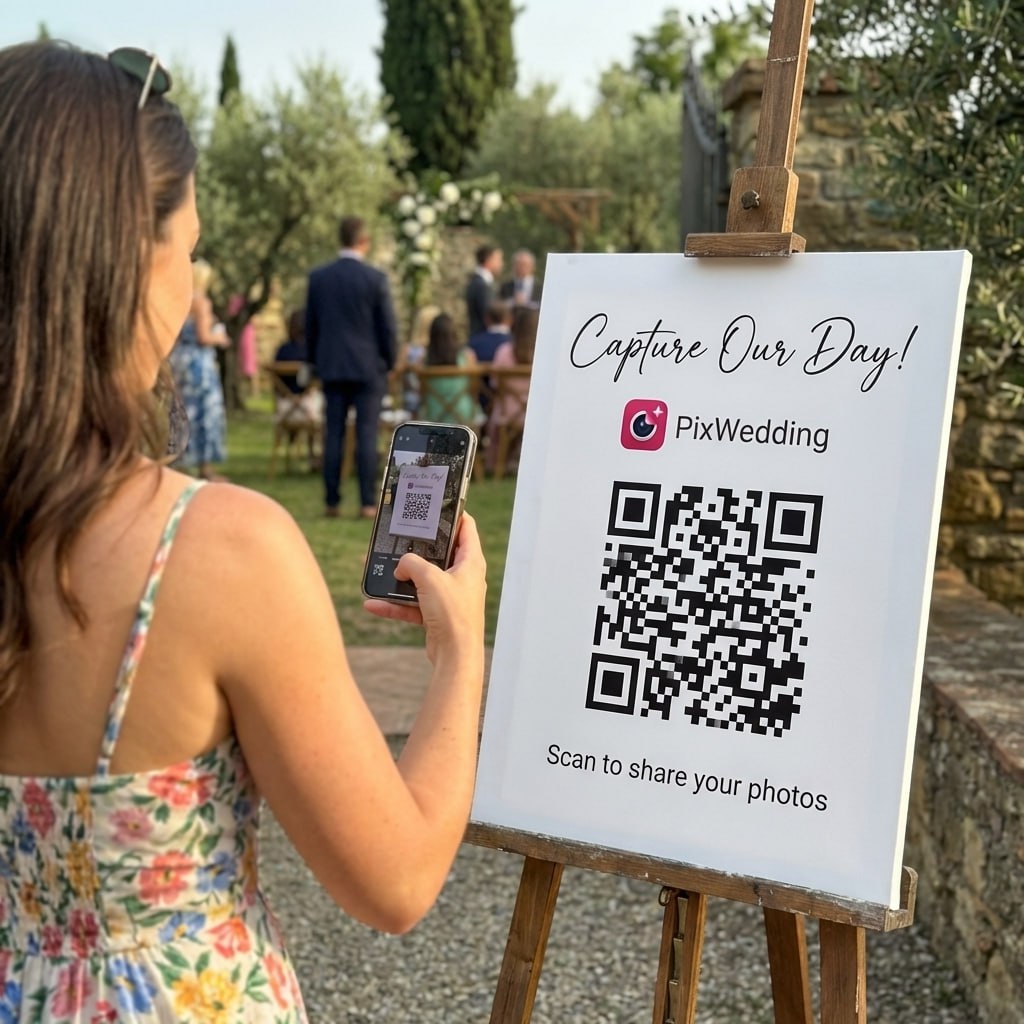
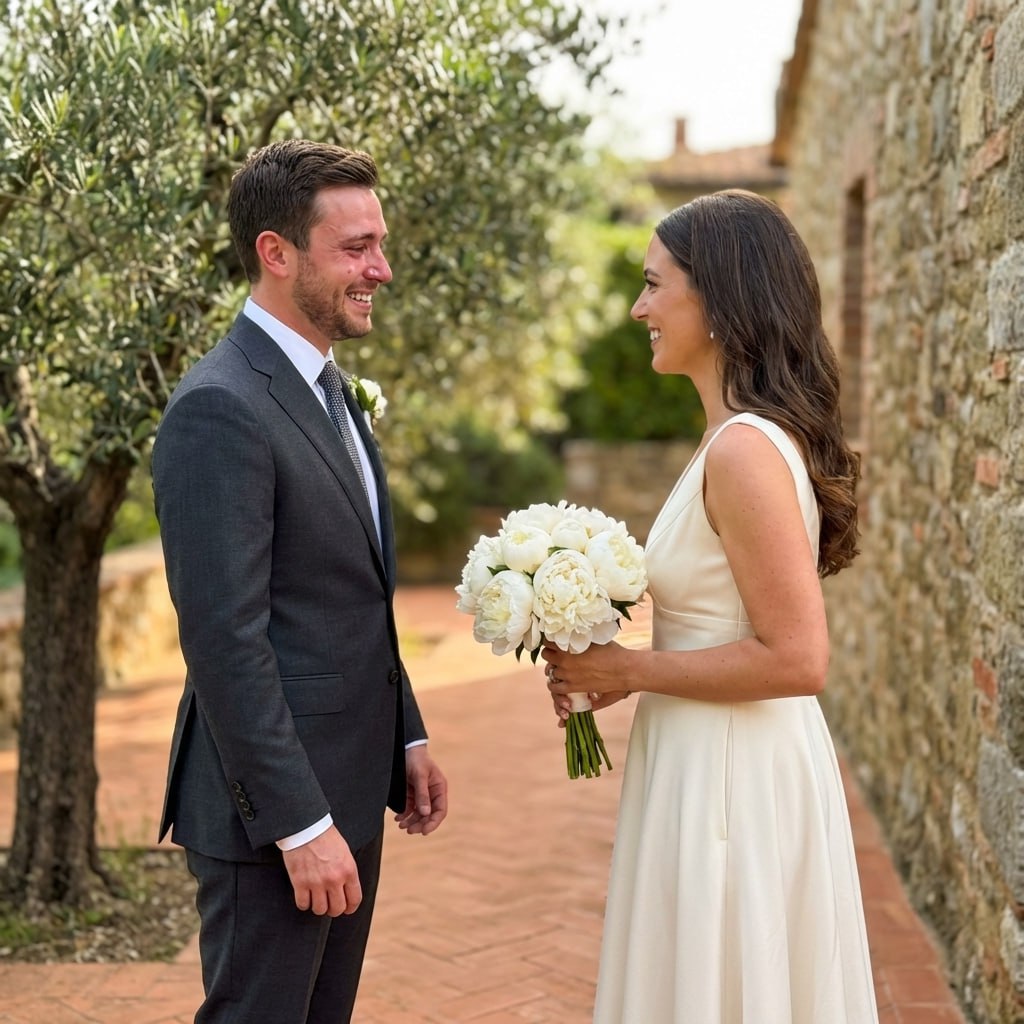
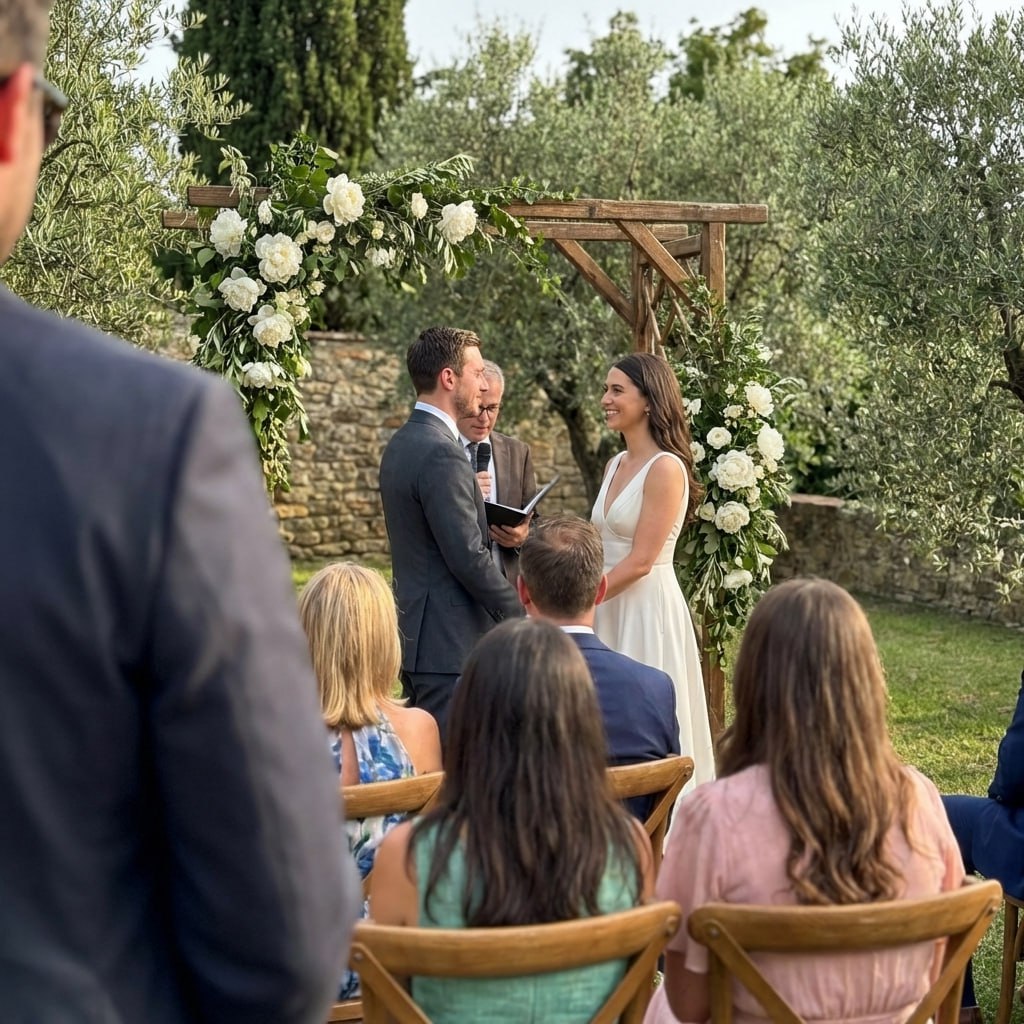
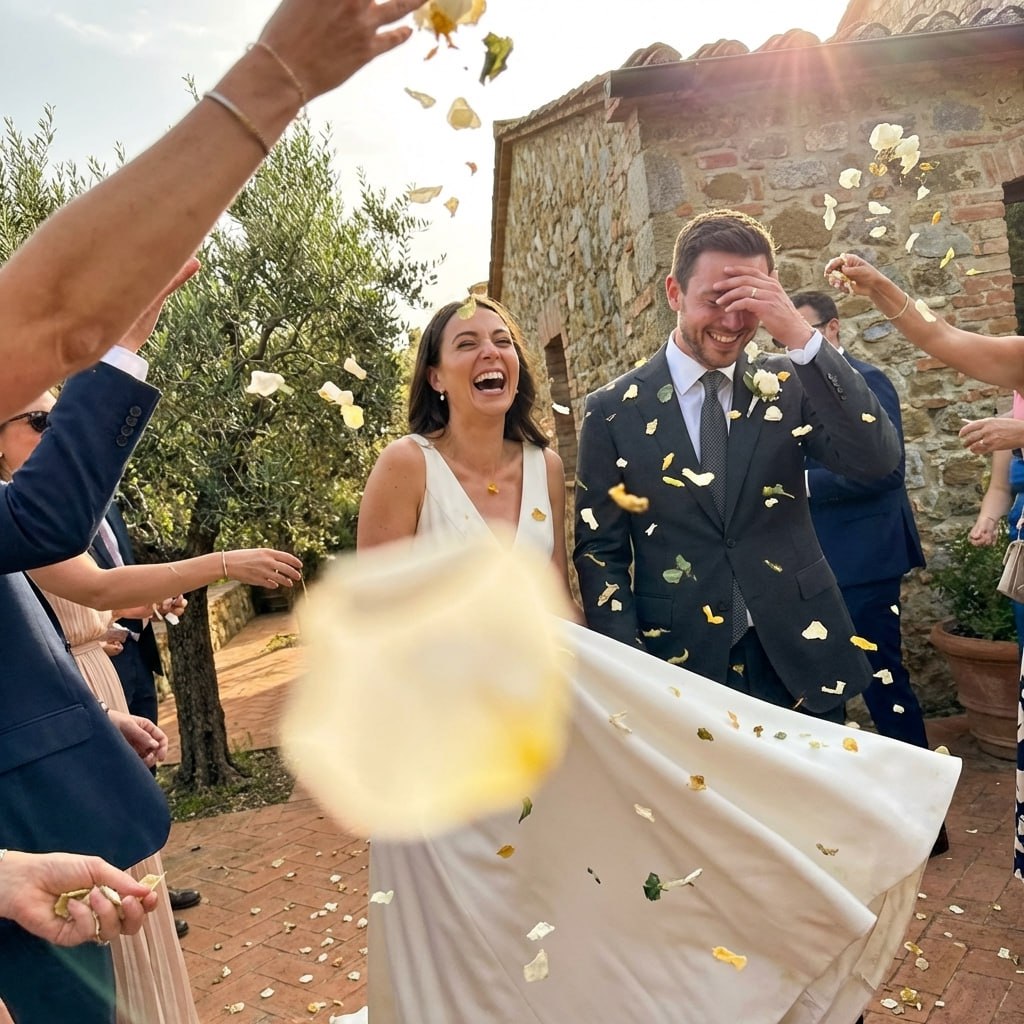
One less thing on your mental list: Pix Wedding gathers every guest photo on its own, so you can breathe through the day instead of managing memory cards.
From Mom
Scan to join the album
No app, no account
UPLOADING
Saving your moment
THE ALBUM
Emma & Jack
June 21, 2026
647 photos · 95 guests

SCAN TO TRY
pix.wedding/
your-wedding
Why Wedding Day Nerves Are Completely Normal
Your wedding day is, statistically, one of the most emotionally intense days of your life. You are the center of attention, making a lifelong promise, surrounded by everyone you know, wearing unfamiliar clothes, running on less sleep than usual, and expected to look happy for 8 hours straight. It would be strange NOT to feel nervous.
Wedding day nerves are your body's natural response to a high-stakes, high-emotion event. The butterflies, the racing heart, the sweaty palms, these are adrenaline doing its job. The same chemical that makes you nervous also makes you feel alert, energized, and emotionally present. You can channel it instead of fighting it.
- •Adrenaline from nerves actually enhances memory formation, which is why wedding days are so vivid
- •Most couples report their nerves disappeared within the first 5 minutes of the ceremony
- •Physical preparation (sleep, food, movement) has a larger impact on nerves than mental preparation alone
- •Having a designated 'point person' for the day dramatically reduces anxiety about logistics
- •The getting-ready period is when nerves are highest, the ceremony itself is when they dissolve
The Science Behind Breathing Exercises for Wedding Day Anxiety
Breathing techniques are not just hippie wisdom. They are backed by serious neuroscience. When you extend your exhale (as in the 4-7-8 technique), you stimulate the vagus nerve, which activates your parasympathetic nervous system. This is the 'rest and digest' system that counteracts the 'fight or flight' response.
The effect is measurable: your heart rate drops, your blood pressure lowers, and your cortisol levels decrease. All within 2 to 3 minutes. This is why breathing exercises are recommended by therapists, performance coaches, and even military trainers for high-pressure situations. Your wedding morning qualifies.
Creating a Calm Getting-Ready Space
The environment where you get ready directly impacts your emotional state. Request a quiet playlist (not a party playlist) for the morning. Keep the room well-lit with natural light. Limit the number of people in the space to your closest 3 to 5 people. Have water, snacks, and tissues easily accessible.
Consider designating one corner of the room as a 'calm zone' where you can step away for a few minutes of solitude. Even 3 minutes alone with the door closed can reset your nervous system when things feel overwhelming.
Explore more free wedding tools
Everything you need to make your wedding day stress-free and unforgettable.
Seating Chart Planner
Plan your reception seating visually.
Guest List Manager
Track RSVPs and dietary needs.
Budget Allocator
Turn your total into a category-by-category plan.
Venues by State
Explore venues across all 50 states.
Countdown Timer
Count down the days to your big day.
Wedding Checklist
Month-by-month planning checklist.
Bachelorette Party Games
15+ games with rules, supplies, and timing.
Alternative to Wedding Guest Book
15 creative alternatives guests enjoy.
Frequently Asked Questions
Straight answers to the questions people ask most about this topic.
Start with a proper breakfast (protein and complex carbs). Do 5 minutes of box breathing (4 counts in, 4 hold, 4 out, 4 hold). Move your body for 10 minutes. Surround yourself with calm people. Give your phone to someone else. Write a letter to your partner. These six steps, done in order, will noticeably reduce your anxiety.
Extremely normal. Most brides and grooms report poor sleep the night before. The good news is that one night of bad sleep will not ruin your day. Adrenaline will carry you through. Focus on rest rather than sleep. Lie down, breathe deeply, and avoid screens. Even if you do not sleep, your body is still resting.
Eat protein and complex carbs: eggs on toast, oatmeal with nuts, or a smoothie with protein powder. Avoid pure sugar (which causes a crash) and excessive caffeine (which amplifies anxiety). Eat within an hour of waking up and have a snack before the ceremony. Low blood sugar dramatically worsens nervousness.
Hold your bouquet with both hands or clasp your hands together. Take slow, deep breaths through your nose. Focus your eyes on your partner, not the crowd. Press your toes firmly into the floor. These physical anchors ground you in the present moment and reduce visible shaking.
Crying at your wedding is expected and welcomed by everyone present. Have tissues tucked in your bouquet or pocket. If you feel overwhelmed, pause, take a breath, smile at your partner, and continue. No one is judging you. In fact, emotional moments are often the most remembered and cherished parts of a ceremony.
Yes, and you should. Create a day-of contact sheet for your wedding party with vendor phone numbers, the timeline, and your preferences for common decisions. Designate a point person (usually the maid of honor, best man, or day-of coordinator) who handles all questions so you do not have to.