
My Fiance Is Scared to Get Married: What to Do (and What Not to Do)
Your fiance told you they are scared. Or maybe they have not said it out loud, but you can feel something is off. Either way, you are in the right place.
First: Do Not Take It Personally
This is the hardest part, and it is the most important. When your fiance says they are scared of getting married, your brain immediately translates that to “they are not sure about me.” In the vast majority of cases, that is not what is happening. The most useful thing you can do right now is listen for what the fear is actually about before you react to what it feels like it means.
Cold feet are almost always about marriage as a concept, not about you as a partner. Your fiance may be scared of repeating family patterns, afraid of the legal commitment, overwhelmed by the wedding planning, or simply processing the magnitude of a lifelong decision. Their fear is real, but it is usually not a reflection of their feelings for you.
The fact that they told you (or that you noticed) is actually a good sign. It means the relationship is honest enough for difficult feelings to surface. That is the foundation of a strong marriage.
What Your Fiance Is Actually Feeling
Fear of permanence
The word 'forever' hits differently when it is no longer abstract. Your fiance may be struggling with the weight of a lifelong commitment, even though they want to be with you.
Fear of change
Marriage often coincides with other big changes: new home, combined finances, shifting family dynamics. The accumulation of change can feel overwhelming.
Fear of failing
Nobody wants to become a divorce statistic. If your fiance has seen marriages fail up close, the fear of repeating that pattern can be paralyzing.
Fear of losing control
Some people fear that marriage will change who they are or limit their autonomy. This is especially common in people who are fiercely independent.
Overwhelming wedding stress
Sometimes the fear is not about marriage at all. It is about the wedding. The planning, the pressure, the expense, the family expectations. The event is triggering the anxiety, not the commitment.
Quick Reference: Do This, Not That
A short version you can glance at before the conversation, before it goes into more detail below.
Do
- Ask open questions, then actually listen to the whole answer without interrupting
- Help name the fear together: is it marriage, the wedding event, or the word 'forever'?
- Offer to slow the timeline down if that would genuinely help
- Remember the goal right now is clarity, not persuading them to feel differently
- Take care of your own feelings too, with a friend, family member, or your own therapist
Don't
- Don't issue an ultimatum ('decide by Friday or we're done')
- Don't recruit parents or friends to pressure them into a decision
- Don't treat the fear as a verdict on your worth as a partner
- Don't assume that a request for space is secretly a rejection
- Don't avoid the conversation and hope the feeling quietly resolves itself

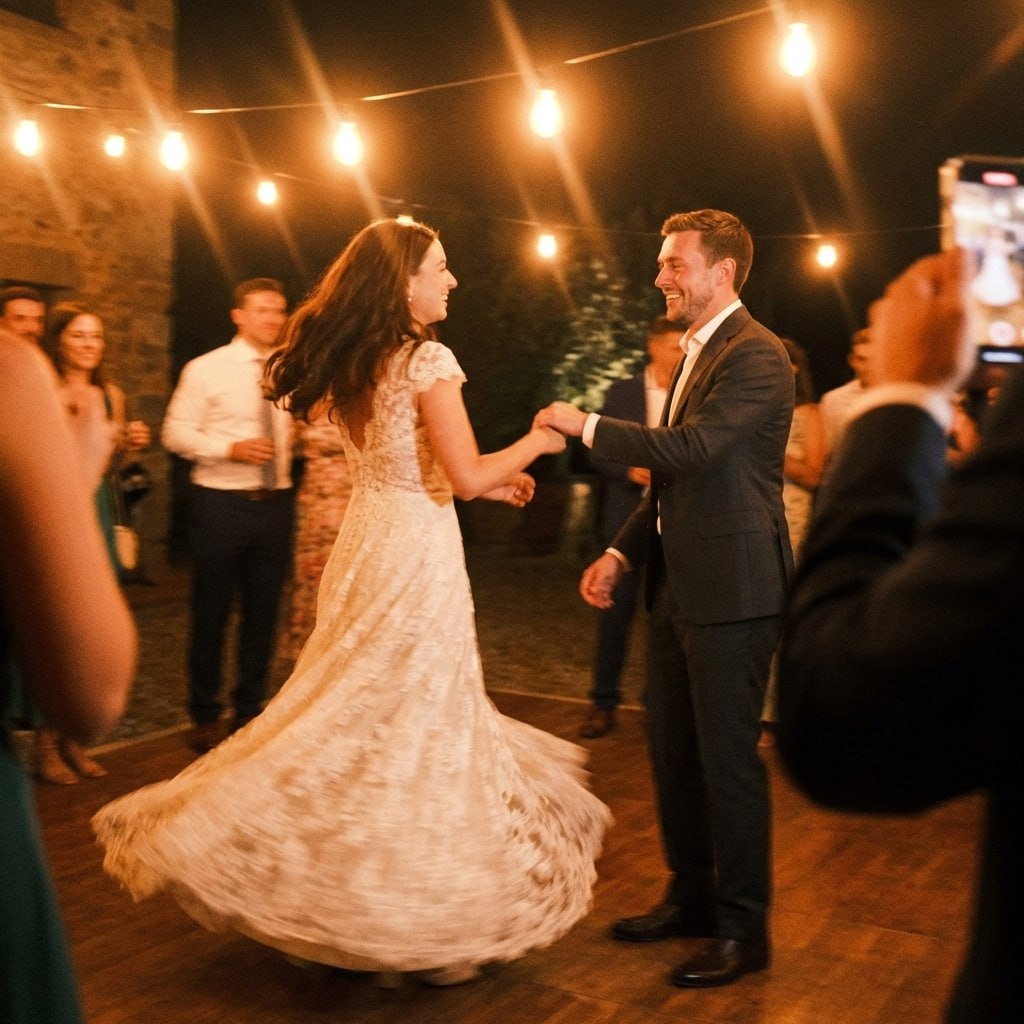
First dance
You guys!!
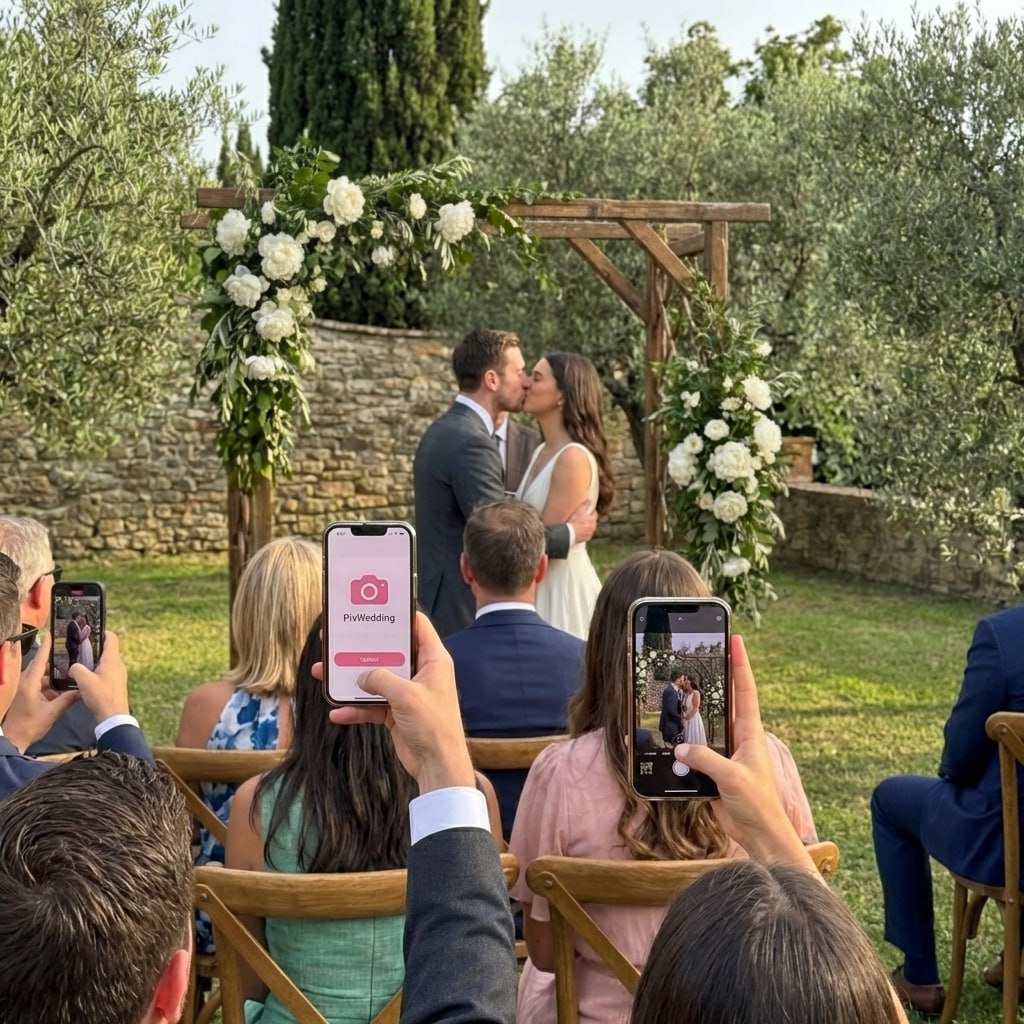
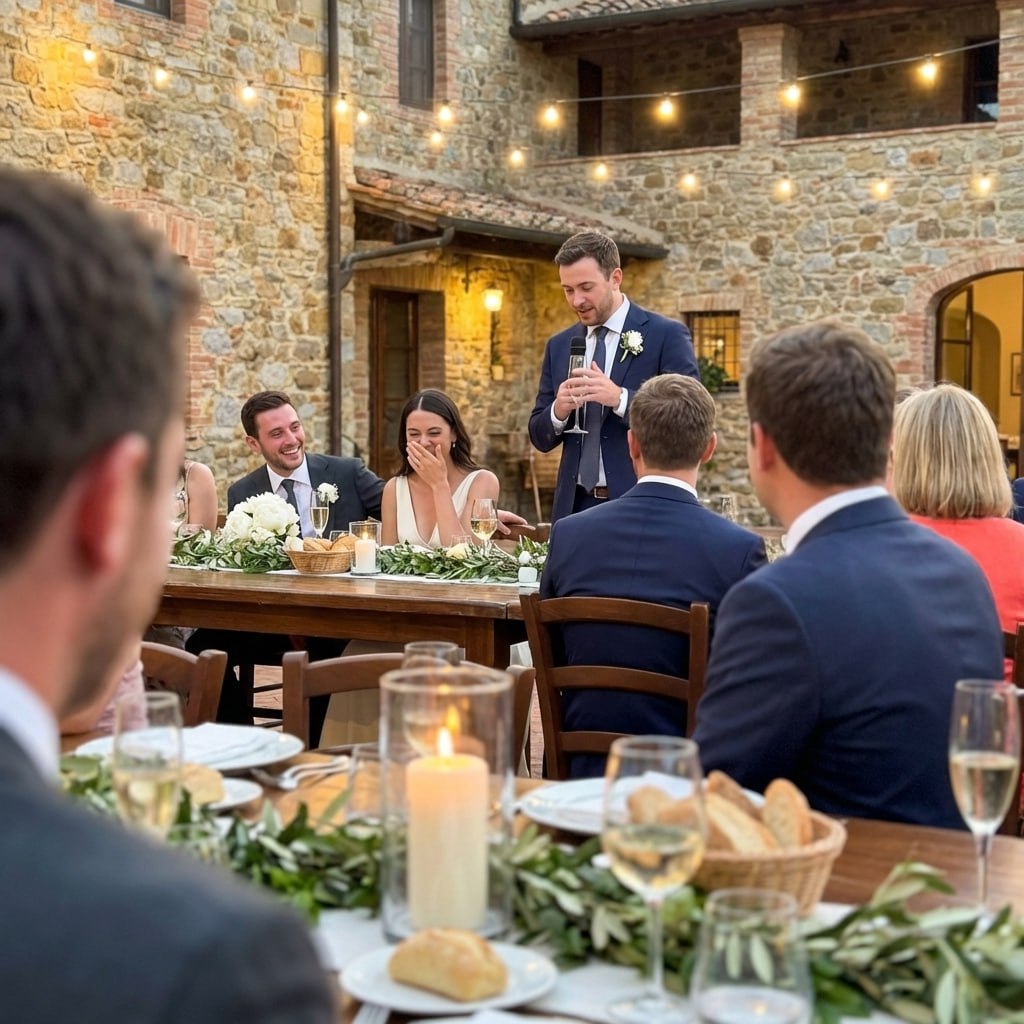
Guests capture it. You two just be present.
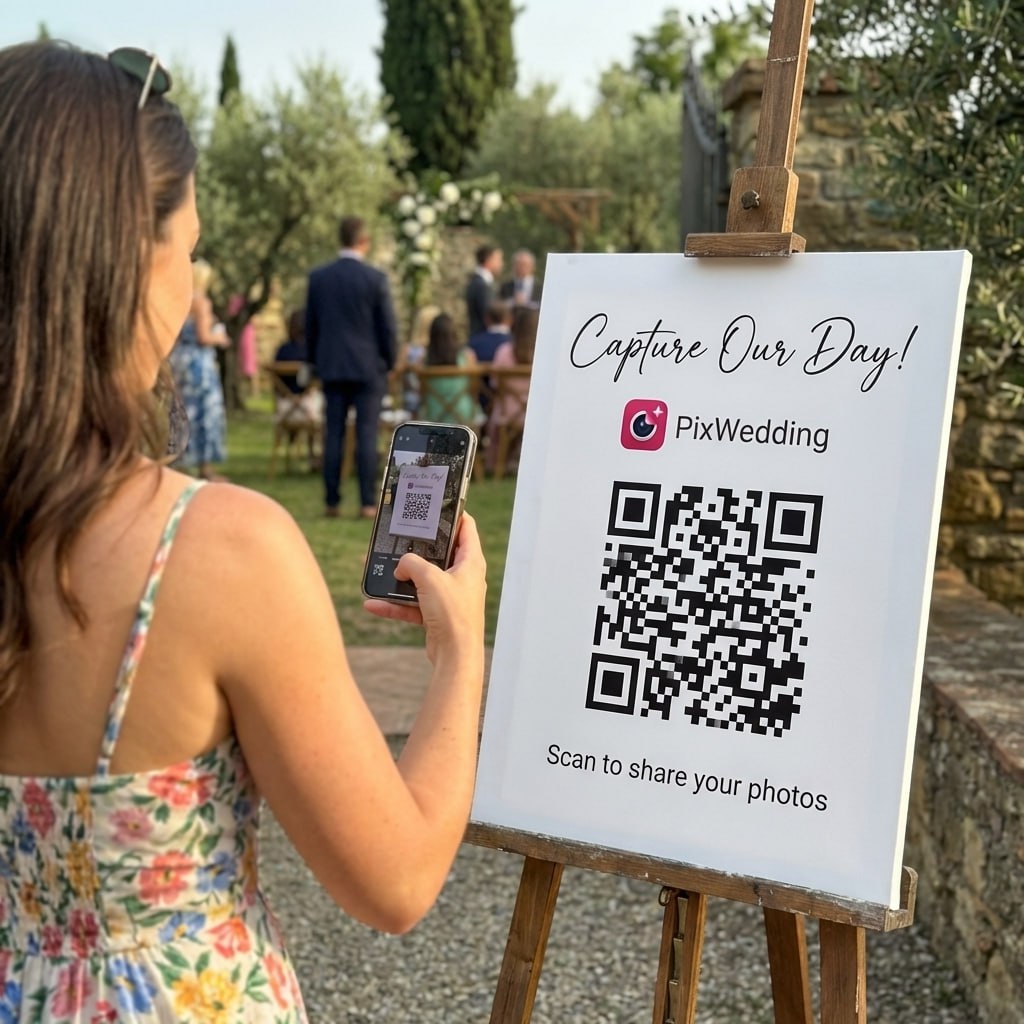
Place a Pix Wedding QR at each table and every guest photo goes straight into one shared album, so neither of you has to think about it on the day.
From Mom
Scan to join the album
No app, no account
UPLOADING
Saving your moment
THE ALBUM
Emma & Jack
June 21, 2026
647 photos · 95 guests



SCAN TO TRY
pix.wedding/
your-wedding
5 Things NOT to Say
These responses are natural, but they make the situation worse.
“Are you having second thoughts about us?”
Why it hurts: This makes it about your worth instead of their fear. Most cold feet have nothing to do with how much they love you. Asking this question forces them to reassure you when they are already struggling to process their own emotions.
“We have already paid for everything, we can not back out now.”
Why it hurts: Financial pressure adds guilt to fear. Your fiance already knows about the deposits. Reminding them makes them feel trapped, which amplifies the very anxiety that is causing the cold feet in the first place.
“Everyone gets nervous, just push through it.”
Why it hurts: Dismissing their feelings makes them feel unheard. While it is true that pre-wedding nerves are common, minimizing the experience prevents them from working through it. They need acknowledgment, not dismissal.
“My friend's partner never had cold feet.”
Why it hurts: Comparison breeds shame. Every person processes major life changes differently. Bringing up other couples implies something is wrong with your fiance when what they are experiencing is actually very human.
“If you really loved me, you would not be scared.”
Why it hurts: This is the most damaging thing you can say. Love and fear coexist all the time. Being scared of marriage while deeply loving someone is extremely common. This statement weaponizes love and makes them feel defective.
5 Things That Actually Help
These responses create safety and move the conversation forward.
“I am here for you. Tell me what you are feeling.”
Why it works: This opens the door without pressure. It signals that you are a safe person to be vulnerable with, which is exactly what your fiance needs right now.
“I get scared sometimes too. This is a big step for both of us.”
Why it works: Sharing your own vulnerability makes the conversation feel balanced. It removes the dynamic of one person being 'the problem' and creates a team approach to working through the fear.
“There is no pressure to have all the answers right now.”
Why it works: Removing urgency reduces anxiety. When your fiance feels they have space to think without a deadline, the fear often loosens its grip. Patience communicates trust.
“Would it help to talk to someone together? Like a counselor?”
Why it works: Suggesting professional help as a shared activity removes stigma. Framing it as 'together' instead of 'you should see someone' makes it a partnership decision, not a fix-you suggestion.
“What would make this feel less overwhelming for you?”
Why it works: This question puts them in the driver's seat. It asks for a specific solution rather than forcing them to articulate the entire problem. Sometimes the answer is simple: a smaller wedding, more time, or just being heard.
Scripts for Opening the Topic Gently
You do not have to use these word for word. They are here so you are not searching for language in the moment, and so the first sentence out of your mouth invites them in instead of putting them on the defensive.
If they haven't said it out loud, but something feels off
"You've seemed a little far away lately. I'm not trying to corner you, I just want you to know I've noticed, and I'm here whenever you want to talk about it."
If they already told you they're scared
"Thank you for telling me. That took courage. I don't need you to have an answer right now, I just want to understand what the fear actually feels like for you."
If a few days have passed and it hasn't come up again
"I've been thinking about what you shared. No pressure to have it all figured out, but I'd like us to check in on it this week, even just for twenty minutes."
If you need clarity on the timeline without it sounding like an ultimatum
"I'm not asking you to decide everything today. I do need us to agree on when we'll talk again, so this doesn't sit unspoken between us for months."
When to Give Space
- They just expressed the fear for the first time
- They are visibly overwhelmed or emotional
- The conversation is going in circles
- They ask for time to think
- You are both too emotional to listen well
When to Have a Conversation
- They have had time to process but have not brought it up
- The wedding date is approaching and decisions need to be made
- Their behavior has changed noticeably (withdrawing, avoiding)
- You need clarity for your own emotional wellbeing
- You have specific concerns you need to share
A Framework for Suggesting Counseling Together
Bringing up couples counseling can feel like a bigger step than it needs to be. The way it is framed usually matters more than the suggestion itself. A simple four-part approach keeps it feeling like a shared decision instead of an accusation.
1. Timing
Bring it up during a calm moment, never in the middle of an argument or right after the fear has just come up for the first time.
2. Framing
Present it as preventative and mutual: 'I want us to have a neutral place to say things out loud,' not 'I think you need help.'
3. Invitation, not instruction
Offer it as a joint activity you would do together, and be genuinely open if they say they are not ready yet.
4. Follow-through
If they say yes, find a licensed couples counselor or marriage and family therapist together rather than picking one and presenting it as a done deal.
Framed this way, suggesting counseling rarely lands as an insult. Family therapists commonly describe premarital counseling as a preventative step rather than a sign something is broken, since it gives both partners tools before stress accumulates rather than after.
When Professional Help Is Worth Suggesting
Not every case of cold feet requires a therapist. But some situations benefit significantly from professional guidance. Consider raising the idea of a licensed couples counselor if:
- The fear has lasted more than a few weeks and is not improving
- Your fiance has a history of anxiety or depression
- Conversations about it always end in arguments
- Your fiance is avoiding all wedding-related discussions
- The fear is affecting daily life, sleep, or work
- You suspect the fear may be rooted in past experiences neither of you has fully unpacked
- You are starting to question the relationship yourself
This is guidance, not a diagnosis. You are not qualified to diagnose what your fiance is feeling, and neither is this page. A licensed couples therapist can facilitate conversations that feel impossible to have on your own, in a neutral space where both of you can express fears without judgment. Persistent distress that is not easing on its own is always worth bringing to a professional, together if possible.
What Support Looks Like in Practice
These are illustrative examples to show the difference a response can make, not real couples or verified case studies.
Illustrative example: the misstep
What tends to backfire
A partner hears "I'm scared" and immediately spirals into questions about the relationship itself: Do you still love me? Is there someone else? Are we even right for each other? The fiance who was processing a fear about commitment in the abstract is now forced to defend the relationship instead. The fear does not go away, it just goes quiet, and the couple stops talking about it at all.
Illustrative example: the supportive response
What tends to help
A partner hears the same words and responds with a single question: "Is this about us, or about the idea of marriage?" The fiance is able to say it's the idea of marriage, the permanence of it, not the relationship. That distinction alone brings relief to both people, because now they know what they're actually working on together.
Illustrative example: bringing in outside support
What tends to help
After a few weeks of circular conversations that keep ending the same way, one partner suggests a single session with a couples counselor, framed as "a place to say things out loud with someone neutral in the room," not as a diagnosis of the relationship. Both partners describe the session afterward as having given them language for the fear that they didn't have on their own.
If the Wedding Itself Is Part of the Overwhelm
Remember the fifth fear from earlier: sometimes it is not marriage your fiance is scared of, it is the event. The guest list, the vendor emails, the seating chart, the pressure to make every detail photograph-worthy. That kind of overwhelm can bleed into how someone feels about the whole idea of the day.
If that is part of what is going on, look for small, genuine ways to remove logistics weight rather than adding more decisions to make. One example: instead of assigning someone to collect photos from guests all day, a simple QR code on each table lets guests upload their own photos straight into one shared album. It is a small thing, but it is one less task competing for your fiance's attention on a day that is already asking a lot of both of you.
This will not resolve a fear about marriage itself, and it should not be treated as if it could. It is only useful if wedding-day logistics specifically are adding to the weight your fiance is carrying.
Related Guides
One Less Thing to Manage Together
While you two focus on each other, Pix Wedding quietly gathers every guest photo into a single shared album. No app for guests to download, no photos stuck on other people's phones.
Get Started FreeUnderstanding Cold Feet From the Partner's Perspective
When your fiance admits to being scared, your own anxiety kicks in immediately. That is completely natural. You start wondering if they love you enough, if the relationship is doomed, or if you missed warning signs. But pre-wedding uncertainty is common. A four-year longitudinal study of newlyweds published in the Journal of Family Psychology, led by researchers at UCLA, found that 47 percent of husbands and 38 percent of wives reported being uncertain or hesitant about getting married at some point before the wedding.
Your role right now is not to fix the fear. It is to create a safe environment where your fiance can process it. This does not mean ignoring your own feelings. It means handling both sets of emotions with care and intentionality.
- •That same research is one reason relationship researchers encourage couples to talk through pre-wedding doubts openly rather than brush past them, since dismissed concerns rarely resolve on their own
- •Cold feet about the concept of marriage are different from doubts about the partner specifically
- •Many couples who work through cold feet together describe feeling closer afterward
- •The partner's response to cold feet significantly shapes how the conversation goes
- •Premarital counseling gives both partners a shared vocabulary for what they are each feeling
Protecting Your Own Emotional Health
While supporting your fiance, do not forget about yourself. Being the partner of someone with cold feet is emotionally demanding. You deserve support too. Talk to a trusted friend or a therapist of your own about what you are feeling. Set boundaries on how much emotional labor you can provide while still being compassionate.
Remember that your feelings matter equally in this situation. If your fiance's fear is causing you genuine distress, that is worth communicating, gently and honestly. A healthy relationship requires both people to feel heard and valued, even during difficult moments.
Source on premarital uncertainty and outcomes: UCLA Newsroom, "Should I Marry Him?", summarizing research published in the Journal of Family Psychology.
Explore more free wedding tools
Everything you need to make your wedding day stress-free and unforgettable.
Seating Chart Planner
Plan your reception seating visually.
Guest List Manager
Track RSVPs and dietary needs.
Budget Allocator
Turn your total into a category-by-category plan.
Venues by State
Explore venues across all 50 states.
Countdown Timer
Count down the days to your big day.
Wedding Checklist
Month-by-month planning checklist.
Bachelorette Party Games
15+ games with rules, supplies, and timing.
Alternative to Wedding Guest Book
15 creative alternatives guests enjoy.
Frequently Asked Questions
Straight answers to the questions people ask most about this topic.
Yes, very normal. A UCLA-led study published in the Journal of Family Psychology found that 47 percent of husbands and 38 percent of wives reported some premarital uncertainty. Cold feet do not automatically mean the relationship is wrong. They often reflect the weight of a major life decision, stress from wedding planning, or unresolved personal fears about commitment.
Not necessarily. Postponement can actually be a healthy response to cold feet. It gives both partners time to work through concerns without the pressure of an approaching deadline. What matters more than the timeline is the reason behind the request and whether your fiance is willing to actively work on the fear with you.
There is no fixed timeline. Many cases ease within a few weeks to a couple of months once they are being discussed openly. If the anxiety persists for several months, is getting worse, or is affecting daily life, that is a reasonable point to suggest a licensed couples counselor together. The key factor is whether the fear is being addressed or quietly avoided.
Some people need time to process emotions internally before discussing them. Give them space, but set a gentle timeline. You might say, 'I understand you need time, but I need us to talk about this within the next week or two because I am also affected.' If they still will not open up, a couples counselor can provide a structured, neutral environment for the conversation.
In most cases, no. This is a private matter between you and your fiance. Involving family members can add pressure, judgment, and unsolicited advice that makes the situation harder to navigate. If you need support, confide in one trusted person or your own therapist rather than broadcasting the situation to extended family.
Persistent distress that is not easing, fear specifically about your partner rather than marriage as a concept, unwillingness to discuss it at all, or the same pattern repeating across multiple engagements are all reasonable signals to bring in a licensed couples therapist. Trust your instincts, but do not try to diagnose the situation yourself, and lean on professional support before making permanent decisions.