
I Am Scared to Get Married: Why It Happens and What to Do About It
If you are reading this, you probably love your partner but something about marriage itself scares you. That is more common than you think, and it does not mean something is wrong with you or your relationship.
First, Let Us Be Honest
The internet will tell you that being scared means you should not get married. That is terrible advice. Fear shows up in every major life decision: new jobs, moving cities, having children. The presence of fear does not mean the decision is wrong. It means the decision matters to you.
There is a big difference between not wanting to get married and being scared of it. If you genuinely do not want marriage, that is valid and worth honoring. But if you love your partner, see a future together, and still feel a knot in your stomach when you think about the wedding, that is fear talking. And fear can be worked through.
Not Wanting Marriage vs. Being Scared of It
Signs You Do Not Want Marriage
- ✖You feel relieved when you imagine not getting married
- ✖The idea of marriage feels forced, not exciting
- ✖You are doing it because of pressure, not desire
- ✖You have never wanted marriage, even in past relationships
- ✖You feel trapped, not nervous
Signs You Are Scared but Do Want It
- You love your partner and see a future together
- The fear is about marriage itself, not your partner
- You feel excited and anxious at the same time
- You want the relationship to last forever
- You feel nervous, not trapped
7 Common Marriage Fears (and How to Reframe Each One)
Your brain is trying to protect you. Here is what it is really saying.
Fear #1: “What if I lose myself?”
Reframe: Marriage does not erase who you are. Healthy marriages are built between two whole people, not two halves. You bring your identity into the partnership, you do not trade it away. The best marriages actually help both people grow into stronger versions of themselves.
Fear #2: “What if it does not last?”
Reframe: No one can guarantee forever. But here is what research shows: couples who communicate openly, handle conflict constructively, and maintain friendship have divorce rates far below the national average. The fear of failure can actually motivate you to build something strong.
Fear #3: “What if I am settling?”
Reframe: Doubt is not the same as settling. If your partner makes you laugh, supports your goals, respects your boundaries, and shows up consistently, that is not settling. Perfection does not exist in any relationship. What exists is choosing someone who chooses you back, every single day.
Fear #4: “What if the relationship changes after marriage?”
Reframe: Every relationship changes over time, married or not. The real question is whether you and your partner are willing to evolve together. Marriage gives you a framework for that evolution. It does not create problems that were not already there.
Fear #5: “What if I am not ready?”
Reframe: Almost nobody feels 100 percent ready. Readiness is not a feeling you wait for. It is a decision you make. If you have done the emotional work, know your partner deeply, and share the same values, you are more ready than you think.
Fear #6: “What if I end up like my parents?”
Reframe: Your parents' marriage is not your destiny. You are not them, and your partner is not their partner. The fact that you are aware of what went wrong means you already have the tools to do it differently. Many people from difficult family backgrounds build deeply loving marriages.
Fear #7: “What if I am just not the marrying type?”
Reframe: There is no such thing as a marrying type. People who thrive in marriage are simply people who decided to invest in the relationship. Introverts, free spirits, independent thinkers, career-driven individuals: all of them can have incredible marriages when they find the right match.
When Love Is Enough
Love alone does not make a marriage work. But love combined with mutual respect, shared values, open communication, and willingness to grow together? That is more than enough. You do not need to have everything figured out before you say yes. You just need to be committed to figuring it out together.
Ask yourself this: if your fear magically disappeared tomorrow, would you want to marry your partner? If the answer is yes, then the fear is the obstacle, not the relationship. And fear is something you can work through, together or with professional support.
Things that help right now:
- Tell your partner what you are feeling. Silence builds walls, honesty builds bridges.
- Consider pre-marital counseling. It is not a sign of weakness. It is smart preparation.
- Write down what specifically scares you. Vague fear is harder to fight than specific fear.
- Talk to married friends you trust. Ask them if they were scared too.
- Give yourself grace. This is a huge life step. Being nervous is perfectly human.
Related Guides You Might Need

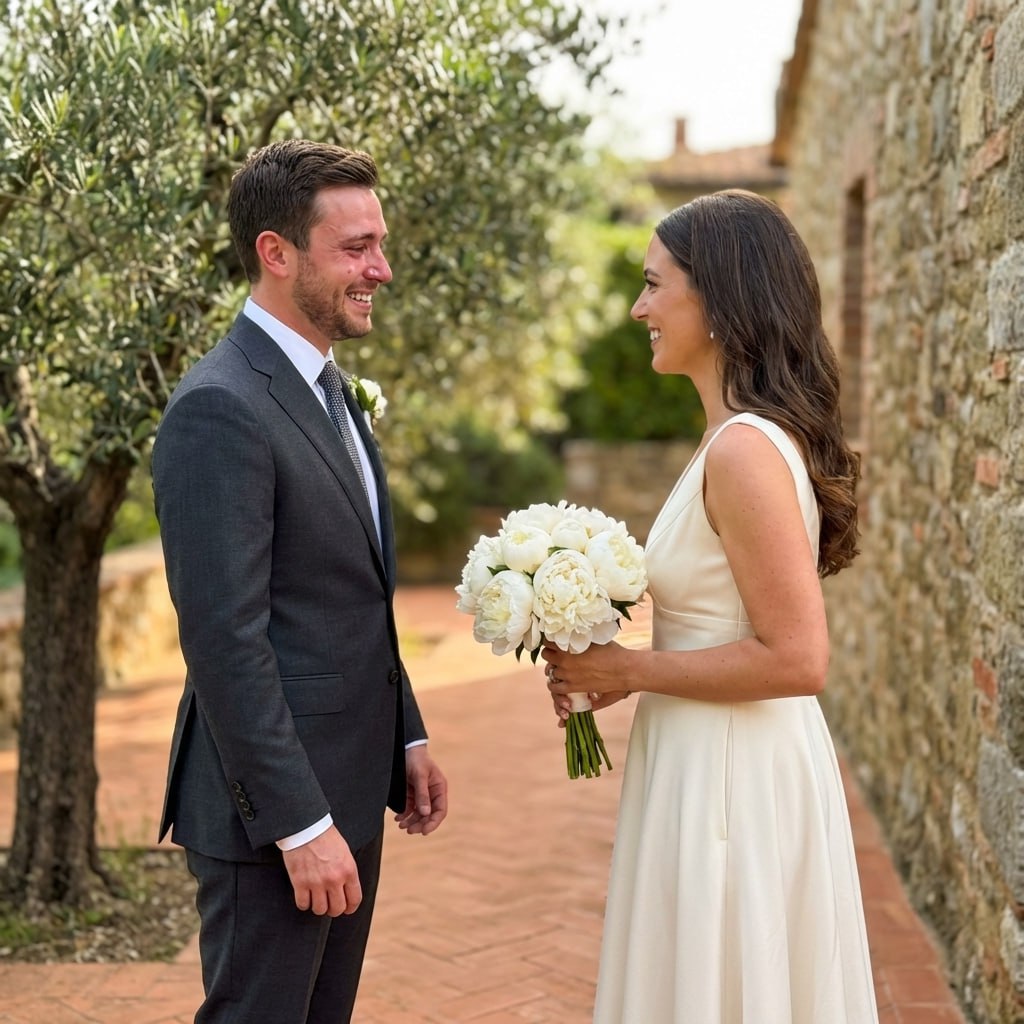
First dance
You guys!!
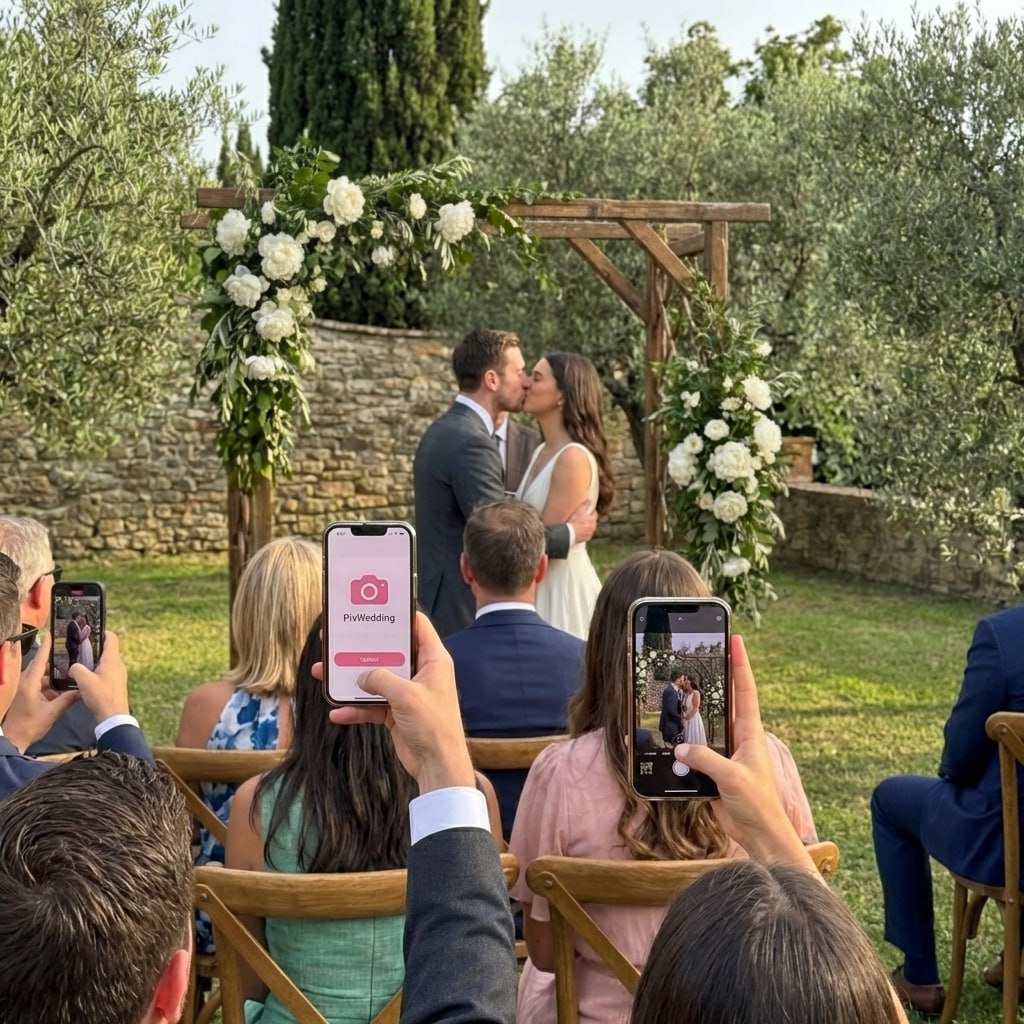
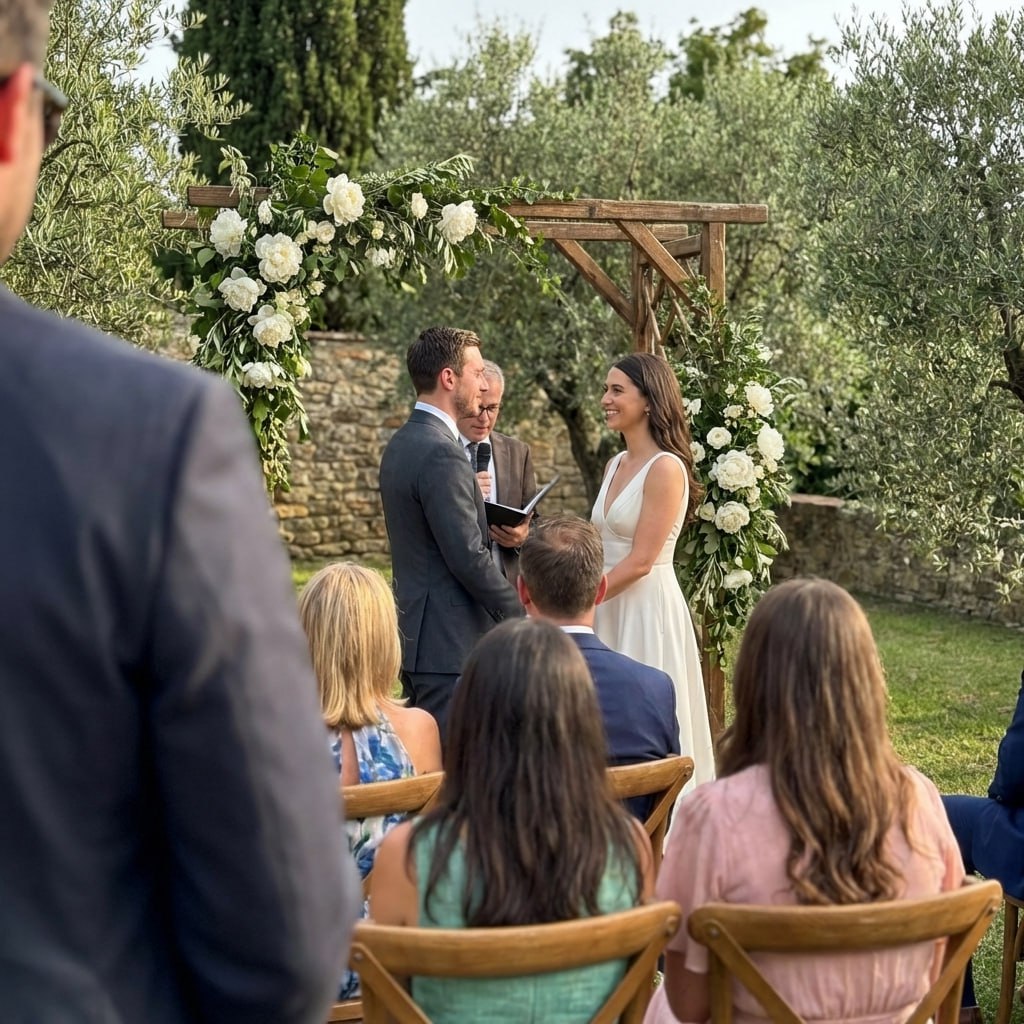
The courage shows up. The photos should too.
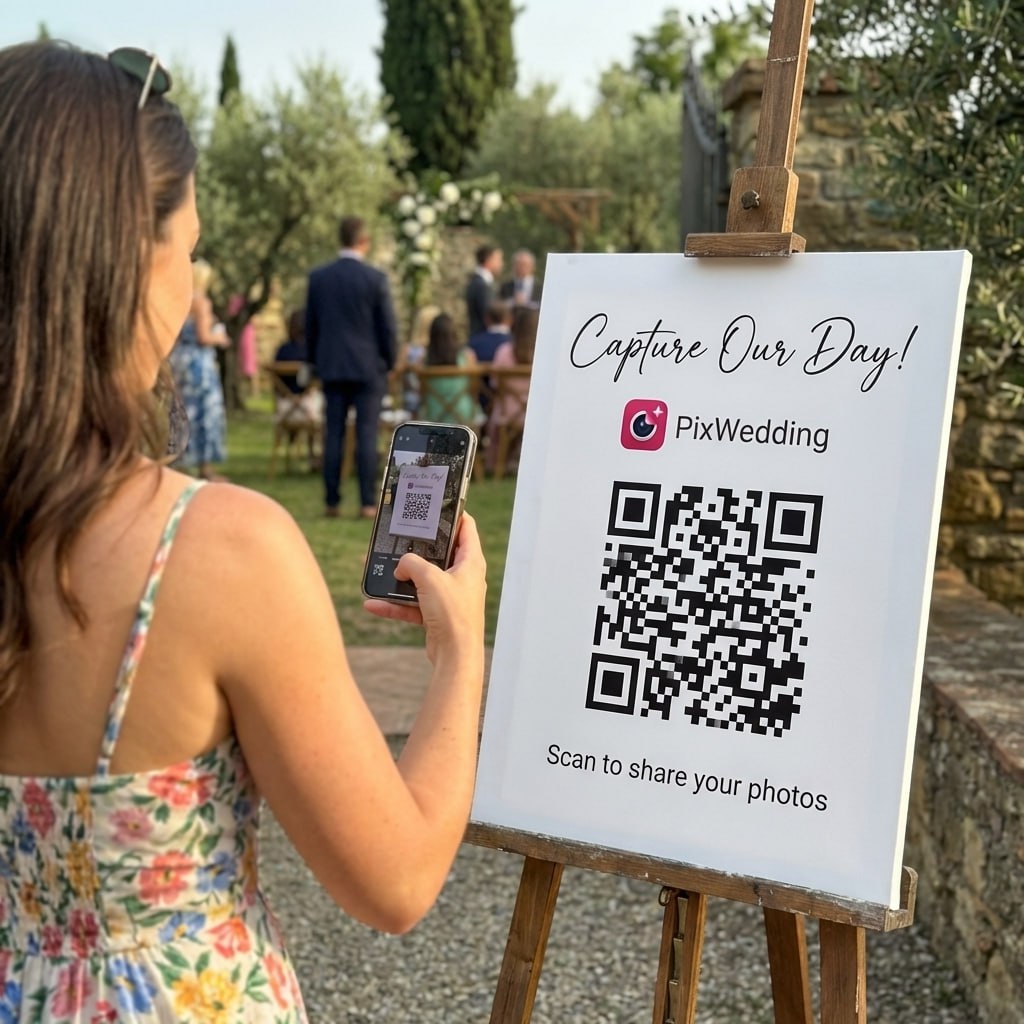
Guests scan a QR at each table and every photo lands in one shared album automatically. You bring yourself to the day, Pix Wedding captures it.
From Mom
Scan to join the album
No app, no account
UPLOADING
Saving your moment
THE ALBUM
Emma & Jack
June 21, 2026
647 photos · 95 guests



SCAN TO TRY
pix.wedding/
your-wedding
Understanding Why Marriage Scares You
Fear of marriage, sometimes called gamophobia, affects millions of people regardless of how much they love their partner. It is rooted in a mix of personal history, cultural messaging, and the weight of making a lifelong commitment. Understanding where your fear comes from is the first step toward moving through it.
For some people, the fear traces back to childhood. Watching parents fight, divorce, or stay in unhappy marriages can wire your brain to associate marriage with pain. For others, it comes from a previous relationship where trust was broken. And for many, it is simply the magnitude of the decision. You are choosing one person for the rest of your life. That is allowed to feel heavy.
- •Fear of marriage is extremely common and does not indicate a problem with your relationship
- •Childhood experiences shape how we view commitment as adults
- •Pre-marital counseling reduces divorce rates by up to 30 percent according to multiple studies
- •Couples who discuss fears openly report higher relationship satisfaction
- •The average engagement period is 13 months, which gives you time to work through doubts
Practical Steps to Move Past the Fear
Moving past marriage fear is not about forcing yourself to feel ready. It is about addressing the specific concerns that are holding you back and building confidence in your decision. Here are approaches that therapists and relationship researchers consistently recommend.
Start with a conversation. Tell your partner, 'I love you and I want this, but I am scared.' Most partners will respond with compassion, not hurt. Then work together to identify the specific fears and tackle them one at a time. Consider professional pre-marital counseling, which gives you structured space to explore concerns with a trained guide.
When to Seek Professional Help
If your fear of marriage is preventing you from living the life you want, a therapist who specializes in relationship anxiety can help. This is especially important if your fear is rooted in trauma, past abusive relationships, or deep attachment wounds. There is no shame in getting support. In fact, it is one of the most loving things you can do for yourself and your partner.
Look for a therapist who offers Cognitive Behavioral Therapy (CBT) or Emotionally Focused Therapy (EFT). Both have strong evidence for treating relationship anxiety. Many couples also benefit from doing a few sessions together so the partner understands the fear and can be part of the solution.
Explore more free wedding tools
Everything you need to make your wedding day stress-free and unforgettable.
QR Sticker Designer
Design custom print-ready stickers.
Hashtag Generator
Create unique wedding hashtags.
How to Collect Guest Photos
5 methods ranked by participation rate and ease.
Get Photos After the Wedding
Message templates to gather guest photos post-wedding.
Share Wedding Photos with Guests
Compare every sharing platform by ease and participation.
Best Way to Get Guest Photos
The single method with the highest participation rate.
How to Make a Shared Wedding Album
Step-by-step setup for every platform.
Alternative to Disposable Cameras
Better, cheaper options than disposable cameras.
Frequently Asked Questions
Everything you need to know about our free tools and how they help your wedding day.
Absolutely. Research shows that pre-wedding anxiety is one of the most common emotional experiences engaged people face. Being scared does not mean you are making the wrong choice. It means you are taking the decision seriously. The key difference is whether the fear is about marriage as a concept or about your specific partner.
Start by identifying what specifically scares you. Is it fear of divorce, loss of independence, financial entanglement, or something else? Once you name it, you can address it directly. Talk to your partner openly, consider pre-marital counseling, and give yourself permission to feel scared while still moving forward.
Not necessarily. Fear is a normal response to major life changes. The important question is whether you are scared of the commitment itself or scared because something genuinely feels wrong about the relationship. If you love your partner, share values, and communicate well, fear alone is not a reason to walk away.
Choose a calm, private moment and be direct. Say something like, 'I want you to know that I love you and I want to be with you. But I am feeling scared about marriage and I need to talk about it.' Most partners appreciate honesty over silence. Frame it as something you want to work through together, not a problem with the relationship.
Yes. Pre-marital counseling is one of the most effective tools for addressing marriage anxiety. Studies show it can reduce divorce risk by up to 30 percent. A good counselor helps you explore fears, improve communication patterns, align expectations, and build a stronger foundation before you walk down the aisle.
Cold feet are general nervousness about the magnitude of the commitment. They usually come and go and do not reflect concerns about your partner specifically. Real doubts tend to be persistent, specific to the relationship, and often involve concerns about compatibility, values, trust, or respect. If your doubts are about your partner's character or your compatibility, those deserve deeper exploration.