
Wedding Photo Etiquette: The Complete Guide for Couples and Guests (2026)
Wedding photo etiquette in 2026 is split between two parties: guests need to know when to put their phones down, and couples need to set clear expectations in advance. This guide covers both sides - including cultural and religious nuances, social media timing rules, tagging etiquette, and exactly what to do when a couple asks you to delete a photo.
The Guest's 8 Always and 8 Never Rules
These are the etiquette standards that apply to virtually every wedding regardless of style, venue, or culture. Save this list and share it with anyone who asks.
Always
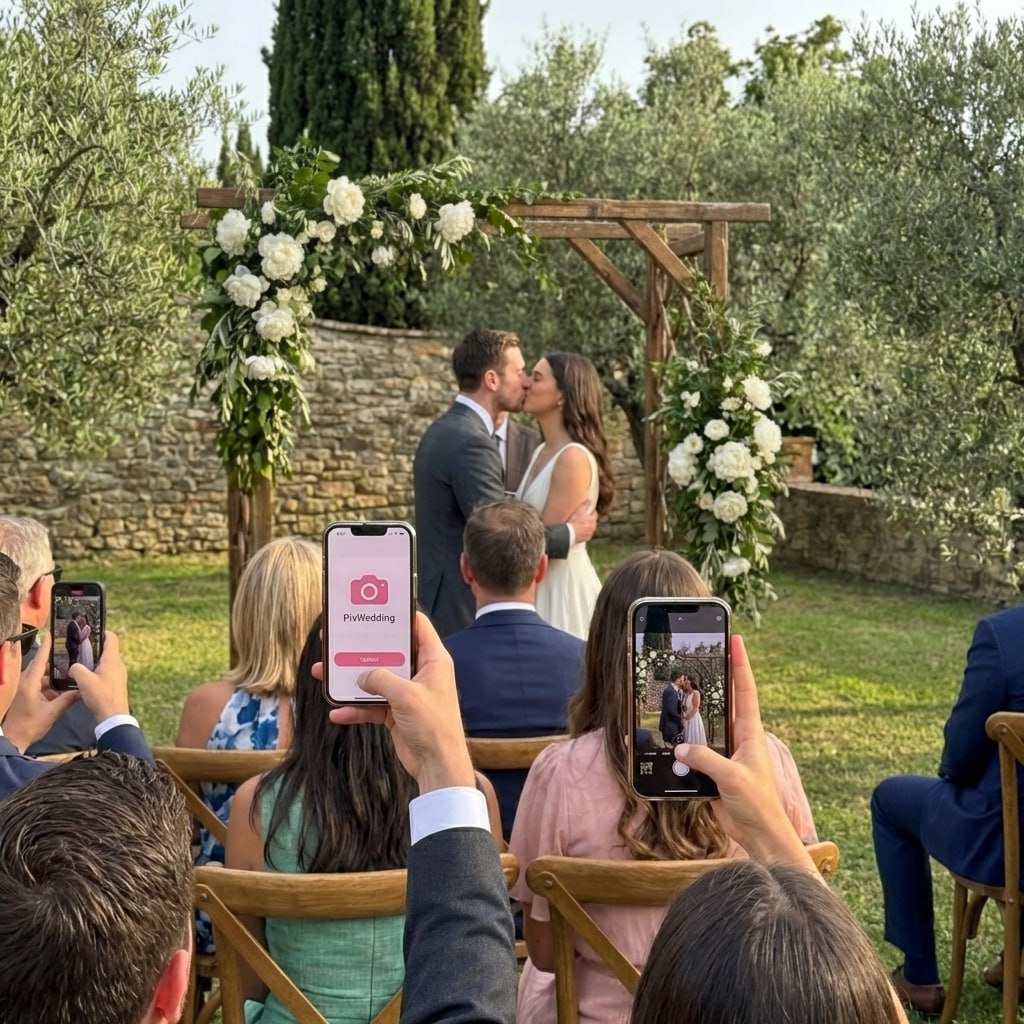
- Follow any "unplugged ceremony" signs at the venue entrance
- Put your phone on silent before the processional begins
- Stay seated and out of the aisle during ceremony shots
- Ask before photographing other guests (especially children)
- Share your best photos with the couple through their official album
- Wait for the couple to post first before sharing reception photos publicly
- Respect any "no photos" signs in private areas like the bridal suite
- Delete unflattering or embarrassing photos when asked without argument
Never
- Never step into the aisle or block the professional photographer's shot
- Never use flash during the ceremony unless the couple has specifically okayed it
- Never post photos that reveal the location before the couple has announced it
- Never share photos of the couple that they would clearly not want public
- Never tag someone in a photo without checking if they are comfortable being tagged
- Never post during the ceremony - it diverts your attention and distracts others
- Never pressure other guests to appear in your photos or videos
- Never post photos of the couple's children without explicit parental permission
6 Things Every Couple Should Communicate to Guests
Most photo etiquette problems at weddings stem from guests not knowing the rules - not from guests being deliberately inconsiderate. Clear advance communication prevents almost every conflict.
Whether you are having an unplugged ceremony
Announce this clearly: on the wedding website, in the program, on a sign at the ceremony entrance, and via the MC before the processional. Unplugged ceremonies are now mainstream - most guests expect the ask and respect it.
Sample wording
"We're having an unplugged ceremony. Please keep phones and cameras put away until after the recessional so our photographer can capture every moment. We will share a gallery with you all."
Your official wedding hashtag (if you have one)
If you want guests to share publicly, give them a specific hashtag and display it prominently. A hashtag is explicit permission to post - so if you do not want public posting, leave it off the table cards.
Sample wording
"Capture the magic! Use #SmithWedding2026 so we can find all your photos."
If you want a social-media-free wedding
This is a valid choice. Be polite but direct. Give a reason (professional reveal, privacy, surprise guests who are not there). A warm explanation gets far more compliance than a cold demand.
Sample wording
"We are keeping our wedding off social media so everyone can be fully present and so our guests who couldn't attend hear the news from us first. We will share a gallery within a few weeks - thank you for understanding!"
Where to send their photos to you
Make it effortless. Put the sharing link on every table card. An easy upload link dramatically increases the number of photos you receive compared to asking guests to email or DM you.
Sample wording
"Would love your photos! Scan the QR code on your table or visit [link] to add them to our album."
Your policy on photographing children at the wedding
If children are present, a brief note on the website or program sets expectations. Some parents are fine with it; others strongly prefer their children not appear in other guests' public posts.
Sample wording
"Please do not post photos of children on social media without checking with their parents first."
The timeline for sharing your professional photos
Guests often want to know when they will see the official gallery. A realistic timeline prevents repeated inquiries and manages expectations. Most photographers deliver 6-12 weeks after the wedding.
Sample wording
"Our photographer will deliver the full gallery in about 8 weeks. We will share a link as soon as it is ready - thank you for your patience!"
Phones During the Ceremony: Cultural and Religious Considerations
Photo rules at religious and cultural ceremonies vary significantly. What is acceptable at a civil ceremony may be actively disrespectful at a sacred rite. Here is what to know by tradition.
Catholic
- Photography is typically restricted during the Mass itself, especially during consecration
- Many parishes require pre-approval for photographers and ban flash entirely
- Guests should follow the official photographer's lead
- Mobile phones should be on silent and kept in pockets during the service
Rules vary significantly by parish. When in doubt, ask the couple in advance.
Jewish
- Shabbat and Jewish holidays prohibit use of electronic devices - check the ceremony date
- Orthodox ceremonies often restrict mixed-gender photography
- Conservative and Reform ceremonies are generally more permissive
- Under the chuppah is considered a sacred space - photographers often need explicit permission
Denomination matters enormously. Orthodox, Conservative, and Reform have very different norms.
Hindu
- Photography is generally embraced and celebrated - Hindu weddings are often highly photogenic
- Specific rites (Saptapadi, the seven steps) may have preferred shooting positions - ask the pandit
- Flash should be used sparingly around sacred fire (the havan)
- Getting-ready ceremonies like the haldi and mehndi are typically very photography-friendly
Regional traditions (North vs South Indian) affect norms. Follow the family's lead.
Muslim
- Nikah ceremonies may have gender-separated areas - photography of women may be restricted
- Some families prohibit photography of the bride in traditional hijab
- Many Muslim weddings have a very clear photographer protocol - follow it exactly
- Walima (the reception) tends to be more relaxed about photography than the nikah
Restrictions vary widely between cultural backgrounds (Arab, South Asian, Southeast Asian, etc.).
Buddhist
- Buddhist ceremonies are generally among the most photography-permissive
- Temple ceremonies may have specific rules about where guests can stand
- Respectful silence and no flash near the altar are standard expectations
- Ceremonies at public temples may have posted photography rules that supersede the couple's wishes
The tradition and country of origin matter. Japanese, Thai, and Tibetan Buddhist ceremonies can differ significantly.
Posting on Social Media: The Unwritten Timing Rules
No wedding has an official social media policy beyond what the couple states. But these timing norms have become widely understood in 2025-2026 and following them prevents hurt feelings and awkward situations.
During the ceremony
Do not postLive posting during the ceremony is almost universally considered inconsiderate, even if the couple has not officially asked for an unplugged ceremony. Your attention belongs to the couple, not to your feed. Save drafts if you must, but do not publish until after the recessional.
During cocktail hour and reception
Generally fine - use judgmentStories, candids, and fun reception moments are generally acceptable to share in real time. Avoid posting anything that could be considered the couple's "big reveal" - their first dance, the first kiss if it is ceremony-specific, the dress reveal if the couple has been secretive about it.
Within the first 24 hours
Wait for the couple to post firstThe 24-hour courtesy window is the most widely understood modern norm. The couple gets to be the first to define their narrative. Once they have posted - even just a single photo - the social media floodgates are open. If they have not posted by 24 hours, a quick message asking if it is okay to share is appreciated.
Professional photos after delivery
Always ask before sharing professional shotsIf the photographer has shared sneak-peek photos with you as a guest or member of the wedding party, the couple gets first right of publication. Do not repost professional photos without the couple's blessing. This also protects the photographer's copyright.
Tagging Etiquette: Always, Never, and the Gray Zone
Tagging turns a photo into a notification, a profile association, and a searchable record. Get it wrong and you can create real friction with other guests or with the couple.
Tag freely when
- The person is clearly happy and at ease in the photo
- They have been openly active on social media at the event
- The couple has encouraged sharing via a hashtag
- The person is a public figure who regularly accepts event tags
- You have personally confirmed they are fine being tagged
Never tag when
- The photo is unflattering or the person looks distressed
- The person has a private account and clearly limits their online presence
- It reveals someone's presence at an event they were keeping private
- The photo shows children (always require parental approval)
- The couple has asked for no social media posting
Ask first when
- You know the person but are not sure about their privacy preferences
- The photo includes someone who is rarely on social media
- The setting or context could be misinterpreted out of context
- You are tagging the couple in a photo they have not seen yet
- The photo involves someone who attended with an undisclosed plus-one
How to Ask the Couple Before Posting: Sample Messages
Asking before posting is a mark of consideration. Here are light-touch message templates that make it easy and natural, not awkward.
For a specific photo
Works for text, DM, or WhatsApp. Easy yes or no for the couple.
For a general "is it okay to share?"
Ideal when you were not sure what the couple's policy was from the day.
When the couple says not yet
Gracious acceptance keeps the relationship strong and the couple appreciative.
Children at Weddings: The Photo Etiquette Twist
Children add a layer of complexity to wedding photo etiquette that many guests overlook. The rules are stricter and the stakes are higher.
For guests photographing children
- Always ask the parent before photographing someone else's child, even for a cute candid
- Never post a photo of a child on social media without explicit parental approval
- Do not tag children's names in public photos - this creates searchable digital records
- Be especially careful of photos that show children in swimwear, sleeping, or in vulnerable moments
- If the child's parents are not at the wedding (grandparents as primary carers), err on the side of caution
For couples who want to protect child privacy
- Add a note to the wedding website: "Please do not post photos of children on social media without checking with their parents"
- Mention it in the MC announcement at the start of the reception
- Consider a separate photo-sharing album for family photos where only invited guests have access
- If you have a guest with known strong feelings about their child's online presence, brief them directly
Privacy note:
Some parents choose not to share any images of their children online. This is a growing parenting philosophy sometimes called "sharenting" avoidance. Respecting it even when you disagree with it is the mark of a considerate guest.
Sample Wording: How to Ask Guests to Share and How to Ask Them Not To
The right wording is warm, specific, and gives guests an easy action to take. Here are templates for both directions.
When you WANT guests to share
Table card
"Click! Share your shots with us. Scan the QR code to add your photos to our wedding album - no app needed."
Wedding website
"We'd love to see the day through your eyes! Upload your photos to our shared album at [link]. Every candid, every laugh, every detail matters to us."
MC script
"Before you hit the dance floor - scan the QR code on your table and drop any photos you've taken into [Couple]'s wedding album. It's the best gift you can give them tonight."
When you want to LIMIT sharing
Table card
"We're having an unplugged wedding. Please keep phones pocketed during the ceremony and hold off on social posting until we share our first look. Thank you for being present with us."
Wedding website
"We're keeping our wedding off social media so our family and friends who couldn't attend hear the news from us first. We'll share a full gallery within a few weeks."
MC script
"A quick note from the couple: they're asking guests to hold off on posting to social media until they've had a chance to share their own announcement. Please keep it in the memory bank for now."
International Variations: Photo Etiquette Around the World
Photo etiquette norms shift significantly across cultures. If you are attending a wedding abroad or a multicultural wedding, here is what to know before you reach for your phone.
United Kingdom
- Unplugged ceremonies are common but less universal than in North America
- Sharing on Instagram before the couple is considered quite poor form
- Very strong convention against posting unflattering photos - considered deeply rude
- Church of England and Catholic church rules about photography vary by diocese
Australia
- Generally relaxed attitude toward photo sharing
- Hashtag culture is strong and couples often actively encourage it
- Bush and outdoor ceremonies may have "no phones" requests for practical reasons (glare, noise)
- Indigenous Australian ceremonies may have strict photography protocols - always ask the couple
Germany
- Strong privacy culture (GDPR mindset) - ask before posting photos of others
- Standesamt (civil) ceremonies are often small and private - treat like a family event
- Church ceremony photography restrictions are common and taken seriously
- Sharing without consent is more frowned-upon than in many English-speaking countries
India
- Photography is celebrated and expected at most Indian weddings
- Professional photo and video coverage is standard even at modest weddings
- Guest photography is generally welcomed and encouraged throughout the multi-day celebration
- Exception: some families have privacy preferences around the baraat or specific family members - follow the family's cues
The Delete Request Protocol: How Guests Should Respond
Being asked to delete a photo feels uncomfortable. Here is the right way to handle it - both as a guest receiving the request, and as a couple making it.
As the guest receiving the request
Say yes immediately, without discussion. "Of course, I'll take care of it right now" is the only appropriate response.
Delete from your camera roll, your posted content on every platform, and any cloud backup where it is stored.
If you already shared it and others may have saved or reposted it, let the couple know so they can make additional requests if needed.
Confirm deletion to the couple: "Done - removed from Instagram, camera roll, and iCloud. Let me know if there is anything else."
Do not bring it up again or make the couple feel bad for asking. Move on and enjoy the rest of the celebration.
As the couple making the request
Be specific about what you are asking to be removed. A vague "some photos" creates confusion.
Use a private channel (DM or text) rather than a public comment on the post itself. This is less embarrassing for the guest.
Keep the message warm and brief. "Hey - would you mind taking down the one from the ceremony entrance? We'd really appreciate it." works well.
If the photo has already been widely shared, focus your energy on the original poster. Trying to scrub every reshare is rarely worth the conflict.
Say thank you when the guest complies. It goes a long way.
Related Wedding Photo Resources
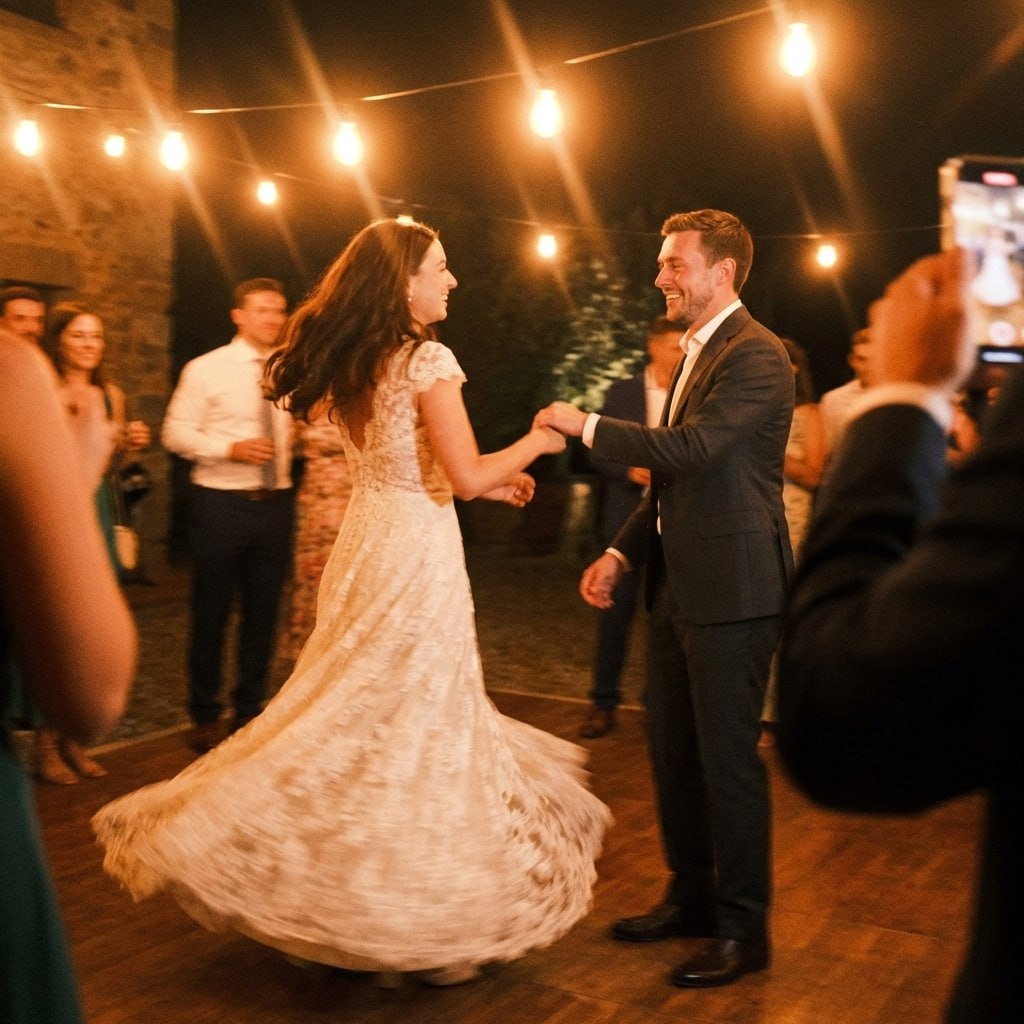
First dance
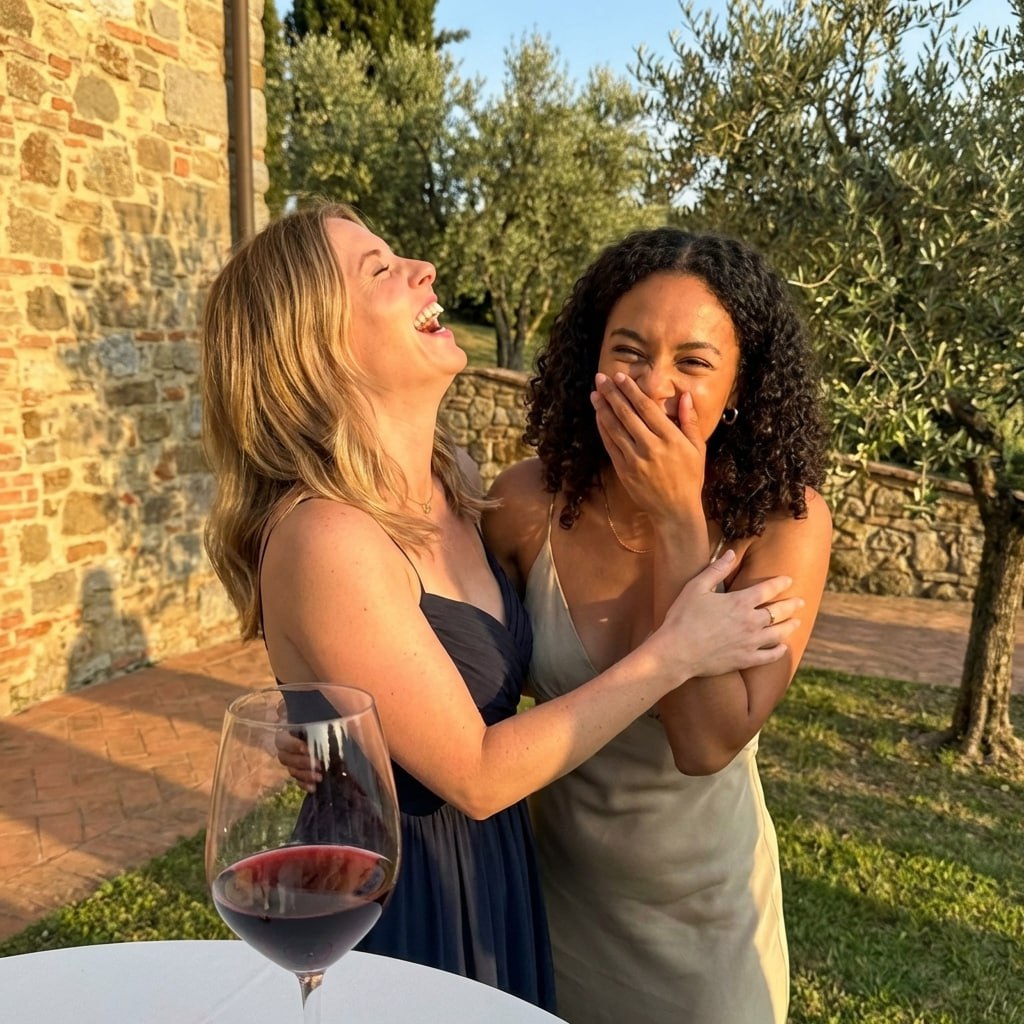
You guys!!
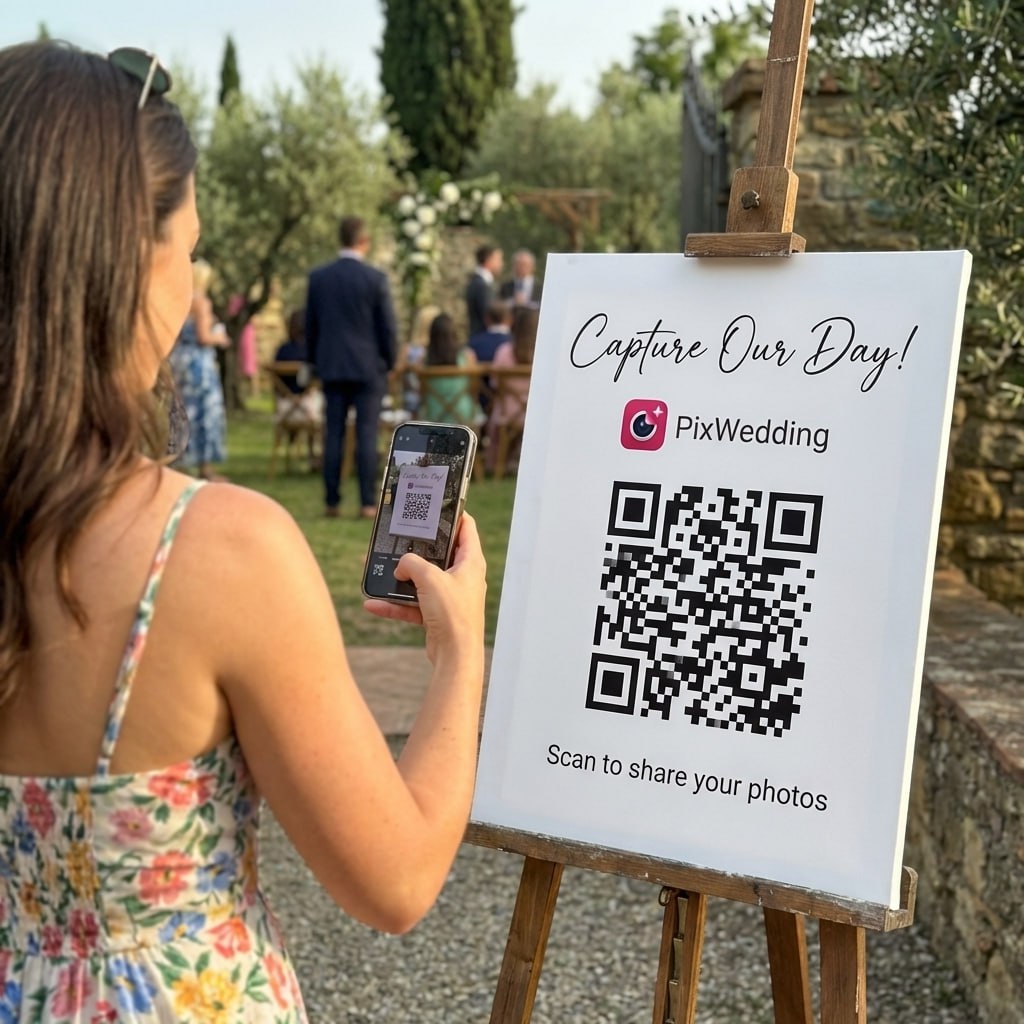
Guide guests to share photos the right way.
A QR code on each table gives guests a clear, approved channel for uploading photos, so you stay in control of what gets shared and where.
From Mom
Scan to join the album
No app, no account
UPLOADING
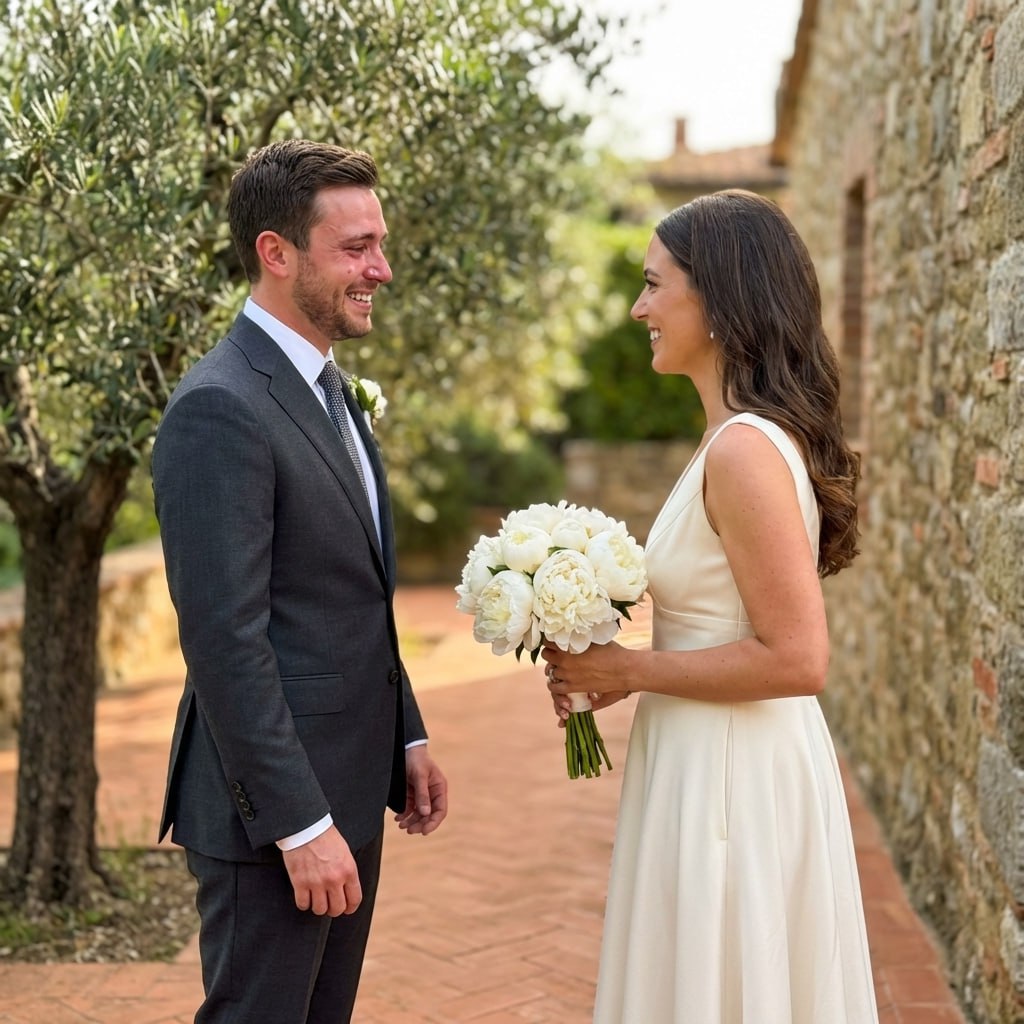
Saving your moment
THE ALBUM
Emma & Jack
June 21, 2026
647 photos · 95 guests
SCAN TO TRY
pix.wedding/
your-wedding
Why Wedding Photo Etiquette Matters More in 2026 Than Ever
Smartphones have put a camera in every pocket, and social media has made every guest a potential publisher. The result is that couples now have to manage not just their own wedding narrative but the one being broadcast in real time by 80-150 guests.
Poor photo etiquette at weddings has real consequences: professional photos ruined by a guest's iPad appearing in the frame, couples surprised by ceremony photos posted before they have told distant family, children photographed and shared without parental consent, and ugly angles going permanently public.
Good etiquette is not about being precious about privacy. It is about recognizing that a wedding is the couple's moment to tell their own story, and guests are participants in that story - not independent journalists covering the event.
The Difference Between Guest Perspective and Couple Perspective
Most photo etiquette guides take one perspective. This guide takes both, because the miscommunications that cause problems almost always come from a mismatch between what the couple assumed and what guests assumed.
Couples tend to assume guests know what "unplugged" means, that the hashtag implies permission to post publicly, and that "please share your photos" is self-explanatory. Guests tend to assume that if no rules are stated, anything goes - and that a quick Instagram Story is harmless.
Neither assumption is wrong exactly. But both, together, create the friction. The solution is direct, advance communication from the couple - and genuine attentiveness from guests.
- •State your preferences on the wedding website before the event
- •Repeat key asks in the program and on table cards
- •Have the MC state phone policy before the ceremony begins
- •Give guests an easy positive action: "Please share via [link]" beats "please no phones"
- •Follow up with a thank-you that includes the sharing link
When Guests Should Ask Before Sharing
Not every wedding photo warrants pre-publication approval, but some do. If a photo contains: the couple in an intimate or emotionally raw moment, a guest who appears in an unflattering way, children (especially those of other families), a surprise element the couple had planned, or location details from a private or destination event - ask first.
Asking is not a sign of distrust. A quick "Is it okay if I share this one?" is genuinely appreciated and takes seconds. Most couples will say yes enthusiastically. The ones who say no will remember that you asked.
Explore more free wedding tools
Everything you need to make your wedding day stress-free and unforgettable.
QR Sticker Designer
Design custom print-ready stickers.
Hashtag Generator
Create unique wedding hashtags.
How to Collect Guest Photos
5 methods ranked by participation rate and ease.
Share Wedding Photos with Guests
Compare every sharing platform by ease and participation.
Best Way to Get Guest Photos
The single method with the highest participation rate.
How to Make a Shared Wedding Album
Step-by-step setup for every platform.
Alternative to Disposable Cameras
Better, cheaper options than disposable cameras.
Alternative to Wedding Photo Booth
5 cheaper alternatives to a $1,000+ photo booth rental.
Wedding Photo Etiquette: Common Questions
Straight answers to the questions people ask most about this topic.
Taking photos at a wedding as a guest is generally fine during the reception. The key etiquette rules are: follow unplugged ceremony requests, never block the professional photographer, and ask before posting photos online. During the ceremony, unless the couple has explicitly invited guests to photograph, keeping your phone away is the most respectful choice.
The unspoken etiquette standard in 2026 is to wait until the couple has posted something first - typically within 24 to 48 hours. If you are unsure, send a quick message asking if it is okay to share. For destination or surprise weddings, the courtesy window can extend to 72 hours or more. When in doubt, ask first.
Delete it, and do so graciously. A guest has no proprietary right to publish a photo of someone else at their private event. Delete the photo from your camera roll, your social feeds, and any cloud backup. Confirm to the couple that it has been removed. Resist the urge to argue about whether the photo was actually unflattering.
An unplugged ceremony is one where the couple asks guests to put away phones, tablets, and cameras for the duration of the ceremony. The reasons include: keeping guests present, preventing guests from blocking the photographer, and creating a more intimate atmosphere. Guests are typically invited to photograph freely during the reception.
Posting without tagging is a reasonable middle ground when you are unsure about the couple's preferences. However, if the couple has asked for no social media posting, tagging or no tagging is irrelevant - the post itself should not happen. If you have a close relationship with the couple, a quick message asking if they mind is always the safest approach.
Religious and cultural weddings often have stricter photo rules than civil ceremonies. Catholic and Hindu ceremonies typically restrict photography during sacred rites. Jewish ceremonies vary by denomination. Muslim nikah ceremonies often restrict photos of the bride in some traditions. Buddhist ceremonies tend to be more permissive. Always follow the lead of the officiant and the signage at the venue, not your general assumptions about the religion.