
Scared to Get Married? You Are Not Alone, and You Are Not Broken
You love your partner. You can see a future together. But the thought of actually getting married fills you with dread. Here is why that happens, and what to do about it.
First: You Are Not Alone in This
If you have been searching "I am scared to get married" at 2am, lying next to the person you love, feeling guilty and confused, take a breath. You are not the first person to feel this way, and you will not be the last.
Fear of marriage does not mean you do not love your partner. It does not mean you are selfish or immature or incapable of commitment. It means you are a human being facing one of life's most significant transitions, and your brain is doing what brains do: scanning for danger.
The people who never question marriage are not braver than you. They just process uncertainty differently. Your fear is not a defect. It is a signal worth listening to, understanding, and working through.
Why Smart, Loving People Get Scared of Marriage
Fear of losing yourself
You have spent years building your identity, your routines, your independence. Marriage can feel like a threat to all of that. You worry that "we" will swallow "me."
Fear of the "forever" part
You love your partner right now. But forever is a long time. The weight of permanence can be paralyzing, especially in a world where things change constantly.
Fear learned from others
If your parents divorced, or you watched friends go through painful marriages, you carry their stories. Their pain can feel like a preview of your future, even when it is not.
Fear of vulnerability
Marriage asks you to be fully seen by another person for the rest of your life. That level of vulnerability is beautiful, but it is also terrifying if you have been hurt before.
Breaking Your Fear Into Manageable Pieces
Fear feels enormous when it is a vague, shapeless thing. The moment you start naming your specific fears, they become smaller and more manageable. Try this exercise:
Write down every fear you have about marriage
Not what you think you should feel, but what you actually feel. Be brutally honest. No one has to see this list but you.
Sort them into two columns
Column A: fears about marriage as a concept (permanence, loss of freedom, what-ifs). Column B: fears about this specific relationship (trust issues, incompatibilities, unresolved conflict).
Address Column A fears with self-work
These are often rooted in your personal history, attachment style, or general anxiety. Therapy, journaling, and honest self-reflection help enormously here.
Address Column B fears with your partner
If any fears are about the relationship itself, they need to be discussed openly. Consider couples therapy to create a safe space for these conversations.
Check in with yourself after
Once you have done the work, notice how you feel. If your fears have softened and you feel more clarity, you are on the right track. If they have intensified, pay attention to that too.
When Fear Is Wisdom vs. When Fear Is Just Fear
Fear that is just fear
It comes and goes in waves. It is worst when you are stressed or tired. When you are actually with your partner, enjoying your time together, the fear fades. It is about the concept of "forever," not about this specific person. You can imagine your life without the fear but not without the person.
Fear that is wisdom
It is persistent and does not fade even during good times. It is tied to specific behaviors or patterns in your partner that concern you. You feel it most strongly when you think about the future with this specific person. You can imagine your life without the person and feel relief rather than sadness.
Neither type of fear makes you a bad person. But they require different responses. Fear that is just fear needs patience, self-compassion, and time. Fear that is wisdom needs honest action, even when that action is difficult.
Practical Steps You Can Take Right Now
Talk to one person you trust about how you are feeling. Shame thrives in silence, and simply saying the words out loud can reduce their power.
Schedule an appointment with a therapist who specializes in relationships or anxiety. Even a few sessions can provide enormous clarity.
Stop comparing your relationship to other people's relationships. Social media shows curated highlights, not the full picture.
Write your partner a letter (you do not have to send it) about what you love about them and what scares you. See which list is longer.
Give yourself a timeline. If you want three months to work through your feelings before making a decision, that is okay. Rushing clarity never works.
Read about attachment styles. Understanding whether you tend toward anxious, avoidant, or secure attachment can explain a lot about your fear patterns.
Related Guides
First dance
You guys!!
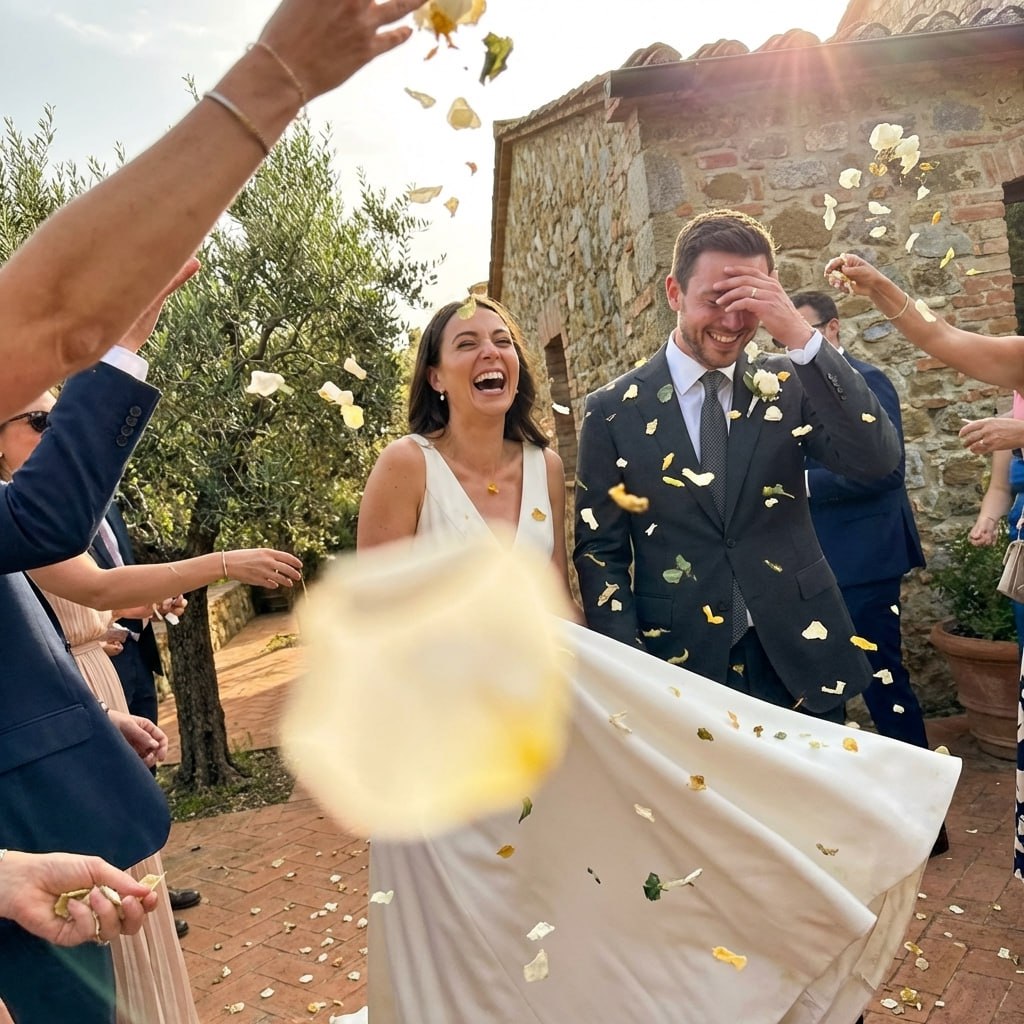
Fear fades. The memories last forever.
Guests scan a QR at each table and their photos land in one shared album automatically. You just show up and say yes.
From Mom
Scan to join the album
No app, no account
UPLOADING
Saving your moment
THE ALBUM
Emma & Jack
June 21, 2026
647 photos · 95 guests
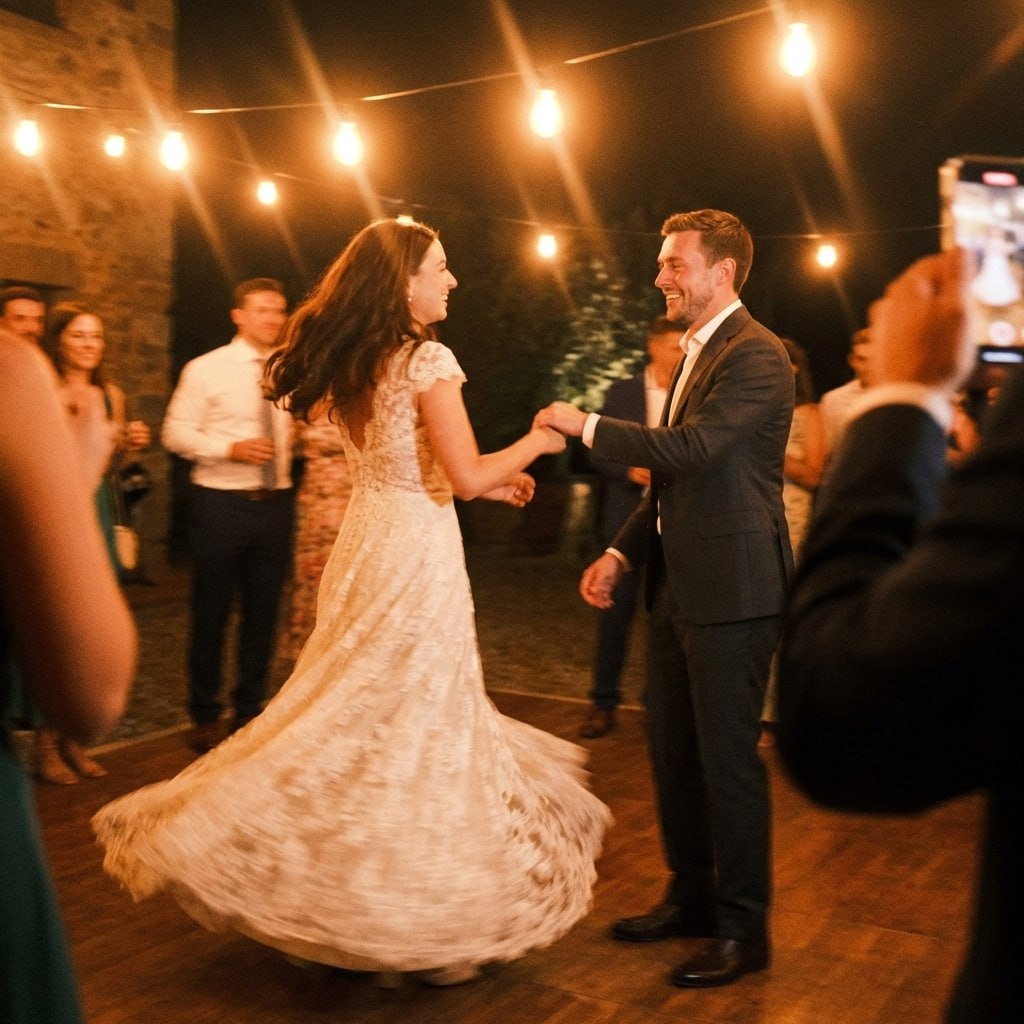

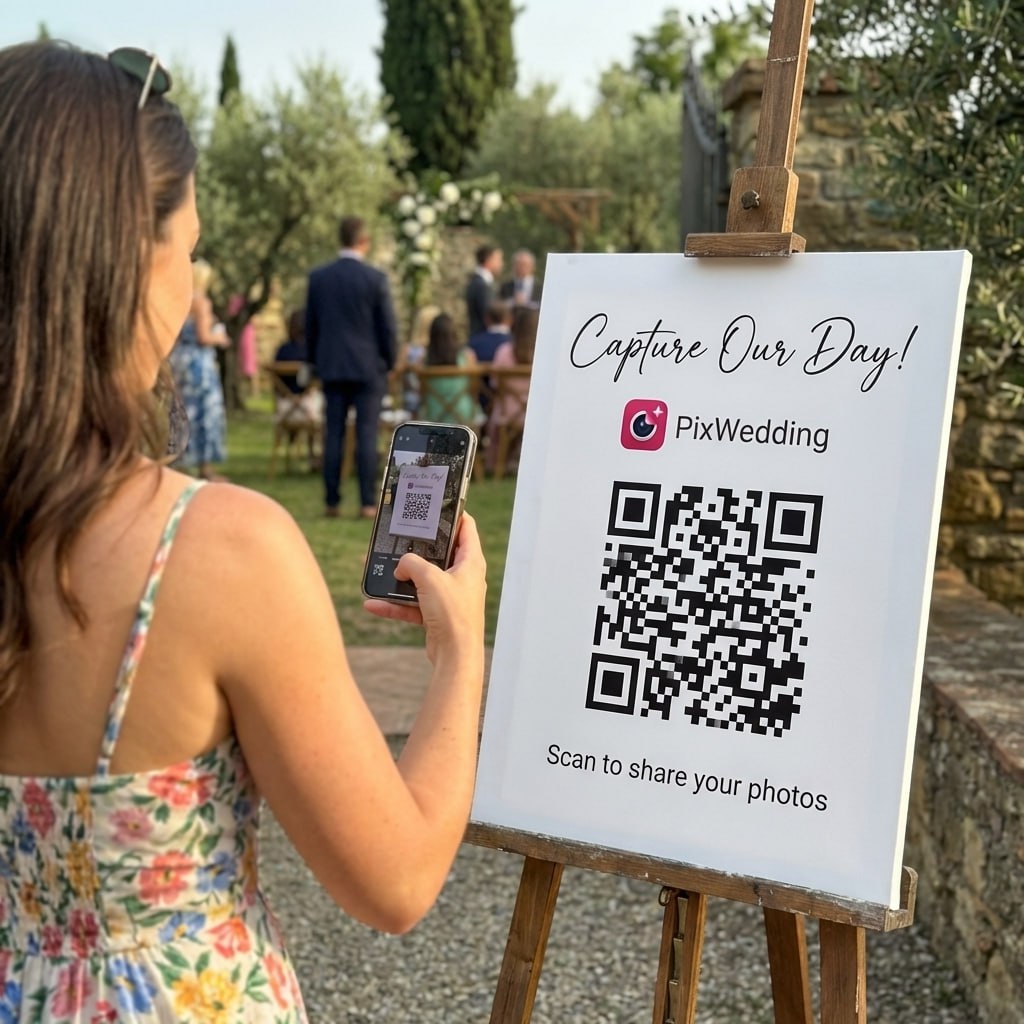
SCAN TO TRY
pix.wedding/
your-wedding
Why Being Scared of Marriage Does Not Mean You Should Not Get Married
There is a common misconception that if you are truly in love, marriage should feel effortless and exciting. But real love is not the absence of fear. Real love is choosing to move forward despite the fear because the person standing next to you is worth it.
Many of the happiest married couples will tell you they were terrified before their wedding. The difference between them and the people who walked away is not that they felt less fear. It is that they understood their fear, talked about it, and decided the relationship was bigger than the anxiety.
- •Fear of commitment is one of the most common relationship challenges
- •It often has roots in childhood experiences and attachment patterns
- •Therapy and honest communication are the most effective treatments
- •Many people who feel scared before marriage report deep happiness afterward
- •The fear usually peaks before the wedding and decreases significantly after
The Role of Past Experiences in Marriage Fear
If you grew up watching an unhappy marriage, experienced a painful breakup, or have been betrayed in a past relationship, your brain has learned to associate intimate commitment with pain. This is not irrational. Your brain is trying to protect you based on past data.
The work is in teaching your brain that this relationship is not those relationships. That this person is not that person. That your past does not have to be your future. This kind of rewiring takes time and often benefits from professional guidance, but it is absolutely possible.
How to Move Forward When Marriage Scares You
Moving forward does not mean ignoring your fear. It means integrating it. Acknowledge that you are scared. Understand why. Talk to your partner honestly about what you need. Get professional support if the fear feels bigger than you can handle alone.
And give yourself grace. There is no deadline for feeling ready. Whether it takes you three months or three years to work through your feelings, the right partner will understand and wait. If they cannot, that tells you something important too.
Explore more free wedding tools
Everything you need to make your wedding day stress-free and unforgettable.
QR Sticker Designer
Design custom print-ready stickers.
Photo Sharing QR
The best way to collect guest photos.
Hashtag Generator
Create unique wedding hashtags.
How to Collect Guest Photos
5 methods ranked by participation rate and ease.
Get Photos After the Wedding
Message templates to gather guest photos post-wedding.
Share Wedding Photos with Guests
Compare every sharing platform by ease and participation.
Best Way to Get Guest Photos
The single method with the highest participation rate.
How to Make a Shared Wedding Album
Step-by-step setup for every platform.
Frequently Asked Questions
Everything you need to know about our free tools and how they help your wedding day.
Completely normal. Marriage is one of the biggest commitments a person can make, and feeling fear around it is a sign that you understand the weight of that decision. Fear does not mean you should not get married. It means you are taking it seriously.
Start by identifying what specifically scares you. Is it the permanence? The vulnerability? Losing your independence? Past experiences? Once you name the fear, you can address it. Talk to your partner, consider therapy, and give yourself time to work through it without pressure or judgment.
Common reasons include fear of losing your identity, fear of repeating your parents' mistakes, past relationship trauma, general anxiety about the future, fear of vulnerability, or fear of making the wrong decision. Often, it is a combination of several of these factors.
Absolutely. Many happily married people were scared before their wedding. What matters is not whether you felt fear, but whether you addressed it honestly and moved forward with self-awareness. Pre-wedding fear does not predict marital unhappiness.
It depends on what you are scared of. If your fear is about the size of the commitment, general anxiety, or the wedding event itself, those are normal fears that most people work through. If your fear is about your partner specifically, about trust issues, incompatibility, or feeling unsafe, you should address those concerns before moving forward.
You may not eliminate the fear entirely, and that is okay. The goal is to understand it, reduce its power, and make a conscious decision despite it. Practical steps include therapy, honest conversations with your partner, journaling, learning about attachment styles, and setting a timeline that allows you to work through your feelings without pressure.