
Having Doubts Before Your Wedding? Here Is What They Mean at Every Stage
Doubts 6 months out mean something different from doubts the night before. This guide breaks down what is normal at every stage and gives you the one question that clarifies everything.
The One Question That Changes Everything
"Am I doubting THIS PERSON, or am I doubting THIS EVENT?"
If your doubt is about the wedding (the stress, the attention, the logistics, the money), that is event anxiety. It is temporary and manageable. If your doubt is about your partner (their character, your compatibility, your trust in them), that is a relationship concern. It deserves serious, honest exploration.
Doubting the event looks like:
"I wish we had eloped"
"I hate being the center of attention"
"This is costing too much money"
"I am exhausted from planning"
"What if something goes wrong on the day?"
Doubting the person looks like:
"I do not trust them with money"
"We want fundamentally different things"
"I feel controlled or dismissed"
"I keep hoping they will change"
"I feel more like myself when they are not around"
Doubt at Every Stage: What Is Normal
6+ months before
At this stage, doubts are usually about the big picture. Am I ready for this? Did I date enough people? Are we compatible long-term? These questions are common because the wedding still feels abstract and the commitment feels huge.
What to do: This is a great time for couples counseling. You have months to work through these feelings without time pressure. Use this window to explore your doubts thoroughly.
3 to 6 months before
Doubts at this stage are often entangled with planning stress. You are deep in logistics, making big financial decisions, and navigating family dynamics. It can be hard to separate "I doubt this wedding" from "I hate planning this wedding."
What to do: Take a full week off from planning. If the doubt lifts when the stress lifts, it is planning-related, not relationship-related. If it persists even during relaxed, connected time with your partner, pay attention to that.
1 month to 1 week before
This is peak anxiety territory. Deposits are paid, invitations are out, everything feels final. Doubts at this stage are often driven by the irreversibility of it all. Your brain is running worst-case scenarios because the stakes feel impossibly high.
What to do: Talk to your partner or a therapist. This close to the wedding, do not make major decisions based on panic alone. Use grounding techniques and breathing exercises to manage the acute anxiety. Most people report that these feelings resolve dramatically once the ceremony begins.
The night before or day of
Day-of doubts are almost always nerves, not genuine red flags. Your body is flooded with adrenaline and cortisol. You probably did not sleep well. You are about to stand in front of everyone you know. This is your nervous system reacting to an extremely high-stimulation event.
What to do: This is where your calm-down plan activates. Breathe. Ground yourself. Read your partner's letter. Talk to your designated calm-down person. Remember: the doubt will likely vanish the moment you see your partner at the altar.
Why Last-Minute Doubts Are Usually Just Nerves
The closer you get to the wedding, the more your brain starts catastrophizing. This is not a character flaw. It is a well-documented psychological phenomenon called "commitment response." When faced with an irreversible decision, the brain floods you with every possible reason to back out. It is a survival mechanism.
The irony is that the intensity of the doubt often has nothing to do with its validity. Day-before doubt feels ten times more intense than three-month-out doubt, but it is usually less meaningful. It is driven by adrenaline, not by genuine new information about your relationship.
If nothing has fundamentally changed about your relationship and the doubt appeared only because the wedding is imminent, it is almost certainly nerves. Your brain is trying to protect you from the unknown, not warn you about the person standing next to you.
Related Guides

First dance
You guys!!
The day itself will feel different from the worry.
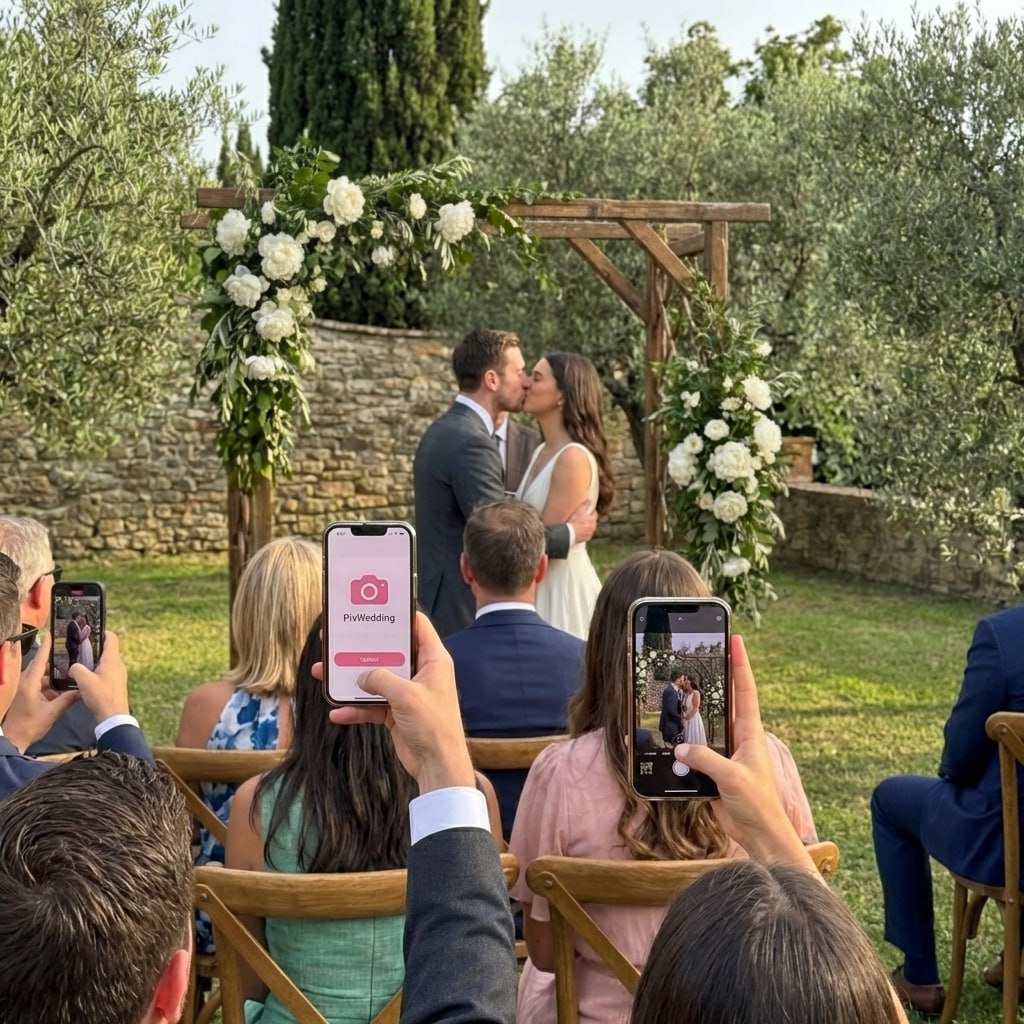
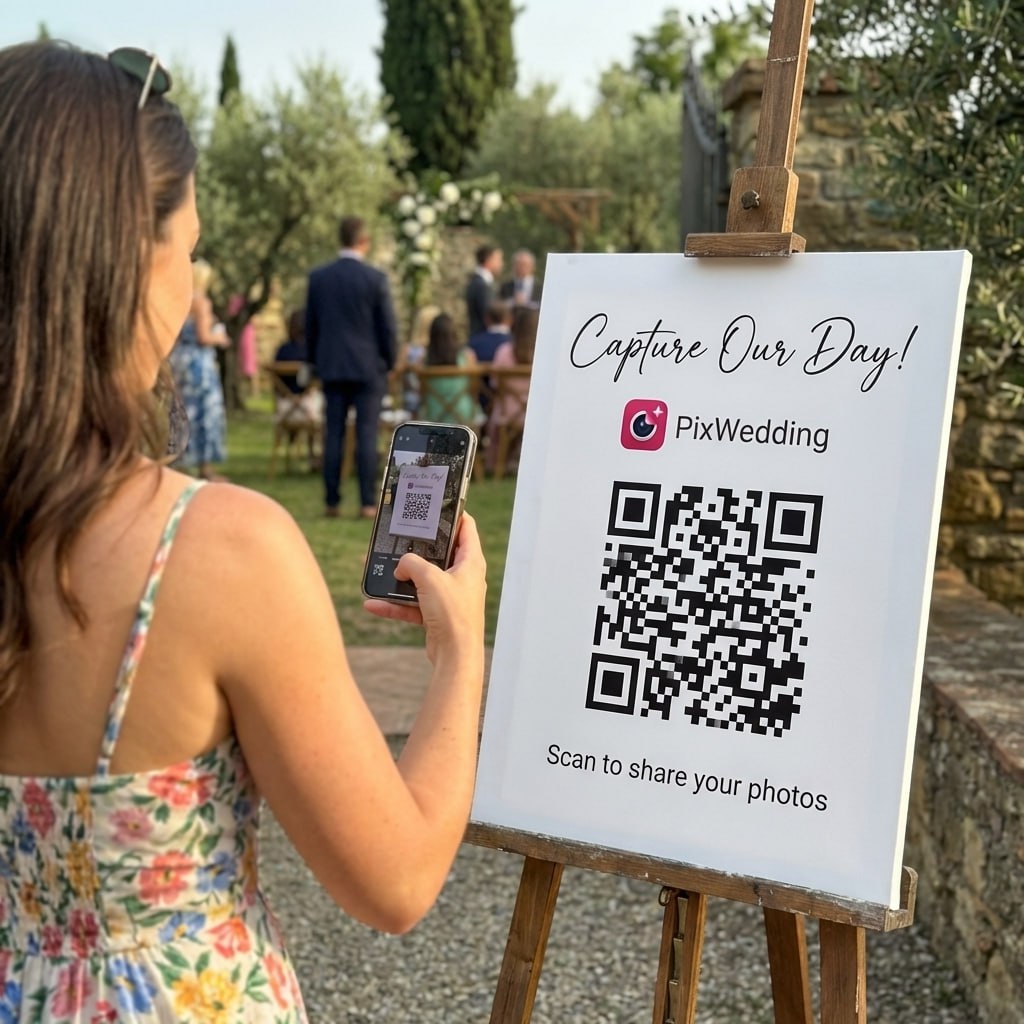
Guests scan a QR at each table and their photos fill your shared album in real time. Let go of the logistics and be fully in the moment.
From Mom
Scan to join the album
No app, no account
UPLOADING
Saving your moment
THE ALBUM
Emma & Jack
June 21, 2026
647 photos · 95 guests




SCAN TO TRY
pix.wedding/
your-wedding
The Psychology of Pre-Wedding Doubt
Pre-wedding doubt is rooted in a psychological concept called 'anticipated regret.' Your brain is trying to protect you from making an irreversible mistake by generating every possible worst-case scenario. The closer the event, the louder the alarm bells ring, not because the danger is real, but because the finality is real.
This is the same mechanism that makes people nervous before buying a house, accepting a job offer, or having a child. Any irreversible decision triggers the brain's risk-assessment system. Understanding this mechanism helps you depersonalize the doubt. It is not your intuition sounding an alarm. It is your amygdala doing its job.
- •Pre-wedding doubt is a form of anticipated regret, a universal psychological response
- •The intensity of doubt often inversely correlates with its significance
- •New information about your partner warrants attention; old fears amplified by stress do not
- •Most people who experience last-minute doubt report happiness after the wedding
How to Know If Your Doubts Deserve Action
Ask yourself three questions. First: Is this doubt new, or has it been present throughout the relationship? New doubt right before the wedding is usually nerves. Long-standing doubt that intensifies is worth exploring. Second: Can I point to specific, concrete concerns, or is it a vague feeling of unease? Vague unease is typically anxiety. Specific concerns deserve specific conversations.
Third: When I am calm, rested, and connected with my partner, does the doubt persist? If it vanishes during good moments and only appears during stress, it is stress-driven. If it lurks even when things are good, it may be pointing to something real. These three questions will not give you a definitive answer, but they will help you understand what you are actually dealing with.
Explore more free wedding tools
Everything you need to make your wedding day stress-free and unforgettable.
QR Sticker Designer
Design custom print-ready stickers.
Photo Sharing QR
The best way to collect guest photos.
Hashtag Generator
Create unique wedding hashtags.
How to Collect Guest Photos
5 methods ranked by participation rate and ease.
Get Photos After the Wedding
Message templates to gather guest photos post-wedding.
Share Wedding Photos with Guests
Compare every sharing platform by ease and participation.
Best Way to Get Guest Photos
The single method with the highest participation rate.
How to Make a Shared Wedding Album
Step-by-step setup for every platform.
Frequently Asked Questions
Everything you need to know about our free tools and how they help your wedding day.
Yes, it is very common. The closer the wedding gets, the more the brain's risk-assessment system kicks in. Last-minute doubts are usually driven by the finality of the commitment and the stress of the event, not by genuine problems with the relationship. Most people report that the doubt fades as soon as the ceremony begins.
Cold feet is event-based: you are nervous about the wedding, the attention, the commitment. It comes in waves and fades when you are relaxed and connected with your partner. Real doubt is person-based: you have specific, persistent concerns about your partner or the relationship that do not go away, even during good times.
Do not make that decision in a moment of panic. Talk to a therapist or trusted advisor first. Use the framework: Am I doubting the event or the person? If your doubts are about the event and stress, they will likely resolve. If they are persistent, specific concerns about the relationship, explore those with professional guidance before making a decision.
Very common. Research suggests that close to half of all engaged people experience meaningful doubts at some point before the wedding. The closer to the date, the more intense the anxiety can feel. The intensity of the feeling does not necessarily reflect its significance.
At one week out, doubts are typically at their peak because the wedding feels imminent and irreversible. Talk to your partner or a therapist. Use grounding techniques if anxiety is severe. Ask yourself the key question: Am I doubting this person or this event? In most cases, one-week-out doubts are nerves, not signals to cancel.
Not necessarily. Doubts are information, not a verdict. What matters is the type of doubt, whether it is about the event or the person, whether it is new or longstanding, and whether it persists during calm, connected moments. Many happily married couples had significant doubts before their wedding. The key is addressing them honestly rather than ignoring or catastrophizing them.