
Cold Feet Before Engagement? Here Is How to Know If You Are Ready
Feeling nervous before taking the biggest step of your life does not mean something is wrong. It often means you are taking it seriously.
Why Pre-Engagement Cold Feet Is Different
Yes, cold feet before engagement is common, and on its own it is not a red flag. You are not engaged yet, so what you are feeling is not wedding-day jitters or an already-made commitment you are questioning. It is the weight of a decision you have not made yet: should I take this step with this person, right now? That kind of hesitation is a normal part of thinking carefully about a permanent choice, not a sign the relationship is broken.
Most articles about cold feet focus on the period right before a wedding that is already planned. What you are dealing with is earlier and, in some ways, more raw. There is no venue booked, no deposit paid, no date on the calendar. You are deciding whether to commit at all, which is exactly why the anxiety can feel so big: it is attached to a real, open decision instead of a plan that is already in motion.
This kind of nervousness is often a sign of emotional intelligence, not a warning sign. People who think carefully before making life-altering decisions tend to make better ones. The more useful question is not "should I feel this way?" but "what is this anxiety actually trying to tell me, and is it about the relationship, the timing, or the size of the decision itself?"
Signs You Are Ready to Get Engaged
You choose them daily
You actively choose this person every day, not out of obligation or habit, but because they make your life better and you make theirs better too.
You can have hard conversations
You have navigated disagreements, talked about finances, discussed life goals, and come out stronger. Conflict does not feel like a threat to your relationship.
You see a shared future
When you picture your life in 5, 10, or 20 years, they are in it. Not because you cannot imagine anything else, but because you genuinely want them there.
You have grown together
You have both changed and evolved since you started dating, and those changes have brought you closer rather than further apart.

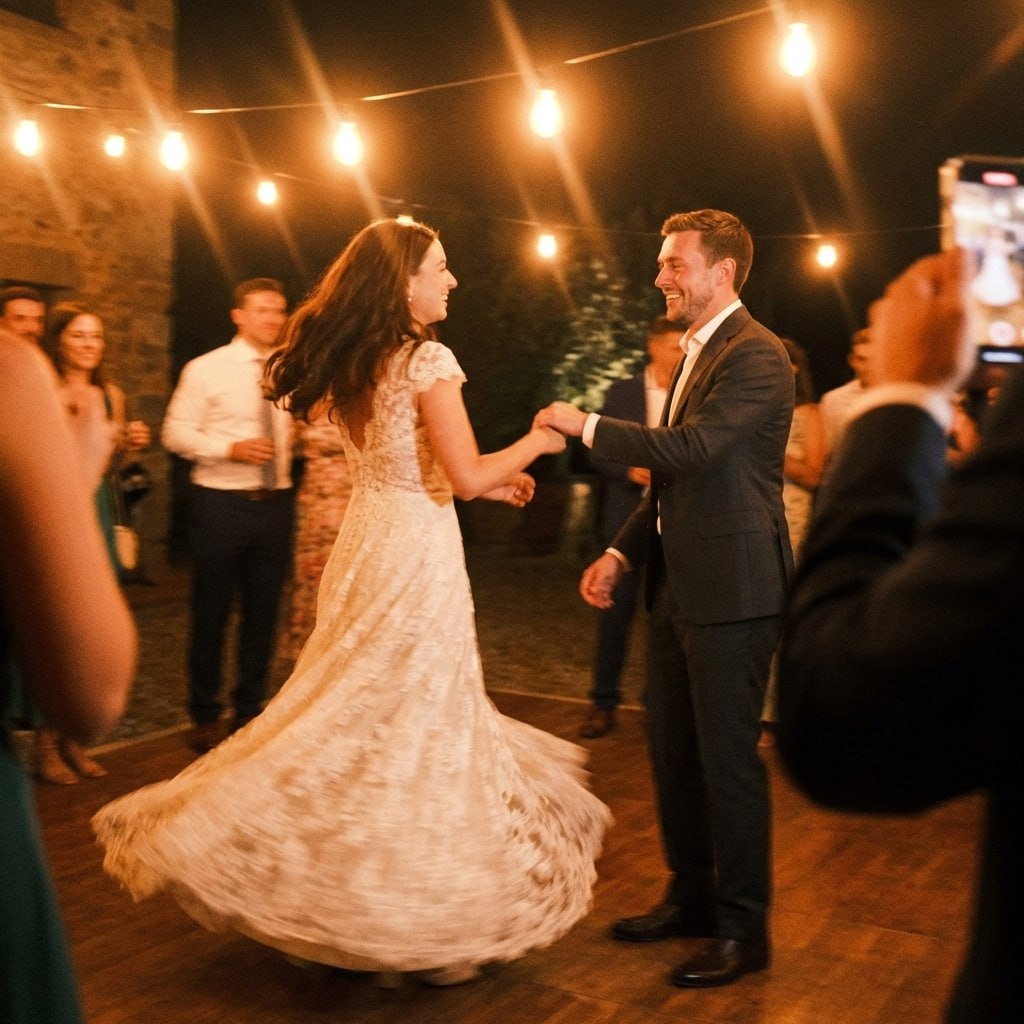
First dance
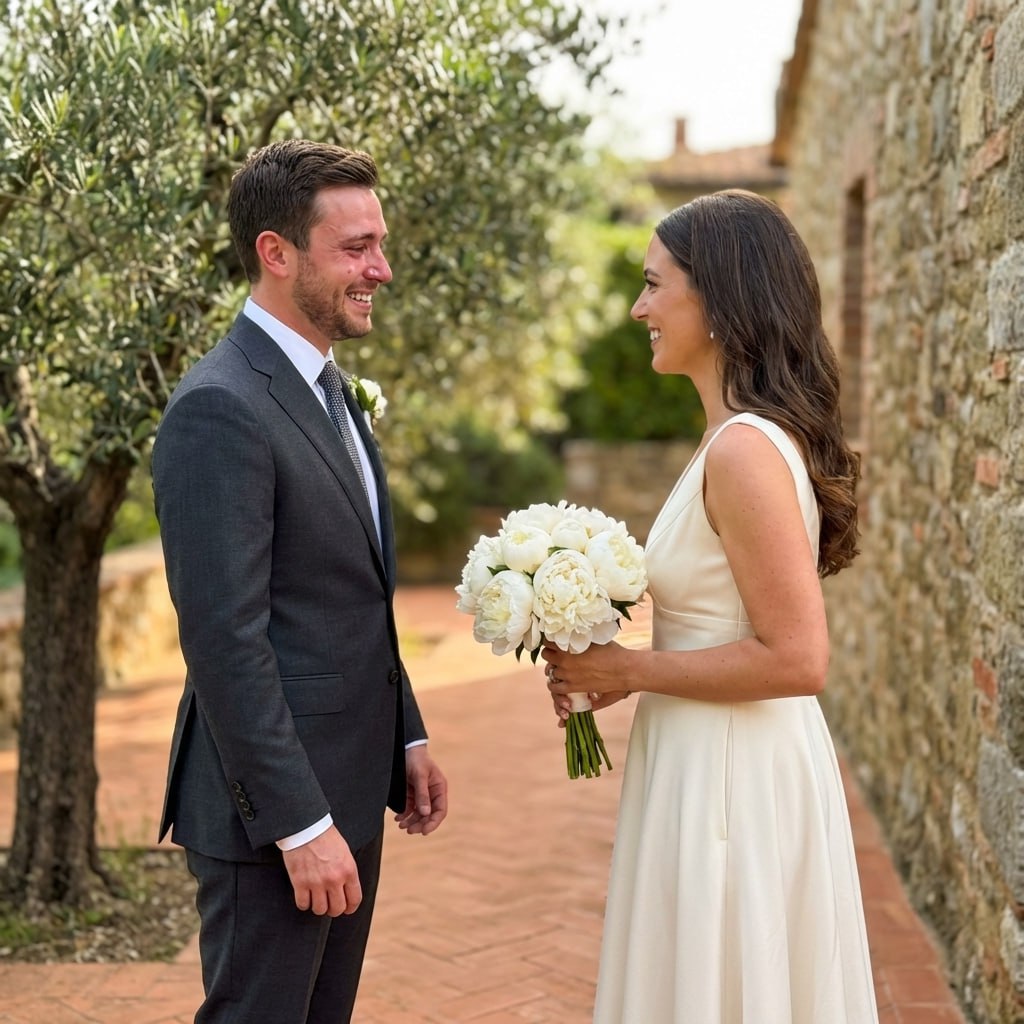
You guys!!
Whatever you decide, capture it without the chase.
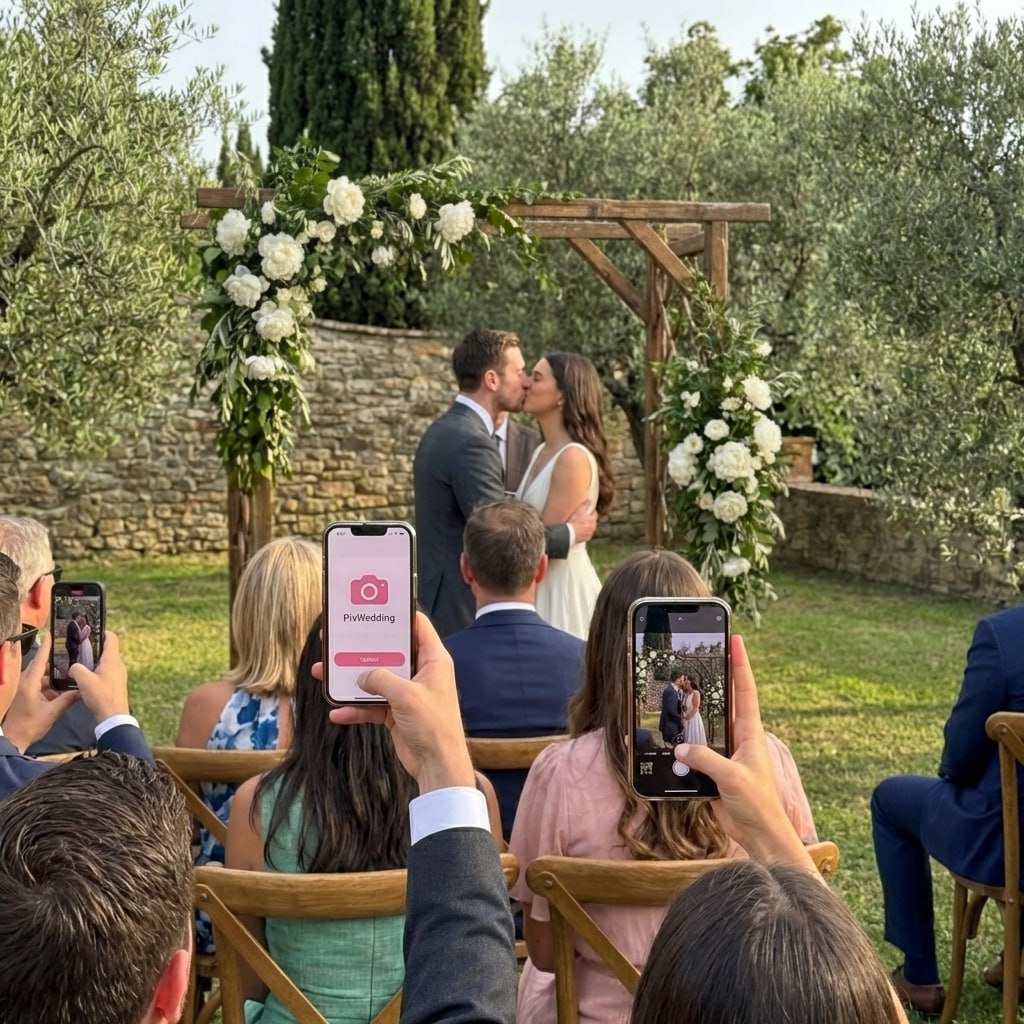
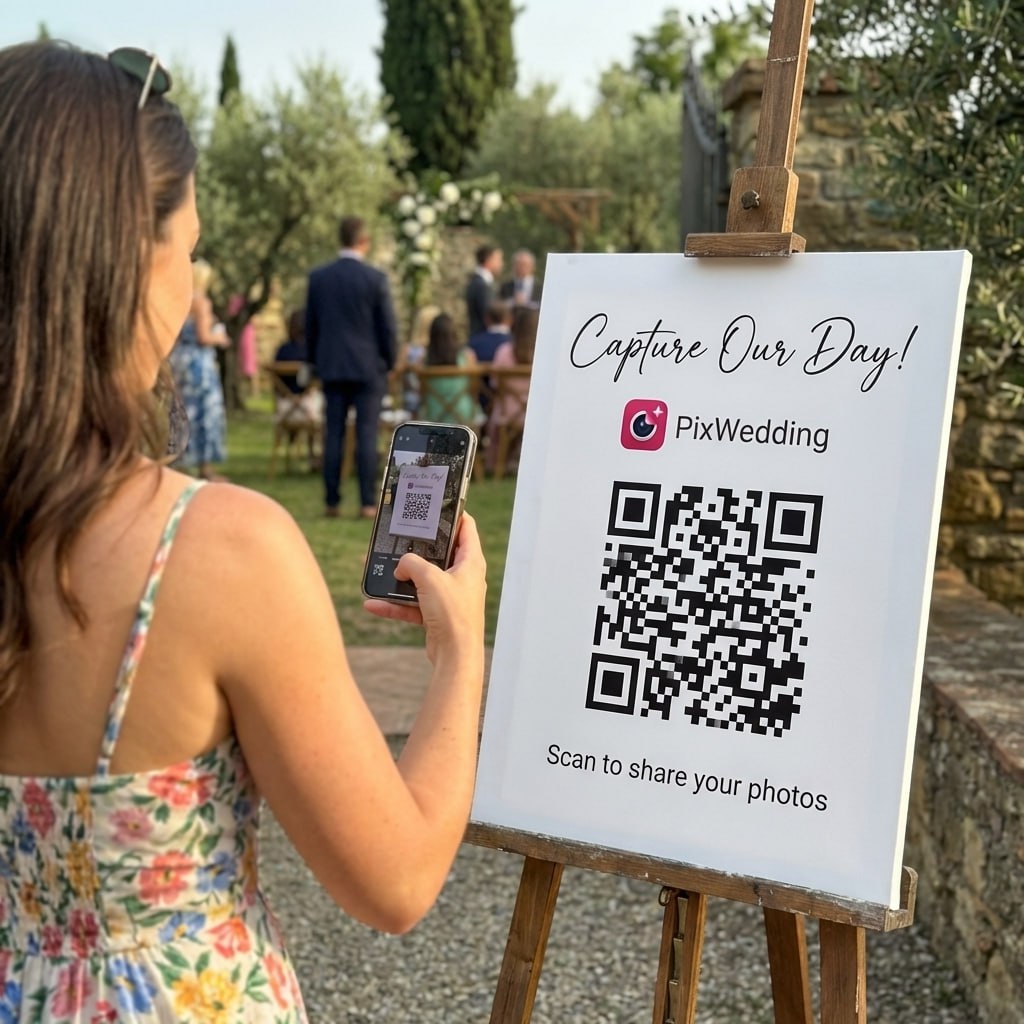
When you do get engaged, Pix Wedding gives every guest a QR code so their photos land in one shared album automatically, from the reveal dinner to the wedding itself.
From Mom
Scan to join the album
No app, no account
UPLOADING
Saving your moment
THE ALBUM
Emma & Jack
June 21, 2026
647 photos · 95 guests




SCAN TO TRY
pix.wedding/
your-wedding
The Pre-Proposal Readiness Decision Tree
This is not a test with a pass or fail grade. It is a way to organize a tangled feeling into four separate questions, one at a time, so you can see what your hesitation is actually pointing at.
When you picture the proposal, is the fear about the moment itself, or about spending your life with this specific person?
About the moment (the ring, the timing, the logistics)
That is ordinary performance anxiety about an event, not doubt about the relationship. Continue to Step 2.
About this specific person and the "forever" part
That is worth slowing down for. A very honest conversation with your partner, or time with a licensed therapist, can help you understand what is underneath it before you move forward.
Is the pull to get engaged coming from inside the relationship, or from a timeline you did not choose (your age, a friend group, family expectations)?
It is coming from you and your partner, genuinely
That is a good sign. Continue to Step 3.
It is mostly coming from outside pressure
Pressure and readiness are not the same thing. Try separating "I want this now" from "everyone expects this now" before deciding anything.
Have you had real conversations about money, family, kids, and where you would live, and did those conversations feel safe rather than avoided?
Yes, and it felt like a real conversation
That is a strong readiness signal. Continue to Step 4.
No, or the topics keep getting sidestepped
Have those conversations first. A lot of pre-engagement cold feet comes from unresolved unknowns, not from the relationship itself.
When you genuinely imagine not being with this person anymore, what is the first feeling: dread and loss, or relief?
Dread, loss, or a pull back toward them
That is one of the clearest signals of readiness available to you. Your cold feet is very likely ordinary nerves about a big, permanent decision.
Relief, or a quiet sense of freedom
That deserves real reflection before moving forward, ideally with a licensed couples or individual therapist rather than working through it alone.
This decision tree is a reflection tool, not a diagnosis. If your hesitation is persistent, getting worse over time, or leaving you feeling stuck for weeks or months, that is worth bringing to a licensed couples or individual therapist rather than working through alone.
Is It Readiness, or Is It Pressure?
A lot of pre-engagement cold feet is not about the relationship at all. It is a timeline that someone else set, showing up as doubt. These prompts are designed to separate the two.
If nobody else you knew was getting engaged this year, would you still want to move forward on your own timeline?
Comparison is one of the loudest, least reliable inputs into a decision this personal.
When you picture telling your family "not yet," what are you actually afraid of, their reaction or your own doubt?
Sometimes the fear is about disappointing people, not about the relationship itself.
What age or number is driving the pressure you feel, and where did that number actually come from?
Most timeline pressure traces back to a specific person, post, or comment, not to evidence about your relationship.
If the outside pressure disappeared completely tomorrow, what would you actually want next: more time, more clarity, or to move forward?
Removing the pressure in your imagination is a fast way to find your real answer.
Whose voice is loudest in your head right now: yours, your partner's, or everyone else's?
Notice if the loudest voice belongs to someone who is not actually in the relationship.
Have you and your partner ever talked about the timeline directly, or has it only lived in your own head?
A private worry and a shared conversation are two very different things. Only one of them can be resolved alone.
Family pressure, an age you set for yourself years ago, or a friend's recent engagement post are all real feelings, but none of them are evidence about your specific relationship. It is worth naming them out loud, even just to yourself, so they stop masquerading as doubt.
What Tends to Matter Before Getting Engaged
There is no universal number of months or years that makes a couple "ready." According to The Knot's 2024 Jewelry and Engagement Study, about 30% of engaged couples had dated two years or less, 53% had dated two to five years, and 17% had dated six or more years before getting engaged. The range is wide because the calendar is not really what predicts readiness. What tends to matter more is whether you have actually been through these milestones together, regardless of how long it took to get there.
Navigated a real conflict together and repaired it, rather than just avoiding it until it faded
Talked openly about money: debt, spending habits, saving goals, and how you would handle finances together
Discussed whether and when children fit into the picture, and what happens if you do not fully agree
Met each other's families and seen how you each show up in that context, good days and hard days
Been through at least one hard season together, a job loss, an illness, a move, or a loss, and stayed a team
Talked about where you would live and whose career, family, or city takes priority and when
Feel safe being fully yourself, including on a bad day, without performing a "good partner" version of you
Can disagree with each other without either of you fearing the relationship itself is now at risk
Duration is not meaningless, though. A widely cited Psychology Today summary of an Emory University study found that couples who dated one to two years before marriage had about a 20% lower likelihood of divorce than those who dated less than a year, and couples who dated three or more years had about a 50% lower likelihood. The same research found that simply feeling you knew your partner "very well" at the time of commitment predicted equally strong outcomes, which suggests depth of understanding matters at least as much as time on the calendar.
How Pre-Engagement Cold Feet Can Show Up
Every situation below is an illustrative composite, not a real couple or a real story. They are here to show how differently the same feeling, "I am not sure I am ready," can play out depending on where it actually comes from.
A composite, illustrative example
Together three years, hesitating for six months
In this kind of common pattern, someone loves their partner, has a genuinely good relationship, and still freezes every time the word "engaged" comes up. The hesitation traces back to watching a parent go through a difficult divorce, not to anything happening in the current relationship. Naming that source out loud, in therapy and with a partner, is often what allows the fear to separate from the actual decision at hand.
Sometimes cold feet is inherited fear from a past you witnessed, not a signal about the person in front of you.
A composite, illustrative example
Together eighteen months, family asking constantly
In a pattern like this, a couple feels completely ready internally, but every family gathering brings a version of "so, when is it happening?" The pressure starts to feel like doubt, even though nothing about the relationship has changed. Once the couple names the outside pressure as its own separate thing, the internal hesitation they thought they were feeling largely disappears.
External pressure can imitate internal doubt closely enough that it takes real reflection to tell them apart.
A composite, illustrative example
Together four years, avoiding a specific conversation
In this kind of situation, the couple has never actually discussed whether they both want children. The topic gets deflected every time it comes close to the surface. The cold feet is not vague. It is a very specific, unresolved unknown wearing the costume of general anxiety. Once the conversation finally happens, the couple either finds agreement and relief, or discovers a real difference worth working through before any proposal.
Specific, avoided topics often produce hesitation that feels general until you name the exact thing being avoided.
Signs You Might Not Be Ready Yet
Being "not ready yet" does not mean "never." It might mean you need more time, more conversations, or professional guidance before taking this step. None of these are reasons to panic, but they are worth paying attention to.
You are hoping they will change a fundamental part of who they are after you get engaged
You feel pressured by a timeline (age, family expectations, friends getting engaged) rather than genuinely excited
You avoid talking about the future because it creates anxiety or arguments
You find yourself fantasizing about a completely different life without them
The relationship has unresolved issues you both keep sweeping under the rug
You feel more relief when they are not around than when they are
Quick Reference: Normal Nerves vs Worth a Closer Look
Use this as a fast gut check, not a verdict. Most people find their feelings sit mostly in one column, with one or two items from the other.
Usually ordinary nerves
Fear centers on the proposal event or the wedding itself, not the person
You can picture your future together and it feels good, just big
You have had hard conversations before and came out closer
The anxiety comes in waves, not as a constant, flat dread
Outside pressure (family, timeline, comparison) is part of what you feel
Worth exploring further
The doubt is specifically about this person's character or how they treat you
You avoid talking about the future because it creates conflict
You feel more relief than warmth when they are not around
Unresolved issues keep resurfacing without ever getting addressed
The feeling is constant, growing, and not improving with conversation
The Fear of Proposing (or Saying Yes)
If you are the one proposing
The fear of proposing often has less to do with your partner and more to do with the weight of the gesture. What if the timing is wrong? What if the ring is not right? What if they say no? These fears are about the event, not the relationship. If you are confident in the relationship but terrified of the proposal itself, focus on having an honest conversation about your future together. Many couples discuss engagement before the proposal happens.
If you are afraid to say yes
Knowing your partner is going to propose and feeling uncertain about saying yes is uniquely difficult. You love them, but the permanence of the commitment feels overwhelming. Ask yourself: Is your hesitation about this specific person, or about the concept of lifelong commitment in general? If it is the latter, that is something you can work through. If it is the former, that deserves honest exploration before moving forward.
How to Talk to Your Partner About Your Feelings
One of the hardest parts of pre-engagement anxiety is feeling like you cannot talk about it. You worry that admitting doubt will hurt your partner or damage the relationship. But the opposite is true: couples who can have honest conversations about difficult feelings are the ones who build lasting marriages.
Pick the right moment
Choose a calm, private setting when neither of you is stressed or distracted. Not during an argument, not right before bed, and not in public.
Lead with love
Start by affirming what you love about the relationship. Make it clear this conversation is about growing together, not pulling apart.
Be specific about your feelings
Instead of "I am not sure about this," try "I feel anxious about the timeline and I want to understand why before we take the next step."
Listen to their perspective
Your partner might have their own timeline concerns, fears, or hopes. This should be a dialogue, not a monologue.
Agree on next steps together
Maybe you need more time. Maybe you need couples counseling. Maybe this conversation is all you needed. Whatever it is, decide together.
A Quick Glossary of Terms You Might Be Reading Elsewhere
If you have been searching around this topic, a few terms tend to come up repeatedly. Here is what they actually mean, in plain language.
Cold feet
Situational anxiety or hesitation that shows up before a specific, high-stakes decision, such as a proposal, wedding, or major commitment. It is common and does not by itself indicate the decision is wrong.
Commitment ambivalence
Holding both a genuine desire for commitment and a genuine fear of it at the same time. Very common, and different from not wanting the relationship at all.
Timeline pressure
The felt urgency to reach a milestone (engagement, marriage, children) driven by age, family expectations, or peer comparison rather than by the relationship's own readiness.
Readiness signal
A specific, observable pattern in the relationship (safe conflict, shared future planning, mutual growth) that tends to correlate with healthy long-term commitment, as opposed to a vague feeling.
Analysis paralysis
Overthinking a decision so thoroughly that every option, including staying exactly where you are, starts to feel equally risky. A structured exercise like the decision tree above is often more useful here than more solo thinking time.
If You Do Get Engaged: What Couples Wish They Had Set Up First
Whatever your decision, it is worth knowing what tends to trip people up in the days right after a proposal, separate from the anxiety you are working through now. The reveal moment, the family dinner, the first celebration with friends, all of it happens fast, and everyone in the room ends up with their photos scattered across different phones. Most couples do not think about this until they are already asking a dozen people to text them pictures a week later.
A single QR code at the celebration lets every guest upload straight to one shared album as it happens, no group chat, no app download, no chasing anyone afterward. It is a small, practical thing to have ready, whether that celebration is next month or a couple of years from now. Pix Wedding's engagement party photo sharing works the same way the wedding-day version does, and if you do move forward, the wedding day timeline builder is there for when planning actually starts.
Related Guides
Wherever this decision leads, the moment deserves to be kept
No pressure either way. But if a proposal, a reveal dinner, or a wedding is in your future, Pix Wedding makes sure every guest photo actually reaches you.
See How It WorksUnderstanding Cold Feet Before Getting Engaged
Cold feet before engagement is fundamentally different from wedding-day jitters. When you have not yet made the commitment, the anxiety is about the decision itself. You are weighing one of the biggest choices of your life, and feeling uncertain about that is not just normal, it is reasonable.
What matters most is not whether you feel doubt, but whether you can work through it openly and honestly with your partner, and whether that doubt is about the relationship itself or about the size and permanence of the decision.
- •Pre-proposal hesitation is distinct from wedding-day nerves and from doubts that surface after a ring is already on
- •Couples who discuss their doubts openly tend to report stronger relationships long-term
- •Pre-engagement counseling is increasingly common and is not reserved for couples in crisis
- •Feeling nervous about a big, permanent decision is a sign of taking it seriously, not automatically a red flag
How to Move Forward When You Feel Stuck
If you have been in a holding pattern, unable to move forward but unwilling to walk away, you are not alone. Many people spend months or even years in this in-between space. The key is to stop treating engagement as a binary yes-or-no decision and start treating it as a process.
Give yourself permission to explore your feelings without pressure. Journal about what specifically scares you. Talk to a therapist, individually or as a couple. Read books about healthy relationships. The goal is not to eliminate all doubt, because that is unrealistic. The goal is to understand your doubt well enough to make an informed, confident decision.
When Professional Help Makes Sense
Pre-engagement counseling is not just for couples in crisis. It is a proactive step that helps you and your partner discuss expectations, values, and goals before you commit. Topics typically covered include finances, children, career priorities, family boundaries, and communication styles.
If your cold feet are persistent, if they are getting worse over time, or if they are connected to specific relationship issues that you have not been able to resolve on your own, a licensed couples therapist can provide the tools and framework you need to move forward with clarity. This is a note, not a diagnosis: only a licensed professional who knows your specific situation can tell you what your feelings mean.
Explore more free wedding tools
Everything you need to make your wedding day stress-free and unforgettable.
Seating Chart Planner
Plan your reception seating visually.
Guest List Manager
Track RSVPs and dietary needs.
Budget Allocator
Turn your total into a category-by-category plan.
Venues by State
Explore venues across all 50 states.
Countdown Timer
Count down the days to your big day.
Wedding Checklist
Month-by-month planning checklist.
Bachelorette Party Games
15+ games with rules, supplies, and timing.
Alternative to Wedding Guest Book
15 creative alternatives guests enjoy.
Frequently Asked Questions
Straight answers to the questions people ask most about this topic.
Yes, it is completely normal. Major life decisions naturally come with anxiety and second-guessing. The fact that you are thinking deeply about this commitment shows emotional maturity, not a problem with your relationship. Most people experience some degree of nervousness before engagement.
Ask yourself whether your anxiety is about the concept of lifelong commitment or about this specific person. If you love your partner, enjoy your life together, and can communicate openly, but the permanence of engagement feels overwhelming, that is normal nerves. If your doubt is specifically about your partner's character, values, or how they treat you, that deserves deeper exploration, and a licensed therapist can help you work through it.
In most cases, yes. Honest communication is the foundation of a healthy relationship. Frame it as wanting to work through your feelings together, not as a criticism of the relationship. Many couples find that having this conversation actually brings them closer and strengthens their bond.
There is no single right timeline. The Knot's 2024 Jewelry and Engagement Study found about 30% of engaged couples had dated two years or less, 53% had dated two to five years, and 17% had dated six or more years. What tends to matter more than the number of months is whether you have navigated real conflict, discussed finances and family, and seen each other through a hard season together.
Yes. Pre-engagement counseling helps couples discuss expectations, values, and potential areas of conflict in a structured, supportive environment. It is not a sign that something is wrong. It is a proactive step that gives both partners tools for a healthier future together.
Ask whether the urge to move forward is coming from you and your partner, or from a timeline set by family, friends, or your own age expectations. If the pressure disappeared tomorrow, would you still want to move forward, wait, or gain more clarity? Pressure and readiness can feel identical from the inside, but they point in very different directions.