
How to Write a Hilarious Wedding Speech: The Comedy Masterclass
Stand-up comedy techniques adapted for weddings, timing and pacing breakdowns, callback humor explained, roast boundaries, and exactly what to do when a joke gets silence.
Generate a Funny Speech with AI
First dance
You guys!!
The punchline should last longer than one night.
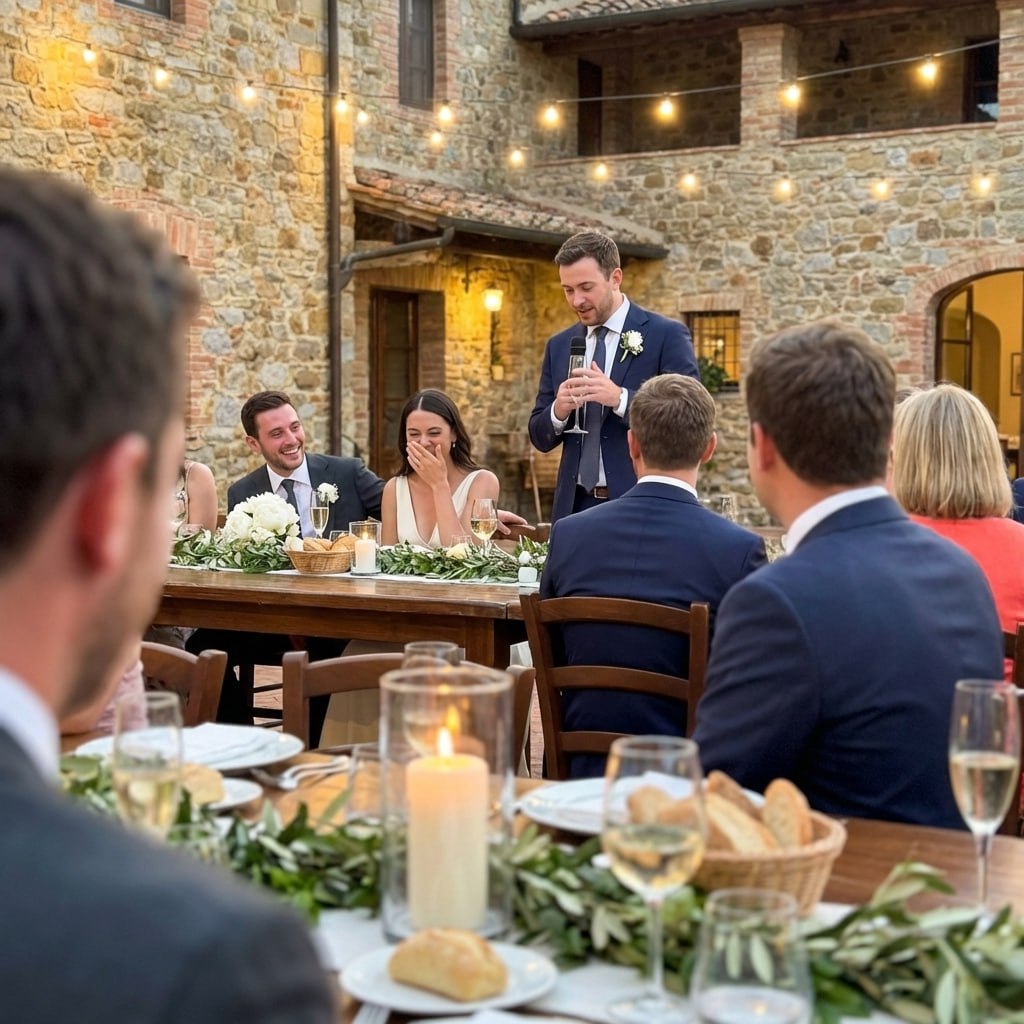
Pix Wedding stores guest photos, voice messages, and crowd reactions in one shared album, so the funniest speech moment is something the couple replays for years.
From Mom
Scan to join the album
No app, no account
UPLOADING
Saving your moment
THE ALBUM
Emma & Jack
June 21, 2026
647 photos · 95 guests
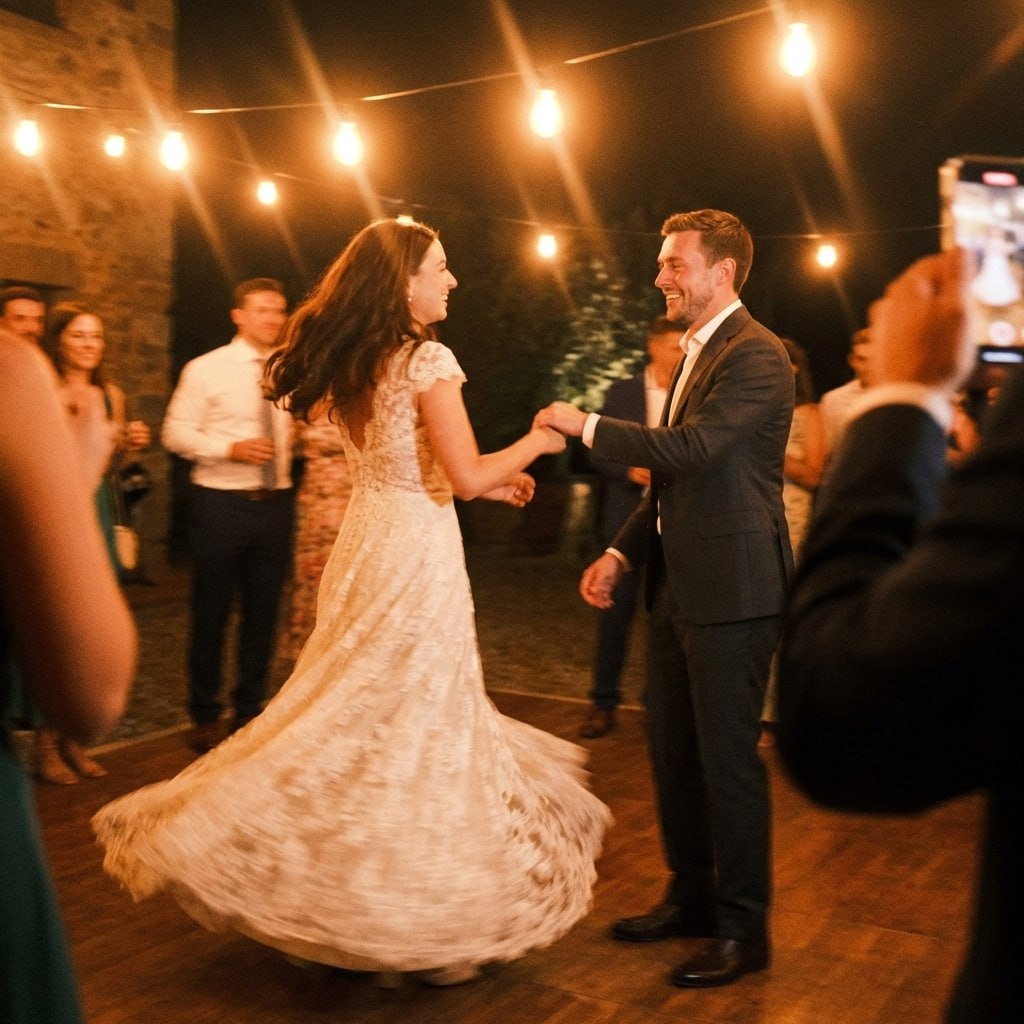
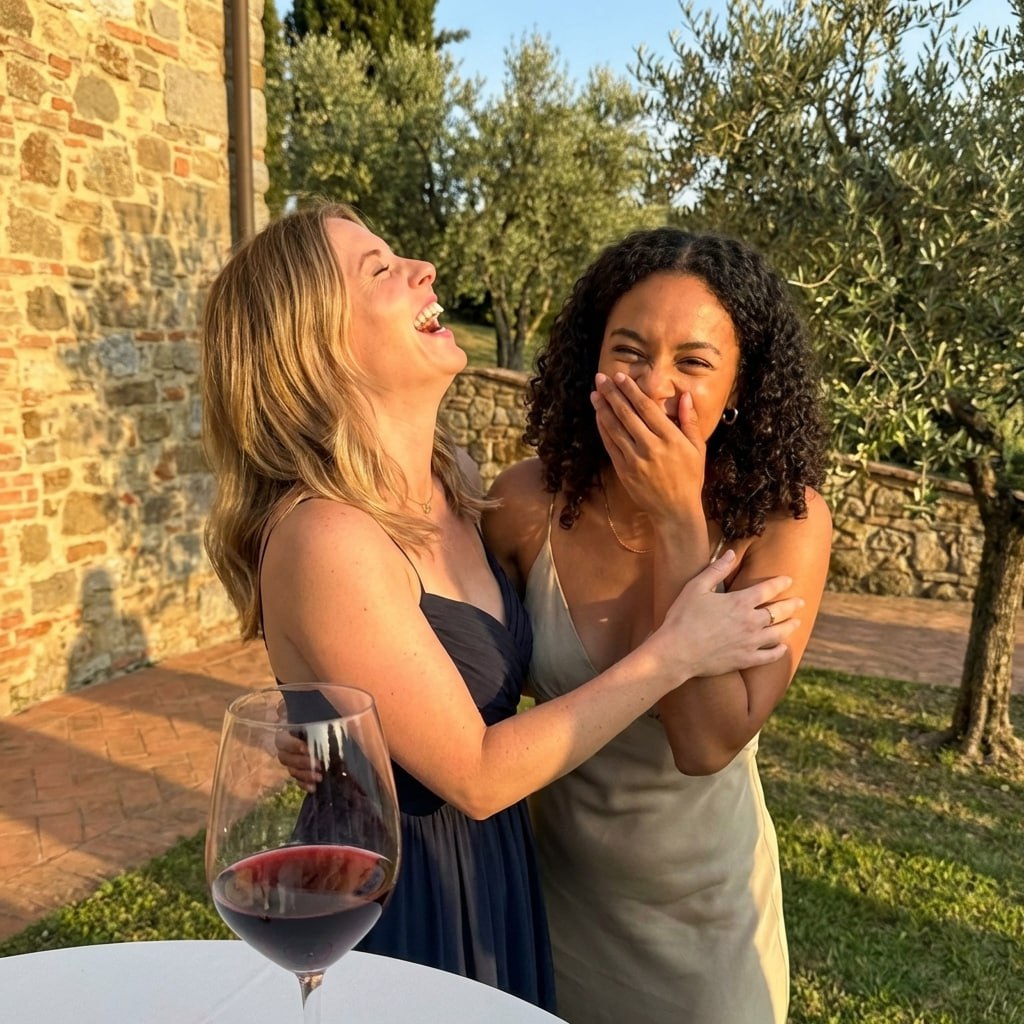
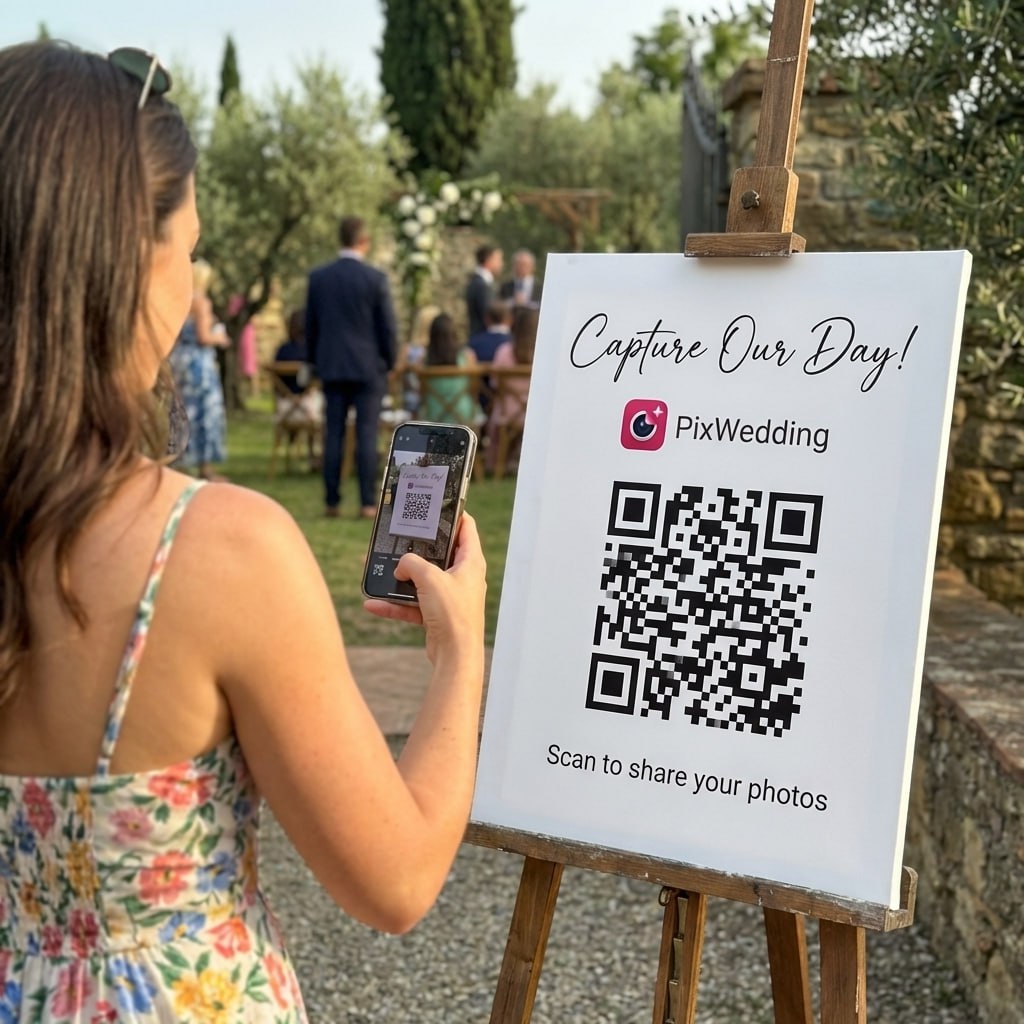
SCAN TO TRY
pix.wedding/
your-wedding
6 Stand-Up Comedy Techniques for Wedding Speeches
The Rule of Three
How it works
List three items where the first two establish a pattern and the third subverts it.
Example
"He is kind, he is generous, and he is completely incapable of parallel parking. We all have our limits."
Why it works
The brain expects pattern completion. Subverting the third element creates the cognitive surprise that produces laughter.
The Callback
How it works
Plant a reference early in the speech. Return to it unexpectedly near the end with a twist.
Example
Opening: "I was told this speech should be appropriate for everyone." Closing: "And on that note, I hope the children in the room found that educational."
Why it works
Callbacks reward the audience for paying attention. The recognition laugh is always bigger than the original setup laugh.
The Pivot
How it works
Start a sentence in an absurd or unexpected direction, then resolve it into a sincere statement.
Example
"I have spent 12 years trying to figure out what is wrong with him. I finally realized: absolutely nothing. That is genuinely terrifying."
Why it works
The misdirection creates a mini surprise, and the sincere resolution produces both laughter and warmth simultaneously.
The Act-Out
How it works
Instead of describing what happened, physically demonstrate it with gesture, expression, or voice.
Example
Rather than saying "he was nervous at the restaurant," pause, look around with wide eyes, slowly pick up and put down an imaginary menu, then say "That is [groom] choosing a restaurant."
Why it works
Physical comedy translates immediately. The audience sees it rather than imagining it, which is always funnier.
The Understatement
How it works
Describe something dramatic in deliberately flat, understated language.
Example
"[Groom] once drove the wrong way down a motorway for 3 kilometers. We did not talk about it much afterwards. It was, he said, a learning experience."
Why it works
The gap between the dramatic event and the calm description creates comedy through tone contrast.
The Roast With Compliment
How it works
Structure every roast bit as: affectionate criticism, then a sincere compliment that the criticism actually amplifies.
Example
"He has never once been on time to anything in his life. Not a single time. But somehow, despite all evidence to the contrary, he showed up for every single important moment that mattered to me. Go figure."
Why it works
The compliment after the roast turns the joke into a tribute. The criticism becomes evidence of charm rather than failure.
Timing and Pacing: The Comedian's Secret
The same joke delivered with different timing can get a big laugh or dead silence. Here is what to do at each critical moment.
Pause 1-2 seconds. Let the laugh build before continuing. Speaking over laughter kills the joke.
Slightly slow your pace in the sentence before the punchline. This signals "something is coming" and primes the audience.
Continue naturally after one beat. A small smile, then move on. Never explain or apologize.
After your last joke, take a visible pause. Change your posture slightly. The physical cue signals the tone shift.
Deliver the toast line at half your normal speaking speed. Let the words land individually. Pause before the final few words.
Roast Boundaries: Safe vs. Unsafe Territory
5 Recovery Lines When a Joke Gets Silence
Keep one of these in your back pocket. Delivered with a calm smile, any of them will get the laugh the original joke did not.
"I appreciate your patience with that one."
"Moving on, as I should have done sooner..."
"That joke was funnier when I wrote it."
"[Groom], that one was for you. The rest of you were collateral."
"I have a much better one coming, I promise."
How to Execute the Sincere Pivot
Land your final joke cleanly
Execute your last comedy bit fully. Do not rush it or clip the punchline. Give the laugh space to land.
Pause visibly
After the laugh peaks and starts to fade, pause for 2-3 seconds. This is the tonal breath between comedy and sincerity.
Use a bridge phrase
"But in all seriousness..." or "What I want to say, under all of that, is..." The phrase signals the audience to shift modes.
Deliver sincerity slowly
Reduce your pace by 30 percent. Let each sincere statement land before moving to the next. The contrast with your earlier pace reads as gravity.
End with the toast
Raise your glass. The physical action is itself the signal. Deliver the toast line at your slowest pace. Pause before the final word.
More Speech Resources
Why Comedy in Wedding Speeches Works Differently Than Stand-Up
Stand-up comedy and wedding speech comedy share structural principles (setup, misdirection, punchline) but operate under completely different social conditions. A stand-up audience is a crowd of strangers who showed up expecting to be entertained. A wedding audience is a room of emotionally invested people who are already having a significant experience. The stakes are different, the tolerance for edge is different, and the reward for success is much higher.
Wedding comedy works best when it comes from a place of clear affection. The audience needs to feel, behind every joke, that the speaker loves the groom. When that affection is obvious, roast jokes land as tributes. When it is absent, the same joke can feel mean. The technical delivery matters much less than the emotional subtext.
- •Wedding comedy requires visible affection as a foundation for every joke
- •The audience is emotionally primed, making both laughs and tears easier to trigger
- •Specificity in comedy: real details about real people are always funnier than generic setups
- •The sincere pivot after sustained humor lands with double the emotional impact
Building a Comedy Arc That Earns the Emotional Ending
The most hilarious wedding speeches follow a specific arc: they build consistent laughter through the body of the speech, then execute a clean pivot to sincerity in the final minute. This structure works because the laughter lowers the audience's emotional guard. When sincerity arrives after comedy, it hits harder than sincerity alone would.
The technical term in comedy writing is "the button": the final line of a comedic set that ends it cleanly before the next section. In a wedding speech, your button is the transitional line that pivots from humor to heart. Writing a good button is one of the most valuable skills in wedding speech comedy.
- •Build laughter in the first two-thirds; pivot to sincerity in the final third
- •A clean button line marks the transition without awkwardness
- •The sincere final toast lands harder after sustained comedy
- •Never end a funny speech with a joke: end with genuine warmth
Explore more free wedding tools
Everything you need to make your wedding day stress-free and unforgettable.
AI Vow Generator
Write "banger" vows in seconds.
Hashtag Generator
Create unique wedding hashtags.
Thank You Notes
Generate personalized thank you notes.
Father of the Bride Toast
Full example toasts, structure, and delivery tips.
Invitation Wording
Perfect wording for your invitations.
Couple Name Combiner
Blend your names into the perfect couple name.
Photo Sharing QR
The best way to collect guest photos.
Wedding Checklist
Month-by-month planning checklist.
Hilarious Wedding Speech FAQs
Straight answers to the questions people ask most about this topic.
The three most reliable are: the rule of three (list two expected items, then subvert with a surprising third), callback humor (reference something from early in the speech and pay it off later), and the pivot (an absurd premise that resolves into genuine affection). Stand-up techniques like "act outs" where you physically demonstrate a moment also land well with live audiences.
Apply the triangle test: would the groom laugh if he heard this story at a pub among friends? Would he be comfortable with his parents hearing it? Would the bride have heard some version of it already? If all three answers are yes, it is probably safe. If any answer is no, reconsider or ask the groom's permission explicitly.
The recovery is simpler than you think. Pause for one beat, then say something like "That one I kept for myself" or simply smile and continue with your next sentence. Never explain why the joke was funny. Never apologize. Silence during a speech almost always recovers if the speaker stays calm and keeps moving.
The tipping point is when the humor no longer serves the couple. If the audience is laughing but the groom looks uncomfortable, or if there is no sincere moment in the whole speech, you have crossed the line. The best funny speeches have one genuinely sincere minute buried in the comedy. That contrast is what makes the laughs feel earned.
A callback is when you reference something from earlier in your speech and pay it off with a twist later. Example: Open with "I was told to keep this appropriate for all ages." Then at the end, before your toast, say "And that, I believe, is what the children in the room needed to hear." The second reference gets a bigger laugh because the audience remembers the setup.
Light roasting is a staple of best man speeches and often the funniest part. The rule is: punch up, never punch down. Make jokes about his lovable failures, harmless quirks, and well-known bad habits. Never target insecurities, past relationships, failures he is ashamed of, or anything the bride does not already know. Always follow a roast bit with a sincere compliment that the joke amplifies rather than contradicts.