
Great Best Man Speeches: 15+ Examples Analyzed
Curated examples organized by tone, a full anatomy breakdown, crowd reaction techniques, and the opening hooks that consistently land best.
Generate Your Speech with AI15+ Examples Organized by Tone
The tone of your speech should match your personality and your relationship with the groom. Browse these curated examples and notice how each creates a different emotional experience.
Leads with genuine emotion and personal memory. Best for close friendships with emotional history.
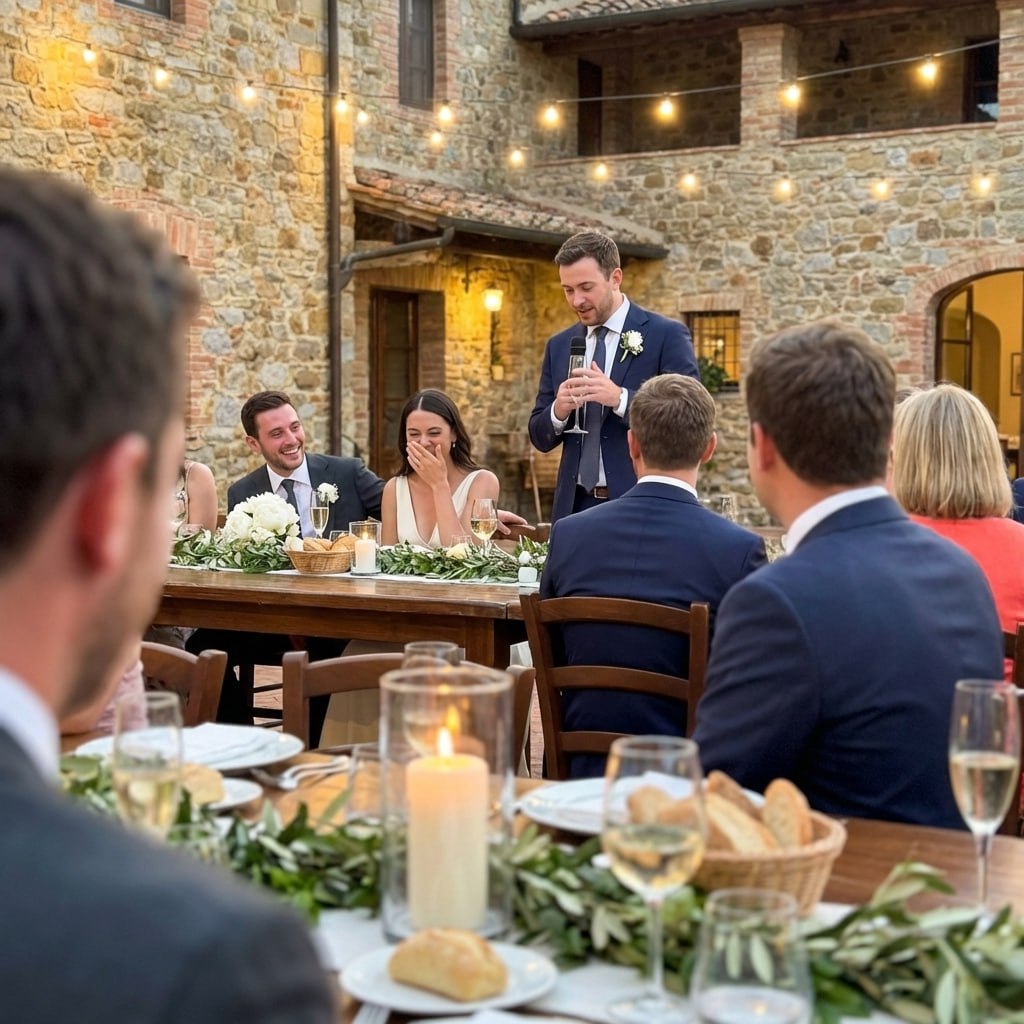
"There is a moment I think about often. We were 17, sitting on the hood of my car, and Marcus told me he had never felt so sure about anything in his life. He was talking about his future. Now I know he was describing the road that led him here, to Sophie."
Why it works: Opens with a specific scene, uses sensory detail, and creates a callback structure the speaker can return to in the toast.
Comedy-first approach that earns trust with laughs before pivoting to sincerity.
"I was asked to keep this speech under five minutes. I have known Dan for 15 years, so I am legally required to lie at least once today."
Why it works: The self-referential joke about the speech itself is a classic opener that relaxes both speaker and audience immediately.
Builds slowly toward an emotional peak. Works best for long friendships or family relationships.
"Growing up, I watched my brother treat every challenge like a puzzle he was determined to solve. School, work, life - he approached all of it with this quiet confidence I always admired. Then he met Claire, and for the first time, I watched him step back and say: I do not need to figure this out. I just need to be here."
Why it works: Establishes character through a pattern, then breaks the pattern at exactly the right moment. The emotional payoff is earned.
Affectionate teasing balanced with genuine praise. High risk, high reward - only works with close friends.
"Jake asked me to be his best man three years ago. I said yes immediately, mostly because I needed the material. I have been collecting stories since 2019. Tonight, I am only telling you the ones he gave me permission to share. You are welcome, Jake."
Why it works: The "only the approved ones" line signals to the audience that there are wilder stories, which makes the tame ones funnier.
Anatomy of a Great Speech
Every memorable best man speech follows a structure that builds emotional momentum. Here is the five-part framework used by the most effective speeches.
One strong opening line or brief scene that earns immediate attention. Do not introduce yourself first.
Establish your relationship quickly. How long, in what context, why you are the right person for this speech.
One or two specific anecdotes that reveal the groom's character. Specific beats memorability every time.
Transition from the groom alone to the couple together. This is where you acknowledge the partner warmly.
A clear, memorable closing sentence followed by raising your glass. The last line should be quotable.
Opening Hooks Ranked by Effectiveness
The first ten seconds determine whether your audience leans in or checks their phones. These five opening styles consistently earn immediate engagement.
""I was not going to write anything down. Then I realized how many stories I had and how little legal protection I have.""
""It was 2 AM on a Tuesday. Tom called me from a gas station 200 miles away. That is where this story begins.""
""Ryan is the best person I know. And I say that having met him at his absolute worst.""
"Subverting the "Webster defines marriage as..." opener with a twist on the format."
""To the couple: you asked me to keep it clean. I promise nothing.""
Famous Best Man Speeches from Pop Culture
Movies and television have given us a masterclass in what to do and what absolutely not to do. These cultural touchpoints offer real lessons.
The Anti-Template (What Not to Do)
Film comedies love the speech that goes disastrously wrong. The lesson: never try to improvise, never rely on alcohol as a confidence booster, and never use the speech as a platform for your own ego.
The Gold Standard
The best fictional speeches work because they feel real: specific details, honest emotion, and a toast line that feels like it was written just for this couple. That is exactly what you should aim for.
Reading the Room
Great speakers scan the audience in the first 20 seconds. If the room is quiet and formal, dial back the comedy. If people are already laughing, lean in. Your speech should flex based on what the room gives you.
Crowd Reaction Tips: How to Work the Room
The audience is not just passively listening. They are responding to everything you do, from your body language to the pauses between sentences.
Pause After Punchlines
Silence after a joke is not awkward - it is the space where laughter grows. Wait a full two seconds before moving on. Rushing kills the laugh.
Build Callbacks
Reference your opening line near the end. This creates a satisfying full-circle moment that makes the whole speech feel planned and polished.
Address the Whole Room
Include lines that explicitly involve everyone. "And to everyone here who has supported this couple..." keeps the energy collective rather than exclusive.
End on the Couple
Your final eye contact should be with the couple, not the crowd. This physical gesture reinforces that the speech was always for them.
Delivery Confidence Guide
Confidence in delivery comes from preparation, not from natural talent. Even people who are terrified of public speaking can deliver a great best man speech by following a simple rehearsal protocol.
What Separates Good from Truly Great
Hundreds of decent best man speeches are delivered every weekend. But a truly great one gets replayed at anniversary parties and remembered decades later. Here is the difference.
Good
- Tells a funny story
- Thanks the right people
- Ends with a toast
- Stays under 5 minutes
Great
- Tells a story that reveals character
- Makes the partner feel genuinely welcomed
- Ends with a line the couple will quote for years
- Leaves people both laughing and emotional
Related Speech Resources
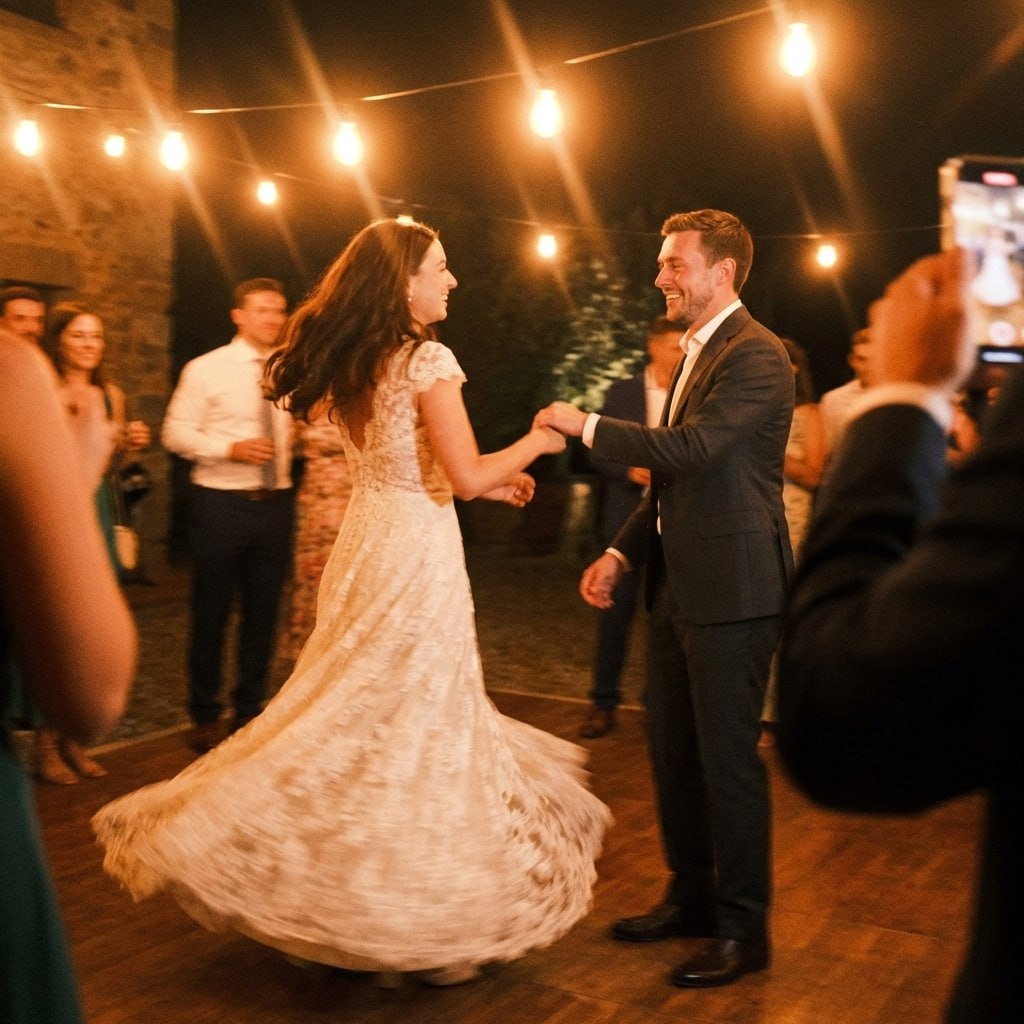
First dance
You guys!!
A great speech deserves to be heard again.
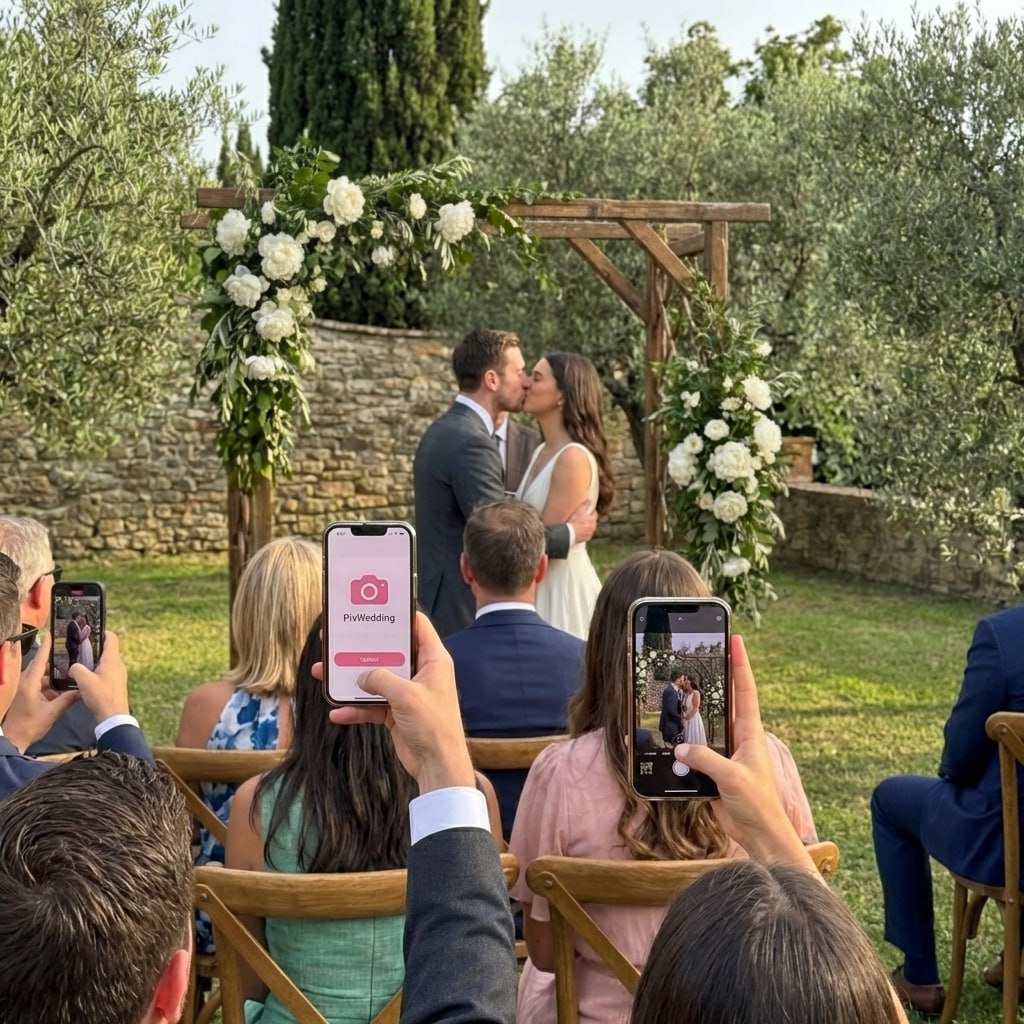
Pix Wedding captures the audio of every toast alongside all the guest photos, so the best man's words live on with the day itself.
From Mom
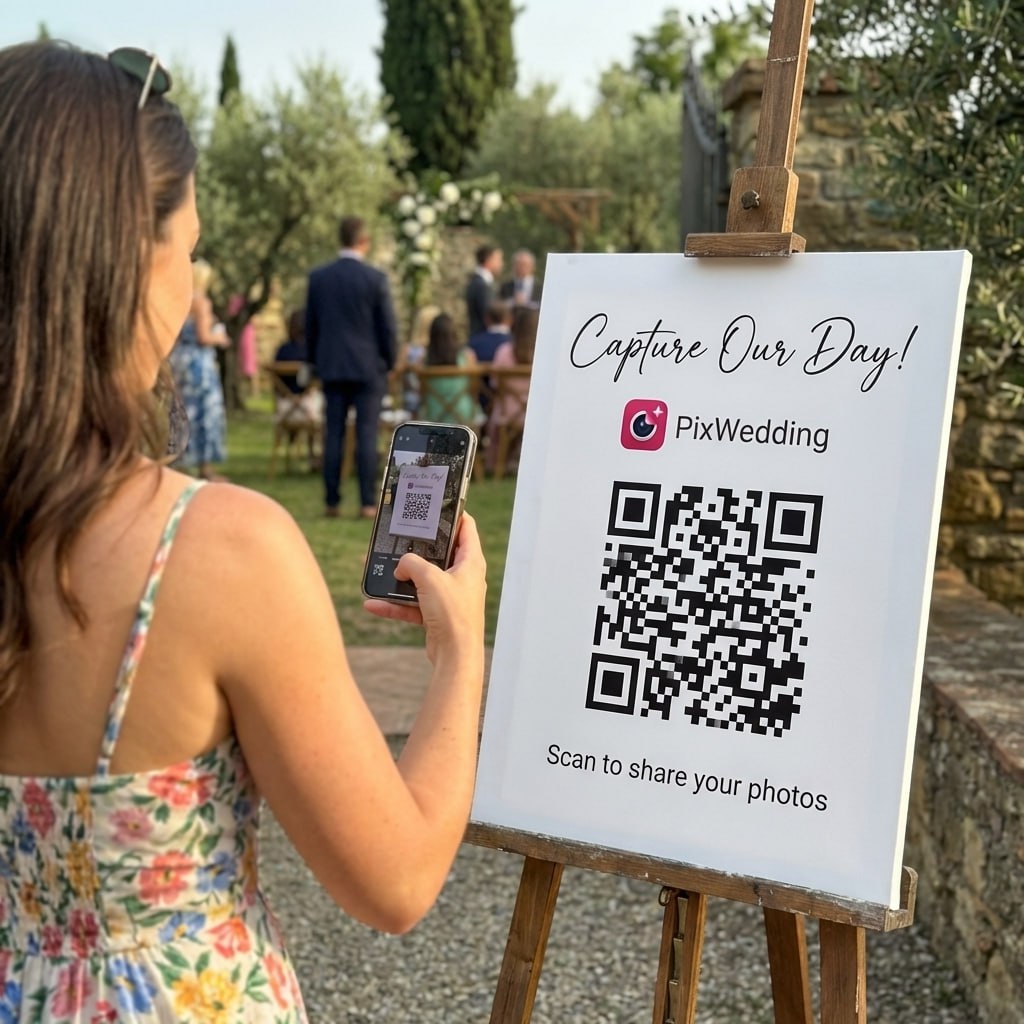
Scan to join the album
No app, no account
UPLOADING
Saving your moment
THE ALBUM
Emma & Jack
June 21, 2026
647 photos · 95 guests
SCAN TO TRY
pix.wedding/
your-wedding
Why Most Best Man Speeches Fall Flat (And How Great Ones Avoid It)
The average best man speech suffers from the same set of problems: it runs too long, leans too hard on inside jokes, or swings between unrelated anecdotes without a connecting thread. Great speeches avoid these traps by treating the speech as a story with a beginning, middle, and end.
Research from wedding planners consistently shows that the speeches guests remember most are those that made them laugh and then made them tear up within the same two minutes. That emotional range is not accidental. The best speakers plan the arc deliberately, building from light humor toward genuine sentiment.
- •Tight structure: every paragraph earns its place
- •Specific details: one vivid memory beats three vague ones
- •Emotional range: humor and heart in the same speech
- •Inclusive language: jokes the whole room can follow
- •A single clear closing toast that lands the message
Delivery Techniques That Elevate Any Speech
Even a well-written speech can fall flat without confident delivery. The physical elements of how you speak matter as much as the words themselves. Posture, pace, and pausing are the three levers every speaker can control.
Practicing out loud at least five times before the day is the minimum. Each run-through reveals new spots where the rhythm feels off or a transition needs smoothing. Record yourself once so you can hear the pacing from the outside.
- •Stand straight and hold the microphone slightly below your mouth
- •Pause after punchlines long enough for laughter to build
- •Slow down 20 percent from your normal speaking speed
- •Make eye contact with the couple, not just your cards
- •Raise your glass while delivering the final toast line
Explore more free wedding tools
Everything you need to make your wedding day stress-free and unforgettable.
AI Vow Generator
Write "banger" vows in seconds.
Hashtag Generator
Create unique wedding hashtags.
Thank You Notes
Generate personalized thank you notes.
Father of the Bride Toast
Full example toasts, structure, and delivery tips.
Invitation Wording
Perfect wording for your invitations.
Couple Name Combiner
Blend your names into the perfect couple name.
Photo Sharing QR
The best way to collect guest photos.
Wedding Checklist
Month-by-month planning checklist.
Best Man Speech FAQs
Everything you need to know about our free tools and how they help your wedding day.
The sweet spot is 3 to 5 minutes, which equals roughly 400 to 650 words. Shorter speeches under 2 minutes can feel rushed. Anything beyond 7 minutes risks losing the audience. Practice with a timer and trim wherever the energy dips.
The most memorable speeches blend warmth with humor. Start with a laugh to relax the room, transition into genuine sentiment about the groom, then close with a heartfelt toast. Match the tone to the couple and the crowd rather than forcing a style that does not feel natural.
Avoid starting with "Hi, my name is..." Instead, try a bold claim, a surprising fact, or the first line of a short story. For example: "I have known James for 20 years. In that time, I have watched him do many questionable things. Today is not one of them."
Avoid mentioning ex-partners, embarrassing secrets the groom would not want shared, inside jokes that exclude the whole room, anything that could upset the in-laws, and anything you would regret seeing on video later. When in doubt, cut it.
Use note cards. Memorizing word-for-word creates panic if you lose your place. Cards give you the structure without locking you into exact phrasing. Rehearse enough that you can speak naturally while glancing at your notes occasionally.
Arrive early to practice in the actual room. Take slow deep breaths before you stand. Make eye contact with one friendly face to start. Speak slower than feels natural because nerves speed everyone up. Remember: the crowd wants you to succeed.