
DIY Wedding Centerpieces on a Budget: 6 Priced, Step-by-Step Builds
Real materials lists, real steps, and a real cost-per-centerpiece table for each build, sourced from Dollar Tree, Hobby Lobby, Michaels, IKEA, and Amazon.
Plan Your Decor BudgetThe short answer
Building your own centerpieces instead of hiring a florist typically costs $2 to $23 per table depending on the build, versus $50 to $150 per table for florist-arranged pieces. This guide walks through six specific builds with materials lists, priced ingredients, and step-by-step instructions, so you can see exactly what each one costs before you buy anything.
This is the hands-on tutorial version of DIY centerpieces: exact steps, exact materials, exact costs. If you want the broader money strategy across every budget tier (buy vs DIY, where to splurge, where to save), see Wedding Centerpieces on a Budget. If you are planning a winter date and want seasonal materials like evergreen, pinecones, and mercury glass instead of the year-round builds here, see Winter Wedding Centerpieces.
Quick Reference: All 6 Builds at a Glance
| Project | Skill | Time | Cost/Table |
|---|---|---|---|
| Floating Candle Elegance | Beginner | 5 min each | ~$2.38/table |
| Greenery Garland Runner | Beginner | 15 min per table | ~$7.20/table |
| Painted Mason Jar Trio | Beginner | 30 min (plus drying) | ~$12.97/table |
| Book Stack Centerpiece | Beginner | 10 min each | ~$2.75-$9.75/table |
| Wine Bottle Candelabra | Intermediate | 25 min each | ~$3.75-$5.45/table |
| Succulent Planter Box | Intermediate | 20 min each | ~$19.45/table |
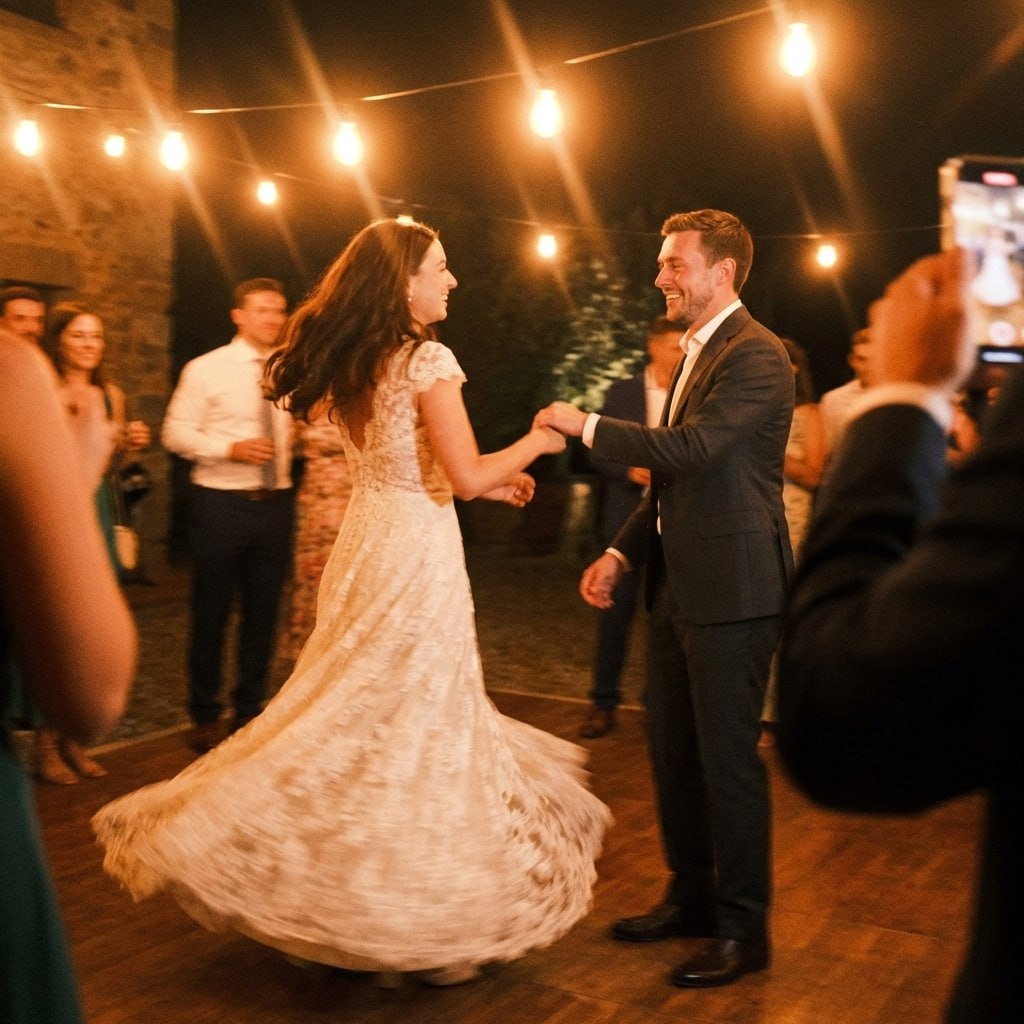
First dance
You guys!!
Your tables look great. Now collect the photos.
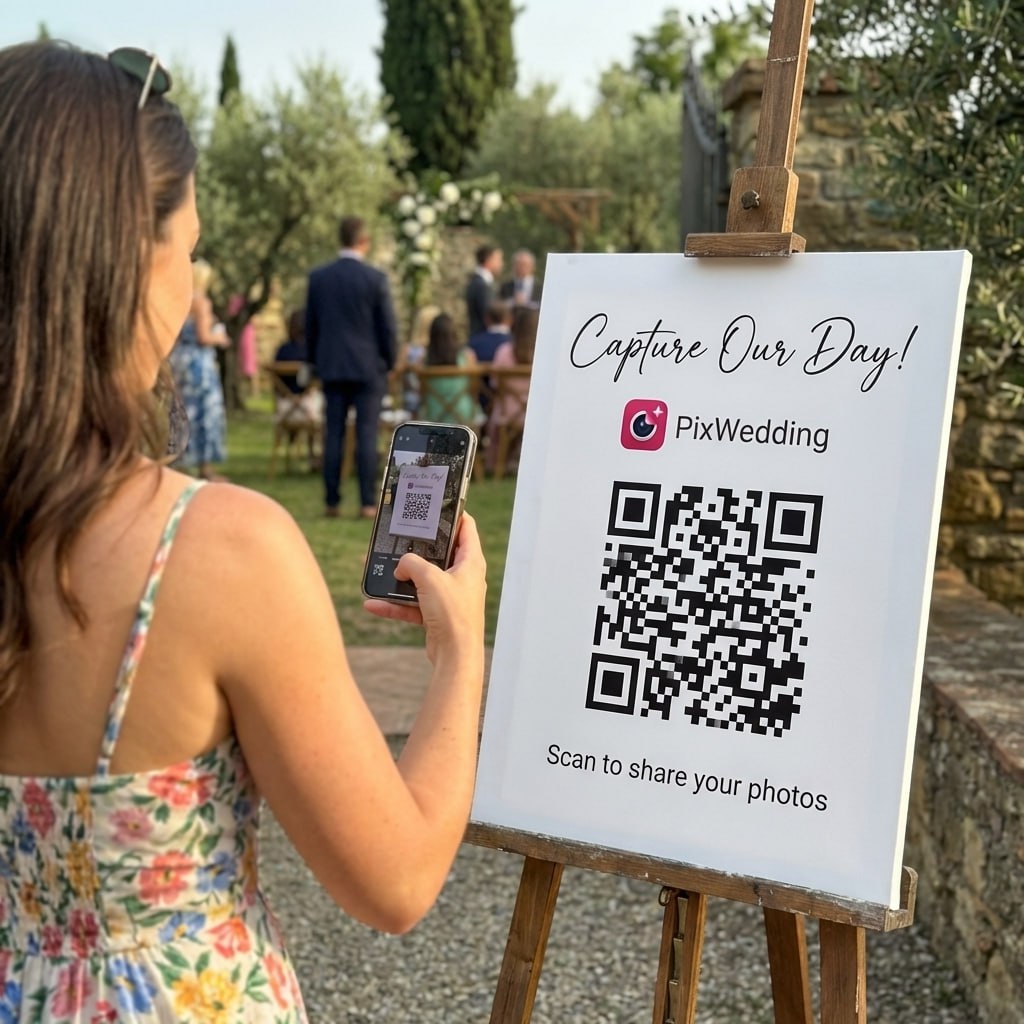
Put a QR code on each centerpiece. Guests snap and share, and every shot lands in one shared album automatically.
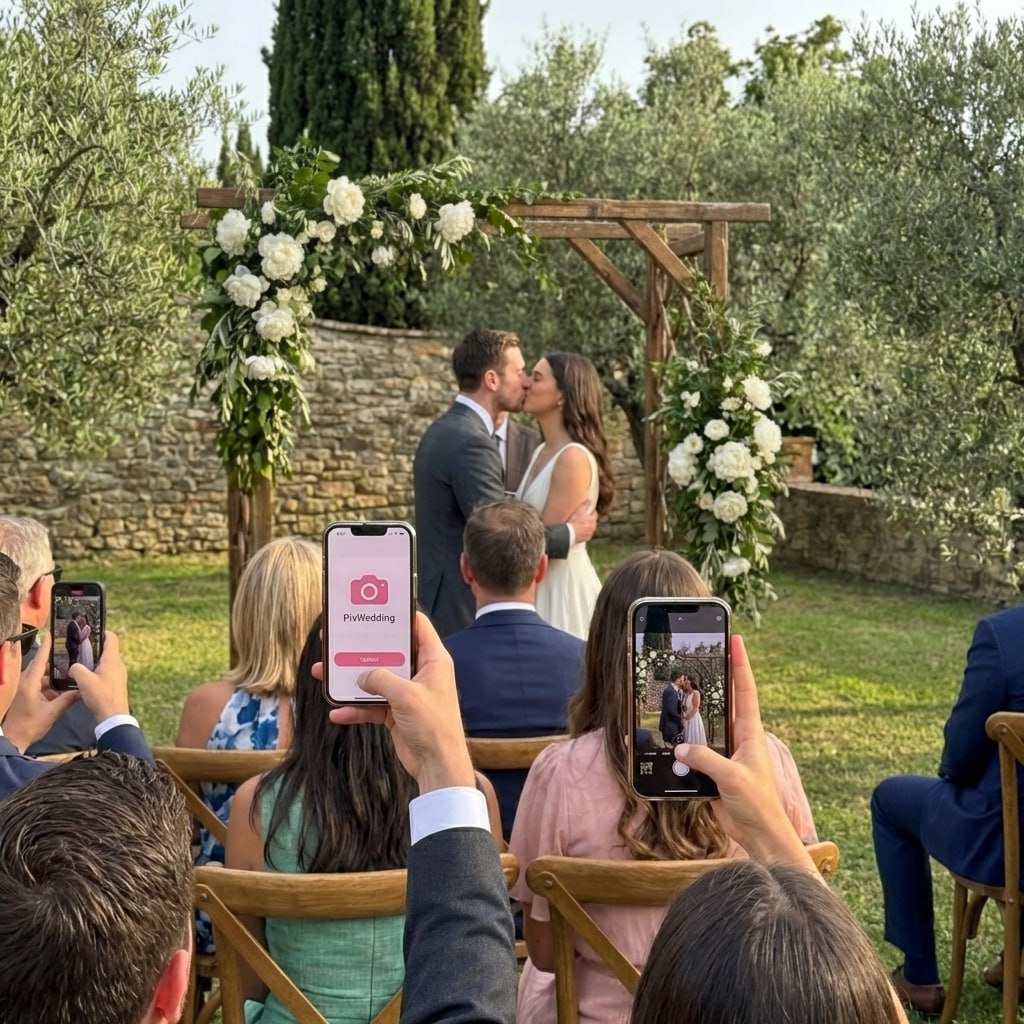
From Mom
Scan to join the album
No app, no account
UPLOADING
Saving your moment
THE ALBUM
Emma & Jack
June 21, 2026
647 photos · 95 guests

SCAN TO TRY
pix.wedding/
your-wedding
Is Building Your Own Centerpieces Worth It?
Pros of DIY building
- Real savings: the cost tables above show $2-$23 per table versus $50-$150 for florist work.
- Full creative control: exact colors, materials, and style match your vision, not a florist's interpretation of it.
- No wilting risk on 4 of 6 builds: mason jars, books, wine bottles, and succulent boxes can be assembled weeks ahead.
- Bonding time: a crafting session with your wedding party doubles as pre-wedding time together.
- Keepsakes: non-floral builds can go home with you or guests instead of being thrown out Monday.
Cons of DIY building
- Time cost: even the fastest build (floating candles) takes 5 minutes each, and for 20 tables that is over an hour before you count drying or setup.
- Storage space: you need somewhere to keep 20+ centerpieces safe between build week and the wedding.
- Transport risk: breakage during the drive to the venue is common without careful packing.
- No professional polish: a skilled florist's arrangement will usually look more refined than a first-time DIY attempt.
- Upfront tool investment: a hot glue gun, floral wire, and paint supplies add a small fixed cost even before materials.
Step-by-Step Tutorials with Real Costs
Every price below was checked against the linked retailer page. Store, region, and season can shift the exact number, so treat these as a close, honest estimate.
1. Floating Candle Elegance
Materials
Steps
- 1
Clean the vase thoroughly to remove any residue.
- 2
Fill with room-temperature water to about 3/4 full.
- 3
Trim a flower stem short and submerge it, letting it settle naturally.
- 4
Place the floating candle on top of the water.
- 5
For extra sparkle, add a pinch of glitter to the water before the candle.
Cost per Centerpiece
| Item | Source | Price | Qty | Cost |
|---|---|---|---|---|
| Cylinder vase, 7.25 in. | Dollar Tree | $1.25-$1.75 (current shelf tier) | 1 | ~$1.50 |
| Floating candle | Dollar Tree | $1.25 per 2-pack | 1 (half a pack) | $0.63 |
| Greenery sprig, clipped from garland project | reused from Tutorial 2 | n/a | 1 | ~$0.25 |
| Total per table | ~$2.38/table | |||
Using cold water causes condensation on the outside of the vase. Use room temperature water for a crystal-clear finish.
2. Greenery Garland Runner
Materials
Steps
- 1
Lay eucalyptus stems end-to-end along the table center.
- 2
Weave a second stem through the first to fill gaps and add fullness.
- 3
Secure overlapping stems with small pieces of floral wire hidden underneath.
- 4
Tuck votive candles along the runner at regular intervals.
- 5
Mist lightly with water if using real greenery, and keep in a cool space until the event.
Cost per Centerpiece
| Item | Source | Price | Qty | Cost |
|---|---|---|---|---|
| Eucalyptus garland, 5-pack (covers ~4-5 tables) | Amazon (JPSOR) | typically $15-$25 per 5-pack | 1/5 of a pack | ~$4 |
| Votive candles, 3-pk x2 | Dollar Tree | $1.25-$1.75 per 3-pk | 2 packs (6 candles) | ~$3 |
| Floral wire, small amount | Hobby Lobby | ~$1.19 spool, covers many tables | sliver of spool | ~$0.20 |
| Total per table | ~$7.20/table | |||
Buying real greenery too early. Fresh eucalyptus lasts 5 to 7 days but looks best at 1 to 3 days. Buy Wednesday or Thursday for a Saturday wedding, or use the artificial garland linked here for zero wilting risk.
3. Painted Mason Jar Trio
Materials
Steps
- 1
Clean jars and let dry completely.
- 2
Apply painter's tape in stripes or geometric patterns for a two-tone effect.
- 3
Apply 2-3 thin coats of chalk paint, letting each dry before the next.
- 4
Remove tape once fully dry to reveal the pattern.
- 5
Wrap jute twine around the jar rims and add a small bouquet of flowers or greenery.
Cost per Centerpiece
| Item | Source | Price | Qty | Cost |
|---|---|---|---|---|
| Round glass mason jars, 8oz x3 | Hobby Lobby | $2.99 each | 3 | $8.97 |
| FolkArt chalk paint, 8oz (covers ~15-20 jars) | Michaels | $16.21 per bottle | 3/17 of a bottle | ~$2.85 |
| Jute twine, small amount | Hobby Lobby | $1.19 spool, covers many tables | sliver of spool | ~$0.15 |
| Small flower stems | reused from garland project | n/a | 3 sprigs | ~$1 |
| Total per table | ~$12.97/table | |||
Applying paint too thick. Multiple thin coats prevent drips and create a smooth, professional finish. One thick coat always looks uneven.
4. Book Stack Centerpiece
Materials
Steps
- 1
Select books with neutral or coordinating covers, or remove dust jackets for a vintage look.
- 2
Stack largest to smallest with a slight offset for visual interest.
- 3
Place a votive candle on top.
- 4
Tuck a small flower sprig or mini succulent next to the candle.
- 5
Optionally tie a ribbon around the stack for a polished finish.
Cost per Centerpiece
| Item | Source | Price | Qty | Cost |
|---|---|---|---|---|
| Hardcover books x2-3 | thrift store or used bookstore (price varies by shop) | typically $1-$3 per book | 2-3 | $2-$9 |
| Votive candle | Dollar Tree | $1.25-$1.75 per 3-pk | 1/3 of a pack | ~$0.50 |
| Flower sprig | reused from garland project | n/a | 1 | ~$0.25 |
| Total per table | ~$2.75-$9.75/table | |||
Using books with bright, clashing covers. Remove dust jackets, or use plain vintage hardcovers, for a cohesive look across every table.
5. Wine Bottle Candelabra
Materials
Steps
- 1
Clean and dry the wine bottles thoroughly.
- 2
Optionally spray paint in gold or white. Apply 2 thin coats.
- 3
Insert a taper candle into each bottle neck, shaving the base slightly if needed for a snug fit.
- 4
For a romantic look, light the candles and let wax drip down the bottle necks before the event.
- 5
Group the 3 bottles at varying heights per table with greenery scattered between them.
Cost per Centerpiece
| Item | Source | Price | Qty | Cost |
|---|---|---|---|---|
| Wine bottles x3, reused from your own consumption or asked from friends | free | $0 | 3 | $0 |
| CONTORTATALL taper candles, 4-pk | IKEA | $4.99 per 4-pack (~$1.25 each) | 3 | $3.75 |
| Krylon metallic spray paint (optional, covers 6-8 bottles) | Michaels | $4.00 per bottle | 3/7 of a bottle | ~$1.70 |
| Total per table | ~$3.75-$5.45/table | |||
Forgetting to test candle stability. A loose candle can tip and create a fire hazard. It should fit snugly without wobbling.
6. Succulent Planter Box
Materials
Steps
- 1
Line the wooden box with plastic wrap to prevent water damage if using real plants, or skip this step for faux succulents.
- 2
Fill with potting soil to about 3/4 full (skip for an all-faux build).
- 3
Arrange succulents in the soil or moss bed, varying heights and colors.
- 4
Fill gaps between plants with decorative moss.
- 5
Scatter small river rocks on top for a finished, polished look.
- 6
If using real succulents, water lightly 2 days before the wedding so soil is moist but not wet.
Cost per Centerpiece
| Item | Source | Price | Qty | Cost |
|---|---|---|---|---|
| Wood crate set, 5 sizes (use smallest per table, others reused elsewhere) | Hobby Lobby | $11.85 per set of 5 | 1 box from set | ~$3.95 |
| Artificial succulents, 4-pack | Amazon (SPEPLA) | typically $12-$18 per 4-pack | 1 pack | ~$15 |
| Decorative moss | Dollar Tree | $1-$1.75 per bag | 1/3 of a bag | ~$0.50 |
| Total per table | ~$19.45/table | |||
Overwatering real succulents before the event. Soggy soil looks messy and can leak through the box. A light misting is all they need, or skip real plants entirely and use faux stems for zero watering risk.
Watch a Budget Centerpiece Build
"DIY Wedding Centerpieces on a Budget | Step-by-Step Tutorial" by Timeless Touch Creations, embedded here as a visual walkthrough alongside the written builds above.
The Toolkit That Covers All 6 Builds
Cutting and shaping
- • Scissors
- • Wire cutters
- • Small hand saw (bottles/wood, optional)
Bonding
- • Hot glue gun and glue sticks
- • Floral wire
- • Floral tape
Finishing
- • Painter's tape
- • Drop cloth or newspaper
- • Ruler for even spacing
Transport
- • Flat cardboard boxes
- • Tissue paper for padding
- • A repair kit: extra glue, tape, and spare flowers
Mistakes That Apply to Every Build, Not Just One
Non-floral builds (jars, books, bottles, boxes) can be made a month out. Waiting until the final week means one bad batch of paint or a broken jar has no buffer to fix.
Two practice centerpieces cost $5-$25 depending on the build. Skipping them means discovering a problem on centerpiece number 15 out of 20, with no time to adjust.
Guest counts shift. Buy materials for 2-3 more tables than your current headcount, especially for builds with a fixed-size ingredient like a garland pack or a mason jar 3-pack.
A garage that gets hot, a closet pets can reach, or a spot near a heating vent can warp paint, melt candles, or fade greenery before the big day.
Some venues ban open flames entirely. Confirm before you build the floating candle, wine bottle candelabra, or votive-based runner, and have a battery LED backup plan ready.
DIY Centerpiece Planning Timeline
Choose your build (or mix of builds) from the six above and check current prices at the linked retailers. Do a test run of 2 centerpieces to finalize the design and confirm your total cost estimate.
Buy all non-perishable materials: vases, candles, paint, jars, wood boxes, tools. Start any painted or crafted elements that need drying time.
Complete all non-floral elements: mason jars, book stacks, wine bottle candelabras, succulent boxes. Store finished pieces in labeled boxes by table number.
Order fresh flowers if using real stems for the garland runner. Confirm greenery delivery. Do a final count of all centerpieces including 2-3 extras.
Arrange fresh flowers. Mist real greenery. Pack everything for transport with careful padding between pieces.
Transport and set up. Bring the repair kit: hot glue, extra flowers, tape, scissors. Do a final walkthrough and adjust spacing.
Getting 20 Centerpieces to the Venue in One Piece
Vases and glass builds
Transport empty (no water) in flat cardboard boxes with tissue paper between each piece. Add water and flowers on-site at the venue, not before the drive.
Garlands and greenery
Roll loosely (never fold) in a long flat box or laundry basket. Assemble the runner directly on the tables at the venue rather than pre-building it flat.
Candles and wax builds
Egg-carton-style dividers or a shoebox with cardboard slots keep tapers and candelabras upright. Keep out of direct sun on the drive so wax does not soften.
The repair kit
One small bag, every table: hot glue gun, 2-3 spare flower stems, extra twine, scissors, and a lighter. Hand it to whoever is setting up, not the couple.
More Budget Wedding Ideas
Why DIY Your Wedding Centerpieces
Florist-made centerpieces typically run $50 to $150 per table. The six builds on this page, priced against current listings at Dollar Tree, Hobby Lobby, Michaels, IKEA, and Amazon, run roughly $2 to $23 per table depending on which one you pick. For a 20-table wedding, that is a realistic savings range of $600 to $2,900 versus hiring a florist for every table.
Beyond cost, building your own centerpieces gives you full creative control over colors and materials, and the crafting sessions themselves often become a genuinely enjoyable pre-wedding activity with your wedding party. Every price on this page was checked at the linked retailer at the time of writing. Store, region, and season affect exact totals, so treat these as a close estimate and re-check before you commit to a full batch.
- •Cost-per-centerpiece tables below show exactly where the money goes for each build
- •Every priced item links to the real product page it was checked against
- •Crafting sessions double as bonding time with your wedding party
- •Non-floral builds (mason jars, books, wine bottles) can be made weeks in advance
- •Practice runs ensure your vision is achievable before the big day
Setting Up Your DIY Centerpiece Workspace
Create a dedicated workspace with good lighting and ventilation, especially for spray paint or a hot glue gun. Cover surfaces with newspaper or a drop cloth. Organize materials by project in labeled bins so everything is ready when you sit down to build.
Batch production is the most efficient approach. Complete all 20 vases at once, then move to the next step for all 20, rather than finishing one centerpiece start to finish before starting the next. Assembly-line style saves time and keeps every table looking consistent.
Explore more free wedding tools
Everything you need to make your wedding day stress-free and unforgettable.
Cost Calculator
Compare wedding costs by city.
Budget Allocator
Turn your total into a category-by-category plan.
Courthouse Wedding Cost
Real fees by county and what to expect.
Photo Sharing QR
The best way to collect guest photos.
Wedding Checklist
Month-by-month planning checklist.
AI Vow Generator
Write "banger" vows in seconds.
AI Speech Pro
Banger toasts for Best Man & more.
DIY Centerpiece FAQ
Straight answers to the questions people ask most about this topic.
Floating candles in a Dollar Tree cylinder vase are the easiest. Fill a vase with water, drop in a floating candle, and optionally add a submerged flower stem. Takes about 5 minutes per centerpiece and runs roughly $2 to $2.60 each at current Dollar Tree shelf prices. No crafting skills needed.
Make at least 2 practice centerpieces before committing to your full batch. This helps you refine the technique, accurately time yourself per piece, catch material issues (a jar that will not hold paint evenly, a garland that is shorter than expected), and finalize the exact look. Budget an extra $15 to $25 in materials for the practice round.
Fresh flower arrangements should be made no more than 24 hours before the wedding. Store them in a cool space, not a refrigerator with fruit, since ethylene gas from fruit wilts flowers faster. For anything you want to prep weeks ahead, use the non-floral builds on this page (mason jars, book stacks, wine bottle candelabras) or swap in faux stems.
For most of the six builds here: scissors, a hot glue gun, floral wire or floral tape, and a ruler. The painted jar and succulent box projects also want painter's tape and a drop cloth. Skip pricier specialty craft tools. Dollar Tree and Hobby Lobby both carry basic versions of everything on this list.
Based on the cost-per-centerpiece tables on this page, the six builds run from about $2 to $23 per table depending on materials. A florist-arranged centerpiece typically runs $50 to $150 per table. For a 20-table wedding, DIY builds in this guide can save roughly $600 to $2,900 versus hiring a florist for every table, though your exact savings depend on which builds you pick and local prices.
Always make 2 to 3 extra centerpieces. Breakage during transport, a last-minute table addition, or a piece that just does not look right on a specific table are all common. Using the cost tables on this page, 3 extras of the cheapest build (floating candles, roughly $2.50 each) costs under $8, which is nothing compared to the stress of coming up short on the wedding day.