
Bride Speech Examples for Every Scenario
Eight complete speeches covering every situation a bride might face: thanking parents, addressing the groom, speaking to bridesmaids, surprising the room, and more. With emotional delivery tips and modern context.
Generate Your Speech FreeWhen Brides Give Speeches: Modern Trends
The landscape of who speaks at weddings has shifted dramatically. Here is where and when modern brides are choosing to address their guests.
At the Reception
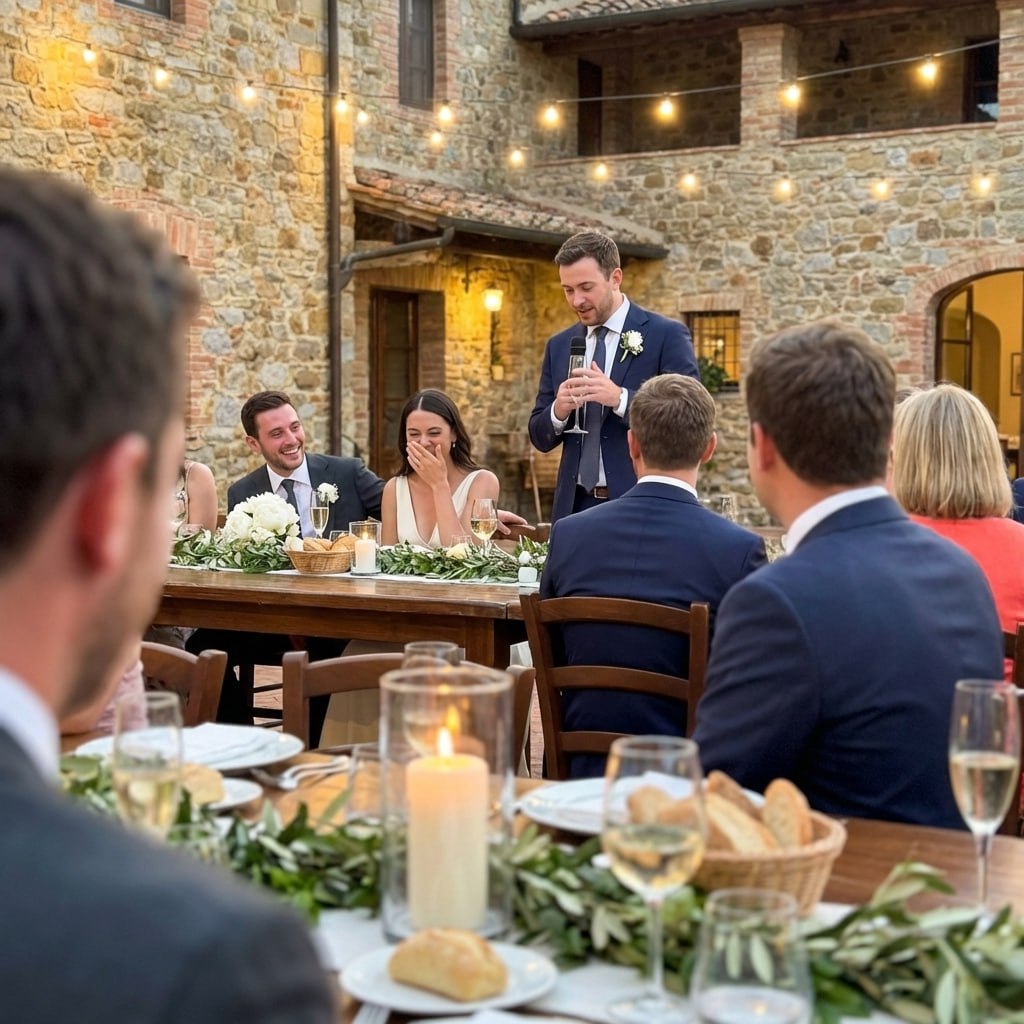
The most common format. Typically following the best man or maid of honor speech. Both partners address the room, either jointly or separately.
At the Rehearsal Dinner
An increasingly popular choice that gives the bride a more intimate crowd for her most personal remarks before the larger event.
As a Surprise
Some brides choose not to tell guests they will speak, turning the moment into a powerful surprise that guests often describe as a highlight of the day.
Joint with Groom
Partners speaking together, sometimes alternating paragraphs or sections, is a modern format that expresses the partnership at the heart of the marriage.
8 Complete Bride Speech Examples
Each example is designed for a specific scenario. Personalize every detail before using any of these as your own.
I want to start with the two people who are not surprised by anything that happened today because they have been preparing for it since the day I was born. Mom and Dad, there is not a correct amount of gratitude for what you have given me. So I will just say this: everything good about who I am, I learned from watching you. Thank you for showing me what a marriage looks like when it is built on something real. I hope today is something you are proud of.
I need to stop for a moment and acknowledge these women behind me, because they have been behind me in every sense of that phrase for longer than this wedding has been planned. They have talked me off ledges, held my hair, shared the exact right thing at the exact right moment, and never once made me feel like any of it was too much to ask. I love you all. Thank you for being the kind of friends that make me feel safe in the world.
And to you. I have been thinking about what to say to you today for months, and every time I tried to write it, I ended up deleting it because it felt too small for what I mean. So I will just say: you are the best thing I ever said yes to. You make me better in ways I do not always tell you about. Today I am telling you in front of everyone, so you cannot forget it. I am so glad it is you.
Looking around this room right now, I am aware that we called a lot of people here today. People who traveled, people who took time off, people who rearranged their lives to be in this specific room on this specific day. I want you to know that we see every single one of you. Your being here is not background. It is the whole point. Thank you for making this feel as big and full of love as it does.
There are people in this room who shaped me into the person standing here today, and I cannot list them all without this speech becoming a census. But you know who you are. You are the people who showed up, who stayed, who said the right thing. You built me, and then somehow the right person found the thing you built and chose it. I am grateful for both of those facts in equal measure. I love you. All of you. But him especially.
I did not want to give a speech. Then I realized that my wedding was one of the only times in my life when everyone I love will be in the same room, and I would regret not saying something. So here it is: you are my family. All of you, in different ways, are my family. And I am the happiest I have ever been. That is everything I wanted to say.
When I told people I was going to give a speech, most of them looked nervous on my behalf. I appreciate the concern. I have prepared. I have cried approximately forty-seven times during rehearsals, which I am told is normal. What I want you to know is this: today is the best day of my life, these are my people, and that man over there is exactly who I want to spend the next several decades making slightly insane. Thank you all for being here to witness the beginning of his problem.
I was not supposed to give a speech. This will come as a surprise to most people in this room, and possibly to one person in particular. But I realized at some point this week that the things I wanted to say could not wait until we were alone. So: to the people who made me, thank you. To the people who chose me as a friend, thank you. And to the person who chose me forever: I choose you right back, every single day, and I am not even a little bit scared of that.
Breaking Tradition Gracefully
If your wedding involves traditional family expectations about who speaks, here is how to claim your voice without creating conflict.
Brief Context
Open with a single sentence that explains your choice: "I decided I had too much to say to leave it all unsaid today." This requires no further justification.
Collaborate With the Program
Work with the couple and the emcee to position your speech naturally in the lineup rather than having it feel like an interruption of the traditional order.
Keep It Purposeful
The clearest way to justify an unexpected speech is to make it excellent. A focused, specific, genuinely moving bride speech needs no defense.
More Speech Resources
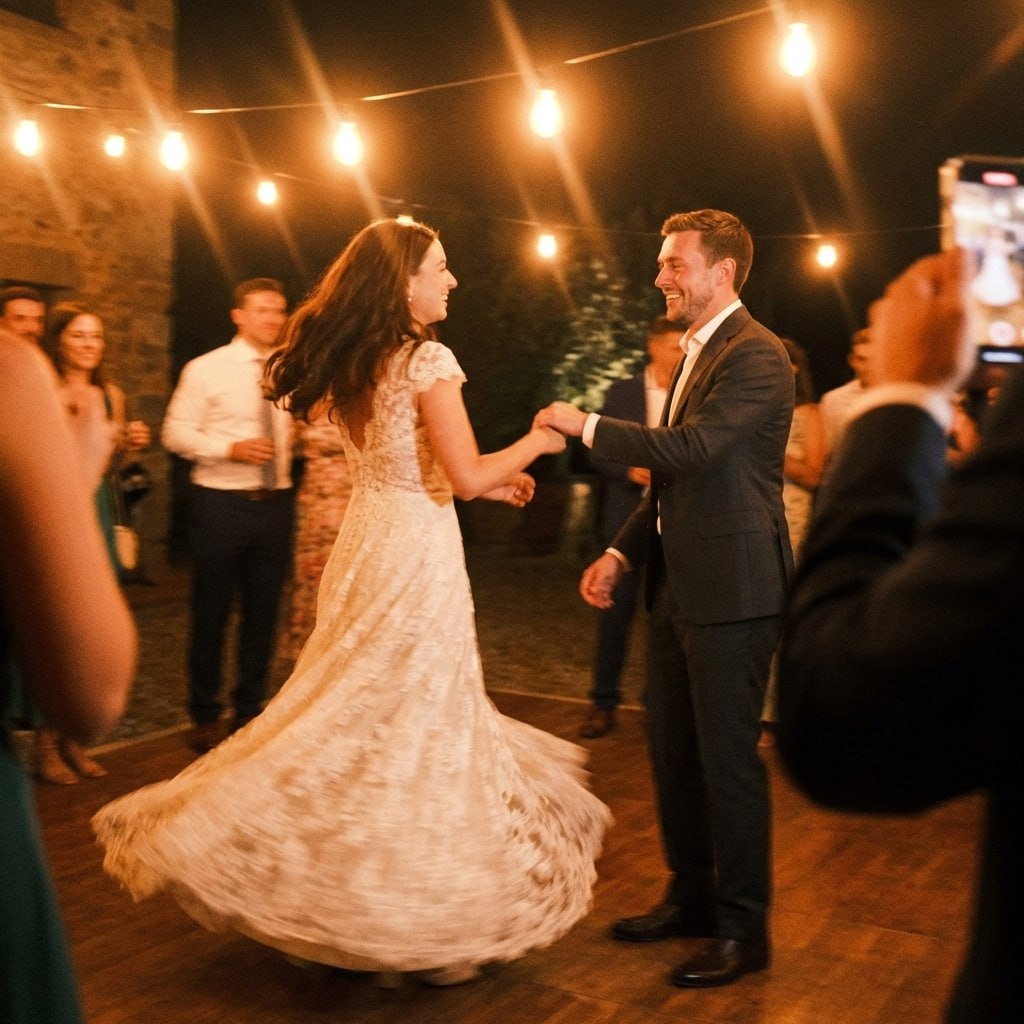
First dance
You guys!!
Inspired by an example. Write your own.
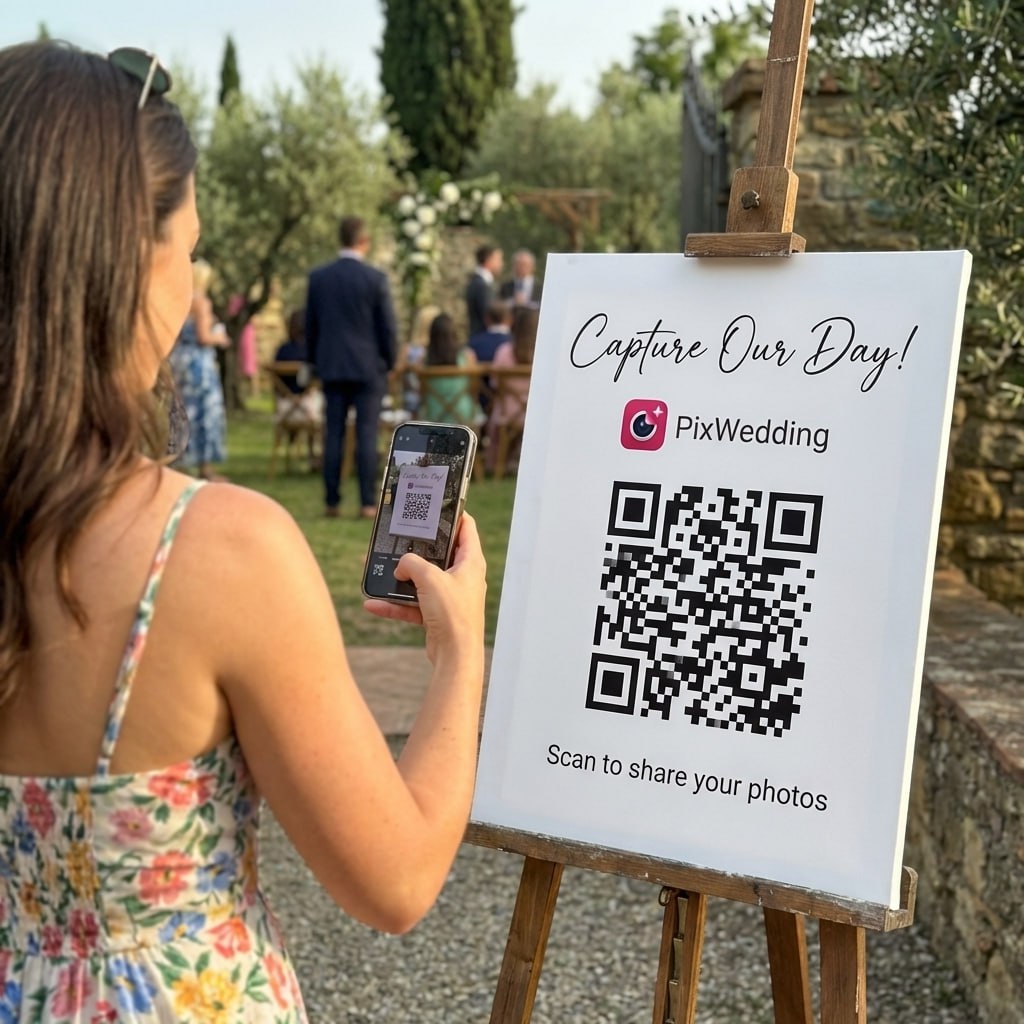
When you deliver your speech, Pix Wedding captures the moment alongside all the photos guests share through a simple QR code, building the couple's complete wedding album.
From Mom
Scan to join the album
No app, no account
UPLOADING
Saving your moment
THE ALBUM
Emma & Jack
June 21, 2026
647 photos · 95 guests
SCAN TO TRY
pix.wedding/
your-wedding
The Modern Trend: More Brides Are Speaking
A decade ago, the bride giving a wedding speech was still a relative novelty. Today, it is increasingly common and widely expected in progressive wedding cultures. Wedding planning surveys consistently show that more couples are choosing dual speech formats, where both partners address the room, rather than delegating entirely to the groom.
The shift reflects broader cultural changes in how marriage and partnership are understood. A wedding where only one partner speaks feels increasingly asymmetrical to many modern couples. Brides are choosing to claim their voice at their own celebration, and guests overwhelmingly report that bride speeches are among their favorite moments of the day.
For brides who feel uncertain about speaking, the modern norm provides both permission and expectation. You do not need to be a natural public speaker. You need to be specific, prepared, and willing to address the room for three to five minutes. The good news is that the audience is already entirely on your side.
- •More brides are choosing to give speeches at modern weddings
- •Dual speech formats (both partners) are increasingly common
- •Guests consistently rank bride speeches among the highlights
- •You do not need to be a natural speaker; preparation matters more than talent
Emotional Delivery: How to Deliver Without Breaking Down
The most common fear about giving a bride speech is losing composure at an emotional moment. This is a legitimate concern, but it is also manageable with the right preparation. The key is distinguishing between emotional and unprepared. You can be visibly moved and still deliver your speech. You cannot be unprepared and still recover cleanly.
Practice the emotional sections more than the easy sections. Read your speech aloud daily for at least a week before the wedding. Cry during practice. Let the emotion happen in private so it is less likely to surprise you in public. By the wedding day, you will have experienced the emotional peaks enough times that you can navigate them rather than be ambushed by them.
Physical techniques also help: looking up at the ceiling for two seconds when you feel tears coming gives the ducts a moment to reset. Pressing your tongue to the roof of your mouth activates a subtle physical focus that can interrupt the crying reflex. And remember: a pause that feels like forever to you is typically three seconds to your audience, who are rooting for you to succeed.
- •Practice the emotional sections more than the comfortable ones
- •Read aloud daily for a week to reduce surprise on the day
- •Look up briefly and breathe when you feel tears coming
- •A pause that feels endless to you is only seconds to the audience
Explore more free wedding tools
Everything you need to make your wedding day stress-free and unforgettable.
AI Vow Generator
Write "banger" vows in seconds.
Hashtag Generator
Create unique wedding hashtags.
Thank You Notes
Generate personalized thank you notes.
Father of the Bride Toast
Full example toasts, structure, and delivery tips.
Invitation Wording
Perfect wording for your invitations.
Couple Name Combiner
Blend your names into the perfect couple name.
Photo Sharing QR
The best way to collect guest photos.
Wedding Checklist
Month-by-month planning checklist.
Bride Speech FAQ
Straight answers to the questions people ask most about this topic.
The bride's speech most commonly occurs during the reception, often following the best man speech or the maid of honor speech. Some couples give joint speeches together, while others speak separately. A bride might also choose to speak at the rehearsal dinner for a more intimate audience.
Three to five minutes is the standard range, which translates to roughly 400-650 words. Shorter is often better at a reception, where guests are between courses and energy can drift. A focused three-minute speech that covers the essentials is almost always more memorable than a sprawling seven-minute one.
No, and trying to do so usually produces the worst speeches. Choose three to five people or groups who genuinely deserve a named acknowledgment and be specific about why. A personalized thank-you to five people lands far better than a list of twenty names that turns into an awards show acceptance speech.
Yes, completely. Tears during a bride speech are expected and welcomed. The technique for managing them is to pause, breathe, look down at your notes for a moment, then continue. Practiced speakers know that a pause that feels eternal to the speaker is only two or three seconds to the audience, which reads as composure rather than breakdown.
Avoid mentioning exes (yours or the groom's), airing grievances about wedding planning, making jokes about the marriage that could be taken the wrong way, and spending more than thirty seconds on logistical thank-yous. Also avoid apologizing for being nervous, which calls attention to what the audience was not necessarily noticing.
Yes, and this is often the most emotionally powerful moment in a bride speech. Turning to address the groom directly, speaking in second person as if no one else is in the room, creates an intimate moment that guests feel privileged to witness. Keep this section short and specific rather than long and general.