
The Bride Speech: Should You Give One, and How to Do It Right
More brides are choosing to speak at their own weddings than ever before. This guide covers the data behind the trend, what to include, where you fit in the speech lineup, joint speech options, and the empowerment angle that makes it all worthwhile.
Generate Your Speech FreeShould the Bride Give a Speech?
Three questions to answer honestly before you decide.
Do you have something specific you want to say to people in that room?
Then you have a speech. The specificity is what makes it worth giving.
A speech without specific content is hard to make compelling. Consider a toast instead.
Would you regret staying silent on the day?
That feeling is your answer. Regret on a wedding day is worse than nervousness.
You do not need to speak to have a powerful presence and a beautiful day.
Are you willing to prepare adequately (practice aloud at least seven times)?
Then the nerves will not stop you. Preparation is the entire difference.
An unprepared speech is the only kind of bride speech that does not land. Do not improvise.
What to Include in a Bride Speech
Prioritized by impact. Include the essentials first, then add from the recommended list as time allows.
A direct address to the groom with specific, personal content
A thank-you to parents with at least one specific observation
An acknowledgment of the guests for being there
A named thanks to two to four key people in the wedding party
One specific story or memory that illustrates what the relationship is
A forward-looking promise or statement about the marriage
Humor, if it matches your natural register
A quote, poem, or song lyric that is specific to your relationship
A surprise element (announcement, unexpected emotion, a joke only he will understand)
Where the Bride Fits in the Lineup
Four speech order formats from traditional to fully modern. Choose the one that fits your wedding culture.
Traditional
Bride position: Not traditionally included
Modern (Most Common)
Bride position: Second or third
Couple First
Bride position: First with partner
Surprise Format
Bride position: Whenever the moment feels right
The Empowerment Angle
A bride giving a speech is not a modern quirk. It is a statement about how the partnership is understood by both people in it.
Claiming Your Voice
Your wedding is one of the few occasions in your life when everyone you love will be in one room listening. Speaking is a way to claim that moment as yours, not just something that happens to you.
Modeling the Partnership
A wedding where only one partner speaks does not reflect the partnership being celebrated. Your voice in the room is itself a statement about how this marriage will work.
Speaking for Yourself
For generations, brides were spoken about at weddings rather than speaking. Delivering your own words, in your own voice, is a small but significant reversal of that tradition.
Surprising the Groom With a Speech
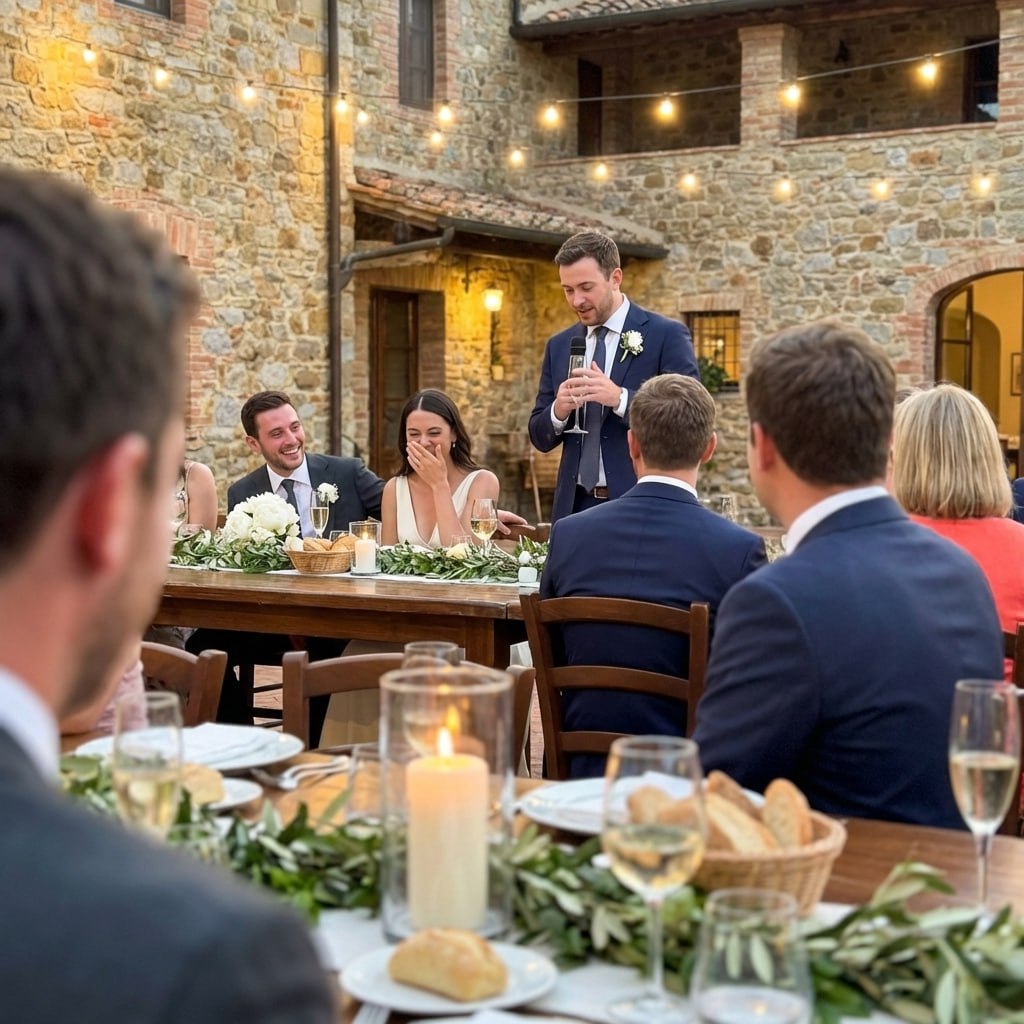
A surprise bride speech is one of the most memorable wedding moments possible, but it requires stealth preparation.
Prepare fully: a surprise that is also unprepared is the worst of both worlds
Coordinate with the emcee so the moment is smooth and not awkward
Tell at least one trusted person so someone can help create the right moment
Keep it focused: a surprise speech should be shorter than a planned one to land cleanly
End with a direct line to him. The whole room will hold its breath for that moment
More Bride and Wedding Speech Resources
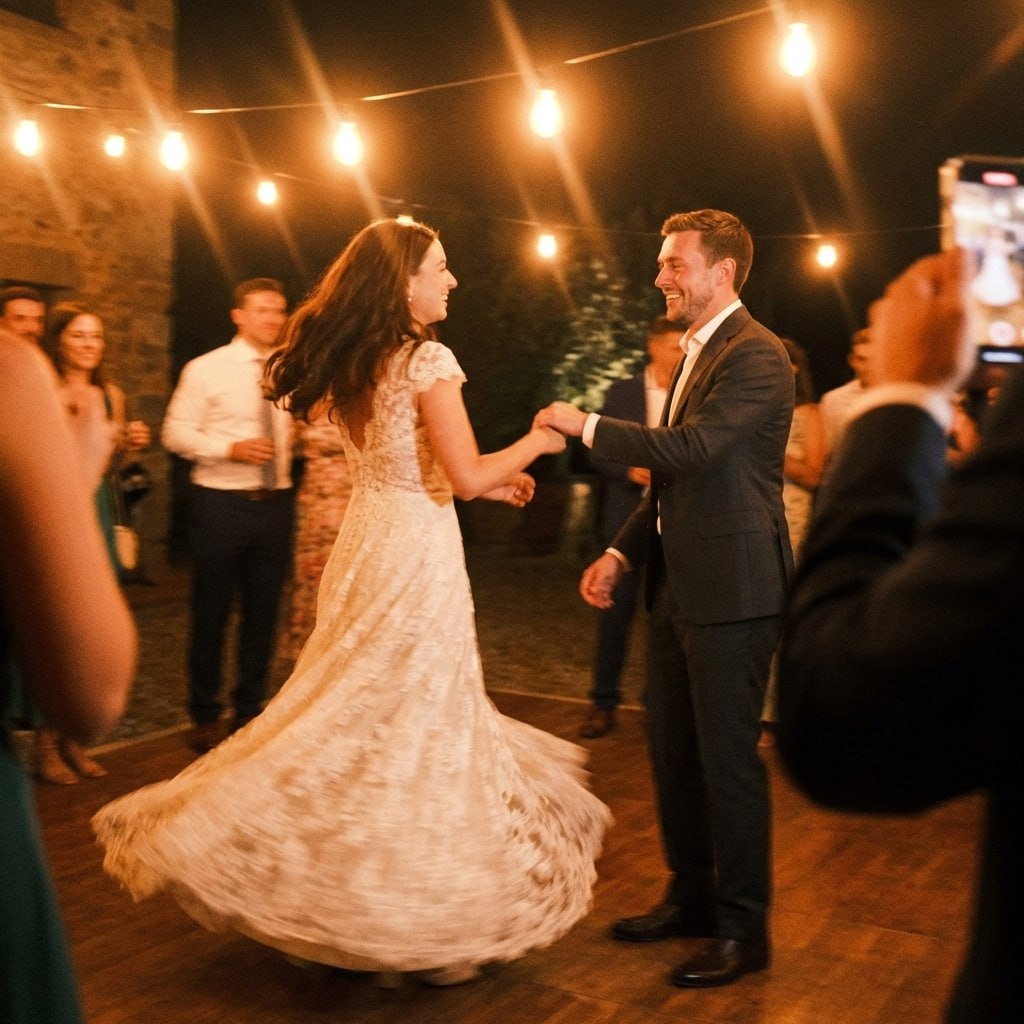
First dance
You guys!!
Your day, your voice. Save the whole story.
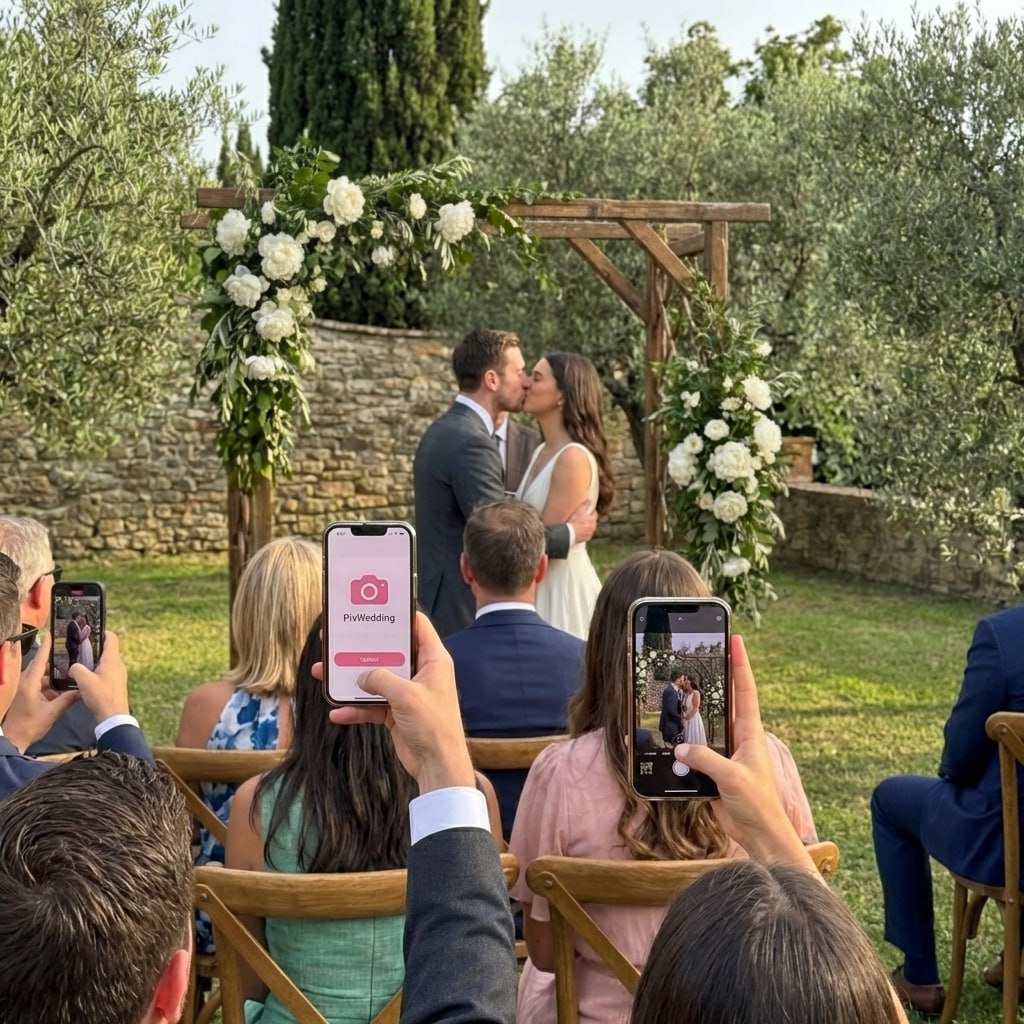
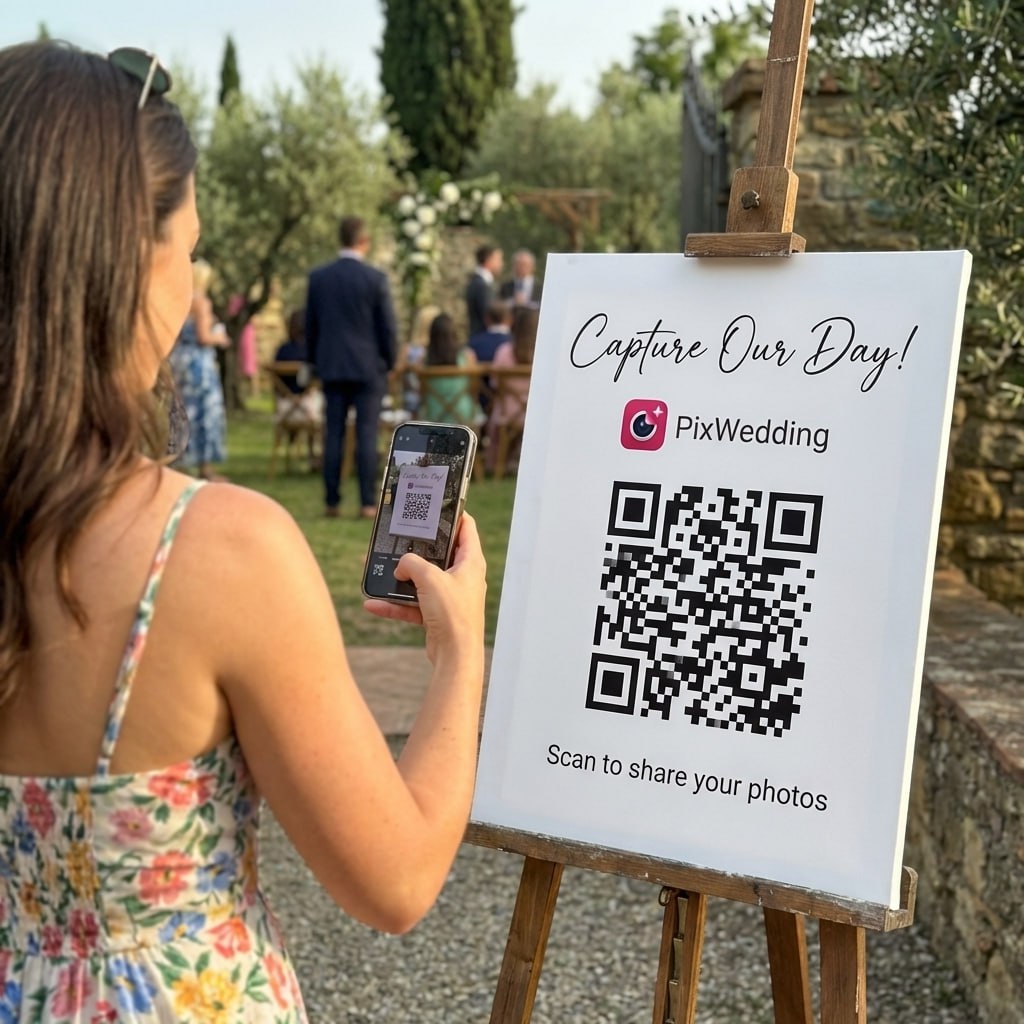
Pix Wedding collects every guest photo and voice message through one QR code, so your speech is saved in context, surrounded by the moments that made the day.
From Mom
Scan to join the album
No app, no account
UPLOADING
Saving your moment
THE ALBUM
Emma & Jack
June 21, 2026
647 photos · 95 guests
SCAN TO TRY
pix.wedding/
your-wedding
The Data on Bride Speeches: A Growing Trend
Wedding industry surveys have tracked a clear shift over the past decade. In 2015, the bride giving her own speech was notable enough to mention in coverage of the wedding. By the mid-2020s, it has become standard enough that many wedding coordinators now include it as a line item in program planning without needing to be asked.
The reasons behind the shift are cultural. Marriages are increasingly understood as partnerships of equals, and a ceremony where only one partner's voice is heard feels inconsistent with that understanding. Brides who grew up watching female political figures, executives, and athletes speak with authority on large stages see no reason to stay silent on their own wedding day.
Guest reception data is also compelling. Post-wedding surveys consistently show bride speeches among the most-cited highlights of the day, often more memorable than best man speeches that followed a more conventional comedic formula. Authenticity, specificity, and genuine emotion land regardless of gender.
- •Bride speeches have grown from notable exception to standard option over the last decade
- •Guests consistently cite bride speeches among wedding day highlights
- •Modern wedding etiquette treats the bride's speech as an equal option, not an exception
- •Authenticity resonates regardless of who is speaking
Joint Speech vs Standalone: Choosing Your Format
The joint speech format, where the bride and groom address guests together, is one of the most powerful options available to modern couples. It immediately and visually signals partnership: two people standing together, speaking together, taking equal responsibility for expressing gratitude and love to the room.
Joint speeches work best with clear pre-planning. Decide in advance who covers which sections. A natural division is: one partner speaks to family, the other to the wedding party; one addresses the guests broadly, the other closes with something intimate about the couple. Rehearse together enough that the handoffs feel smooth.
Standalone bride speeches, where the bride speaks independently either before or after the groom, are the more common choice and allow each partner to express their individual voice without needing to manage coordination. The groom's reaction to the bride's speech is also a moment guests cherish, which is more available in the standalone format.
- •Joint speeches visually and practically signal partnership and equality
- •Pre-plan section assignments before rehearsing joint speeches
- •Standalone speeches allow individual voice and capture the groom's reaction
- •Either format works; choose the one that fits your communication style as a couple
Explore more free wedding tools
Everything you need to make your wedding day stress-free and unforgettable.
AI Vow Generator
Write "banger" vows in seconds.
Hashtag Generator
Create unique wedding hashtags.
Thank You Notes
Generate personalized thank you notes.
Father of the Bride Toast
Full example toasts, structure, and delivery tips.
Invitation Wording
Perfect wording for your invitations.
Couple Name Combiner
Blend your names into the perfect couple name.
Photo Sharing QR
The best way to collect guest photos.
Wedding Checklist
Month-by-month planning checklist.
Bride Speech FAQ
Straight answers to the questions people ask most about this topic.
Only if she wants to. A bride who genuinely wants to address her guests and has something to say will almost always give a better speech than one who feels obligated. There is no etiquette rule requiring a bride to speak. However, if you are considering it and feel uncertain, the data is clear: guests overwhelmingly enjoy bride speeches when they happen.
Traditional speech order is: father of the bride, best man, then other speakers. Modern weddings often run: parents, couple (together or separately), maid of honor, best man. The couple speaking early in the lineup, while energy is high, is increasingly common and works well.
The most impactful bride speeches include: a specific thank-you to parents, a named acknowledgment of two to four people who matter most, a direct address to the groom, and a moment addressing all guests together. Avoid lists of names, apologizing for nervousness, and any content that could embarrass specific guests.
Absolutely, and this is one of the most charming formats available. Joint speeches work best when the partners alternate sections: one addresses the parents, the other addresses the wedding party, both address the guests together at the close. Coordinate in advance so the speech has a clear structure rather than feeling like an improvised conversation.
If you want the groom to be surprised, keep it secret from him but coordinate with the emcee or MC so the moment is not awkward. You might also want to warn at least one trusted person so someone can create the right moment for you. A spontaneous-feeling speech that is actually well-prepared lands best.
A bride toast is short (under a minute, raised glass) and celebratory. A bride speech is a full address of three to five minutes covering thanks, the groom, and acknowledgments. Many brides do one or the other; some do both by ending their speech with a toast. Either is appropriate; the key is knowing which format you are going for before you start writing.