
The Best Maid of Honor Speeches Ever: What Makes Them Extraordinary
A hall of fame analysis of the most exceptional maid of honor speeches, viral speech breakdowns, audience reaction patterns, scoring criteria, and the common elements of speeches that make people cry in all the right ways.
Write Your Hall of Fame Speech with AIGood vs Great: The Actual Difference
Most maid of honor speeches are good. They are warm, heartfelt, and the bride appreciates them. The speeches that get talked about years later - the ones guests mention at the anniversary dinner - share a different set of qualities.
A Good Speech
Opens with "Hi, I'm [Name], and I've known [Bride] for [X] years"
Describes her as kind, loyal, and the best friend anyone could have
Mentions a few fond memories
Says the groom is a great guy who makes her happy
Ends with "Please raise your glasses"
A Hall of Fame Speech
Opens with a specific moment or image that immediately puts the audience somewhere
Shows who the bride is through evidence, not adjectives
Tells one or two stories so specific they feel cinematic
Describes a precise observation about the couple that no one else could have made
Ends with a toast so short and so beautiful that people repeat it all night
The Scoring Criteria: How to Evaluate Any Speech
Here is the framework that professional speech coaches use to evaluate wedding speeches. Use it to assess your own draft.
Specificity
25% of overall impressionDoes the speech name specific moments, details, and observations that could not have been written for anyone else?
Structure
20% of overall impressionIs there a clear arc? Does it build toward something? Does the toast feel earned rather than obligatory?
Emotional Range
20% of overall impressionDoes it balance humor and genuine emotion? Does the audience feel something real at least once?
Delivery
20% of overall impressionIs the speaker present, making eye contact, and comfortable? Does it feel natural?
Toast Quality
15% of overall impressionIs the toast short, specific to this couple, and delivered with confidence?
Hall of Fame Speech Breakdowns
These are analyses of real standout speeches - not transcripts, but breakdowns of what happened, why it worked, and what lesson it contains for your own speech.
The Childhood Friend Who Told the Truth
What Happened
A maid of honor who had known the bride for 28 years opened with: "I have been practicing this speech in my head for a month. Every version I wrote tried to be funny. Then I realized I don't actually want to be funny right now. I want to be honest." The room went quiet immediately.
Why It Worked
She broke the convention of what a wedding speech is supposed to do and told the truth instead. Authenticity over performance created immediate emotional trust.
Audience Reaction
The room was silent through much of it, which in this context was a standing ovation.
Key Lesson
Permission to be genuinely yourself - even if that means dropping the performance - is often more powerful than the most polished speech.
The Sister Who Used the Rivalry
What Happened
An older sister spent the first two minutes of her speech detailing, with extraordinary specificity and warmth, every reason she and her sister should not have become best friends. Then she described the exact conversation that changed everything.
Why It Worked
The setup was so specific and so honest that the payoff - the genuine depth of their friendship - landed with enormous force. The contrast created the emotion.
Audience Reaction
Consistent laughter through the setup, followed by complete silence during the turning point, followed by open tears.
Key Lesson
Contrast is your most powerful structural tool. The greater the distance between the before and the after, the greater the emotional impact.
The Best Friend Who Noticed the Small Thing
What Happened
A maid of honor said that the moment she knew the groom was the right person was not any grand gesture. It was the way he always held the door open for the bride even when she was already inside the building - because he liked the opportunity to see her walk toward him.
Why It Worked
The detail was so specific and so small that it felt completely real. The audience recognized in it everything they have ever felt about noticing someone you love.
Audience Reaction
Open tears across the room, including from the groom.
Key Lesson
The smallest, most specific observation is often more moving than the grandest declaration. Love lives in the small things.
The Coworker Who Became a Person
What Happened
A maid of honor who met the bride through work described the exact moment she realized they were real friends and not just work friends: "It was the day she told me something true in the elevator and then looked embarrassed, like she had forgotten I wasn't one of her people yet. But she was wrong. By then I already was."
Why It Worked
The elevator detail was so specific and so emotionally precise that it resonated with anyone who has ever had the moment of realizing a relationship had shifted.
Audience Reaction
Audible reaction - the sharp intake of breath that means you have just heard something exactly right.
Key Lesson
The transition moment in any relationship - the moment it became real - is the most powerful story you can tell.
Why People Cry at Wedding Speeches (in a Good Way)
Emotion in a wedding speech is not manufactured. It is the natural result of saying something true. Here are the specific triggers that consistently produce genuine emotion in audiences.
Specific recognition
When a speaker names something so true about the bride that the audience thinks "yes, exactly that." The recognition produces emotion.
Witnessed love
When the speaker describes watching two people fall in love, and the audience recognizes what that kind of love looks like from the outside.
Earned vulnerability
When a speaker allows themselves to be genuinely moved in front of the room, and does not fight it, the audience follows.
Universal truth
When a specific story points to something about love or friendship or time that everyone in the room has felt. The personal becomes universal.
The perfect toast
A short, beautiful, specific closing toast delivered with full presence after an emotional build. The combination of earned emotion and a perfect close is irresistible.
What Makes a Speech Go Viral
Most great speeches are never recorded. The ones that get shared are distinctive in a few key ways.
Unexpected humor at exactly the right moment
The laugh that comes right before or after the most emotional moment creates a contrast that is both jarring and deeply satisfying.
A line that perfectly names a universal experience
When a speaker says something that causes the audience to think "that is exactly it" - a sentence that articulates something everyone has felt but never said.
Genuine visible emotion from the speaker
Not performed emotion, not fighting back tears to appear composed, but authentic feeling allowed to be visible. The audience mirrors it.
A toast so short and perfect it seems wrong to applaud
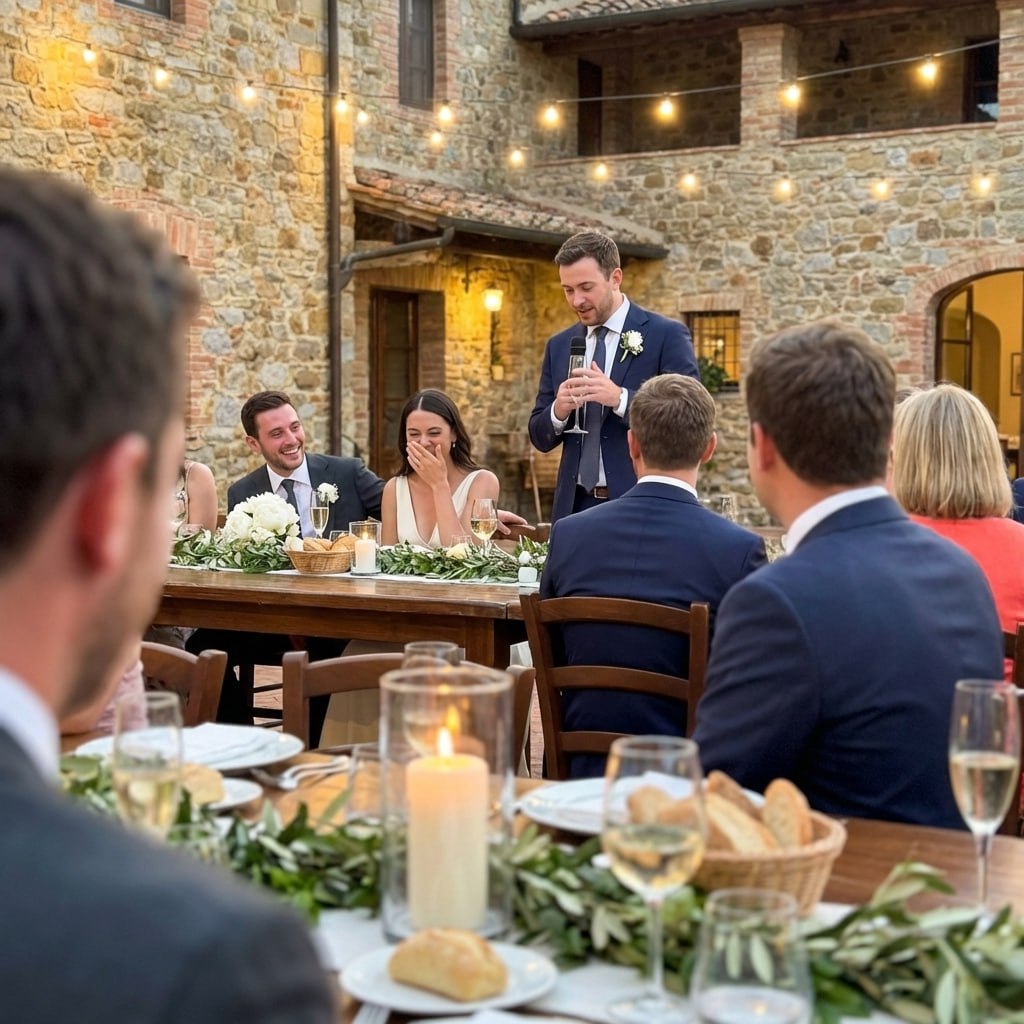
The toasts that go viral are often under ten words. Brevity plus specificity plus delivery equals the moment everyone captures on their phone.
More Maid of Honor Speech Resources
First dance
You guys!!
The best speeches deserve to be heard twice.
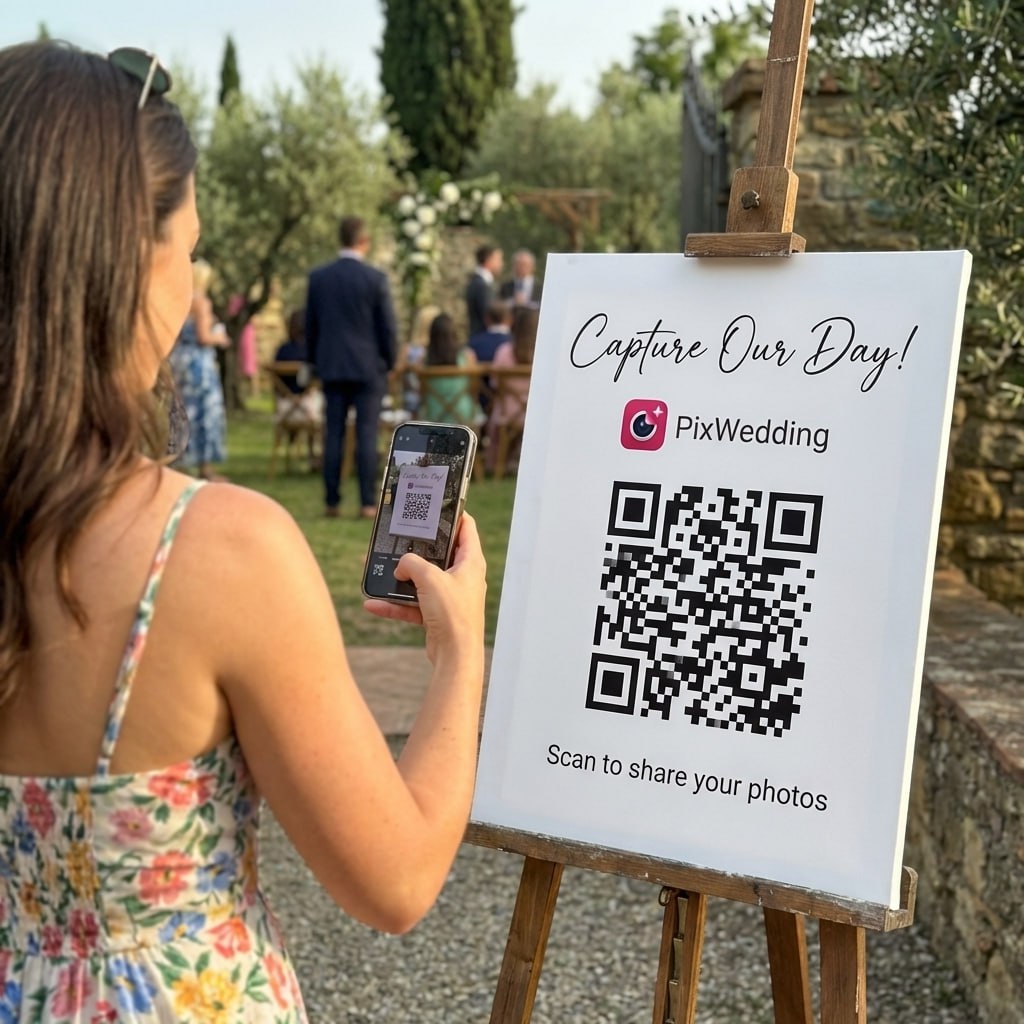
Pix Wedding pairs voice recordings and guest photos in one shared album, so the speech the room will not stop talking about is there for the couple to replay any time.
From Mom
Scan to join the album
No app, no account
UPLOADING
Saving your moment
THE ALBUM
Emma & Jack
June 21, 2026
647 photos · 95 guests
SCAN TO TRY
pix.wedding/
your-wedding
The Anatomy of a Hall of Fame Speech
After analyzing hundreds of maid of honor speeches from wedding professionals, speech coaches, and real wedding recordings, a consistent pattern emerges in the ones that are remembered years later. They are not the most eloquent. They are not the most rehearsed. They are the most specific.
Every speech that earns its place in the hall of fame has at least one moment where the specificity is so sharp that even complete strangers feel the reality of it. The furniture story. The 3am phone call. The exact words she said when she knew. These moments are cinematic in their detail and universal in their emotion.
The second common trait is structural confidence. The best speeches know where they are going. They build toward something. The audience feels a gathering of meaning even if they cannot articulate what is building. The toast, when it comes, feels both surprising and inevitable.
- •At least one moment of pure specificity that is cinematic in its detail
- •A clear emotional arc from warm opening to genuine peak to beautiful close
- •A toast that could not have been written for any other couple
- •Delivery that is personal enough to feel unrehearsed even when it is polished
- •At least one audience-wide emotional reaction - either laughter or silence or both
Why Specificity Is the Secret Weapon
The most common mistake in maid of honor speeches is relying on adjectives: she is kind, she is loyal, she is the best person I know. These words are meaningless in a wedding speech context because every maid of honor says them about every bride.
The speeches that become legendary trade adjectives for evidence. Not "she is loyal" but the specific moment of loyalty that proved it. The audience then draws the conclusion themselves. And a conclusion the audience draws themselves is worth a hundred times more than one you tell them to draw.
Specificity also creates intimacy. When you name the exact restaurant, the exact song that was playing, the exact words she used, the audience trusts that you are telling them something true. Generality creates distance. Specificity creates closeness.
- •Replace every adjective with a story that proves it
- •Name the exact details: where, when, what was said
- •Let the audience draw their own conclusions about what those details mean
- •Specific moments create shared experiences even with strangers
- •The more specific you are, paradoxically, the more universal the speech becomes
Explore more free wedding tools
Everything you need to make your wedding day stress-free and unforgettable.
AI Vow Generator
Write "banger" vows in seconds.
Hashtag Generator
Create unique wedding hashtags.
Thank You Notes
Generate personalized thank you notes.
Father of the Bride Toast
Full example toasts, structure, and delivery tips.
Invitation Wording
Perfect wording for your invitations.
Couple Name Combiner
Blend your names into the perfect couple name.
Photo Sharing QR
The best way to collect guest photos.
Wedding Checklist
Month-by-month planning checklist.
Best Maid of Honor Speeches FAQs
Everything you need to know about our free tools and how they help your wedding day.
The difference is specificity and authenticity. Good speeches are warm and well-intentioned. Great speeches are so specific that even people who have never met the bride feel like they know and love her. The best speeches have at least one moment where the room goes quiet together.
Viral speeches typically combine universal emotional truth with unexpected delivery. They feel spontaneous even when carefully prepared. They make the whole room feel something - often laughter immediately followed by genuine emotion. And they say something true that everyone in the room has felt but never quite articulated.
Audiences cry when they recognize something true about love or connection that they have felt themselves. The best speeches do not try to be emotional - they tell specific truths, and the emotion arrives naturally. Specificity is the trigger. Generic sentiments produce polite applause; specific truth produces tears.
Standing ovations come from speeches that feel completely earned: the humor is genuine, the emotion is built to, and the toast is short and perfect. But do not aim for a standing ovation. Aim to say something true and beautiful about someone you love. The ovation follows naturally when you get that right.
Professional speech coaches typically evaluate: specificity (specific stories vs generic praise), structure (clear arc with setup and payoff), delivery (pacing, eye contact, comfort), emotional range (balance of humor and sentiment), toast quality (short, specific, memorable), and audience engagement (did people feel included and involved).
Pick one or two moments so specific and vivid that the audience can picture being there. Build to your most emotional moment rather than opening with it. End with a toast that feels written for this couple and no other. And rehearse enough that you can look up and make eye contact during the moments that matter most.