
Spring Wedding Bouquet Ideas: 35 Styles, Color Palettes, DIY Tips, and Preservation Methods
From pastel garden posies to wildflower arrangements and single-variety statements, this guide covers every spring bouquet style with creative direction and practical how-to advice.
Share Your Wedding Photos Free6 Defining Spring Wedding Bouquet Styles
Each style below has a distinct visual signature and suits different wedding aesthetics. Read through all six before settling on a direction.
Pastel Garden Posy
DIY: MediumSoft blush, lavender, peach, and butter-yellow blooms gathered loosely in a round shape. This style reads as romantic and effortless rather than constructed. Works at garden estates, vineyard weddings, and spring greenhouse venues.
Wildflower Meadow
DIY: EasyLoose, unstructured, and intentionally imperfect. Mixes garden blooms with foraged or field-style elements: clover, daisies, Queen Anne's lace, grasses, and chamomile. The look is as if the bride walked through a field and gathered everything in reach.
Monochrome White
DIY: MediumAll-white blooms in varying textures and shapes. The key is contrast through form: ruffled white peonies next to graphic white anemones, then soft white sweet peas to soften edges. This style photographs beautifully against any background.
Single-Variety Statement
DIY: EasyOne flower, many stems, total commitment. A bouquet of 30 coral charm peonies alone is more striking than a mixed arrangement. Works for minimalist brides and modern venues. Requires excellent conditioning since there is no variation to hide imperfections.
Garden-Gathered (Asymmetric)
DIY: HardIntentionally one-sided or asymmetric design. Heavier on one side with focal flowers, trailing foliage or vines on the other. Creates movement and a sense of harvest spontaneity. Popular at outdoor and boho-style weddings.
Compact Monochrome Nosegay (Bridesmaid)
DIY: EasySmall, tight posies that match the bridal bouquet palette but in a single accent color. Each bridesmaid carries one variety. Six bridesmaids each holding a different spring flower creates a living rainbow effect.
An Illustrative Planning Scenario
Hypothetical example for illustration, not a real couple or booking.
Imagine a couple planning a late-April garden wedding in Virginia who spend weeks searching Pinterest before realizing their references all have one thing in common: loose, asymmetric arrangements that mix lavender sweet peas with early peonies and trailing jasmine vine. A florist confirms all three would be available in the third week of April, and quotes a bridal bouquet around $280 plus six bridesmaid posies at roughly $65 each, in line with the florist medium garden posy range below.
The key insight: they saved the Pinterest images and showed the florist the specific color relationships between elements, not just the individual flowers. That single step reduced back-and-forth emails from weeks to one meeting.
Tip: Create a mood board with 5-10 images that capture the feeling you want, not just individual flower close-ups. Florists respond better to aesthetic direction than to lists of flower names.
Foam Base vs Hand-Tied: Which Should You Choose?
This decision affects hydration, weight, aesthetics, and environmental impact. Here is a direct comparison across seven dimensions.
5 Color Directions for Spring Wedding Bouquets
Each direction below is built around flowers that are genuinely available in spring, with a practical tip for achieving the palette.
Blush and sage
Sage foliage (eucalyptus, lambs ear) shifts any pastel bouquet toward this palette without changing the flowers.
Coral and terracotta
Pair coral charm peonies with dried pampas or burnt-orange ranunculus for an earthy spring feel.
Lavender and white
Lilac branches are the fastest way to achieve this palette; add white sweet peas to fill.
Yellow and white
Daffodils and white tulips together with greenery is one of the most photographable early spring combinations.
Dusty mauve and blush
Dusty miller foliage shifts blush peonies toward mauve instantly. Add burgundy sweet peas for depth.
3 DIY Preservation Methods for Spring Bouquets
Start preservation within the first 24 hours after the wedding for the best results. These three methods are achievable without professional equipment.
Press individual blooms
Start: Within 24 hours of the weddingBest for: Sweet peas, anemones, ranunculus, single tulips- 1Pull out 3-5 of your most meaningful stems
- 2Place between two sheets of absorbent paper (newspaper or blotting paper)
- 3Stack heavy books on top and wait 3-4 weeks
- 4Mount pressed blooms in a shadow box or frame them under glass
Silica gel drying
Start: Within 12 hours of the weddingBest for: Peonies, ranunculus, roses, garden blooms with layered petals- 1Pour 2 inches of silica gel crystals in an airtight container
- 2Place blooms face-up on the silica bed
- 3Gently pour more crystals around and over each bloom
- 4Seal and wait 3-7 days; check daily after day 3
Hang-dry the whole bouquet
Start: Within 24 hours of the weddingBest for: Dried-look wildflower bouquets; peonies and lavender dry especially well- 1Remove all ribbon wrapping and re-tie with twine
- 2Hang upside down in a dry, dark room with good airflow
- 3Wait 2-4 weeks until fully dry
- 4Spray with unscented hairspray to seal; re-wrap with original ribbon
Spring Bouquet Planning Timeline
When to take each action for a smooth floral planning experience.
Book your florist. Confirm they work with spring blooms and secure your wedding date.
Share initial style direction: mood board, color palette, venue photos. Discuss estimated budget.
Finalize flower varieties with backup options. Confirm bridesmaid bouquet count. Sign contract.
Florist places orders with wholesalers. Confirm variety availability for your specific wedding date.
Final payment. Confirm delivery or pickup time and address.
Florist builds bouquets. Flowers condition in cooled storage.
Keep bouquets in cool room or cooler until 30 minutes before ceremony. Designate someone to hold the bouquet during the reception.
Begin preservation immediately: press select blooms, place others in silica gel, hang remainder to dry.
Related Spring Floral Guides
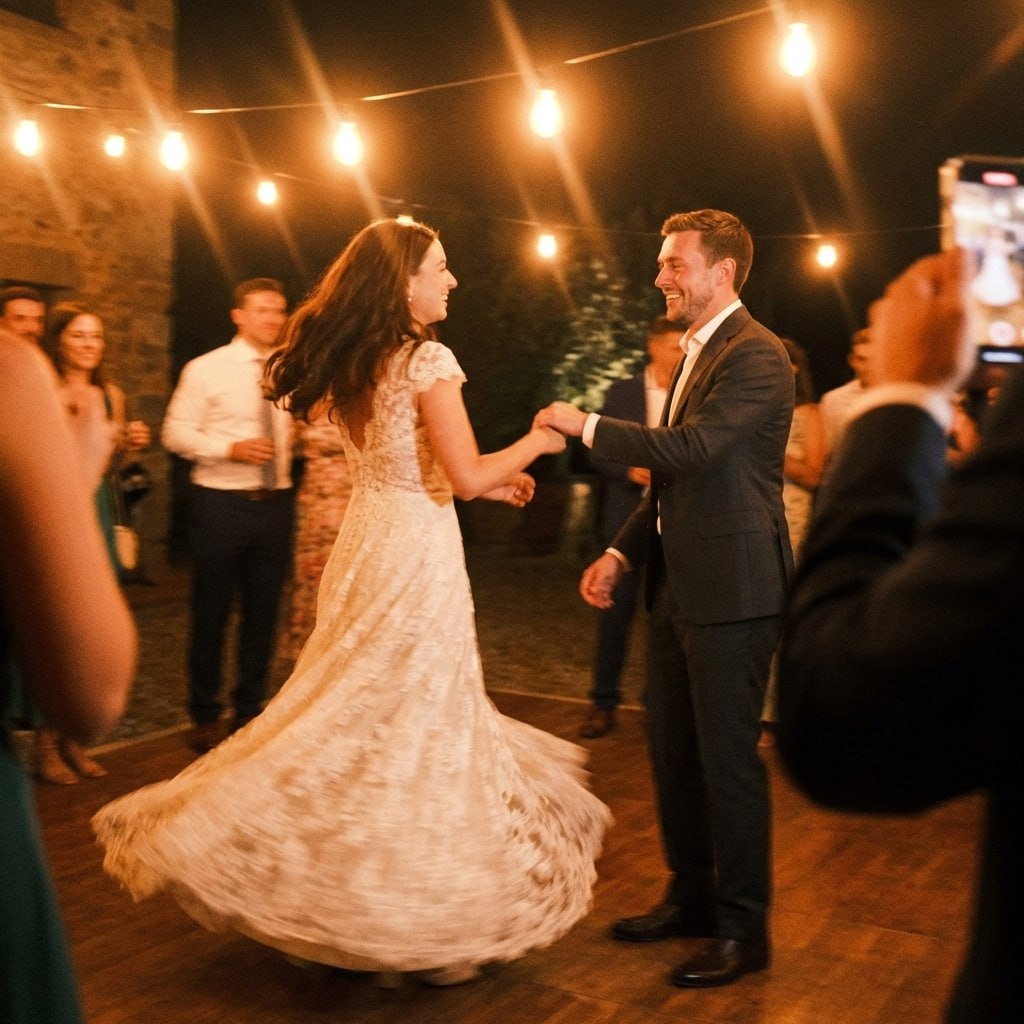
First dance
You guys!!
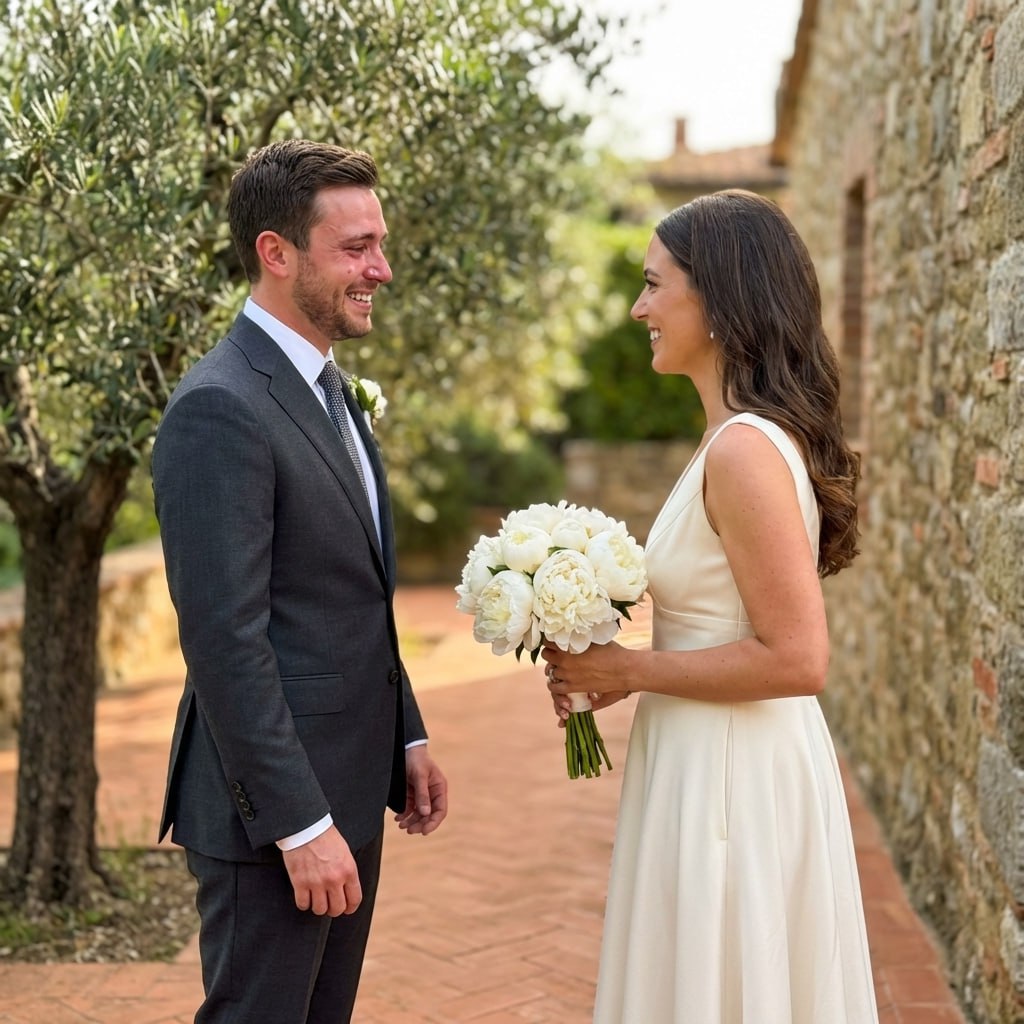
Your bouquet deserves to be photographed from every seat
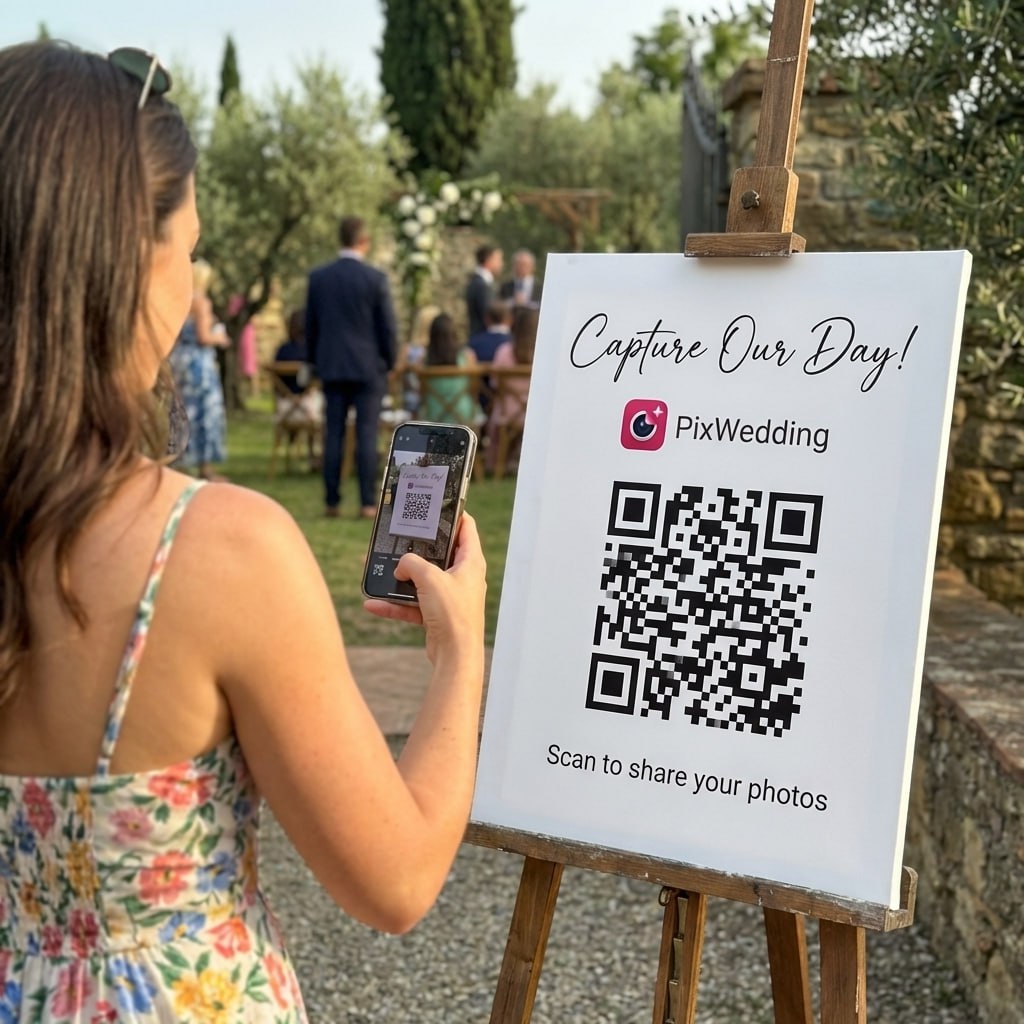
Guests capture your spring flowers in a hundred candid moments you will never see otherwise. Collect every shot in one shared album with a simple QR code.
From Mom
Scan to join the album
No app, no account
UPLOADING
Saving your moment
THE ALBUM
Emma & Jack
June 21, 2026
647 photos · 95 guests
SCAN TO TRY
pix.wedding/
your-wedding
Spring Wedding Bouquet Budget: What to Expect at Each Price Point
Bouquet pricing varies significantly based on flower choice, construction method, and florist market. Use these ranges as a starting benchmark when collecting quotes.
These ranges are directional estimates, not a fixed price list. According to Zola's wedding cost data, a standard bridal bouquet typically runs $100-$350, with premium or cascade designs running higher. Get itemized quotes from your own florist before finalizing a budget. DIY materials sourced from wholesale suppliers or farmers markets.
6 Common Spring Bouquet Mistakes (and How to Avoid Them)
These are the most frequent errors brides and DIYers make when planning spring bouquets. Each is easily avoided with the right information.
Choosing all large-headed flowers
Mix at least one small-headed or trailing flower with every focal bloom. Sweet peas and baby's breath are the classic fillers for this reason.
Not conditioning flowers the night before
Cut 1 inch off all stems under running water and place in fresh water with flower food for 12-24 hours before building the bouquet.
Leaving foliage below the waterline
Remove all leaves from any part of the stem that will be submerged. Foliage in water decomposes rapidly and shortens the vase life of your blooms.
Overloading with too many colors
Choose a palette of 2-3 colors maximum. Vary the shade and tone within that palette rather than adding entirely new hues.
Building the bouquet the morning of the wedding
Build the day before and place the finished bouquet in a short vase with 3 inches of water overnight. This gives stems time to re-hydrate after construction.
Not asking the florist about backup flowers
Always confirm what the florist will substitute if your first-choice variety is unavailable. Get this answer in writing at the contract signing, not the week of the wedding.
Ribbon and Handle Wrap Options: The Finishing Detail
The handle wrap is the last visible design element of the bouquet and the one most often overlooked. It should coordinate with the dress and overall aesthetic.
Satin ribbon (1.5 inch)
Classic, formalWrapped tightly from tape line to stem ends; secured with pearl pins. The most popular choice for structured and round bouquets.
Silk ribbon (1 inch, raw edge)
Romantic, etherealTied loosely in a bow with trailing ends. Pairs with loosely hand-tied and garden bouquet styles. Frayed raw edge adds texture.
Grosgrain ribbon (1.5 inch)
Casual, texturedRibbed texture adds visual interest. Works well for wildflower or rustic-style bouquets. Available in a wide range of colors.
Twine or jute
Rustic, organicTied in a simple bow. The most casual option; best for wildflower and garden-gathered arrangements at barn or outdoor venues.
Vintage lace or fabric strip
Romantic, heirloomA strip cut from a family heirloom or vintage fabric. Creates a deeply personal touch. Secure with a pearl pin rather than tying to preserve the fabric.
Velvet ribbon (1 inch)
Rich, moodyAdds texture and a slightly vintage quality. Works well with deep-toned autumn or moody spring palettes (burgundy, dusty mauve).
One Practical Note on DIY vs Professional for Spring Bouquets
DIY spring bouquets are highly achievable because most in-season spring flowers are hardy and forgiving. Tulips, ranunculus, and anemones all last well when conditioned properly, and their firm stems are easier to spiral than delicate summer blooms like dahlias. If you are considering DIY, a good compromise is to hire a florist for the bridal bouquet only (the most photographed item) and DIY the bridesmaid posies and centerpiece bud vases using bulk tulips or ranunculus from a wholesale supplier.
Online wholesale suppliers like FiftyFlowers, Mayesh, and Whole Blossoms sell spring stems in bulk with a minimum order, usually 25-50 stems per variety. For a 10-table reception with simple bud-vase centerpieces, 200 mixed tulip stems at wholesale pricing ($0.60-$0.90 each) costs $120-$180 in materials. A florist quote for the same 10 centerpieces typically runs several times higher once labor and design are included, so the DIY option is worth considering if you have the help and time.
Spring Wedding Bouquet Master Checklist
Use this checklist to stay on track from initial planning through to preservation after the wedding.
- Book your florist and confirm they specialize in spring weddings
- Share initial color palette and style direction
- Discuss estimated budget range for bouquet and bridesmaids
- Finalize the bouquet style (round, cascade, nosegay, hand-tied)
- Confirm focal flowers and palette
- Book bridesmaid bouquet count and size
- Sign floral contract with substitution options in writing
- Order or purchase ribbon and handle wrap materials if DIY
- Confirm florist delivery or pickup logistics
- Florist places wholesale orders
- Confirm variety availability for your specific date
- Share any last-minute color or style adjustments
- Final payment made
- Confirm delivery time and cold storage plan at venue
- Assign someone to hold bouquet during reception
- Keep bouquets in cool space until 30 minutes before ceremony
- Mist bouquets lightly with water before the ceremony
- Place bouquet in a short vase with water during the reception when not in hand
- Begin preservation within 24 hours
- Press select blooms for framing
- Silica gel your most meaningful stems
- Hang-dry the remainder upside down in a dark room
Choosing Between a Structured and a Loose Spring Bouquet
The first creative decision for any spring wedding bouquet is whether you want a structured shape or a loose, organic feel. Structured bouquets have a precise silhouette held by foam or careful wire framing. Loose, hand-tied arrangements embrace asymmetry and imperfection as part of their character.
For spring specifically, loose arrangements tend to highlight the natural seasonal quality of the blooms. A tulip looks more at home gathered loosely than wired into a tight foam ball. Conversely, if you are spending significant money on a cascade bouquet with trailing amaranthus, a foam armature gives you the control needed to position each stem exactly.
- •Structured (foam-based): best for formal venues, cascade shapes, large bridal parties where consistency matters
- •Hand-tied loose: best for garden venues, bohemian aesthetics, eco-conscious couples, smaller intimate weddings
- •Hybrid: foam-based bouquet wrapped in loose foliage to soften the silhouette
Color Psychology in Spring Wedding Bouquets
Spring offers the widest natural color range of any season, from the palest ivory to deep saturated burgundy. Choosing a palette requires thinking about how the bouquet reads in photographs, how it contrasts with the bridal gown, and how it fits the overall wedding color story.
Monochrome palettes (all blush, all white, all lavender) read as intentional and elegant in photos. Mixed palettes require a unifying element: a shared tone, a shared texture, or a consistent foliage type. The biggest DIY mistake is adding too many colors without a linking element, which results in a bouquet that looks chaotic rather than lush.
Mini Posies for Bridesmaids: Sizing, Stems, and Coordination
Bridesmaid bouquets should be proportional: roughly 60-70% the diameter of the bridal bouquet. For a 10-inch bridal bouquet, aim for 6-7 inch bridesmaid posies. Most florists price these at 40-60% of the bridal bouquet price per arrangement.
For spring, the most cost-effective bridesmaid option is single-variety mini posies of in-season tulips or sweet peas. Twenty stems of one variety tied tightly and wrapped in grosgrain ribbon is a complete, elegant bridesmaid bouquet for under $30 in materials.
- •Bridal bouquet 10-12 inches: bridesmaids carry 6-7 inch posies
- •Bridal bouquet 8-9 inches: bridesmaids carry 5-6 inch posies
- •Bridal bouquet 13-15 inches: bridesmaids carry 7-8 inch posies
- •Flower girls: 4-5 inch single-variety posies or petal cones instead
Explore more free wedding tools
Everything you need to make your wedding day stress-free and unforgettable.
QR Sticker Designer
Design custom print-ready stickers.
Hashtag Generator
Create unique wedding hashtags.
How to Collect Guest Photos
5 methods ranked by participation rate and ease.
Share Wedding Photos with Guests
Compare every sharing platform by ease and participation.
Best Way to Get Guest Photos
The single method with the highest participation rate.
How to Make a Shared Wedding Album
Step-by-step setup for every platform.
Alternative to Disposable Cameras
Better, cheaper options than disposable cameras.
Alternative to Wedding Photo Booth
5 cheaper alternatives to a $1,000+ photo booth rental.
Spring Wedding Bouquet: Frequently Asked Questions
Straight answers to the questions people ask most about this topic.
Garden posy bouquets in soft pastel palettes continue to dominate spring 2026 weddings. Specifically, loosely gathered arrangements mixing peonies, ranunculus, and sweet peas in blush, lavender, and peach tones are the most requested at US florists. The shift from previous years is toward a slightly more organic, asymmetric look rather than the tight dome style that peaked around 2018-2020.
The key is the spiral technique: hold your first stem vertically, then add each new stem at a 45-degree angle and rotate the bundle slightly after each addition. This creates a natural spiral that locks the stems together. Bind tightly with floral tape before adding any ribbon. Practice with inexpensive supermarket flowers a week before the wedding to develop the grip and rotation feel.
Both approaches work well, but the most photogenic option for spring weddings is to have bridesmaids carry mini posies (6-8 inches) in the same palette as the bridal bouquet but slightly smaller and simpler in design. If you have 4 or more bridesmaids, assigning each a different flower from the bridal palette (one carries all tulips, one all ranunculus, etc.) creates a layered rainbow effect that looks exceptional in group photos.
For spring weddings, book your florist 6-12 months in advance if you want peonies or specific cultivars. Florists who supply popular spring flowers often take limited bookings for peak weekends (late April through early June). Even if you do not finalize the design, securing your florist slot and discussing general direction that far ahead ensures you are not shut out. Confirm flower variety availability 6-8 weeks before the wedding.
Yes, with reasonable expectations. Supermarket flowers are typically cut earlier and may have a shorter vase life, but with proper conditioning (recutting stems, fresh water, flower food) they can look beautiful for 6-8 hours. Trader Joe's, Whole Foods, and Costco often carry tulips, ranunculus, and anemones in spring. Order from a specialty online flower wholesaler (Mayesh, FiftyFlowers) for a wider variety at better prices than most florists offer retail.
The single best method that balances accessibility and result quality is silica gel drying. You can buy a 5-pound container at most craft stores for around $15. Silica preserves flower shape and color better than air drying and does not require a professional. For the bridal bouquet specifically, separate out your 5-10 most meaningful blooms for silica treatment and hang-dry the remainder. You end up with framed individual blooms and a dried statement arrangement.