
Post-Wedding Depression: Why You Feel Sad After Your Wedding and How to Cope
If you feel flat, sad, or strangely empty after your wedding, you are not alone and you are not ungrateful. Post-wedding blues affect 12-50% of newlyweds. Here is what is happening and how to move through it.
This guide is for informational purposes only and does not constitute medical or psychological advice. If you are in crisis, please contact 988 (US) or your local emergency services.
You Are Not Alone, and Nothing Is Wrong With You
Feeling sad, empty, or deflated after your wedding is not a sign that you made a mistake, that your marriage is in trouble, or that you are ungrateful. It is a documented psychological response to one of life's biggest transitions. Studies suggest that anywhere from 1 in 8 to 1 in 2 newlyweds experience some form of post-wedding low mood. The experience is real, it is common, and it is temporary for most people.
Post-Wedding Blues vs. Clinical Depression: Know the Difference
Both are real and valid. The distinction matters because one resolves with time and self-care while the other benefits significantly from professional support.
Post-Wedding Blues
- Mild to moderate sadness or flatness
- Lasts 1-4 weeks after the wedding
- Does not significantly impair daily functioning
- Emotions fluctuate: some good days, some low days
- Resolves with time, routine-building, and connection
- Very common, affects the majority of newlyweds to some degree
Clinical Depression (Seek Support)
- Persistent low mood lasting more than 2-4 weeks
- Significant impairment at work, in relationships, or daily self-care
- Persistent hopelessness or feeling that nothing will improve
- Loss of interest in nearly all activities for most of the day
- Significant sleep or appetite changes
- Thoughts of self-harm: contact 988 or a healthcare provider immediately
Why Post-Wedding Depression Happens
There is no single cause. Most people experience a combination of these factors simultaneously.
Anti-Climax After Peak Excitement
Months of planning, anticipation, and social attention culminate in one day. When it ends, the neurochemical drop is real. Dopamine and adrenaline levels that spiked during planning and the wedding itself fall sharply afterward, leaving a physiological flatness that feels like sadness.
Identity Transition
Getting married is one of the most significant identity shifts an adult goes through. You move from "person planning a wedding" to "married person" overnight. This shift can feel disorienting even when you are deeply happy about the marriage itself. Grief over the end of an era, such as your life as a single person or as a couple without the formality of marriage, is a completely normal part of this transition.
Stress Hormone Drop
Wedding planning is a months-long sustained stress event. Your body adapts by keeping cortisol and adrenaline elevated. When the event ends and the stress disappears, the sudden withdrawal of those stress hormones can produce fatigue, low mood, and a strange sense of purposelessness.
Loss of Purpose and Structure
For many couples, wedding planning becomes a consuming shared project that occupies free time, creative energy, and conversation for a year or more. When the project ends, there is a vacuum. The to-do lists, vendor calls, and decision-making that gave daily structure are gone.
Social Withdrawal of the Wedding Team
During engagement, you are surrounded by excited family members, attentive vendors, and involved friends. After the wedding, that social bubble dissolves almost overnight. Vendors you spoke with weekly vanish. Family members return to their routines. The sudden quiet can feel like abandonment even though nothing is wrong.
Financial Stress
The weeks after a wedding often bring a flood of credit card statements, vendor final payments, and the reality of post-wedding finances. Financial stress is one of the most common but least discussed triggers of post-wedding low mood.
Common Triggers for Post-Wedding Low Mood
Knowing when to expect dips helps you prepare for them rather than being blindsided.
Returning from the honeymoon
The second major celebration ends and real life resumes. The contrast between honeymoon relaxation and Monday morning commute is jarring.
Photo and video delivery
Receiving wedding photos weeks later prompts an emotional re-run of the day, sometimes with perfectionism ("I wish I had done X differently") layered on top.
First Monday back at work
Returning to a workplace that has largely moved on from your wedding can feel deflating, especially if you expected more continued interest.
Thank-you card season
Writing dozens of thank-you notes forces a prolonged revisiting of the wedding while simultaneously feeling like a chore, which creates an ambivalent emotional state.
Social media wedding posts appearing
Seeing your own tagged photos and others' reactions prolongs the "review loop" and can trigger comparison to an idealized memory of the day.
Symptoms of Post-Wedding Blues and Depression
Orange-flagged symptoms (marked below) may indicate a more serious episode warranting professional attention if they persist.
8 Ways to Cope With Post-Wedding Depression
These strategies are grounded in research on life transitions, mood regulation, and relationship psychology.
Set a New Shared Goal Together
The project-shaped hole left by wedding planning can be filled by creating a new shared project: planning a trip, starting a home improvement, learning a skill together, or saving toward a shared financial goal. Having something to work toward as a team reignites the collaboration energy.
Create Small Post-Wedding Rituals
Rather than comparing every day to the wedding, build new rituals that belong specifically to your married life. A weekly date night, a Sunday morning tradition, or a monthly "marriage check-in" conversation creates positive anchors in your new routine.
Limit Wedding Social Media Scrolling
Seeing other couples' wedding highlight reels or endlessly re-watching your own footage can prolong the comparison loop. Give yourself dedicated time to enjoy your wedding photos, then consciously step back from scrolling for a few days to allow your nervous system to settle into your new normal.
Prioritize Physical Exercise
Exercise is one of the most evidence-supported interventions for low mood. Even a 20-minute walk raises endorphin levels, regulates stress hormones, and improves sleep quality. Starting a physical activity together, like a morning run or gym membership, also reinforces partnership.
Protect Your Sleep
Sleep disruption both causes and deepens depressive symptoms. The post-wedding period often involves late nights, travel, and schedule disruption. Prioritize returning to a consistent sleep schedule: same bedtime, same wake time, even on weekends.
Schedule Dedicated Connection Time
Paradoxically, some newlyweds feel emotionally distant from their partner in the weeks after the wedding. All the attention of the event can make the quiet of ordinary life feel like something is wrong. Schedule intentional connection: cooking together, phone-free dinners, or sharing what you are grateful for each evening.
Give Yourself Permission to Feel It
Trying to "logic away" sadness because you "should be happy" extends its duration. Acknowledge to yourself and to your partner: "I know we are happy and grateful. I also feel a bit flat right now, and that is okay." Naming the emotion reduces its intensity. Suppressing it amplifies it.
Reach Out for Professional Support if Needed
If low mood persists beyond 2-4 weeks, begins affecting your ability to function at work or in your relationship, or involves persistent hopelessness, reach out to a therapist or counselor. Post-wedding depression that does not resolve on its own responds very well to short-term therapy.
Real Experiences From Newlyweds
These anonymous accounts reflect experiences shared widely in wedding communities and therapy settings.
"I felt so guilty for feeling sad. We had an incredible wedding and I love my husband deeply. But for two weeks afterward I could not stop crying in the car on my way to work. No one warned me this was a thing."
Anonymous, married 2024
"The strangest part was feeling lonely even though I had just celebrated with 150 people who love us. It was like the party ended and everyone forgot it happened."
Anonymous, married 2023
"My therapist called it a "major life transition response." That framing helped enormously. It was not that I was ungrateful or having second thoughts. It was just a big change, and change is hard even when it is positive."
Anonymous, married 2025
How to Support Your Partner Through Post-Wedding Blues
Post-wedding depression can affect either or both partners. If you are the one who feels okay but your partner is struggling, here is how to help without making it worse.
Ask open questions: "How are you feeling about things since the wedding?" rather than telling them they should be happy.
Do not dismiss the feelings as irrational or ungrateful. Validate first, solve second.
Share your own feelings openly. Partners who feel they are struggling alone are more likely to spiral.
Suggest (do not push) activities that bring connection: a walk, a new restaurant, a movie at home.
Watch for signs of clinical depression (lasting more than 2 weeks, functional impairment, hopelessness) and gently encourage professional support.
Remember that post-wedding blues affect both partners, not just the one who planned more.
When to Seek Professional Help
Please reach out to a therapist, your GP, or a mental health helpline if any of the following apply to you.
Low mood has persisted for more than 3-4 weeks without improvement
You are unable to perform well at work or meet daily responsibilities
You feel persistent hopelessness about the future
You feel resentment or disconnection from your partner that concerns you
You are experiencing significant appetite or sleep changes
You have any thoughts of self-harm: contact 988 (US), 116 123 (UK Samaritans), or your local emergency number immediately
Call or text 988 anytime. Free, confidential crisis support 24/7.
1-800-950-6264. Mental health information and referrals.
Online therapy with licensed therapists. Accessible from home.
More Wedding Transition Support
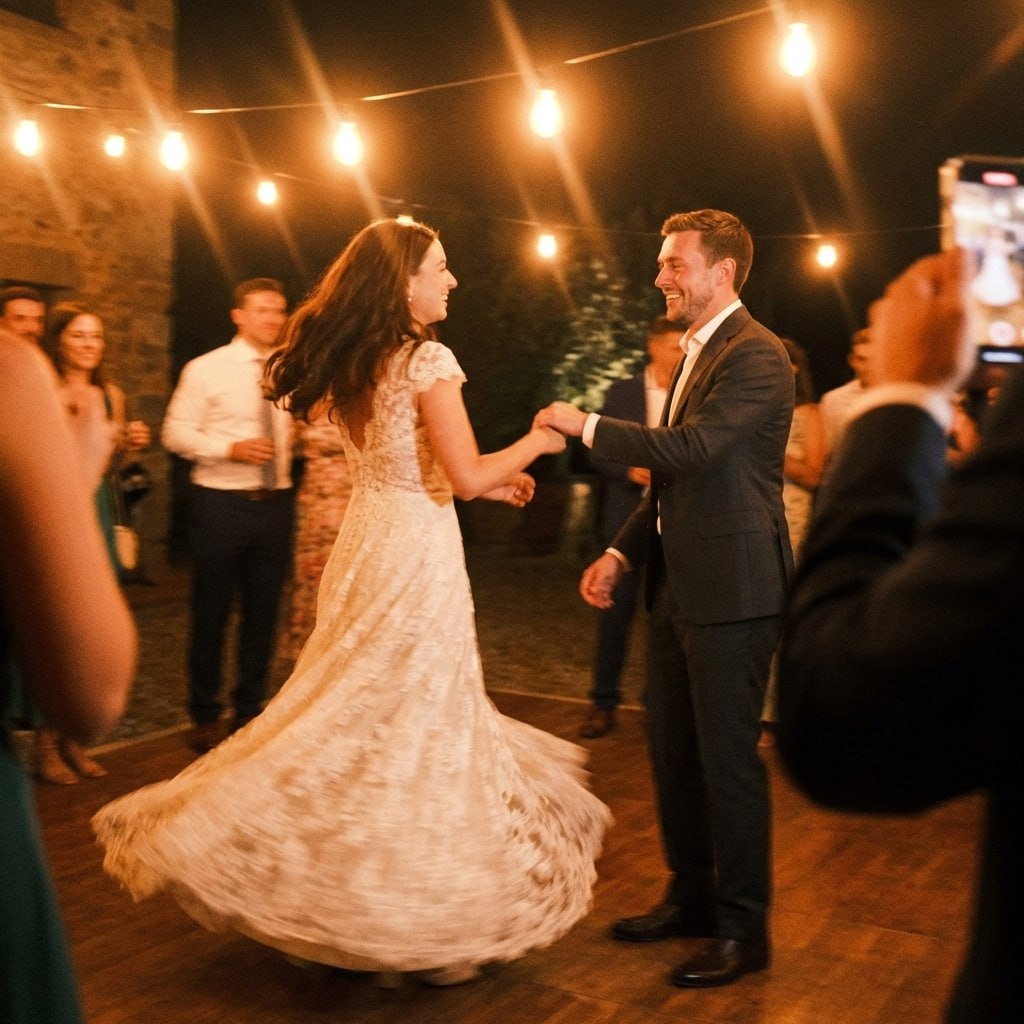
First dance
You guys!!
Relive the best parts whenever you need to.
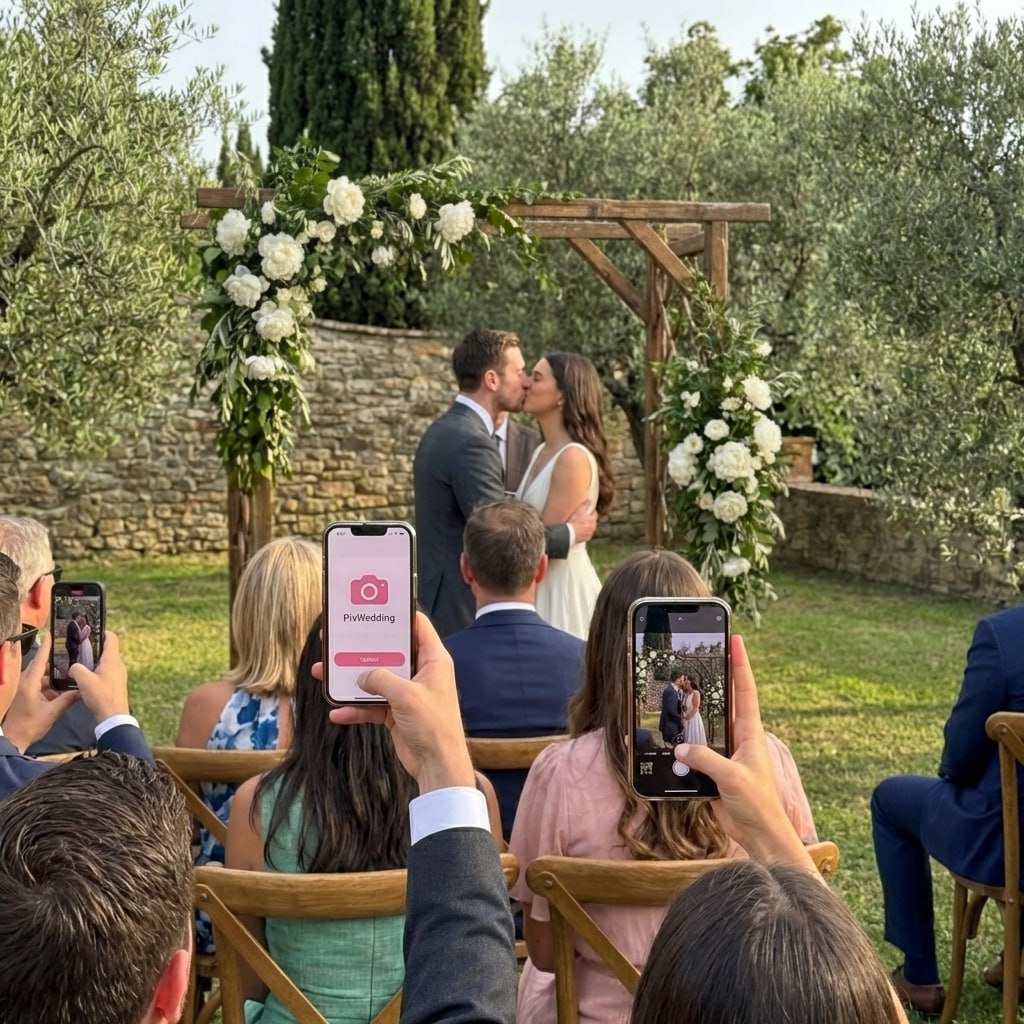
With Pix Wedding, every guest photo lands in one shared album automatically. Go back to those moments any time the post-wedding low hits hardest.
From Mom
Scan to join the album
No app, no account
UPLOADING
Saving your moment
THE ALBUM
Emma & Jack
June 21, 2026
647 photos · 95 guests


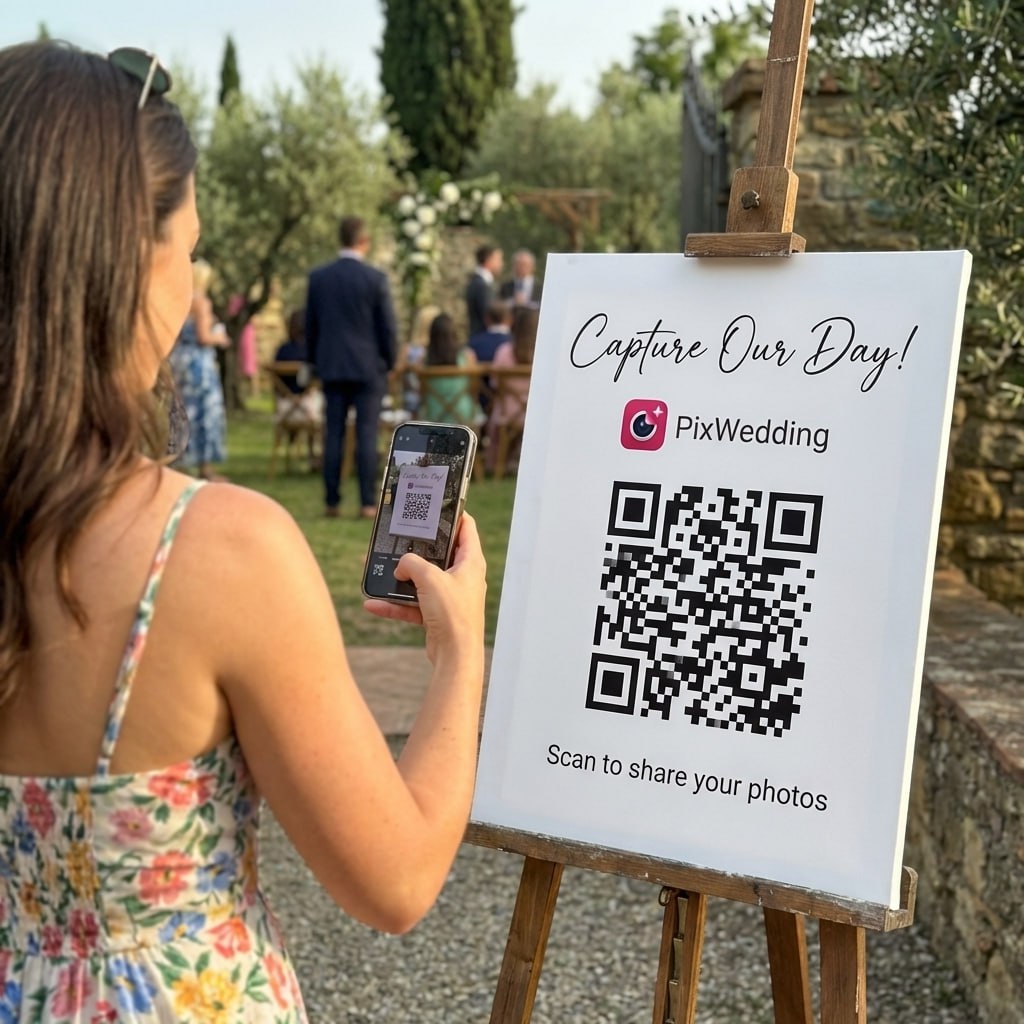

SCAN TO TRY
pix.wedding/
your-wedding
The Science Behind Post-Wedding Blues
Post-wedding depression is not simply about ingratitude or weakness. It has a neurological and psychological basis that researchers and therapists have documented for decades.
Wedding planning activates the brain's reward system continuously over many months. Each decision made, each vendor booked, and each milestone reached delivers small dopamine hits that keep motivation and mood elevated. The wedding day itself represents the peak of this sustained reward cycle.
When the event ends, the reward system loses its input. Dopamine levels that had been artificially elevated by anticipation and planning normalize rapidly. This drop is experienced emotionally as flatness, sadness, or a sense that something is missing, even when life is objectively good.
Additionally, chronic stress during wedding planning elevates cortisol and adrenaline. When stress disappears suddenly, the body's adaptation to these hormones creates a withdrawal-like effect characterized by fatigue, low motivation, and mood instability.
Understanding that these feelings have a biological basis can help remove the shame and confusion that often intensify the experience.
- •Dopamine drop after sustained anticipation and planning
- •Cortisol withdrawal after months of elevated stress
- •Identity transition from "engaged" to "married"
- •Social network contraction after the event
- •Financial stress from post-wedding statements
- •Anti-climax following a highly anticipated milestone
Rebuilding Routine: The Practical Path Through
Most post-wedding blues resolve naturally when couples establish new routines and shared purposes. The transition period of 1-4 weeks is the window when intentional action makes the most difference.
Research on life transitions consistently shows that creating structure, maintaining social connections, and setting new goals are the most effective bridges between major life events. These same principles apply directly to the post-wedding period.
The goal is not to replicate the excitement of the wedding but to build a different kind of richness: the depth of everyday married life, which is quieter but no less meaningful.
- •Re-establish consistent sleep and wake times within one week of returning home
- •Plan at least one social engagement per week with friends or family
- •Identify one new shared goal as a couple (travel, fitness, learning, saving)
- •Create one weekly ritual that belongs specifically to your married life
- •Limit wedding social media scrolling to a specific window, then close it
- •Schedule a check-in conversation with your partner about how you are both feeling
Resources and Professional Support
If post-wedding low mood does not resolve within 4 weeks, or if it is significantly affecting your ability to function, please reach out for professional support. You do not need to be in crisis to speak with a therapist.
Many therapists specialize in life transitions, including marriage and the post-wedding period. Short-term cognitive behavioral therapy (CBT) is particularly effective for adjustment-related depression.
Online platforms like BetterHelp and Talkspace offer accessible therapy without the barrier of in-person scheduling, which can be useful when adjusting to a new post-wedding routine.
If you are in the United States and experiencing a mental health crisis, the 988 Suicide and Crisis Lifeline is available 24/7 by call or text. NAMI (National Alliance on Mental Illness) also provides resources and a helpline at 1-800-950-6264.
Disclaimer: this page is for informational purposes only and does not constitute medical or psychological advice. If you are concerned about your mental health, please consult a qualified healthcare professional.
Explore more free wedding tools
Everything you need to make your wedding day stress-free and unforgettable.
QR Sticker Designer
Design custom print-ready stickers.
Hashtag Generator
Create unique wedding hashtags.
How to Collect Guest Photos
5 methods ranked by participation rate and ease.
Share Wedding Photos with Guests
Compare every sharing platform by ease and participation.
Best Way to Get Guest Photos
The single method with the highest participation rate.
How to Make a Shared Wedding Album
Step-by-step setup for every platform.
Alternative to Disposable Cameras
Better, cheaper options than disposable cameras.
Alternative to Wedding Photo Booth
5 cheaper alternatives to a $1,000+ photo booth rental.
Post-Wedding Depression: Common Questions
Straight answers to the questions people ask most about this topic.
Yes. Research and clinical observations suggest that between 12% and 50% of newlyweds experience some form of post-wedding blues or low mood following their wedding. It is a recognized psychological response to the anti-climax after a prolonged period of excitement, the identity transition of getting married, and the sudden drop in stress hormones after months of planning. Feeling sad or flat after your wedding does not mean you made a mistake or that your marriage is in trouble.
Post-wedding blues typically last 1-4 weeks and resolve on their own as couples settle into married life and establish new routines. If low mood persists beyond 4 weeks, significantly affects your ability to function at work or in your relationship, or involves persistent hopelessness or disconnection from your partner, it may have shifted into clinical depression, which warrants professional support. A therapist or counselor can help considerably.
Post-wedding blues refers to the transient, mild low mood that many newlyweds experience in the first 1-4 weeks after the wedding. It is a normal emotional response to a major life transition. Post-wedding depression is more severe: it lasts longer (more than 2-4 weeks), significantly impairs daily functioning (work, relationships, self-care), and may involve persistent hopelessness, inability to find pleasure in anything, or marked anxiety. If symptoms match the clinical depression description, please speak with a healthcare professional.
Post-wedding sadness is not necessarily about your marriage or your partner. It is most commonly caused by a combination of: the anti-climax after months of anticipation and planning, the neurochemical drop as stress hormones normalize after the event, the loss of a meaningful shared project (wedding planning), the sudden dispersal of the social support team (vendors, engaged family), and the identity shift from "engaged" to "married." You can be deeply happy in your marriage and still experience this emotional transition.
The most helpful things are: listen without dismissing or minimizing their feelings, validate that the experience is real and common, share your own feelings openly so they do not feel alone, gently suggest activities that build connection (walks, cooking together, screen-free evenings), and watch for signs that go beyond normal adjustment. If symptoms persist beyond 4 weeks or include functional impairment, encourage them warmly to speak with a therapist. Avoid framing it as "you should be happy" which increases guilt and prolongs the experience.
Seek professional support if: low mood persists beyond 3-4 weeks without improvement, you have difficulty functioning at work or maintaining daily responsibilities, you experience persistent hopelessness or loss of interest in nearly everything, you feel disconnected or resentful toward your partner in ways that concern you, or you have thoughts of self-harm. A therapist, your GP, or a mental health helpline (988 Suicide and Crisis Lifeline in the US) are all good starting points. Post-wedding depression responds well to short-term therapy.