
Best Month to Get Married: The Complete 2026 Guide
January is the cheapest month to get married ($29,900 on average) and May the most expensive ($33,900). October and June tie as the most popular at 16% each, and May and October usually bring the best weather. Below: all 12 months compared on cost, crowds and weather.
Every number links to its source. Checked 4 October 2026.
January is the cheapest, May the priciest
- Jan$29.9k
- Feb$33.1k
- Mar$32.7k
- Apr$32.8k
- May$33.9k
- Jun$33.1k
- Jul$33.8k
- Aug$32.5k
- Sep$33.3k
- Oct$33.5k
- Nov$31.4k
- Dec$30.9k
The Knot, average cost by month, 2024 weddings.
What is the best month to get married?
It depends on what you want most. For the lowest cost, January: it averaged $29,900, about 9% under the $33,000 national figure. For the best weather in most regions, May or October. For the classic peak, October or June, each with about 16% of US weddings. December is the quietest month at about 1%.
The month moves the bill less than many guides claim: the gap between the cheapest and the priciest month is $4,000. Christmas week (guest travel) and July heat (outdoor plans) are the two windows that cause the most trouble.
$29,900
January, the cheapest month on average
$33,900
May, the most expensive month on average
16%
of US weddings in October, tied with June
1%
in December, the least popular month
Sources: The Knot, cost by month and The Knot, wedding season data. Checked 4 October 2026.
What is the most popular month for weddings?
October and June share the top spot with about 16% of US weddings each. May follows at 14% and September at 13%, so the four months together hold more than half of all weddings. December trails far behind at about 1%.
July and November are worked out from The Knot season totals, and The Knot reports January to April only as one combined share.
Fall and early summer hold the crowd
Shares from The Knot wedding season data. Bars are drawn on a 20% scale. Checked 4 October 2026.
What is the cheapest month to get married?
January, at $29,900 on average, 9.4% below the national figure. December ($30,900) and November ($31,400) come next. May is the most expensive month at $33,900, 2.7% above average, and the spread from cheapest to priciest is $4,000.
- January
$29,900
-9.4% vs avgCheapest - February
$33,100
+0.3% vs avgAt average - March
$32,700
-0.9% vs avgMid - April
$32,800
-0.6% vs avgMid - May
$33,900
+2.7% vs avgMost expensive - June
$33,100
+0.3% vs avgAt average - July
$33,800
+2.4% vs avgPeak - August
$32,500
-1.5% vs avgMid - September
$33,300
+0.9% vs avgAbove average - October
$33,500
+1.5% vs avgPeak - November
$31,400
-4.8% vs avgBudget - December
$30,900
-6.4% vs avgBudget
Wedding cost by quarter
The Knot's latest cost data groups the year into quarters, against a national average of $34,200 (The Knot 2026 Real Weddings Study). July to September is the priciest stretch, and the first and last quarters both come in $1,000 under the average.
The month matters, but less than most guides claim.
Monthly averages from The Knot (2024 weddings, national average $33,000). Quarters from The Knot 2026 Real Weddings Study. Checked 4 October 2026.
Which month has the best weather for a wedding?
May and October in most of the US. May is usually mild before the summer humidity, and October brings crisp days and fall color with a low chance of extreme heat. Where you marry matters more than the month, though: September is perfect in New England and scorching in Phoenix.
Northeast
NY, MA, CT, PA- Best: May, September, October
- Avoid: January, February, humid July
Fall foliage peaks around mid-October. Summers are humid and winters are hard on outdoor plans.
South
TX, FL, GA, SC- Best: March, April, October, November
- Avoid: July and August heat
Winters are mild and spring is lovely. Summers are hot and humid enough to wilt an outdoor ceremony.
West
CA, WA, OR, AZ- Best: April to October in most of California
- Avoid: Arizona summer, Pacific Northwest winter rain
Coastal California works most of the year. In the Pacific Northwest, late spring to early fall is the dry window.
Midwest
IL, OH, MN, MI- Best: May, June, September
- Avoid: January to March
Summers are short and pretty, fall arrives fast by October, and winters are severe.
Spring, summer, fall or winter: the pros and cons of each
Sarah Tether-Peirce walks through every season: which is the most affordable, how the weather changes outdoor and indoor plans, the look of each season and the pitfalls to plan around. Worth ten minutes before you pick a month.
Watch on YouTubeRegion lines are broad climate patterns, not forecasts. Check local averages for your venue's town before you commit to an outdoor ceremony.
Every month rated: pros, cons, cost and vibe
The average cost on each card is The Knot figure for that month. The pros and cons are what typically shapes the day: weather, demand, holidays and light.
- $29,900
January
Winter- Cheapest month overall in The Knot data
- About 9% below the national average
- Only about 2% of weddings, so dates are wide open
- Vendors have time and room to negotiate
- Cold in most regions
- Post-holiday guest fatigue
- Short daylight for photos
Weather: Cold nationwide, mild in the South and WestVibe: Intimate, cozy, budget-smart - $33,100
February
Winter- Valentine’s Day mood
- Off-peak dates still open
- Small guest lists feel natural
- Averages about the same as June, no real discount
- Valentine’s week is a rush week for florists
- Cold in most of the US
Weather: Cold to mild, pleasant in the SouthVibe: Romantic, small, warm indoors - $32,700
March
Late winter- Slightly below the national average
- First spring flowers
- Mild weather arriving in the South
- Lent matters to many Catholic families
- Changeable weather
- Rain risk in the Northeast and Midwest
Weather: Variable, cool in the NorthVibe: Fresh, transitional, affordable - $32,800
April
Spring- Blooms everywhere
- Comfortable temperatures
- Strong spring photos
- April showers are real
- Passover and Easter can clash
- Pricing close to the national average
Weather: Mild, rain likelyVibe: Floral, fresh, romantic - $33,900
May
Spring- Some of the best weather of the year in most regions
- Long golden hours
- Lush outdoor settings
- Most expensive month on average
- Venues book fast
- Memorial Day weekend goes early
Weather: Warm, usually before the humidityVibe: Classic, bright, outdoorsy - $33,100
June
Early summer- The classic summer wedding
- Longest daylight of the year
- School is out, so families can travel
- Tied for most popular (16%), dates go fast
- Hot and humid in the South and Midwest
- Vendors heavily booked
Weather: Warm to hotVibe: Classic, vibrant, premium - $33,800
July
Summer- Guests can travel in the school holidays
- Peak outdoor look
- July 4th weekend feels festive
- Second most expensive month on average
- Heat in many regions
- Humidity is hard on hair and makeup
Weather: Hot, humidity riskVibe: Festive, summery, hot - $32,500
August
Late summer- Below the national average despite summer
- Summer energy is still high
- Some late-August dates open up
- Often the hottest stretch
- Back-to-school clashes for families
- Hurricane season on the Southeast coast
Weather: Hot, peak humidityVibe: Late summer, warm, lively - $33,300
September
Early fall- Fourth most popular month (13%)
- Comfortable temperatures in most regions
- Foliage starts late in the month
- Just above the average, demand is high
- Popular venues book well ahead
- Rosh Hashanah some years
Weather: Warm days, cooler eveningsVibe: Premium, photogenic, peak - $33,500
October
Fall- Peak fall foliage in many states
- Crisp, comfortable days
- Halloween weekend is memorable
- Above-average pricing
- Tied for most popular (16%)
- Earlier sunsets cut evening photos
Weather: Crisp, low heat riskVibe: Dramatic, cozy, photogenic - $31,400
November
Late fall- Third cheapest month (4.8% below average)
- Indoor venues shine
- Guests already traveling at Thanksgiving
- Short daylight
- Thanksgiving clashes
- Turning cold in the North
Weather: Cool and variableVibe: Warm-toned, cozy, quiet - $30,900
December
Winter- Second cheapest month on average
- Holiday decor already up
- Guests in a festive mood
- Christmas clashes are unavoidable
- Some venues charge more on holiday weekends
- Cold in most of the country
Weather: Cold in most regionsVibe: Festive, cozy, magical
Costs and shares from The Knot cost by month and season data. Weather lines are broad national patterns. Checked 4 October 2026.
Every season, guests catch it all
Whatever month you choose, your guests take the candid shots your photographer misses. They scan one QR code and add photos from the phone browser, no app and no account.



Scan to join the album
No app, no account
UPLOADING
Saving your moment
THE ALBUM
Clara & Sam
Example album
128 photos · 29 guests
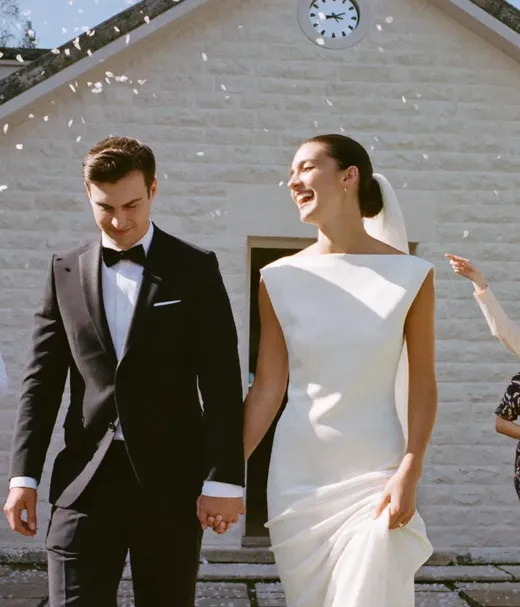
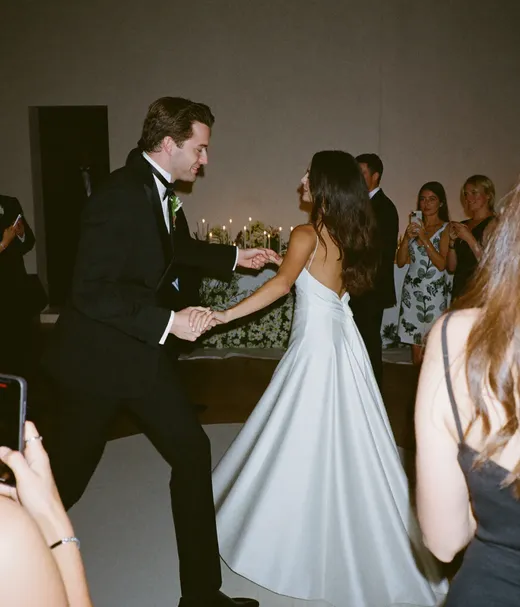
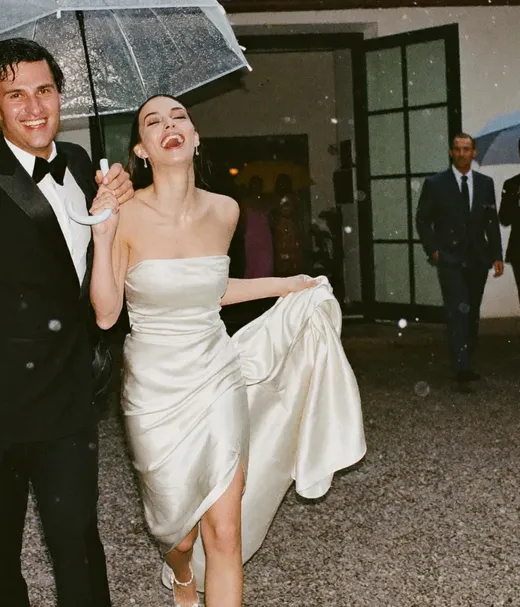

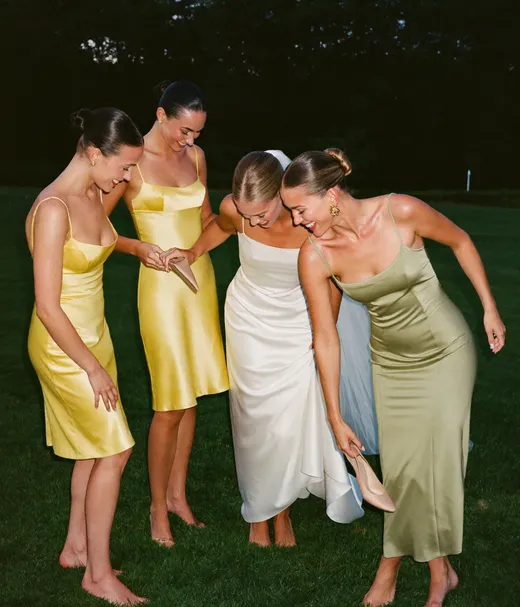



How much do you save with an off-peak month?
About $3,400 on average if you swap September for January, and $4,000 if you swap May for January. The totals below are The Knot averages for September ($33,300) and January ($29,900). The split by vendor is an illustrative example of where a January discount usually shows up, mostly in the venue fee.
September vs January, one illustrative budget
| Category | September | January | You save |
|---|---|---|---|
| Venue rental | $10,500 | $8,900 | $1,600 |
| Catering | $9,800 | $9,200 | $600 |
| Photography | $3,300 | $3,000 | $300 |
| Florals | $2,800 | $2,500 | $300 |
| DJ or band | $2,100 | $1,900 | $200 |
| Everything else (attire, cake, rentals, stationery) | $4,800 | $4,400 | $400 |
| Total (The Knot averages) | $33,300 | $29,900 | $3,400 |
Totals: The Knot, average cost by month (2024 weddings). Line items are an illustrative split, not published Knot figures. Your quotes will vary by city, guest count and vendor.
How the month moves each vendor's price
Demand follows a seasonal curve: May to October holds about three in four US weddings, and that curve flows down to every vendor. Quiet months change the negotiation more than the rate card.
- Venues move the most. A venue fee is the biggest line on most budgets and the one most often discounted on a quiet date.
- Photographers can be more flexible in January. Weekend rates tend to be easier to negotiate when the calendar is empty.
- Florists may relax minimums in winter. Valentine’s week is the exception, when demand spikes.
- Caterers negotiate per-plate prices more readily in low-demand weeks they need to fill.
- DJs and bands are easier to book outside the summer and fall rush.
- Honeymoon travel can cost less off-season, depending on the destination.
$4,000
is the gap between January ($29,900) and May ($33,900) in The Knot data, about 12% off the May figure. Plug your own numbers into the wedding cost calculator.
Which day of the week is cheapest to get married?
Thursday, at $31,100 on average, 5.7% below the national figure. Wednesday ($32,000) and Sunday ($32,700) are the other days under average. Friday is not the bargain people assume: it averaged $33,200, a hair above Saturday at $33,100, and Tuesday was the priciest day at $33,900.
- ThursdayBelow avg
$31,100
5.7% below average, the cheapest day
Availability: High
- WednesdayBelow avg
$32,000
3% below average
Availability: Very high
- SundayBelow avg
$32,700
About 1% below average
Availability: Good
- SaturdayAt or above
$33,100
The most requested day
Availability: Lowest
- FridayAt or above
$33,200
Slightly above Saturday
Availability: Good
- MondayAt or above
$33,500
Above average
Availability: Very high
- TuesdayAt or above
$33,900
The priciest day
Availability: Very high
The cheapest combo
A Thursday in January stacks the cheapest day on the cheapest month. Sunday is the softer option if guests need the weekend.
Averages hide venue pricing: many venues still list Friday and Sunday below Saturday, so ask each one for its rate by day. Guests who want to celebrate with you will take a weekday off, and a smaller, keener crowd is no bad thing. Day averages from The Knot, checked 4 October 2026.
How far ahead do venues book each month?
Popular venues fill their best dates in a fairly predictable order: fall Saturdays first, winter Saturdays last. The windows below are a common planning rule of thumb, not survey data, and busy cities run earlier.
- 01Often 12 months or more
September and October Saturdays
The fall peak goes first at popular venues. If you want this window in 2027, start touring now.
- 02Often about a year
June Saturdays
Summer weekends fill quickly after the holiday engagement season.
- 03Often 8 to 12 months
April, May and August Saturdays
Steady demand with a little more runway. You can be choosy, just do not wait too long.
- 04Often 3 to 6 months
January to March Saturdays
Many venues still have winter Saturdays on fairly short notice. This is the off-peak advantage at its clearest.
Reading this in late 2026 and set on fall? Fall 2027 is the realistic target at popular venues, while January to March 2027 still offers the best mix of open dates and pricing power. Once the date is set, map the months with the wedding planning checklist and browse wedding venues by state.
Religious and cultural dates to check before you book
The wrong date can clash with guests, vendors and family. Cross-check these for your year before you sign a venue contract. Number-pattern dates like 10/10 or 6/6 work the other way: they tend to book up early.
Christian observances
- Lent (about February to April): many Catholic families avoid big celebrations in this season.
- Christmas week: guests are less willing to travel and some vendors charge holiday rates.
- Easter weekend: family commitments and travel clashes.
Jewish observances
- Passover (usually April): many Jewish guests and vendors are busy with Seders.
- Rosh Hashanah and Yom Kippur (September or October): they fall in peak season, so check the dates for your year.
- Shabbat (Friday sundown to Saturday night): matters for observant guests at Friday evening or Saturday daytime events.
Other dates to check
- Ramadan: it moves about 11 days earlier each year. In 2027 it is expected to run from about early February to early March, so Muslim guests may be fasting.
- Thanksgiving weekend: guests are already traveling, which can help or clash.
- Friday the 13th: some couples avoid it, so the date can be easier to book.
How to choose your wedding month in five questions
Work through them in order. Each answer narrows the window.
- 01
Is the budget your main constraint?
Yes: look at January, December and November, the three cheapest months in The Knot data. No: every month is on the table.
- 02
Do you need an outdoor ceremony?
Yes: skip December to February in northern states. May, September and October are the safest bets.
- 03
Do most guests need to travel?
Yes: avoid holiday weekends (Christmas, Thanksgiving, July 4th). May and September are the easiest months to travel.
- 04
Are there religious or cultural dates to avoid?
Check Lent, Passover, Easter, Ramadan, Rosh Hashanah and Yom Kippur for your year before you sign anything.
- 05
How far ahead are you planning?
Under 6 months: winter dates are still realistic. 6 to 12 months: April, May and November open up. 12 months or more: every month, including peak fall.
What picking a month can look like
Four illustrative couples, not real case studies. The averages in each are The Knot figures for that month.
How switching to January could trim a few thousand dollars
Picture a couple who planned September, then hears a noticeably lower quote for a January Saturday at the same venue. In The Knot averages, September weddings ran $33,300 and January weddings $29,900, a gap of about $3,400. A couple who negotiates hard on a quiet date can sometimes beat the average.
$3,400 average gap, September vs JanuaryWhy some couples say October is worth the extra cost
Picture a couple who always wanted a fall wedding and pays October rates, which averaged $33,500, a little above the national figure. The foliage in the photos is the whole point for them, and no spreadsheet captures that.
Peak pricing on purpose can still mean zero regretsHow February can be about romance, not savings
Picture a couple who picks February for the symbolism and books the weekend before Valentine’s Day, when florists are less stretched. February averaged $33,100, right at the national figure, so the win is the mood and the open dates, not a discount.
February averaged $33,100Why a quieter month can mean more vendor attention
Picture a couple booking vendors a year ahead for March. With lighter calendars, vendors tend to answer faster and may add small extras, like an engagement shoot or a second floral mock-up. It is not guaranteed, but a quiet month gives you room to ask.
Quiet months leave room to ask for extrasScan. Upload.
Every season, one album.
Snow in January or confetti in October, guests scan the QR code at the reception and add photos from the phone browser in seconds, no app and no account.
WEDDING ALBUM
Clara & Sam
Example album
Clara & Sam
Any month, every photo
Whatever month you pick, get every photo
January light, June sun or October leaves, every season makes beautiful photos. Collect them all in one album without chasing anyone after the day. Guests scan a QR code and upload in the phone browser, no app and no account. 20 uploads free, no card.
From the reception
Scan to join the album
No app, no account
UPLOADING
Saving your moment
THE ALBUM
Clara & Sam
Example album
164 photos · 37 guests
SCAN TO TRY
pix.wedding/
your-wedding
Best Month to Get Married: FAQ
Quick answers on the cheapest, busiest and quietest months, off-peak savings, the cheapest day and outdoor weather.
January is the cheapest month to get married. In The Knot's month-by-month cost data, January weddings averaged $29,900, about 9% below that year's $33,000 national average, and only about 2% of US weddings happened that month. December ($30,900) and November ($31,400) were the next cheapest. Venues and vendors have fewer bookings in January, so couples often gain real negotiating power, better vendor attention, and access to dates that would be taken instantly in peak season.
October and June are tied as the most popular months for weddings in the US, each accounting for roughly 16% of all annual weddings according to The Knot's Real Weddings Study. May follows at about 14%, then September at 13%. The fall and early-summer windows offer some of the best weather across most of the country, which is why popular venues often book these dates a year or more ahead.
December is the least popular month for weddings in The Knot's latest data, at only about 1% of US weddings. In The Knot's previous monthly figures, January was the quietest month at about 2%. Both sit at the cheap end of the year: January averaged $29,900 and December $30,900. The lower demand in these months means you can often book top-tier photographers, caterers and venues that would otherwise be unavailable.
Less than many guides claim. In The Knot's monthly data, January weddings averaged $29,900 and May weddings, the most expensive month, $33,900, a $4,000 gap or about 12% less than May. The Knot's newest quarterly figures show the same pattern: $33,200 for January to March and for October to December, versus $35,400 for July to September. Individual vendors, especially venues, can discount more on quiet dates, so always ask for off-peak pricing.
Sunday helps a little, Friday usually does not. In The Knot's day-of-week data, Sunday weddings averaged $32,700 (about 1% below the national average) and Thursday was the cheapest day at $31,100 (5.7% below), while Friday averaged $33,200, slightly above Saturday at $33,100. Individual venues still often price Friday and Sunday below Saturday, so ask each venue for its rate by day. Combined with January, a Thursday or Sunday is among the most budget-friendly options.
May and October offer the most reliable outdoor wedding weather across most US regions. May is usually mild, before the summer heat and humidity peak. October brings crisp days, fall foliage in many states and a low chance of severe heat. Both avoid the cold of winter and the heat of July and August. In the South, March, April and November also work well.
Related guides
Set the budget, plan the months ahead and find the venue.
Sources, checked 4 October 2026
- The Knot: average wedding cost by month and day of the week
- The Knot: is there an off-season for weddings
- The Knot: average wedding cost (2026 Real Weddings Study)
- Sarah Tether-Peirce: the best season for your wedding (YouTube)
Clara & Sam, the names and counts in the phone mockups, the vendor split in the savings table, the booking windows and the example couples are illustrative. Weather lines are broad regional patterns. Photos are from our own library.
More free wedding planning tools
Free tools for the budget, the checklist, the timeline and the guest photos that follow.
QR Sticker Designer
Design custom print-ready stickers.
Hashtag Generator
Create unique wedding hashtags.
How to Collect Guest Photos
5 methods ranked by participation rate and ease.
Share Wedding Photos with Guests
Compare every sharing platform by ease and participation.
Best Way to Get Guest Photos
The single method with the highest participation rate.
How to Make a Shared Wedding Album
Step-by-step setup for every platform.
Alternative to Disposable Cameras
Better, cheaper options than disposable cameras.
Alternative to Wedding Photo Booth
5 cheaper alternatives to a $1,000+ photo booth rental.