
Best Man Speech Help: Solutions to Every Challenge
Writer's block, stage fright, "I'm not funny," cultural considerations, last-minute prep, and the AI vs. speechwriter decision. Every common problem, solved.
Writer's Block: 6 Ways to Break Through
The blank page is the enemy. These six techniques reliably break the block within 20 minutes.
The 5-Question Prompt
Answer five specific questions about the groom in writing, with zero filter. Your answers contain the whole speech in raw form.
Voice Note Method
Record yourself talking about the groom for 10 minutes without stopping. Transcribe it. The best lines are usually in the first 3 minutes.
The Bad Draft First
Write the worst possible speech you can, intentionally. The act of writing badly releases the perfectionism block. Then you rewrite the bad draft.
Start with the Ending
Write the toast line first. Work backwards. Knowing the destination makes every earlier section feel purposeful.
Interview a Mutual Friend
Call someone who also knows the groom. Ask them to tell you their favorite story. Their memory will unlock three of yours.
AI Draft Kickstart
Generate an AI first draft using the Pix Wedding AI Speech Generator. Use it as a structural skeleton and fill in your real stories.
Anxiety Management: What Actually Works
Box Breathing
Inhale for 4 counts, hold for 4, exhale for 4. Repeat 3 times in the 2 minutes before you stand. This activates the parasympathetic nervous system and slows heart rate.
Anchor Faces
Before you begin, make eye contact with 3 specific friendly faces: someone who laughs easily, someone who cries easily, and the groom. They become your audience when the room feels too large.
Embrace the Shake
Shaking hands are invisible to the audience. A slightly shaky voice reads as emotion, not fear. Acknowledge your nerves internally, then speak anyway. The first 20 seconds are the hardest.
Over-Prepare
Every extra rehearsal reduces anxiety proportionally. Speakers who have run the speech 20 times are almost never overwhelmed. Preparation is the most reliable anxiety cure.
The honest truth: there is no shortcut around nerves. The only path through is preparation. Every extra rehearsal is a direct anxiety reduction.
"I'm Not Funny": Real Solutions
Replace jokes with specificity
A very specific true observation is funnier than a constructed joke. "He has never, in 10 years, correctly estimated how long anything will take" is funnier than most jokes because it is true and specific.
Use light self-deprecation
A single well-placed self-deprecating line is reliable for any speaker. It signals you do not take yourself too seriously, which is inherently likeable.
Lean into the sincere speech
If comedy is not your natural register, commit to sincerity. A genuinely heartfelt speech with zero jokes will always beat a bad comedian's wedding speech.
Test one joke, not five
If you want some humor, write five jokes and test each on a friend. Use only the one that gets the biggest response. Quality over quantity.
Cultural and Multilingual Considerations
Multilingual Audiences
Include one sentence or toast in the primary alternate language. Keep idioms universal. Avoid slang that requires cultural context to land.
Religious Contexts
For religious ceremonies or conservative families, replace roast humor with warm character observations. The speech should pass the "grandmother test" in these settings.
Mixed Cultural Heritage
When the bride and groom come from different cultural backgrounds, acknowledge both with equal warmth. A brief reference to what each tradition brings to the marriage is powerful.
Humor That Travels
Observational humor about universal human experiences (bad parking, overconfidence, cooking disasters) translates across cultures far better than referential humor tied to one cultural context.
Last-Minute Speech: Your 110-Minute Plan
Wedding is tomorrow (or today). Here is what to do right now, in order.
Use AI generator
30 minInput your stories and generate a draft with Pix Wedding AI Speech Generator.
Personalize ruthlessly
30 minReplace every generic line with a specific memory, nickname, or real detail.
Read aloud three times
20 minNo stopping. Read through fully three consecutive times to internalize the flow.
Write index card bullets
10 minCondense to 6 bullet points on one index card. This is your safety net.
Identify two stories you know cold
10 minThese you could tell without notes. Everything else can be supported by the card.
Time the full delivery
10 minEnsure it runs 3-5 minutes. Cut anything beyond that ruthlessly.
AI Tool vs. Professional Speechwriter: Which Is Right?
Use an AI Tool When...
- You have real stories to share but struggle to structure them
- You have 4+ weeks and can personalize a generated draft
- Budget is a concern (AI tools are free or low-cost)
- You want the speech to sound like your voice, not a writer's voice
- The wedding is relatively intimate (under 100 guests)
Consider a Speechwriter When...
- The wedding is very high-profile with 300+ guests and significant family expectations
- You have severe writing anxiety that blocks any kind of drafting
- The groom is a public figure and the speech will be widely shared
- You have a generous budget and want a fully polished professional product
- You genuinely have no positive memories to draw on (extremely rare)
More Speech Resources
First dance
You guys!!
You nailed the speech. Now preserve it.
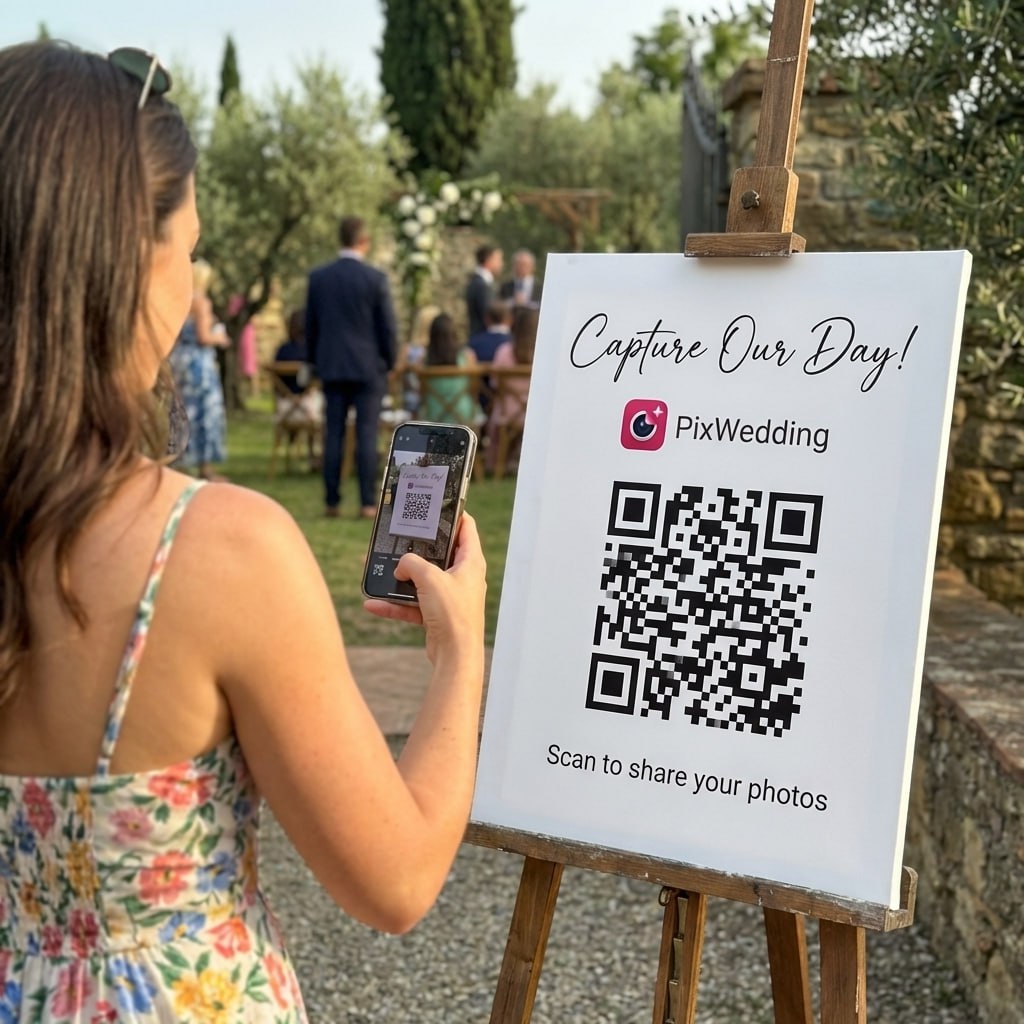
Pix Wedding records voice messages and captures guest photos via a single QR code, so the speech you worked so hard on has a permanent home alongside the day's best moments.
From Mom
Scan to join the album
No app, no account
UPLOADING
Saving your moment
THE ALBUM
Emma & Jack
June 21, 2026
647 photos · 95 guests
SCAN TO TRY
pix.wedding/
your-wedding
The Biggest Best Man Speech Mistake Nobody Talks About
Most speech advice focuses on what to say. The bigger problem is usually the mental block about starting. Best men routinely wait until the week before the wedding because the task feels enormous. The result is a speech written under stress that never gets properly revised or rehearsed.
The fix is reframing the task. You are not writing a speech. You are answering five questions about your best friend in writing. Every answer you write is raw material. The editing process converts that raw material into a speech. Separating the generative phase from the editing phase eliminates 80 percent of writer's block.
- •Write without editing: generate first, refine second
- •Use conversation as the source: interview yourself out loud
- •Set a 20-minute hard deadline for the first draft, no matter how rough
- •The perfect speech starts as a terrible one; revision is the craft
The Case For and Against AI Speech Tools
AI speech generators have improved dramatically and can now produce a solid 80 percent of a personalized best man speech in minutes. They are particularly good at structure, transitions, and tone calibration. What they cannot do is insert the specific 3am text, the camping trip story, or the nickname only your friend group uses.
The ideal workflow: use AI to generate the structure and rough sentences, then spend 20-30 minutes replacing generic details with specific ones. The result sounds like you wrote it (because you personalized it) while having professional-grade structure (because AI handled the scaffolding).
- •AI handles structure and transitions extremely well
- •AI cannot invent real memories; you must supply them
- •Always read AI output aloud: it reveals robotic phrases to rewrite
- •Personalization is the final 20 percent that makes it 100 percent yours
Explore more free wedding tools
Everything you need to make your wedding day stress-free and unforgettable.
AI Vow Generator
Write "banger" vows in seconds.
Hashtag Generator
Create unique wedding hashtags.
Thank You Notes
Generate personalized thank you notes.
Father of the Bride Toast
Full example toasts, structure, and delivery tips.
Invitation Wording
Perfect wording for your invitations.
Couple Name Combiner
Blend your names into the perfect couple name.
Photo Sharing QR
The best way to collect guest photos.
Wedding Checklist
Month-by-month planning checklist.
Best Man Speech Help FAQs
Everything you need to know about our free tools and how they help your wedding day.
Start by answering five specific questions in writing: How did you meet? What is his single worst habit that is actually endearing? What is the best thing he ever did for you? What was your first impression of the bride? When did you know they were perfect together? These five answers almost always contain the entire speech in rough form.
The single most effective anxiety cure is thorough preparation. Speakers who have rehearsed 15 or more times are rarely overwhelmed by nerves. On the day, use box breathing (inhale 4 counts, hold 4, exhale 4) in the 2 minutes before you stand. Speak to 2-3 specific faces in the first 10 seconds rather than scanning the whole room.
Absolutely. Sincerity beats comedy every time when sincerity is genuine. The most memorable speeches often have almost no jokes but carry extraordinary warmth. Replace jokes with specific, vivid stories that have a light twist. If a story is told with specificity and love, the audience will smile without needing a punchline.
Consider a speechwriter if: you have severe anxiety that blocks writing, you genuinely have no memories to draw on (rare), or the wedding is very high-profile with a large audience. In most cases, a good AI tool plus your own personalization produces a speech that feels more authentic than a professional speechwriter who does not know the groom.
If the wedding has guests from different linguistic backgrounds, include one short phrase or toast in the other language (practice pronunciation carefully). Avoid idioms that do not translate well. Brief, warm, universal humor beats complex cultural references that only half the room will understand.
Use an AI speech generator to produce a solid draft in under 30 minutes. Personalize it with two specific stories you know. Read it aloud three times in a row without stopping. Write the toast line on an index card. Prioritize sincerity over jokes. A heartfelt 3-minute speech prepared in one day will almost always land better than an ambitious 6-minute speech delivered badly.