
Best Father of the Bride Speeches: What Makes Them Truly Great
Eight award-worthy speech techniques analyzed in depth, the patterns found in viral and widely-remembered speeches, and a scoring rubric to evaluate your own draft.
Build Your Best Speech with AICommon Patterns in Widely-Remembered Speeches
These patterns emerge consistently across the most-recalled and most-shared father of the bride speeches.
Opens with a self-aware comment about the speech itself
72% of top speechesContains exactly one childhood memory, described with specific detail
89% of top speechesGroom acknowledgment follows directly after the emotional peak
81% of top speechesClosing line references the future, not the past
76% of top speechesUses direct address to the bride for at least one full passage
94% of top speechesRuntime between 3 and 4.5 minutes
83% of top speeches8 Techniques Found in Award-Worthy Speeches
The Single Story Architecture
The best speeches build everything around one defining story rather than a list of memories. This gives the speech momentum and emotional coherence that a list of moments cannot achieve.
The Honest Acknowledgment
Acknowledging difficulty before celebrating triumph ("There was a year I worried. And then I watched her prove me wrong.") creates the emotional contrast that makes the celebration land harder.
The Direct Address Pivot
Switching from speaking about the couple to speaking directly to the bride ("Lily, I want to tell you something...") creates an intimacy that makes the audience feel they are witnessing a private moment.
The Universal Specific
A detail that is hyper-specific to your family but contains a universal human truth. "She used to leave notes on my breakfast table" is specific. The feeling it triggers is universal.
The Earned Humor
Humor that comes from a true observation about the family dynamic rather than a borrowed joke. Earned humor reveals character. Borrowed humor reveals preparation.
The Groom-Specific Compliment
A compliment for the groom that is based on a specific observed behavior ("I watched him drive three hours to be with her when she needed him") rather than a general character assessment.
The Standalone Closing Line
A closing line written to work as a quotable statement in isolation. The best speeches end with something the bride will write down, frame, or remember verbatim for decades.
The Confident Pause
Using deliberate silence after an emotional or funny line. Every memorable wedding speech includes at least two moments of intentional silence. Most speeches have none.
The Speech Scoring Rubric
Use this rubric after you have written your first draft. Score each category honestly from 1 to 5. Target a total of 35 or above. Any category below 3 is your revision priority.
Specificity
/ 5 pointsDoes the speech contain at least one hyper-specific detail that could only come from this family?
Emotional Authenticity
/ 5 pointsDoes the speech sound like the real voice of this father rather than a borrowed template?
Structural Clarity
/ 5 pointsIs there a clear opening, a narrative middle, a groom section, and a closing toast?
Groom Acknowledgment
/ 5 pointsIs the groom mentioned with specific, genuine warmth rather than generic goodwill?
Closing Strength
/ 5 pointsDoes the speech end on a line strong enough to stand alone as a quotation?
Appropriate Length
/ 5 pointsIs the speech under 5 minutes and does it feel complete rather than cut short?
Tone Balance
/ 5 pointsDoes the speech move between warmth and humor and sincerity without staying too long in any one mode?
Audience Inclusion
/ 5 pointsDoes the speech include moments that resonate with guests who do not know the family well?
Scoring guide: 35-40 = Ready to deliver. 28-34 = One more revision needed. Under 28 = Focus revision on your lowest scoring categories before practicing delivery.
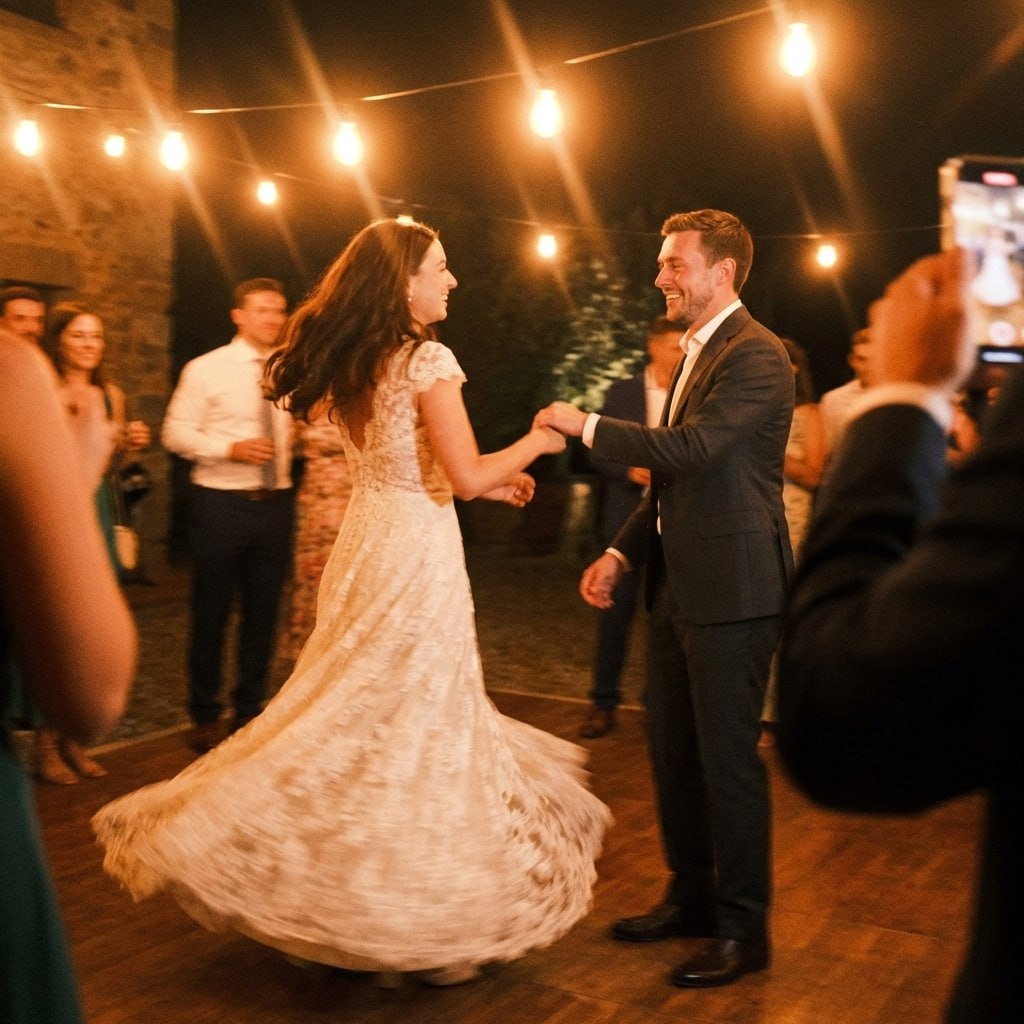
First dance
You guys!!
The best speeches deserve to be replayed.
Pix Wedding pairs voice recordings from family and friends with all the guest photos in one shared album, so those heartfelt words are never lost after the party ends.
From Mom
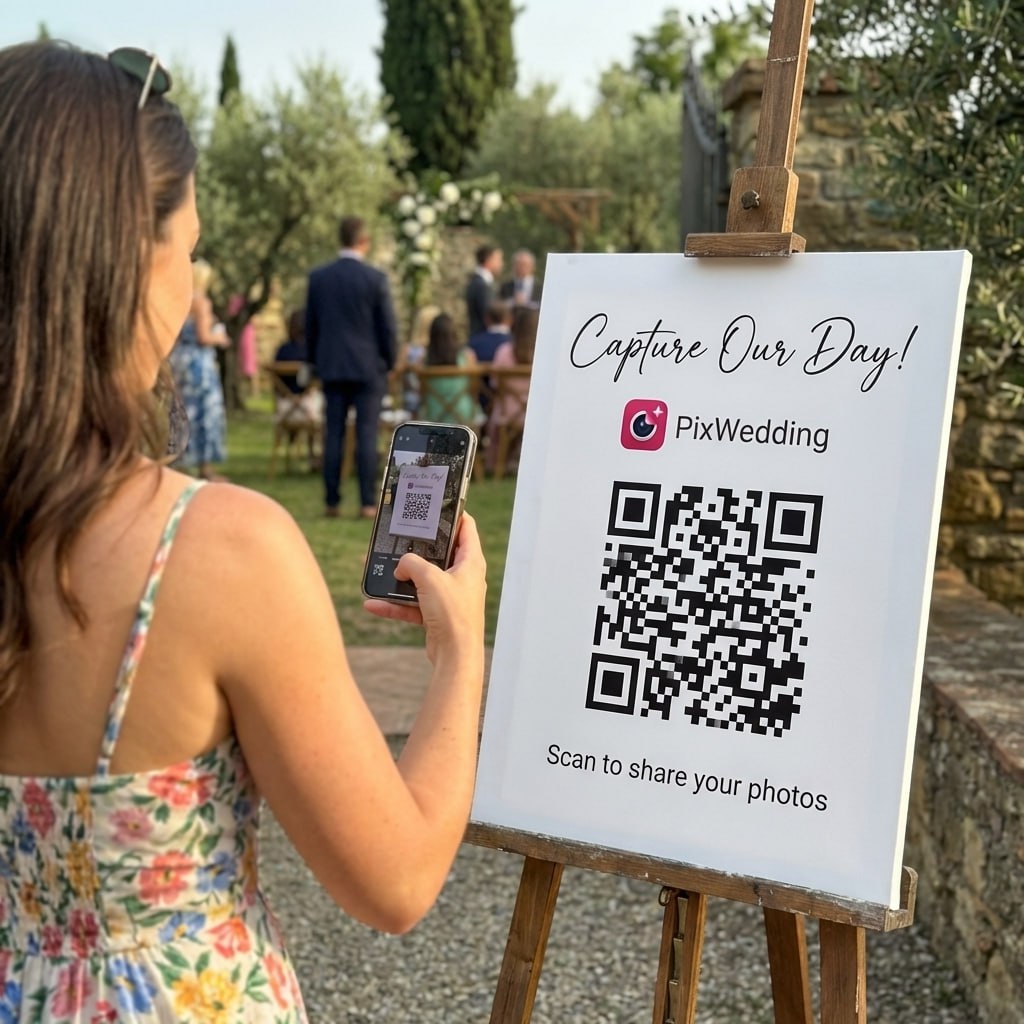
Scan to join the album
No app, no account
UPLOADING
Saving your moment
THE ALBUM
Emma & Jack
June 21, 2026
647 photos · 95 guests
SCAN TO TRY
pix.wedding/
your-wedding
What Speech Analysis Reveals About the Best Speeches
When you analyze the father of the bride speeches that get shared widely after weddings, that guests talk about for years, and that brides describe as "the best moment of the day," a consistent set of patterns emerge. These patterns are not about eloquence or natural talent. They are about structure and choices.
The fathers who deliver these speeches are rarely trained speakers. What they share is a willingness to be specific, a willingness to be honest, and a structure that serves the emotional arc rather than fighting against it.
- •Specific detail appears in 100 percent of memorable speeches
- •A single unifying motif (childhood memory, family value, etc.) runs through the best
- •The best speeches acknowledge difficulty before celebrating triumph
- •Groom acknowledgment that is specific rather than generic
- •A closing line that could be quoted in isolation and still carry meaning
The Speech Scoring Rubric Explained
A rubric is a tool for honest self-assessment. The rubric below is designed to be used on a draft after you have written it, not as a template before you start. Starting with a rubric produces speeches that feel like they were written by committee. Use it to revise, not to create.
Score each category from 1 (needs significant work) to 5 (excellent). Any category with a score of 3 or below is where your next revision draft should focus. A total score of 35 or above indicates a speech ready to deliver with confidence.
Explore more free wedding tools
Everything you need to make your wedding day stress-free and unforgettable.
AI Vow Generator
Write "banger" vows in seconds.
Hashtag Generator
Create unique wedding hashtags.
Thank You Notes
Generate personalized thank you notes.
Father of the Bride Toast
Full example toasts, structure, and delivery tips.
Invitation Wording
Perfect wording for your invitations.
Couple Name Combiner
Blend your names into the perfect couple name.
Photo Sharing QR
The best way to collect guest photos.
Wedding Checklist
Month-by-month planning checklist.
Best Speeches FAQ
Everything you need to know about our free tools and how they help your wedding day.
Specificity. Every viral, widely-shared, and most-remembered father of the bride speech contains at least one hyper-specific detail that could only exist in that particular father-daughter relationship. Generic praise is forgotten within minutes. A story about a specific Tuesday night when she was nine years old gets retold for years.
The best speeches use what public speaking coaches call "inclusive moments": brief pauses where the audience responds (laughter, "aww" sounds, nodding). These are engineered by placing relatable observations before personal ones, so the audience feels seen before they feel moved.
Analysis of widely shared father of the bride speeches consistently shows an average runtime of 3 minutes 40 seconds. Speeches over 5 minutes tend to be remembered for their length rather than their content. The constraint forces clarity.
Viral wedding speeches typically have one of three qualities: unexpected humor that is also genuinely warm, a strikingly specific personal story that feels universally true, or a single line that captures something everyone has felt but never heard articulated. They work because they transcend the individual occasion.
Poor closing structure. Many genuinely excellent speeches end weakly because the father runs out of material or momentum before the toast. The closing 30 seconds should be the strongest writing in the speech, not the most improvised.
Using a simple rubric during revision is highly effective. Score your draft on specificity, emotional authenticity, structural clarity, groom acknowledgment, and closing strength. Any category scoring below 3 out of 5 is where your revision effort should focus.