
Is It Normal to Fight Before the Wedding?
Yes, for most couples. Wedding planning stacks money, family expectations and deadlines on top of normal life, and research cares more about how you argue than how often. Here is what is normal, when it becomes a red flag, and how to repair a fight.

Is it normal to fight before the wedding? In one line
Yes. Arguing more during wedding planning is common and usually reflects stress, money pressure and family expectations, not a doomed relationship. It becomes a warning sign when conflict regularly includes contempt, intimidation or control, or makes either partner feel unsafe, not simply when it happens often.
Arguing During Wedding Planning: What Research Says
Researchers care more about how couples argue than how often. The Gottman Institute names four patterns that predict trouble, with contempt as the strongest. Money matters too: in a study of 4,574 couples, financial disagreements predicted divorce more than any other disagreement type.
In conflict, stable and happy couples have five or more positive interactions for every negative one. The goal is proportion, not zero conflict.
The Gottman InstituteIn a national longitudinal study, financial disagreements were the strongest disagreement type to predict divorce, for both wives and husbands.
Dew, Britt & Huston, Family Relations (2012)Criticism, contempt, defensiveness and stonewalling are the patterns that predict trouble. How often you argue is not one of them.
The Gottman InstituteWhat Do Couples Fight About During Wedding Planning?
Six topics cause most pre-wedding conflict. None of them are about whether the relationship is right. They are about logistics under pressure.
Money and budget
The disagreement type most strongly linked to divorce in the Dew, Britt and Huston study. Agree on a cap before you look at a single venue.
Guest list
Usually a proxy for family politics or budget limits. A clear per-family invite cap takes the decision out of the emotional register.
Family involvement
Parents or in-laws expecting a say drive some of the most painful fights. Agree on your answer privately before you reply to a relative.
Task distribution
Whoever carries more vendor logistics will eventually feel unsupported. Put names on tasks and check in weekly.
Communication style
Stress exposes default modes: one of you goes quiet, the other escalates. Naming the pattern stops you reading it as a character flaw.
Vision mismatch
A dinner for 40 versus a party for 200 is not a dealbreaker, but it needs a real conversation, not a compromise that leaves one of you hollow.
Money is the fight most worth defusing early
In the study above, money was the disagreement type most linked to divorce. The free budget allocator turns a vague argument into one number you both agreed on.
Fighting During Wedding Planning: The Stress Curve
Many couples and planners describe the same shape: friction rises as deadlines stack up, peaks in the final weeks, then drops once the day begins. It is a pattern people describe, not a measured study, so your own timeline may look different.
Planning starts. Decisions still feel exciting, most conversations stay easy.
Guest list and budget talks begin in earnest. First real friction usually shows up here.
Vendor deadlines stack up. Task load becomes visible, and imbalance starts to sting.
RSVPs, seating and final headcounts collide. This is where most couples report the sharpest arguments.
Peak logistics, peak fatigue. Short tempers here are common and usually about sleep, not the relationship.
Most couples describe this as relief. The friction that built for months tends to drop fast once the day starts.
If the fights are about wedding stress more than the relationship, see wedding stress relief for practical ways to lower the load on both of you.
Normal Friction vs. What Is Not Normal
Is it normal to hate your fiance before the wedding, or to fight more than usual as the date gets close? Usually yes, if the feeling is situational and passes. Here is where planning stress ends and a pattern worth addressing begins.
- Arguing about the guest list, seating chart or table linens
- Disagreeing on budget line items or who pays for what
- One partner feeling overwhelmed by logistics and snapping after a long day
- Feeling temporarily like strangers during a stressful week
- Wanting different things and needing a real conversation to land on one
- Consistent name-calling, mockery, or contempt during arguments
- Either partner voicing genuine doubt about the marriage, even once
- Arguments about trust or fidelity, unrelated to any planning task
- Stonewalling or complete emotional withdrawal lasting several days
- Ever feeling physically unsafe, controlled, or afraid of your partner's anger
Fighting While Engaged: The Four Horsemen and Their Antidotes
The Gottman Institute describes four patterns that predict relationship trouble, and a specific antidote for each. Here is how each one can sound in a planning argument, and what to say instead.
| Horseman | What it can sound like (illustrative) | Gottman antidote | Try this instead |
|---|---|---|---|
| Criticism | “You never care about any of the details. You leave everything to me.” | Gentle start-up: complain without blame | “I am stressed about the vendor calls this week. Could you take the florist and the caterer?” |
| Contempt | An eye-roll and “Oh sure, because your taste in centerpieces is so great.” | Build a culture of appreciation and respect | Name one thing your partner handled well this week, out loud, before raising the next issue. |
| Defensiveness | “It is not my fault the deposit was late. You never told me the deadline.” | Take responsibility, even for part of the conflict | “You are right that I missed it. Let us put every deadline in one shared calendar.” |
| Stonewalling | Going silent mid-argument about the guest list and leaving the room without a word. | Physiological self-soothing, for at least twenty minutes | “I am flooded. I need twenty minutes, then I want to finish this with you.” |
Swipe for all four patterns
Example lines are illustrative, not quotes from real couples. Sources: The Four Horsemen and The Four Horsemen: The Antidotes, The Gottman Institute.
Repair Scripts for Hard Conversations
Fights with your partner before the wedding are easier to recover from with a sentence ready to go. Swap in your own details and say it in your own voice.
Swipe for all five scripts
What to Do When an Argument Escalates
When your heart rate climbs, the thinking brain goes offline. The Gottman Institute calls the fix physiological self-soothing and suggests at least twenty minutes. Five steps, in order.
- 1
Notice the flood
Racing heart, replaying the same line, unable to hear the other person. That is the signal to stop, not to push through.
- 2
Name it out loud
“I need 20 minutes, not because I am giving up, but because I am too heated to be useful.” Say when you will be back.
- 3
Calm down, alone
A walk, water, a few slow breaths. No rehearsing your next point. The goal is a lower heart rate, not winning the break.
- 4
Return at the time you said
Coming back on time, even if you still feel raw, rebuilds trust in the process. Disappearing for hours undoes the break.
- 5
Open with care
Say “I love you and I want to figure this out” before you return to the issue. It keeps the relationship separate from the disagreement.
You will still want every photo from the day you argued about
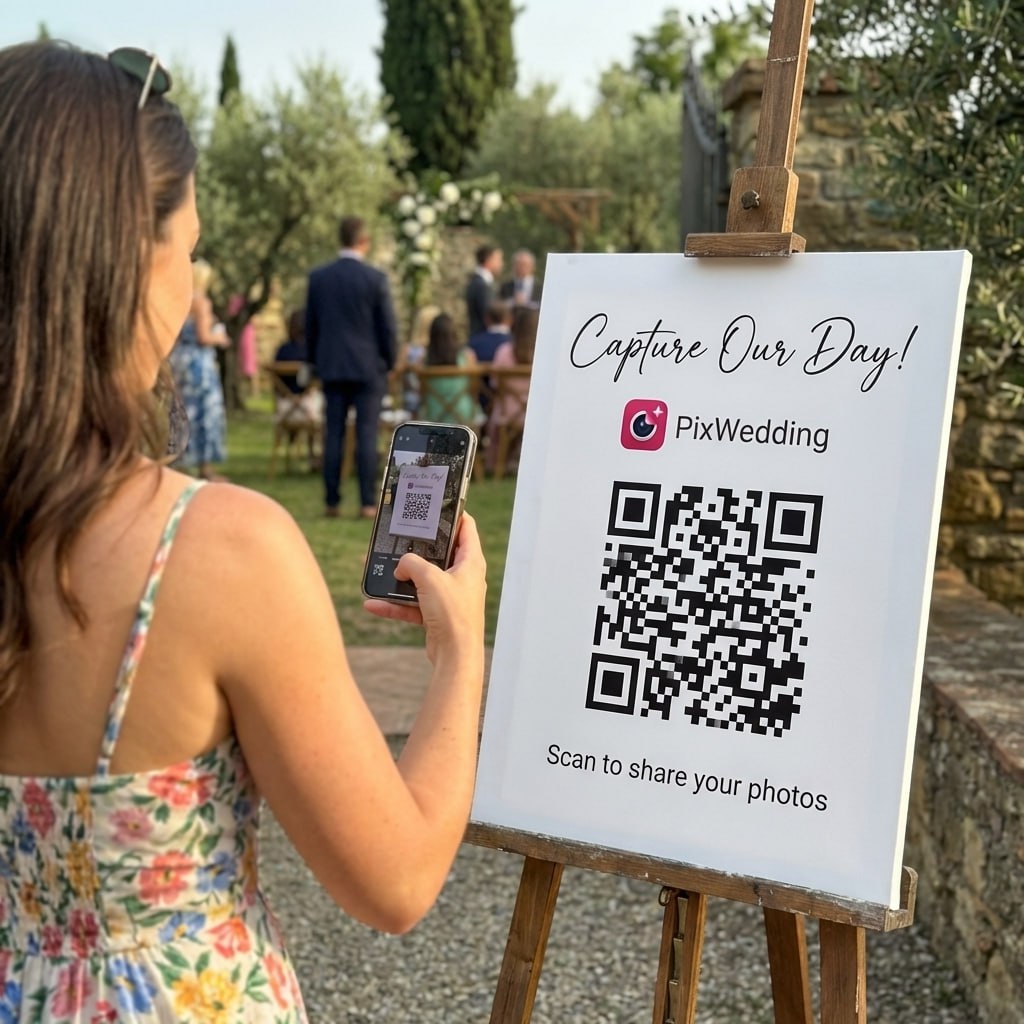
Whatever you fought about along the way, the wedding itself tends to wash it out fast. Put a QR code on the tables and every guest adds their photos and videos to one album, with no app and no account.

Scan to join the album
No app, no account
UPLOADING
Saving your moment
THE ALBUM
Maya & Leo
Example album
647 photos · 95 guests



Self-Check: Are We Fighting a Lot, or Fighting Normally?
Rate each statement from 1 (rarely true) to 5 (almost always true), then compare totals with your partner. It runs entirely in your browser: nothing is sent, saved or shared with anyone, including Pix Wedding.
Our arguments usually end with some kind of resolution or understanding, even if the issue is not fully solved.
After an argument, I feel like we are still fundamentally okay as a couple.
I can tell my partner something difficult without being afraid of how they will react.
Our arguments are about planning decisions rather than about each other as people.
I feel heard during disagreements, even when we do not agree.
We are able to take breaks from arguments and return to them calmly.
I still feel genuine affection for my partner even in the middle of a stressful week.
The wedding planning process has not made me doubt whether I want to marry this person.
When one of us apologises, the other is able to accept it and move forward.
I feel like we are on the same team even when we disagree.
When Fighting Before the Wedding Is Not Normal
These are not about how loud or how often you argue. They are patterns relationship research treats as concerning, grouped by how you fight, what you fight about, and how it feels.
How you fight
- Contempt. Eye-rolls, mockery or sarcasm used as a weapon. The Gottman Institute names contempt the single greatest predictor of divorce.
- Stonewalling that lasts days. Silence or one-word answers for days is emotional shutdown, not healthy coping.
- Every argument becomes a crisis. If no hard conversation stays manageable, a therapist can help you build the skills.
- One partner always gives in. That is not harmony. Suppressed needs tend to surface later with more force.
What you fight about
- Doubt about the marriage. “Maybe we should not do this,” said seriously even once, deserves a real talk before the next deposit.
- Trust or fidelity. A fight about faithfulness is a different category from a fight about the venue. Better logistics will not fix it.
- Parents pulled into couple fights. When family co-arbitrates your disputes, the center of the relationship sits outside the two of you.
How it feels
- Feeling afraid of your partner. Feeling physically unsafe, or controlled through fear, is a safety concern, not wedding stress. See the hotline below.
- Your concerns are never heard. If everything you raise turns into a fight about your tone or timing, address it before the wedding.
- Dreading time alone together. When you both avoid one-on-one time, the relationship has moved from stress to avoidance.
Source for the contempt pattern: The Gottman Institute, The Four Horsemen. A few sessions of premarital counseling before the wedding is common practice, not a sign anything is broken: a large household survey linked premarital education to higher marital satisfaction and lower conflict (Stanley et al., 2006).
If you ever feel unsafe
Fear, threats, or control are not wedding stress. In the US, the National Domestic Violence Hotline is free, confidential and open 24/7: call 1-800-799-7233, text START to 88788, or chat on their site. If you are in immediate danger, call 911.
Even Healthy Couples Fight, the Difference Is How
In this TED talk, researchers Julie and John Gottman explain why the way a couple fights says more about their future than whether they fight. It is a useful watch together before your next planning conversation.
Video: TED on YouTube, published June 2024, 17 minutes.
Scan. Upload.
Nobody chases anybody for photos.
Watch how a guest scans the QR code and adds photos and videos from the phone browser in seconds, with no app and no account. It is the one wedding task neither of you has to manage on the day.
WEDDING ALBUM
Maya & Leo
Example album
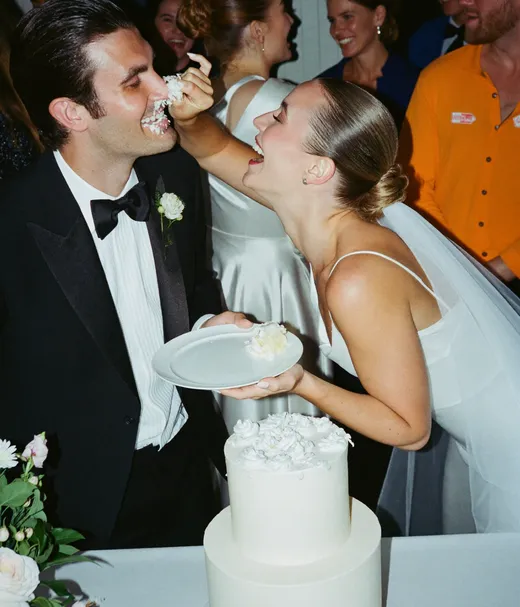


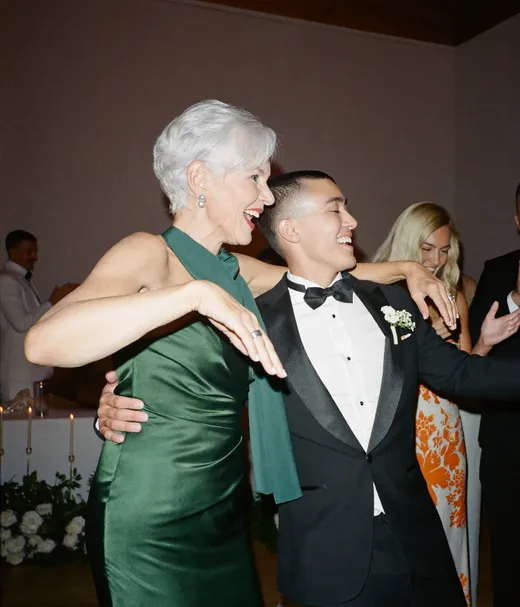


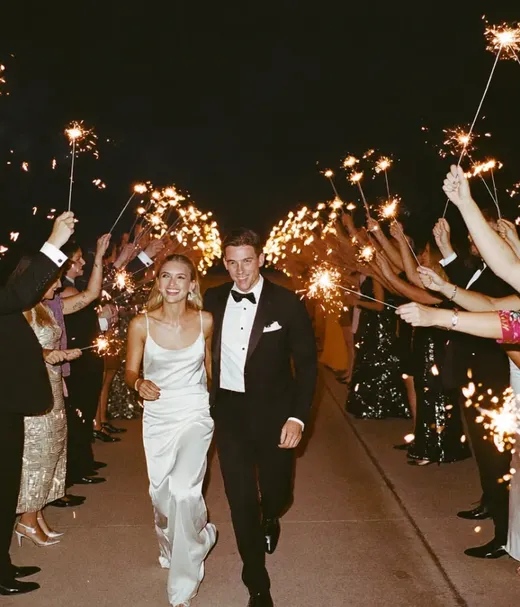
If you want Pix Wedding for your own day: plans are one-time payments from $49, with a free tier of 20 uploads and no card required. See plans
More Guides and Free Tools
If the conflict is really about cold feet, family, or the planning load itself, these guides go deeper.
Explore more free wedding tools
Everything you need to make your wedding day stress-free and unforgettable.
Cost Calculator
Compare wedding costs by city.
Courthouse Wedding Cost
Real fees by county and what to expect.
Photo Sharing QR
The best way to collect guest photos.
Wedding Checklist
Month-by-month planning checklist.
AI Vow Generator
Write "banger" vows in seconds.
AI Speech Pro
Banger toasts for Best Man & more.
Questions about fighting before the wedding
Frequency, red flags, and what to do next: research-backed answers for engaged couples.
Yes, most do. Wedding planning stacks money decisions, family expectations and deadlines on top of normal life, so quarrels before marriage are common and usually reflect stress rather than incompatibility. The Gottman Institute's research focuses on how couples fight, not how often.
A lot of arguing during wedding planning is common, especially in the final weeks when deadlines collide. What matters is the pattern. Fights about logistics that end in repair are normal. Fights that regularly include contempt, stonewalling for days, fear, or doubt about the marriage are worth addressing directly.
Brief, intense frustration under deadline pressure is common and usually passes once a decision is made or a stressful week ends. Persistent contempt, where you feel disdain for your partner rather than frustration with a situation, is different: the Gottman Institute names it the single strongest predictor of divorce. If the feeling is constant and about who they are as a person, talk about it, possibly with a therapist.
The most common topics are money and the budget, the guest list, family involvement (parents or in-laws expecting a say), task distribution, communication style under stress, and different visions for the day. Most of them are logistical and solvable with a shared number or a clear rule.
Many couples describe arguing as peaking in the final two to four weeks, when vendor deadlines, RSVPs and final headcounts collide with less sleep and less patience. This pattern is common and usually eases once the day arrives. Address it directly rather than waiting it out if the fights involve contempt, stonewalling for days, or doubts about the marriage.
Use the fair-fighting rules and repair scripts on this page: name the real issue, take a real 20-minute break when flooded, come back when you said you would, and open with a statement of care even when nothing is resolved yet. If fights regularly involve contempt, fear, or stonewalling for days, bring in a licensed couples therapist before the wedding rather than after.
Not on its own. Researchers separate constructive conflict, where both partners engage, express needs and reach some resolution, from destructive conflict built on contempt, stonewalling or defensiveness. Frequent constructive conflict during planning can even build the communication skills a marriage needs.
No name-calling or contemptuous language. One issue per argument, not a list of grievances. A real break of at least twenty minutes if emotions escalate (the Gottman Institute's suggested minimum for self-soothing). End with a statement of care even when unresolved. And never argue in wedding settings like vendor meetings.
It can be. A complete absence of conflict sometimes means one partner is suppressing concerns to keep the peace, and those concerns tend to surface later. A moderate amount of open, respectful disagreement is healthier than enforced harmony where real preferences go unsaid.
Repeating arguments are almost always about something beneath the surface topic. If you keep fighting about the guest list, the real disagreement is often about whose family is prioritized or how much each family has invested. A therapist, or a structured conversation using “I feel” language instead of “you always,” can break the cycle.